Chapter 1: The Entanglement of Empire, Capital, and Art
->Follow this route to trace the intersection of capital and power in China, discover who truly ruled the city, and see how that friction birthed the timeless aesthetics of Hangzhou.
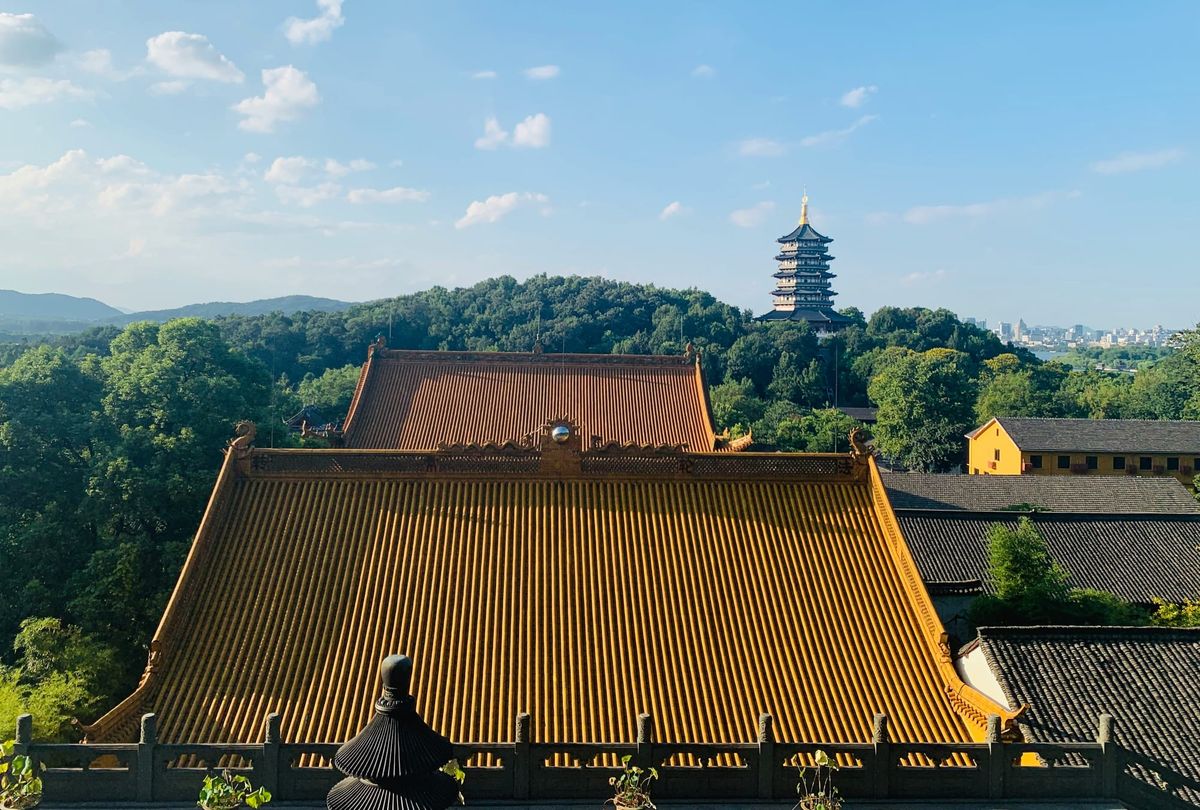
At its peak in the twelfth century, Hangzhou was, by most accounts, the largest and most prosperous city on earth.
The dynasty that made it so was the Southern Song.
In 1127, the Jurchens (ancestors of the Manchus) seized the imperial capital of Kaifeng and drove the Song Dynasty court south — and Hangzhou, then known as Lin'an, became the new capital of what history would call the Southern Song dynasty.
It lasted 152 years. What it left behind, however, stayed considerably longer.
A vast empire compressed into something smaller, denser, and more culturally intense. Hangzhou responded by producing something extraordinary.
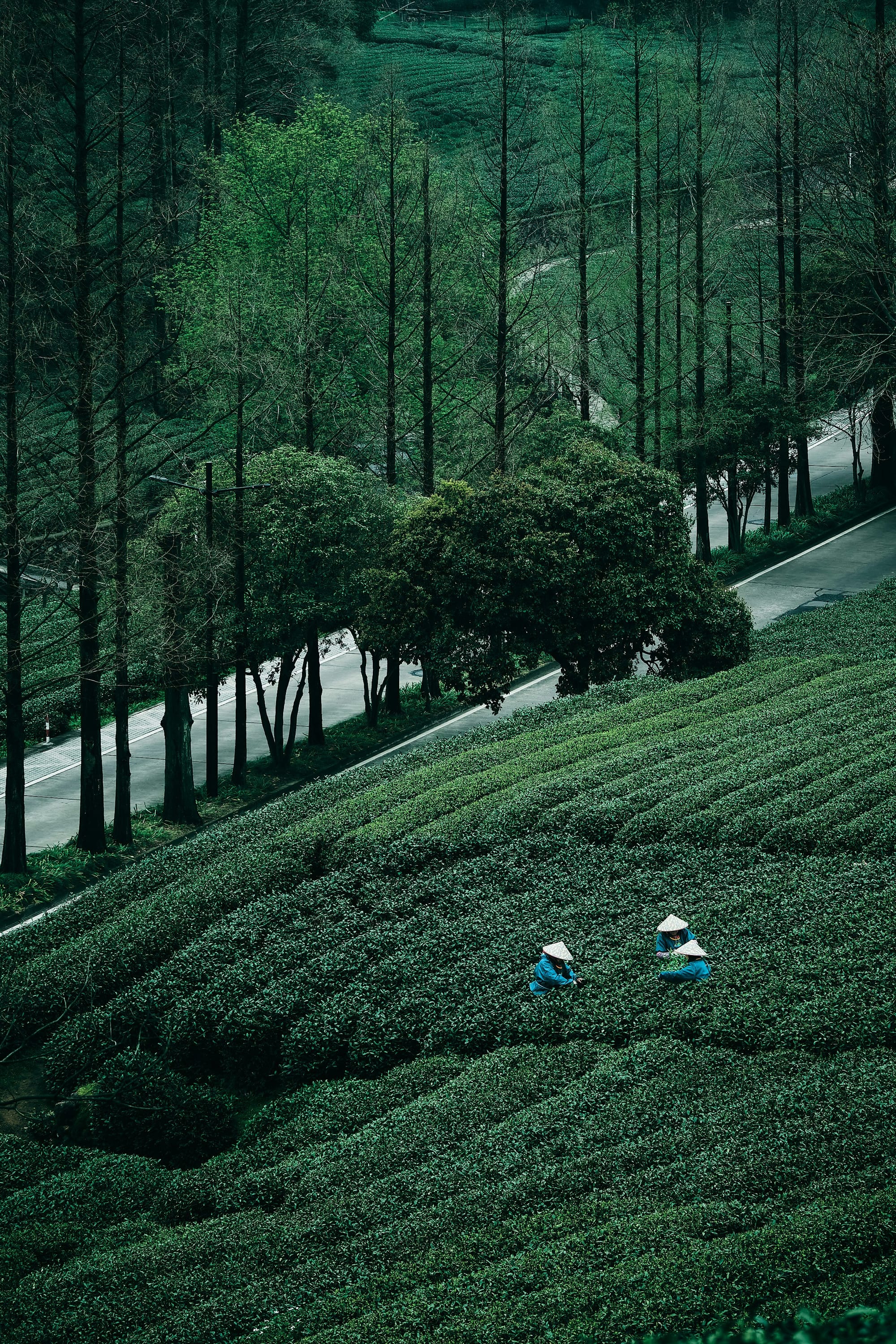
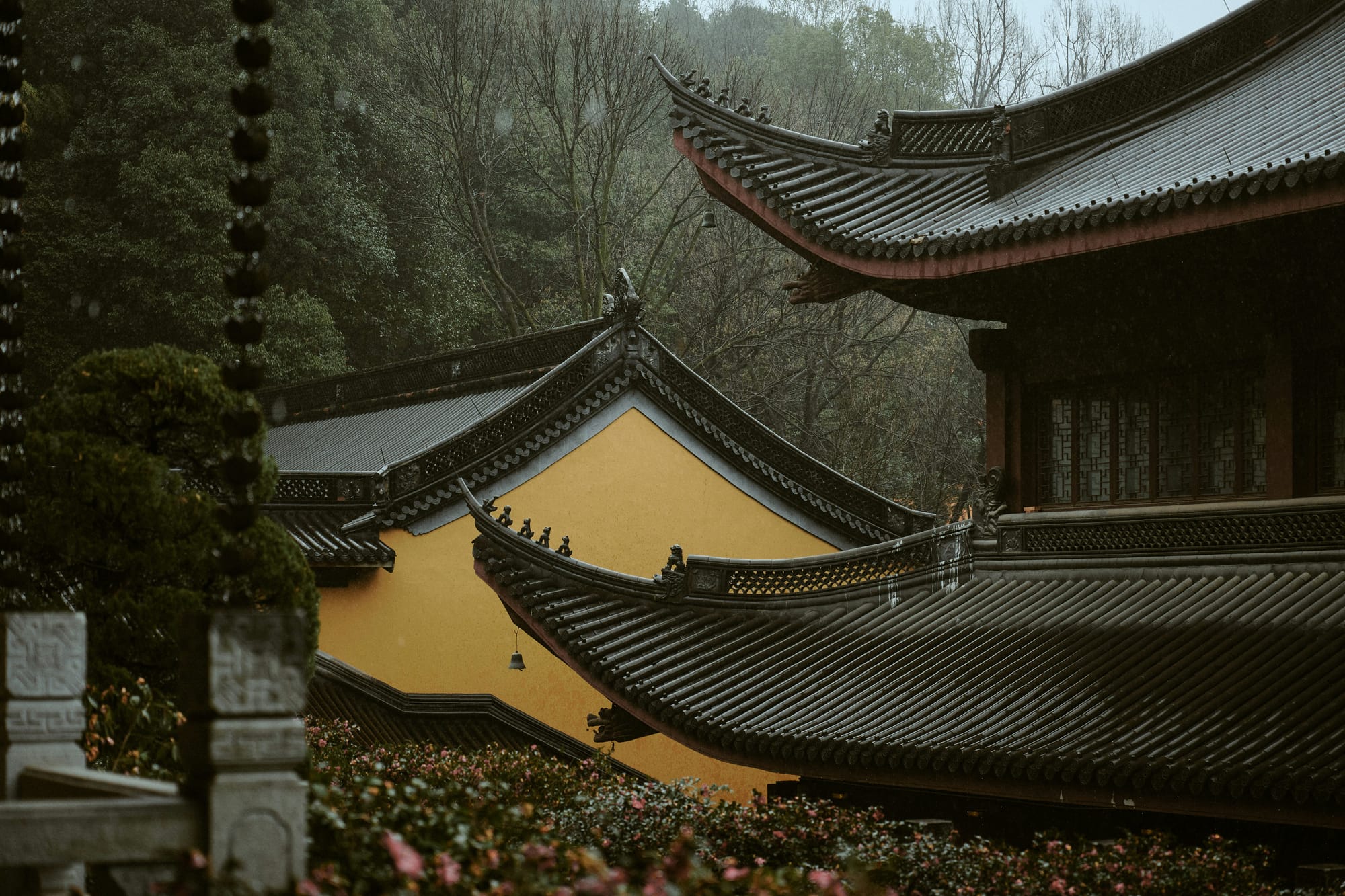
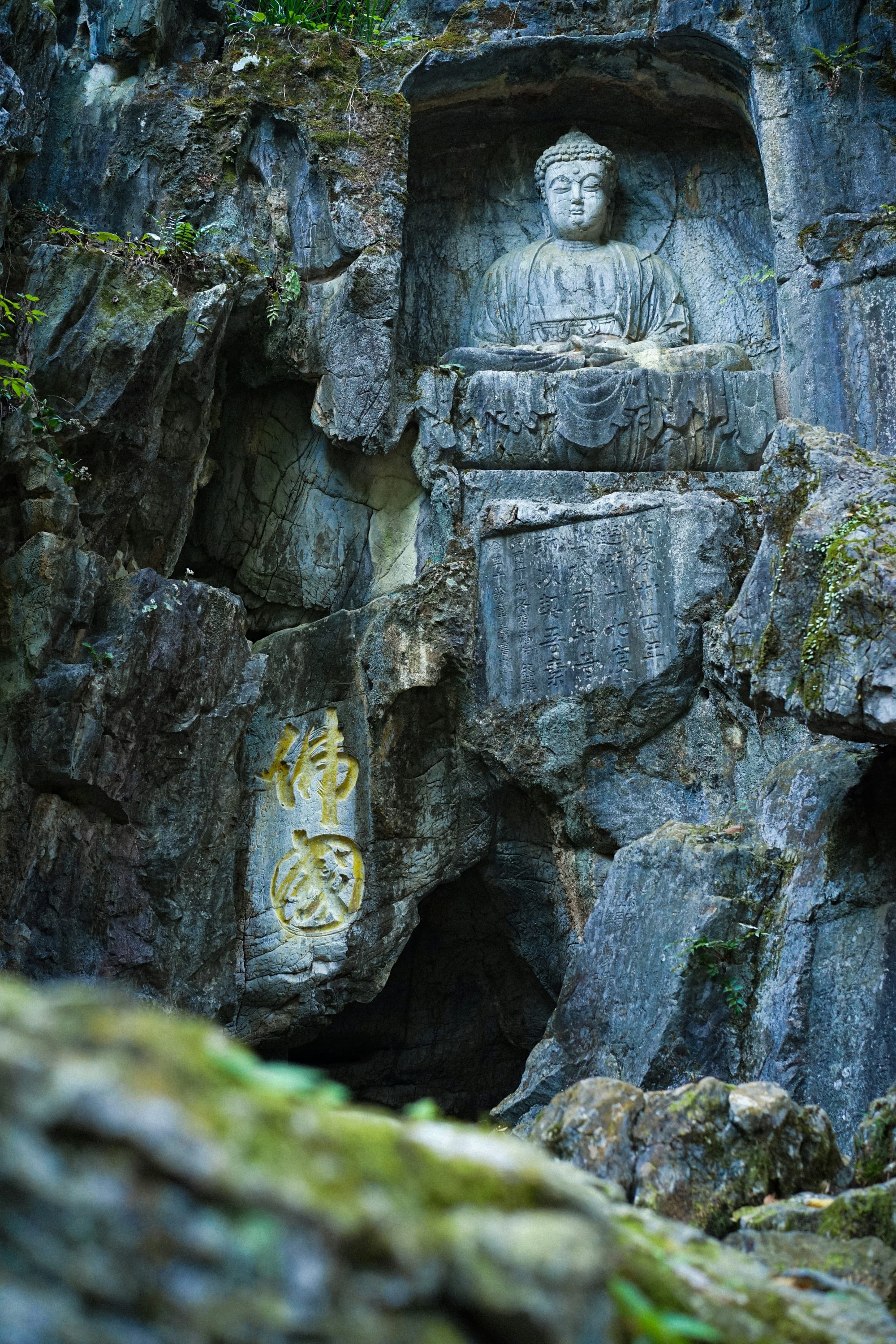
The palace, the gardens, the merchant class, the tea culture, and the philosophy of restraint—all of it reached its peak here.
The story is, in many ways, a parallel to the Medici family’s.
Private wealth funded cultural production. Merchants and court officials used art and architecture to signal status and consolidate power.
The instinct that built Florence's great palaces also built Hangzhou's private lakeside villas, elevated a valley tea into an imperial obsession, and turned a retreating court into a beacon of high civilization.
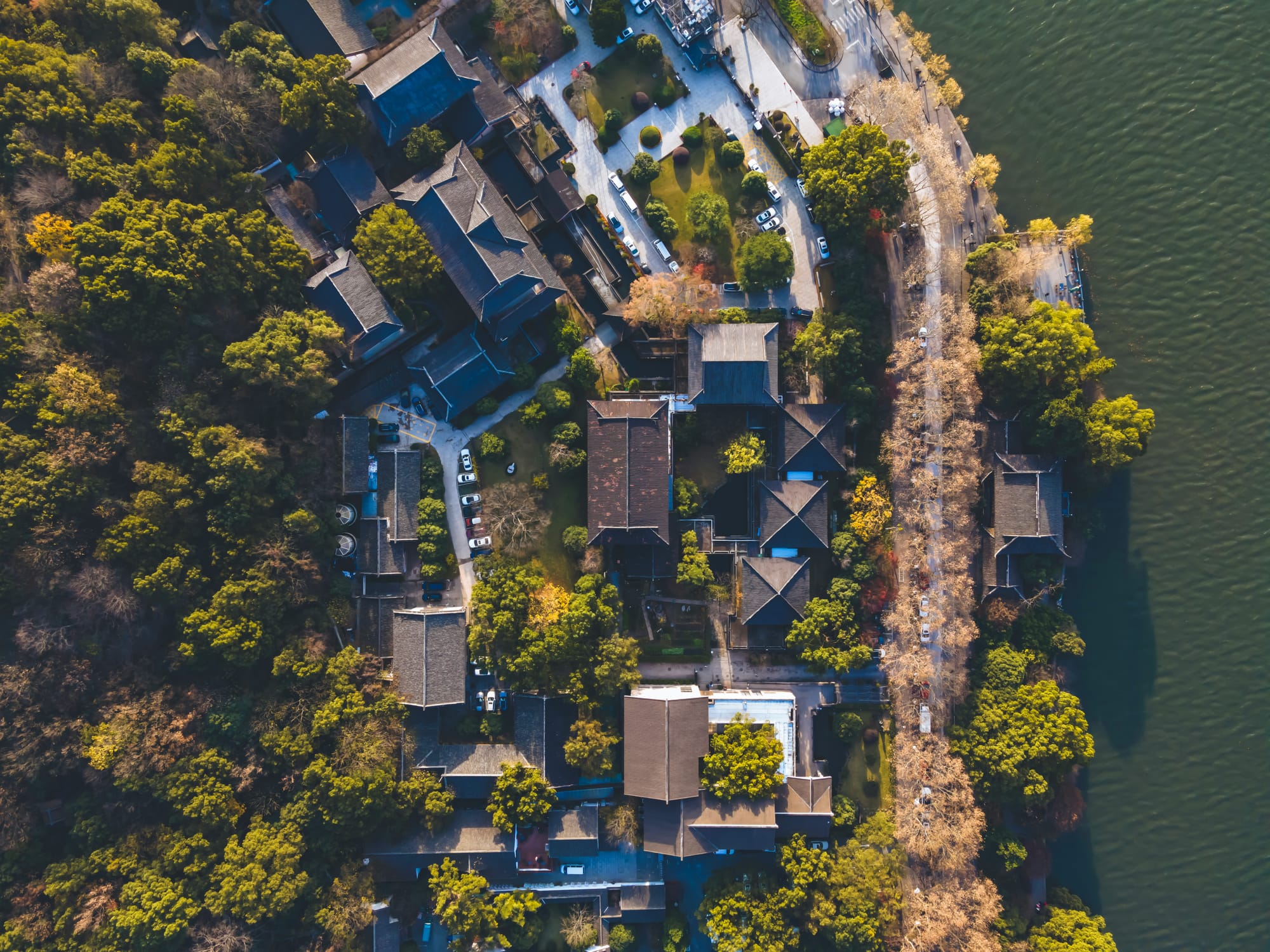
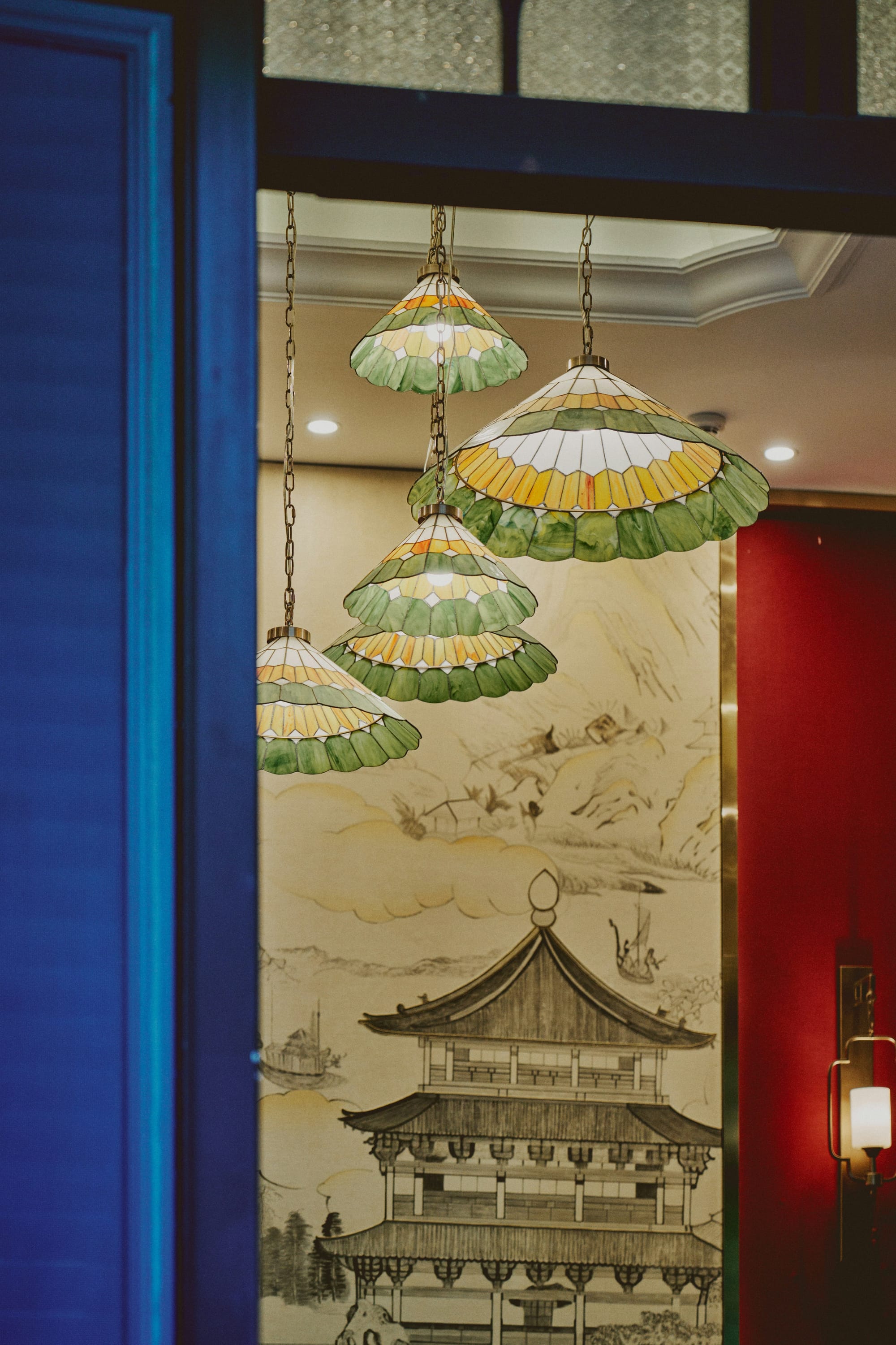
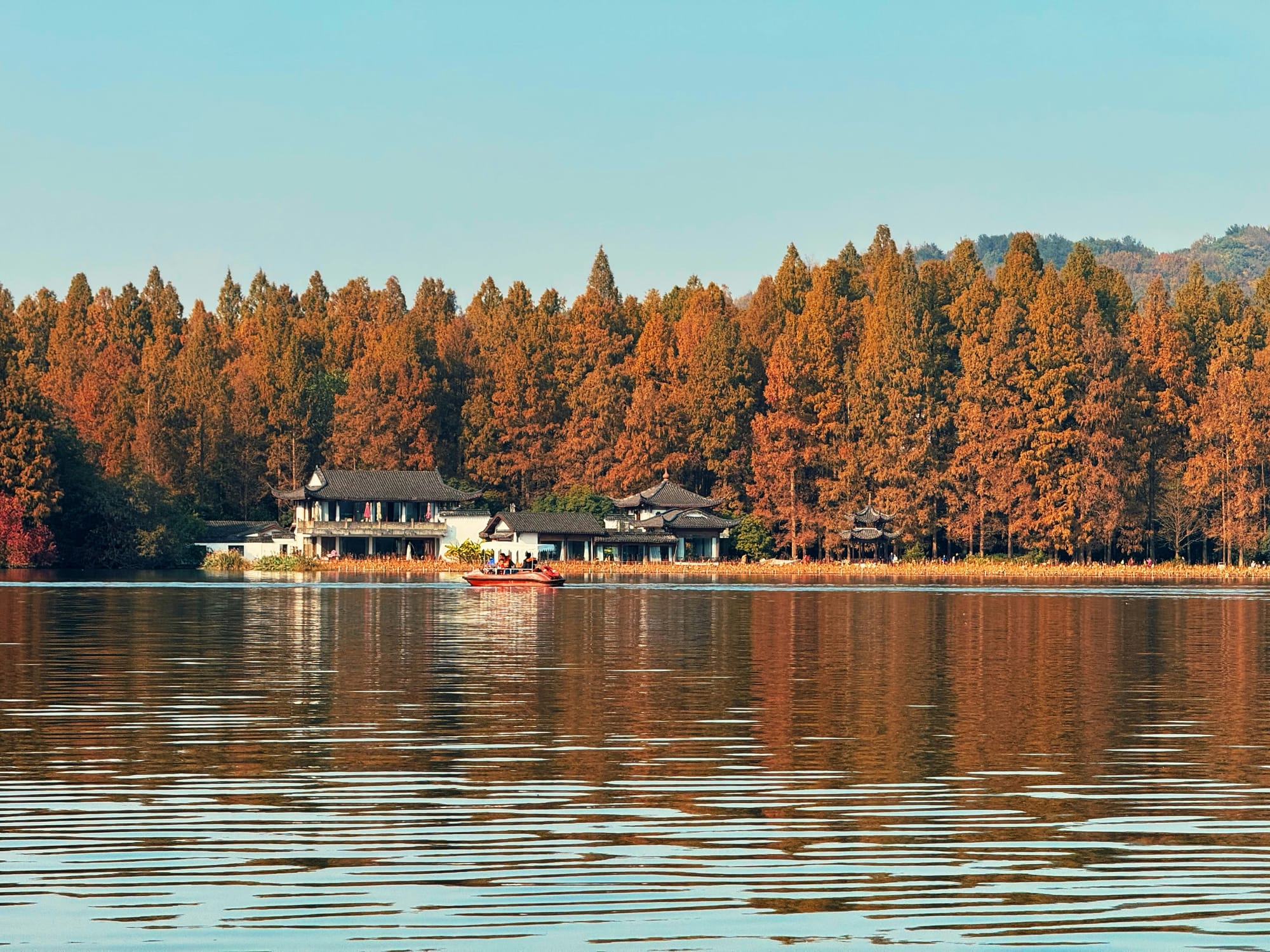
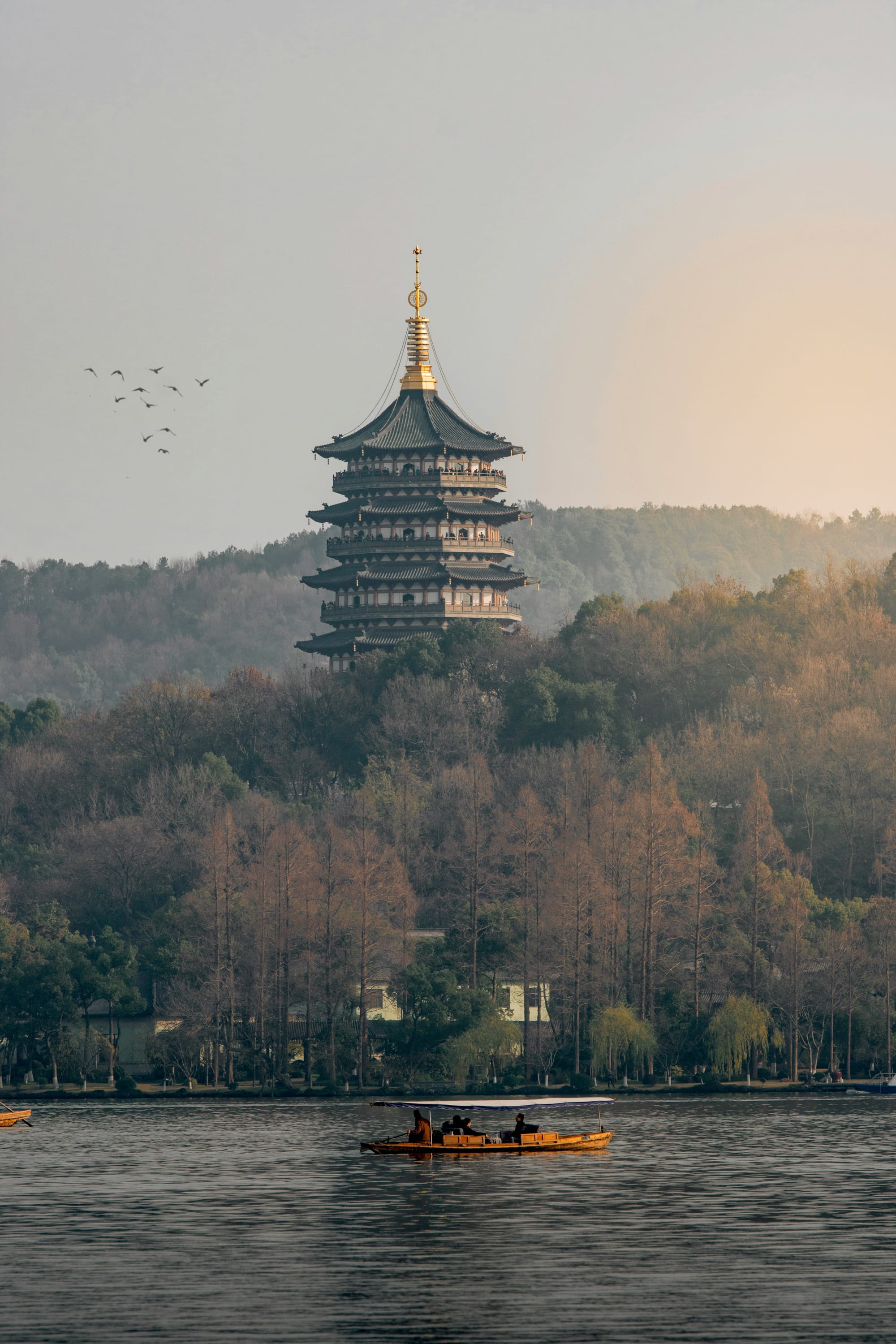
Yet, that parallel diverges, offering clues to a centuries-old Chinese mentality regarding power and commerce—the echoes of which are still palpable today.
While the Medici family’s private wealth in Florence eventually bought them political office and papacy—proving that private capital, given enough time and ambition, could conquer the state—such a trajectory was structurally impossible in China.
No matter how staggering a merchant's fortune became, it could only serve the bureaucracy, never own it.
How much has that truly changed? It is a question worth sitting with as you walk through Hangzhou’s laneways today.
On The Ground
Imperial Power
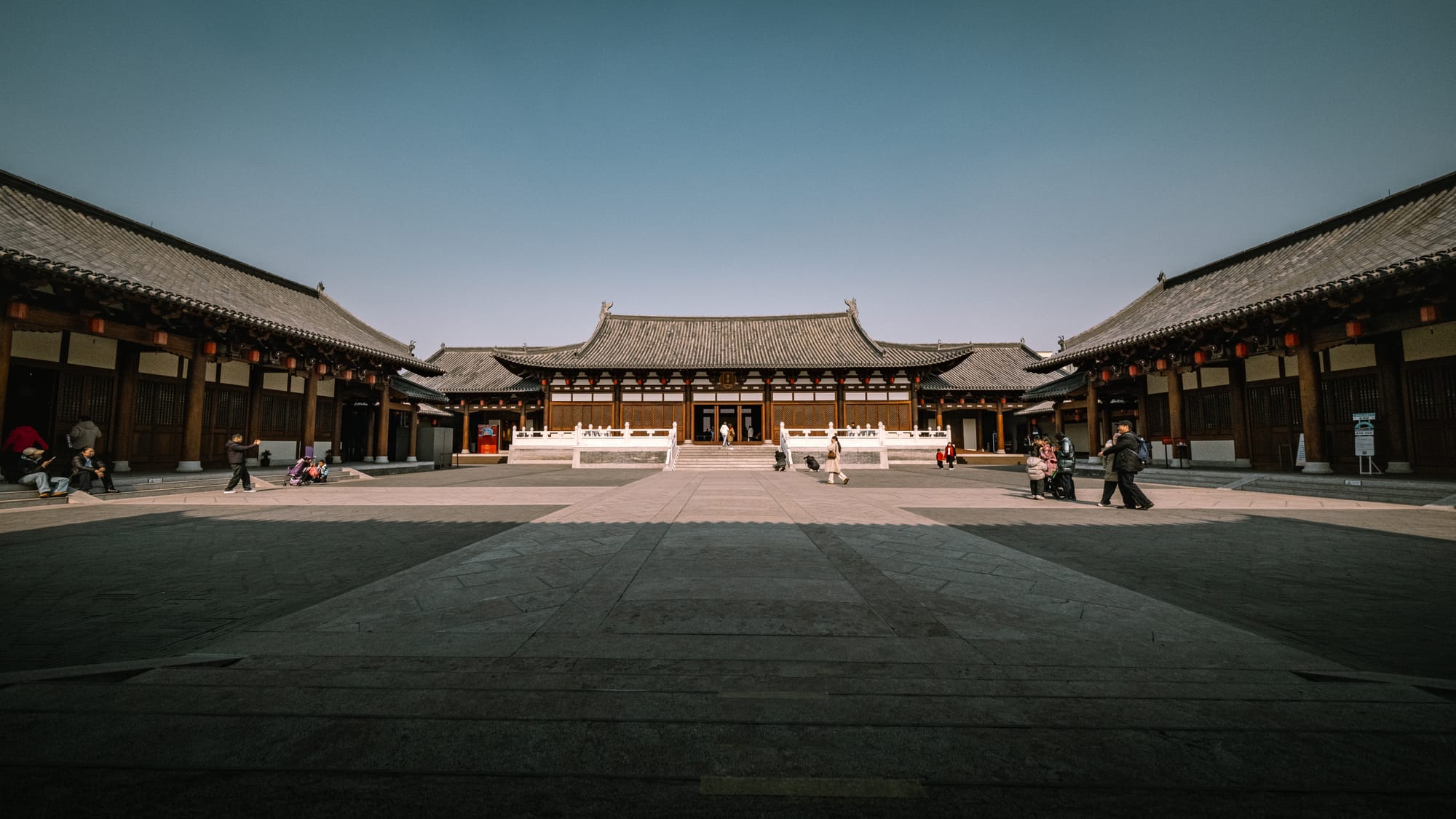
To see this imperial power at work, look to Deshou (Virtue and Longevity) Palace, the serene enclave where Southern Song emperors retreated to retire and relax. With the original primary court on Phoenix Mountain lost to history, Deshou Palace’s excavated ruins stand as the oldest surviving physical trace of Song imperial life.
The site was meticulously reconstructed based on extensive historical records, resurrecting the dynasty's architectural language when it reopened to the public in late 2022.
The Emperor's Crop
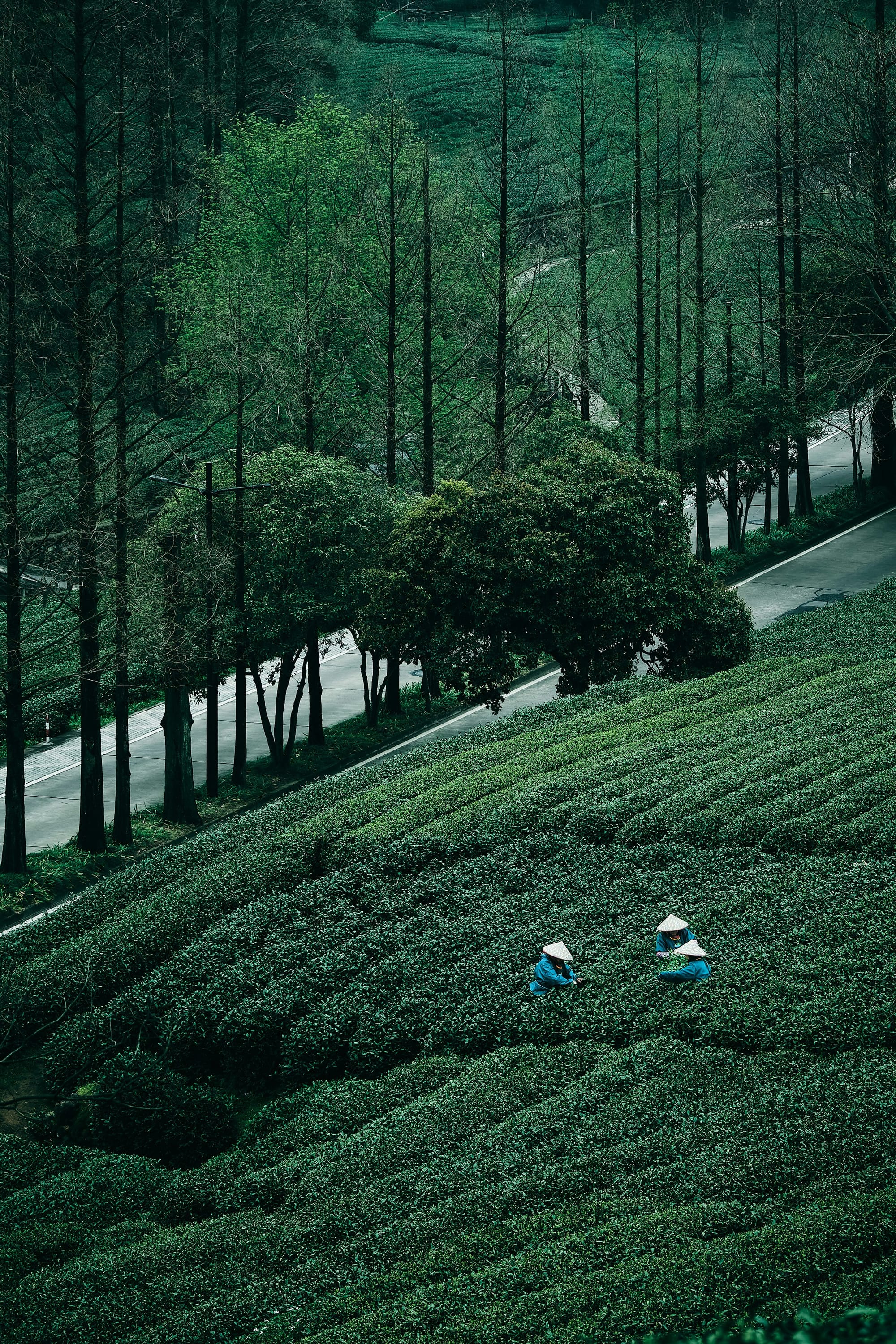
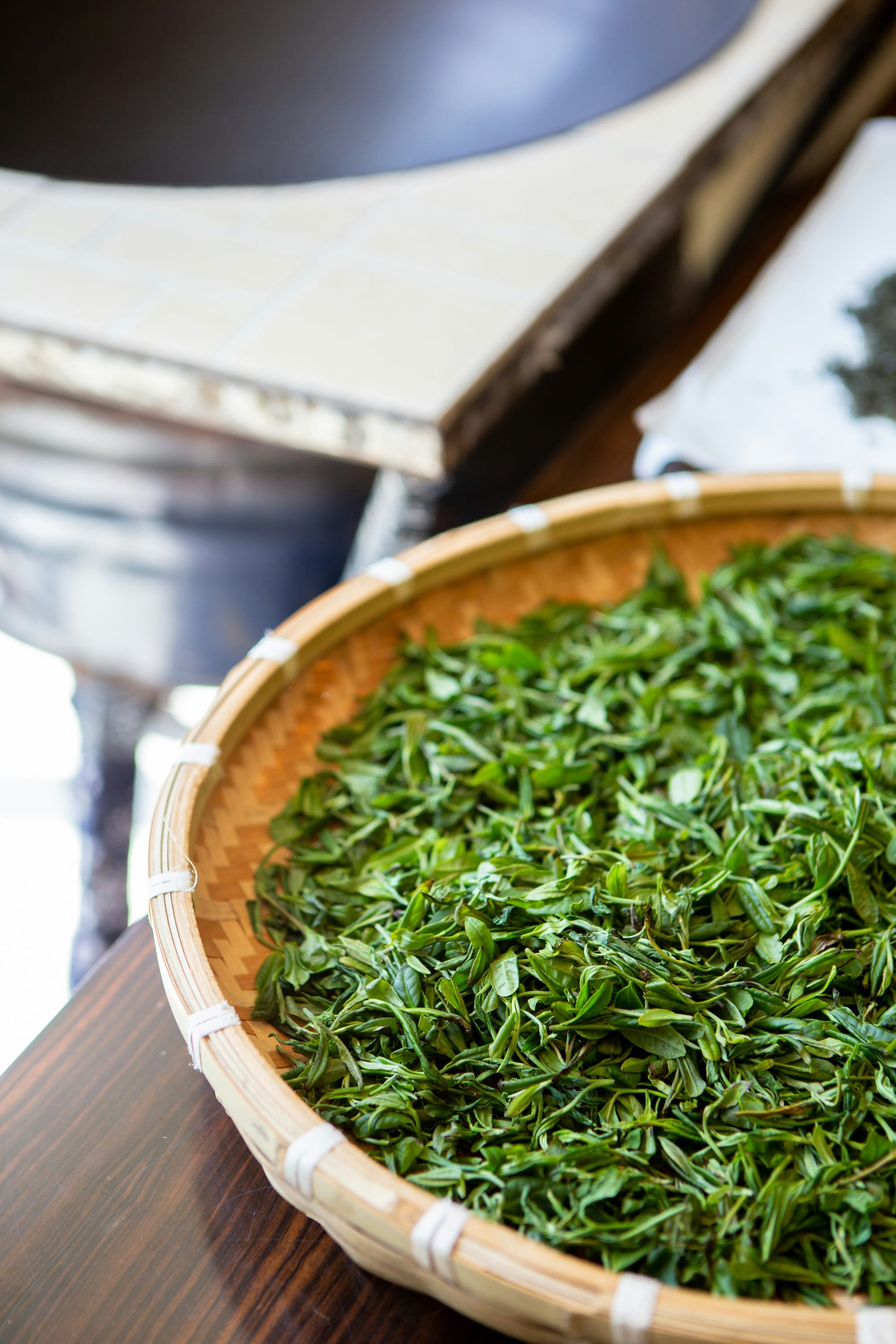
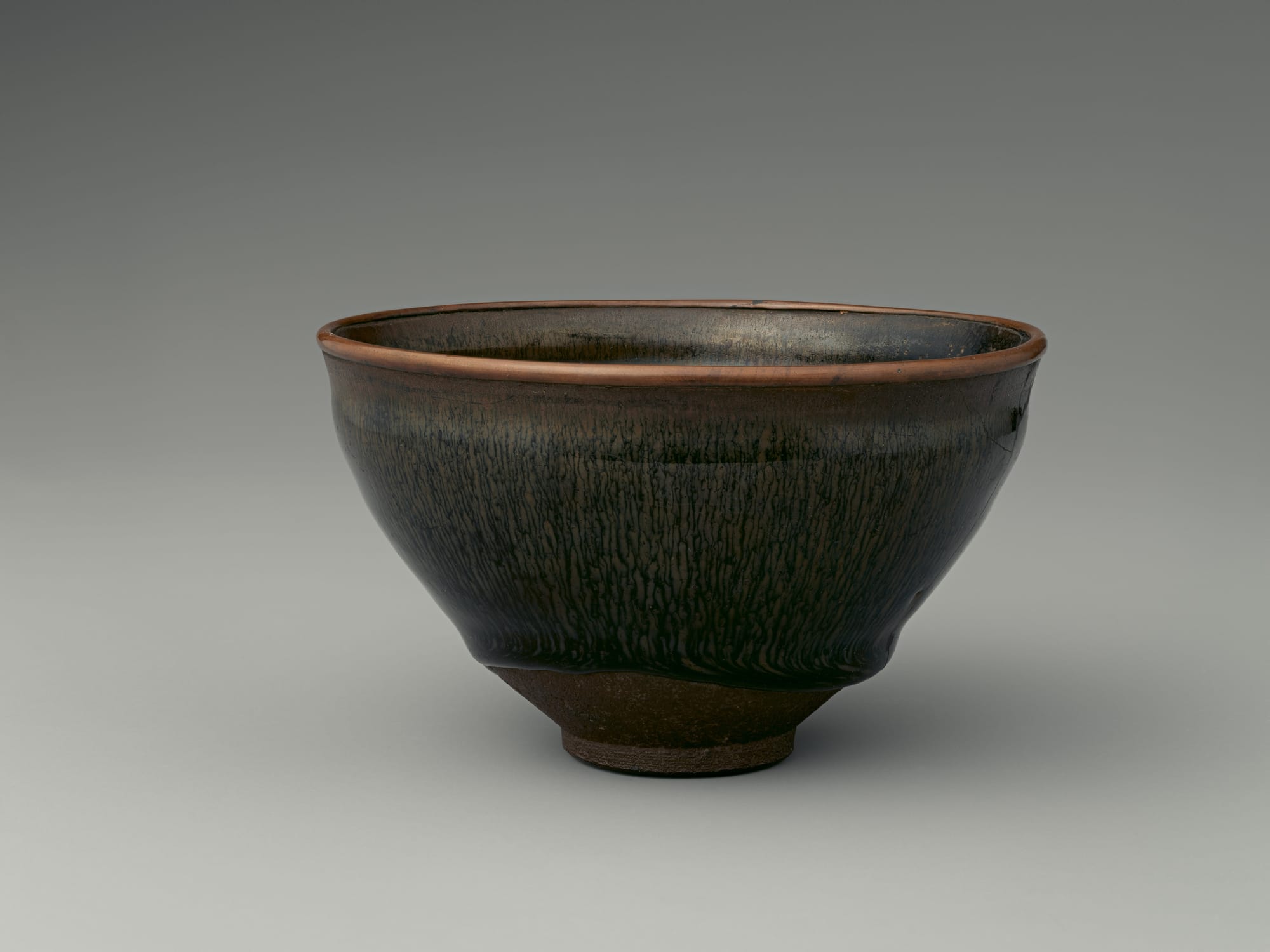
Tea is never just a beverage in China; here, it even bears imperial weight. Longjing (Dragon's Well), one of the nation's most revered varieties, has been cultivated in the misty hills of Longjing Valley since the Tang Dynasty.
Its defining moment arrived during the Qing Dynasty, when Emperor Qianlong granted the crop his coveted official endorsement—a legacy of prestige that remains entirely undiminished today.
The eighteen tea bushes famously designated as imperial by the Qianlong Emperor can still be seen beside Hugong Temple in Old Longjing Village. Mark it on your itinerary.
Mercantile Prowess
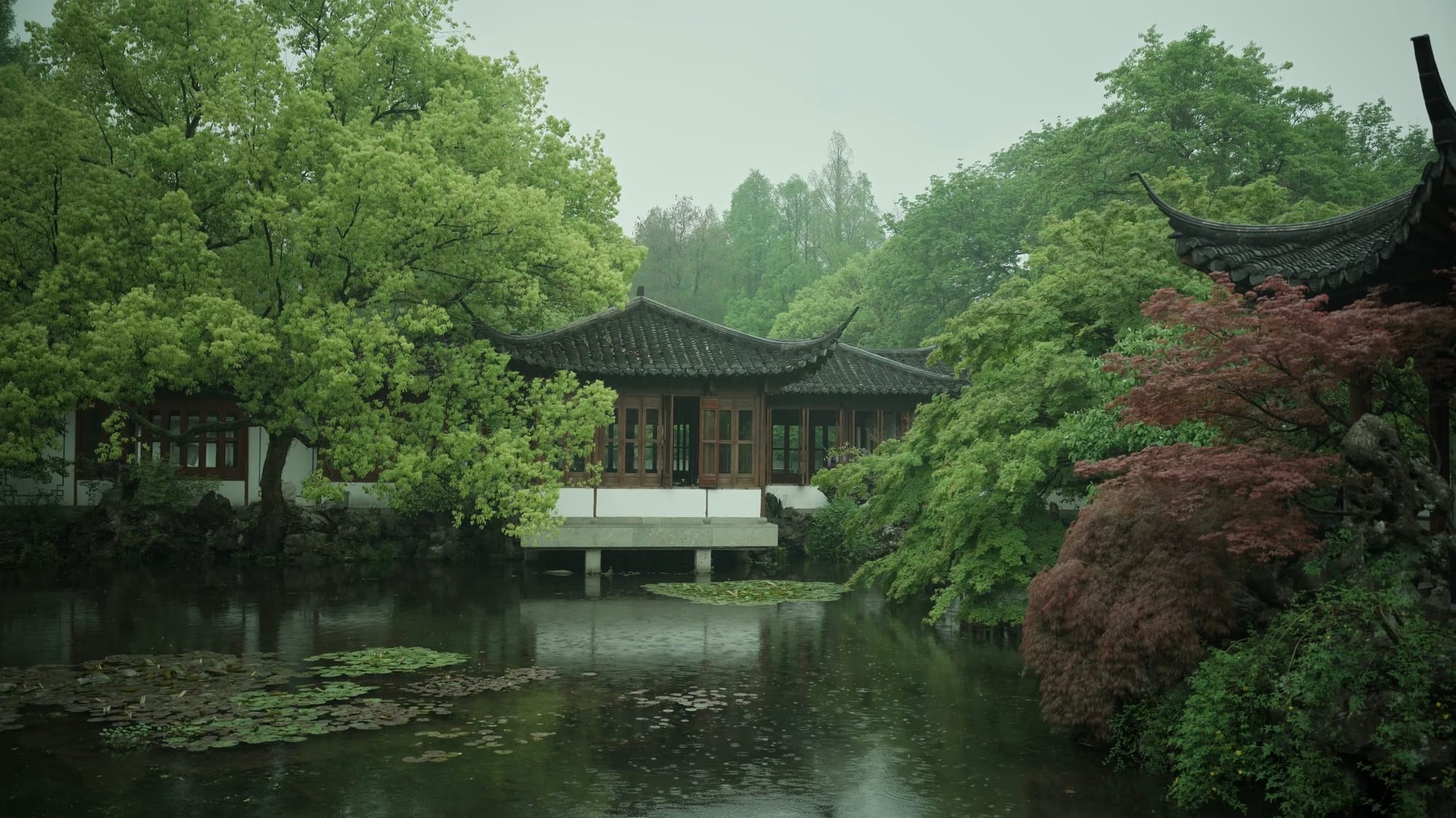
To see mercantile prowess on display, head to Guo's Villa on the western shore of West Lake.
Despite the name, its story begins with the silk merchant Song Duanfu, who built the garden in 1907 — a private retreat where he hosted literary gatherings and, in one telling detail, kept peacocks to rival a neighbor's flock of cranes.
But the Song family's fortunes didn't last. The estate was passed to Guo Shilin, a merchant from Fenyang, who renamed it after his hometown — Fenyang Villa, though Hangzhou locals simply called it Guo's Villa. It stands today as one of China's finest surviving examples of a commercial fortune reinvested in the currency of taste — twice over, under two different merchant families.
Born poor. Died poor. In between, the richest man in China.
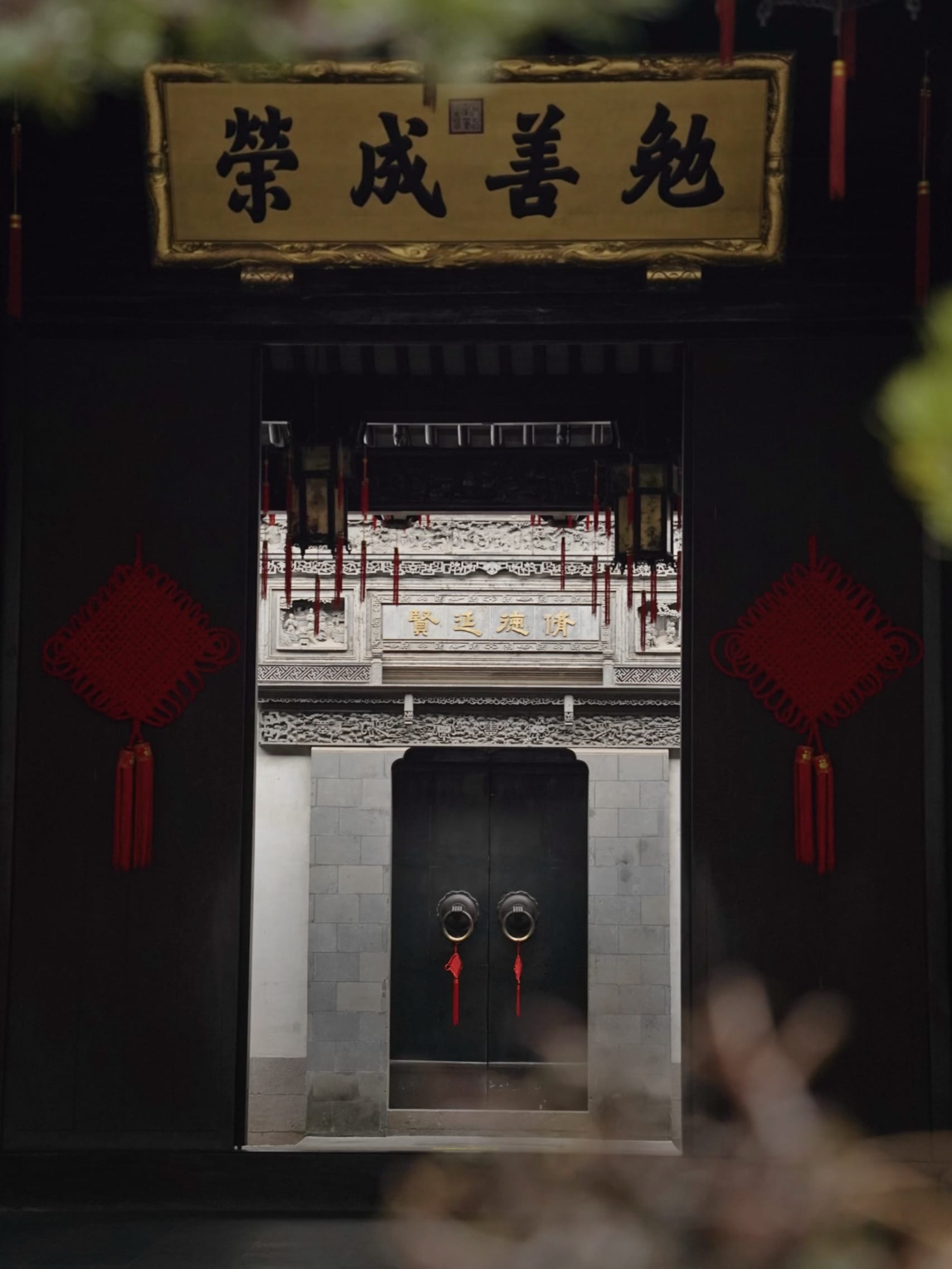
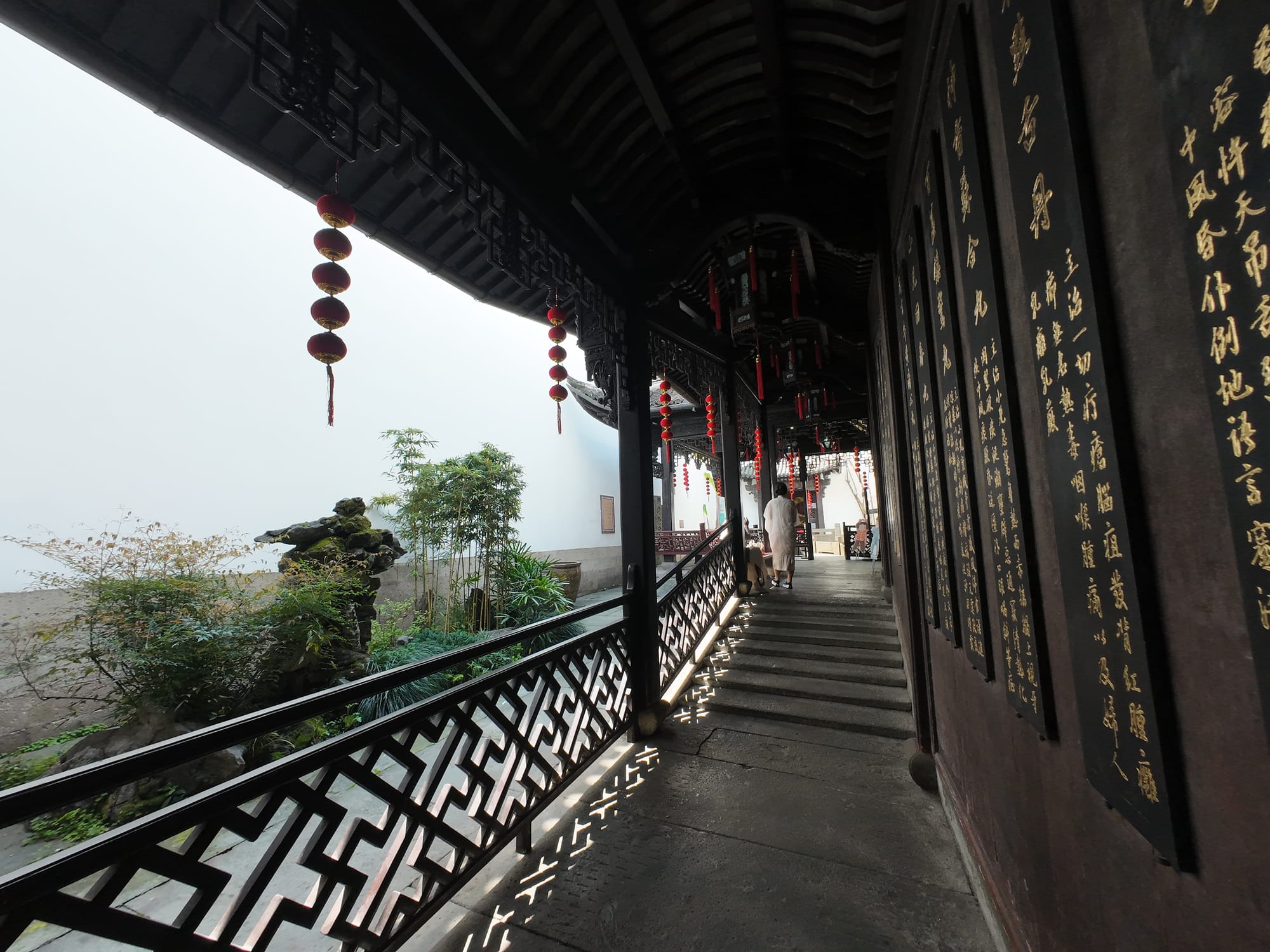
A few streets away sits the remarkable residence of Hu Xueyan. Once one of the wealthiest businessmen in China, his life traces one of history's most dramatic rags-to-riches-to-rags trajectories.
Born into poverty, Hu worked as a bank apprentice before ascending to become the chief financier to the imperial government. He eventually secured a high official rank and exclusive "red hat" status—an extraordinary feat for someone who had never once sat a civil service exam.
His opulent Hangzhou estate, constructed at the absolute apex of his influence, was intentionally fitted with maze-like security walls and raised pavilions—a physical testament to both his immense wealth and his deep suspicion of the imperial court.
When his political alignments collapsed, his commercial empire was systematically stripped by the state.
Hu died in absolute poverty — completing the loop exactly where he began. Yet his civic legacy endures, passed down by generations continuously fascinated by his pure audacity.
Worth a Detour
In addition to his residence, the traditional Chinese pharmacy he founded—Hu Qing Yu Tang—can be found on nearby Hefang Street. It actively operates today under his unyielding founding motto: abstain from deception.