Hu Qing Yu Tang Traditional Chinese Medicine Museum 胡庆余堂中药博物馆
South China's Most Venerated Apothecary
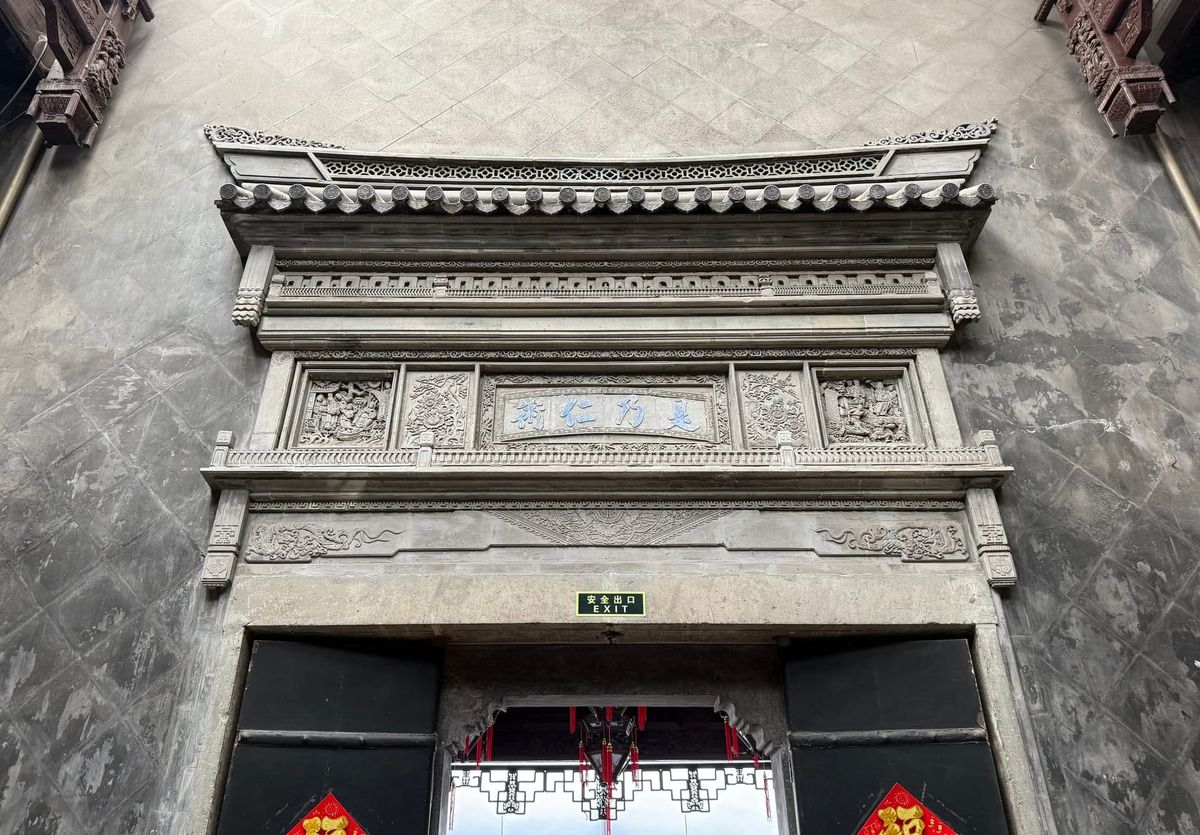
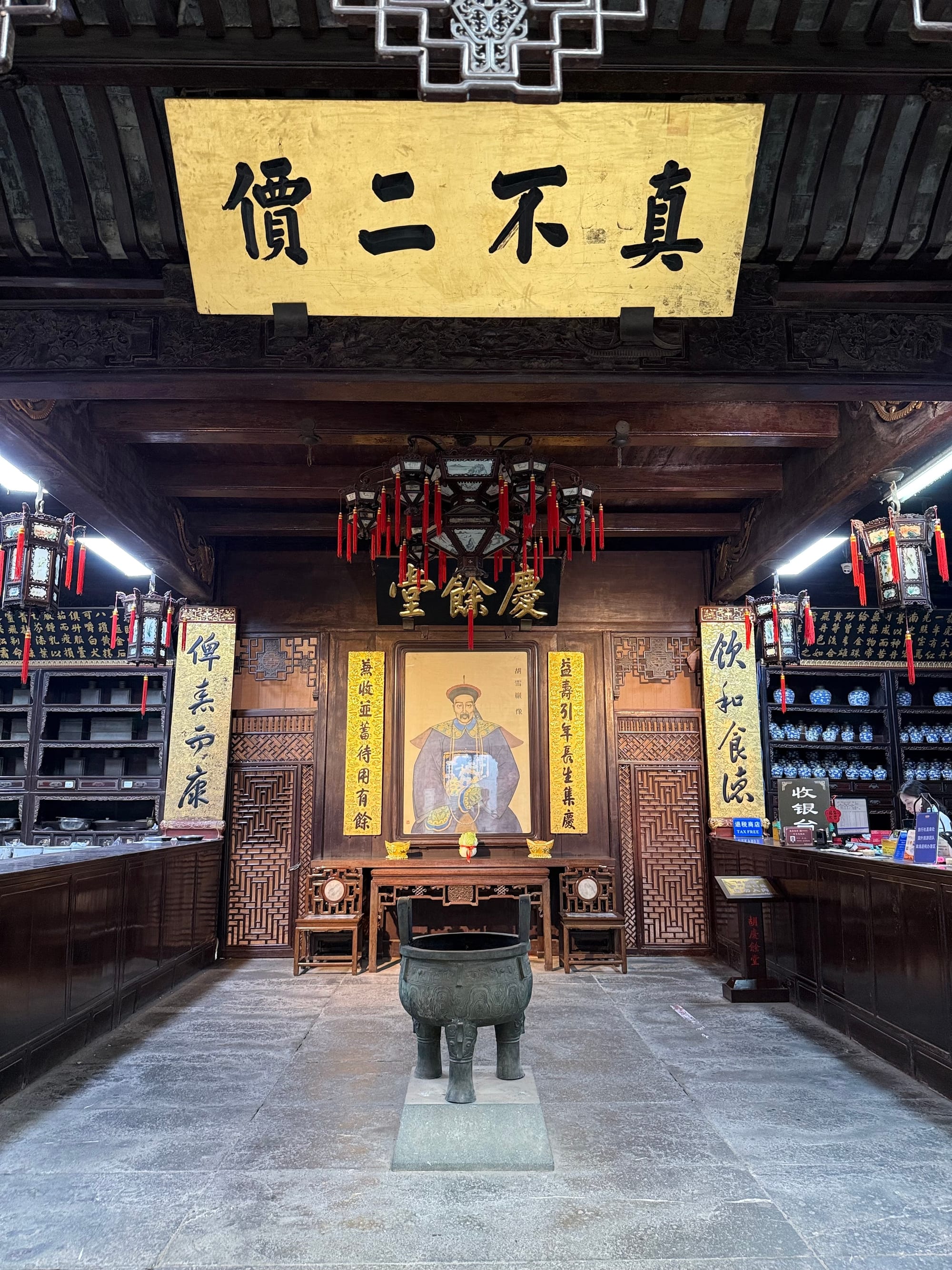
Founded in 1874 by Hu Xueyan. Hu Qing Yu Tang remains a fully functioning apothecary and the temple of holistic healing in South China, matched in reputation only by Beijing’s Tong Ren Tang in the north.
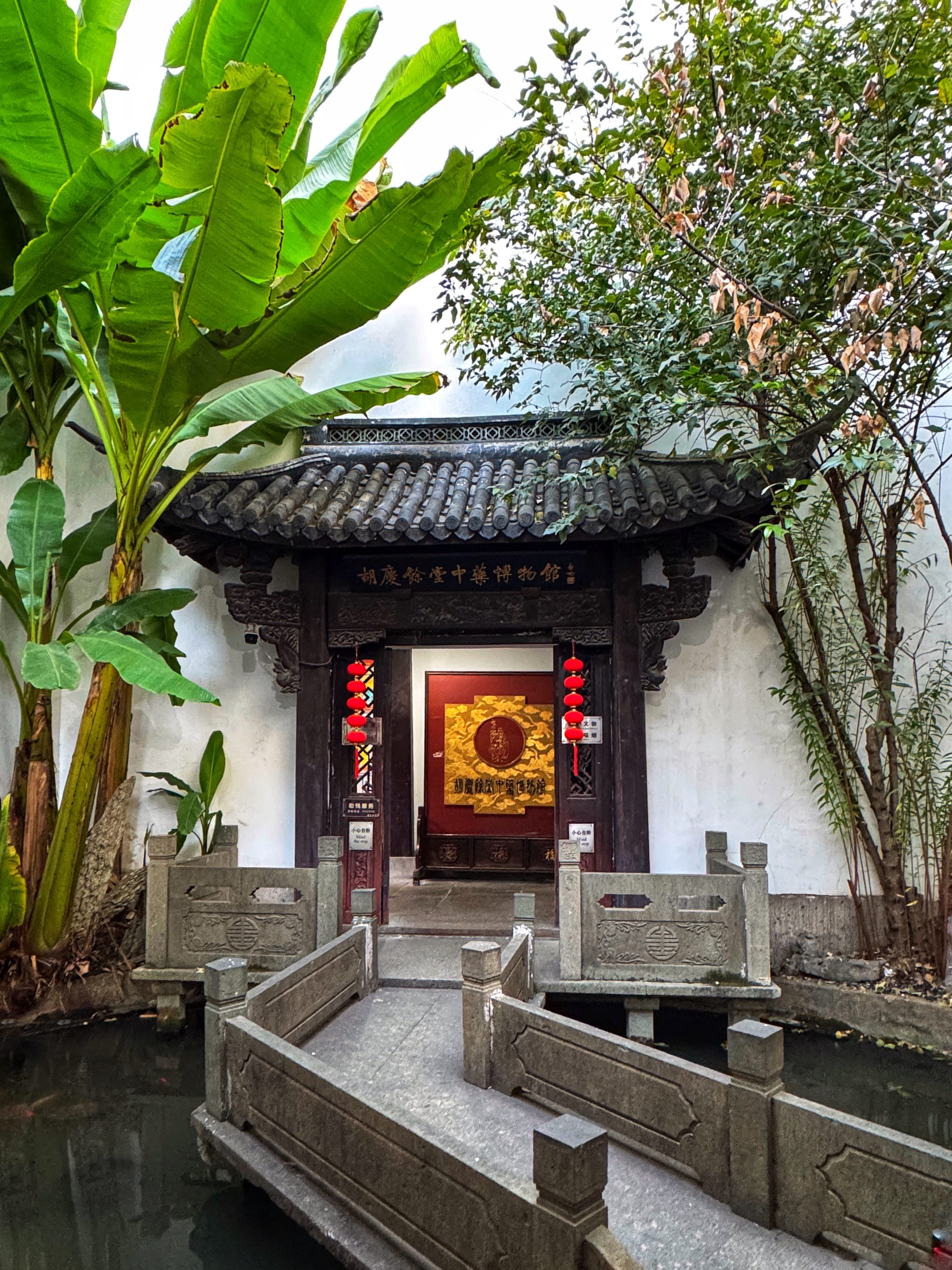
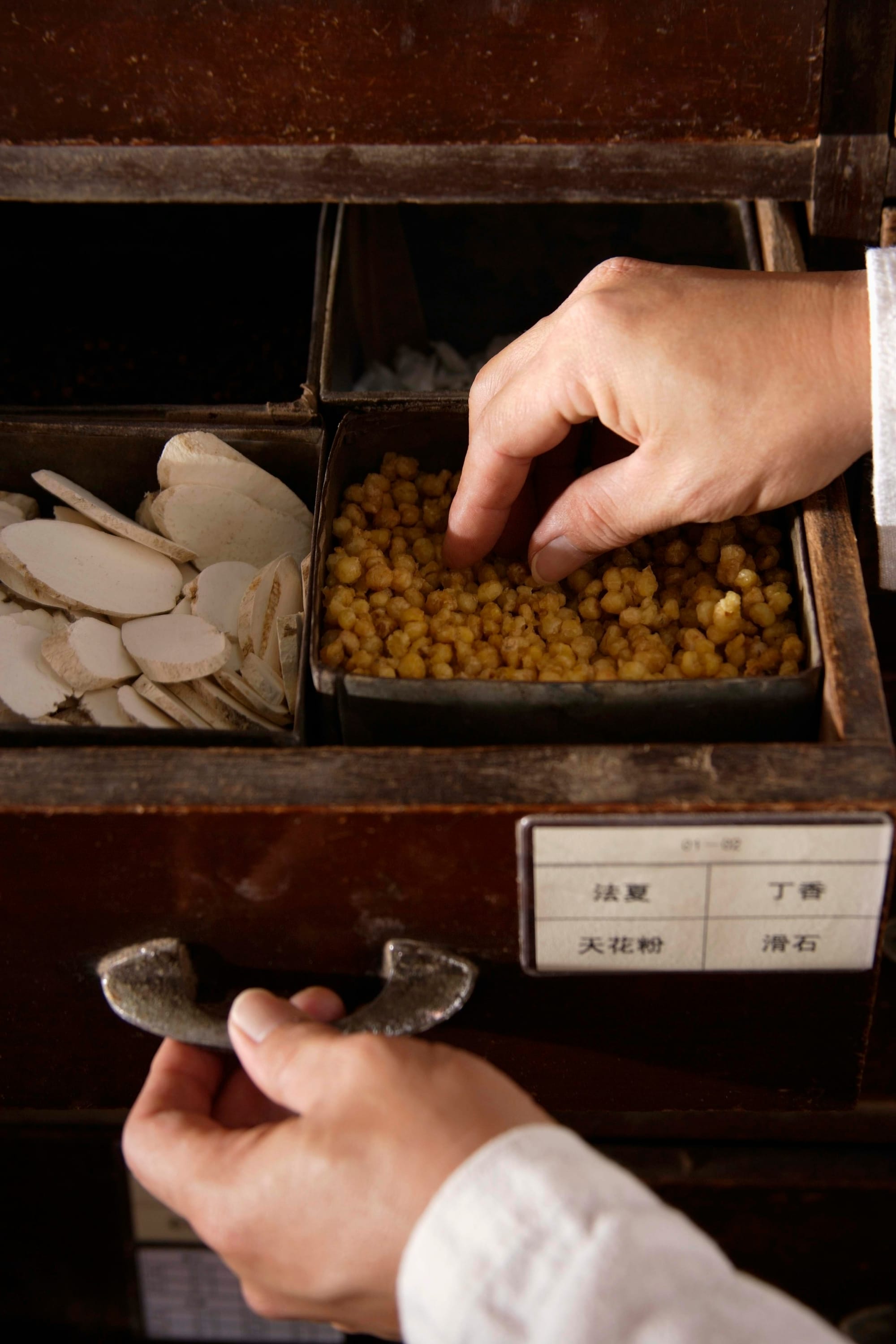
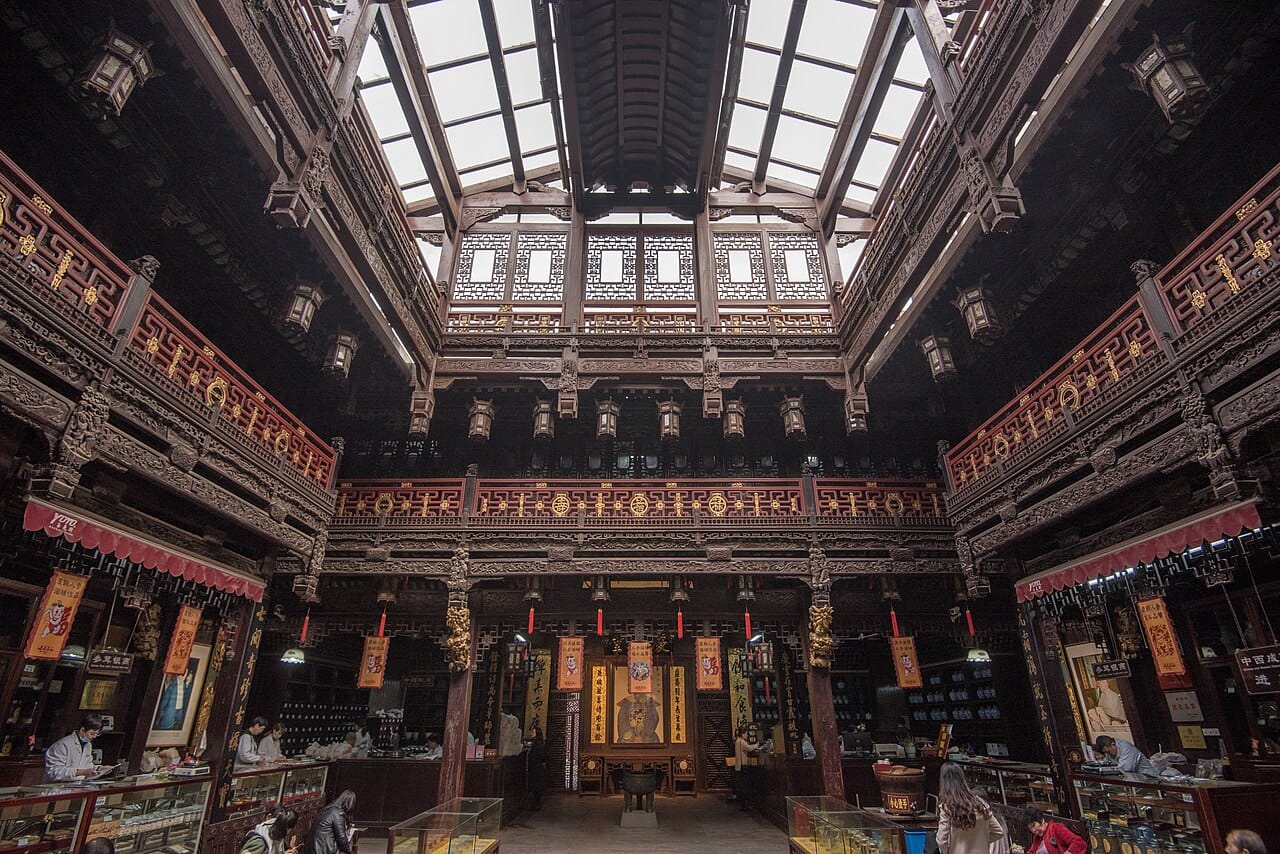
The complex is the only state-level professional Chinese medicine museum housed within its original, late-Qing dynasty heritage site. Stepping inside reveals a maze-like courtyard compound where the air is heavy with the scent of drying ginseng, bitter roots, and simmering herbal decoctions.
It serves as a living time capsule of ancient pharmacology, featuring historic preparation halls, a clinical consulting wing staffed by TCM doctors, and an exhibition showcasing thousands of years of medical artifacts.
Logistics & Booking Guide
How to Find It
Metro: Take Line 1 to Ding'an Road Station (定安路站), Line 5 to Jiangcheng Road Station (江城路站), or Line 7 to Wushan Square Station (吴山广场站) — all followed by a short walk through the Qinghefang historic district to Dajing Lane (大井巷).
Taxi Destination: 杭州市上城区大井巷95号胡庆余堂中药博物馆 (Hu Qing Yu Tang TCM Museum, No. 95 Dajing Lane, Shangcheng District, Hangzhou).
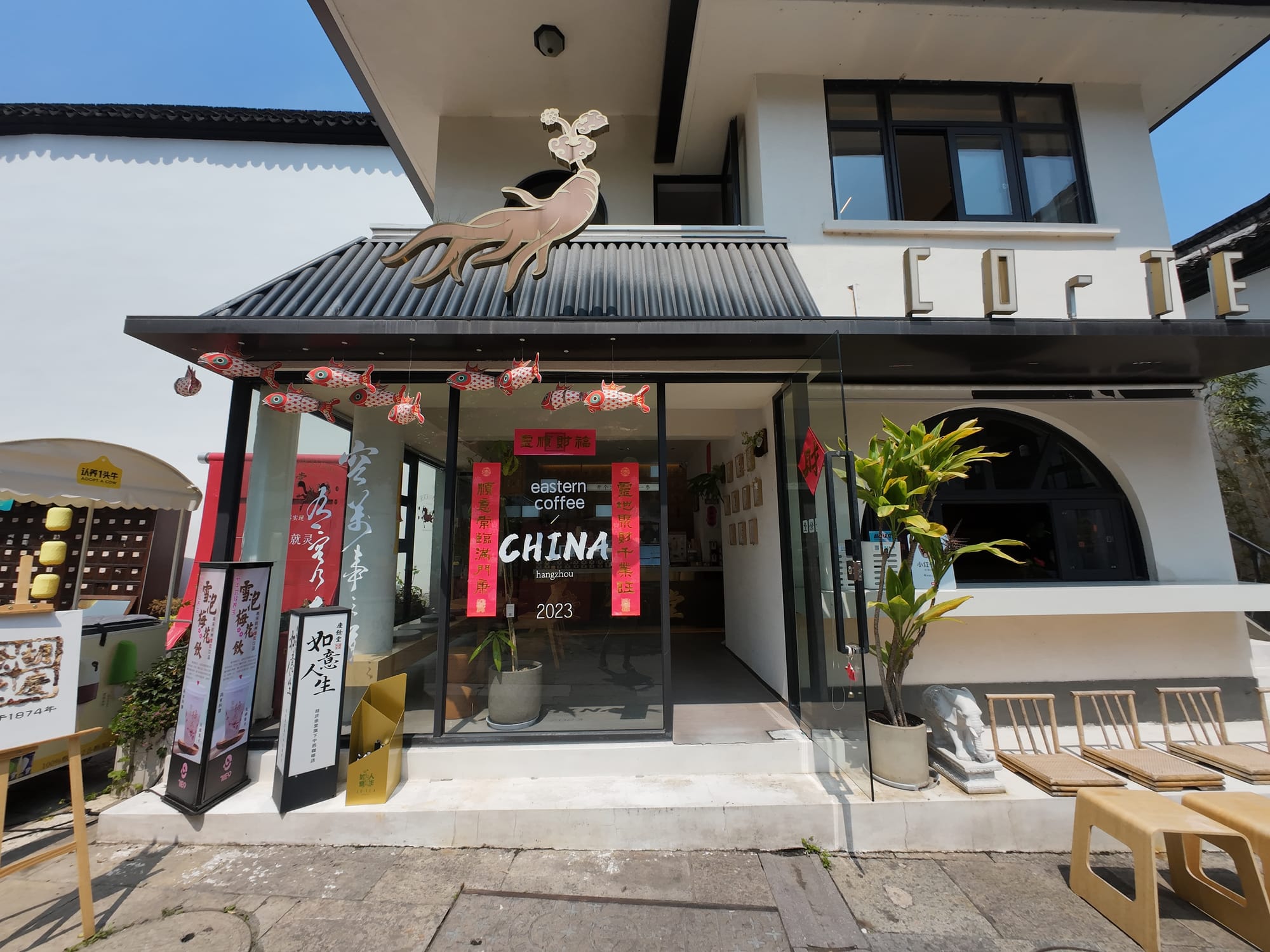
Visual Cue: Tucked away from the main commercial drag of Hefang Street, the pharmacy sits on the quieter Dajing Lane at the base of Wushan Hill. You've arrived when you see a massive, monumental white firewall dominating the lane, bearing seven giant characters that read 胡庆余堂国药号 ("Hu Qing Yu Tang National Pharmacy"). Walk past the grand, wooden counter of the still-active pharmacy hall to find the museum entrance toward the rear courtyards.
Admission and Booking
Tickets: RMB 10, purchased directly at the inner courtyard ticket booth. No advance online registration required.
Hours: Open daily, 08:30–17:00 (last entry 16:30).
Photography: Permitted in the open courtyards and exhibition galleries. Flash, tripods, and intrusive filming are strictly prohibited — particularly in the active clinical wing, where patients are receiving consultations.
Audio Guide: Bilingual digital guides are accessible via on-site QR codes at key exhibits. English explanations are useful here for deciphering the collections of ancient copper scales, silver pill-presses, and rare organic specimens.
Food & Drink Recommendations
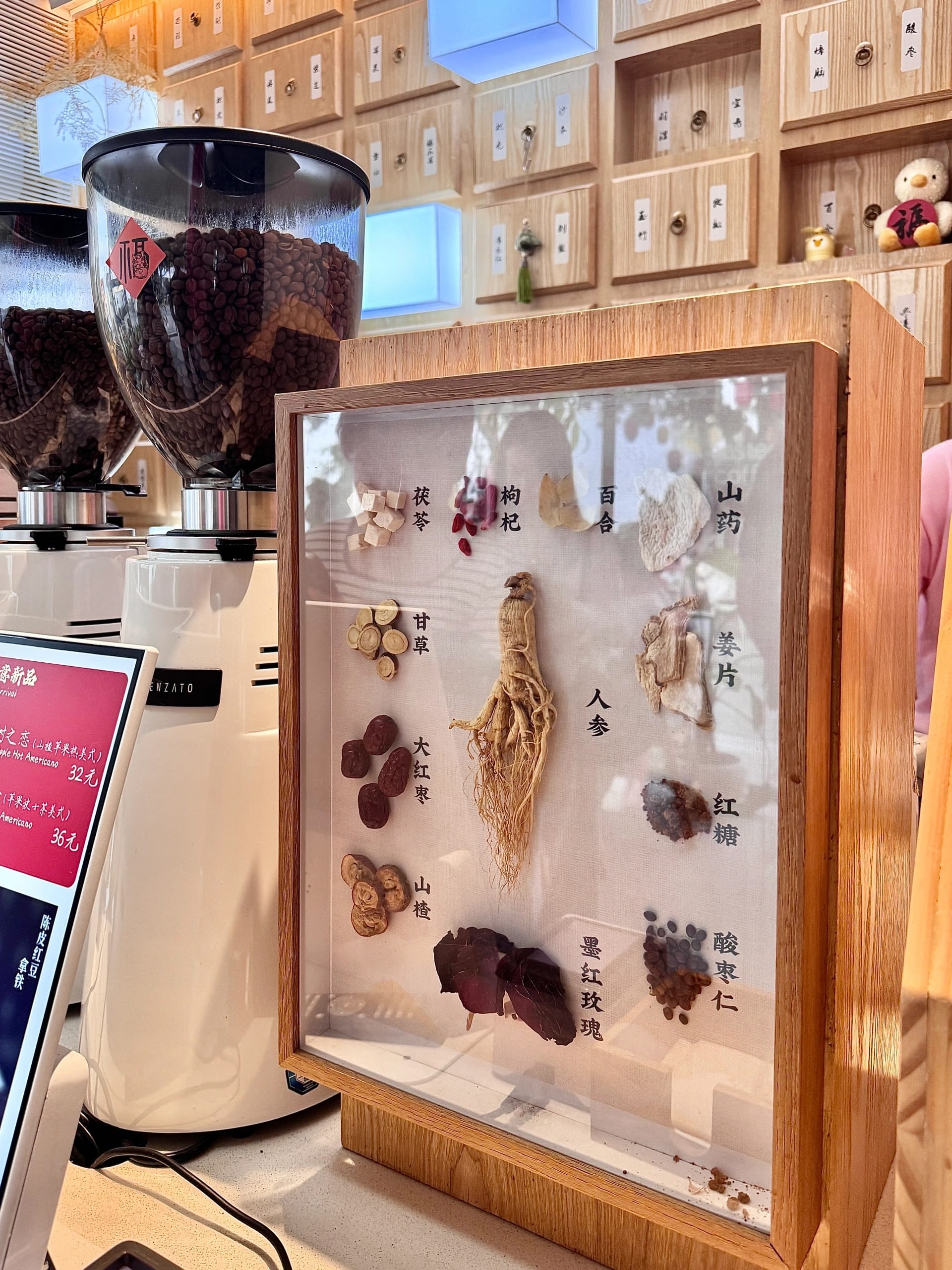
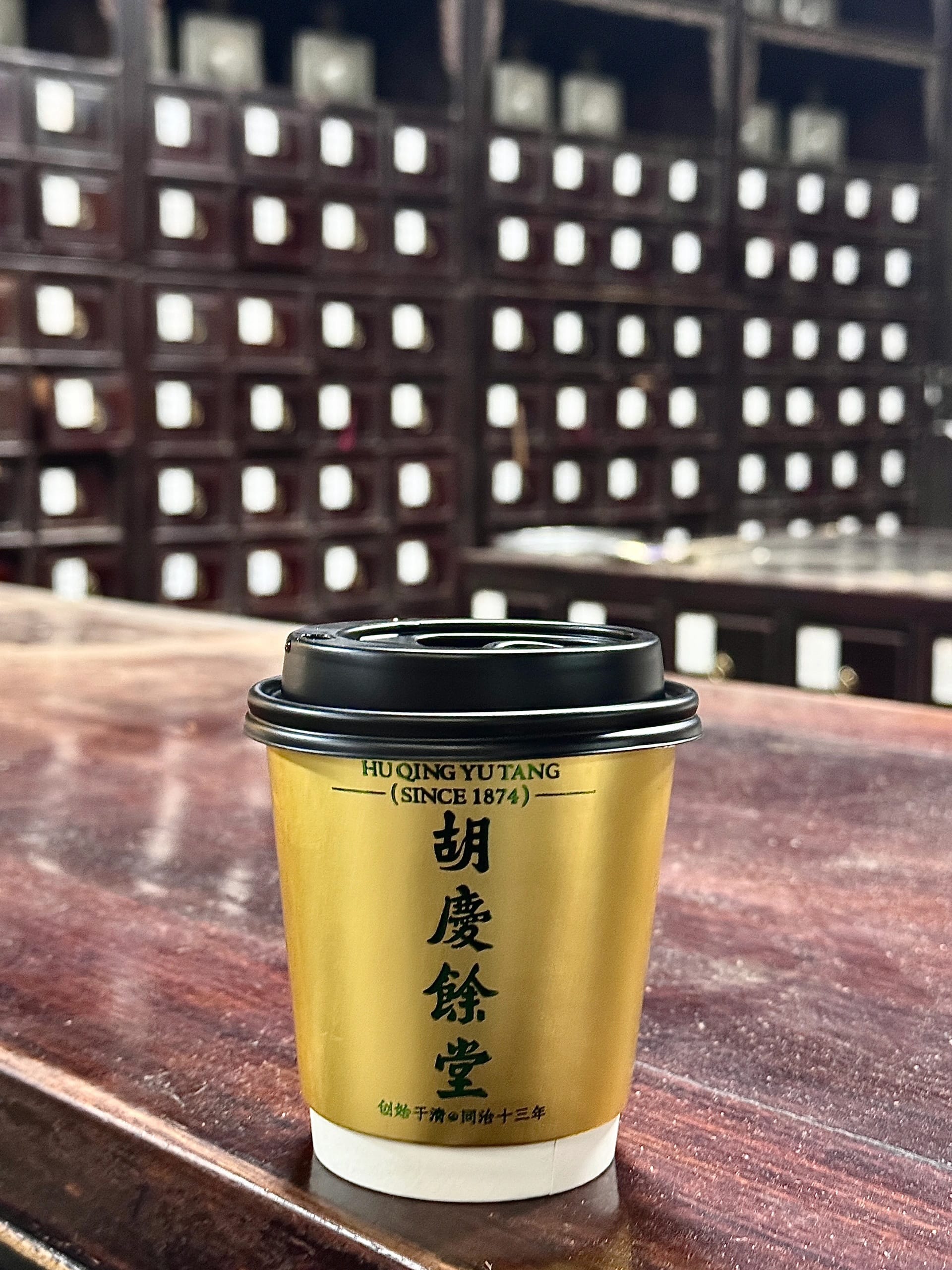
Right next to Hu Qing Yu Tang, a compact TCM herbal café makes the case that the pharmacy's logic and the espresso machine have more in common than expected.
胡庆余堂中药咖啡店 Herbs Expresso
The menu is an exercise in East-West calibration. Ginseng meets Americano in a cup that opens with gentle bitterness before settling into a rounded, unexpected sweetness. Dendrobium and other medicinal botanicals fold into coffee formulations that feel less like tonics than considered flavour experiments.
Worth stopping by for the novelty, though your palate may need a moment to adjust.