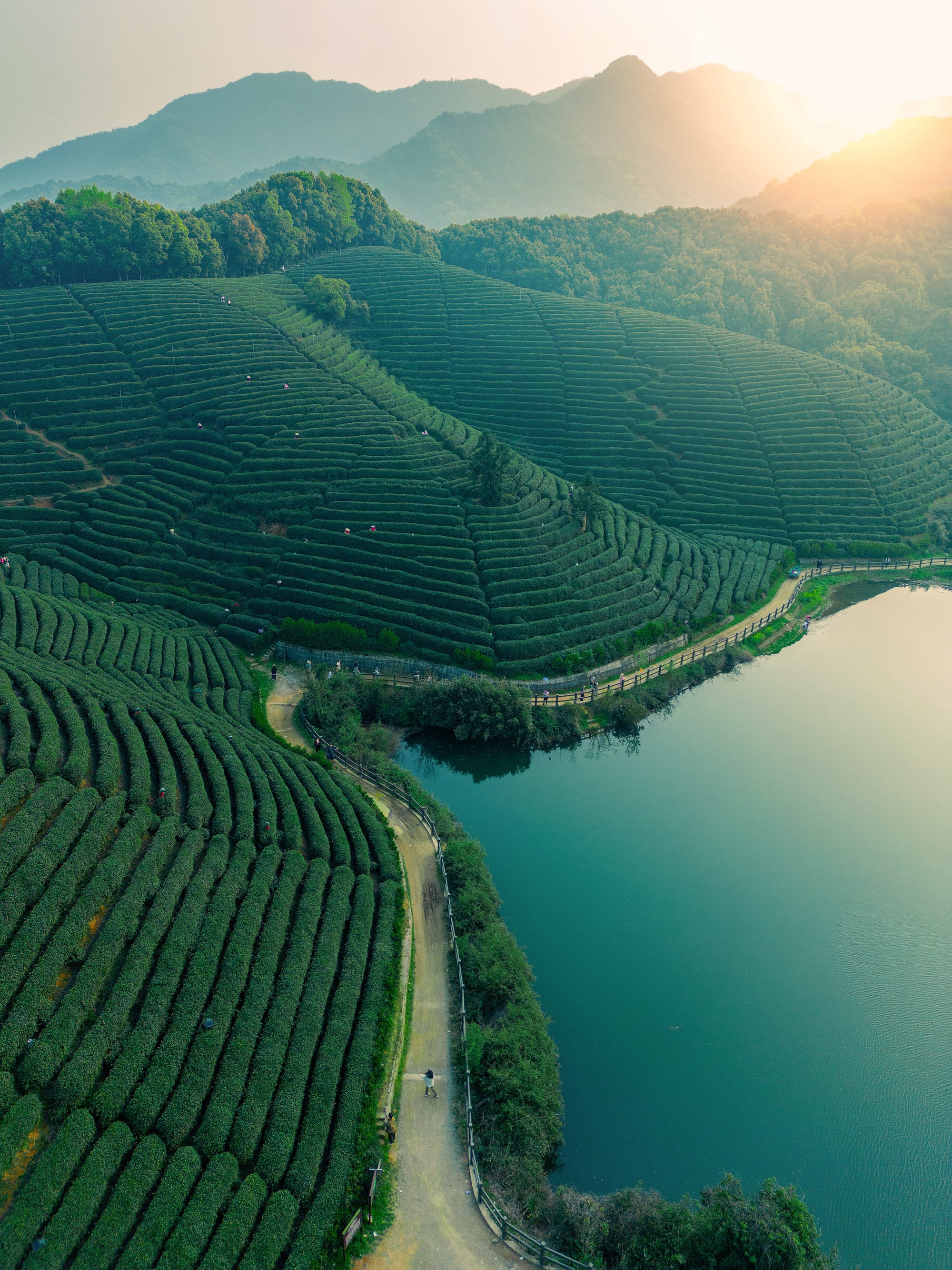
Longjing Valley 龙井村
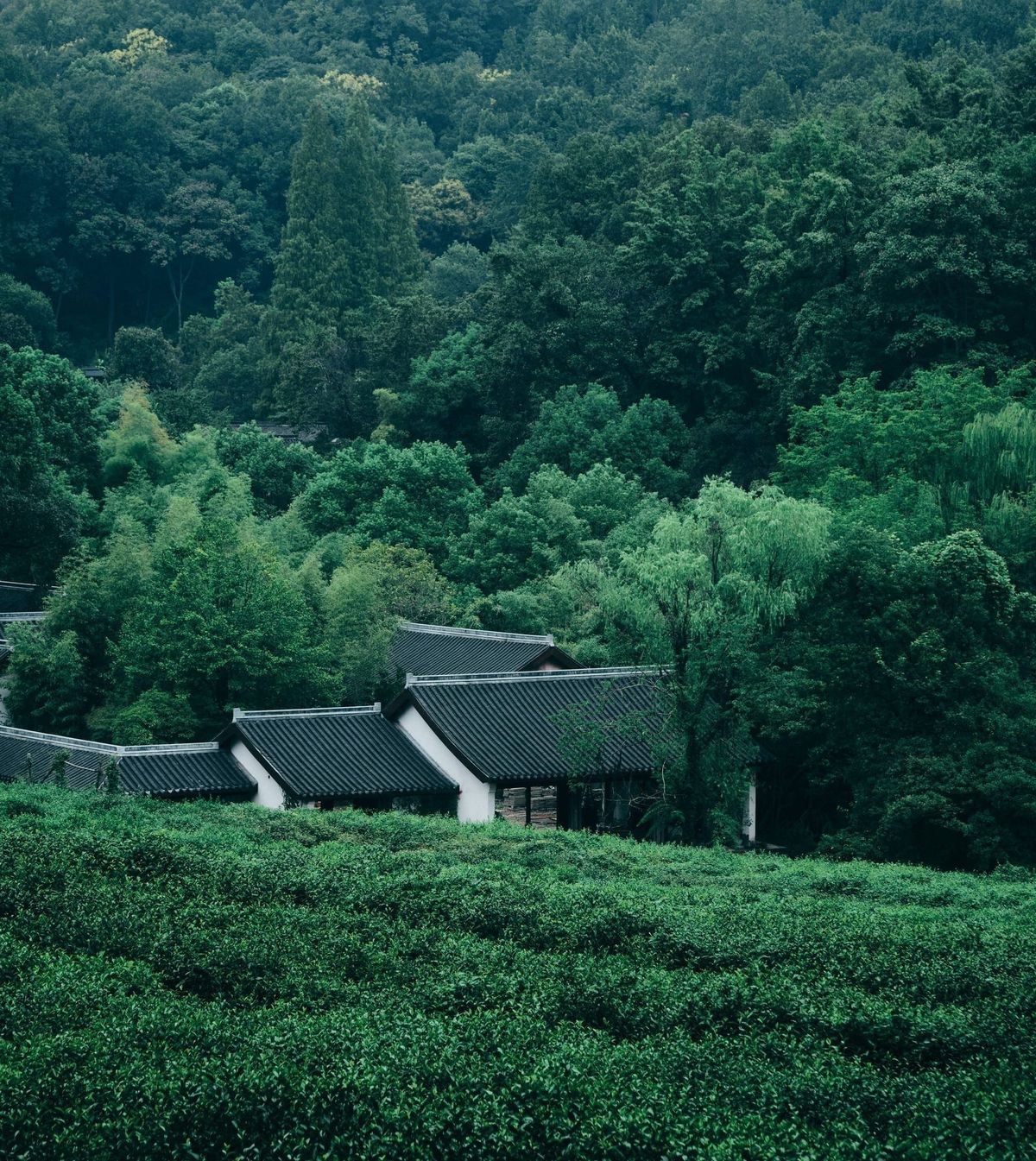
The Ancestral Home of Dragon's Well Green Tea
Tucked into the hills southwest of West Lake, Longjing Valley is where one of China's most celebrated green tea comes from for over a thousand years.
The microclimate here is specific: mountain mist that rarely fully lifts, acidic sandy soil, dense bamboo pressing in at the edges of every terraced slope.
Together they produce Xihu Longjing 西湖龙井, the tea that emperors requisitioned and that still commands some of the highest prices among green teas at auction each spring.
The valley rewards those who walk into it.
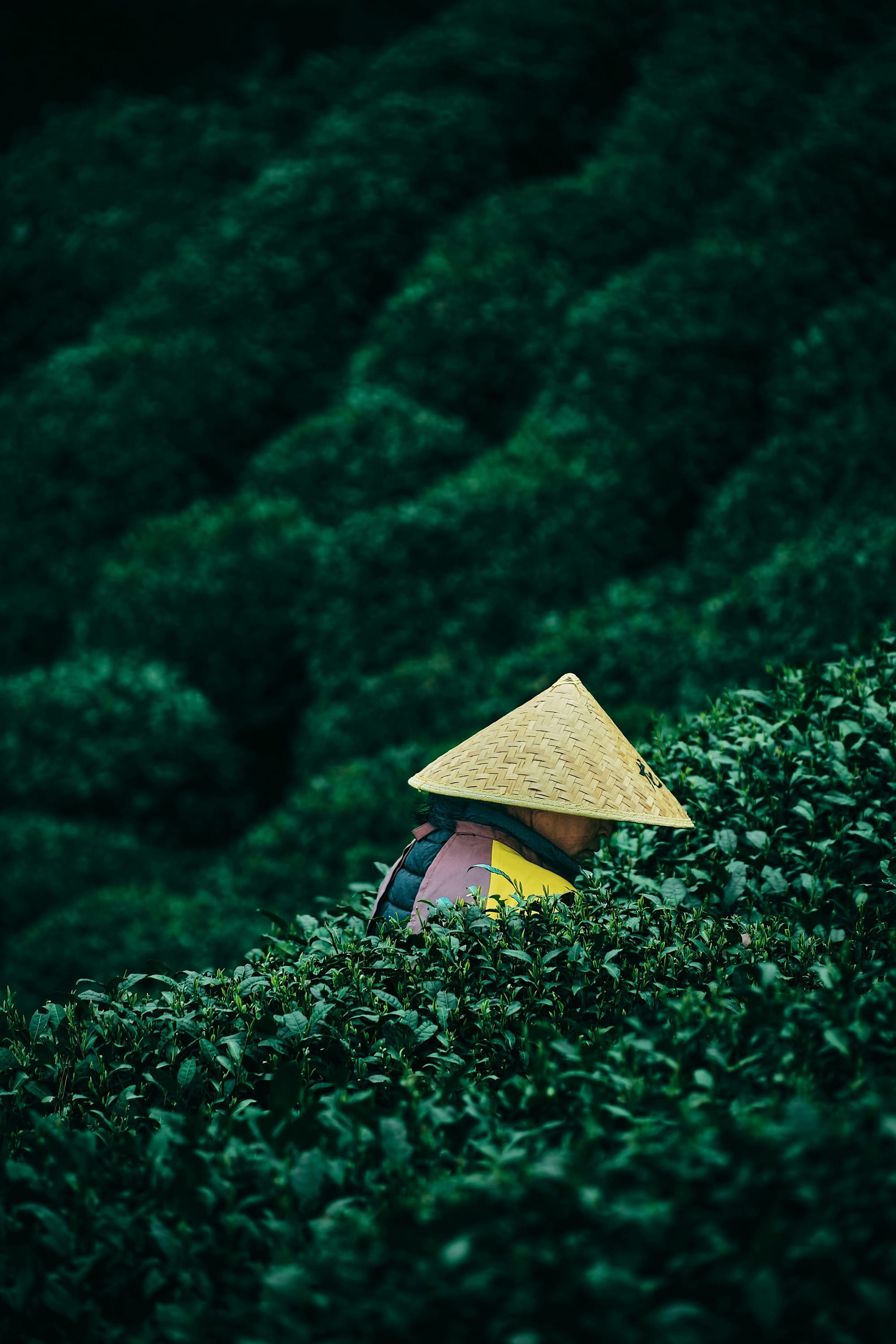
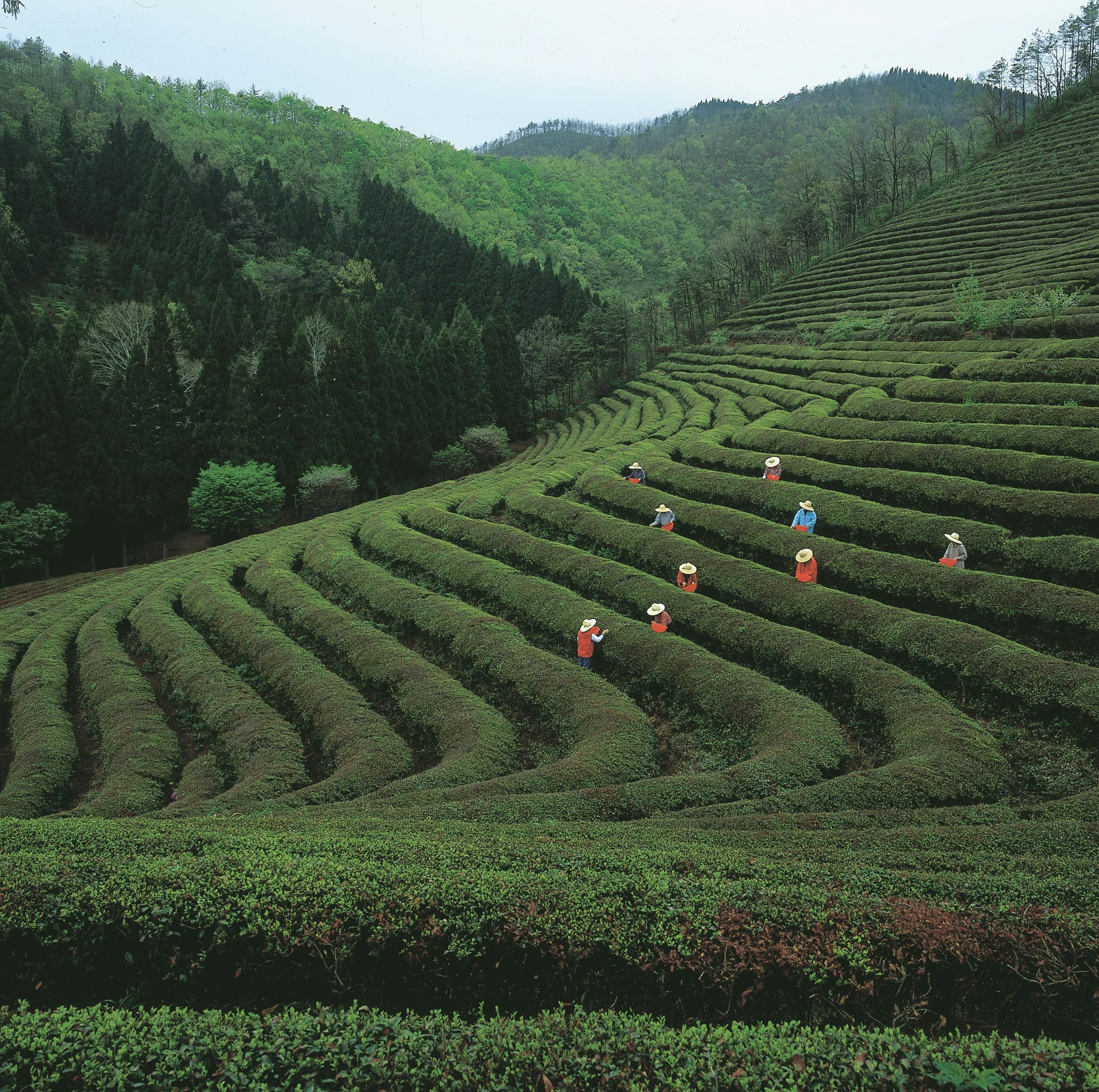
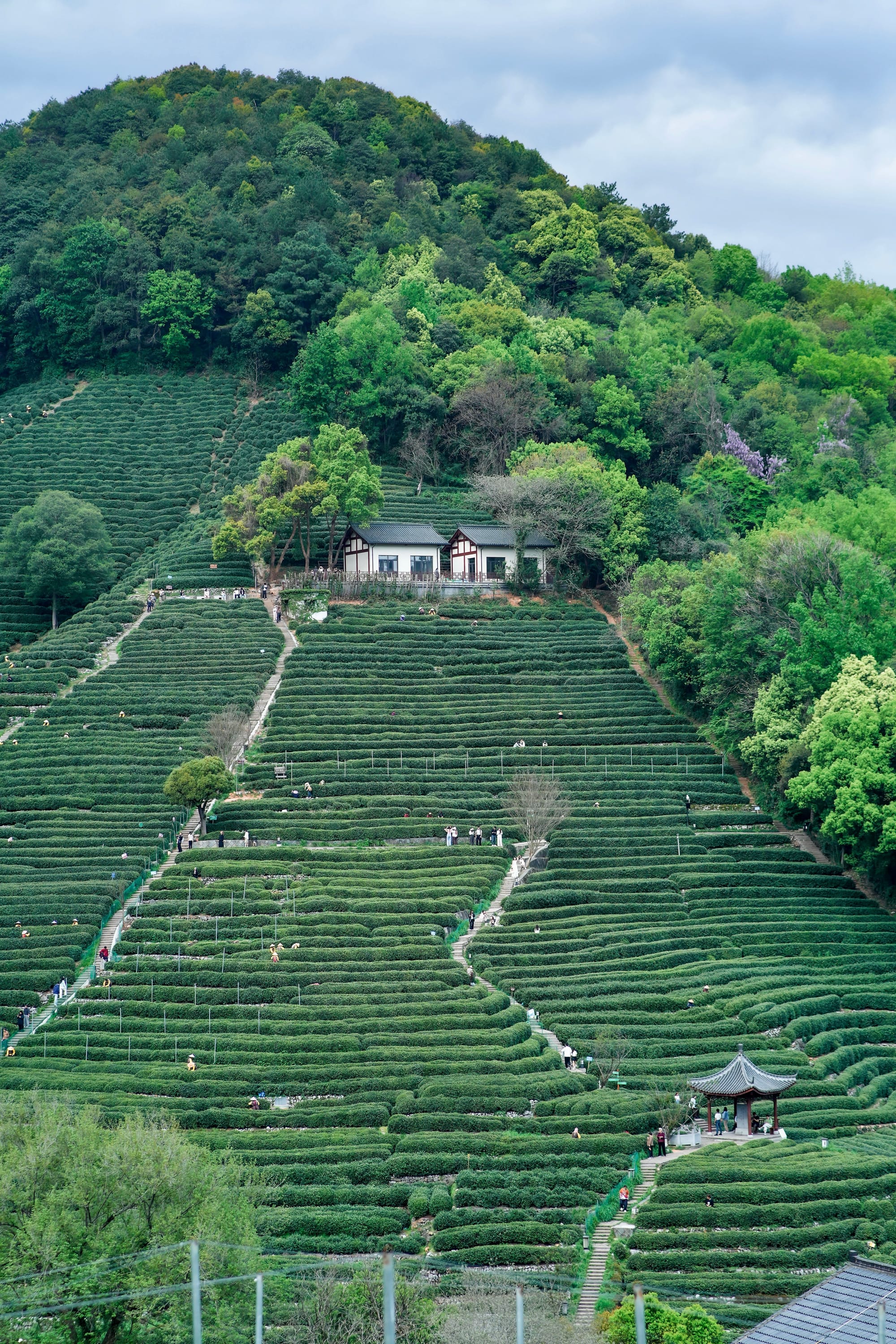
Terraced plantations rise in long, even rows up the ridge lines — a monochromatic green that shifts tone through the day as cloud cover moves.
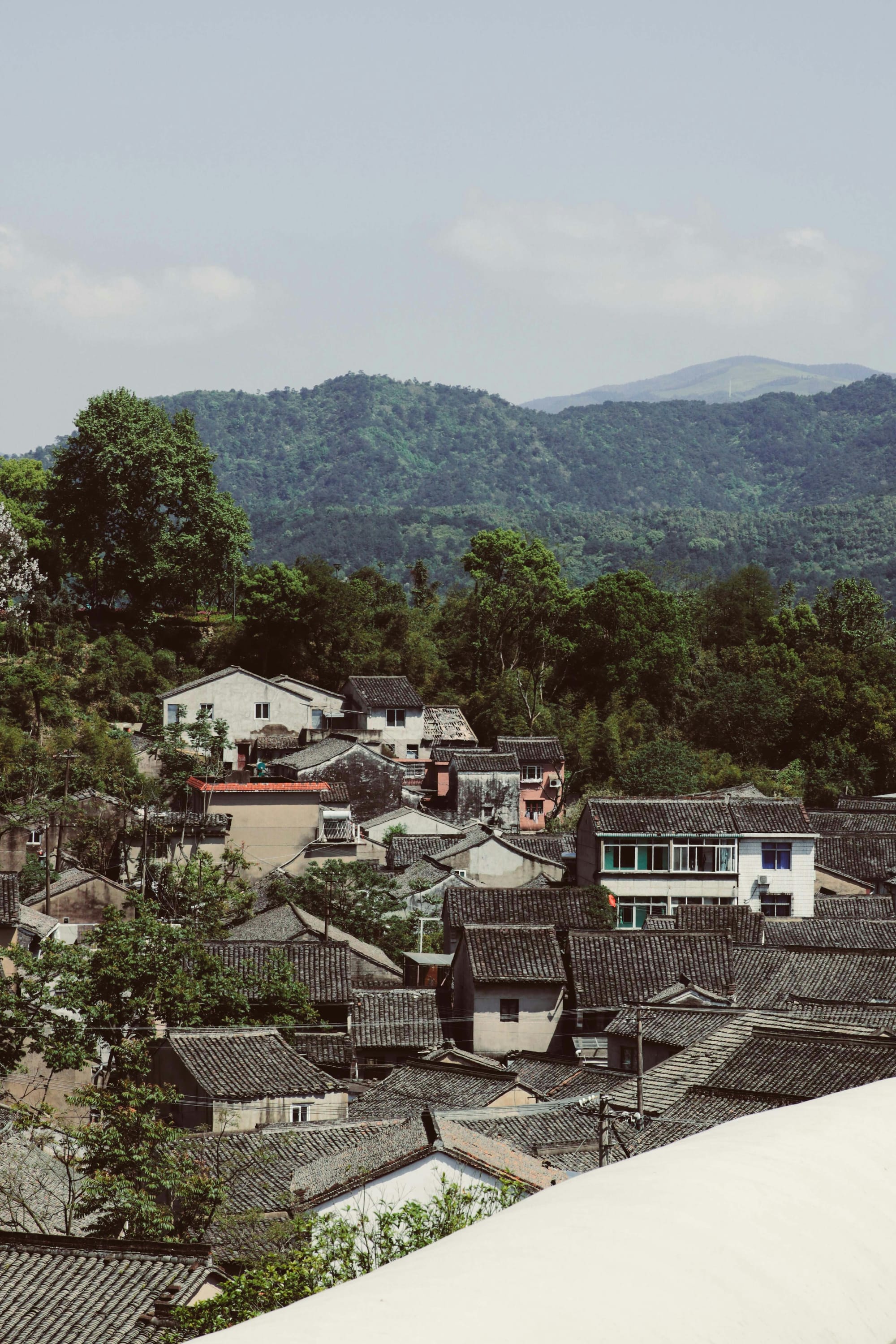
The white-walled farmhouses of tea growers punctuate the slopes.
During the spring harvest, the air carries the scent of freshly fired leaf; the same aroma returns, though less intensely, with each picking season through summer and autumn.
Getting To The Valley
By Bus
Bus 27 runs directly to the Longjing Village stop — it is wise to check departure times before heading out. Alighting here leaves you with a short walk to the village centre.
Note that the alternative Longjing Tea House stop drops you further back, requiring an 800–1,000 metre walk on foot. Total journey time is approximately 20-45 minutes from the West Lake area, winding scenicly through the foothills.
By Taxi
A taxi ride takes roughly 20–30 minutes from central Hangzhou or the immediate West Lake area. Expect a fare of approximately ¥25–40 for a standard street taxi; local ride-hailing apps like DiDi will show you the exact fare calculation upfront. To direct your driver, show them the destination address: 龙井村 (Lóngjǐng Cūn).
Walk The Valley
The valley holds more trails than any single visit can cover. For first-time visitors, these two routes offer the best return on effort—calibrated to different appetites. Both start at Longjing Village, which also serves as a junction to connect with other paths.
Recommended Routes
Option 1
Longjing Village (龙井村, Lóngjǐng Cūn) → Shili Langdang Trailhead Archway (十里琅珰牌坊, Shílǐ Lángdāng Páifāng) → ascend the ridge → Shifeng Plantation (狮峰茶园, Shīfēng Cháyuán) → Sanfencha Viewpoint (三分叉, Sānfēnchà) → return via the same route.
Stone-paved throughout, but don't be misled by "easy" — the climb from Shili Langdang to Shifeng summit is a sustained uphill stretch of around 90 minutes with no meaningful flat relief.
The Sanfencha viewpoint is the natural turnaround: from here, the full spread of tea fields and the West Lake hills opens without obstruction.
Option 2
Longjing Village (龙井村, Lóngjǐng Cūn) → Shili Langdang Archway (十里琅珰牌坊, Shílǐ Lángdāng Páifāng) → ascend and follow the ridge south → Sanfencha (三分叉, Sānfēnchà) → descend directly to Meijiawu Village (梅家坞, Méijiāwù).
For walkers who want to experience the full ridge without backtracking. The landscape shifts from tea terraces to bamboo forest before descending into Meijiawu — a quieter tea village where farmhouse restaurants serve lunch.
After Meijiawu, you can easily return to central Hangzhou by catching bus 103 towards Yuewang Road (岳王路) or hail a taxi. The journey back takes about 40 minutes.
Route Extension
Nine Creeks and Eighteen Gullies (九溪十八涧) makes a logical extension for those with time to spare — a stream-threaded valley that reads as a complete tonal shift from the ridge. Return to Longjing Village first, then descend south along a stone-paved path that crosses clear streams on low piers before opening onto Jiuxi Yanshu (九溪烟树) and the bus station back to the city.
Notable Sights Along The Trail
1. Shifeng Mountain (Lion’s Peak Mountain) 狮峰山
Shifeng Mountain (狮峰山) is the innermost of Longjing's five designated production zones, and by reputation the finest. Tea from this slope commands a significant premium over tea grown elsewhere in the valley under the same name. The plantation's layered terraces are the visual centre of the valley — photograph-ready in any light, most dramatically in early morning.
Shifeng is a key waypoint on the classic ridge walk — the route from Longjing Village passes through it en route to Sanfencha and beyond.
2. The Eighteen Imperial Tea Trees 十八棵御茶
Inside the Old Longjing Imperial Tea Garden at the village centre (follow the signs reading "御茶园" from the main square), eighteen tea trees stand behind a low fence.
The legend holds that Qianlong Emperor (Qing Dynasty), on one of his southern inspection tours, was so taken with the tea produced from this specific hillside that he granted these trees imperial status on the spot — their harvest reserved for the court. Whether the trees standing today are the original eighteen is a matter historians approach with some care. The legend, however, has remained intact for over two centuries.
Essential Trail Notes
Tea In The Valley
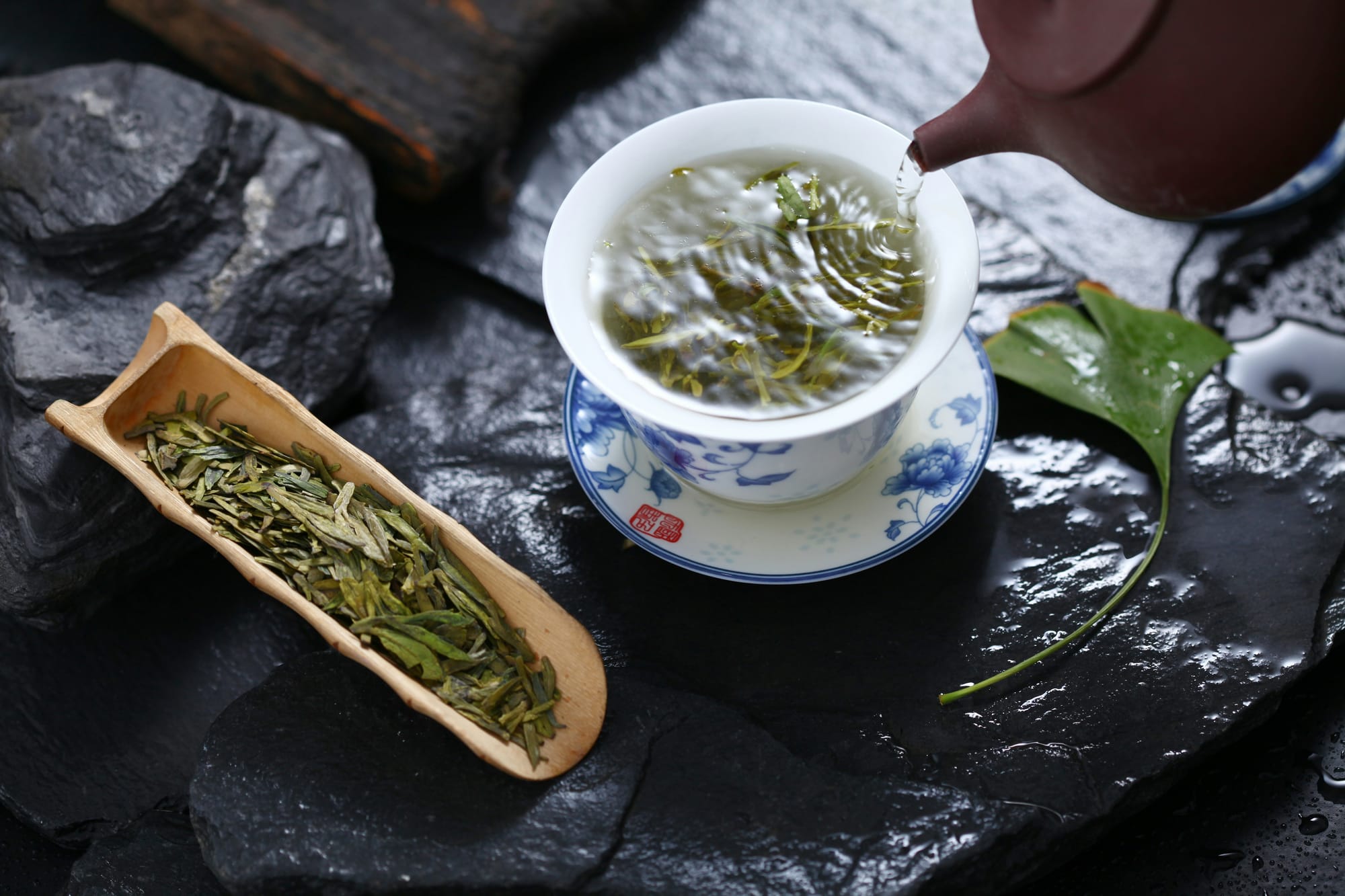
The tea grown here is Xihu Longjing — West Lake Dragon's Well — a flat-pressed green tea produced through a meticulous multi-step process. Within hours of picking, the harvest begins its transformation:
Within the Xihu designation, grades and micro-terroir vary considerably. The traditional five sub-districts are historically ranked with Shifeng considered the absolute finest, though each area coaxes a slightly different character from the soil.
However, this ranking reflects a traditional prestige hierarchy rather than a strict quality guarantee across all harvests today.
Each area produces tea with subtle differences in flavor and price. (Ultimately, terroir is personal — a farmer pouring you tea in their own front room will invariably tell you that theirs is the finest in the valley.)
Core Varieties & Harvest Windows: A Quick Guide
The Five Core Terroirs (核心产区)
Harvest Windows (采摘档期)
Drinking & Buying Tea
Finding a Good Teahouse
Walk the village main road — options line both sides. A few quick signals separate the reliable spots from the standard tourist traps: look for a business licence clearly displayed at the entrance, a comprehensive price list that meticulously itemises tea by grade, and a clientele that includes independent locals rather than large coach groups. In the spring or autumn, simply secure a table outside and stay longer than you originally planned.
What to Expect on the Bill
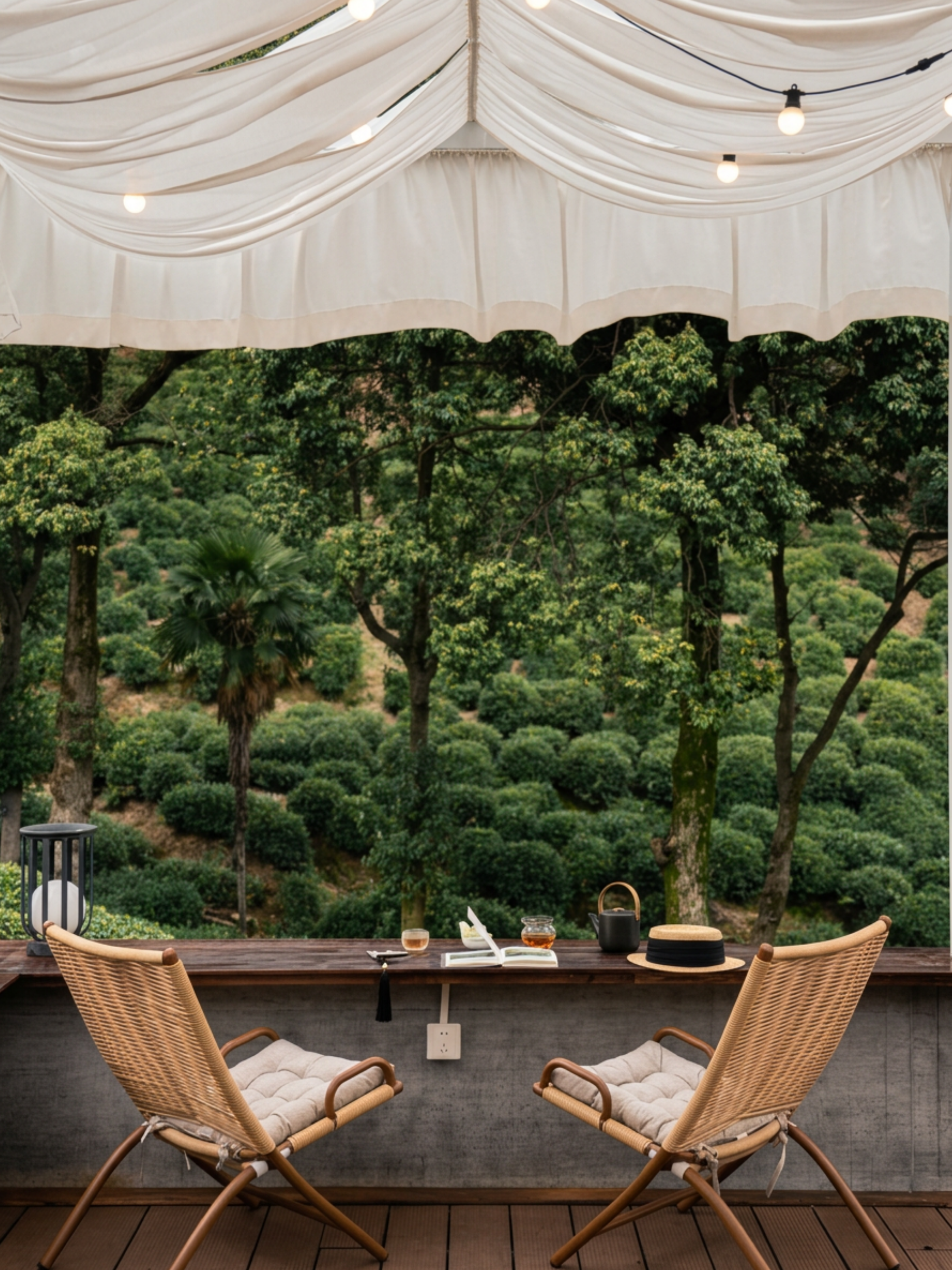
A fresh cup of local Longjing typically runs ¥30–50, almost always accompanied by complimentary melon seeds or light snacks — more than enough reason to sit for a quiet afternoon. If you stay for lunch or dinner, local restaurants offering full meals tend to come in at around ¥60–130 per head. Teahouses featuring second-floor seating or outdoor terraces command the best views; securing a table directly overlooking the plantation rows is well worth asking for.
A Note on Buying Tea
For the most straightforward experience, consider sticking to the official boutiques at the China National Tea Museum, or look for shops that provide a traceable QR code linking the batch back to a registered local grower.
It is usually best to bypass tea shop recommendations from taxi or pedicab drivers, as these arrangements often include built-in commissions that can noticeably drive up the retail price. Similarly, be mindful of overly helpful strangers near transit hubs, who might be trying to guide you toward specific private shops.
Keep in mind that an official-sounding name or government-style branding doesn't automatically guarantee authenticity, as many of these storefronts are fully independent businesses.
A reliable shop will always be happy to itemise pricing by grade upfront and let you sample the tea without a tasting fee. If a place feels pushy or non-transparent about costs, feel free to politely move on.
Eating In The Valley
The farmhouse restaurants (农家乐 Nong Jia Le) in and around Longjing Village serve what is, without much argument, some of the most honest expression of Hangzhou cooking outside the city proper.
Longjing Shrimp 龙井虾仁
Local river shrimp are marinated, then briefly cooked through in warm oil before finishing in the wok with brewed Longjing tea leaves and a splash of the tea liquor itself. The tea does not overpower; it lifts. The shrimp arrive pale and delicate, the seasoning doing just enough and no more.
Earthen-Pot Chicken 砂锅土鸡煲
Slow-braised in a traditional clay pot, the broth clarifies over several hours into something remarkably clean yet deeply savoury. A comforting dish worth ordering, particularly on cooler, mist-heavy days in the hills.
Seasonal Accompaniments
The kitchen strictly follows the cycle of the valley: spring brings tender bamboo shoots tossed with cured pork, followed by wild bracken fern stir-fried simply with oil and salt, and delicate Osmanthus cake (桂花糕) in the autumn.
To ask for the daily specials, simply say to your host: "今天有什么时令菜?" (Jīntiān yǒu shénme shílìng cài? — "What seasonal dishes do you have today?")
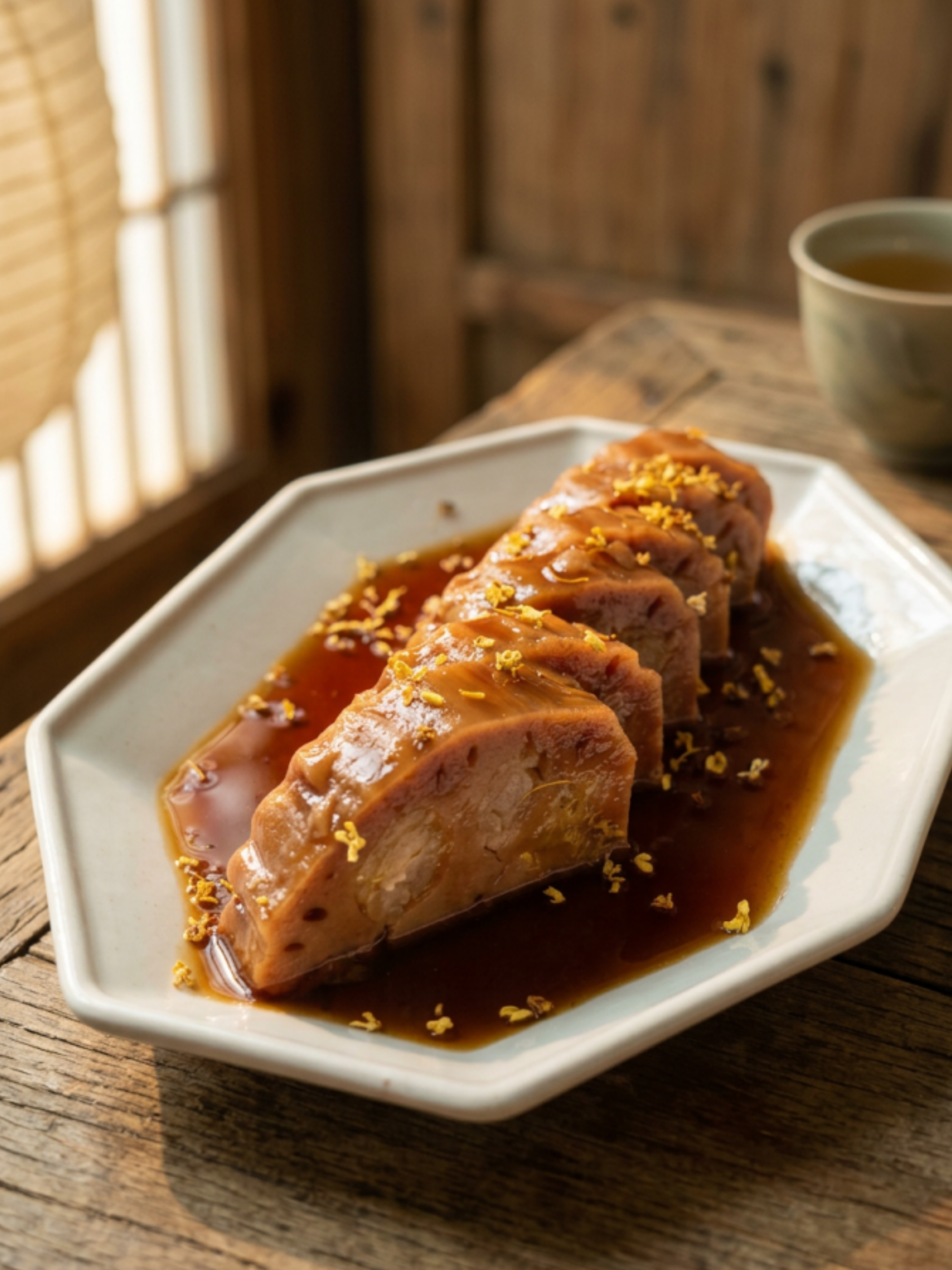
Osmanthus Glazed Lotus Root 桂花糯米藕 (pictured above)
A classic Jiangnan dessert. Crisp lotus root segments are stuffed tightly with glutinous sticky rice, slow-simmered until tender and dark crimson, then sliced thin and draped in a fragrant, golden osmanthus flower syrup. It arrives sweet, starchy, and intensely aromatic.
Honourable Mentions
If what you're after is deep immersion without the ridge trail or the crowd, the places below deliver. Pick one and give it the afternoon.
1. China National Tea Museum (中国茶叶博物馆)
Longjing Branch (龙井馆区)
Shuangfeng Branch (双峰馆区)
Practical Planning
2. Jingshan Temple (径山寺)
Most modern practitioners of the Japanese tea ceremony do not realize they are participating in a lineage that began right here, in the isolated hills north of Hangzhou.
Founded during the Tang dynasty and reaching its peak as a thriving center of Chan Buddhism throughout the Song, Jingshan Temple was where visiting Japanese monks came to study in the 12th and 13th centuries. They ultimately returned home with both the practice of whisking powdered tea and the rigid monastic rituals surrounding it.
What eventually evolved into the Japanese tea ceremony (茶道, chadō) is, in significant part, a Song-dynasty Chinese tradition that survived abroad long after it faded at home.
The temple sits at altitude, approached via a quiet route through old-growth forest where the atmosphere today remains distinctly unhurried.
Select visits still include a rare demonstration of diancha — the meticulous method of whisking powdered tea that the Japanese preserved, which is now enjoying a quiet revival across contemporary China.
For travelers interested in the deeper currents of cultural transmission, Jingshan offers something the commercial Longjing Valley cannot: a tangible sense of how ideas travel across borders, and what gets lost and recovered in the crossing.
Tickets are ¥30 per person, available for purchase directly on site.
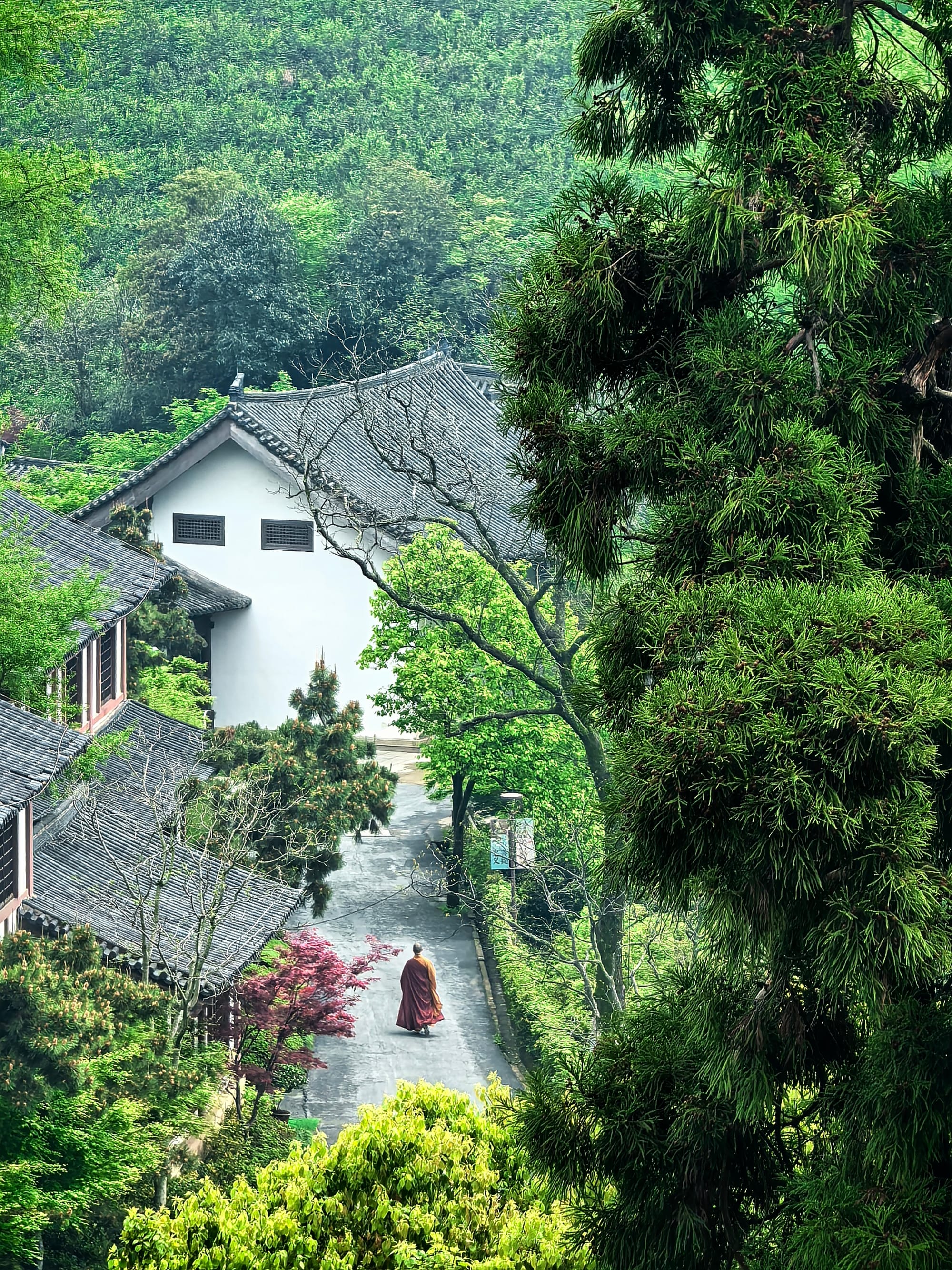
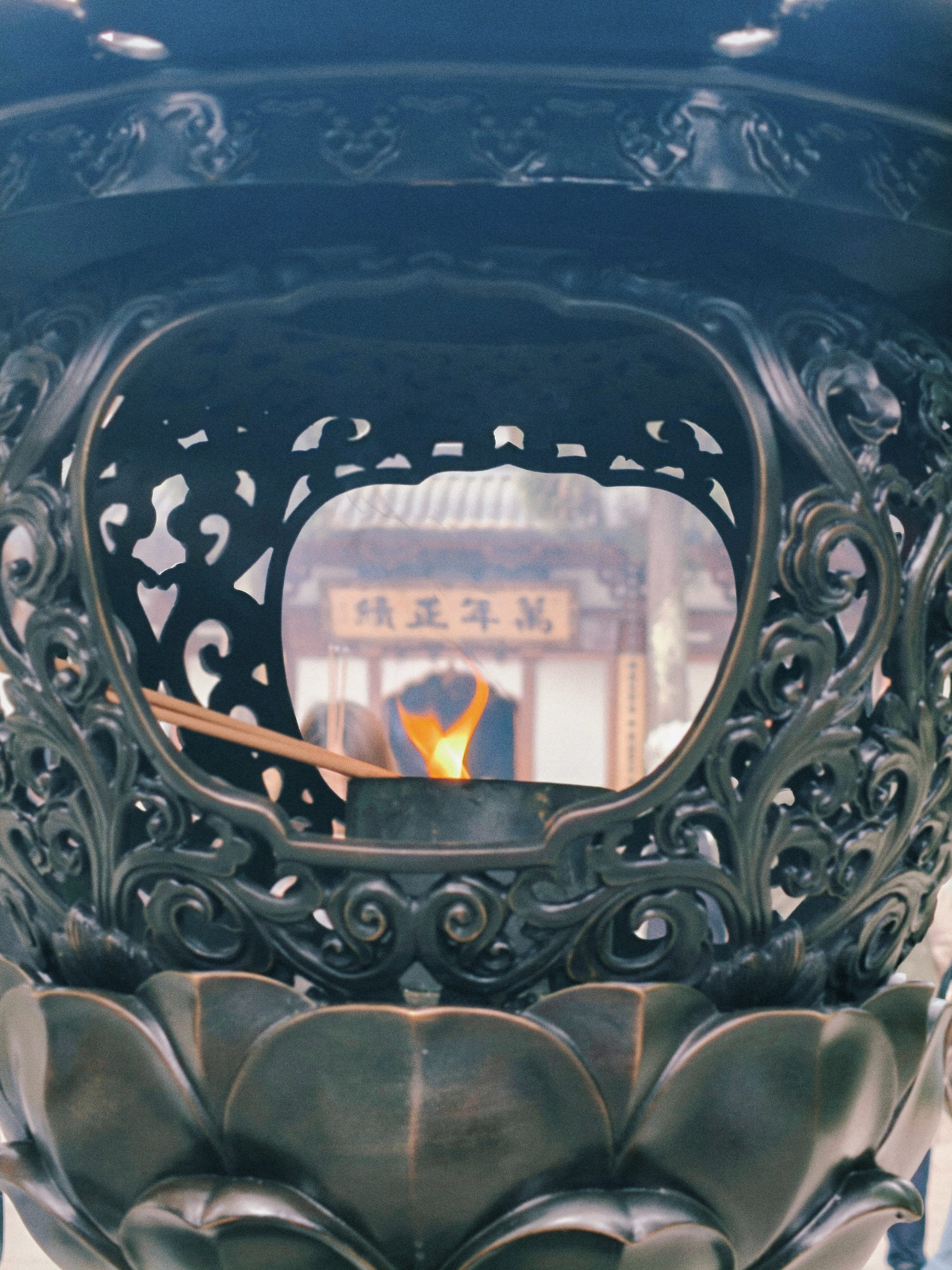
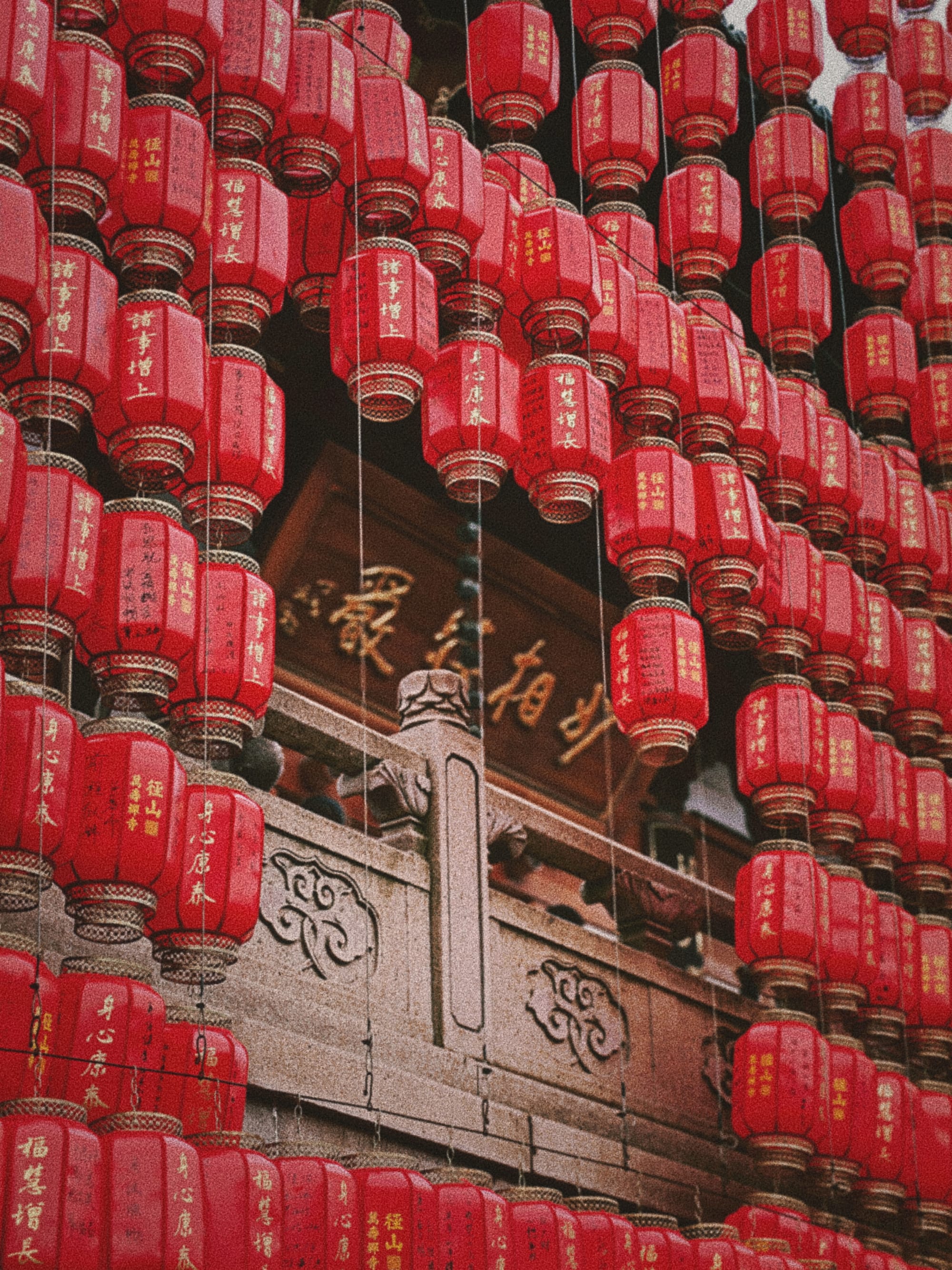
Jingshan Temple: The ancient cradle of Zen tea customs. Image: ISTJ林林的摄影手记
3. Longwu Tea Village (龙坞茶村)
This expansive valley boasts the largest certified Longjing production area in the region. Its plantations are notably broader and more open than the tightly enclosed terraces found nearer to Longjing Village.
The landscape unfolds as a vast, rolling sea of deep green, punctuated by the scenic Guangming Temple Reservoir, famous locally for its striking, vibrant emerald waters.
The primary trade-off here is geographical distance: Longwu sits roughly 15 kilometers outside central Hangzhou and requires more deliberate travel planning. In return, it offers a quieter, vastly more expansive experience.
Activities range from hands-on tea picking and mountain hiking to scenic cycling loops around the reservoir. It is best suited to visitors who have already seen the core West Lake valleys and want scale, or those who actively prefer to escape the larger tourist crowds.
Note for independent travelers: Local tea shops and modern cafes are primarily concentrated around the Hejiacun Market area. English signage and foreigner-friendly services are limited here, making it best for more experienced or tech-equipped travelers.