Hu Xueyan Residence 胡雪岩故居
A Legacy of Mercantile Wealth and Architectural Grandeur
Built in 1872 by the legendary "Red-Top Merchant" Hu Xueyan during the late Qing dynasty, this sprawling estate represents the absolute zenith of late-imperial Chinese residential architecture.
Spanning over seven thousand square meters, it is a masterclass in architectural opulence hidden behind a deceptively plain, high defensive wall.
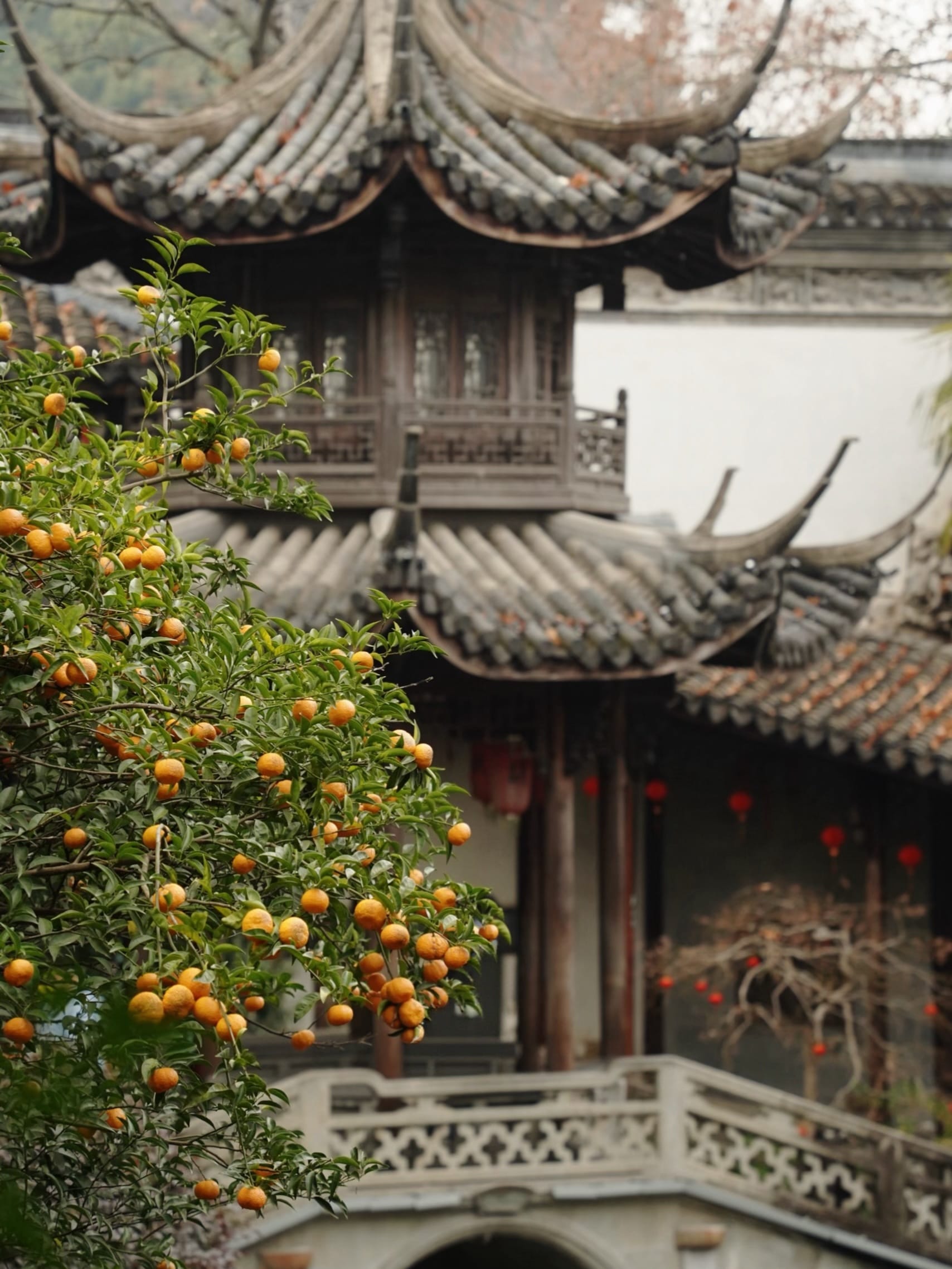
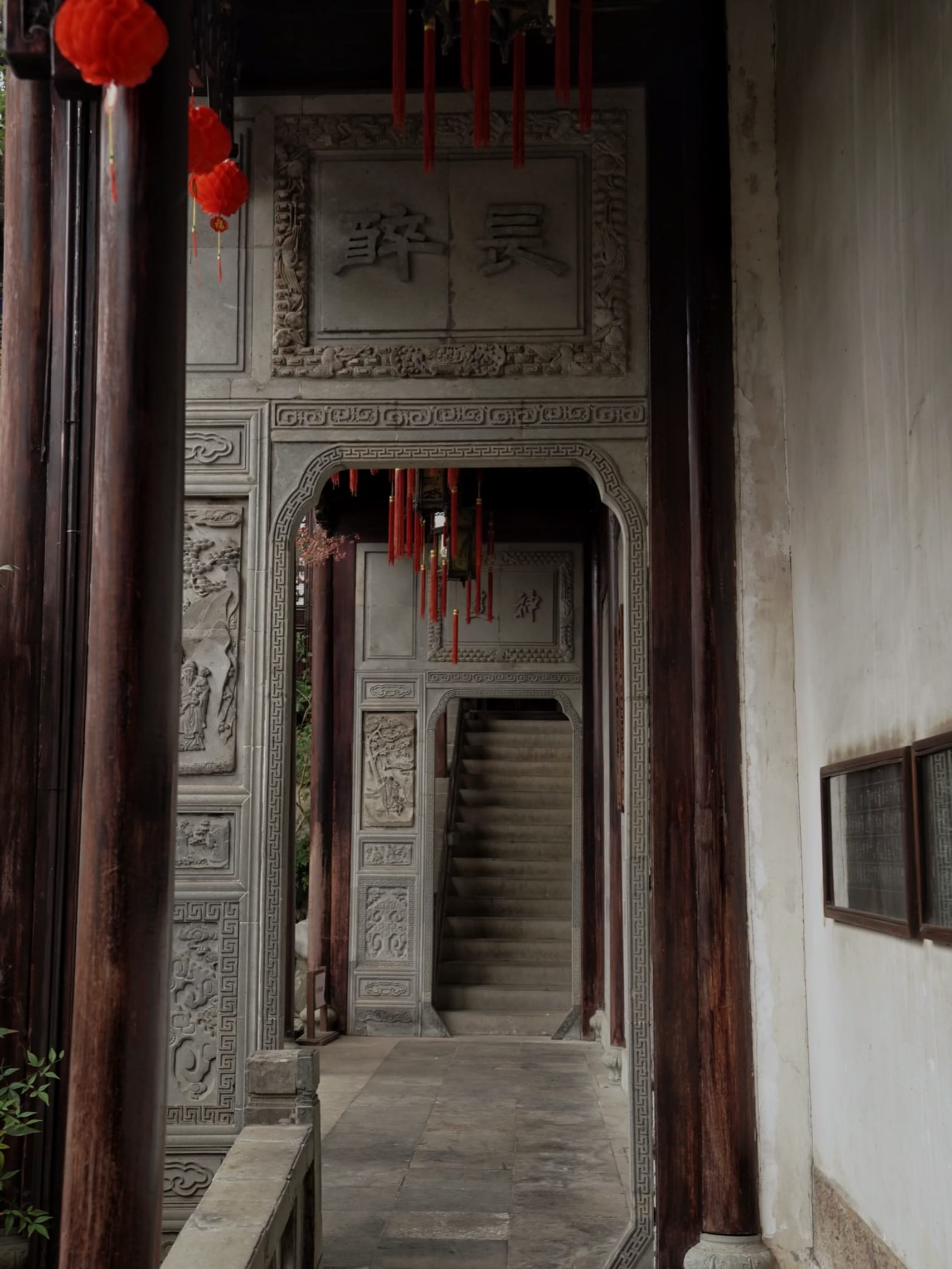
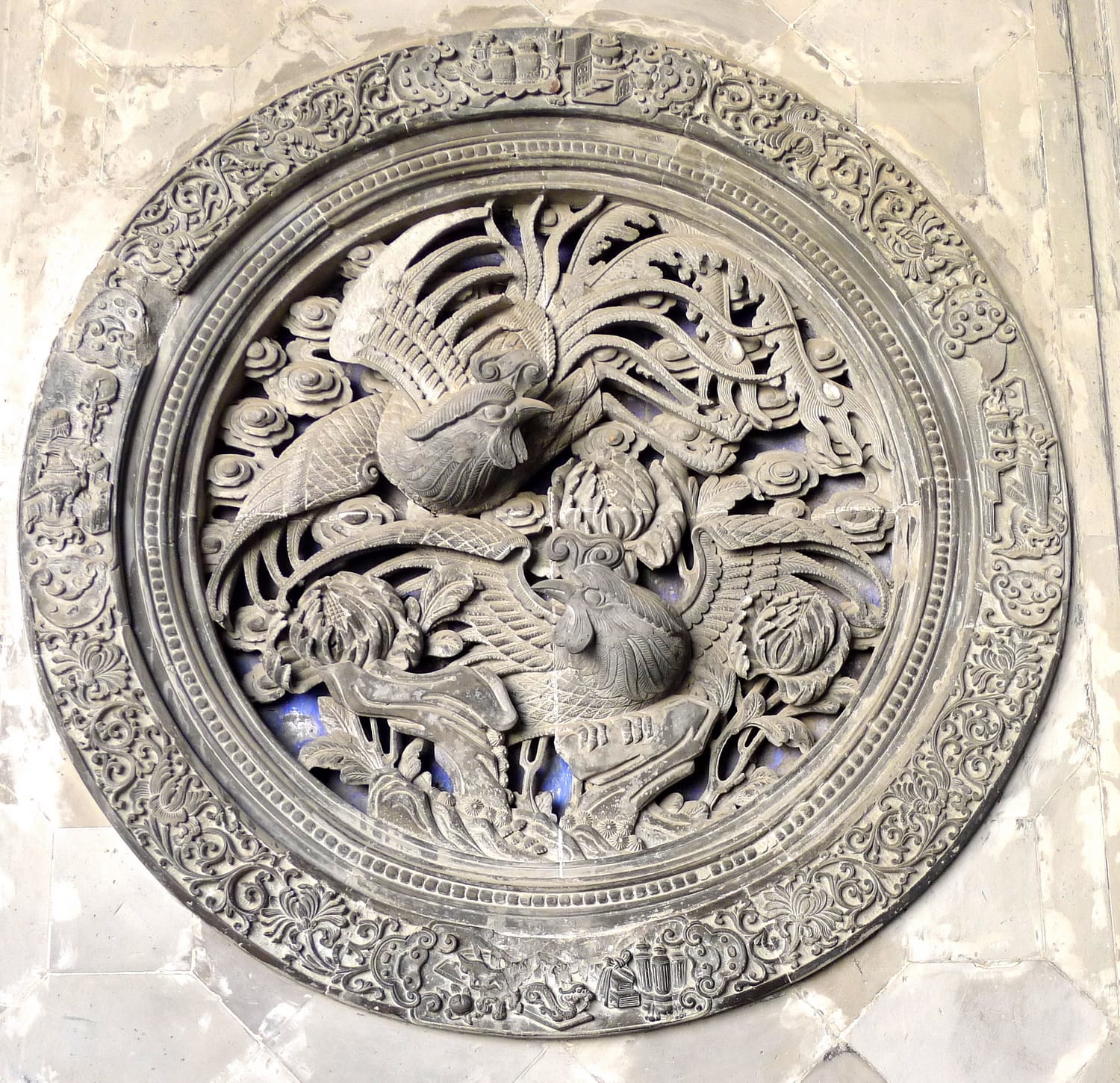
While Guo’s Villa represents the restrained aesthetic of the scholar-gentry, Hu Xueyan’s residence is a vivid monument to hyper-wealth. It features the finest materials of the era — including imported Western colored glass, rare ginkgo wood columns, and elaborate wood carvings — culminating in the Zhiyuan Garden (芝园), which houses the most complex artificial stone rockery and grotto network in any private Chinese garden.
Logistics & Booking Guide
How to Find It
Metro: Take Line 5 or 7 to Jiangcheng Road Station (江城路站). Take Exit E, and walk approximately 500 meters along Yuanbaojie (元宝街).
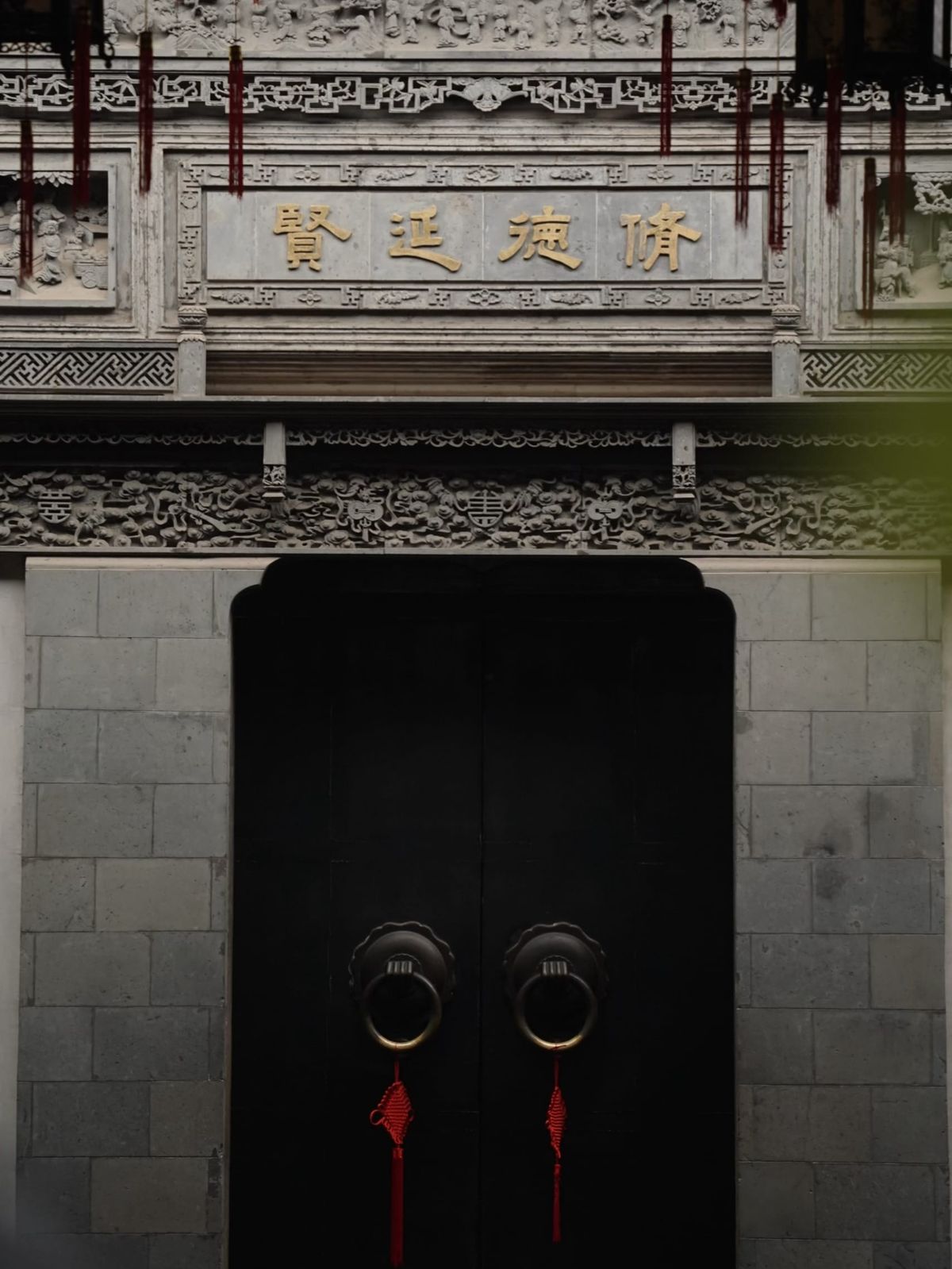
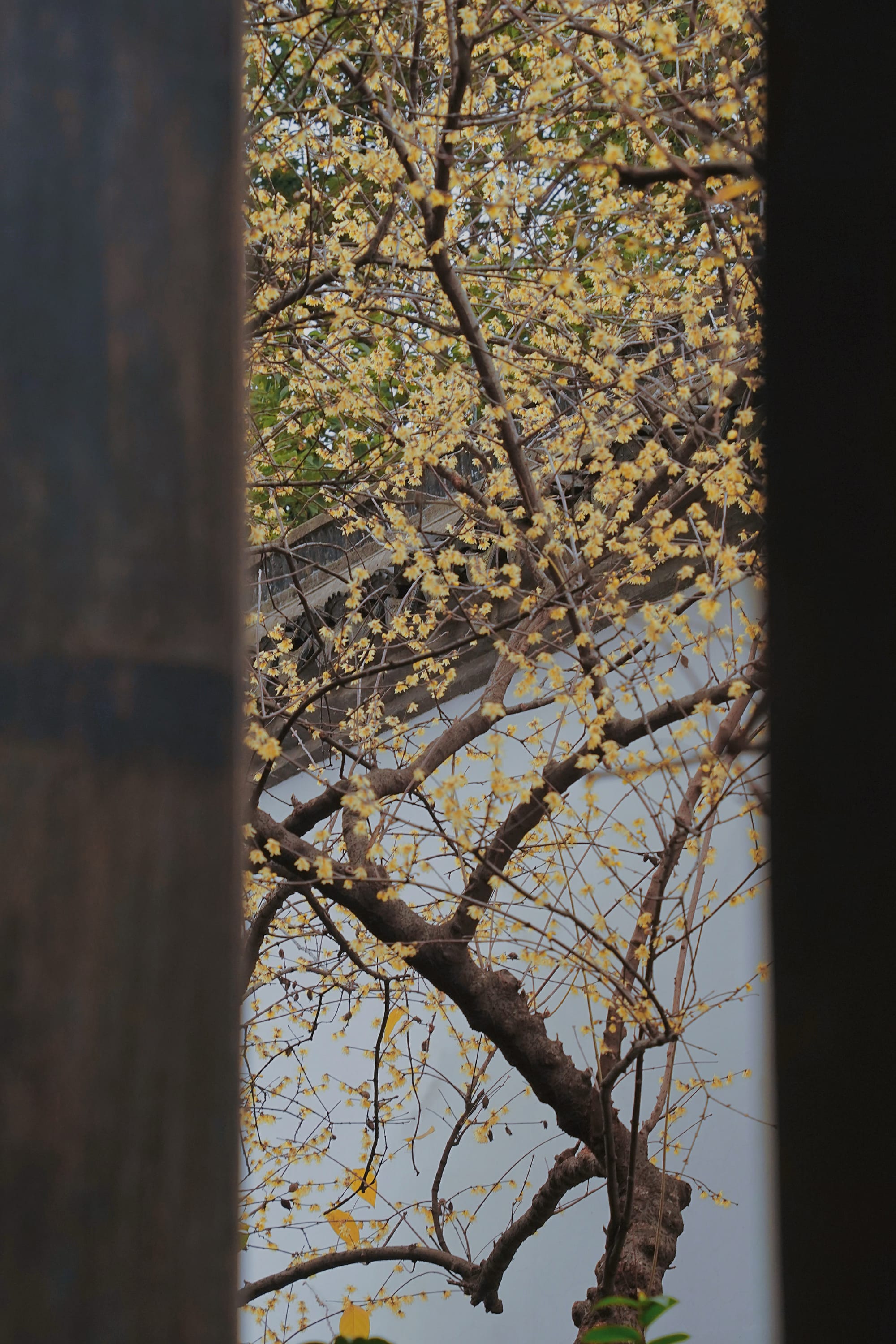
Visual Cue: You are looking for a massive, featureless, high white firewall that stretches down the narrow alleyway of Yuanbaojie. The modesty of the exterior is entirely intentional, deliberately understated to keep the immense wealth within out of public view. Look for the understated stone entrance marked 胡雪岩故居.
Taxi Address: 杭州市上城区元宝街18号胡雪岩故居 (Hu Xueyan Residence, No. 18 Yuanbaojie, Shangcheng District, Hangzhou).
Admission and Booking
Tickets: RMB 20. Same-day purchase may be available, but check the current booking arrangement before visiting.
Hours: Winter (November–April): 08:00–17:00, last entry 16:30. Summer (May–October): 08:00–17:30, last entry 16:50.
Photography: Permitted throughout the grounds and courtyards. Flash, tripods, and commercial equipment are strictly prohibited inside the historic wooden halls.
Insider Tips
Architectural Intent: Pay attention to the contrast between the severe external white firewalls and the sprawling, intricate wood carvings and grottoes inside. The design functions as a physical manifestation of a late-Qing merchant's need for security and visual discretion.
Audio Guide
Renting an audio guide is highly recommended due to the residence's complex, labyrinthine layout and the dense layers of historical symbolism embedded in every carved beam. A digital smart guide handset can be easily secured at the visitor services desk located immediately near the main entrance.
Food & Drink Recommendations
The culinary terrain surrounding the Hu Xueyan Residence captures the extravagant, high-rolling lifestyle of the late-Qing dynasty "Red-Top Merchant" era, seamlessly blending the ultra-rich, sweet flavor profiles of classic Huaiyang aristocratic dining with the comforting street food traditions of the ancient imperial gate wards.
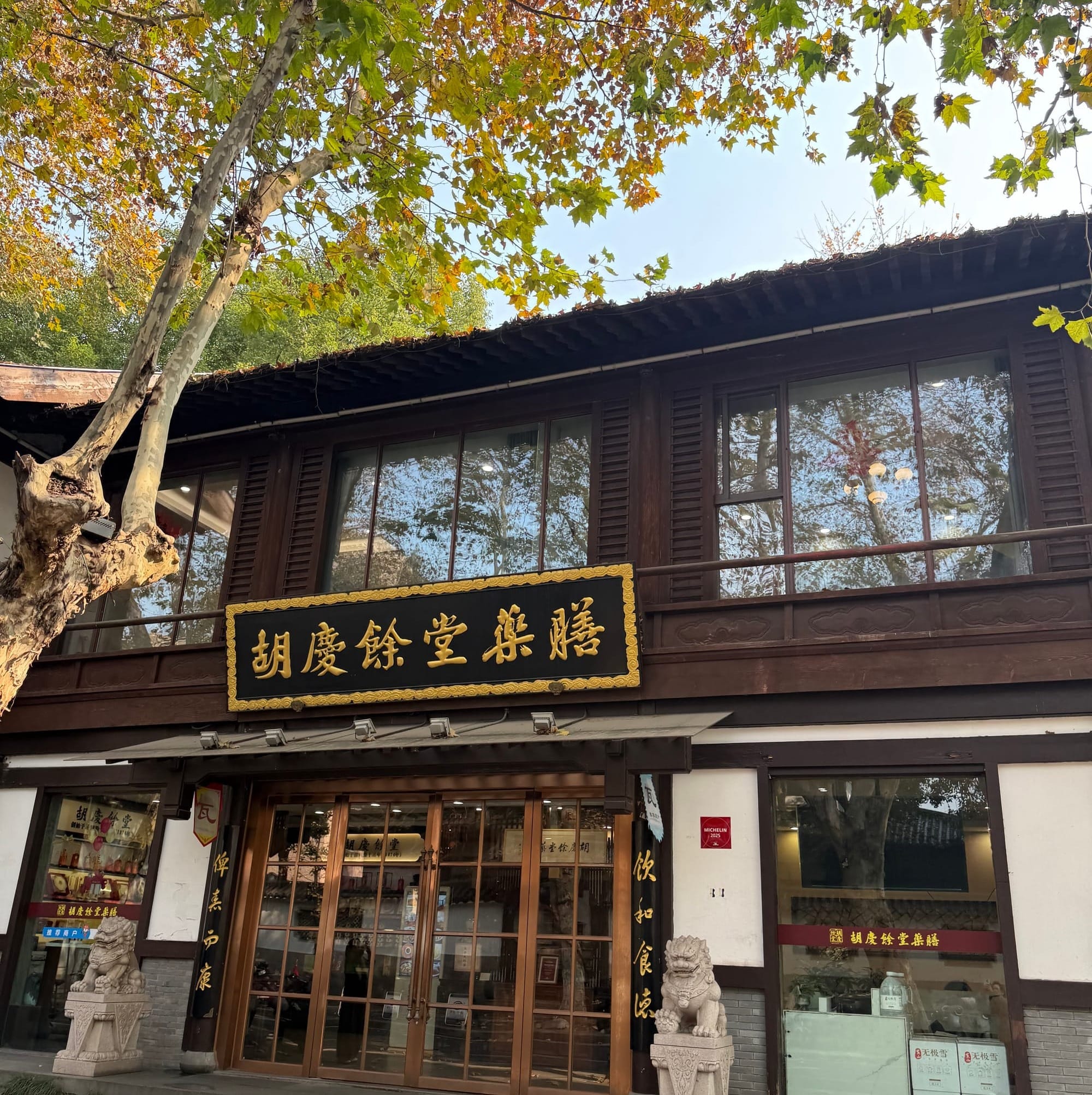
1. The Indulgent Lunch: Hu Qing Yu Tang's Medicinal Kitchen (胡庆余堂药膳馆 — Hú Qìngyútáng Yàoshàn Guǎn)
Inspired by the centuries-old medicinal traditions of Hu Qing Yu Tang, this restaurant brings traditional Chinese wellness philosophy to the dining table — built on the principle of yào shí tóng yuán (药食同源), food and medicine sharing one origin. It is proudly listed in the MICHELIN Guide.
The Ritual: A pot of rose and poria tea, said to ease the liver and lift the spirits, arrives before the meal even starts. The trick throughout is restraint — the herbs are chosen to complement the food, never to announce themselves.
Order 黄芪河虾 (river shrimp with astragalus, barely herbal, sweetly fresh), 杜仲腰花 (pork kidney with eucommia bark, a traditional pairing for strengthening the lower back), and 茯苓芹菜蒸饺 (poria-and-celery dumplings, thin-skinned and generously filled).
Cultural Insight
This way of eating — food doubling as healing — runs deep in Chinese tradition. Traditional Chinese medicine is built on holistic principles, drawing on herbs and plants found in nature, and a meal like this treats the dining table as one more place that philosophy plays out.
Address: 杭州市上城区中山南路98号 (No. 98 Zhongshan South Road, Shangcheng District, Hangzhou). Note: This is a separate location from the main pharmacy museum.
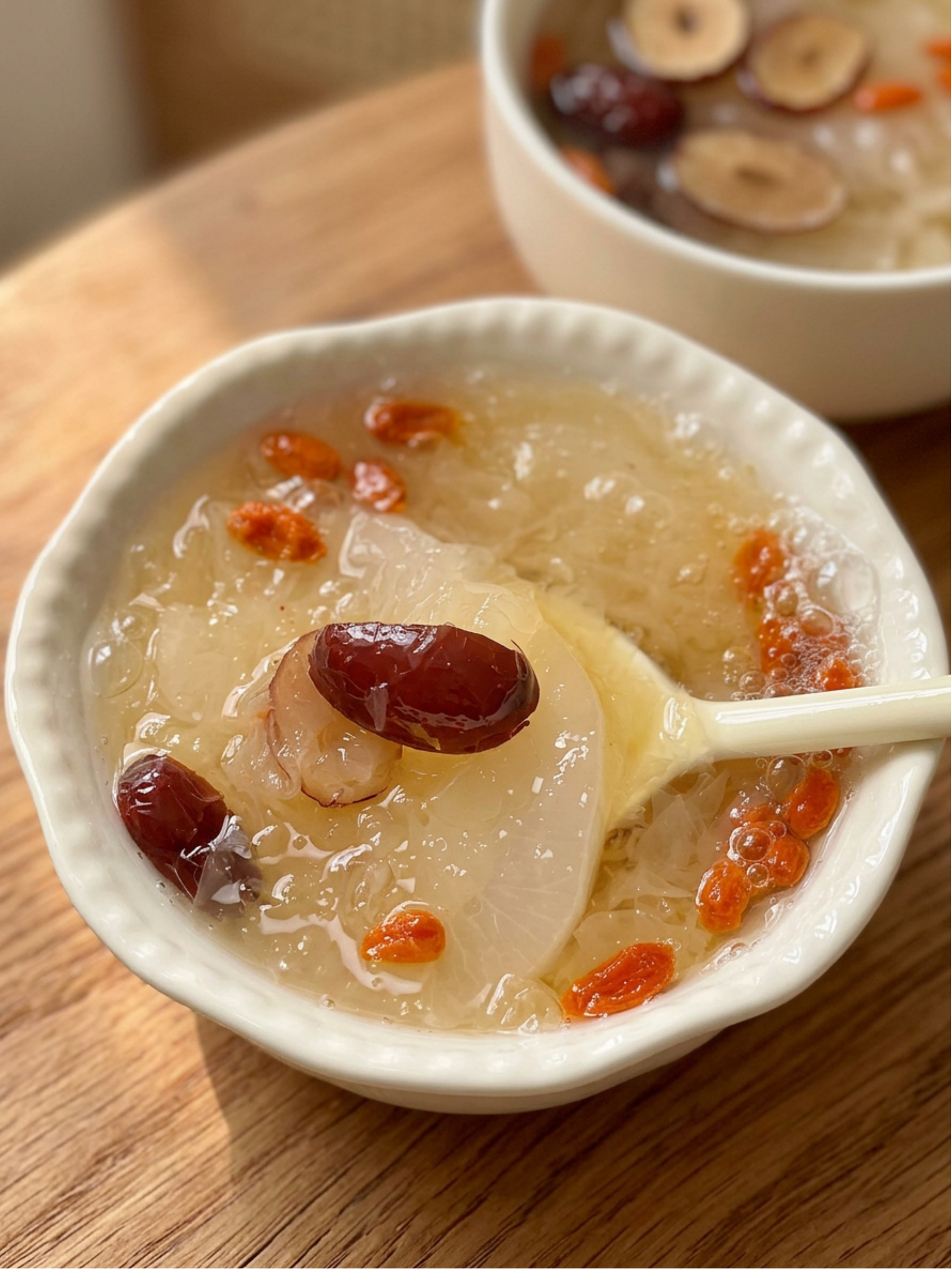
2. The Restorative Intermission: Pear and White Fungus Sweet Soup (冰糖雪梨银耳羹 — Bīngtáng Xuělí Yín'ěr Gēng)
A short walk from the residence, in the same historic quarter that houses Hu Qing Yu Tang, are small wellness bars serving heritage-style restorative desserts.
The Ritual: Given Hu Xueyan’s deep historical ties to traditional medicine, skipping modern commercial beverages for a functional wellness elixir is a must. Order a warm bowl of Bīngtáng Xuělí.
This delicate sweet soup is made by slow-simmering local snow pears with dried white wood-ear mushrooms, goji berries, and rock sugar until the mushrooms break down into a smooth, silky, naturally gelatinous broth.
It is exceptionally soothing, deeply hydrating, and designed to balance the body's internal heat—the type of afternoon refreshment the ladies of Hu’s sprawling courtyard mansion might have consumed to combat the region’s humid summers.