Chapter 2: When Poets Ruled
->Follow this route to discover the Southern Song Dynasty at its peak—the shift from military might to pure intellectual, artistic, and administrative refinement through the Civil Service Exam (Keju).
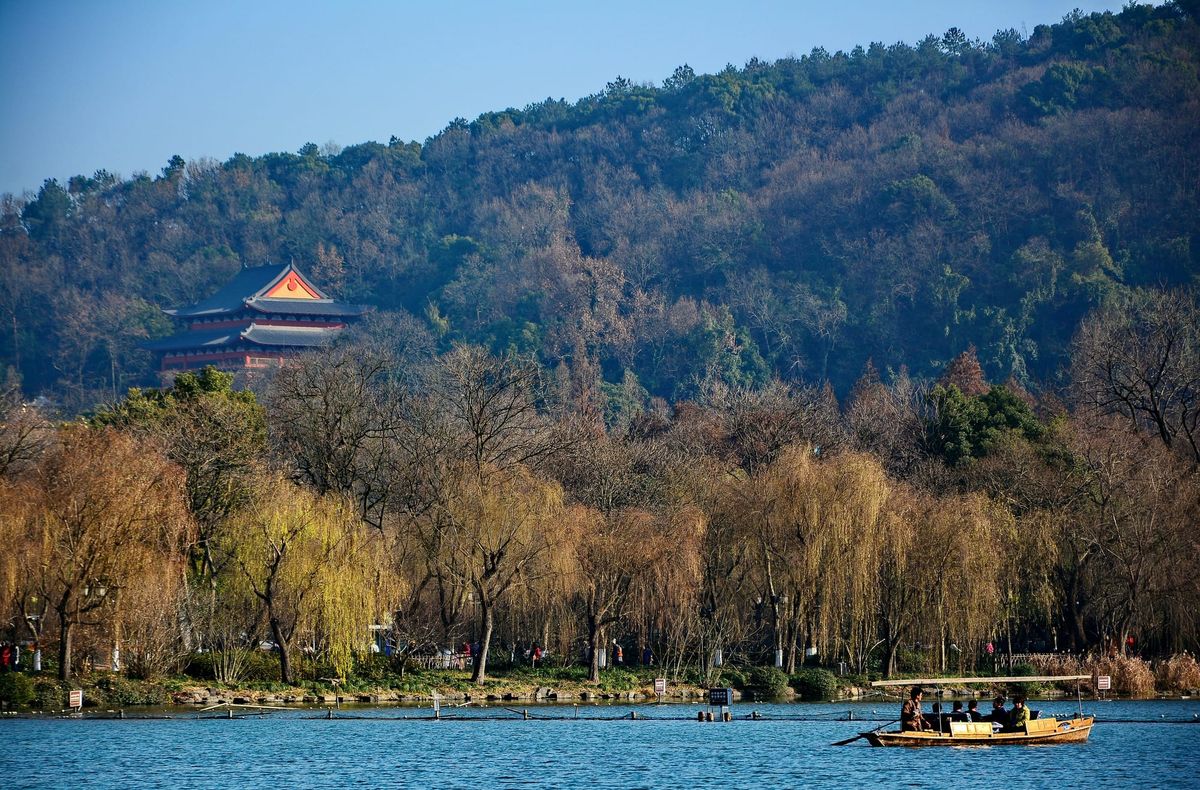
After losing the north to the Jurchen invasion, the Southern Song did something unexpected: it deprioritised the military.
This seemingly counterintuitive decision had deep roots.
The Song's founders had inherited a China scarred by centuries of warlords — military strongmen who accumulated power, defied the throne, and tore the country apart.
The Flight South
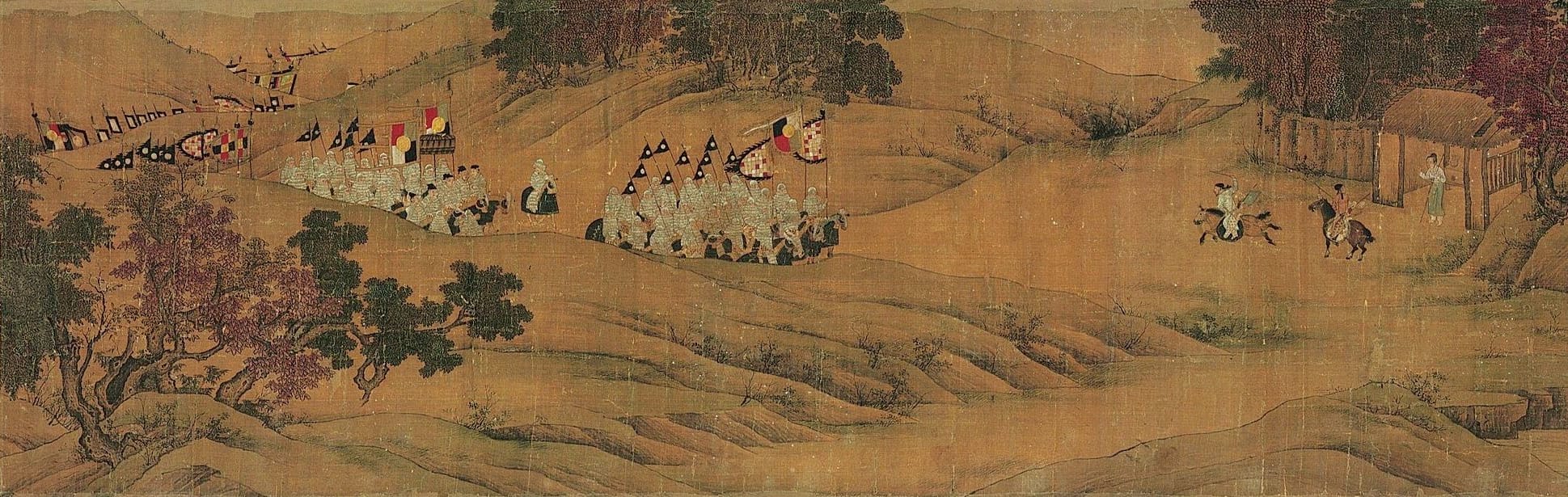
From the beginning, the dynasty had deliberately subordinated generals to civilians, removed commanders from their troops, and kept military authority tightly centralised.
The policy produced stability.
It also produced a dynasty that was, by the standards of its neighbours, consistently outfought.
A New Paradigm
After 1127, with the north gone and reconquest beyond reach, the question of what kind of civilization to build in the remaining territory became urgent.
The answer the Song gave would change the face, and fate, of Hangzhou.
The answer lay not in the invention of a new system, but the radical repurposing of an old one.
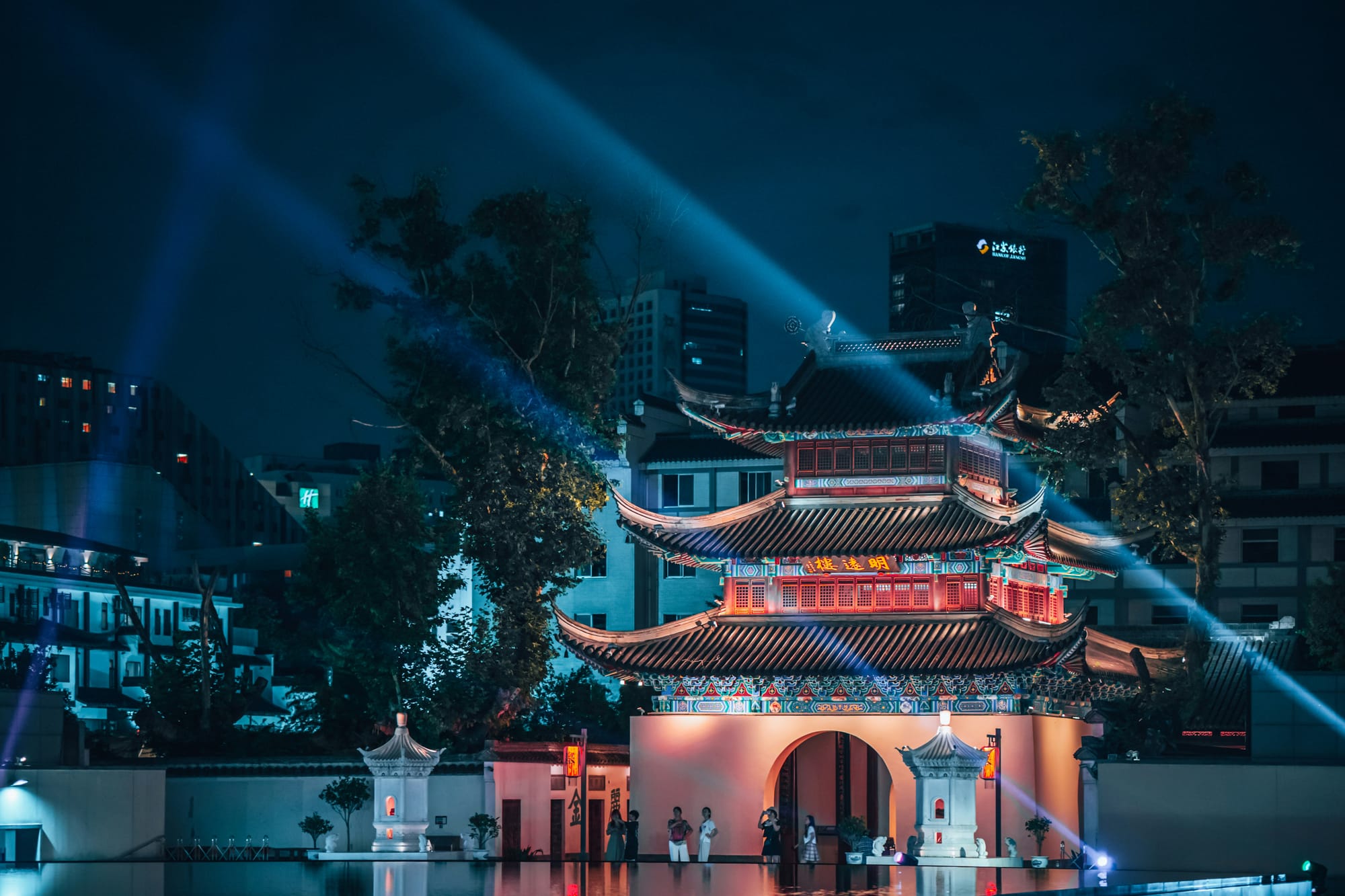
The system was called Keju (科举) — China's imperial civil service examination, operating since AD 600, selecting a governing class by demonstrated merit rather than birth or battlefield.
It demanded mastery of the Confucian classics, the composition of regulated verse, and the application of ethical reasoning to questions of governance.
The world's first large-scale meritocracy.
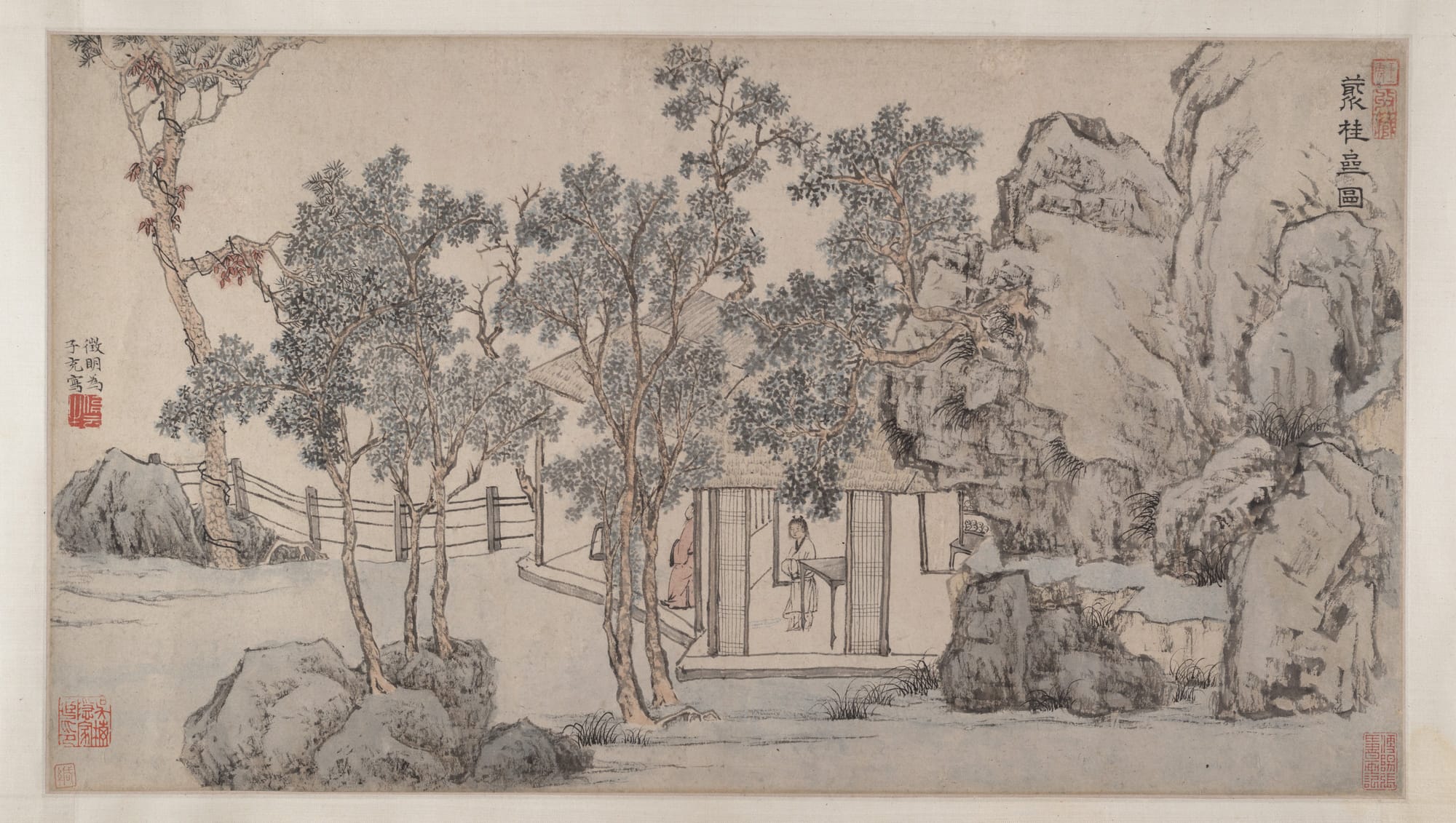
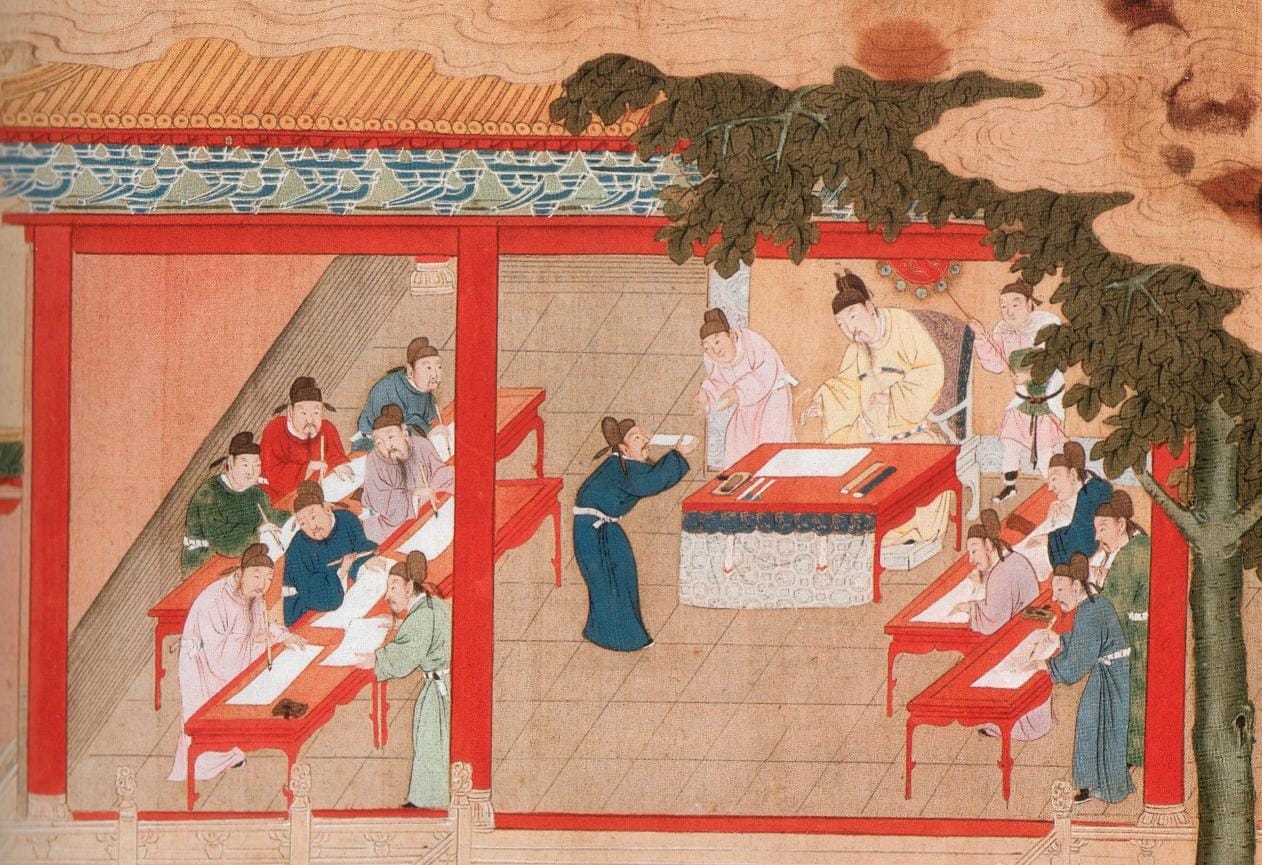
Under Song reform, the sons of merchant families — previously barred — were allowed to sit for the first time.
The doors to officialdom finally opened.
Examination rolls swelled. Private academies multiplied. Merchants seeking advancement for their sons funded schools; schools produced officials; those officials created the stability and infrastructure that allowed commerce to flourish.
On The Ground
Wansong Academy (万松书院), perched on a forested ridge above the city, is where that cycle was most visibly at work — the institution that trained generations of Hangzhou's governing class.
Hefang Street (河坊街), running south from the old palace gates toward the market, is where the commerce that funded it all played out — merchant families and officialdom in mutually beneficial negotiation.
And the Grand Canal districts (京杭大运河) — Qiaoxi, Xiao He Zhi Street, Fuyicang — are the infrastructure that held the entire arrangement together: the waterway that moved grain and silk north, sustaining the dynasty's literary ambitions with crucial logistics.
The officials the Keju selected were literati in official dress. They left behind a city built in their image: causeways, pagodas, pavilions, lake views composed to be read at specific hours and in specific light — simultaneously practical and aesthetic, because to the poet-governor, those were never separate categories.
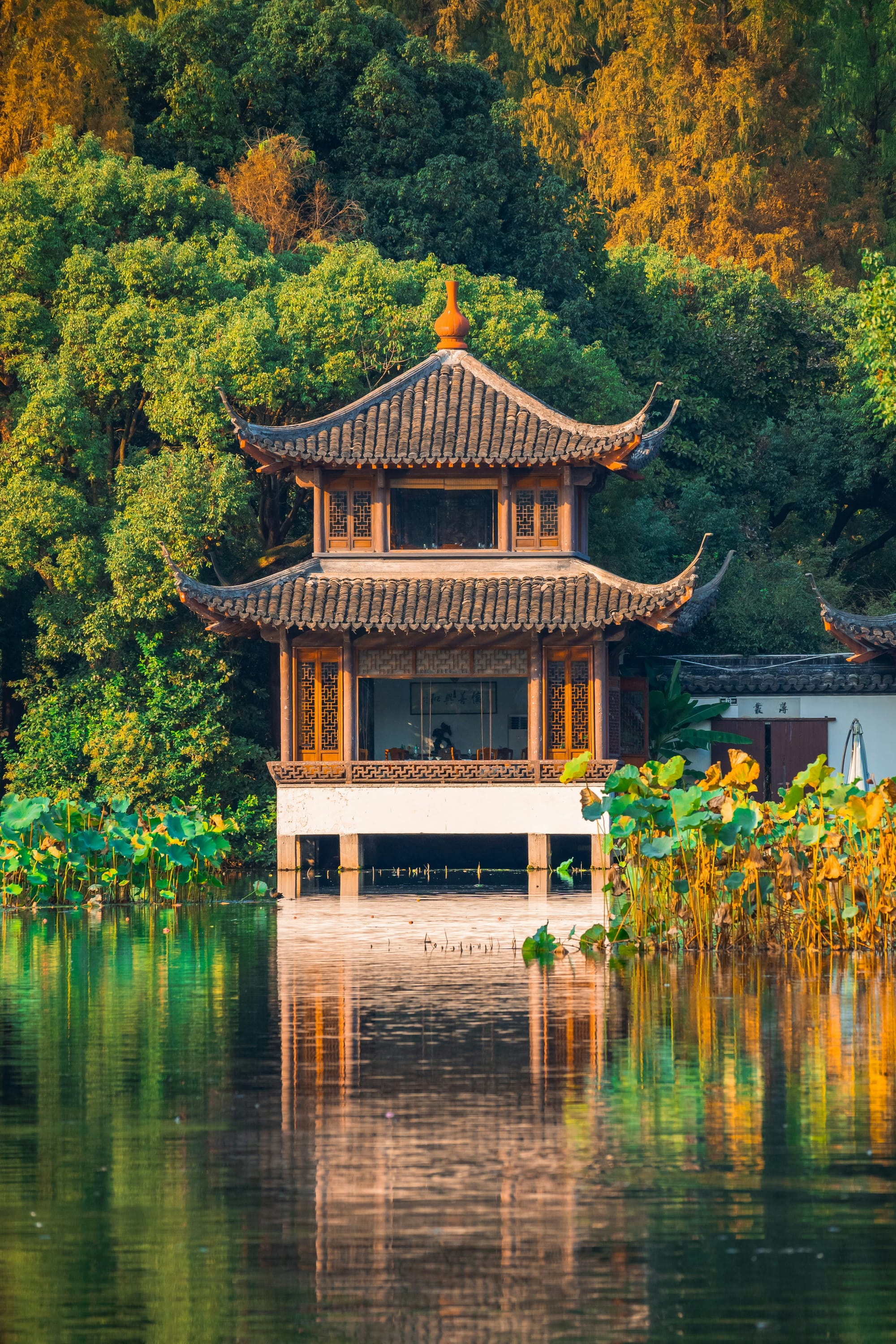
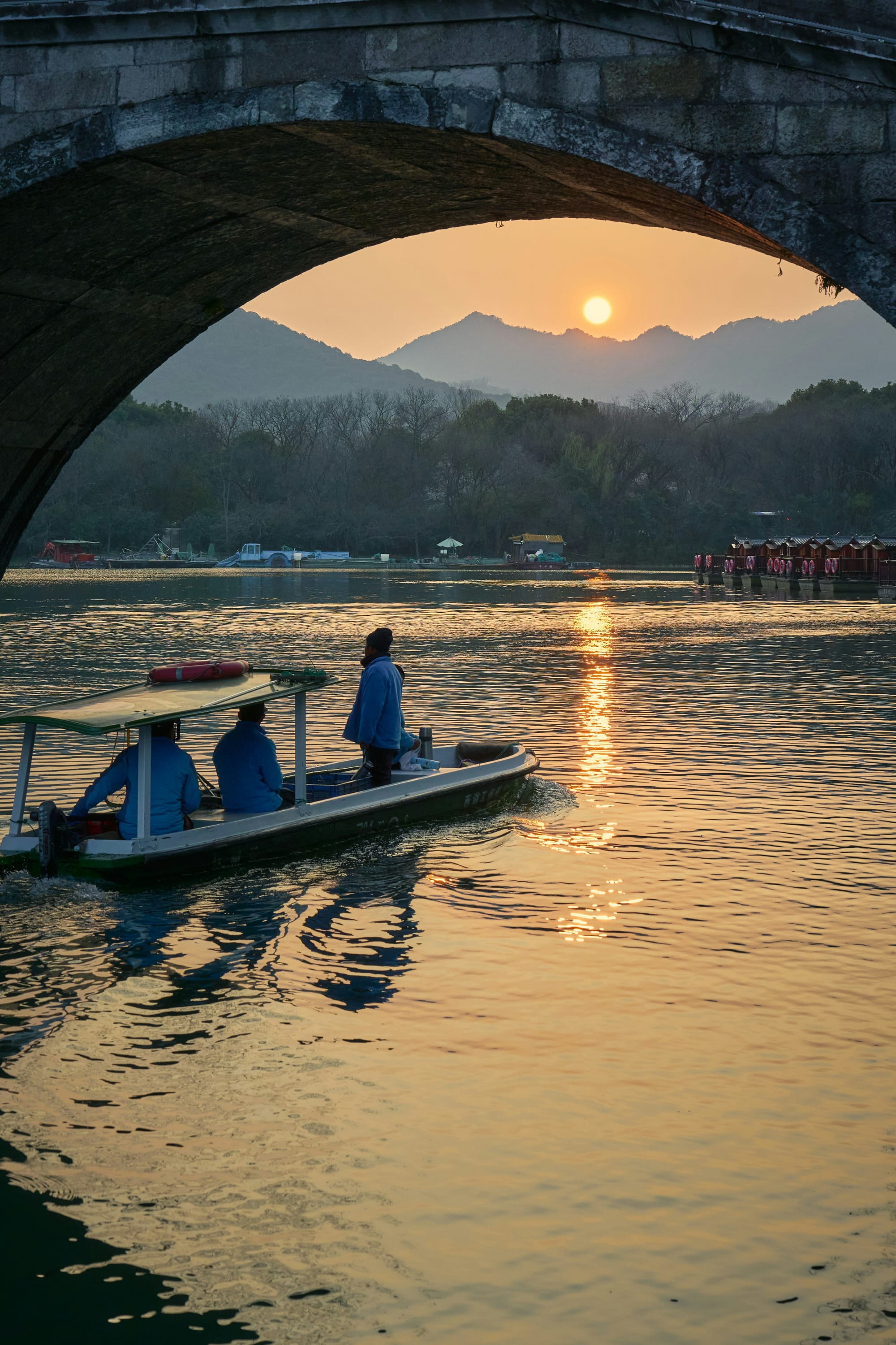
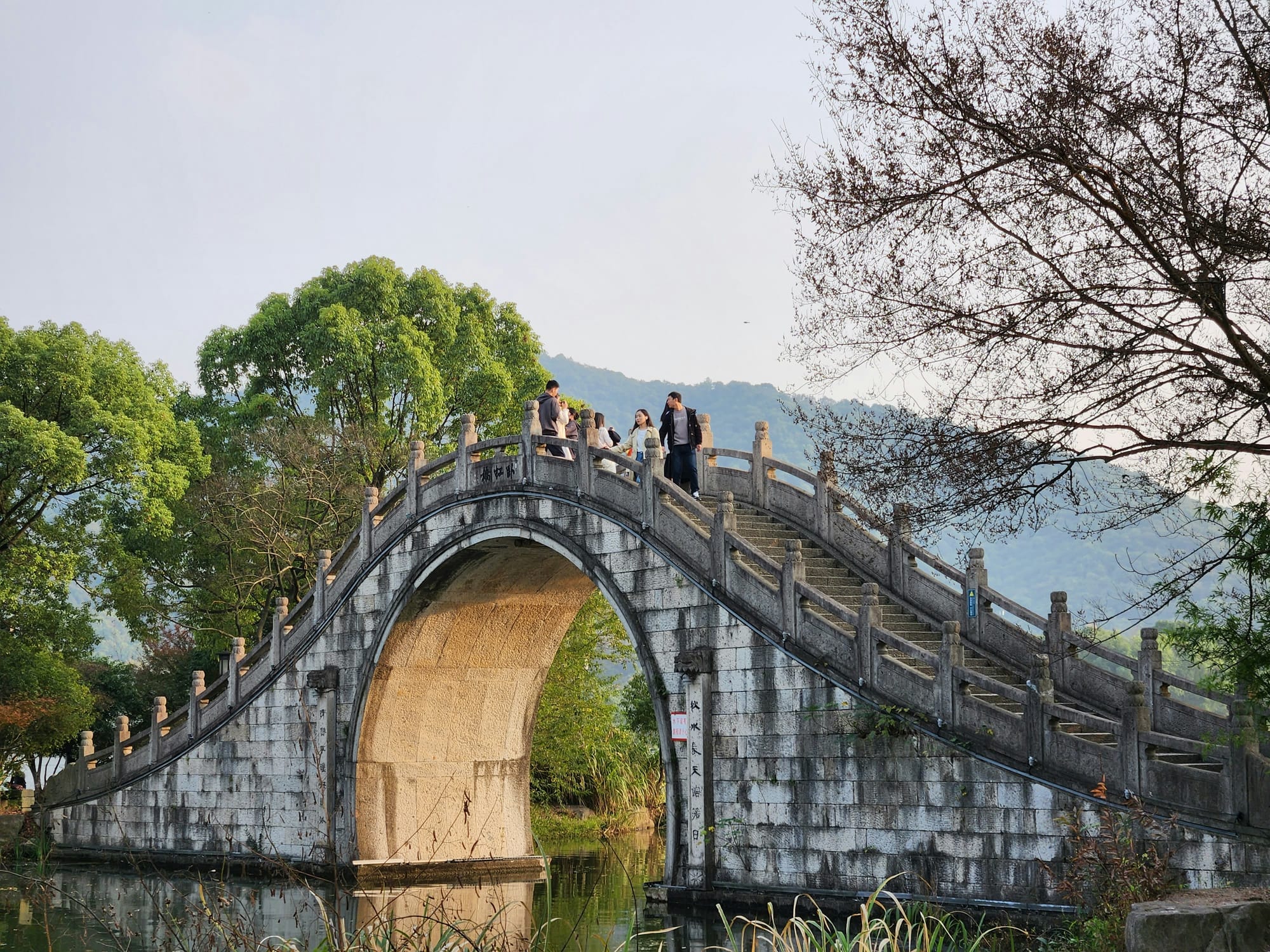
West Lake (西湖) is the most legible evidence of what that governing philosophy actually produced.
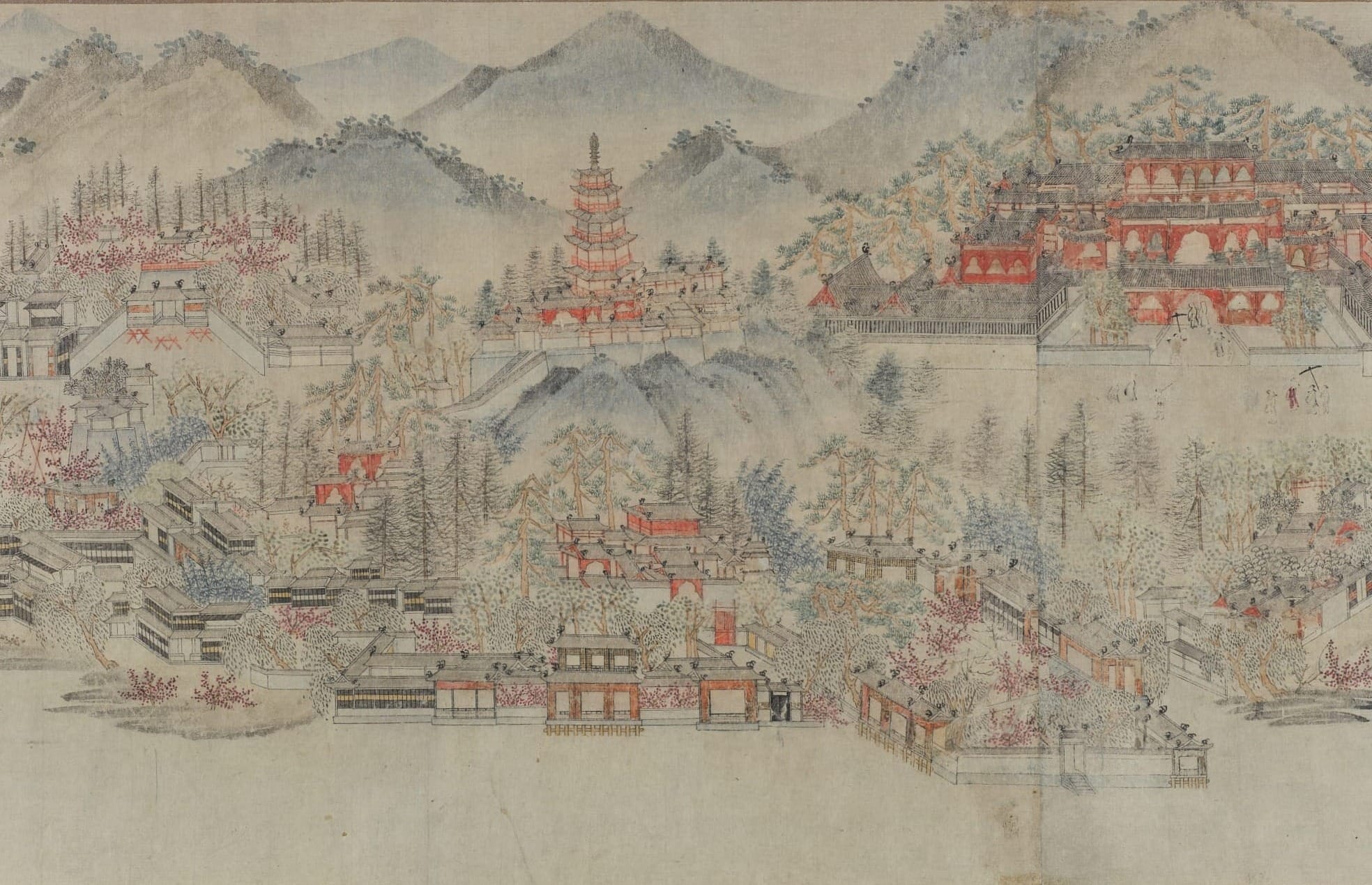
The Literary Governance Paradox
The same system that produced all of this also produced a governing class with a narrow curriculum. The examination tested the classics and the poem — not mathematics, not the natural world.
While Song China refined literary governance to its highest expression, Europe was quietly building its first universities — planting the institutional seeds that would, centuries later, produce the Scientific Revolution.
The Mongol Conquest
The Mongols overpowered the Southern Song in 1279 with their military might. The literary culture that had built Hangzhou's extraordinary refinement had, by degrees, grown resistant to the kind of reinvention that survival required.