Eating in China: The Culinary Map You Haven’t Met
Forget takeout staples and dim sum. Across the country’s vast provincial foodways lies a landscape of authentic Chinese food that challenges even the well-versed traveler.

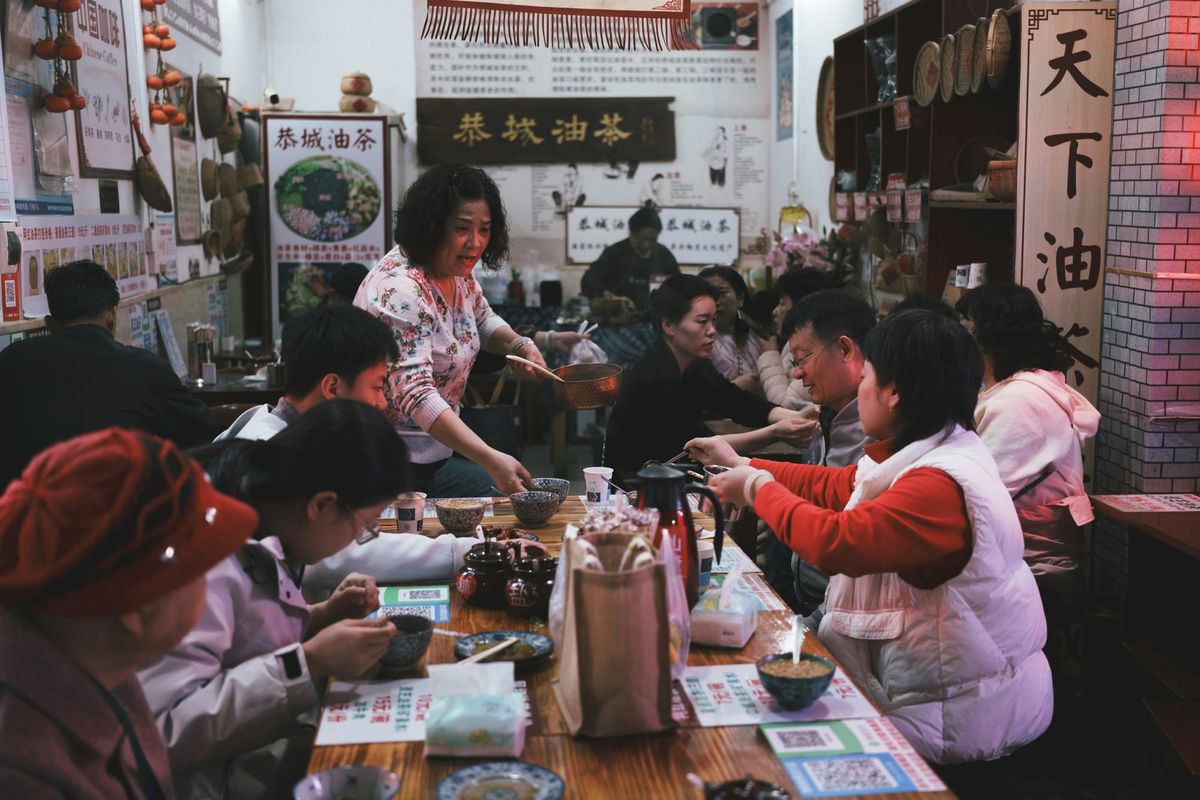
To mention "Chinese food" in most Western cities is to invoke a very specific, highly comforting lexicon: crisp spring rolls, glossy orange glazes, and takeout boxes eaten straight from the fridge. It is a cuisine that was lovingly translated, softened, and standardized over a century of migration.
Step inside China itself, however, and that familiar playbook instantly dissolves.
Across a landmass almost the size of Europe, there is no single "Chinese cuisine"—only a mosaic of fiercely distinct regional foodways shaped by climate, trade routes, and centuries of hyper-local tradition.
Even if you consider yourself well-versed in authentic regional dining—comfortable navigating Sichuan peppercorns, Dim Sum trolleys, or hand-pulled noodles—much of the country’s culinary map remains virtually untranslated.
Here are six iconic regional dishes that sit far off the well-trodden path, challenging everything you thought you knew about what belongs on the table.
The Ancient Tradition of Teochew Raw Fish
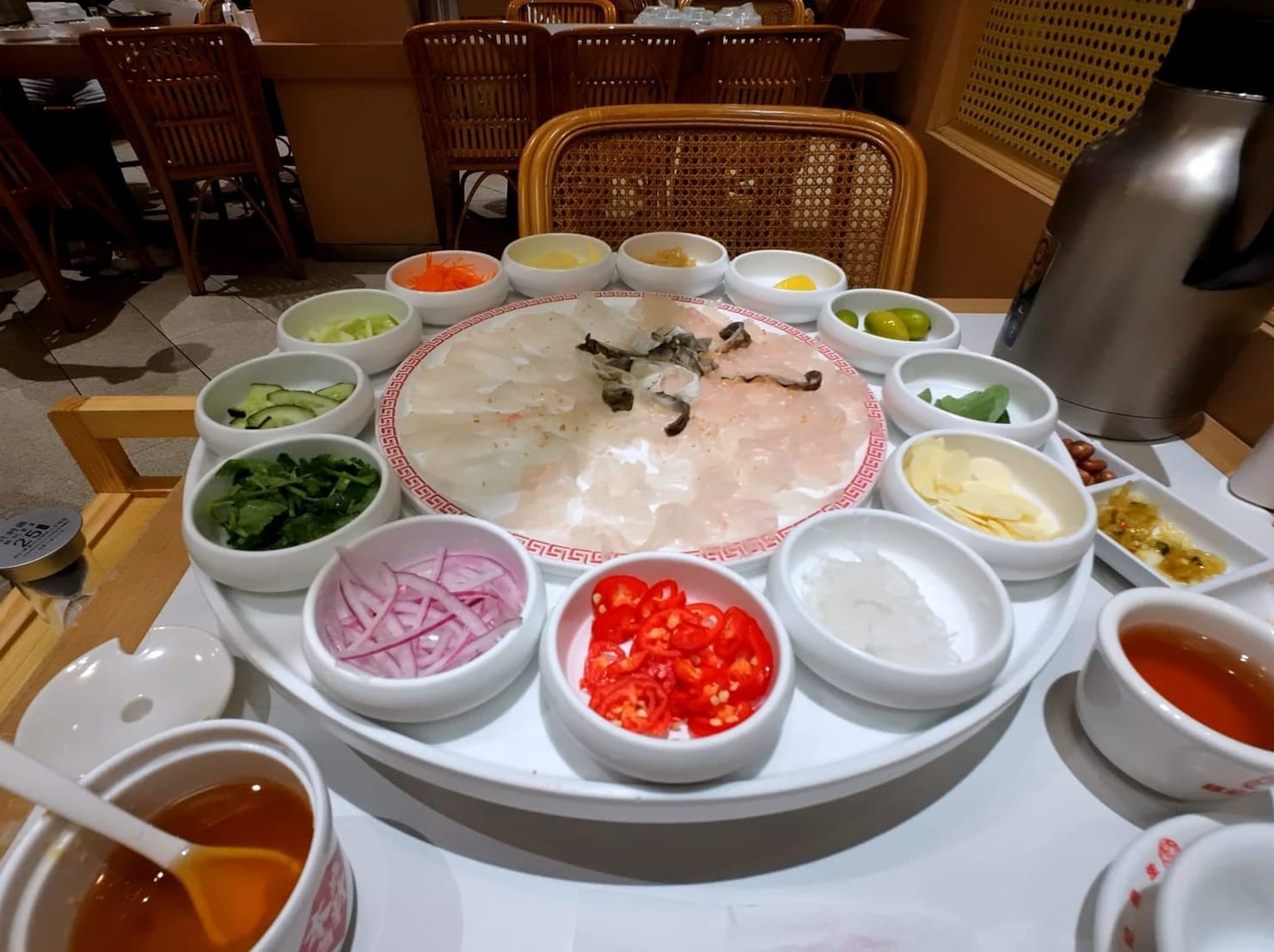
When Western diners think of Guangdong cuisine—traditionally known as Cantonese cooking—they usually picture delicate dim sum baskets, glossy roast duck, or gentle, clear-steamed fish. Yet tucked away in the coastal region of Chaoshan lies a raw, electric culinary tradition that challenges everything you expect from southern Chinese food: Teochew raw fish (Yusheng).


Beyond Cantonese dim sum: The coastal region of Chaoshan harbors an ancient, raw fish culture.
To explain it to uninitiated diners, "Chinese-style sashimi" is often the irresistible hook phrase. Long before modern Japanese sushi culture swept across the globe, cooks in Chaoshan were perfecting the art of slicing hyper-fresh, translucent fillets of grass carp or sea bass with paper-thin precision.
The experience, however, is unmistakably distinct from its Japanese cousin. Where sashimi relies on fatty cuts dipped lightly in soy sauce and wasabi, Teochew raw fish is an explosion of texture and herbal complexity.
The paper-thin ribbons of raw fish are dressed at the table with a vibrant array of toppings—crushed peanuts, paper-thin galangal slices, sesame seeds, pickled radish, fresh coriander, and a drizzle of local sour plum oil. The result isn't a soft, melt-in-your-mouth bite—it is crisp, bracing, and wildly aromatic, offering a stunning testament to the sheer depth of Guangdong cuisine.
Stir-Fried Pork with Pickled Long Beans: The Electric Soul of Hunan Cooking
For most diners venturing into regional Chinese cooking, a classic stir-fried pork dish is the undisputed entryway. It’s familiar, comforting, and easily accessible. But step into the central province of Hunan, and that humble framework is transformed into something far more intense, sour, and fiercely aromatic—starting with Hunan cuisine's signature comfort dish: minced pork stir-fried with sour pickled long beans.
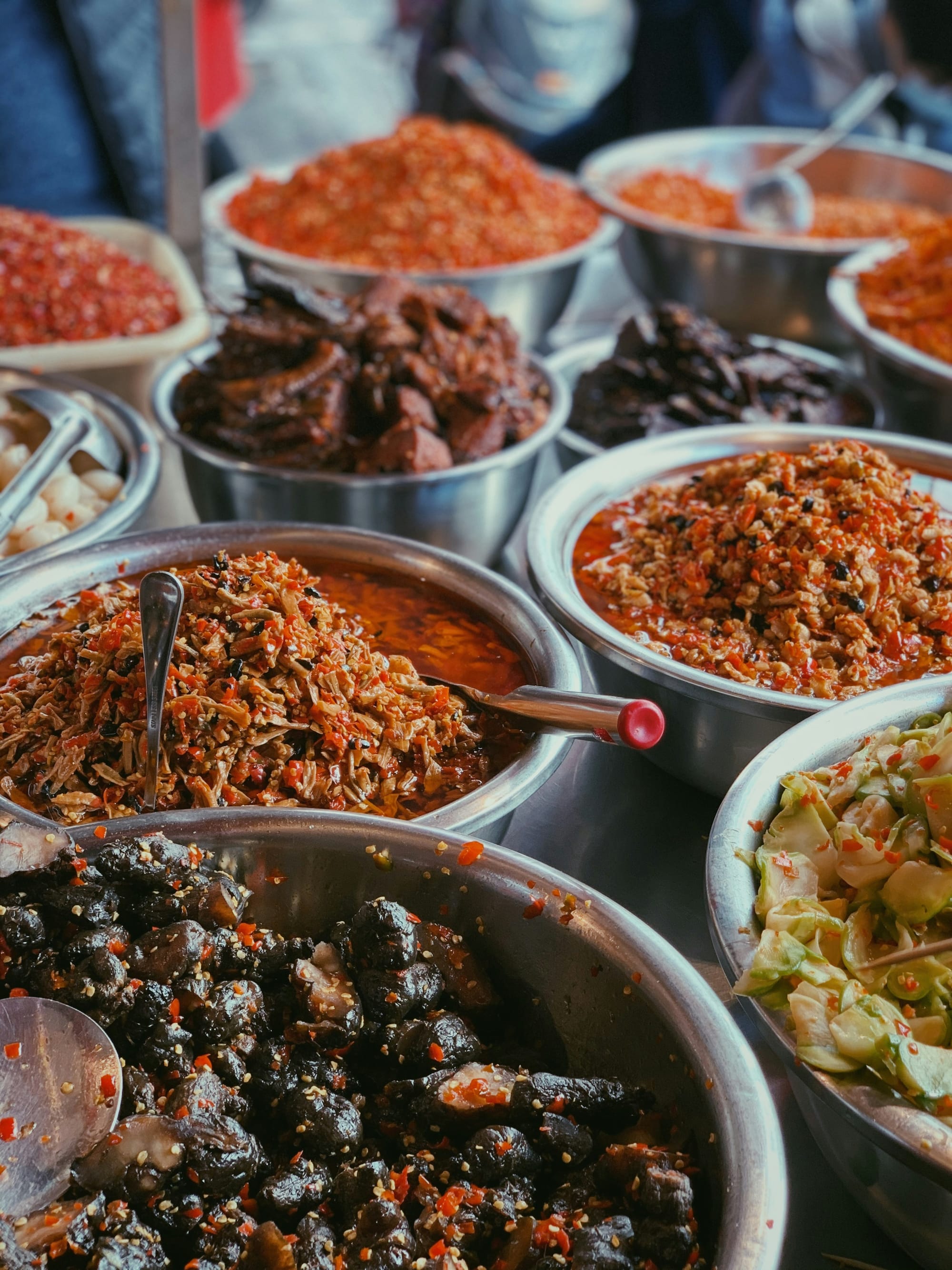
While neighboring Sichuan gets all the global glory for its numbing peppercorns, Hunan flavor profiles rely on 干辣 gan la (dry heat) and 酸辣 suan la (sour heat). Rather than masking the pork, the finely chopped, naturally fermented long beans slice straight through the richness of the ground meat with a sharp, lip-smacking tang.
“While Sichuan relies on numbing peppercorns, Hunan heat is dry, direct, and electrifyingly sour.”
Flash-fried in a roaring wok with fresh red bird's eye chilies, garlic, and dark soy sauce, the minced pork takes on a sharp, savory punch. It’s the ultimate Hunan comfort dish—bold, unpretentious, and deeply addictive.
Yogurt Sticky Rice Dumplings: The Sweet, Tangy Oasis Street Snack of Kashgar
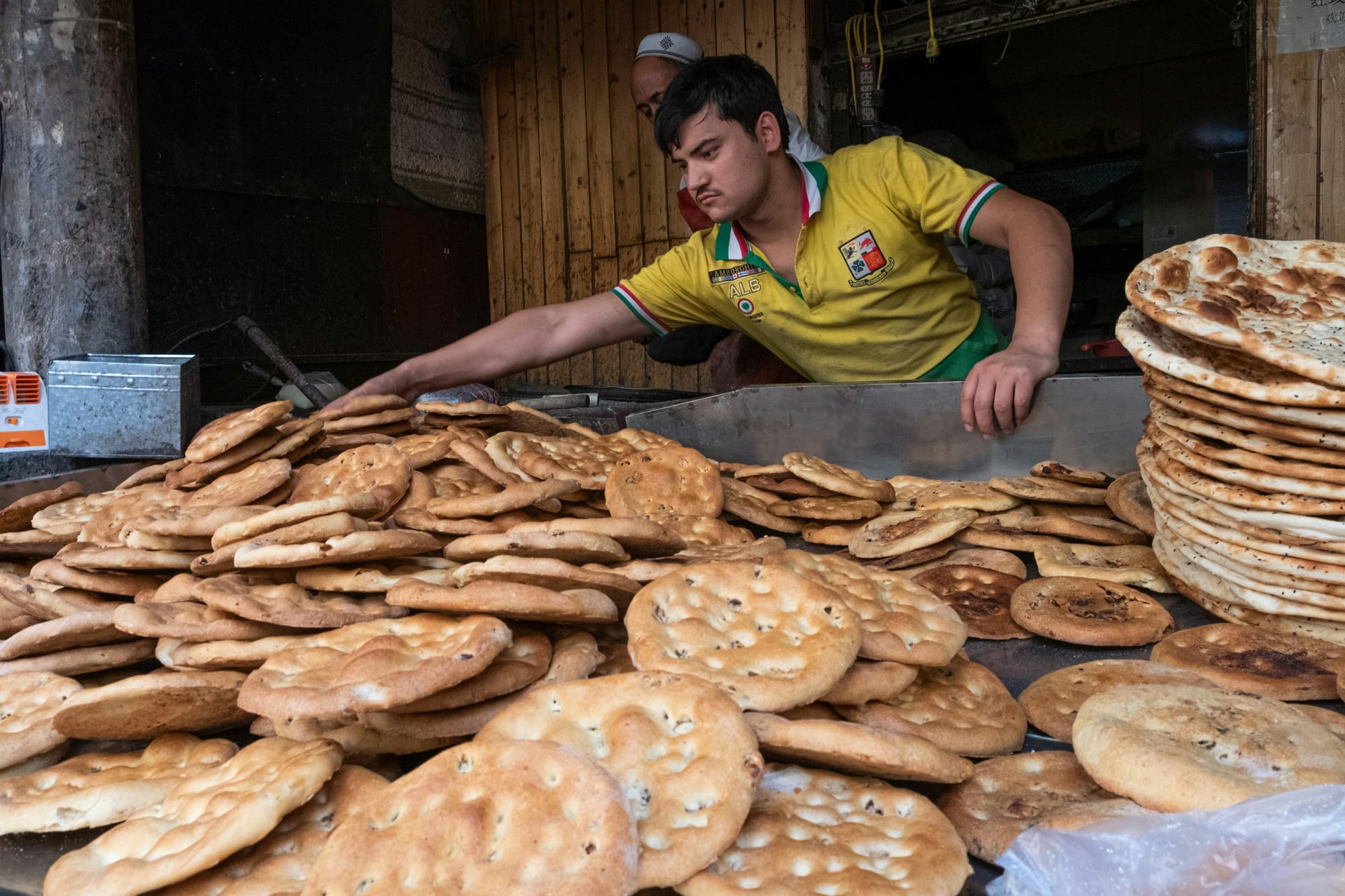
Most travelers associate the rugged culinary landscape of China’s far west with cumin-crusted lamb skewers, hand-pulled noodles, and blistering naan. But step onto the bustling evening avenues of Kashgar or Urumqi, and you’ll discover a surprisingly delicate dessert that highlights a softer side of Xinjiang cuisine: Suannai Zongzi, or Yogurt Sticky Rice Dumpling.


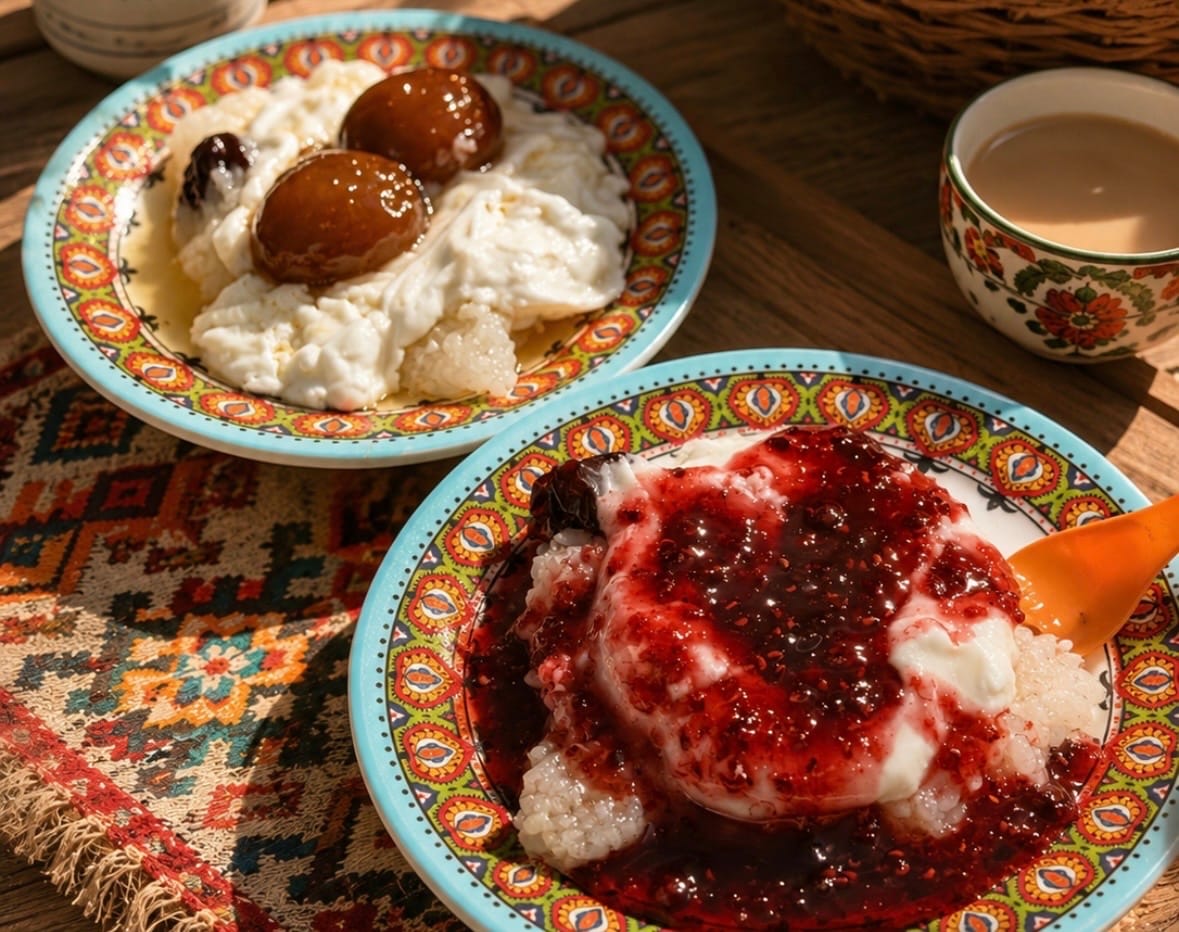
While viral social media algorithms recently crowned it a modern internet sensation, this dessert has genuinely deep roots in the region — and in 2021, the Xinjiang Uyghur Autonomous Region Cuisine Association formally recognized it as one of Xinjiang's famous local snacks. Today, it stands as the ultimate truce in China's legendary battle between sweet and savory sticky rice: a cultural fusion where Central Plains rice meets Central Asian dairy.
“Warm sticky rice crushed beneath strained sheep yogurt and dripped with fig syrup—it is the ultimate truce in China’s sweet-versus-savory zongzi debate.”
To build it, street vendors flatten warm sticky rice steamed with Hotan red dates onto a plate, then smother it in a thick, naturally hand-strained yogurt that slices straight through the heavy rice. Finished with a drizzle of syrup, local fig jam, and a scatter of raisins and crushed nuts, it transforms a humble sticky rice base into an irresistible street snack.
Zhajiangmian: The Salt-and-Savor Northern Original Behind Korea’s Favorite Comfort Food
If you’ve ever devoured a bowl of Korean Jjajangmyeon, you’ve already encountered the direct descendant of Northern China’s greatest noodle dish. But long before it migrated across the Yellow Sea and evolved into a sweet, velvety takeaway staple, this iconic bowl belonged to the heart of beijing cuisine: classic zhajiangmian (fried sauce noodles).
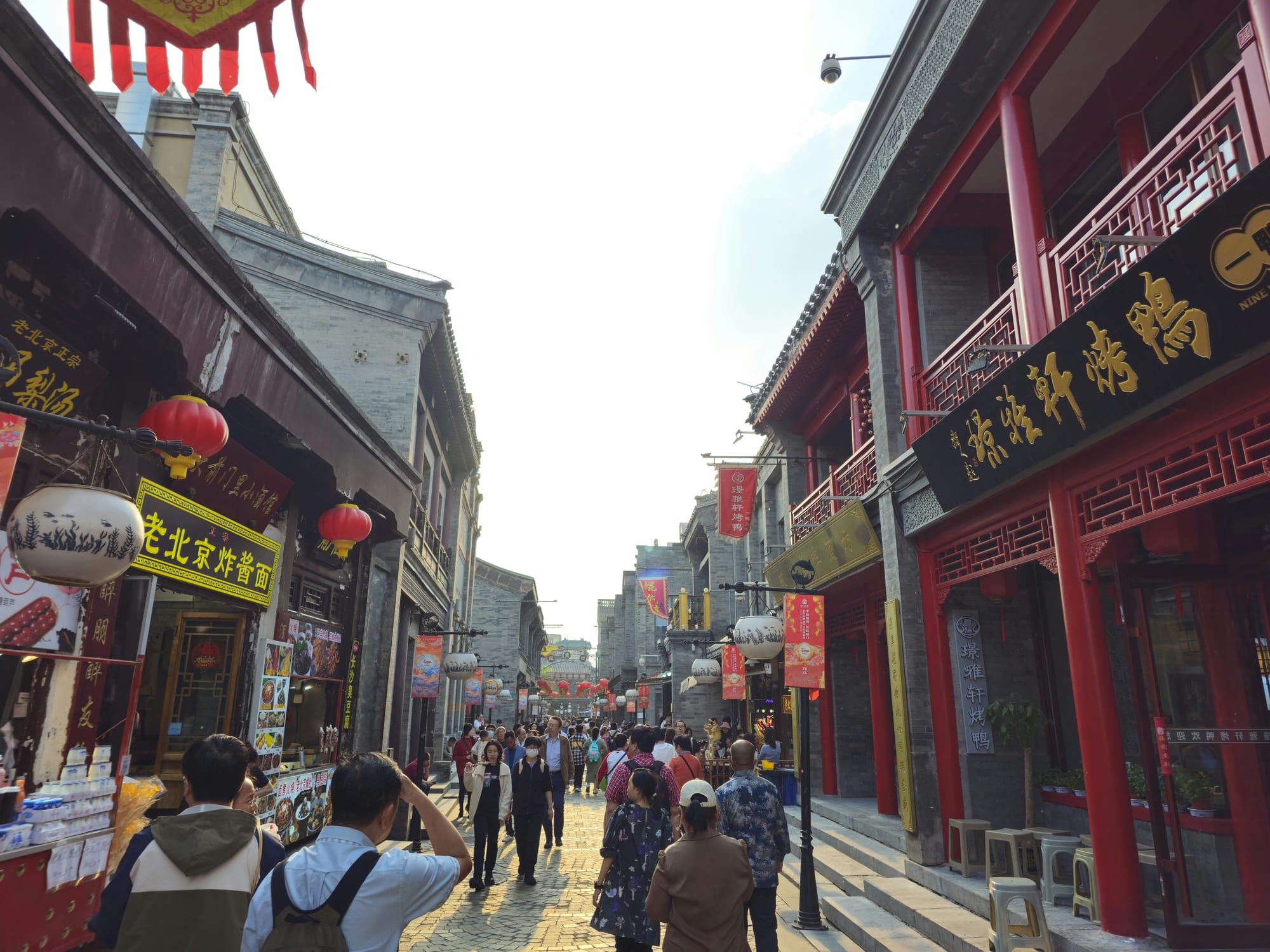
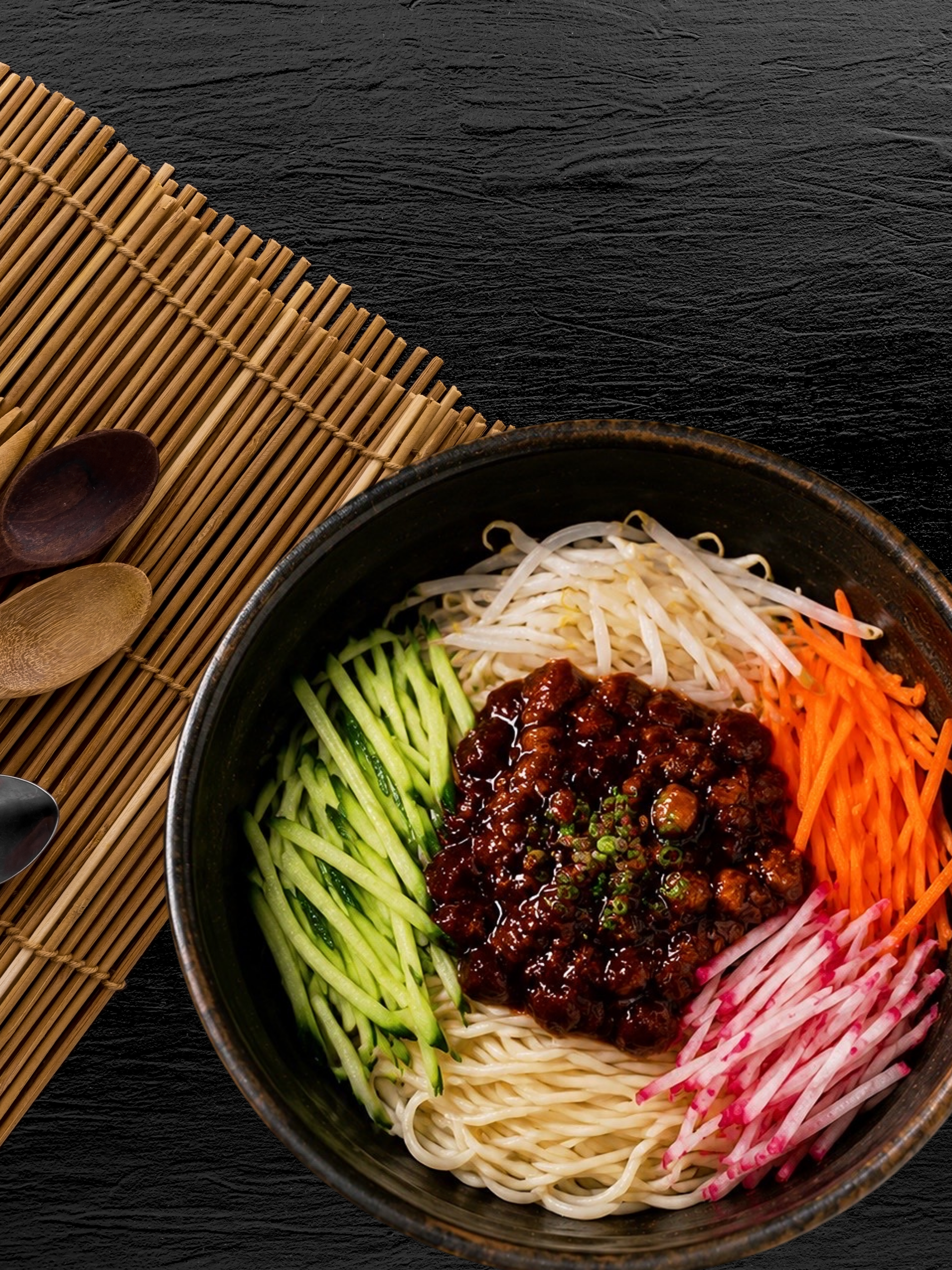
Where the Korean adaptation relies on sweet black bean paste and caramelized onion, Beijing’s original version is unapologetic in its savory, salty intensity. The engine of the dish is a combination of Gan Huangjiang (dry yellow soybean paste) and Tianmianjiang (sweet wheat sauce) slow-fried in pork fat until dark, glossy, and intensely aromatic, coating finely diced pork belly that melts directly into the sauce.
“Where Korean Jjajangmyeon leans sweet, Beijing’s original Zhajiangmian is raw, salty, and intensely savory.”
It’s served over thick, hand-pulled wheat noodles and cut with a vibrant array of raw, crunchy toppings—julienned cucumbers, fresh radish, blanched bean sprouts, and raw garlic cloves bitten right between mouthfuls. It remains the ultimate blueprint of Northern soul food.
Cabbage in Master Broth: The Clear, Decadent Pinnacle of Royal Sichuan Cooking
The ultimate flex of traditional sichuan (szechuan) cuisine isn’t a fiery bowl dripping with crimson chili oil—it is a bowl of seemingly plain water over a tender cabbage heart. Known as Kaishui Baicai (literally "boiled water cabbage"), this legendary Qing Dynasty court dish subverts every expectation of the region’s spice-heavy stereotype.
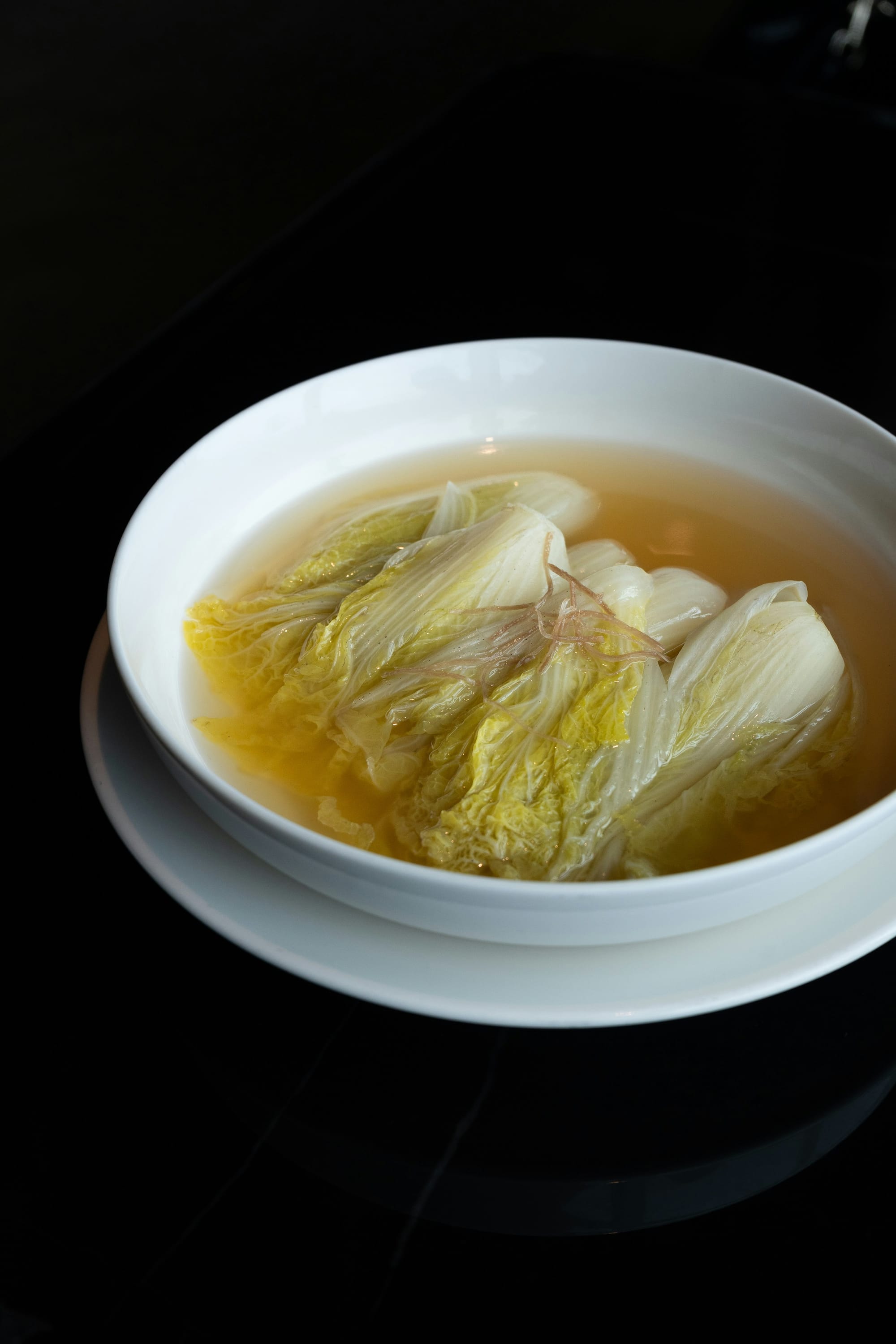
What looks like simple hot water is actually a masterwork of consommé-making. Chefs simmer old hens, duck, Jinhua ham, and pork bones for hours before clarifying the broth with minced chicken breast—a labor-intensive technique that mops up every impurity until the liquid is crystal clear yet deeply savory.
“What appears to be plain water is actually an obsessively clarified consommé—the ultimate quiet luxury of Chinese gastronomy.”
Poured hot over a delicate, blanched Chinese cabbage heart, the leaves blossom open like a flower. It offers a velvety, rich umami hit with total visual restraint—proving that true mastery in regional cooking often speaks in a whisper rather than a shout.
Where Does Your Palette Land?
To map the Chinese table is to realize that every provincial boundary marks an entirely different ideology of flavor. The numbing heat of Chengdu and the quiet, consommé-driven restraint of a royal Beijing broth are not merely different recipes—they belong to fundamentally distinct culinary worlds. If you want to see how these regional philosophies map across the broader country, we dissect the foundational dynamics in our breakdown of China through five distinct regional plates.
Once you begin picking apart the mechanics of a dish, the rest of the culture starts to open up. Much like European food and wine, Chinese tea carries a quiet art of balance—possessing a spectrum of depth, terroir, and nuance far beyond what standard classifications suggest. If you've ever wondered how the leaf moves from delicate greens to aged dark teas, dive into our structural tour of the landscape of the leaf.
All About Chinese Tea: The Essential Taste Guide
A printable guide detailing major varieties across green, white, oolong, and black teas—complete with tasting notes and terroir profiles.
We’re constantly in the field pulling back the curtain on China's most misunderstood regional foodways, forgotten techniques, and culinary enclaves.



![[Quiz] Find the China City for How You Actually Want to Travel Right Now.](https://storage.ghost.io/c/73/63/7363a138-5ebf-4ec5-bfdf-0956583c3258/content/images/size/w600/2026/09/Image-Sep-2--2026-at-03_59_42-PM.png)