Tea, without the Guesswork
Categories, regions, characters & where to find the best cup

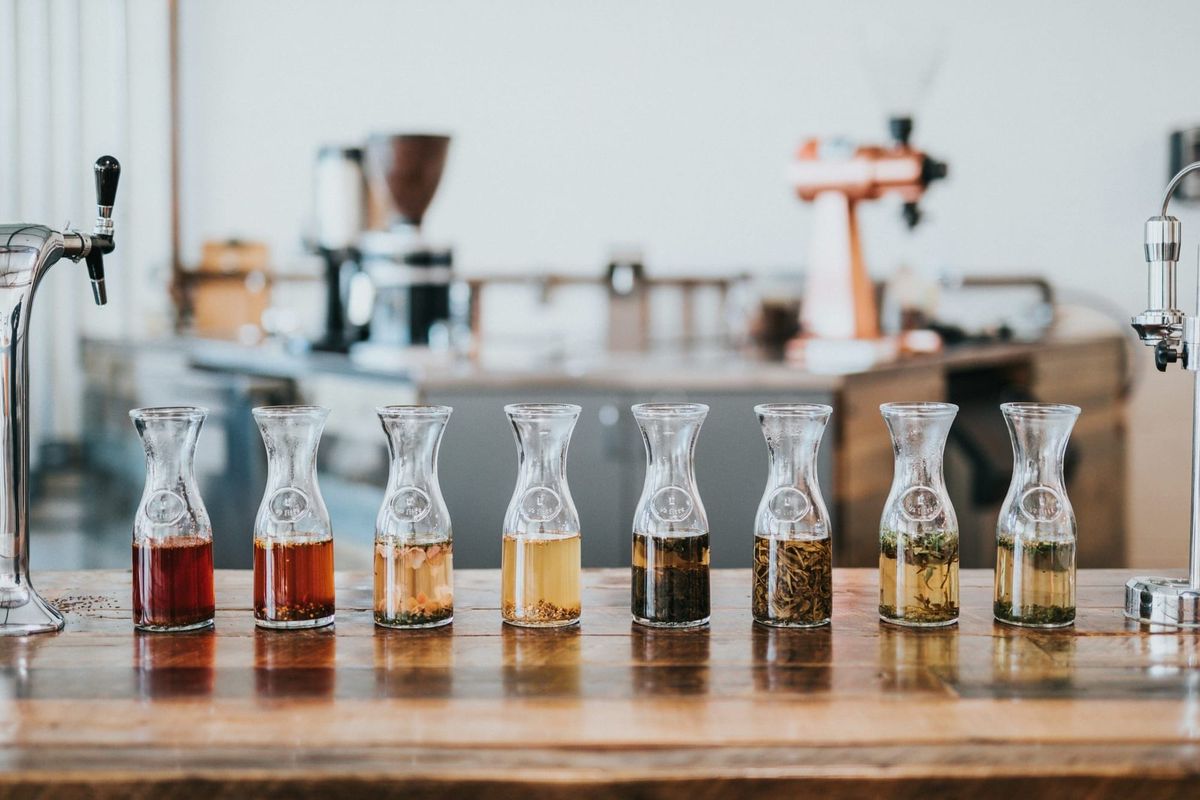
There are four major types of Chinese tea — and more varieties within them than most people can name. Each comes from a specific terroir, carries its own tasting profile, and has its own unspoken rules for how and where to drink it.
Shaped by oxidation level, region, and centuries of tradition, these categories aren't just fascinating — they're the difference between tasting tea and actually understanding it.
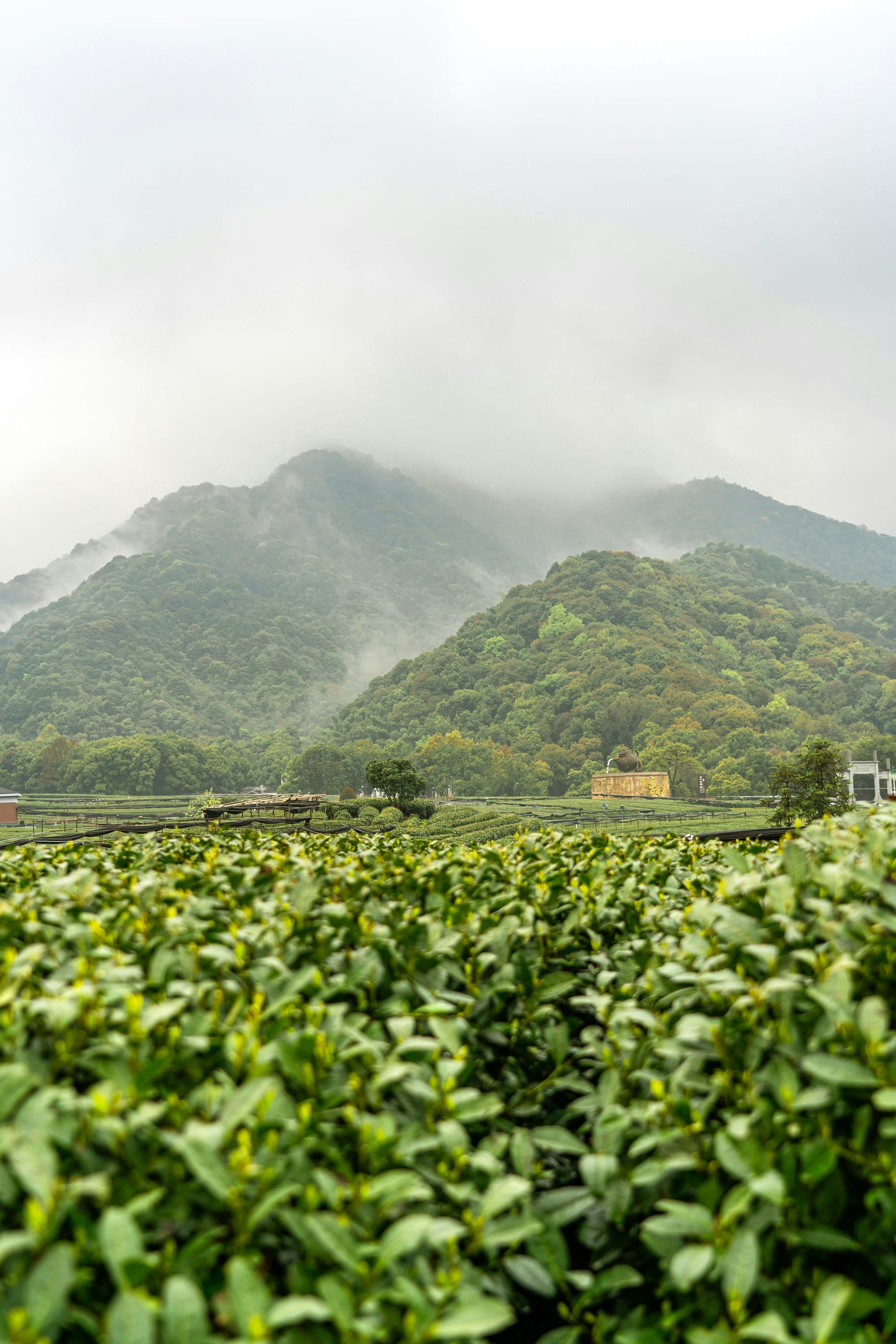
绿茶 · — Green Teas
The fresh, grassy intro. Zero oxidation. Highly sensitive to heat
While China cultivates hundreds of regional green teas, the following four are the heavyweights — the names that command the highest respect on the global stage.
Longjing
- Toasted chestnut
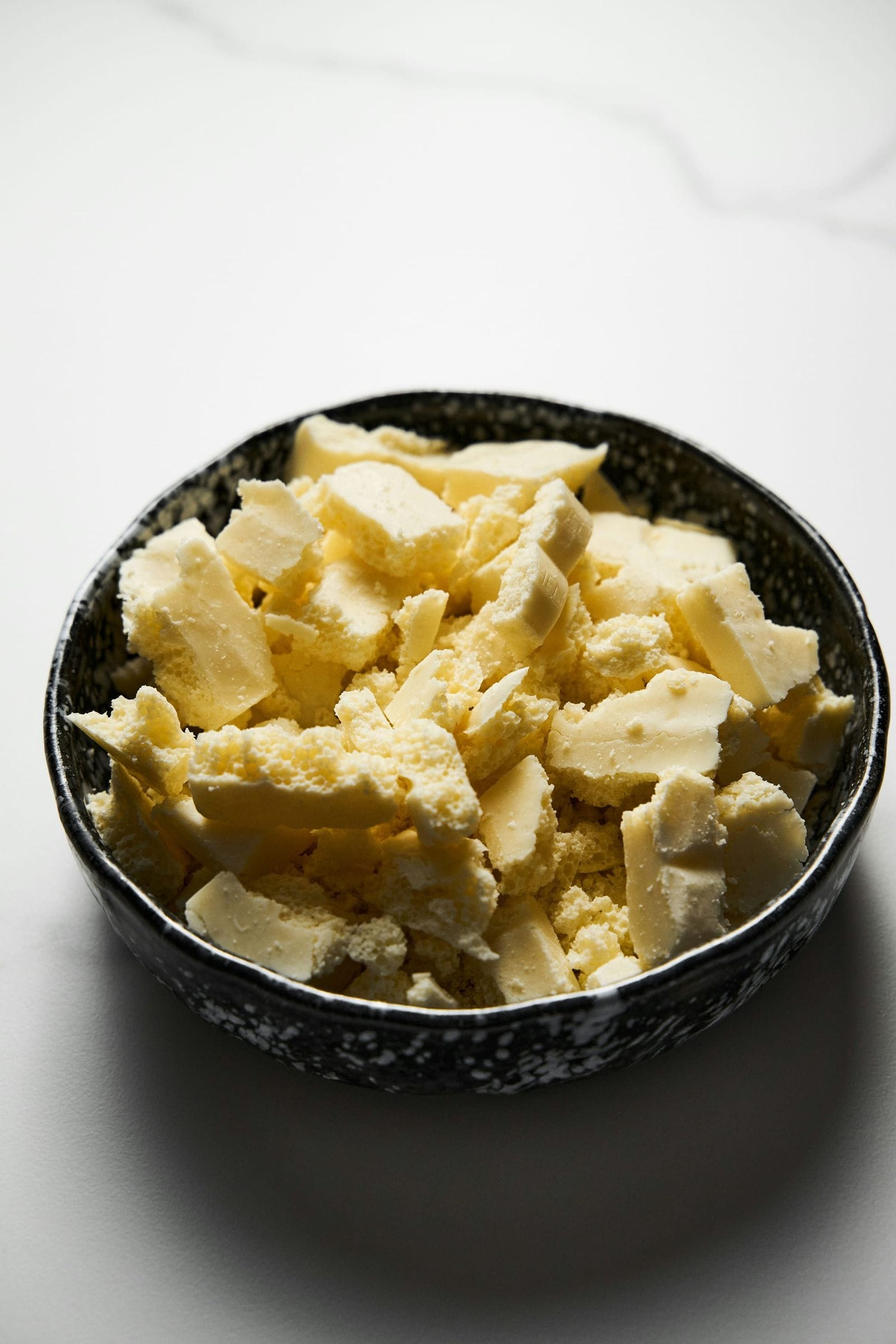
- Sweet butter
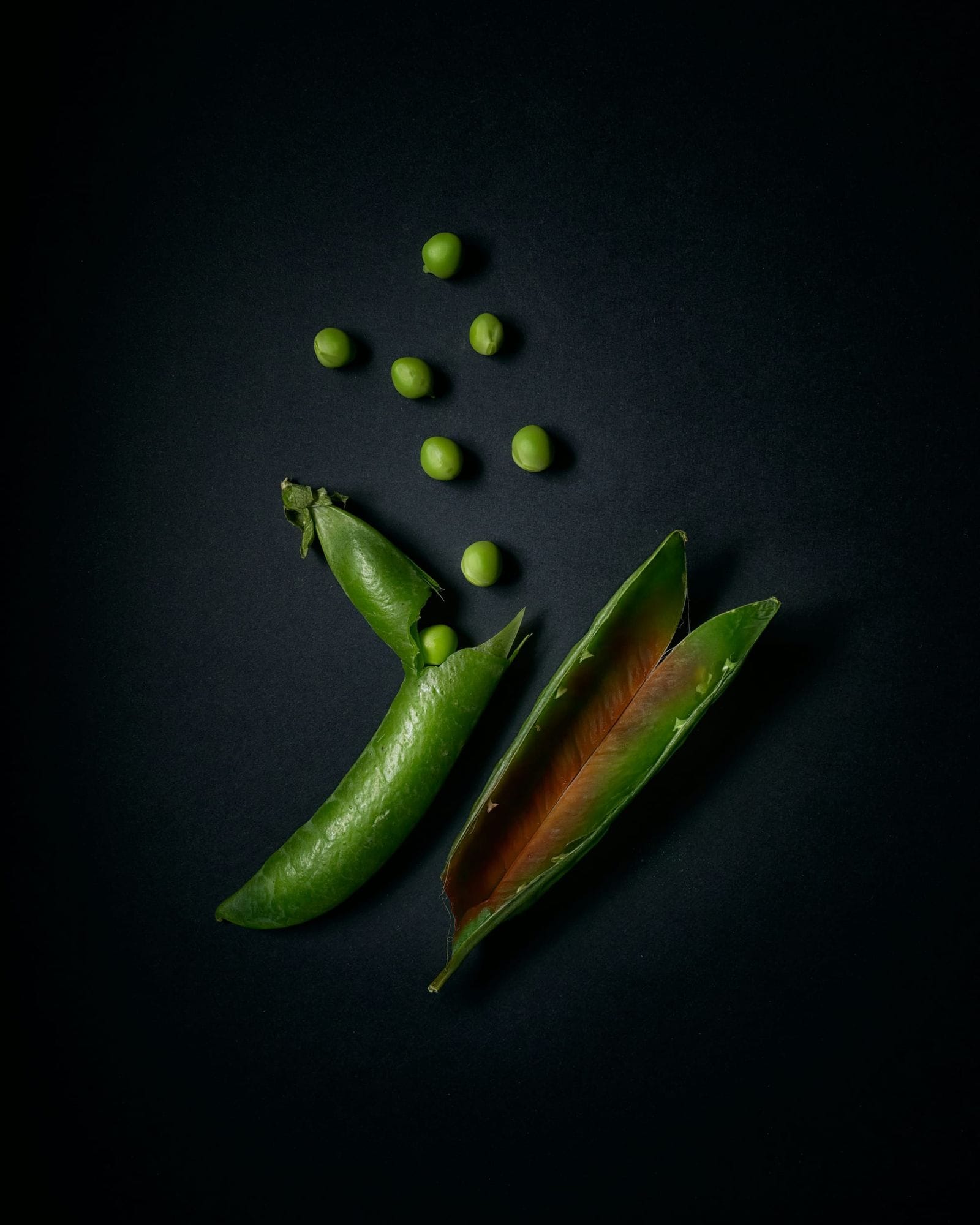
- Mellow pea broth finish
Biluochun
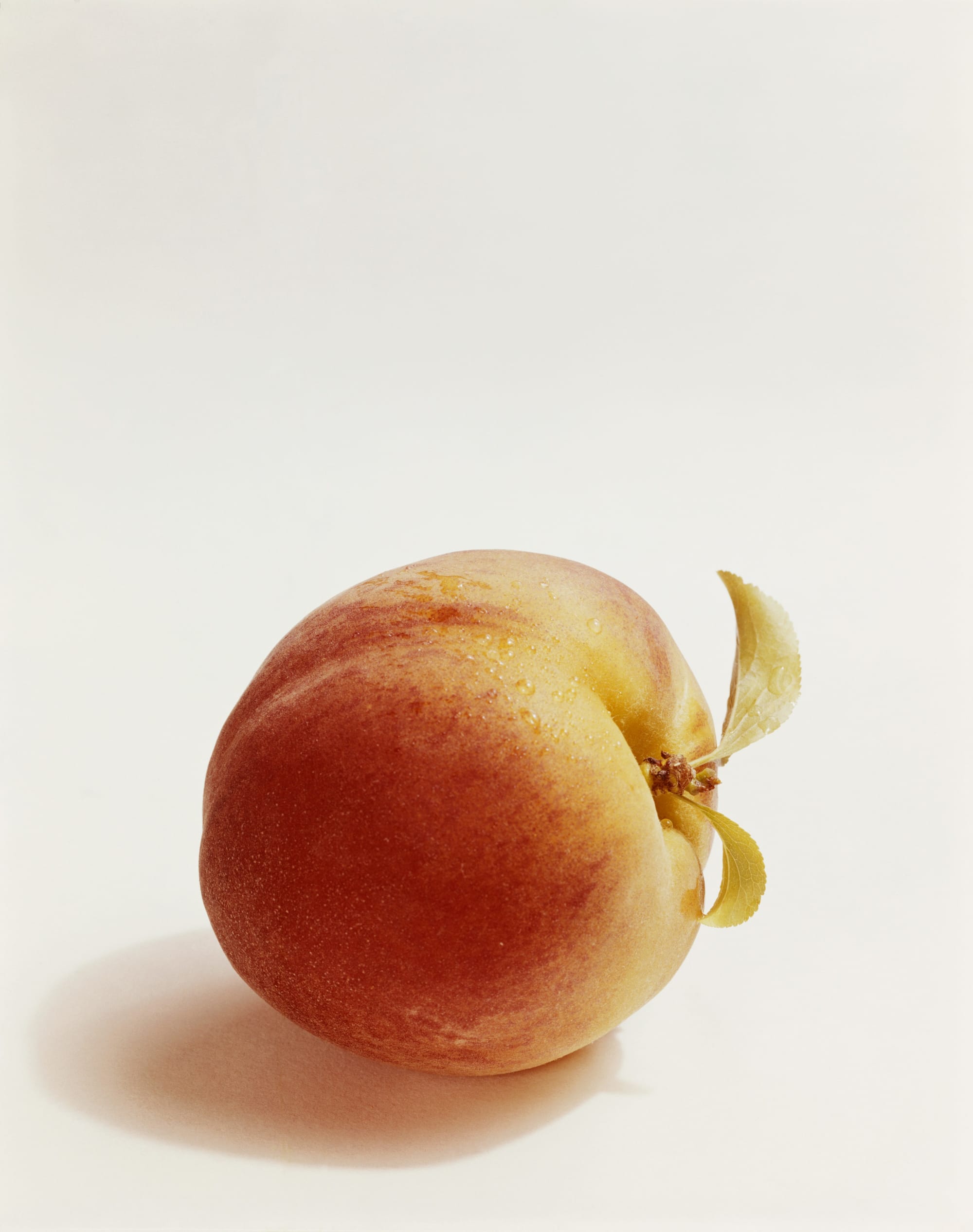
- Stone fruit
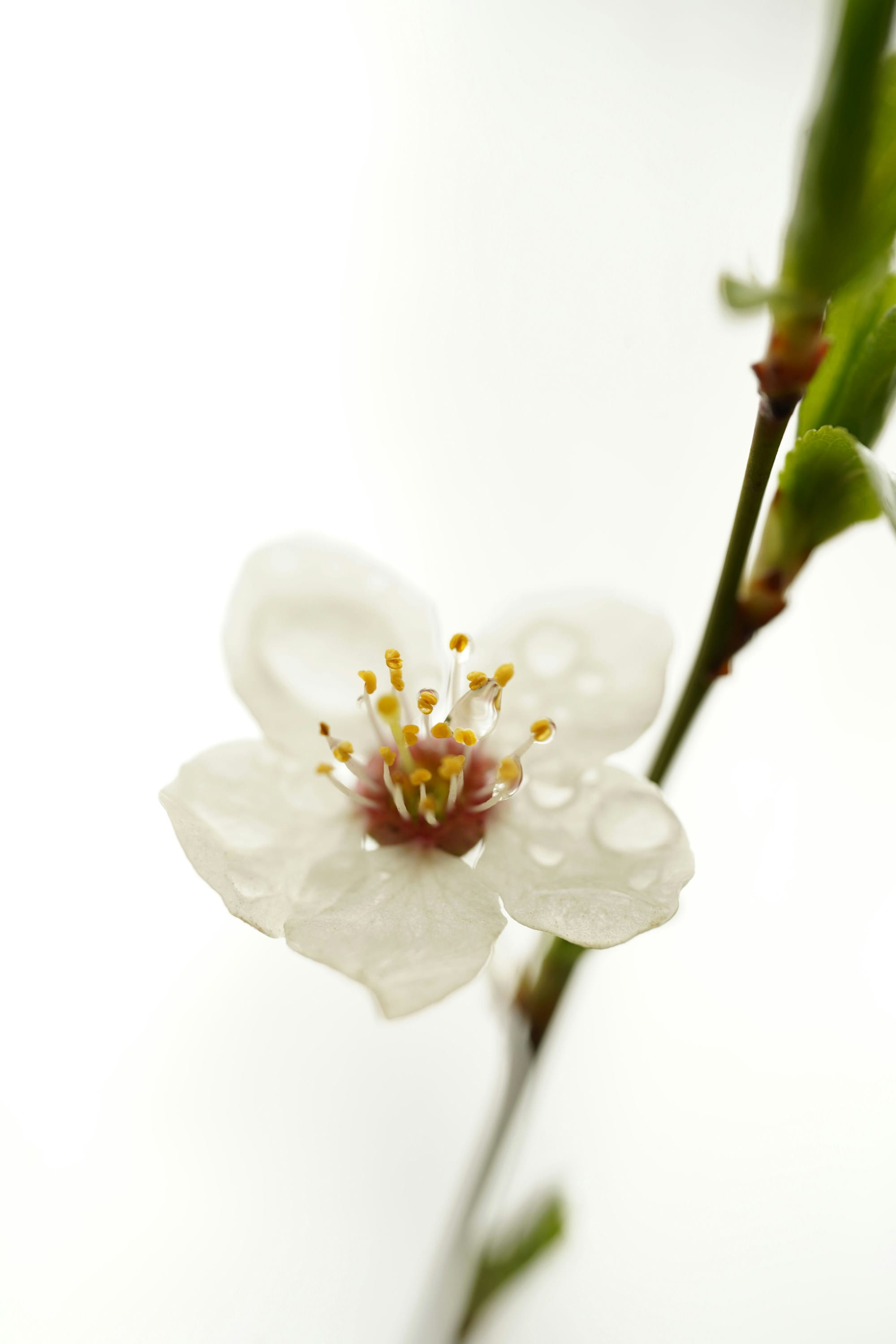
- Intense floral perfume
- Savory umami finish
Huangshan Maofeng & Xinyang Maojian
- Fresh orchid
- Sweet pea
- Sharper chestnut-nutty notes
Where to Drink It:
High-end Zhejiang/Jiangsu restaurant chains, hotel lobbies (Shangri-La, Peninsula), Yuyuan Garden's lakeside teahouses in Shanghai. (Skip bubble tea shops and airport lounges.)
STILL TO COME: Three more categories. Ten more teas.
- White Teas: Aged like a natural wine, not brewed like an ordinary cup.
- Oolongs: From floral orchid to heavy charcoal roast.
- Pu'er: Pressed into cakes, aged for decades, like a peated single-malt.
Explore three additional tea categories and their most iconic cultivars—from Silver Needle and Tieguanyin to Dahongpao. Each entry features full tasting profiles, terroir origins, and the specific spots where locals gather to drink them properly.
Unlock the Decoder with a free account. Get instant access, plus ongoing drops on new spots, hidden escapes, and city highlights — straight to your inbox.
![[Quiz] Find the China City for How You Actually Want to Travel Right Now.](https://storage.ghost.io/c/73/63/7363a138-5ebf-4ec5-bfdf-0956583c3258/content/images/size/w600/2026/09/Image-Sep-2--2026-at-03_59_42-PM.png)