The Landscape Of The Leaf
You’ve had the bubble tea. Now meet the hyper-local geography of micro-climates, slow-craft chains, and open-air pavilions running the country’s true tea culture.

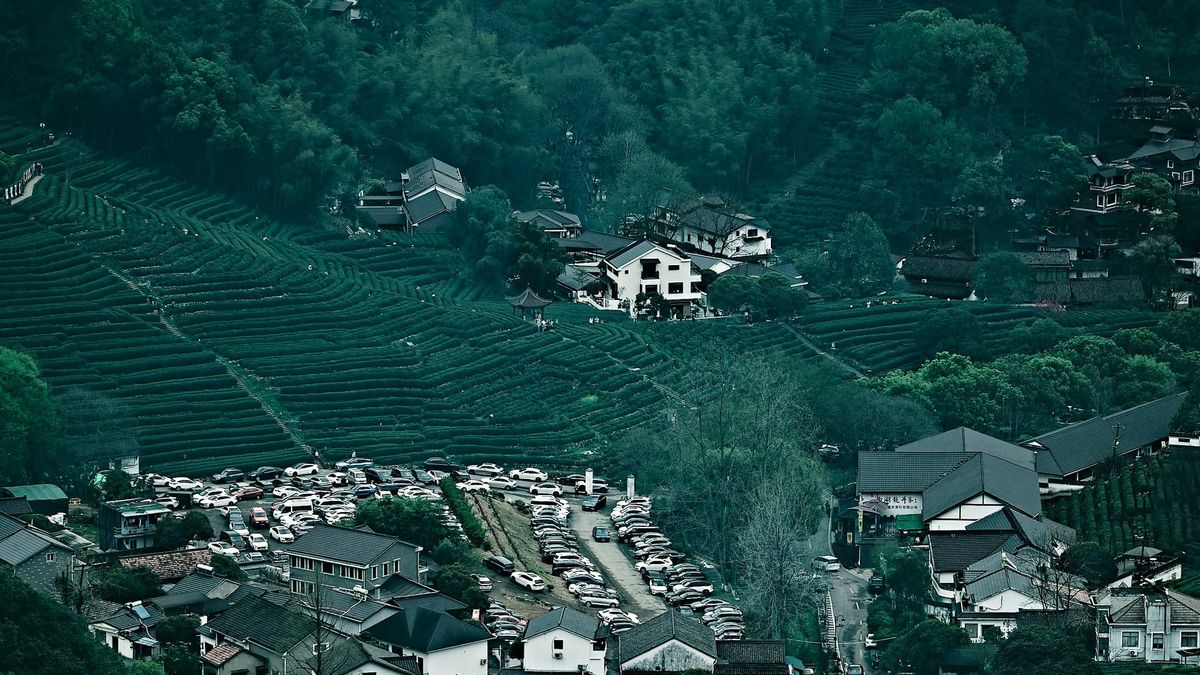
Three years in Melbourne made me a true coffee convert.
Before that, coffee was functional caffeine. In Melbourne, it became a way of life — the industrial-chic café, the single-origin chalkboard, the apron-clad barista who approaches extraction with monastic focus.
A simple beverage plus its physical environment becomes a worldview.
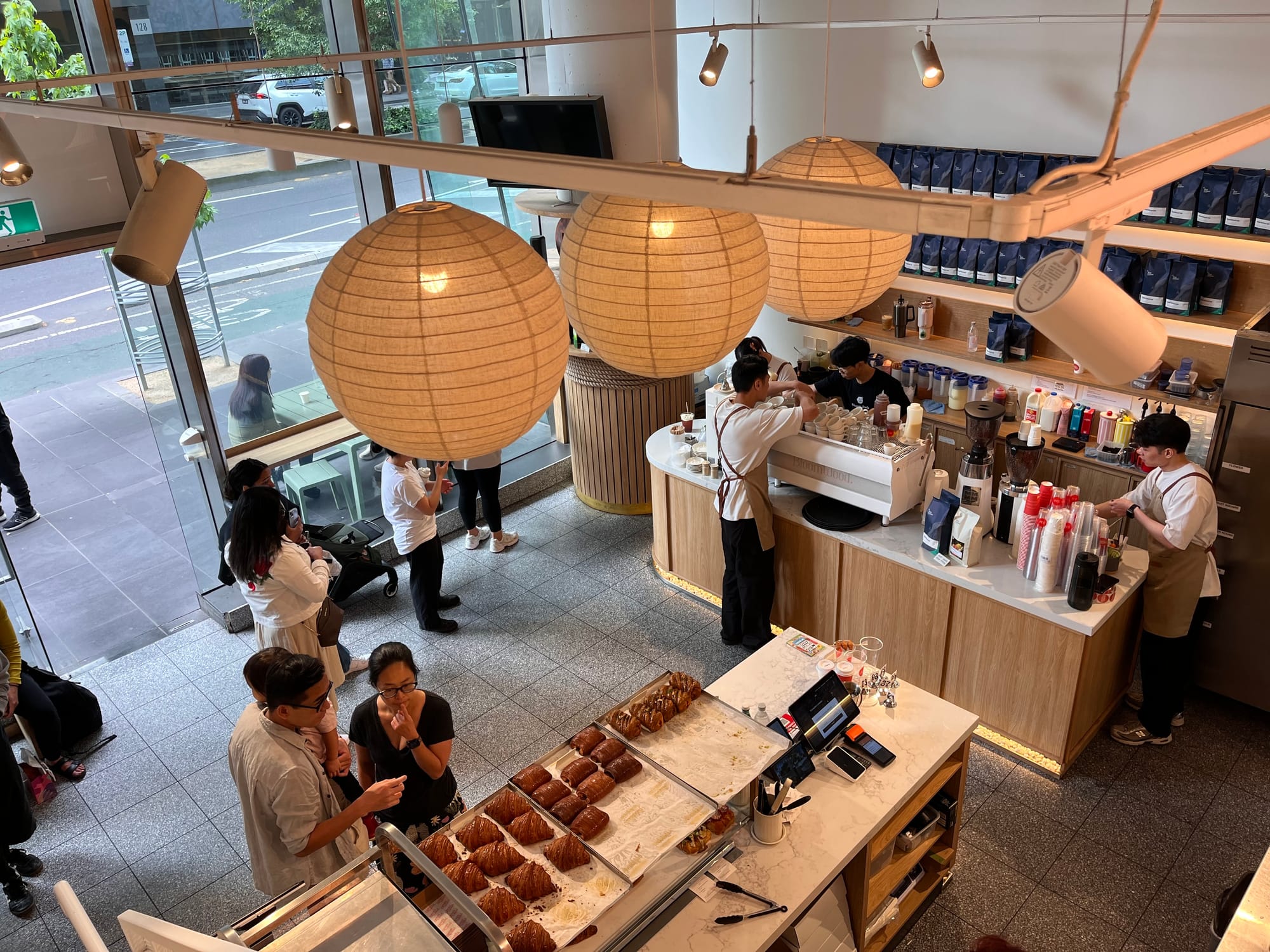
What the bean is to Melbourne, the leaf is to China. Visiting China without seriously engaging with tea is a crime against culture.
The question is where to find it. Not all leaves are created equal — and the answer sits well beyond the sugary horizon of the neighbourhood bubble tea shop.
Not the drink you know
The tea leaf's relationship with Chinese civilisation runs deeper than refreshment.
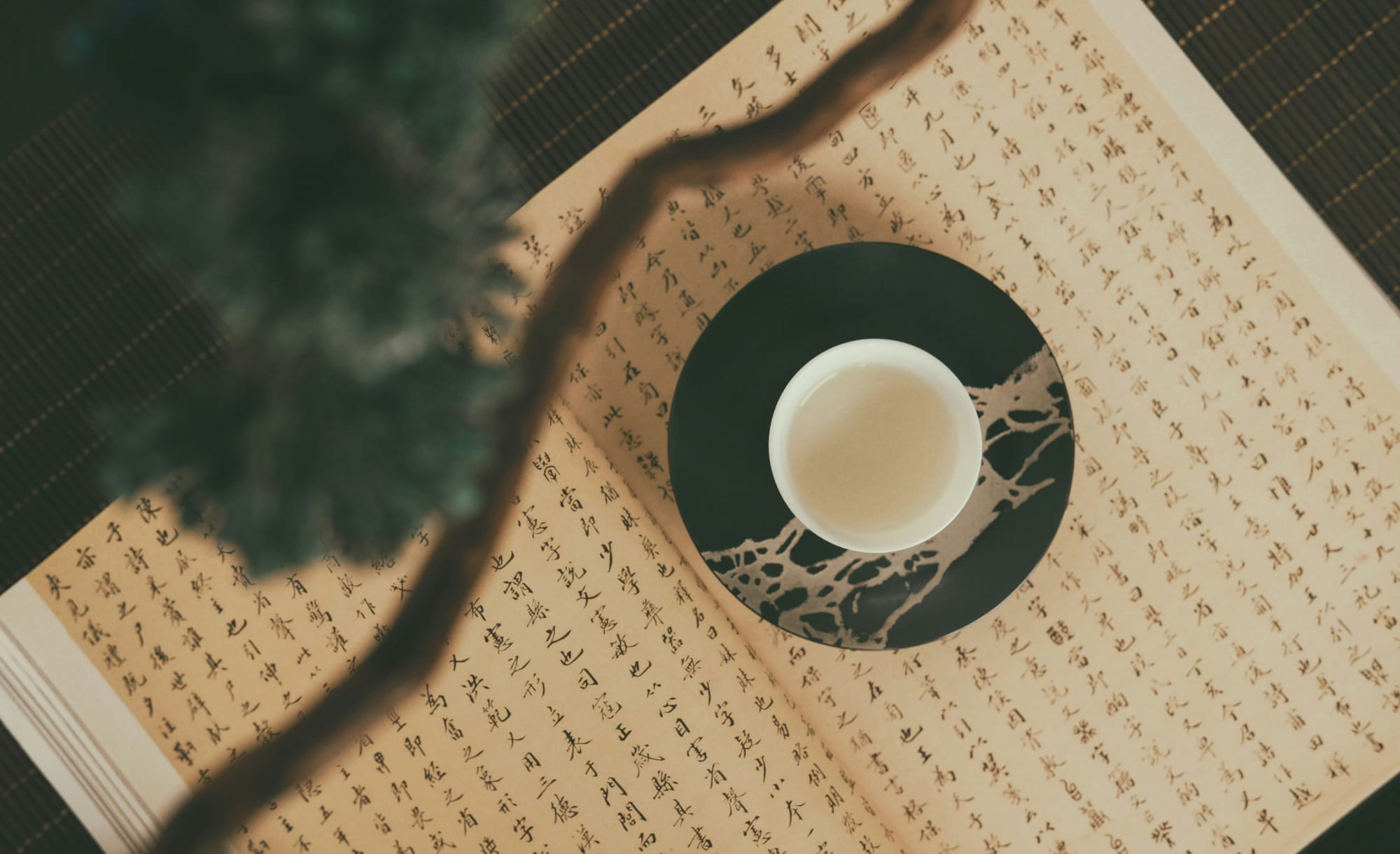
Along the way, it became entangled with religion — Buddhist and Taoist monks adopted it as an aid to meditation, which gave it a spiritual dimension that elevated it above ordinary consumption.
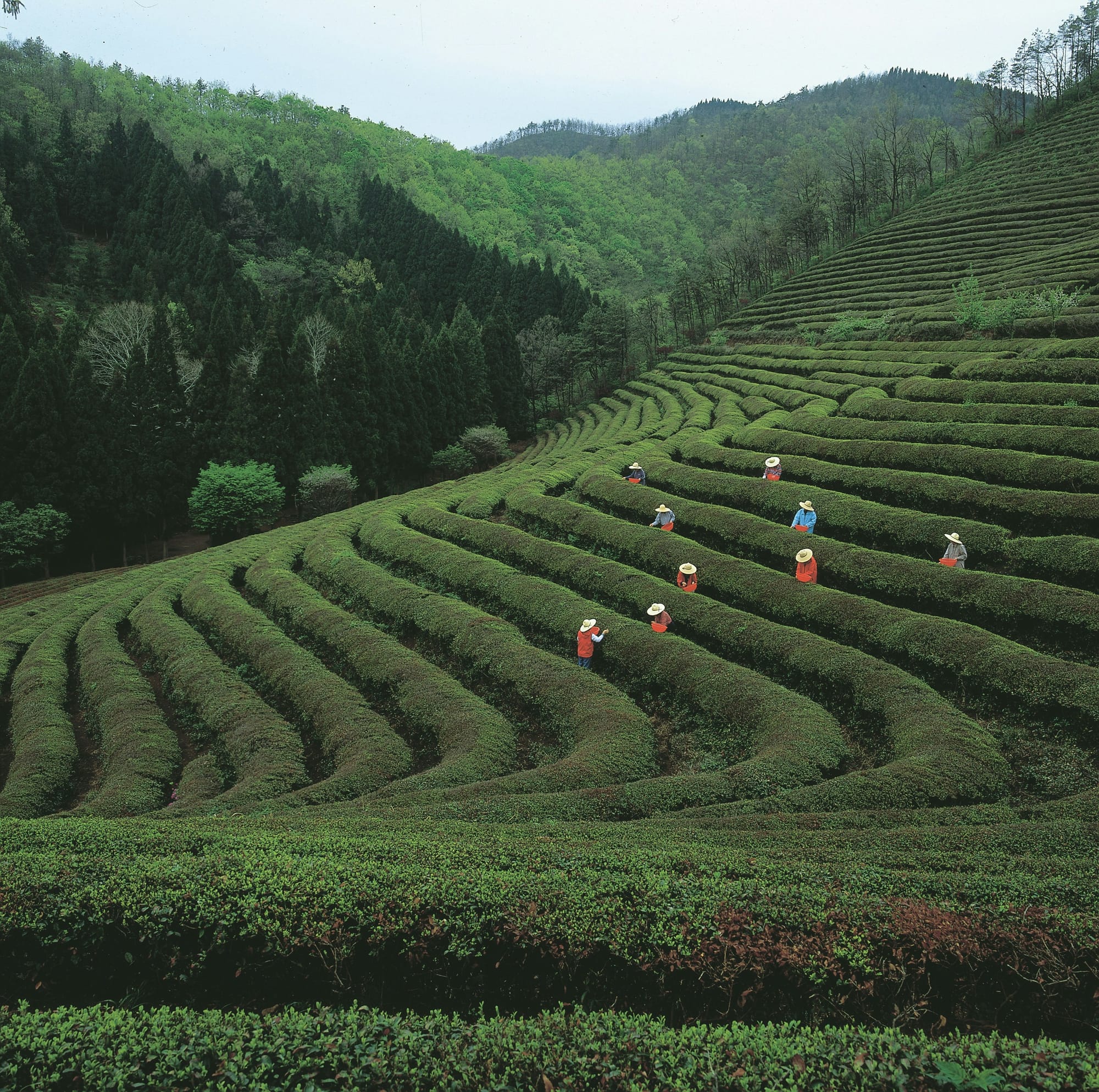
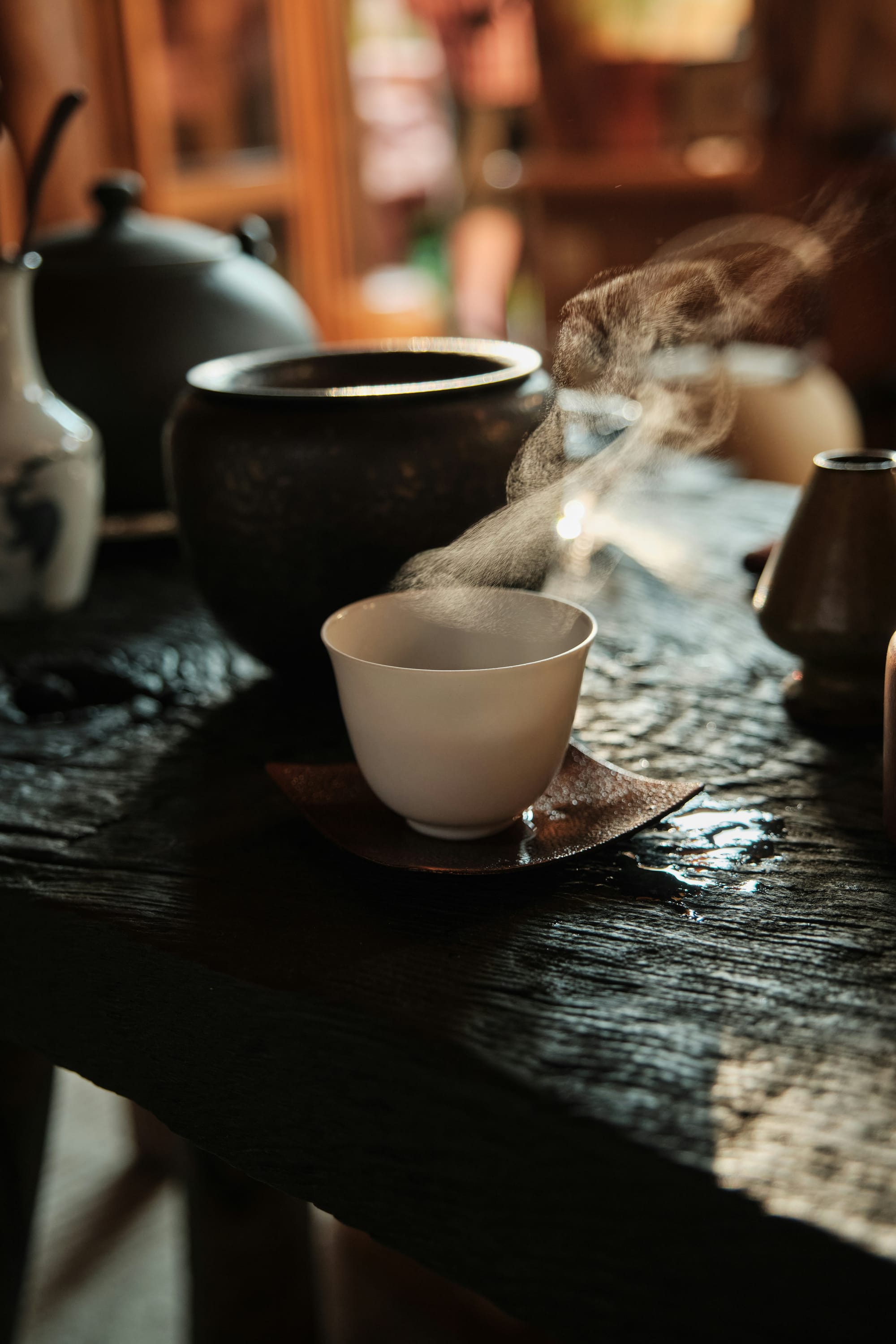
Tea was not exclusively sacred either.
Emperors built rituals around it. Civilians marked seasons with it. Over centuries it accumulated a position woven into the fabric of daily life, belief, and landscape. The growers and the mountains that shaped them. The rituals governing its preparation. The seasonal calendars telling you when to pick and when to wait.
Entire communities tied themselves to tea.
Leaves, classified
Trying to understand Chinese tea in a single sitting is like trying to understand wine from a single glass — it cannot be done.
But a shortcut exists. Learn the classification system, and you‘ll arrive in the world's tea capital with the right vocabulary — and a clear sense of what to seek.
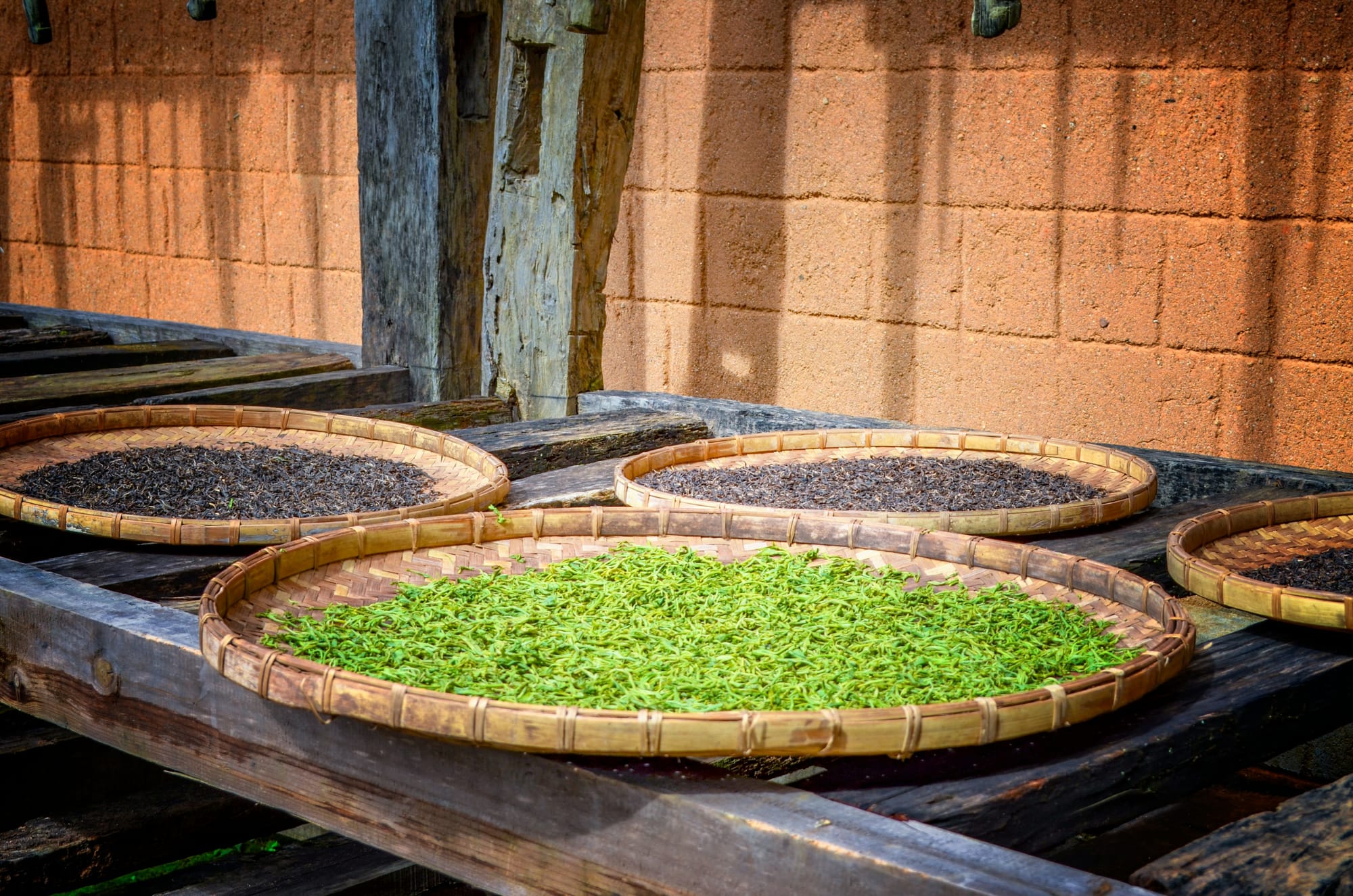
The major categories:
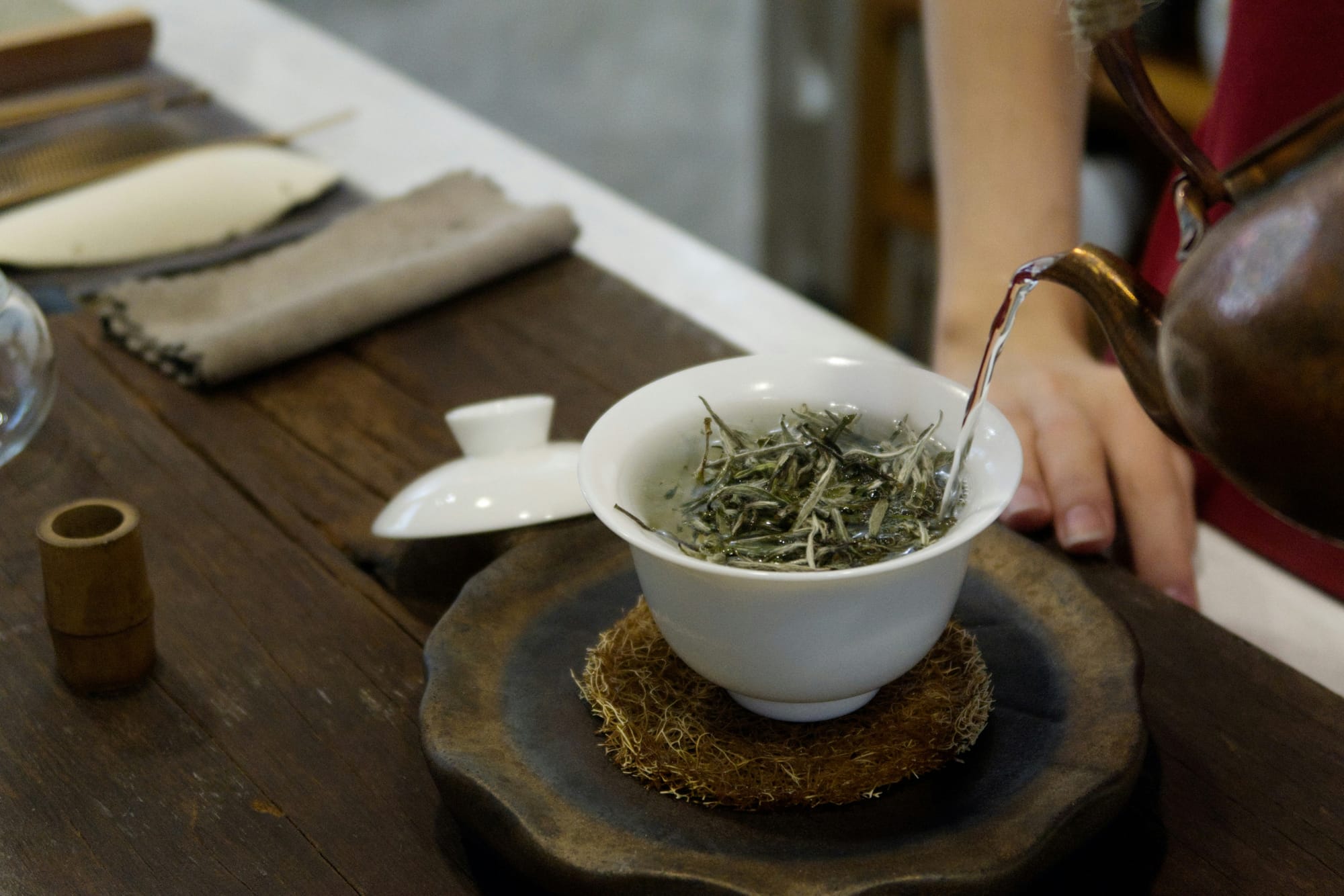
Green and white 绿茶&白茶
Light, grassy, delicate, and among the most time-sensitive agricultural products in existence. The most prized, Dragon Well (Longjing) from Hangzhou and Biluochun from Suzhou, are harvested in a window of days before the Qingming festival in early April. Miss the window; miss the year.
Image: silver needle, king of white teas.
Dragon Well isn't the only reason Hangzhou rewards a closer look — it's one thread in a much bigger story.
See the Hangzhou Field Guide →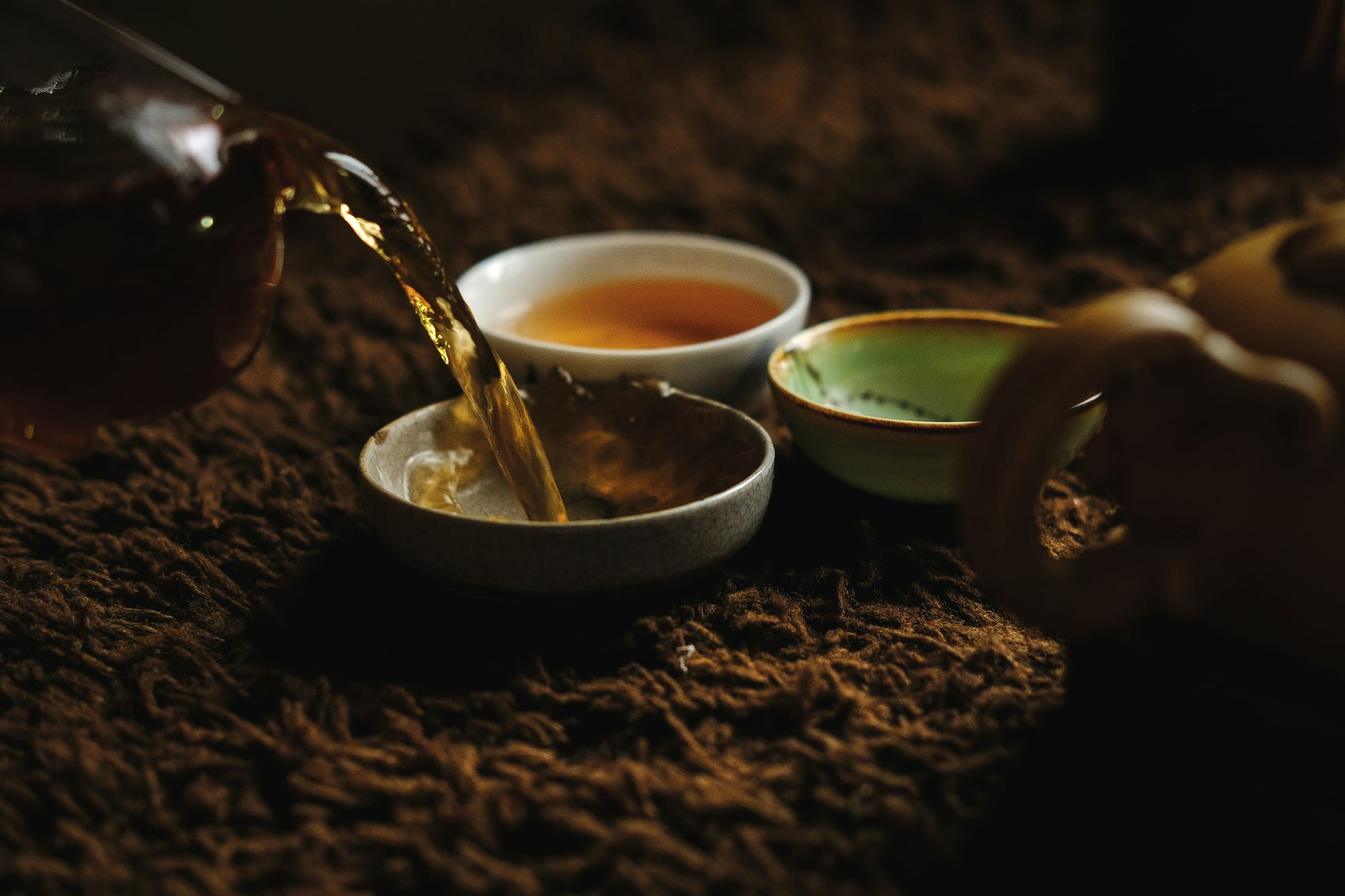
Oolong 乌龙
Partially oxidised, ranging from floral and buttery to dark and roasted. Among the most serious are varieties from the Wuyi Mountains in Fujian: cliff-grown, smoke-dried, and built for the long game — a well-stored yan cha (岩茶, rock tea) can hold its character for a decade without apology.
Oolong was first produced around 1725 in Fujian Province, using a unique semi-oxidation process.
Pu'er 普洱
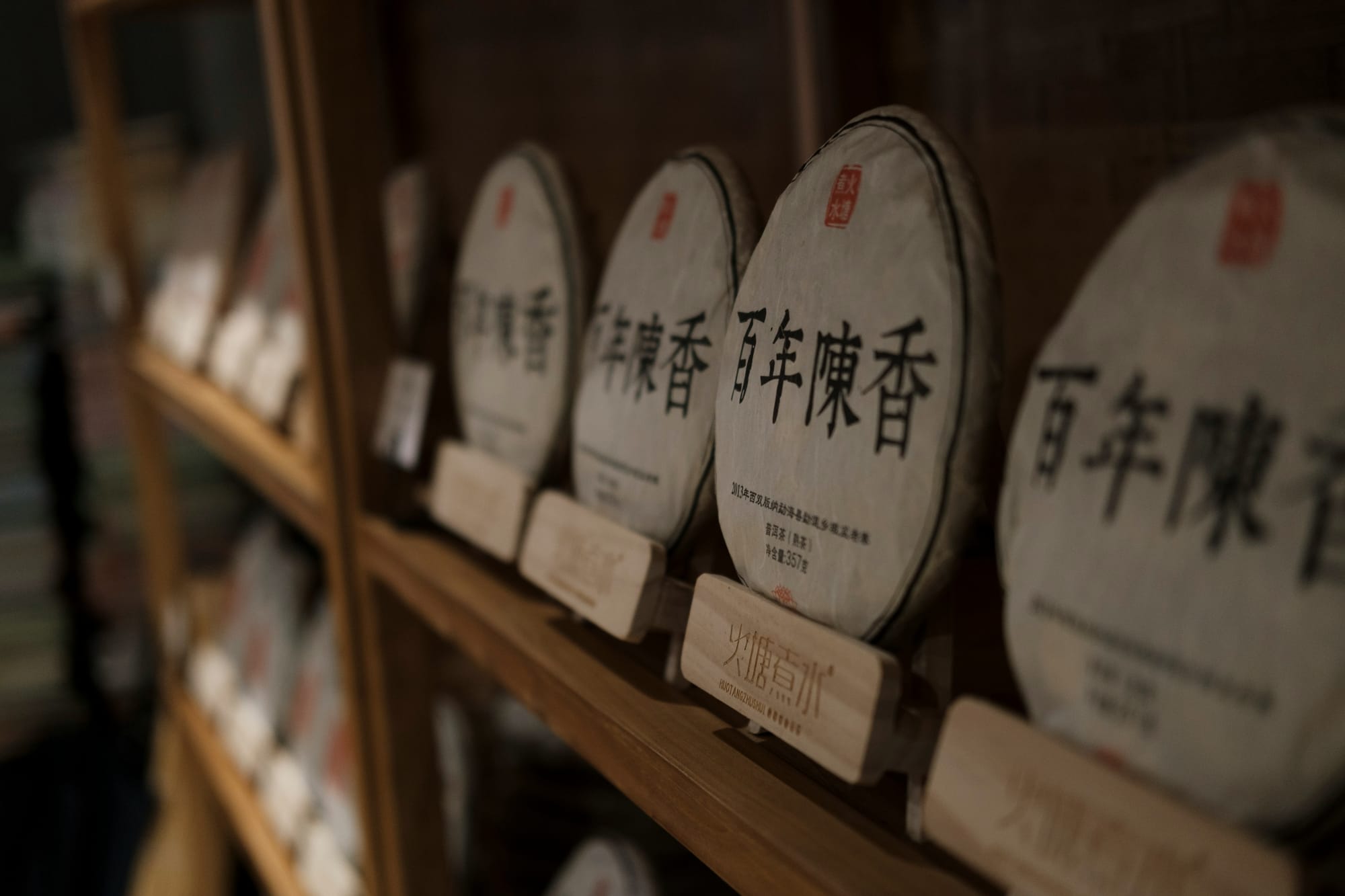
Fermented, aged, earthy, and unlike anything most Western palates have encountered in a teacup. Produced exclusively in Yunnan province, it improves with age the way a good Bordeaux does — except the timescale is measured in decades. Cakes from old-growth trees are considered investments and trade at auction. They are equally good by the cup.
Image: tea 'cakes': once pressed into cakes for long journeys, compression now helps tea age slowly by limiting oxygen and inviting microbes to reshape its flavour and value.
The Naming Trap
Here is the catch: when you walk into a traditional Chinese tea house, the menu will rarely hold your hand with neat categories like "Green Tea" or "Oolong."
Instead, you will be confronted with a list of historical, poetic, or geographic titles. Chinese drinkers simply know where these live on the spectrum by default, but for the outsider, names like Dàhóngpáo (Big Red Robe) or Máohóu (Hairy Monkey) offer no obvious clues about color, oxidation, or flavor.
Even the ones you now know — Longjing, Silver Needle — you know the name, not what to expect in the cup, or where to actually order it right.
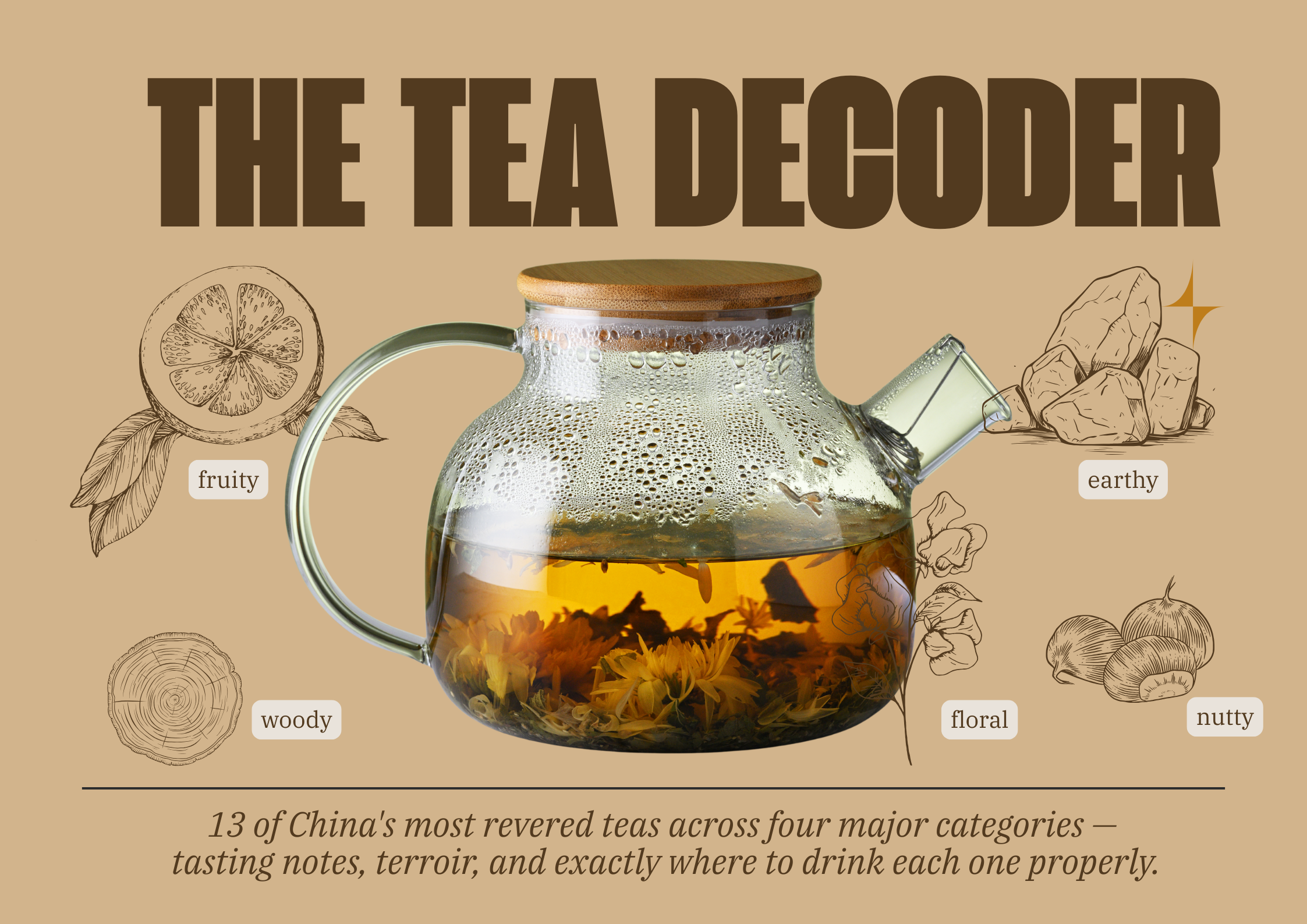
So we did what a good coffee bag already does — mapped the notes, the origin, and where to drink it — for tea.
Finding the Right Cup
China's tea landscape today runs a wider spectrum than most visitors expect. Bubble tea is a legitimate entry point — and genuinely popular among even Chinese consumers — but it is only the beginning.
The options beyond it are more varied, more interesting, and more accessible than they might appear:
01. The Remix: Bubble Tea Chains
Bubble tea is to Chinese tea what the Olive Garden is to Italian food — a reasonable entry point, an imperfect ambassador, and not the whole story.
It suits modern life better than traditional tea does: faster, sweeter, and unburdened by the patience and knowledge that the real thing requires. These are the chains worth knowing.
古茗 • Gǔ Míng
The Profile — One of China's largest domestic powerhouses, known for its rigorous technical consistency across a vast menu of fruit and milk tea series. A reliable baseline for understanding contemporary Chinese drinking habits.
The Order — Bùlěi Cuìcuì Nǎifú (布蕾脆脆奶芙 / Crème Brûlée Crispy Milk Foam) — A dessert-like creation topped with a rich, caramelized custard layer and velvet cream foam.
爷爷不泡茶 • Yéye Bù Pào Chá (No Yeye No Tea)
The Profile — This chain blends playful nostalgia with classic Chinese botanicals, utilizing humble, hyper-local ingredients like osmanthus, lychee, and traditional rice ferments that contrast against standard corporate menus.
The Order — Lìzhī Bīng Niàng (荔枝冰酿 / Lychee Rice Wine Brew) — A highly refreshing, low-alcohol infusion of traditional rice wine, fresh lychee, and delicate osmanthus jelly.
茶颜悦色 • Chá Yán Yuè Sè
The Profile — The undisputed pioneer of the "New Chinese Style" movement. Hailing from Changsha, this cult brand swaps modern kitsch for historical gravity, utilizing menu names lifted from Song Dynasty verses and serving drinks in paper cups licensed by royal palaces.
The Order — Yōulán Nátiě (幽兰拿铁 / Serene Orchid Latte) — A benchmark beverage combining a robust Ceylon black tea base with rich vanilla cream, crowned with a generous dusting of crushed, buttery pecans.
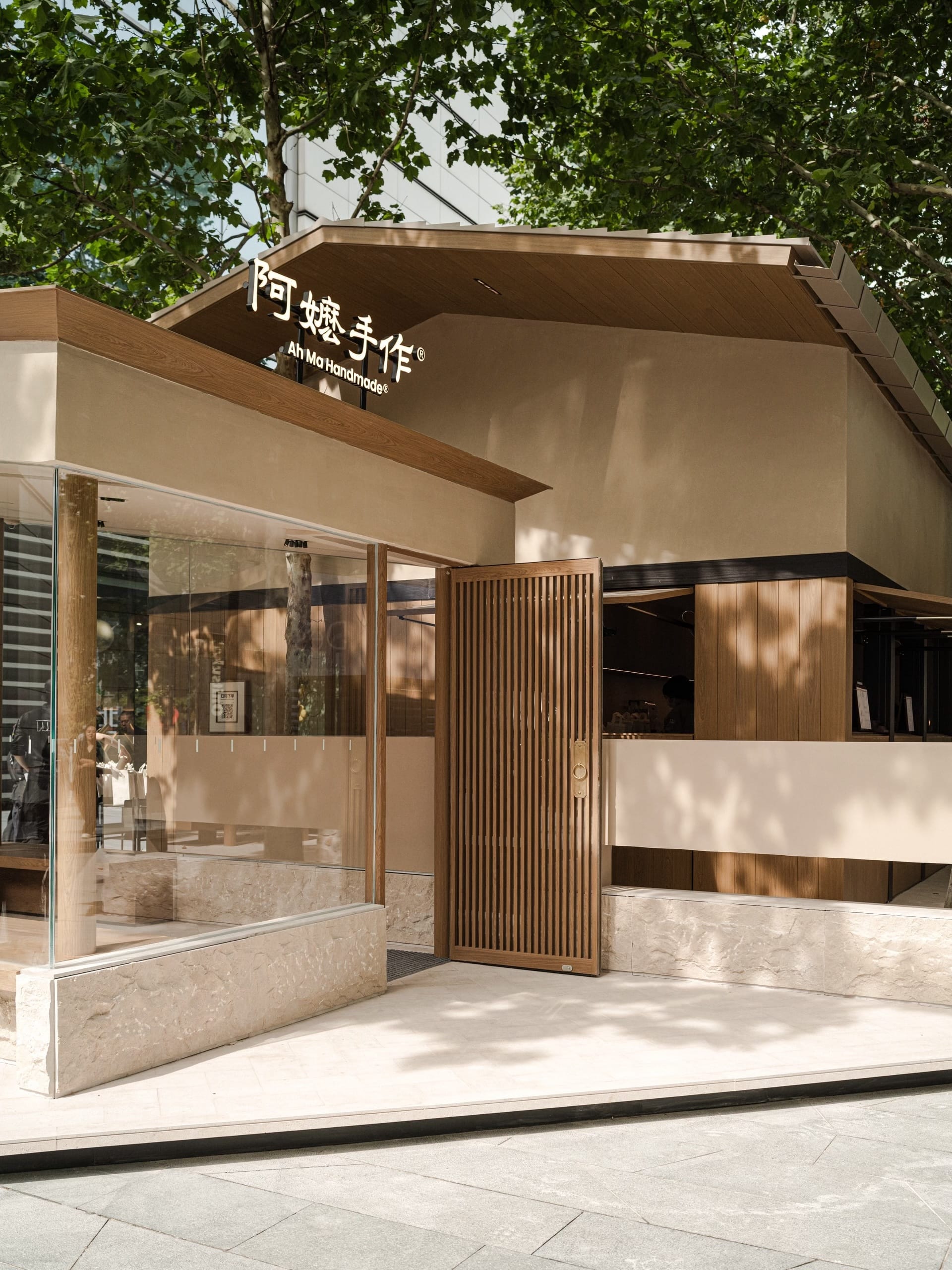
阿嬷手作 • Ā Mó Shǒu Zuò (A·Má Handmade)
The Profile — A premium anomaly in a heavily automated industry. Founded on a philosophy of stubborn slow-craft, their counters are anchored by local matrons who peel Lipu taro, cook Bama glutinous rice, and stir black sugar in open woks by hand. The premium price point reflects this intense manual labor.
The Order — Dǎ Mǐ Máshǔ Nǎi Chá (打·米麻薯奶茶 / Hand-Pounded Mochi Milk Tea) — A texturally complex blend of Sri Lankan black tea, rich buffalo milk, hand-pounded Guangxi rice mochi, and fresh taro purée.
02. The Third Wave: Pure Tea, Modern Setting
On high streets in Shanghai, Beijing, and Chengdu, a revival is underway. Minimalist tea bars where the staff know the mountain the leaf came from and the menu reads as an education in traditional tea.
The proposition is new: serious tea, contemporary setting. The audience is growing, but slowly. At ¥30–50 per cup, some visitors find the price steep for what is, on the surface, a straightforward cup of tea. Others find the taste too bitter — unadorned loose-leaf is not bubble tea, and the adjustment takes time.
This is where traditional tea culture gets its considered contemporary expression — served in design-forward spaces, without the nostalgia of the old tea house or the sugar of the milk tea shop. Come prepared for the real thing.
BASAO / Tea's Stone
The Profile — The purist end of the spectrum. Transparent sourcing, precise preparation, and menus that move from green to pu'er without condescension. Pull up a stool at the counter and let the staff guide you. Multiple locations across Shanghai, Beijing, and Shenzhen.
煮叶 • Zhù Yè
The Profile — A different proposition. Founded by a former Starbucks executive with an explicit brief: build for tea what Starbucks built for coffee. The spaces are designed by Kenya Hara — the art director behind MUJI — and feel accordingly considered and calm.
The Experience — The menu sits between tradition and accessibility: expect pure teas alongside fruit, grain, and red bean variations. Less doctrinaire, more design-forward, and willing to meet the newcomer halfway.
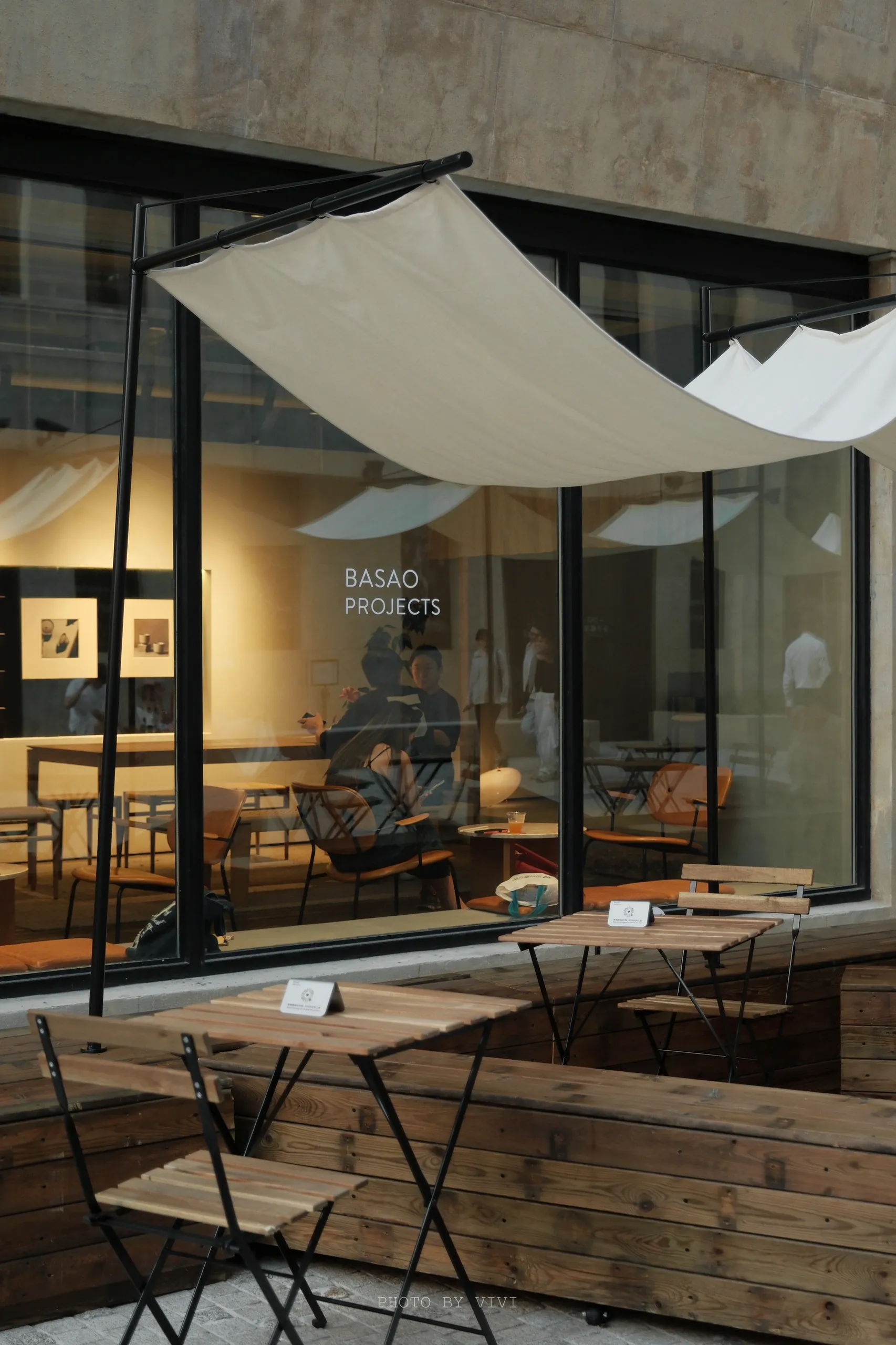
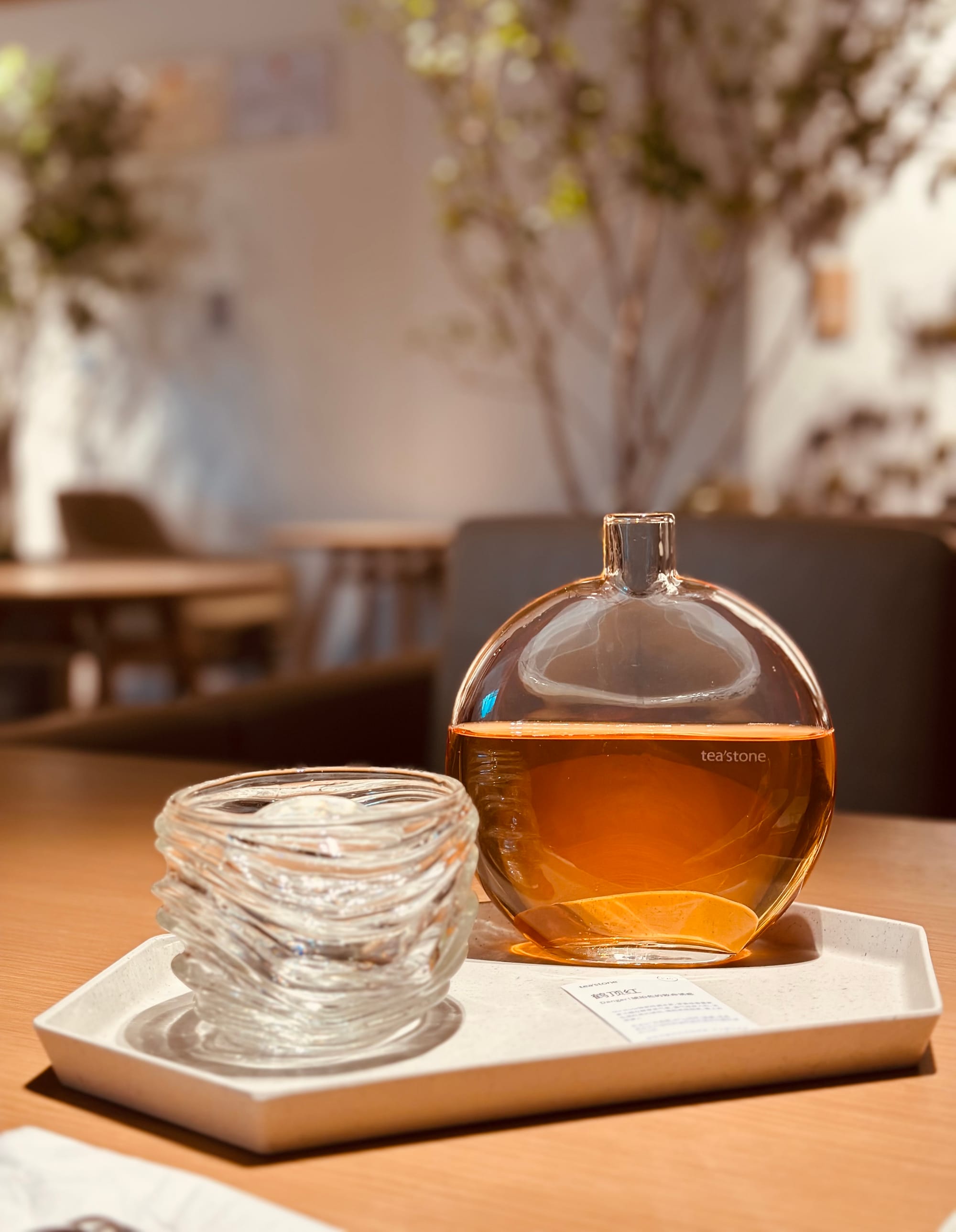
Third-wave pioneers BASAO and Tea's Stone — where the space is as considered as what's in the cup. (Image courtesy: Mela and VIVI)
03. The Institutions: Traditional Tea Houses
Think of traditional tea houses the way you would a great European café with a century of history behind it — except the story is older and the pace is slower. These are places where tea culture was never asked to modernise, and simply continued.
Finding one requires a small act of navigation. Search "tea house" (cháguǎn, 茶馆) on your map and look toward the old town. Ignore glossy storefronts. Traditional architecture, faded lettering, and scuffed wooden chairs are usually good indicators.
Walk in, point at whatever the person at the next table is drinking, and call it a day.
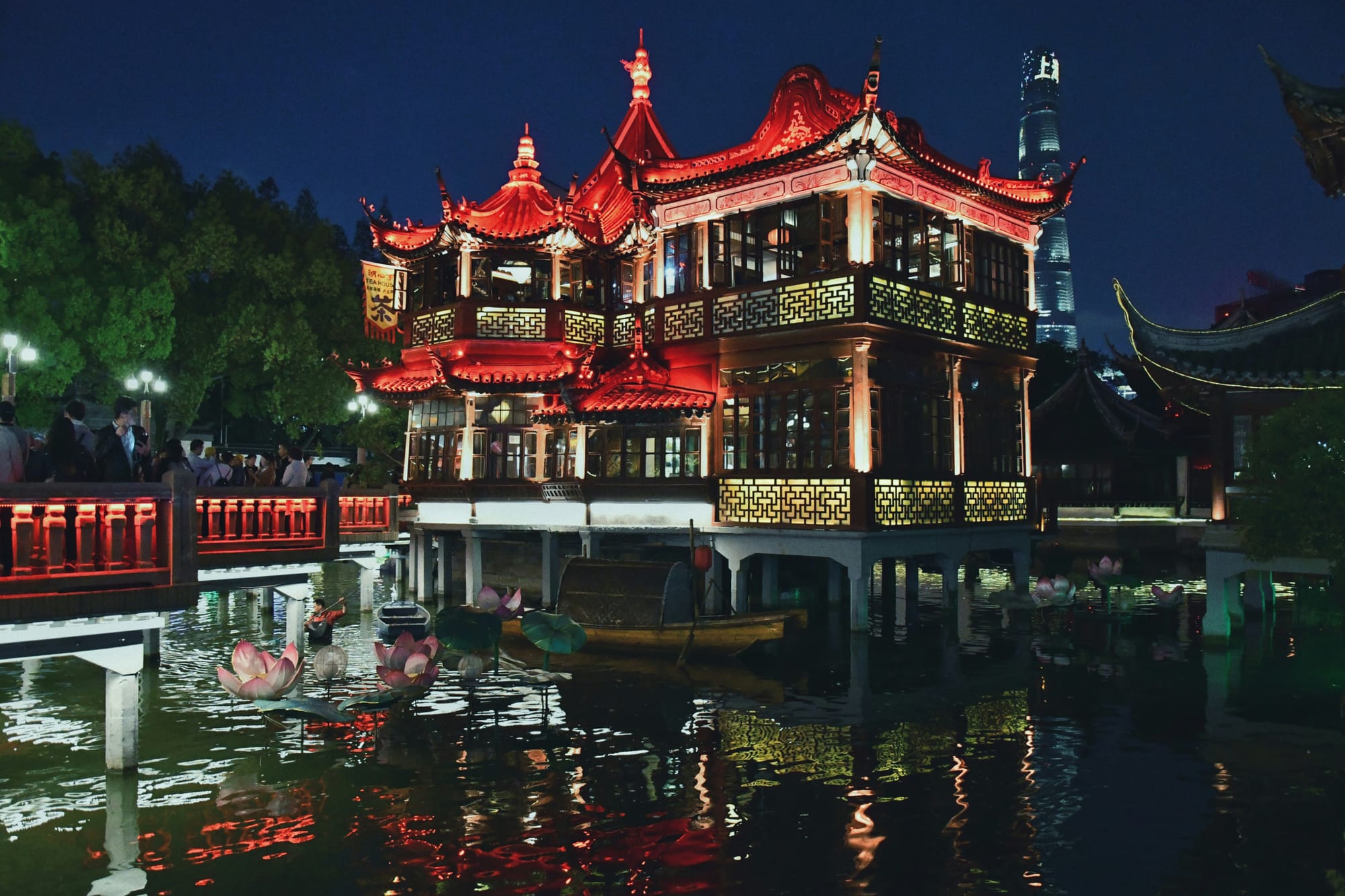
湖心亭 • Huxinting, Shanghai
The Place — The name means, quite literally, "the pavillion in the heart of the lake." Built in 1784 and converted into a tea house in 1855, this octagonal pavilion sits on a historic pond inside the Yu Garden complex, connected to the shore by a classic zigzag bridge. Known historically as the finest tea house in Shanghai, it has hosted writers, diplomats, and heads of state—including Queen Elizabeth II in 1986.
The Order — Order whatever green tea is fresh for the season, accept the small side dishes of local tofu and quail eggs, and secure a seat by the second-floor window facing the water.
鹤鸣茶社 • Heming Teahouse, Chengdu
The Place — Founded in 1923, this is the last survivor of the grand open-air tea houses that once lined People's Park, and it remains the oldest traditional establishment in Chengdu. The ritual is entirely unhurried: covered porcelain bowls (gàiwǎn), heavy brass kettles, and the soft clack of mahjong tiles echoing under the canopy.
The Order — Locals come here not for a transient tourist experience, but to spend an entire afternoon reading, talking, or hiring a traditional ear-cleaner. Order the local jasmine tea, find a low bamboo chair under the trees, and stay hours longer than you planned.
来今雨轩 • Laijinyuxuan, Beijing
The Place — Built in 1915 inside the historic grounds of Zhongshan Park, its name is drawn from a verse by the Tang poet Du Fu celebrating the gathering of old and new friends. The colonnaded red-brick building served as a legendary literary salon for early 20th-century intellectuals before closing for decades. It was carefully restored and reopened in 2020, with its original floor tiles and century-old interior completely intact.
The Order — This is the premier destination to experience Northern-style tea service combined with traditional Beijing pastries. Order their famous hand-layered winter melon pastries alongside a pot of robust black tea, and take in a space that feels entirely preserved in the year 1920.
Where are you in your China planning?
-Mandarin Unpeeled

![[Quiz] Find the China City for How You Actually Want to Travel Right Now.](https://storage.ghost.io/c/73/63/7363a138-5ebf-4ec5-bfdf-0956583c3258/content/images/size/w600/2026/09/Image-Sep-2--2026-at-03_59_42-PM.png)