China Through Five Plates
There is no such thing as 'Chinese food'.

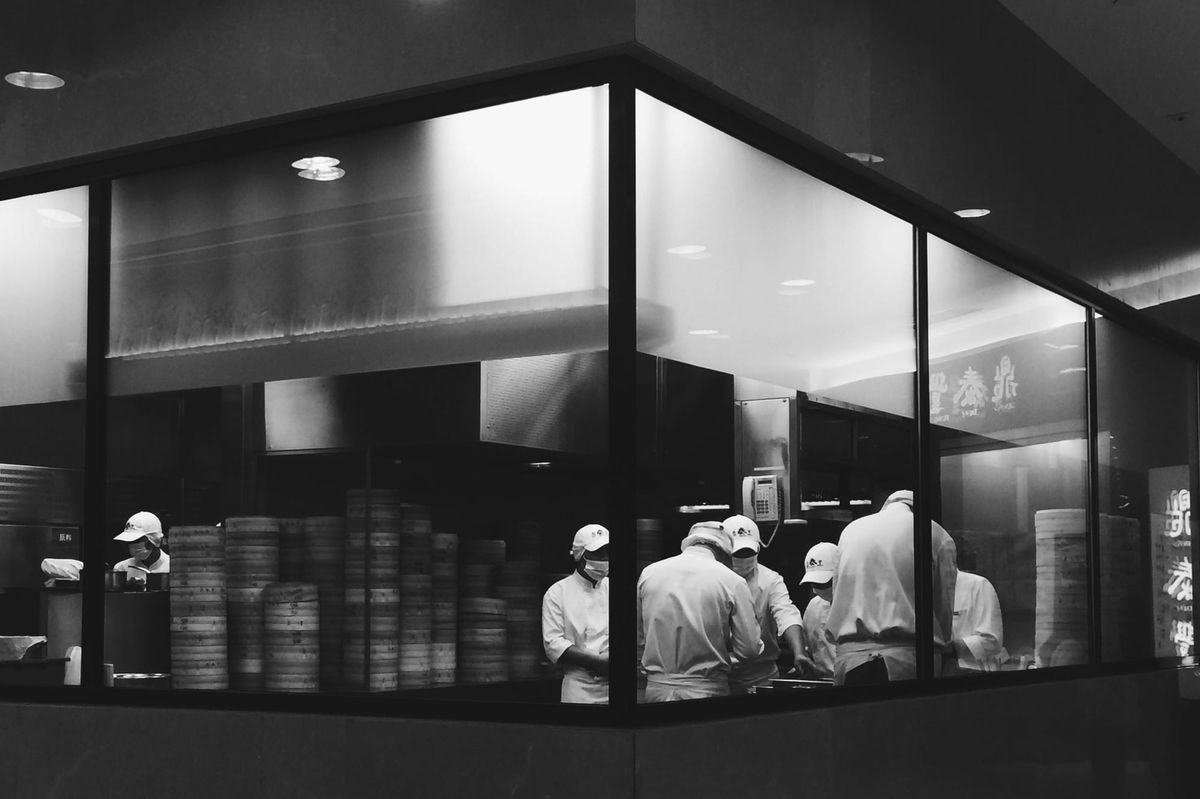
You can find a respectable basket of dim sum in London’s Mayfair, Toronto’s East Chinatown, or along New York’s Bowery.
What you cannot do, however, is find a singular entity called “Chinese food” within the borders of China itself.
To the locals, food here is always anchored by sharp regional prefixes. Equating a fiery Sichuan mapo tofu to a delicate Cantonese cheong fun is as lazy as lumping a Lyonnais bouchon and an Istanbul kebab shop under the generic banner of “European dining.”
In a nation spanning five distinct climate zones, culinary diversity is a product of geography, ancestral habits, and micro-climates.
In the humid, mountain-ringed basin of the southwest, heavy applications of wild peppercorns are consumed as a functional prescription to purge 'environmental dampness' (湿气 shi qi).

In the frozen northern plains, where winter demands calories and insulation, the morning jianbing (fried pancake) is engineered for efficiency: hot, carb-heavy, wrapped to hold warmth, and eaten on the move.
Down south in subtropical Guangdong, where heat and moisture tax the body year-round, the morning tea ritual favours steamed lightness over fried weight — delicate dumplings, leafy greens, and pu'er to cut through humidity and reset the palate.

For the modern traveler, the sheer scale of choices can be dizzying. Culinary historians traditionally divide the country into the "Eight Great Cuisines/Traditions 八大菜系"—a classification system codified during the Qing Dynasty.
We simplify them into five distinct philosophies to help you map your next itinerary by the purpose of the plate.
The Functional Heat: Sichuan & Hunan
The Signature Sichuan kitchens rely on Ma La 麻辣—the distinct, numbing interplay of citrusy native peppercorns and red chillies. Neighboring Hunan bypasses the anesthetic, favoring a sharp, vinegar-laced, unadorned heat.
The Destination Secure a high-speed rail ticket to Chengdu (Sichuan) or Changsha (Hunan). Head straight for the neighborhood riverside joints to watch local chefs manage raw flame and high-acid flavors with total composure.
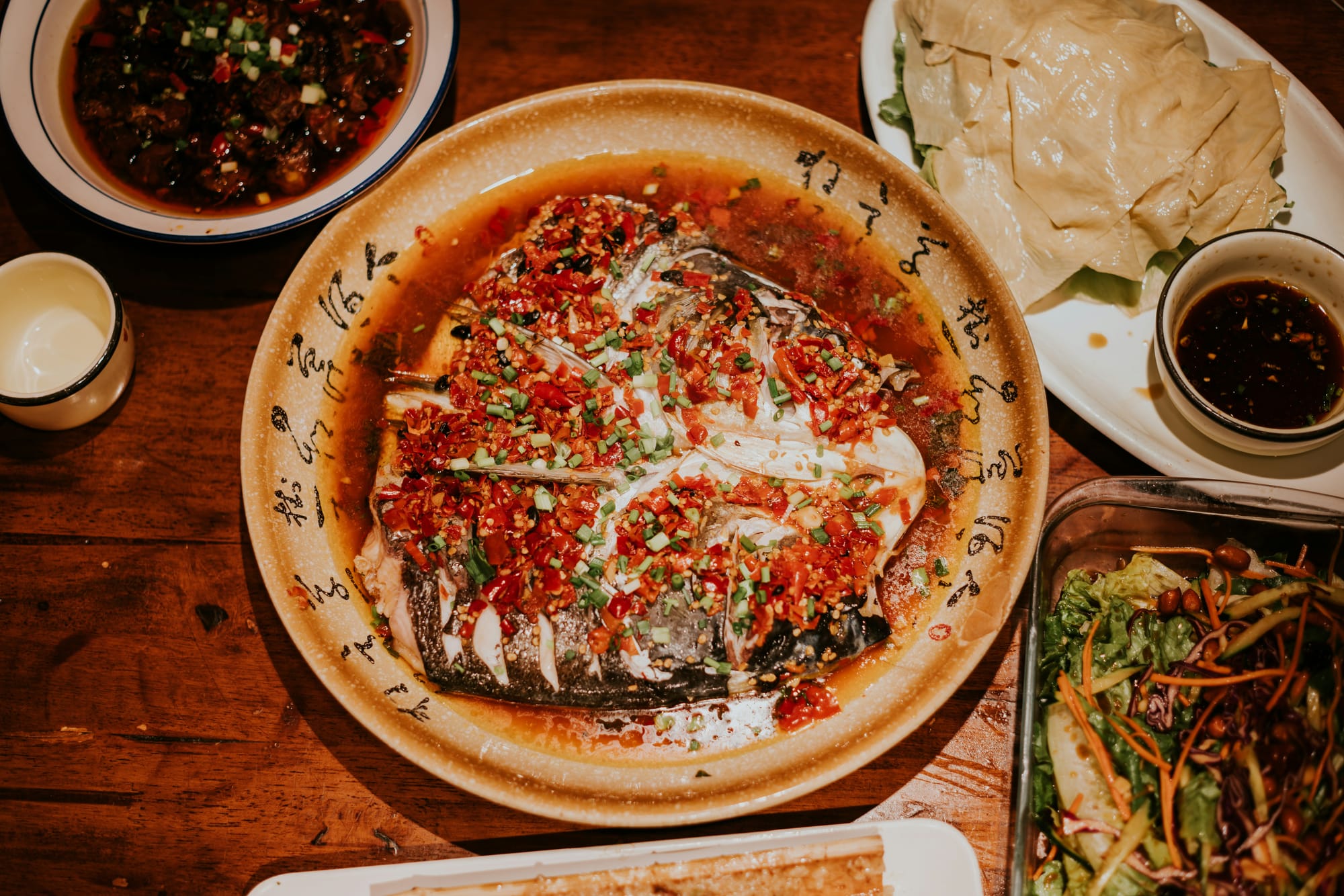
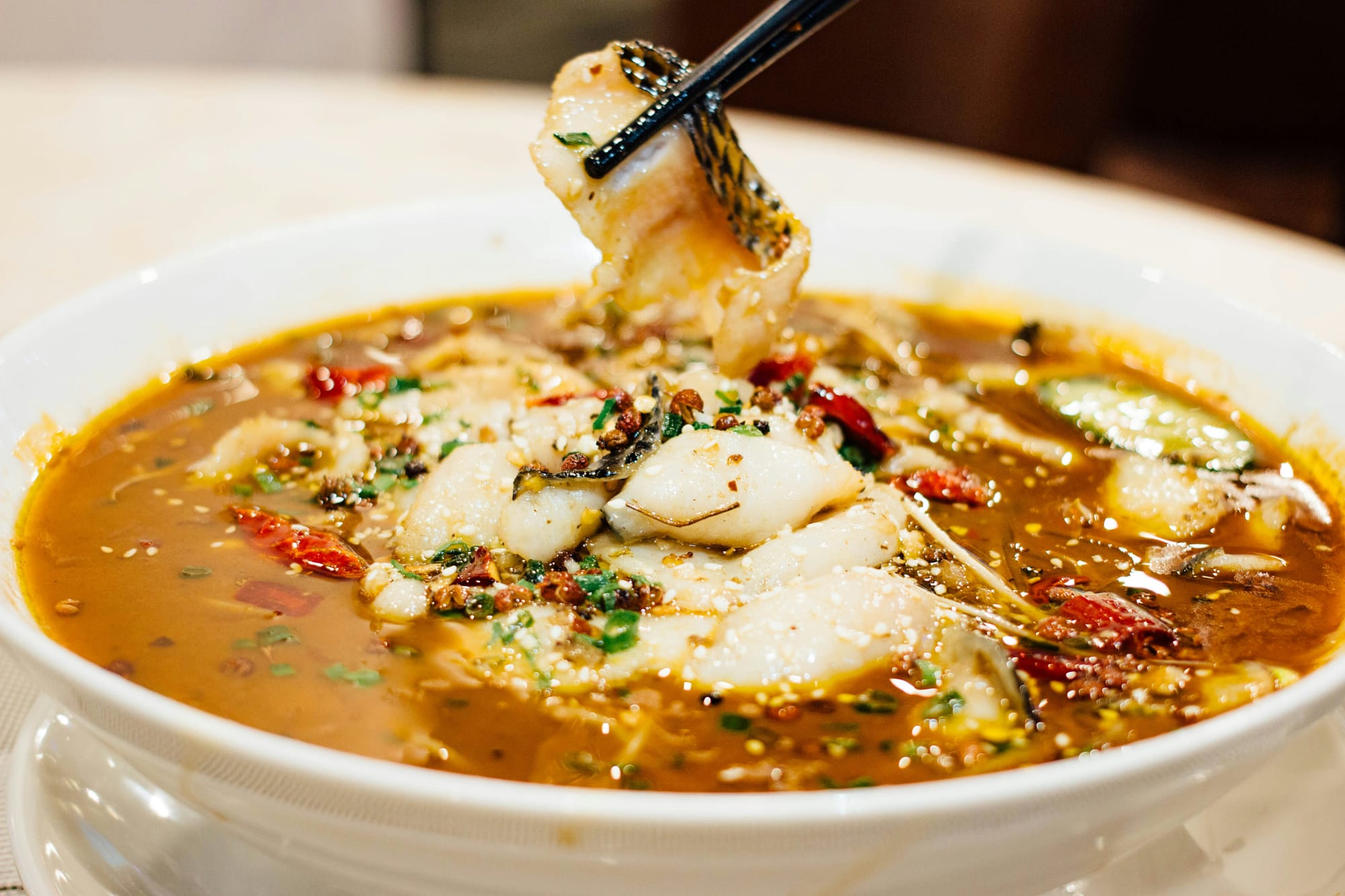
A study in spice: while Hunanese duo jiao fish (left) and Sichuanese shui zhu fish (right) present a nearly identical visual intensity, they are governed by different flavor mechanics. (Image courtesy of Jason Sung and 和国谢)
The Ingredient Purist: Guangdong (Cantonese)
The Signature Consider White Cut Chicken. Briefly poached and served room temperature with a simple ginger-scallion oil, it relies entirely on the quality of the local poultry. It is a dish of immense confidence.
The Destination Guangzhou and the adjacent culinary enclave of Shunde. Spend your mornings in traditional teahouses observing how kitchen staff execute delicate dim sum pleating with industrial precision.
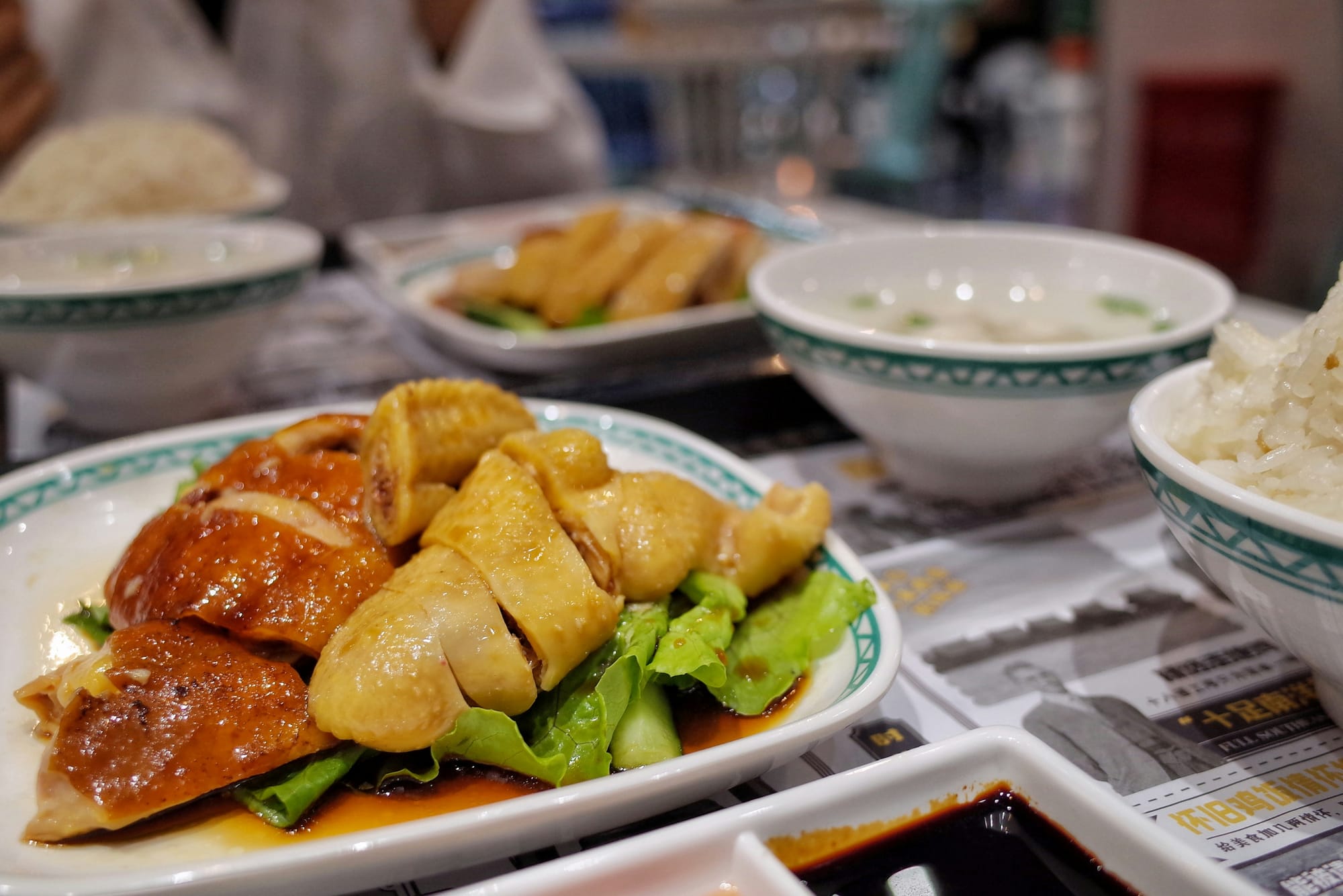
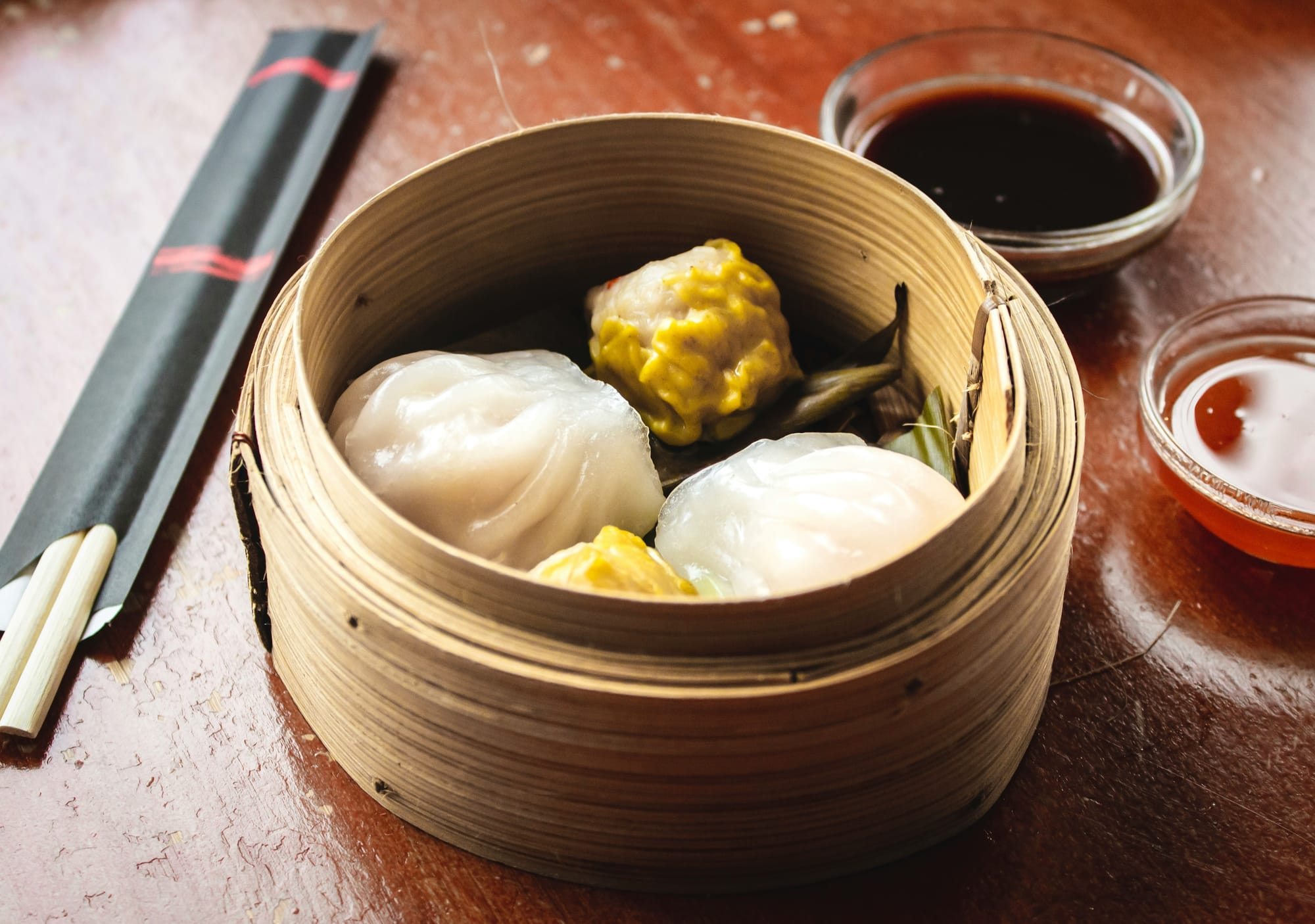
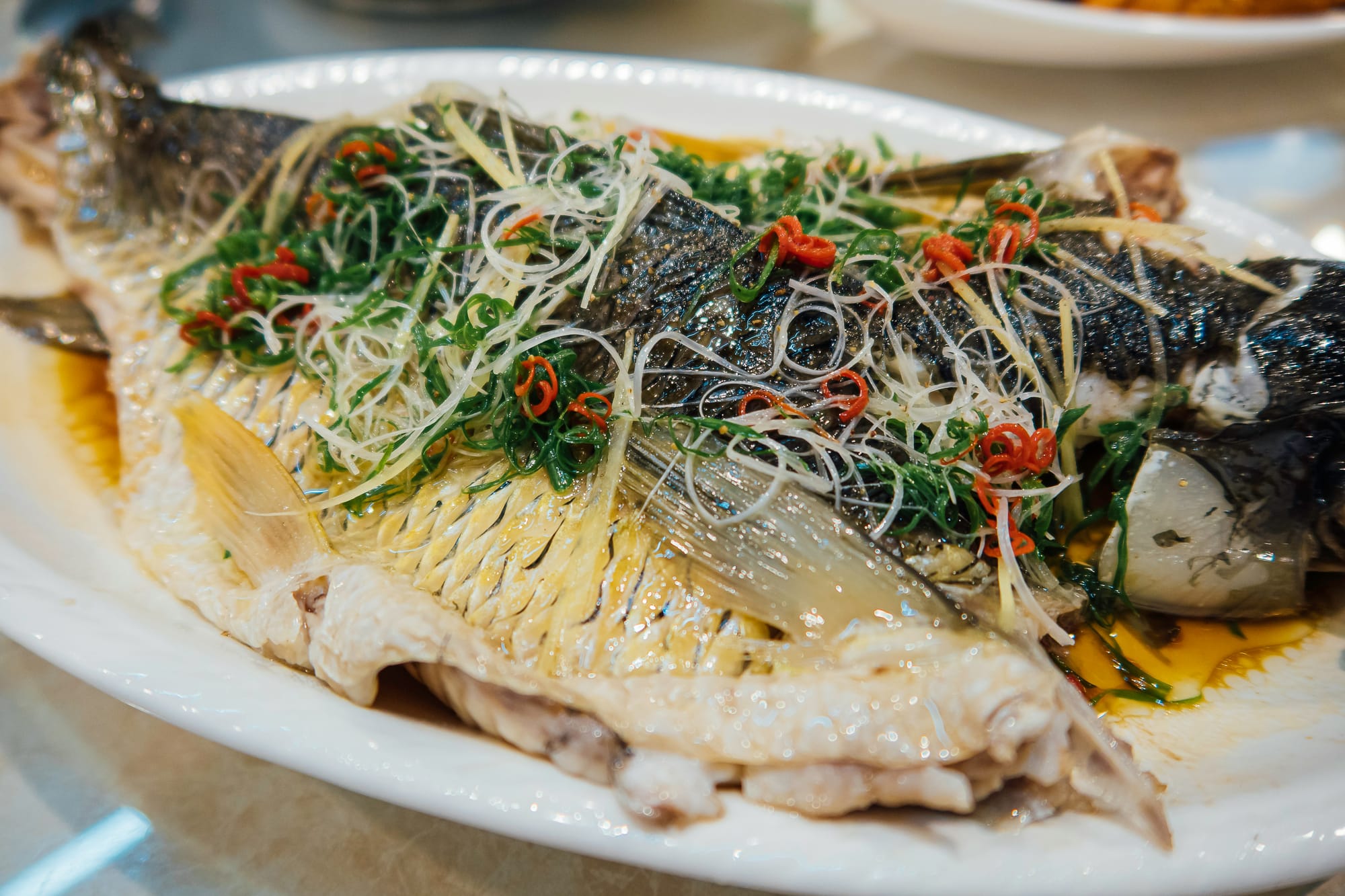
Soy-roasted and white-cut chicken, , steamed fish — the Cantonese table, in its essentials.
The Scholarly Plate: Jiangsu & Zhejiang
The Signature Knife work here is elevated to fine art. A prime example is Longjing Shrimp—dewy river prawns velveted and gently tossed with freshly plucked Dragon Well tea leaves. It is a dish designed to evoke a spring morning along Hangzhou’s West Lake.
The Destination Hangzhou (Zhejiang) and Yangzhou (Jiangsu). Book a table at a lakeside pavilion after a stroll through the local ancient architecture to see how landscape design and culinary aesthetics merge.
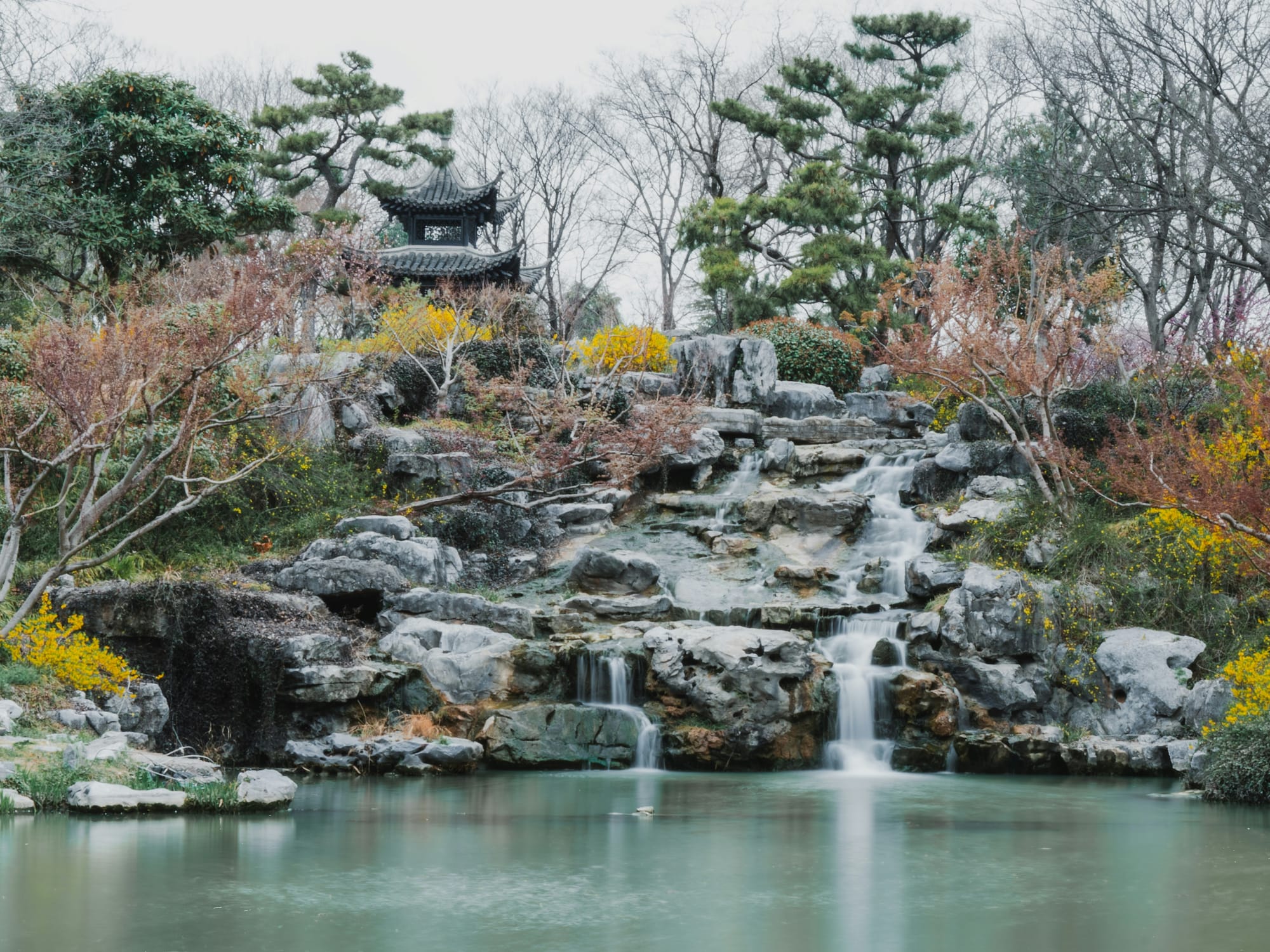

A mild climate and abundant waterways along the lower Yangtze produced one of China's most delicate and technically exacting cuisines.
The Art of Time: Anhui & Fujian
The Signature Stinky Mandarin Fish is the benchmark here. It relies on a controlled, brief fermentation that yields a firm texture and a deep, umami complexity that fresh fish simply cannot replicate. It’s an approach to aging that will feel instantly familiar to anyone who appreciates raw-milk European cheeses.
The Destination The historic merchant villages at the foot of Huangshan (Yellow Mountain) for Anhui — and Fuzhou, Putian, Quanzhou, where fermentation meets the bounty of the coast.

The Imperial Baseline: Shandong
The Signature Rich, commanding dishes like Braised Sea Cucumber with Scallions. There is nothing timid about this dish. It signals institutional seriousness — the kitchen that can source, prepare, and present such an ingredient belongs at the emperor's table.
The Destination The coastal hub of Qingdao and the provincial capital of Jinan.
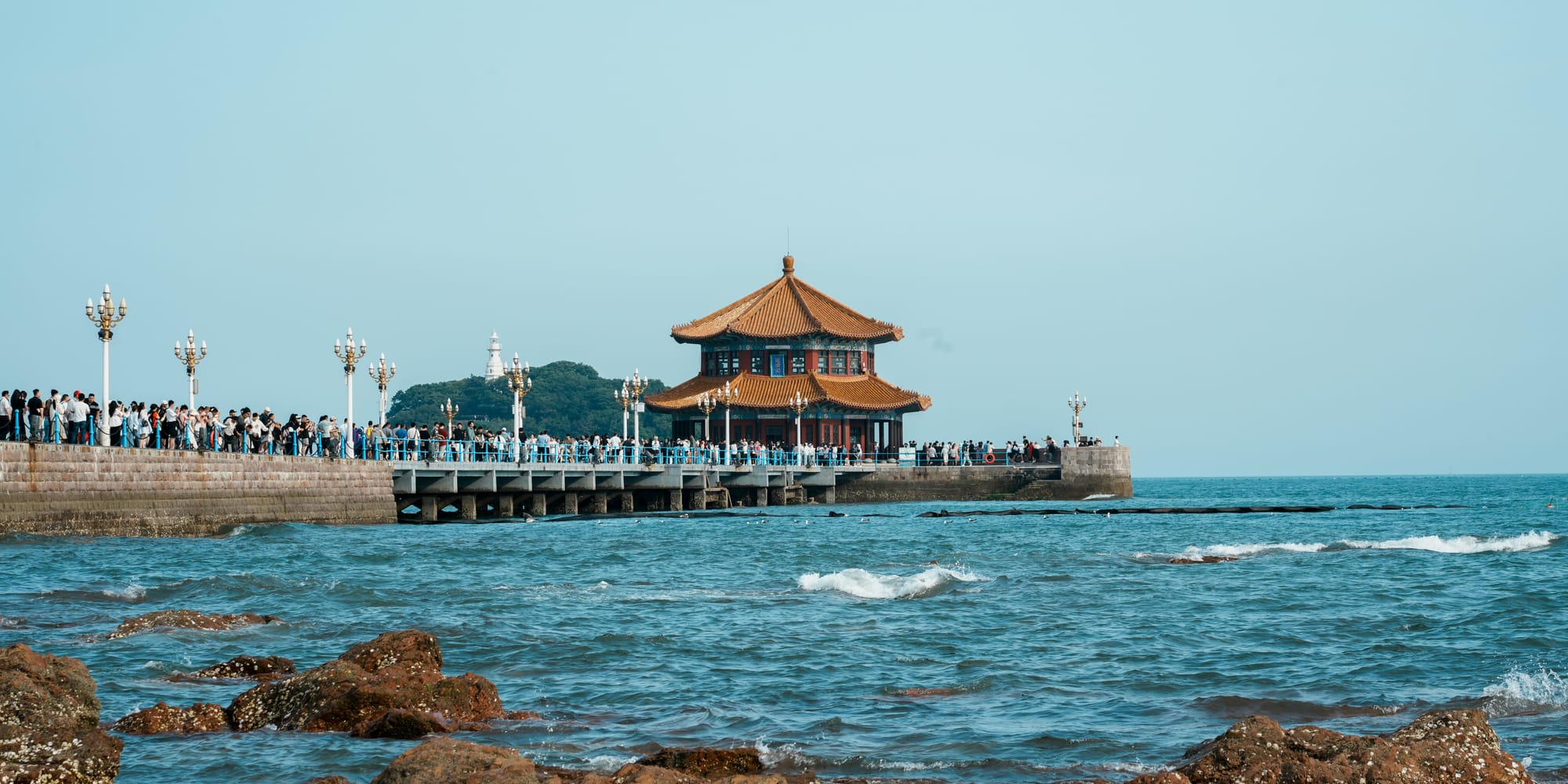
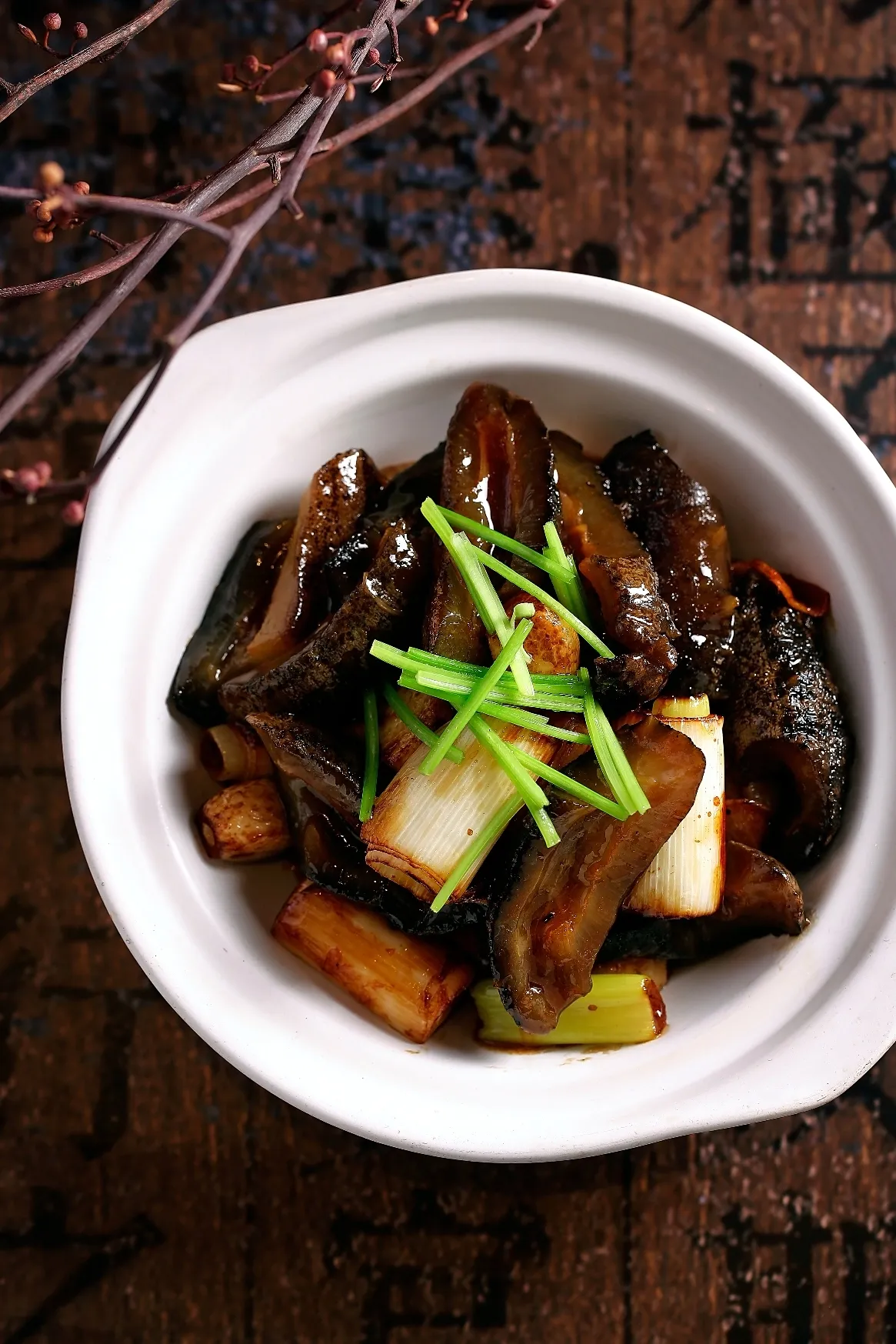
Qingdao: a coastal city whose proximity to the imperial heart produced a cuisine fit for emperors.
To view China’s culinary output through this regional, institutional lens is to realise that a singular entity called "Chinese food" simply does not exist.
In an ancient agrarian civilization, the plate has always been far more than mere sustenance. To eat well here is to understand a deeply rooted framework of living well—one regional prefix at a time.
-Mandarin Unpeeled



![[Quiz] Find the China City for How You Actually Want to Travel Right Now.](https://storage.ghost.io/c/73/63/7363a138-5ebf-4ec5-bfdf-0956583c3258/content/images/size/w600/2026/09/Image-Sep-2--2026-at-03_59_42-PM.png)