Where The Locals Are Actually Traveling in China
Beyond the reach of Western headlines, these under-the-radar escapes are China’s most viral destinations of the moment.


China’s historical depth and geographical expanse make it one of the most diverse countries on earth to visit. Yet few Western travelers could name anything beyond the mega-cities and world-famous attractions.
“Looking domestically — going where the locals go — is a useful shortcut past that top layer.”
This 2026 list is a handpicked mix: places freshly "bumped up" by new cultural movements, and evergreen destinations that have stayed off Western travel radar for no good reason.
Quanzhou: The Forgotten Maritime Silk Road Capital
Quanzhou is a coastal city in Fujian Province with a population comparable to that of New York City—yet, until recently, it rarely appeared on the itineraries of domestic or international visitors. That began to shift after its UNESCO World Heritage inscription in 2021, which didn't create Quanzhou's importance so much as redirect attention to a city that once sat at the heart of the Maritime Silk Road, its port linking China to Southeast Asia, South Asia, the Middle East, and beyond.
“Mosques, temples, and historic shrines sit within walking distance of each other — overlapping in a way found almost nowhere else in China.”
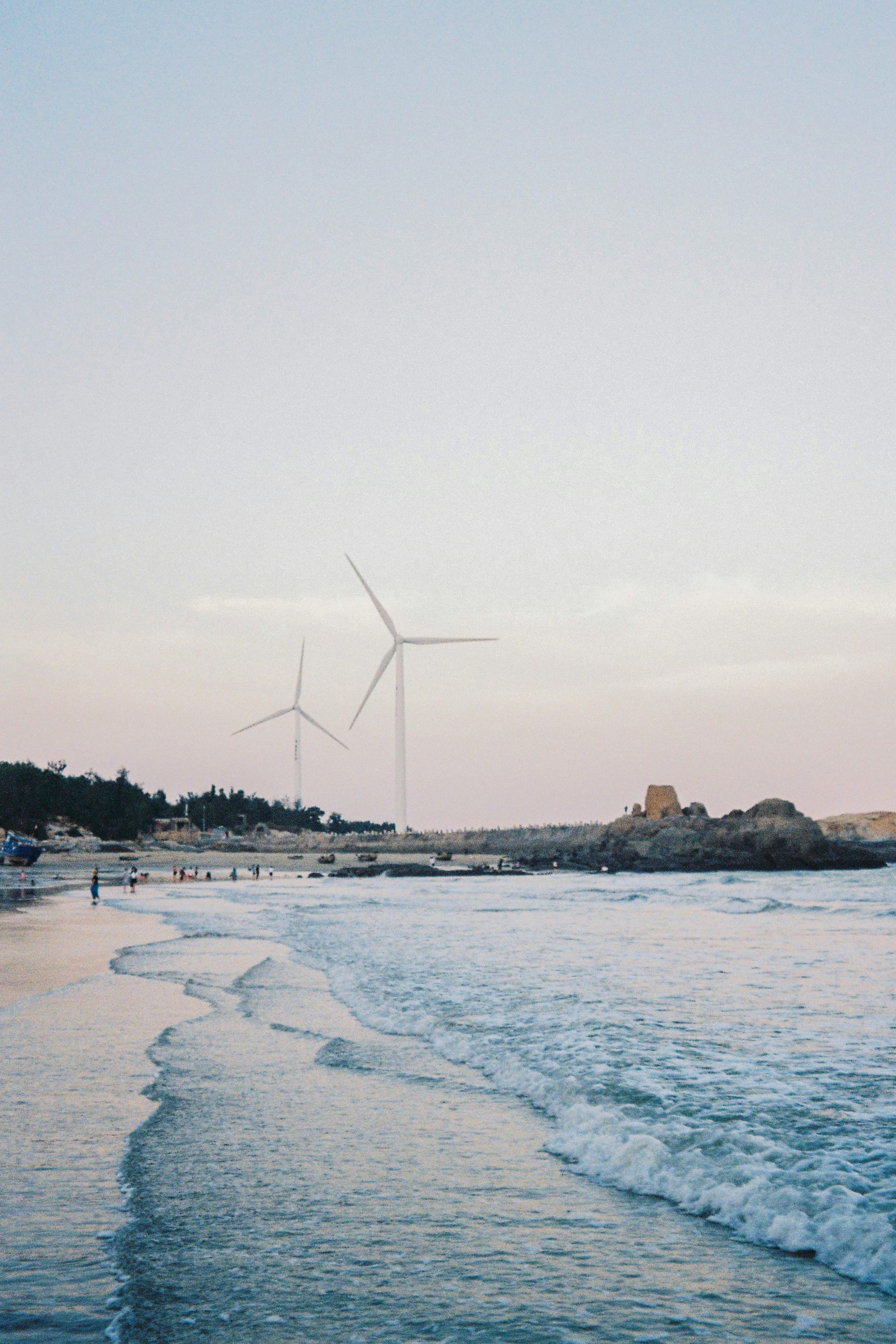
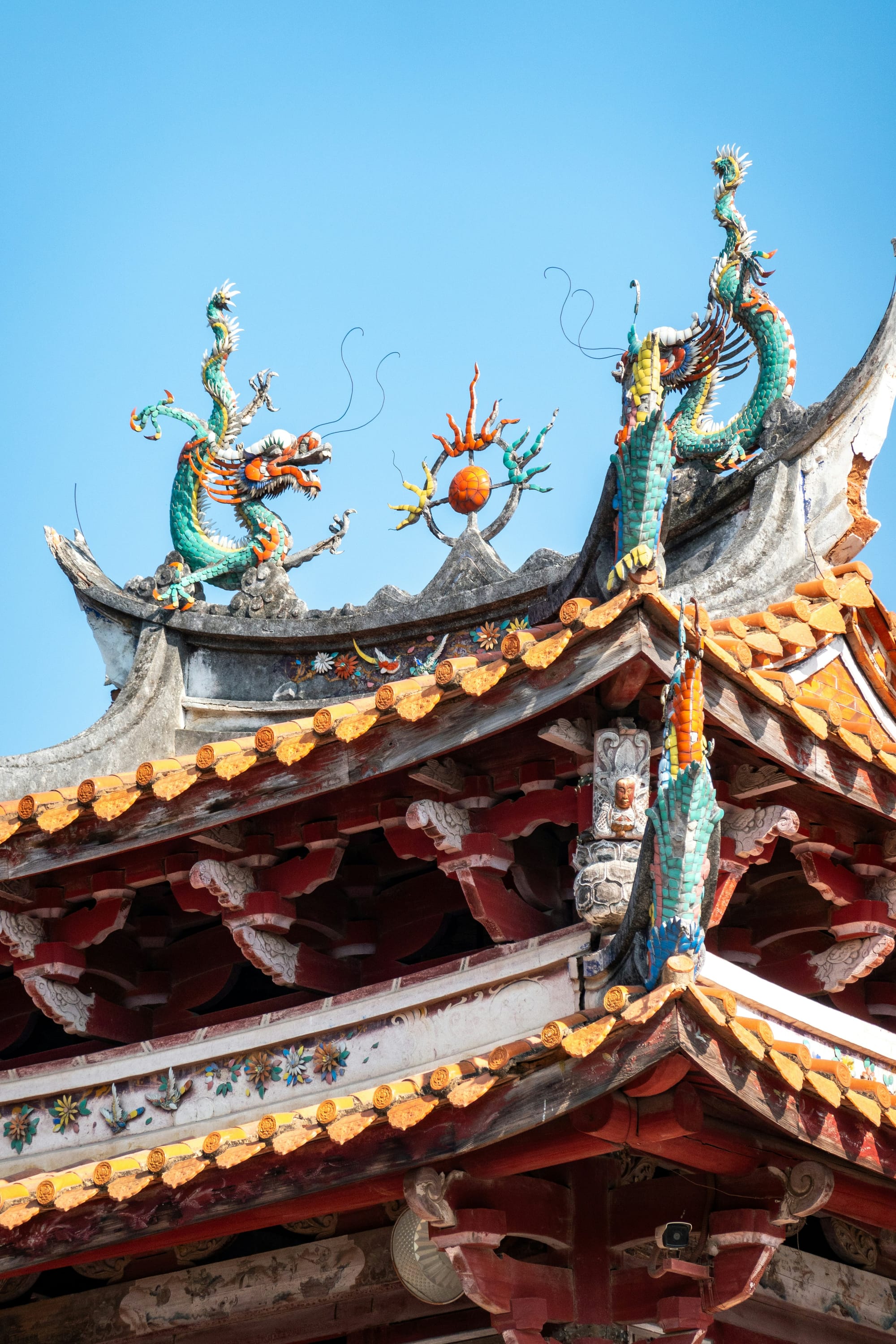
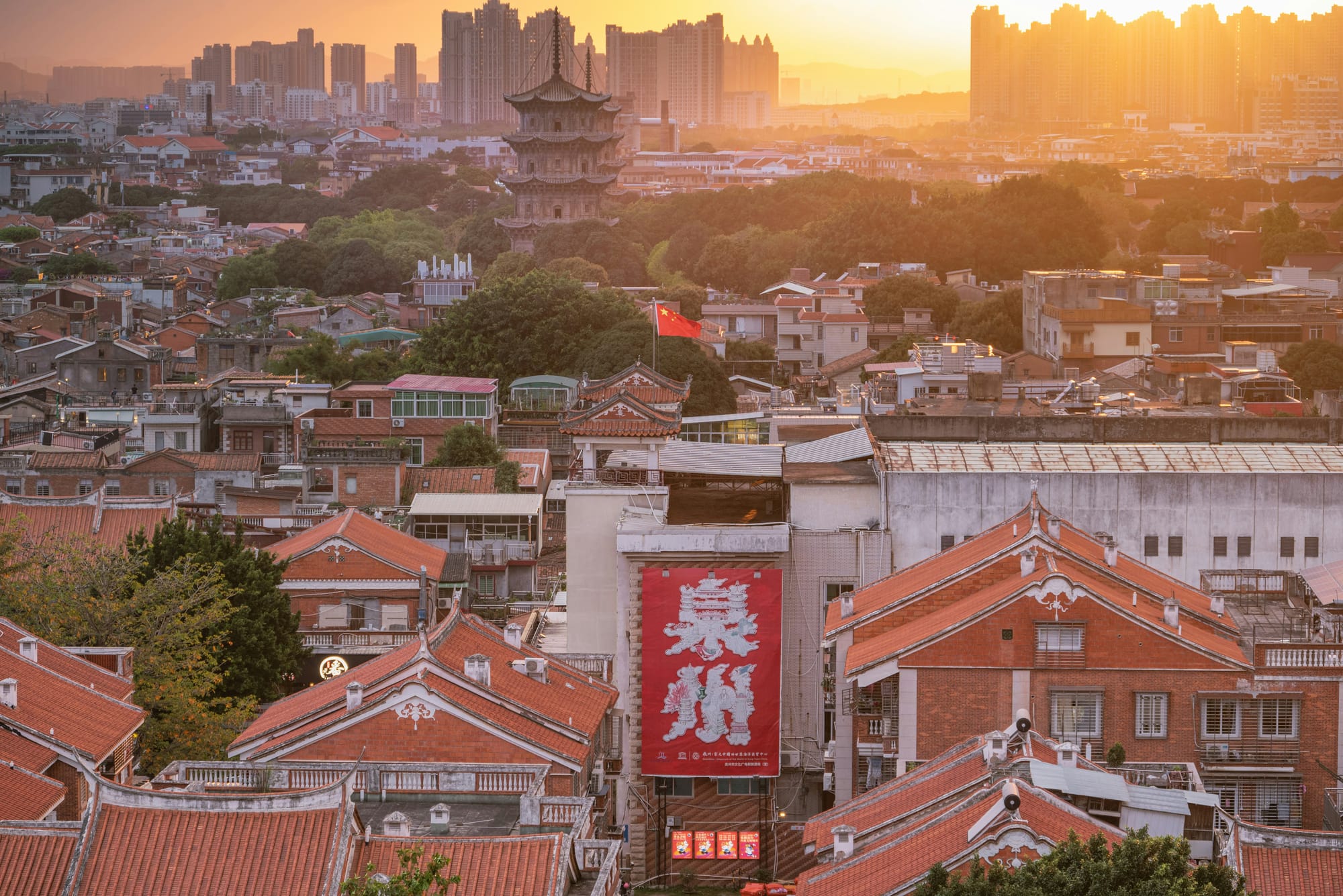
The food carries the same layered history: Fujianese noodles, seafood, and market snacks shaped by centuries of trade, best found in neighborhood stalls rather than restaurant menus.
And the city's migrant, entrepreneurial character never really left — generations of Quanzhou natives built lives across Southeast Asia while staying tied to home, a commercial instinct that still shows up today in globally recognized companies like Anta.
Leshan: Sichuan’s Hidden Gem
Tucked into Sichuan, Leshan sits in the long shadow of Chengdu and Chongqing — cities better known for giant pandas, spicy hotpot, and skyline drama. But Leshan has been quietly significant for almost 3,000 years, its fame and fortune once matching, and at times exceeding, its now more famous neighbors.
“Its current revival has arrived through a more modern route: celebrity-led domestic travel putting its hometown back on travelers’ radar.”
In late 2025, Leshan-born actor Wang Hedi helped put his hometown back on Chinese travelers' radar, bringing cameras — and fellow celebrities — to its headline sights, and to its food.
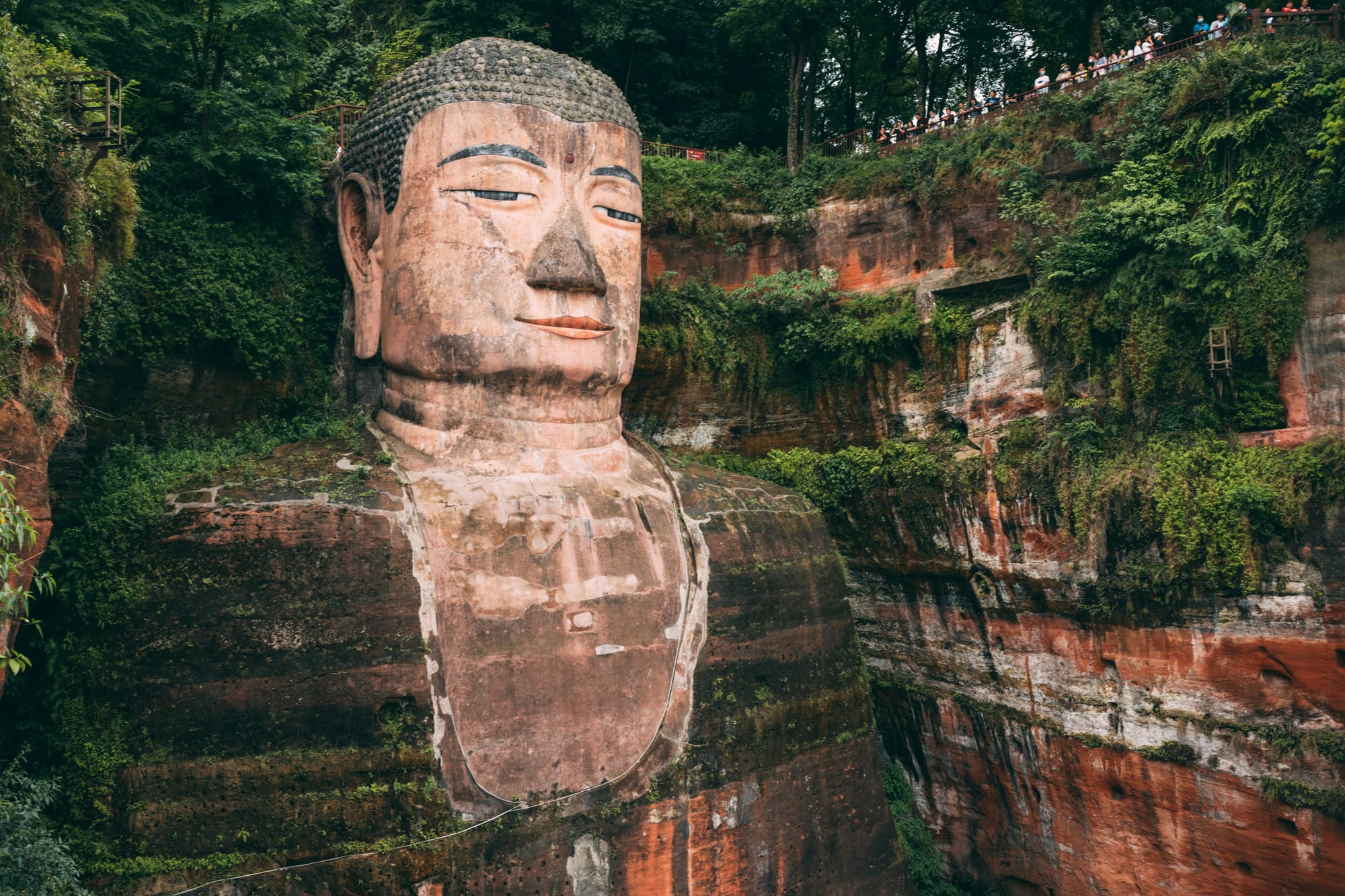
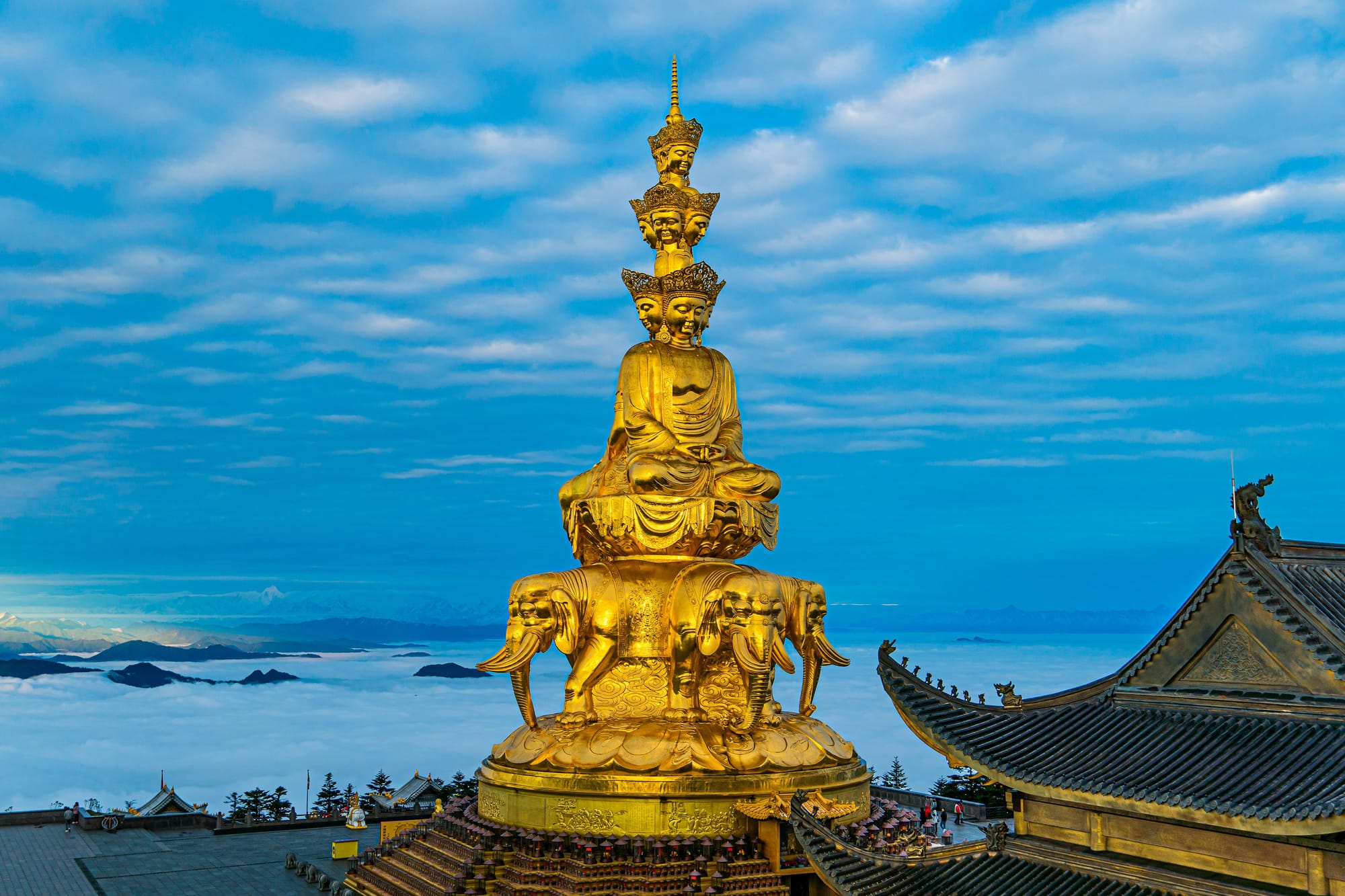
The city's major attraction, the Leshan Giant Buddha, is a 71-meter testament to how important the city once was, politically and spiritually. Carved during the Tang dynasty, it's a UNESCO World Heritage Site and one of the world's most arresting Buddhist monuments. Less than an hour away sits Mount Emei (Emei Shan) — one of China's Four Sacred Buddhist Mountains, and home to the country's oldest surviving Buddhist temple, also UNESCO-listed. The experience moves between solemnity and spectacle: incense-filled courtyards, macaques along mountain trails, cable cars rising through mist, and the Golden Summit appearing above the clouds.
Food is Leshan's other calling card. Where Sichuan cuisine is often reduced to chili and mouth-numbing peppercorn, Leshan's version runs more varied and more rooted in street-side ritual — skewers, cold noodles, sweet rice snacks, warming beef broths. Its signature qiaojiao beef, slow-cooked beef and offal in a rich, fragrant broth, is less about heat than depth and comfort. Other famous local dishes to try include sweet-skinned duck and Bobo chicken.
Jingdezhen: China’s Porcelain Capital Gets a Second Life
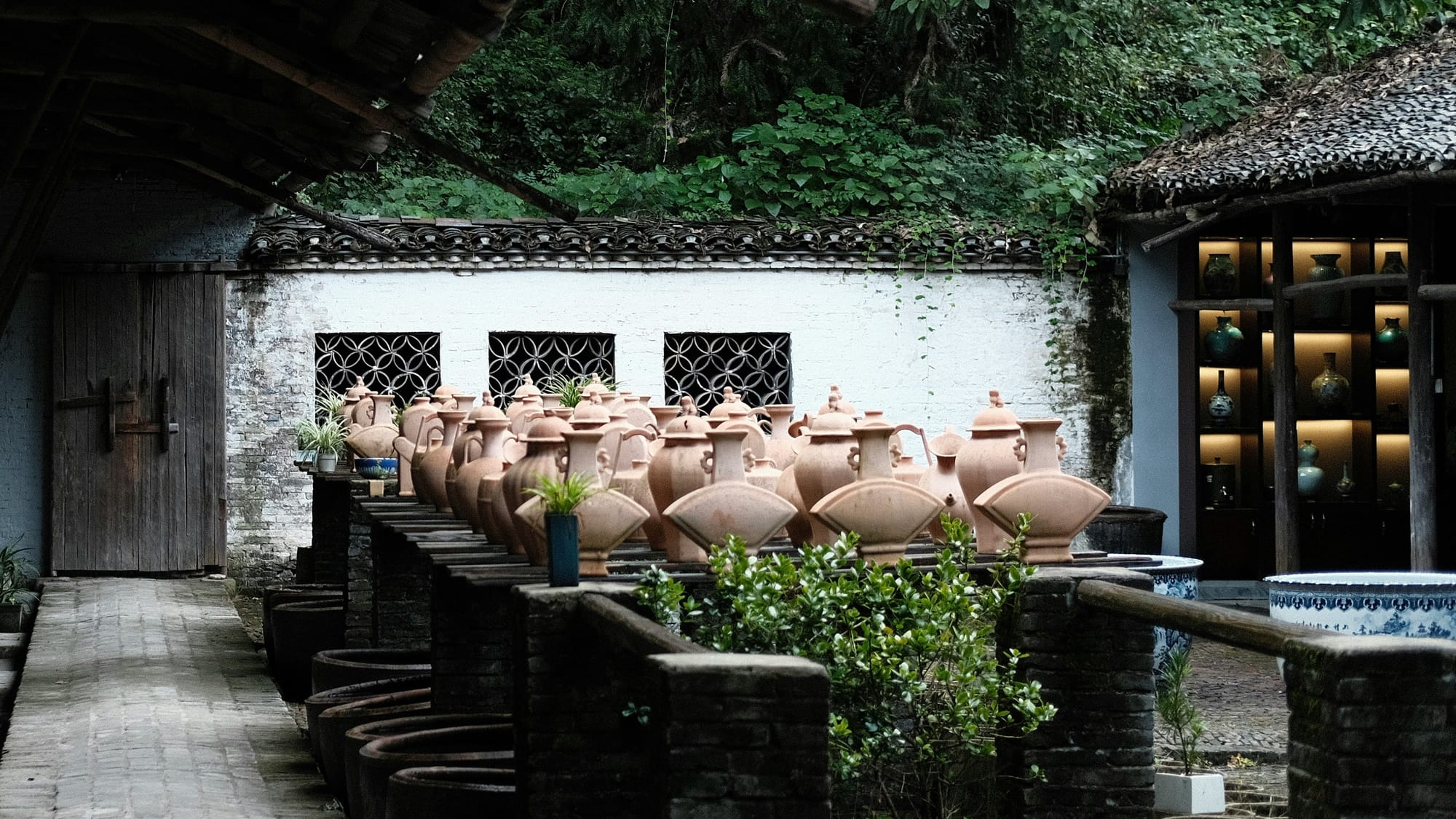
You may not have heard of Jingdezhen, a small city in Jiangxi Province, but you already know the object that made it famous: china. For more than a millennium, this inland town refined ceramics into an industry, an art form, and eventually a global export — the reason Chinese porcelain still carries weight in collections and kilns around the world today.
“Young Chinese known as ‘jingpiao’ or Jingdezhen drifters are trading the pace of bigger cities for clay, kilns, and a different kind of working life.”
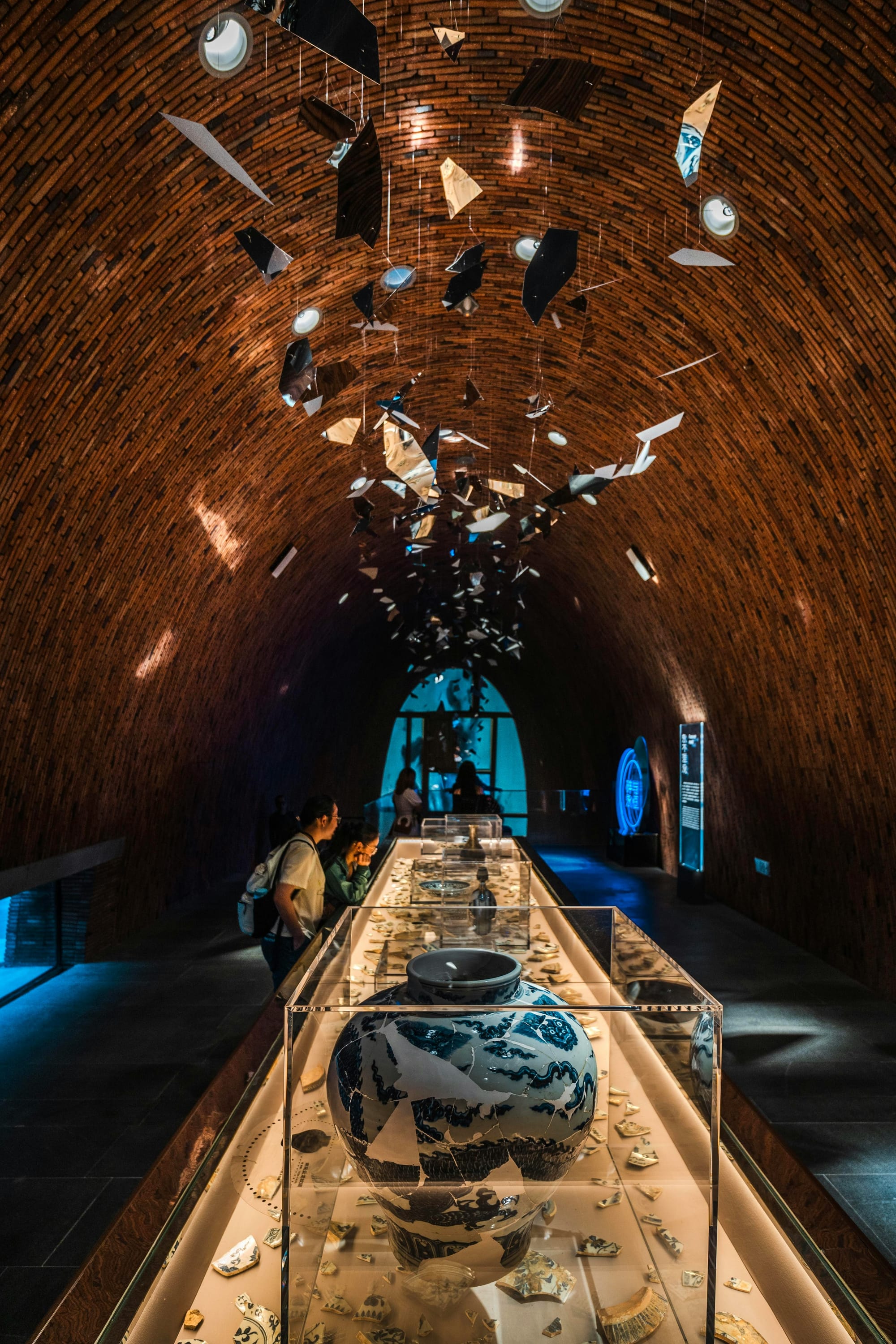
Even its name tells the story. In 1004, Emperor Zhenzong of the Song dynasty was so taken by the town's translucent, jade-like porcelain that he ordered it made for imperial use — and granted it his own reign name, Jingde, meaning "virtue of the age."
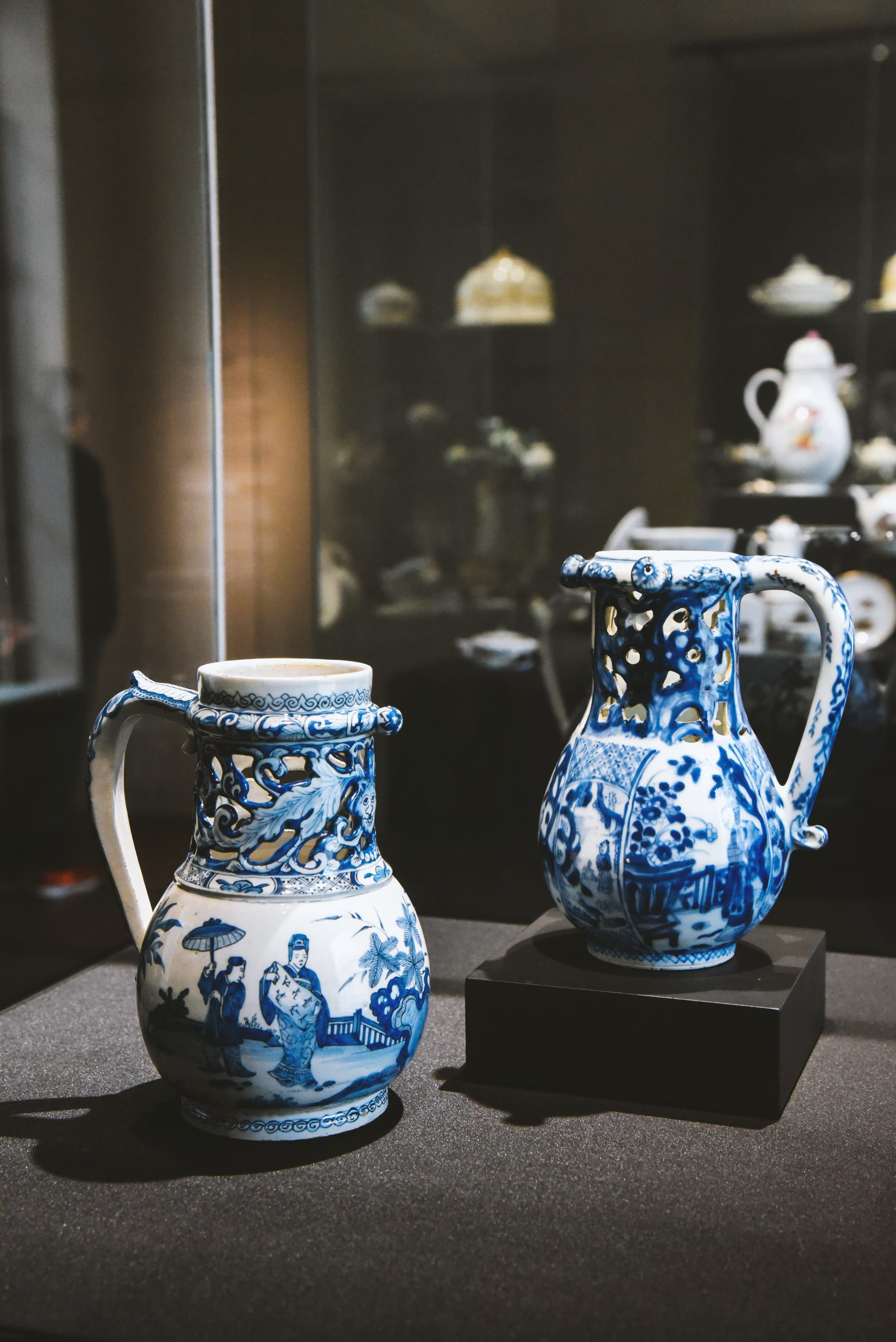
What followed was centuries of technical mastery. Jingdezhen's pale, finely fired porcelain — and later its iconic blue-and-white ware — traveled through trade networks linking Asia, the Middle East, and Europe. By the Ming dynasty, the city's Imperial Kiln Factory was producing exclusively for the court, a role it would keep through the Qing. At its height, Jingdezhen wasn't just making ceramics; it was setting the standard for them.
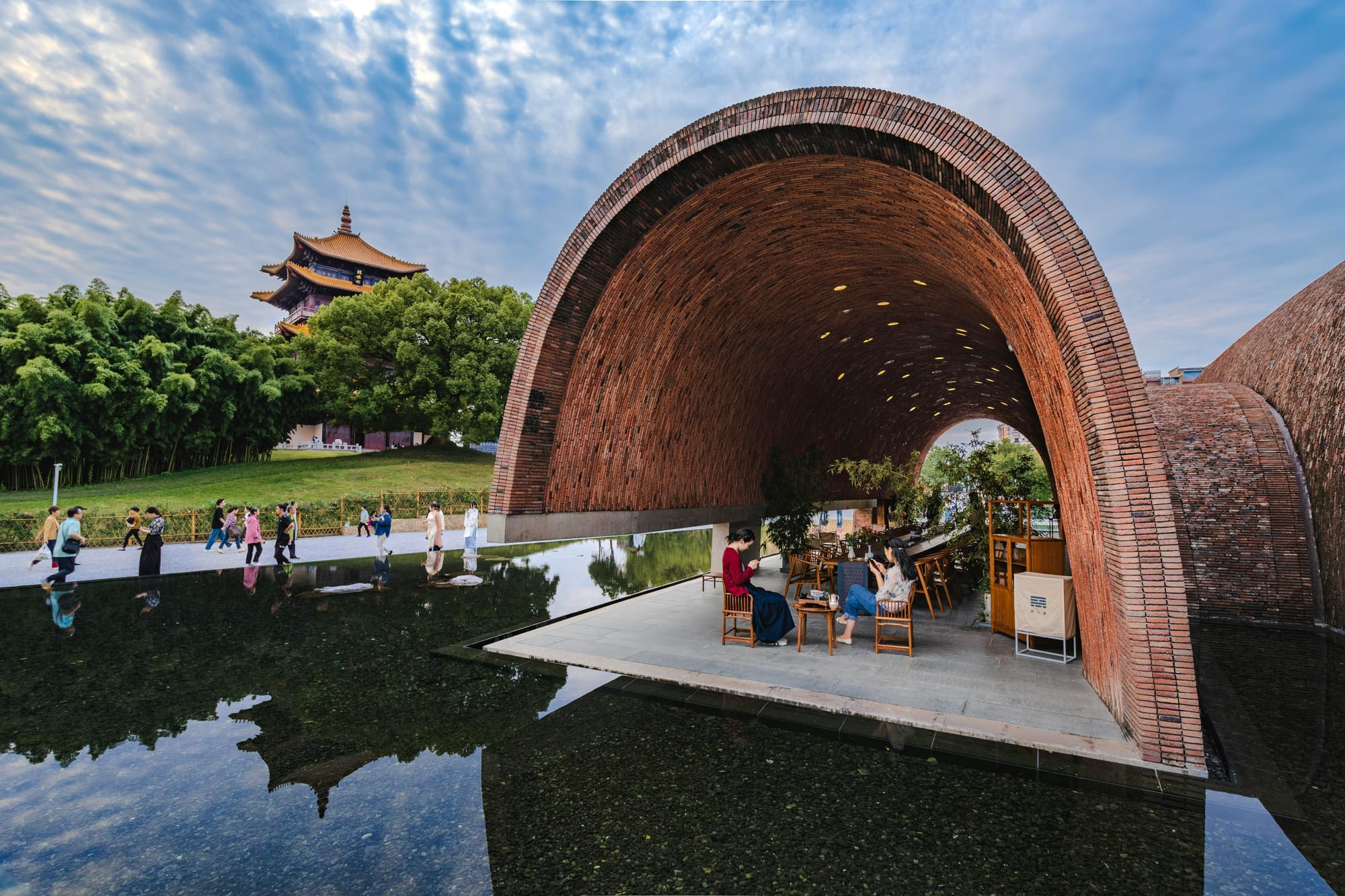
Industrialization dimmed that glory for a long stretch, but the comeback has been real. Today, former factory districts have turned into studios and galleries, historic kiln sites are recast as museums, and workshops hum with everyone from master craftspeople to first-time potters. Come for a cup or bowl. Stay for the atmosphere: a handicraft economy thriving in an era increasingly defined by frictionless, invisible work.
Shantou: China’s Great Diaspora Homeland, Rediscovered
“Pioneering spirit” may not be the first phrase that comes to mind when people think of China. But in Chaoshan — the coastal Guangdong region comprising Shantou, Chaozhou, and Jieyang, and one of the most compelling names in domestic travel right now — it's a defining trait locals wear as a badge of honor.
“In Chaoshan, a pioneering spirit isn't just history — it’s a defining trait locals wear as a badge of honor.”

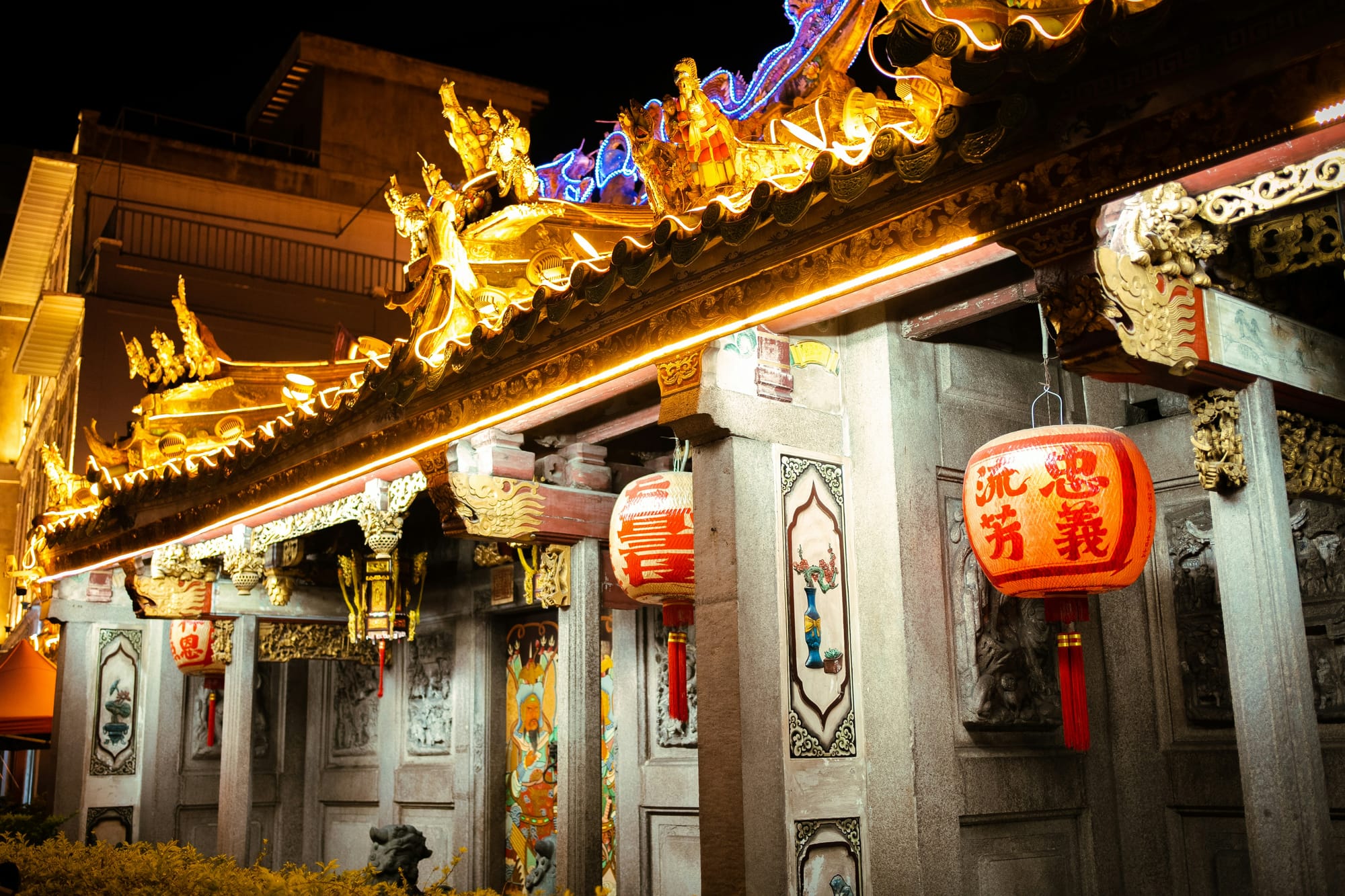
For centuries, this was a place shaped by departure. Faced with limited land and a restless coastline, generations of Chaoshan people left for Southeast Asia and beyond, building trading networks, businesses, and communities far from home. What remained was a distinctive regional culture: commercially minded, fiercely industrious, and outward-looking.
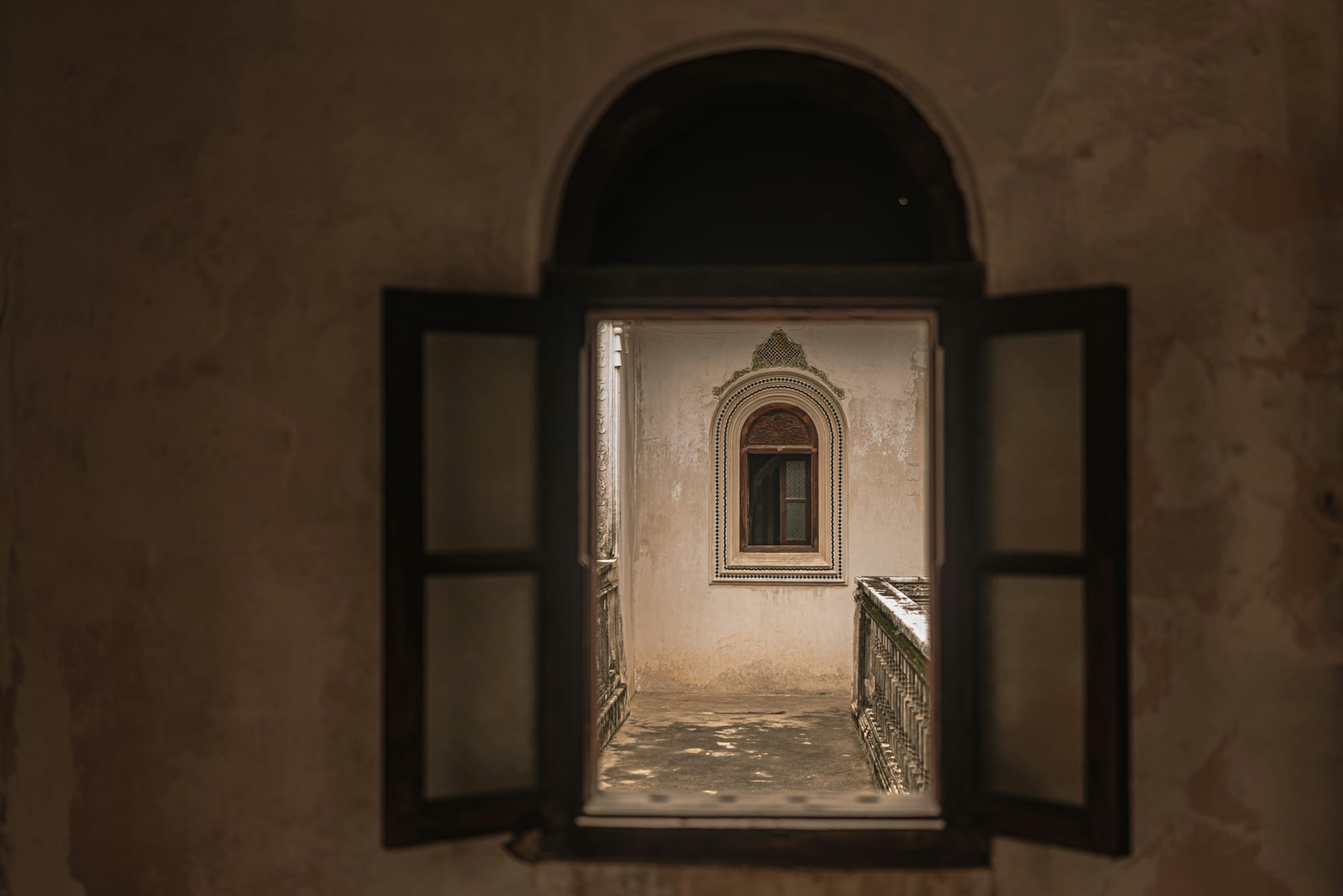
Domestic travelers have long come for its architecture, a vivid record of those cross-border lives. In Shantou’s old quarters, arcaded streets and ornate overseas-Chinese mansions blend southern Chinese building traditions with Southeast Asian and Western influences. The region’s food tells a similarly layered story. Beef hotpot is one of its best-known calling cards: thinly sliced, exceptionally fresh beef briefly swished in a clear broth, then dipped in shacha sauce.
Its latest surge in attention has come through cinema. Dear You, one of China's breakout films of 2026, follows a family divided by migration between Chaoshan and Thailand, shot largely in the local Chaoshan dialect across the region itself. The story’s core themes — migration, family duty, nostalgia, and the burden of remembrance — may be universal, but its texture is unmistakably Chaoshan.

Travelling to China Beyond the Standard Loop
These four destinations are by no means exhaustive, but each captures a distinct shift in the country's moving cultural compass.
If you suspect there is a deeper, more varied China beyond the predictable loop of mega-cities and postcard monuments, you are right. Yet with a country of this scale and diversity, the most compelling places rarely announce themselves to the outside world.
Consider this a living register—one we’ll return to as fresh centers of art, food, and craft reclaim the map.
To plan your next trip with real-time insights and discover where to go next, join as a member— we trace what is moving across China long before it ever hits the guidebooks.
Last updated: [August 2026]

![[Quiz] Find the China City for How You Actually Want to Travel Right Now.](https://storage.ghost.io/c/73/63/7363a138-5ebf-4ec5-bfdf-0956583c3258/content/images/size/w600/2026/09/Image-Sep-2--2026-at-03_59_42-PM.png)