Xiamen
Walk on foot across an island, eat sitting on a curb, listen to ancient flutes, and ride until dark along the coast
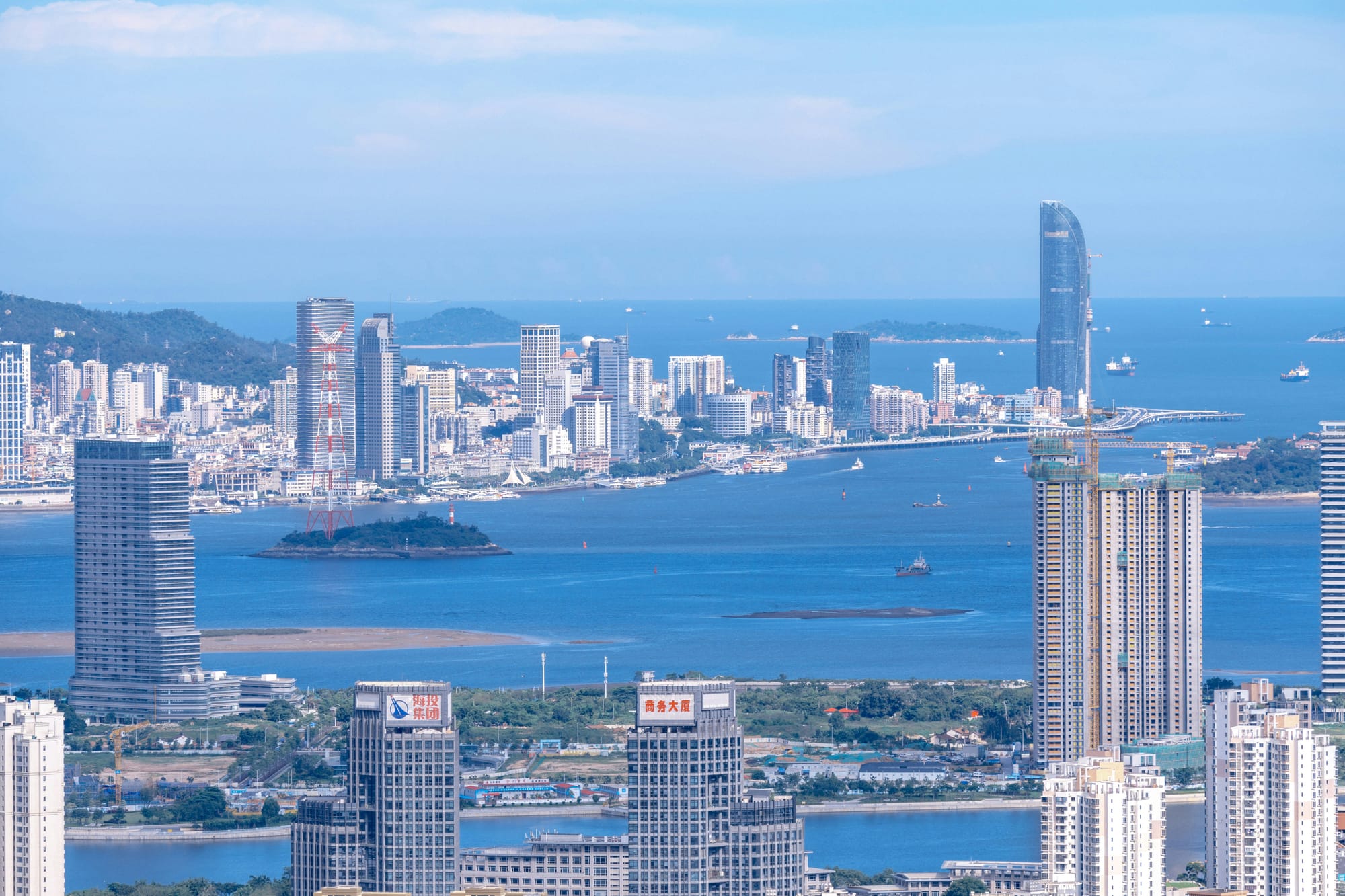
Xiamen is a city built on the rhythm of the tides, where the sharp scent of roasted satay paste and rich peanut soup collides with the tang of sea salt and third-wave espresso. As you walk its narrow alleys, your senses register a place that has spent centuries trading with the world: the hollow clack of Mahjong tiles mingling with the delicate, flute-heavy drone of Nanyin music drifting from open courtyards; the tactile grit of sun-warmed Minnan red brick beneath your hand; and the vivid, burnt-orange glow of sunset over Huangcuo Beach.
It is an island where Chinese clan heritage doesn't live behind museum glass—it is cooked, sung, traded, and rolled on dice every single day.

- THE EXPERIENCE
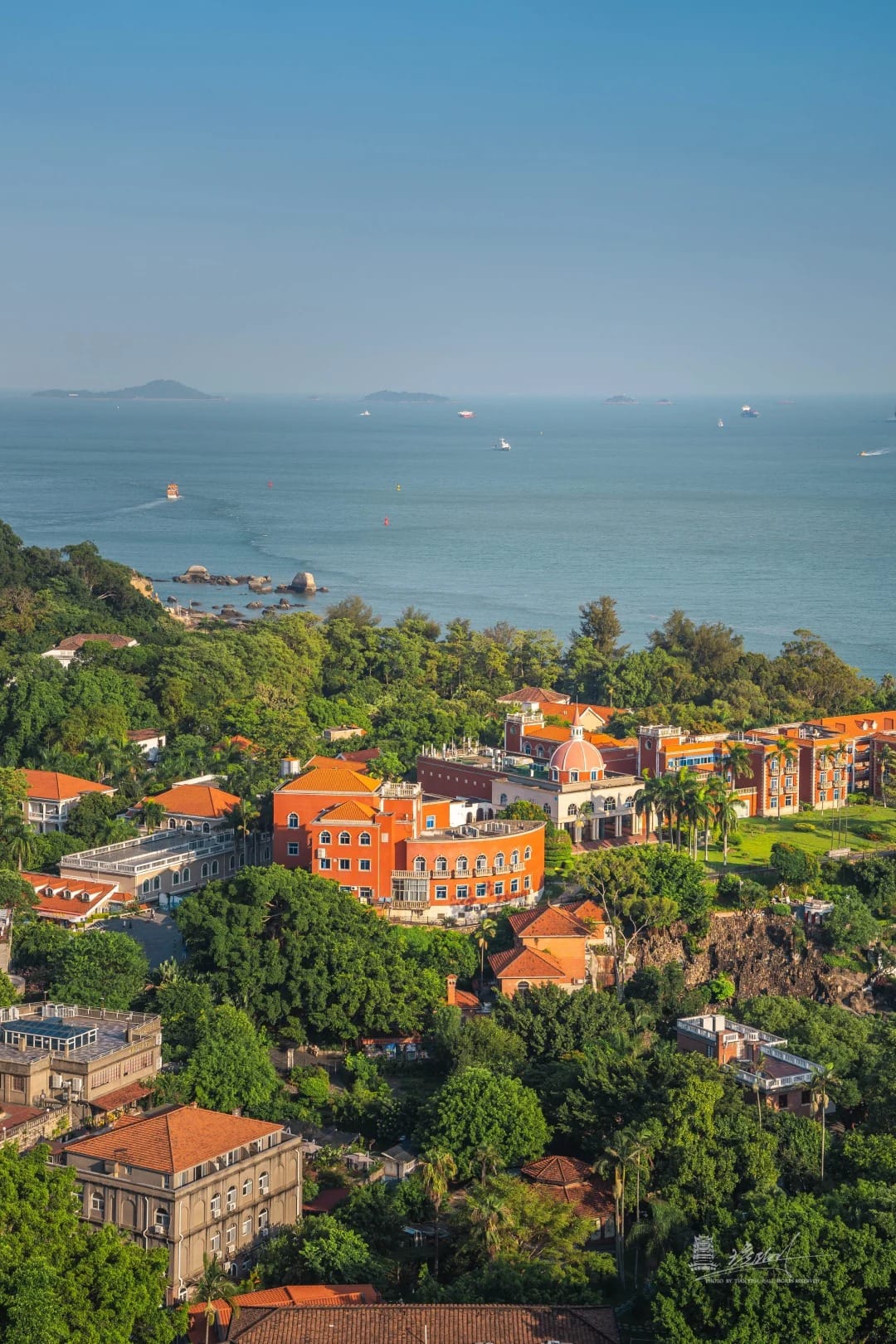
Gulangyu Island (鼓浪屿), a motor-free UNESCO World Heritage island across the harbor, is not just an outdoor architectural museum, but a testament to returning 20th-century Overseas Chinese elites who blended European port-city neoclassicism with native Minnan red-brick masonry. Explore its quiet interior lanes on foot, passing the sea-facing Shuzhuang Garden (菽庄花园) and old piano-filled villas.
South Bank Road (南滨路) traces Chongqing's 1891 opening to foreign trade — a stretch of century-old trading houses, former consulates and churches along the Yangtze, physical evidence of the city's forced, complicated embrace of the outside world. A local saying puts it simply: "one road, half of Chongqing's history."
Shapowei Fishing Port (沙坡尾), the historic cradle of Xiamen Port, preserves its centuries-old sheltered harbor by balancing a strict "4-3-3" revival rule: 30% original old-trade fishing shops, 30% updated local heritage crafts, and 40% contemporary art spaces and cafés operating side-by-side along the docks.
Huandao Road Coastal Trail (环岛路) offers a flat, 15-kilometer cycling route stretching from Baicheng Beach past traditional Minnan red-brick fishing villages, coastal music parks, and open sea viewpoints, ending at the orange-hued sunsets of Huangcuo Beach (黄厝海滩).
Nanyin Performance (南音) offers a rare doorway into China‘s “living musical fossil”——a slow, elegant classical tradition dating back to the Tang Dynasty, and one of the oldest surviving musical genres in China. Alongside it, Lacquer Thread Sculpture (漆线雕) showcases a 300-year-old Xiamen craft that uses brick powder and lacquer to coil intricate, gold-embossed patterns onto Buddhist statues and decorative objects.
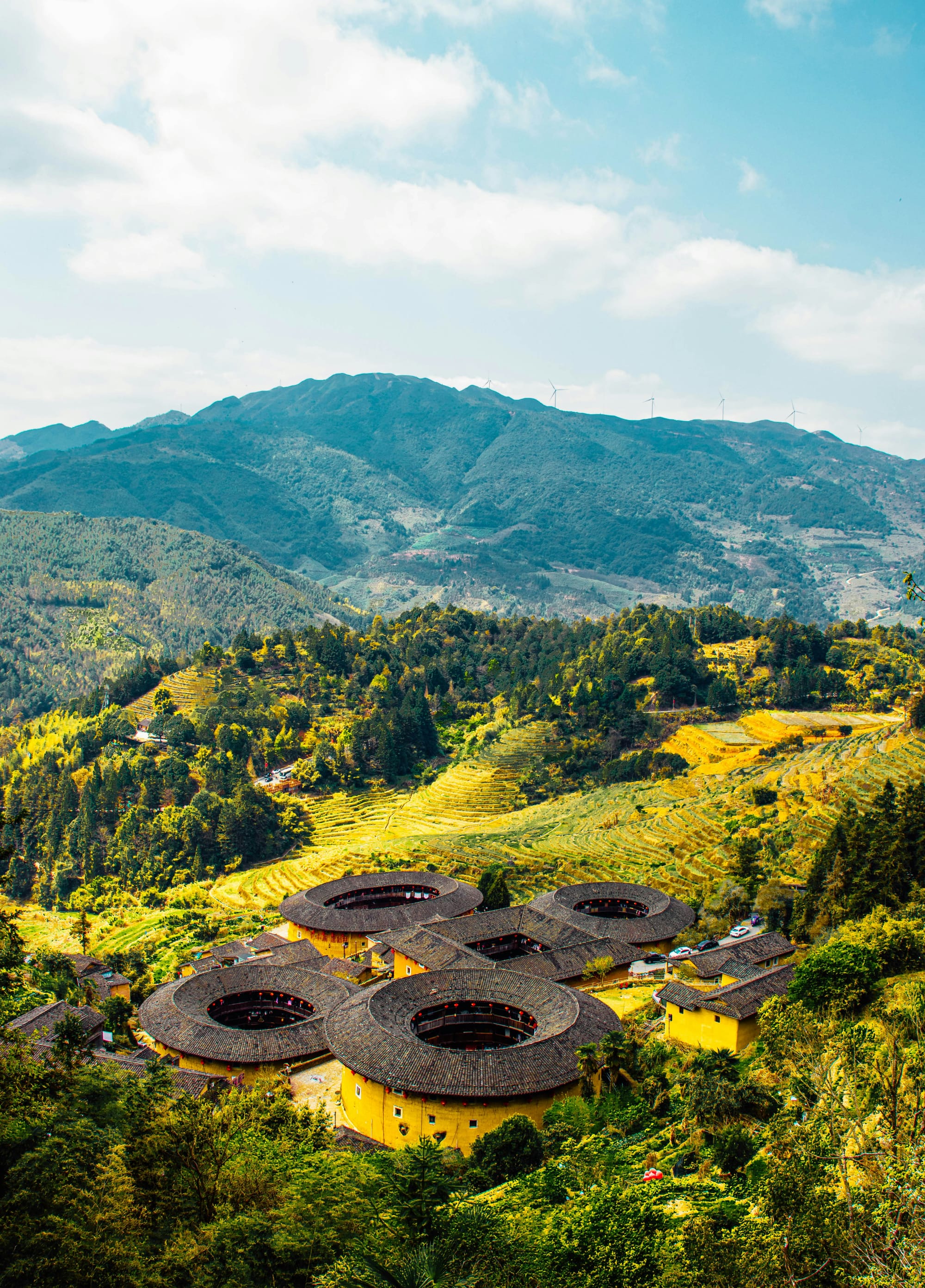
Fujian Tulou Day Trip (福建土楼) takes you two to three hours inland from Xiamen to the UNESCO-listed tulou clusters of Nanjing County (南靖) and Yongding—massive, mostly circular rammed-earth clan villages set among tea-forested hills and valleys.
- BEST FOR
Travelers who want an a coastal, old-world port city that feels lived-in rather than preserved for display.
Perfect if you are drawn to the physical interplay of East and West—where neoclassical consulates sit wrapped in tropical banyan roots—and if your ideal day involves wandering vehicle-free island lanes, eating spicy satay noodles on plastic stools, listening to ancient court music in a courtyard, and taking an unhurried sunset bike ride along the Taiwan Strait.
- MAY NOT BE FOR YOU IF
You are seeking neon-drenched megacity chaos — Xiamen moves to a distinctly relaxed, coastal beat, so head to Shanghai, Shenzhen, or Chongqing if you want non-stop urban intensity.
You dislike walking or light transit friction — Gulangyu Island bans all motor vehicles, meaning you will log 10,000 to 20,000 steps on foot over hilly, cobbled lanes.
Hot, humid summers wear you down — sub-tropical humidity peaks between June and August, making afternoon walking sticky and intense.
- HOW LONG?
3–4 days: Spend 1.5–2 days absorbing Xiamen city proper—slurping spicy Shacha noodles on plastic stools in old alleyways, wandering Shapowei’s working fishing harbor, and taking an unhurried golden-hour cycle along Huandao Road to Huangcuo Beach. Dedicate a full day to stepping into Gulangyu’s motor-free lanes and piano-filled villas, and use a final day for an inland excursion to the UNESCO-listed Fujian Tulou (rammed-earth clan villages).
- GETTING THERE
By Air: Xiamen is served by Xiamen Gaoqi International Airport (XMN), with XiamenAir operating direct long-haul international flights. From late December 2026: Gaoqi will close and all commercial flights will move to the new Xiamen Xiang'an International Airport, about 25 km east of the city. Always check your arrival airport when booking.
By High-Speed Rail: Xiamen is connected to China's high-speed rail network via two main stations: Xiamen Railway Station (located centrally on the island) and Xiamen North Railway Station (located on the mainland, connected via Metro Line 1).
Getting to Gulangyu Island: Passenger ferries depart daytime for tourists from Dongdu International Cruise Center (东渡客运码头) to Gulangyu’s Sanqiutian or Neicuo'ao piers.
- PAIRS WELL WITH
Quanzhou, 30 minutes north by high-speed rail, for ancient Maritime Silk Road heritage and red-brick clan temples · Chaoshan (Shantou/Chaozhou), 1.5–2 hours south by high-speed rail, for world-class Teochew culinary pilgrimages.
If traveling during Mid-Autumn Festival, try Bobing (博饼)—a 300-year-old local dice game invented by Koxinga’s troops, where the entire city rolls dice in restaurants and shops to compete for "prizes" and mooncakes.
October through December offers pleasant, dry, mild weather with temperatures averaging 18°C to 26°C (64°F–79°F)—coinciding perfectly with autumn cultural parades and outdoor dining season.