Shenzhen
China's economic reform poster child, grown into a tech capital in four decades
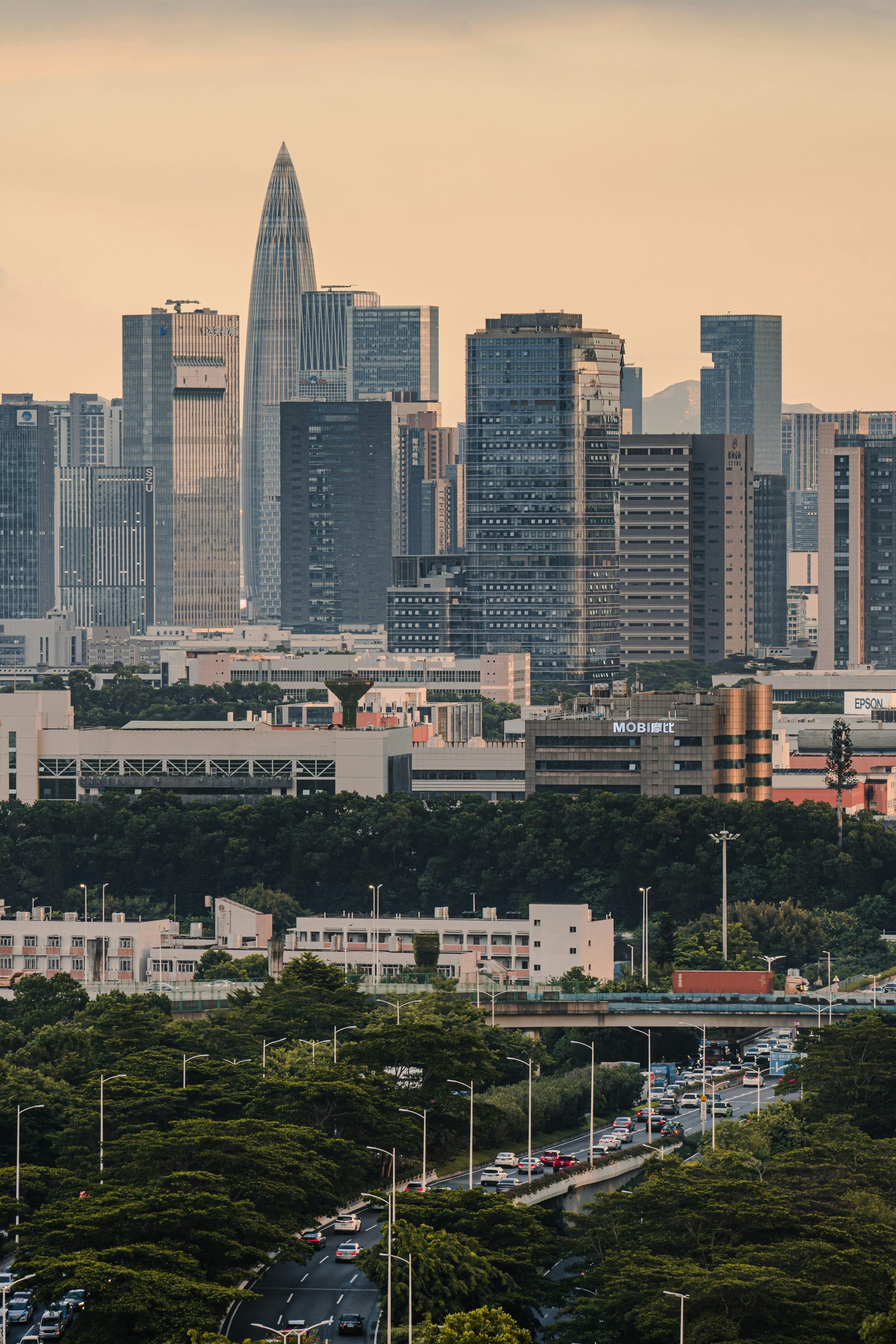
In 1980, Shenzhen — then farmland and fishing villages on the Hong Kong border — became China's first Special Economic Zone. Forty-odd years later it's a city of more than 18 million people and the headquarters of globally known tech companies like Huawei, Tencent, DJI and BYD, often called China's Silicon Valley.
Shenzhen is likely one of the few cities on your China itinerary with almost no ancient history to speak of. What makes it fascinating is the city in its current form—a poster child for China's bold economic reform, a metropolis that barely existed within living memory.
Come here to witness what a few hyper-charged decades can build: sweeping skyline views, the neon expanse of Huaqiangbei (the world's largest electronics market), and drones delivering your morning coffee.
Sitting directly on the Hong Kong border, Shenzhen also offers the seamless, easiest first taste of mainland China—with high-speed trains from Futian reaching Hong Kong West Kowloon in just 14 minutes.
- THE EXPERIENCE
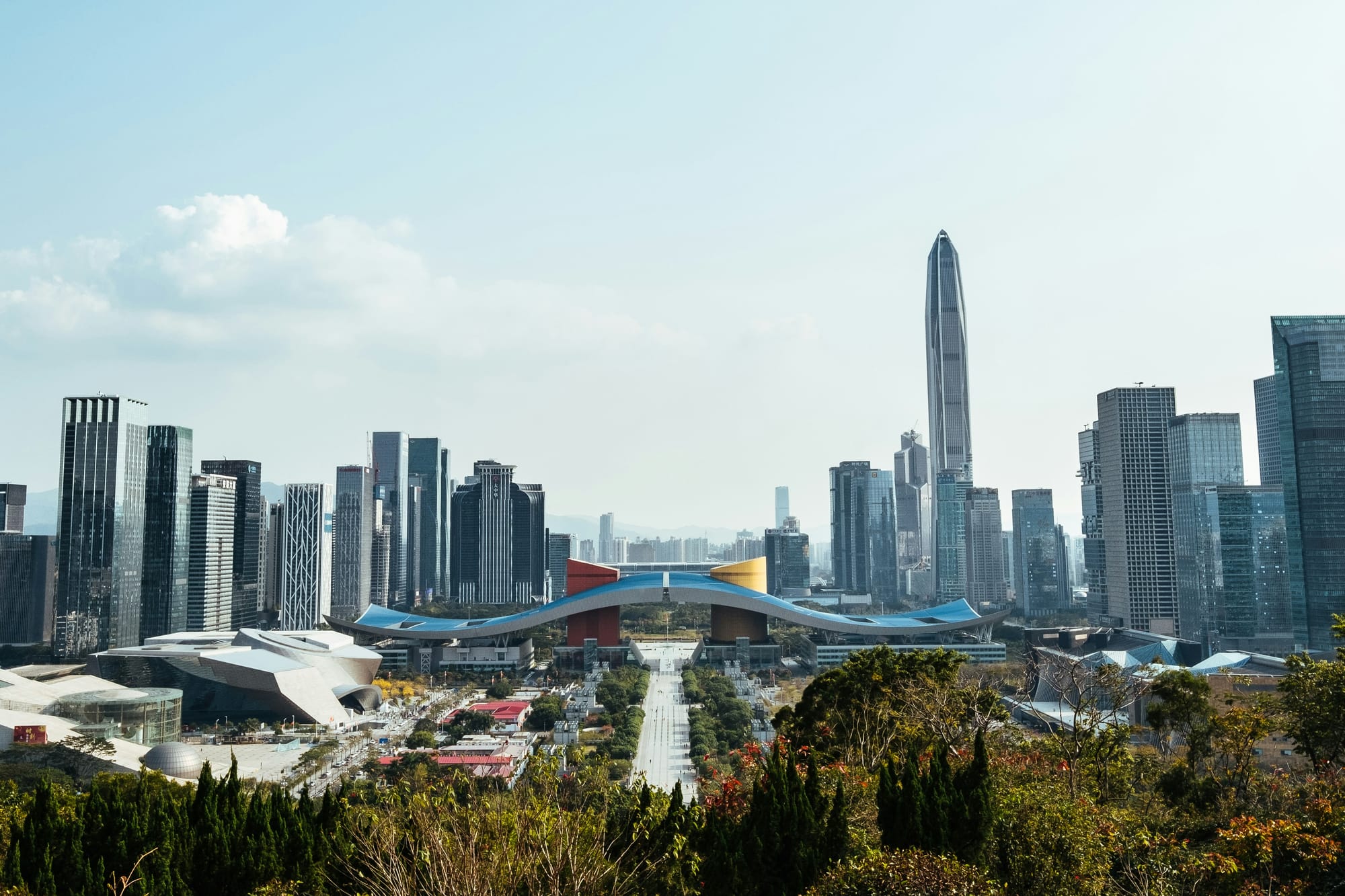
Lianhuashan Park (莲花山公园) is the best first stop. A hilltop park above the central business district, its summit square gives an unobstructed skyline view, with a bronze statue of Deng Xiaoping, the leader who launched the Special Economic Zone, looking out over the city his decision created.
Huaqiangbei (华强北) is widely believed to be as the world's largest electronics market: thousands of vendors across more than twenty multi-storey malls, selling everything from capacitors to this year's hottest gadgets. Even if you buy nothing, wandering the floors shows how the world's devices get designed, prototyped and sold.
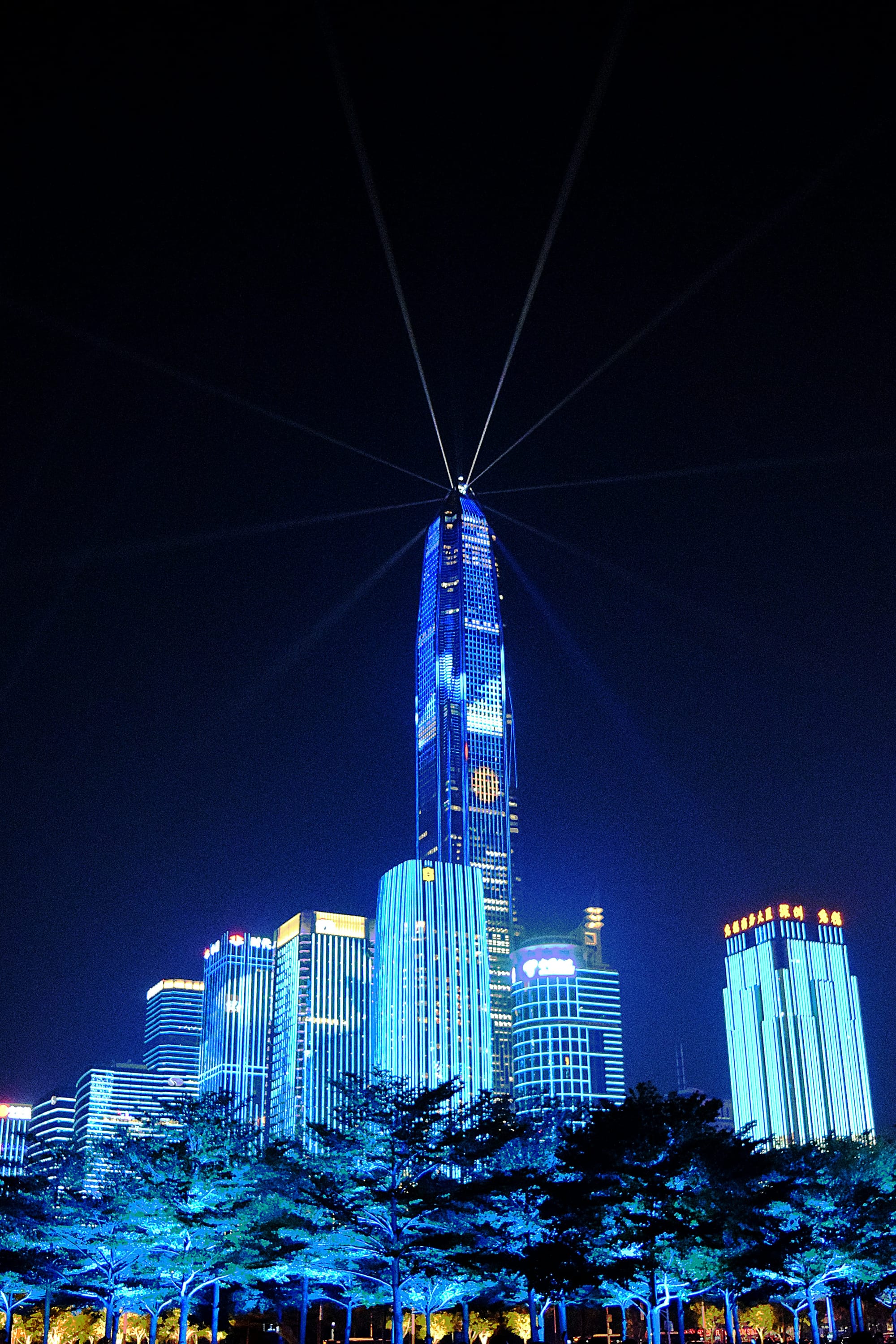
Ping An Finance Centre (平安金融中心), 599 metres tall, has an observation deck at 547.6 metres called Free Sky 116, with views across the whole city and, on clear days, to Hong Kong.
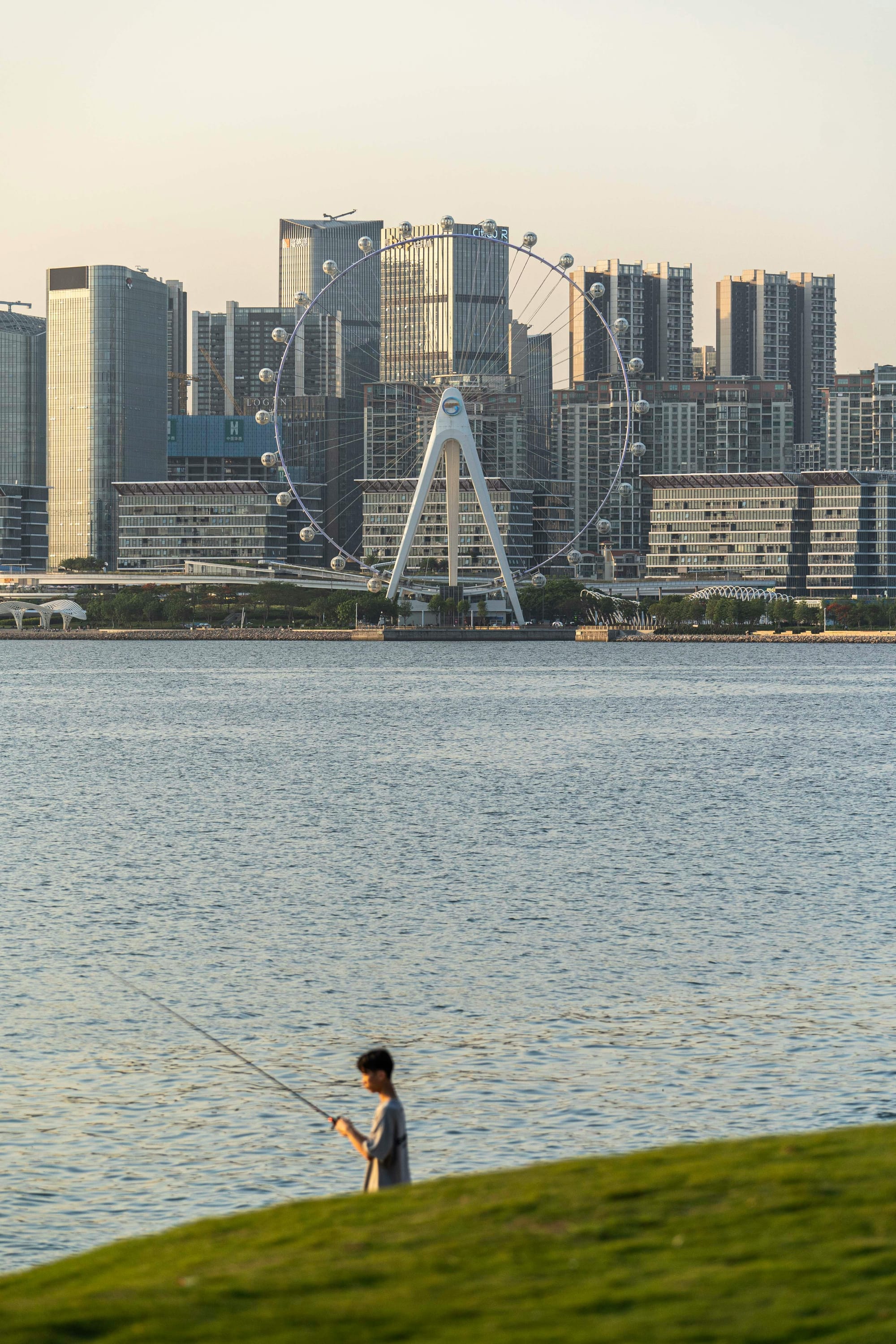
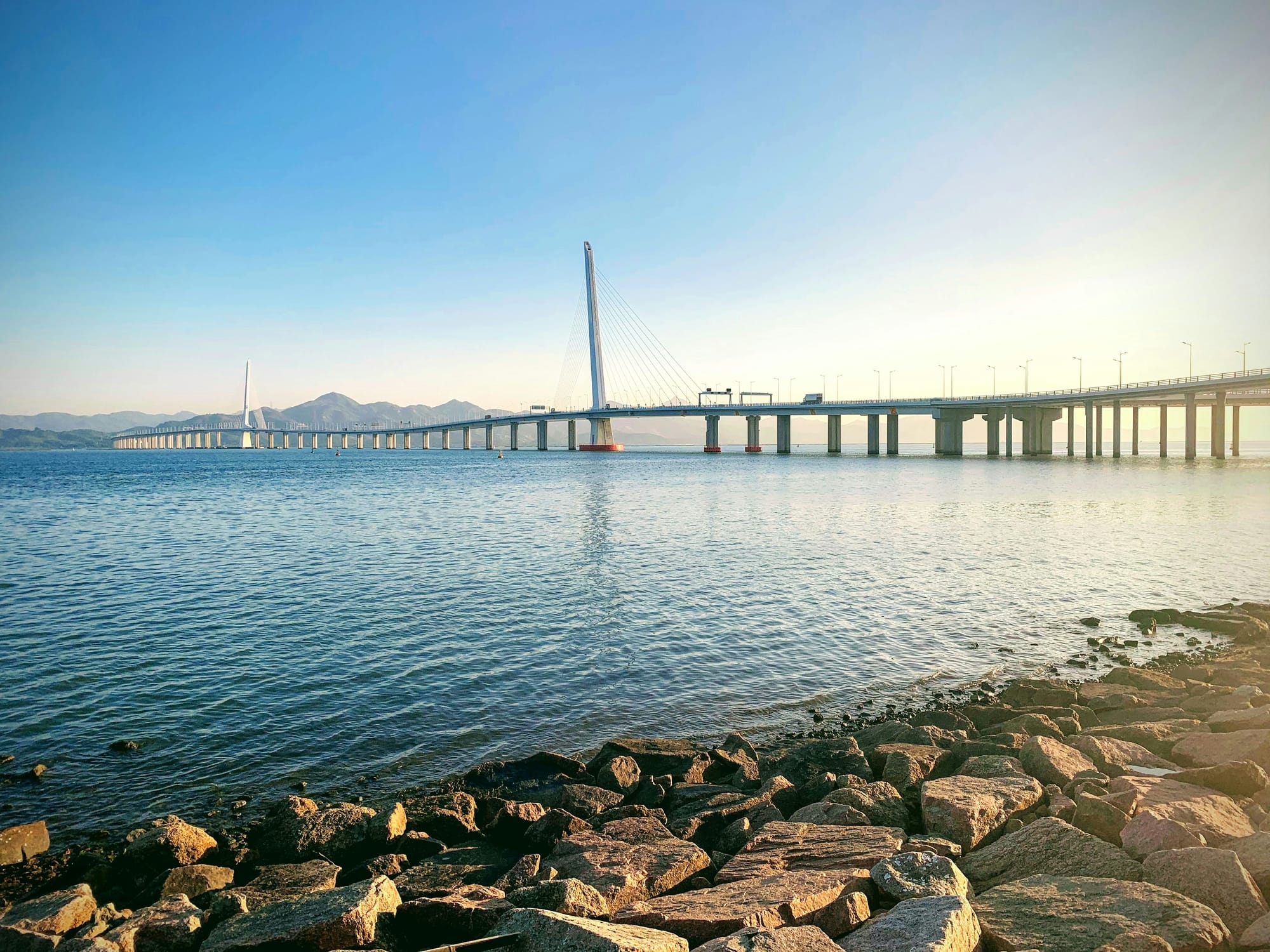
Shenzhen Bay Park (深圳湾公园) is a long waterfront walk facing Hong Kong, with mangroves and egrets along the mudflats. It's best at sunset, when the skyline lights up behind you.
Dapeng Fortress (大鹏所城), built in 1394 CE under the Ming dynasty (1368–1644 CE) to guard the coast against pirates, is the oldest layer of the city still standing, its gates and general's mansions intact. Shenzhen's nickname, "Pengcheng," comes from it.
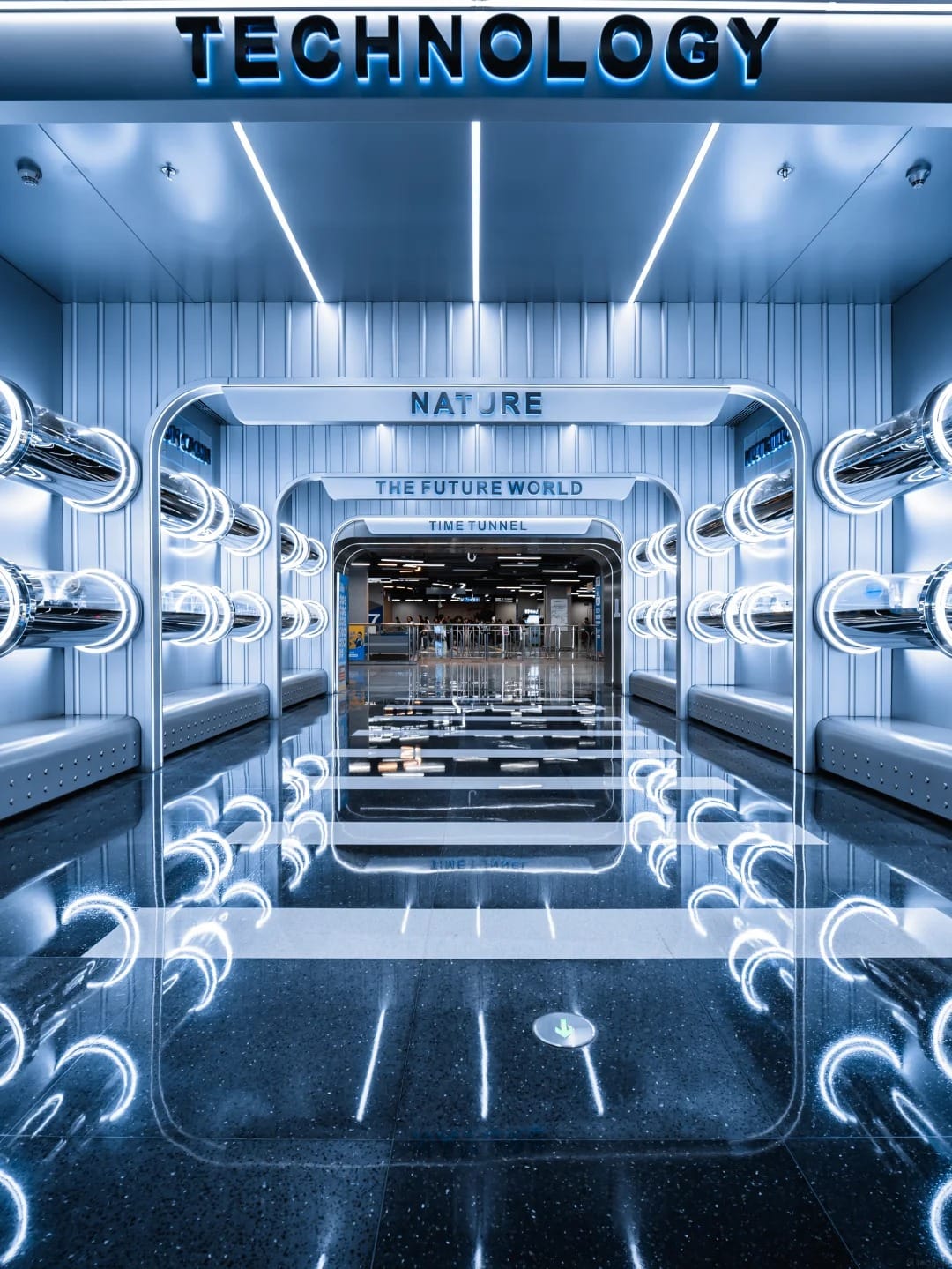
Everyday future is part of the furniture here: drones deliver coffee to pickup kiosks in some business districts, and Gangxia North (岗厦北) metro station turns a commute into architecture, with spiral skylights over the platforms.
Food to seek out: As a city built by migrants, Shenzhen’s food scene spans every corner of the country and beyond, yet its true culinary anchors remain distinctly regional. Hakka basin feasts (pencai), where pork, chicken, prawns, and mushrooms are layered into one communal bowl; Chaoshan beef hotpot, featuring paper-thin cuts sliced to order; and silky rice rolls (cheung fun), steaming on corner stalls across old market districts like Dongmen.
- BEST FOR
You are curious how an entire metropolis can rise from scratch in forty years, and you'd rather experience that story in person than read about it.
You thrive on modern energy, tech, and design—from vast electronics markets and soaring skyscrapers to coffee delivered by drone—or those looking for an easy mainland addition to a Hong Kong or Guangzhou trip.
Even if modern ambition leads the way, you'll still enjoy discovering charming pockets of history.
- MAY NOT BE FOR YOU IF
You're looking for ancient temples and old streets- Shenzhen has a few but they're the exception here. You prefer places that feel settled and slow, because this city is always building something. You're sensitive to heat and humidity, since summers are sticky and late summer brings typhoon season.
- HOW LONG?
2–3 days on its own, though most visitors pair it with Hong Kong or Guangzhou: one for Lianhuashan, Huaqiangbei and the Ping An observation deck, one for the coast and Dapeng Fortress.
- GETTING THERE
Shenzhen Bao'an International Airport has direct flights across China and a growing number of international routes. From Hong Kong's West Kowloon station, the high-speed rail link reaches Shenzhen in about 15 minutes.
- PAIRS WELL WITH
Hong Kong, about 15 minutes by high-speed rail, for the contrast across the border · Guangzhou, under an hour by high-speed rail, for Cantonese food and older Lingnan streets
Shenzhen has foreign-visitor service centres at the airport and main border crossings that help with mobile payment, SIM cards and currency exchange.
October to December is the most comfortable season, cool and dry.