Shanghai
A century of borrowed influence, made entirely its own
Shanghai first became a town in the Song dynasty (960–1279 CE)— but before it opened to foreign trade, it sat well below Suzhou, Hangzhou and Nanjing in political, economic and cultural weight. What changed everything was a single date: November 17, 1843, the day the treaty port opened.
From that point, Shanghai took a path no other Chinese city took. Foreign concessions, mixed Chinese-foreign neighbourhoods, and successive waves of migrants — domestically and internationally — turned it into a city rewritten many times over without losing its internal logic.
That capacity to absorb outside shock and metabolize it into something still recognizably its own is Shanghai's deepest civic trait. It has a name — Haipai, or "Shanghai style" — and a motto that captures it in five words: hai na bai chuan, "the sea admits a hundred rivers."
- THE EXPERIENCE
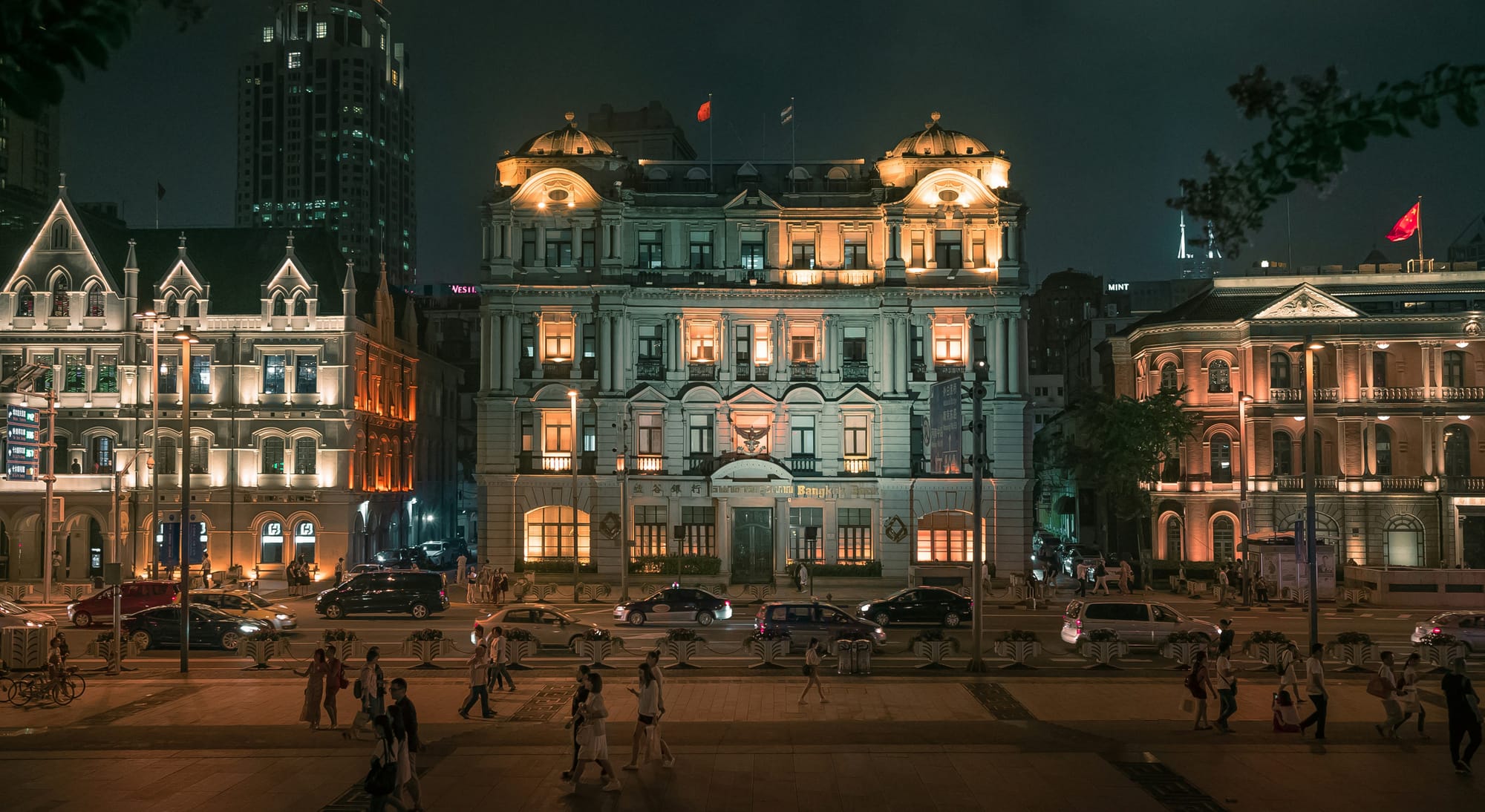
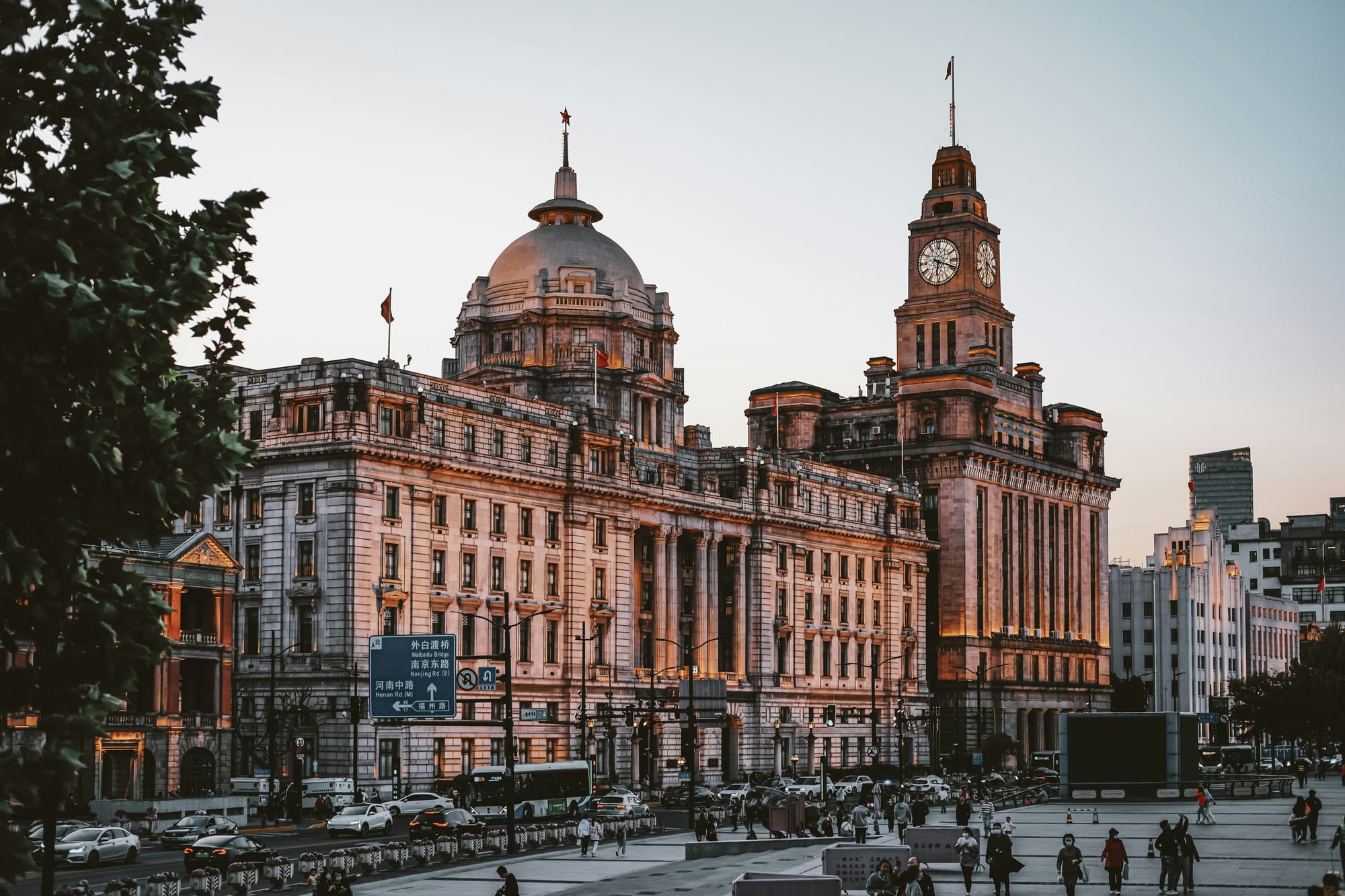
1. The Bund puts two eras in one frame. Fifty-two buildings — Gothic, Romanesque, Baroque, Art Deco — line the west bank of the Huangpu River, mostly banks, trading houses, consulates and hotels built between the early 1900s and the 1930s. Together they're often called an "exhibition of world architecture," the clearest physical record of how the city's fabric changed after it opened to trade.
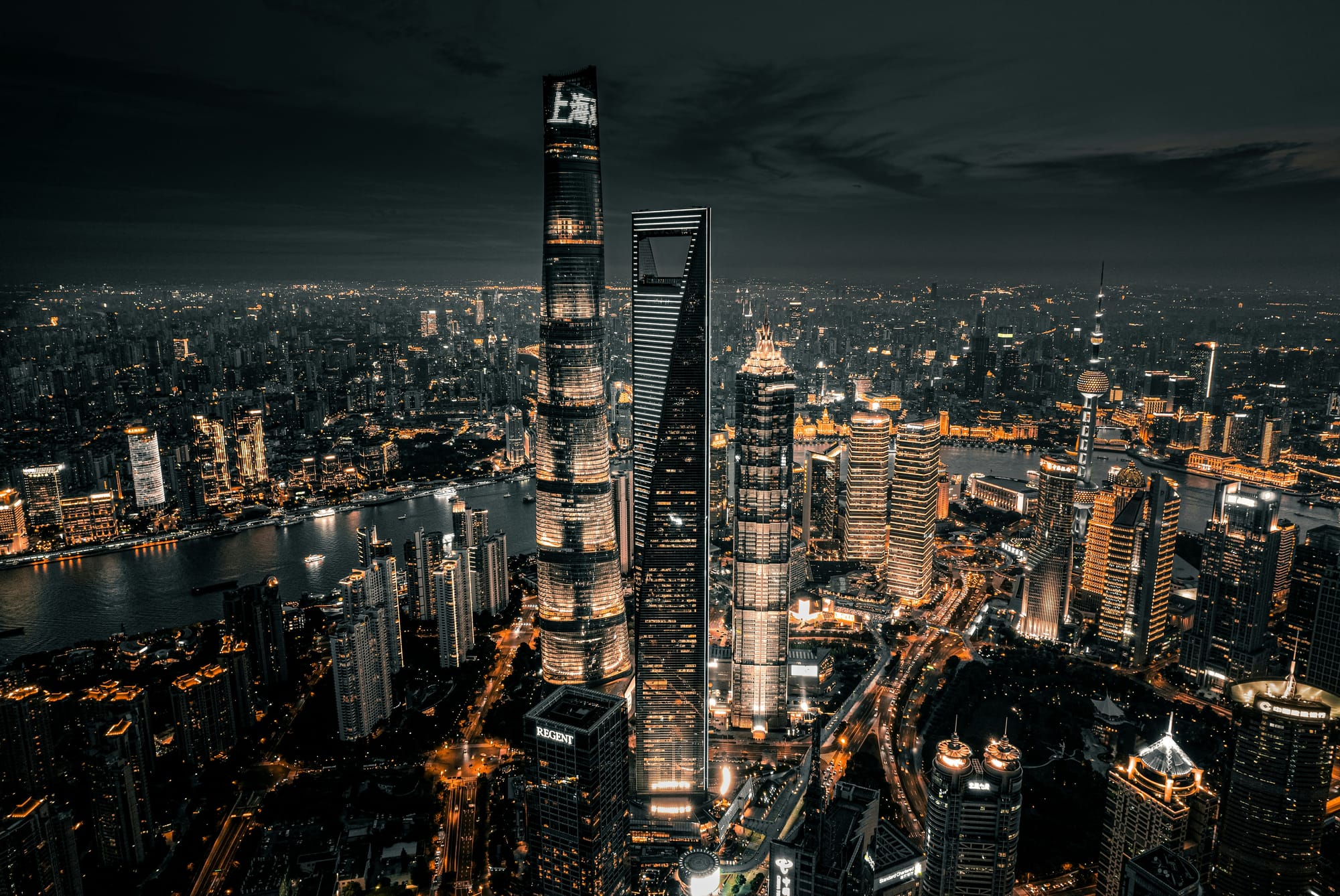
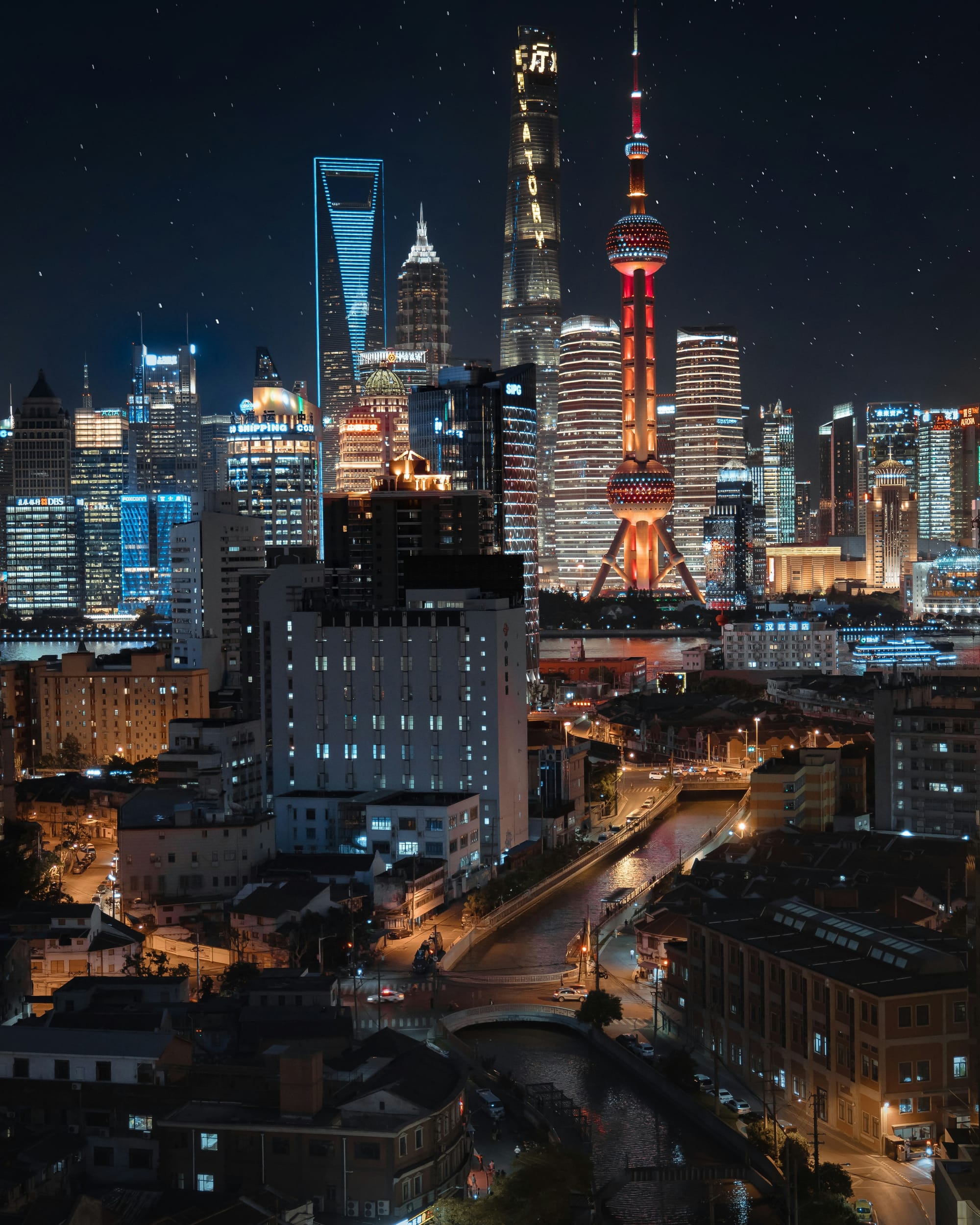
But what actually makes the Bund the Bund is what's across the water: Pudong's Lujiazui skyline, the Oriental Pearl Tower, Jin Mao Tower and Shanghai Tower stacked in the same sightline. Lujiazui became China's first — and still only — national-level finance and trade zone in 1990.
Walk the Bund's promenade for ten minutes and you'll have 1920s banking halls on one side and a forest of 21st-century towers on the other — a unique "two eras facing each other across a river" experience.
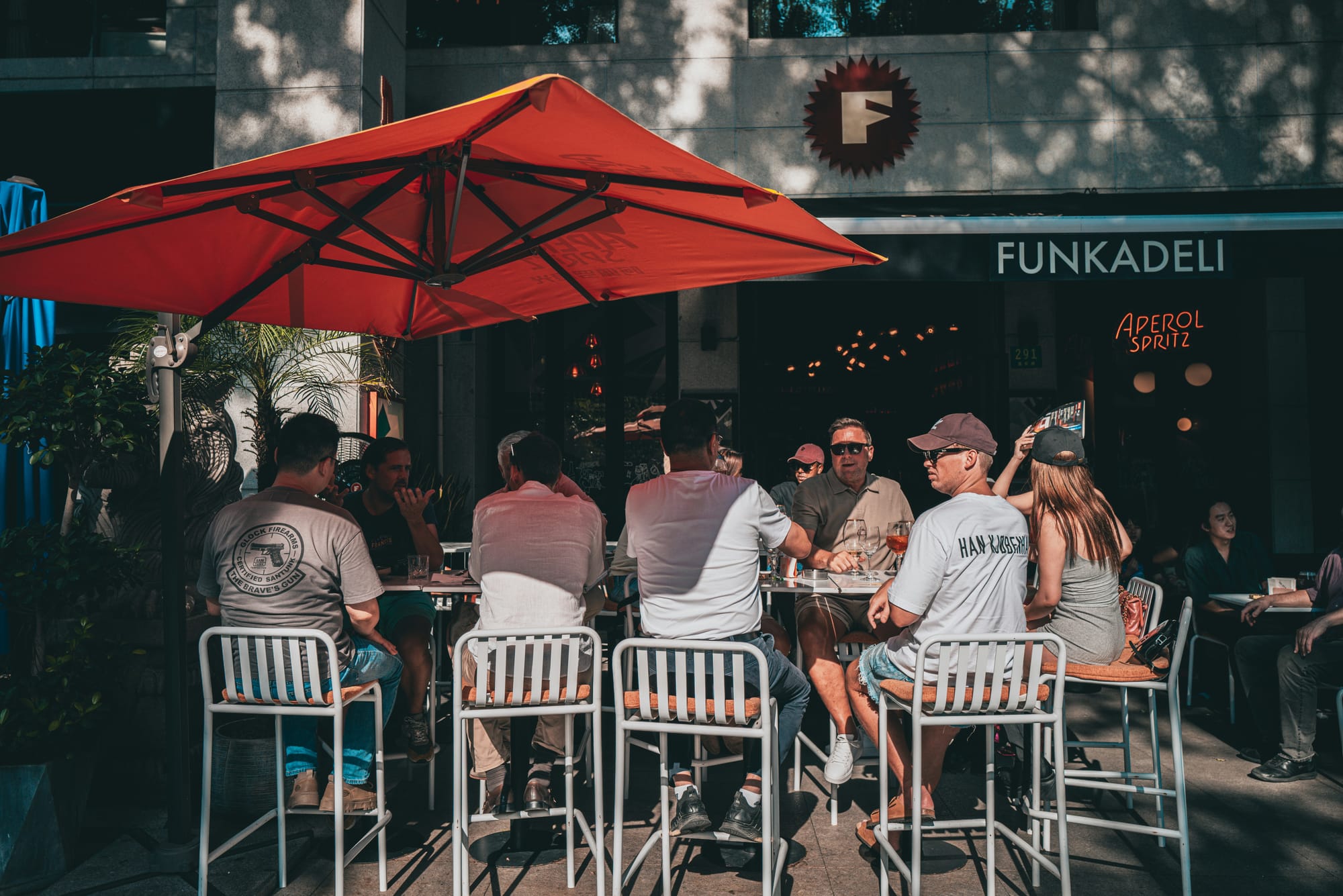
2. The Wutong district — Wukang Road, Anfu Road, Yuyuan Road — is Shanghai at its least "attraction"-like. It isn't a tourist street; it's the texture of the city's early-modern middle-class life: old garden villas, French plane trees, corner cafés, independent boutiques, galleries and bakeries, all mixed together. Wukang Mansion, a wedge-shaped 1924 Art Deco apartment block sitting on the sharp angle where six roads meet, is the area's visual landmark — but the real reason to walk here is what's behind it: wet markets, shoe-repair stalls, old-fashioned barbershops and independent cafés sharing the same block.
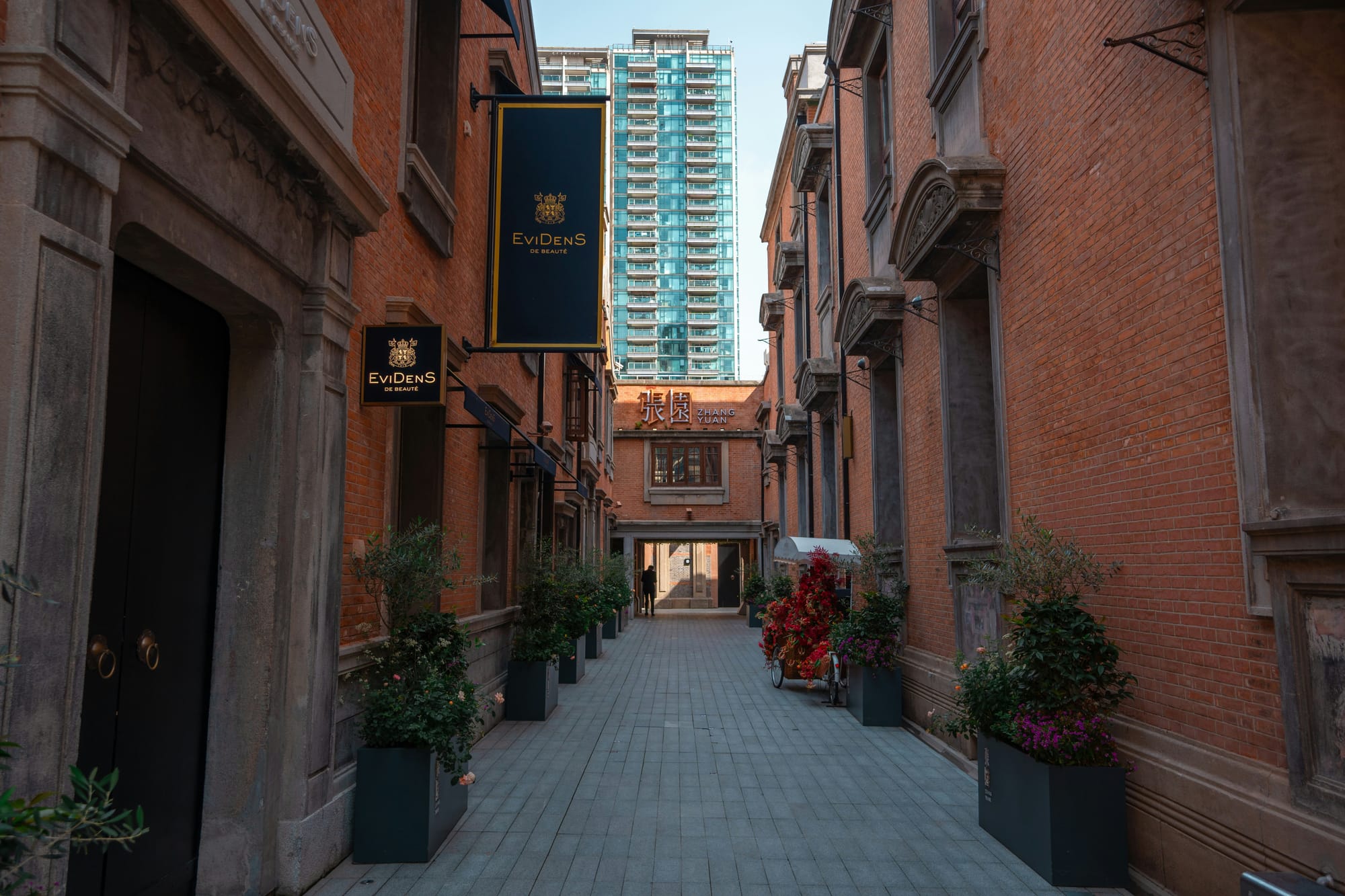
3. Shikumen — Shanghai's signature early-modern housing type, stone gateways and lane courtyards — is what the city has spent the last two decades quietly reinventing rather than tearing down. Zhang Garden and Tianzifang show the old lanes still standing, now layered with galleries, boutiques and cafés. M50, a former cotton mill on Suzhou Creek, and the West Bund's converted docks and warehouses take the same instinct further, turning industrial leftovers into some of the city's best art and lifestyle precincts.
- BEST FOR
That big-metropolis energy, but with texture. Curiosity about early-modern urban history, concession-era architecture, and the push and pull between Chinese and foreign culture. A city best discovered block by block, where the real finds are the ones you stumble into. Contemporary art, design, and a coffee culture that runs deep rather than trendy.
Shanghainese cooking and street snacks — as long as a little sweetness in your savoury food doesn't throw you off.
And if you're travelling solo, Shanghai might be the easiest city in China to do it in. The metro reaches everywhere, cafés are on every corner, and stepping into any small shop alone never feels out of place.
- MAY NOT BE FOR YOU IF
You want an "old city" to wander — Shanghai has no intact ancient walls and no stretch of preserved Ming or Qing streets; its historical layers are early-modern, not ancient.
You find fast-paced, dense, expensive cities tiring — Shanghai can wear you down if that's not your rhythm. You're chasing the "imagined China" of red lanterns and temple roofs — outside Yuyuan Garden, that's not really what Shanghai is about.
- HOW LONG?
3-4 days: start at the Bund, walking north along Nanjing East Road, ending with the Puxi architecture and Pudong skyline lit up at dusk.
Spend the second day in the Wutong district — Wukang, Anfu and Yuyuan Roads — then head to the West Bund in the afternoon for its museums and converted industrial spaces.
Save the third for Yuyuan Garden and the old town, with Nanxiang soup dumplings or Shanghainese cuisine for lunch, then M50 or the West Bund's Long Museum and Yuz Museum in the afternoon if contemporary art interests you.
With a fourth day, go up Shanghai Tower's observation deck or out to Disneyland, or take the metro to Zhujiajiao for a different face of the Jiangnan water towns.
- GETTING THERE
Shanghai has two airports — Pudong, mainly international flights, and Hongqiao, mainly domestic and directly connected to Hongqiao Railway Station, an easy metro transfer once you land.
The city has four main train stations — Shanghai, Shanghai South, Shanghai Hongqiao and Shanghai West — with Hongqiao serving as the high-speed rail hub.
The fastest trains from Beijing South take about 4 hours 18 minutes. The metro network covers the city extensively.
- PAIRS WELL WITH
Hangzhou, about 1 hour by high-speed rail, for West Lake and a slower pace · Suzhou, under 30 minutes, for classical gardens and canal towns · Nanjing, about 1.5 hours, for more pre-modern history
If your trip lands in autumn, build in time for hairy crab season, running September to November.
Shanghainese diners treat it as an unhurried ritual — a table, a pot of warm Shaoxing wine, and an hour spent properly working through one crab. It's the least "efficient" thing about Shanghai, and one of the most local thing you can do.