Where Emperors Became Monks
Long before it appeared on the itineraries of curious travellers, Dali was an independent Buddhist kingdom, shaped by its own worldview and its own philosophy of power. Its legacy can still be read in the landscape today.

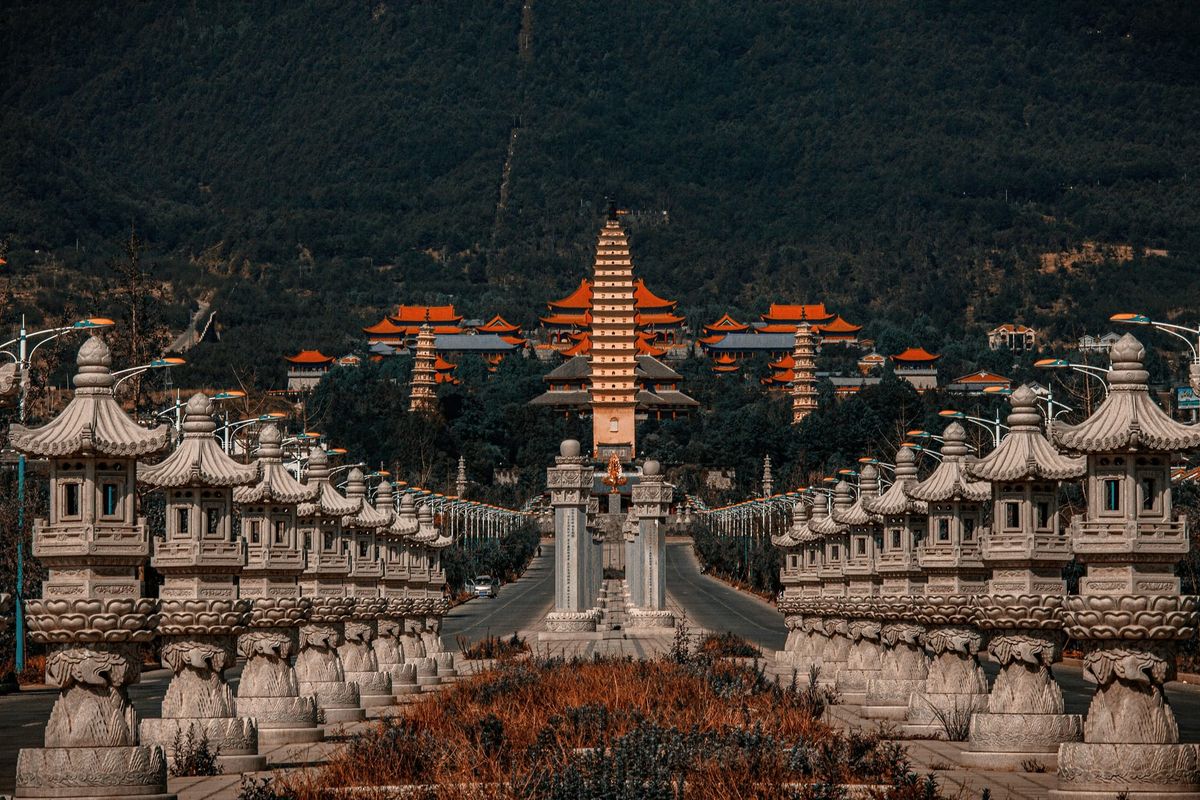
The Three Pagodas rise just north of Dali’s old town, with the Cangshan 苍山foothills stacked behind them like a painted backdrop. Every visitor photographs them. Few pause to ask what they are actually looking at.
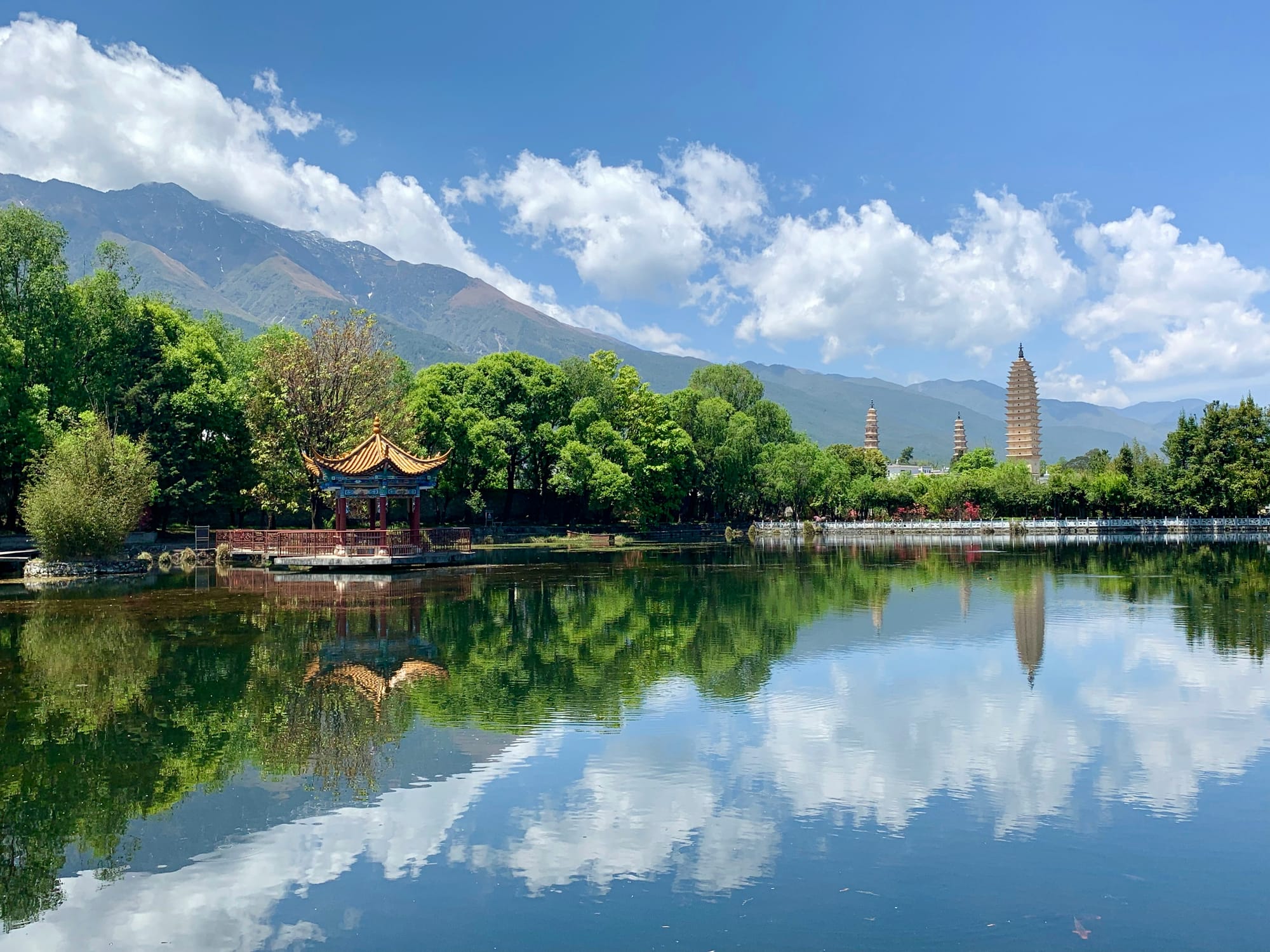
They are the most visible remnant of a kingdom that once governed itself here—and did so for more than three hundred years.
From 937 to 1253, the Dali Kingdom operated as an independent Buddhist state within China.
While dynasties in the north were consolidating imperial authority, the Duan family ruled this southwestern basin from their own court. They were neither rebels nor provincial administrators, but sovereign monarchs whose legitimacy rested as much on religious authority as on political control.
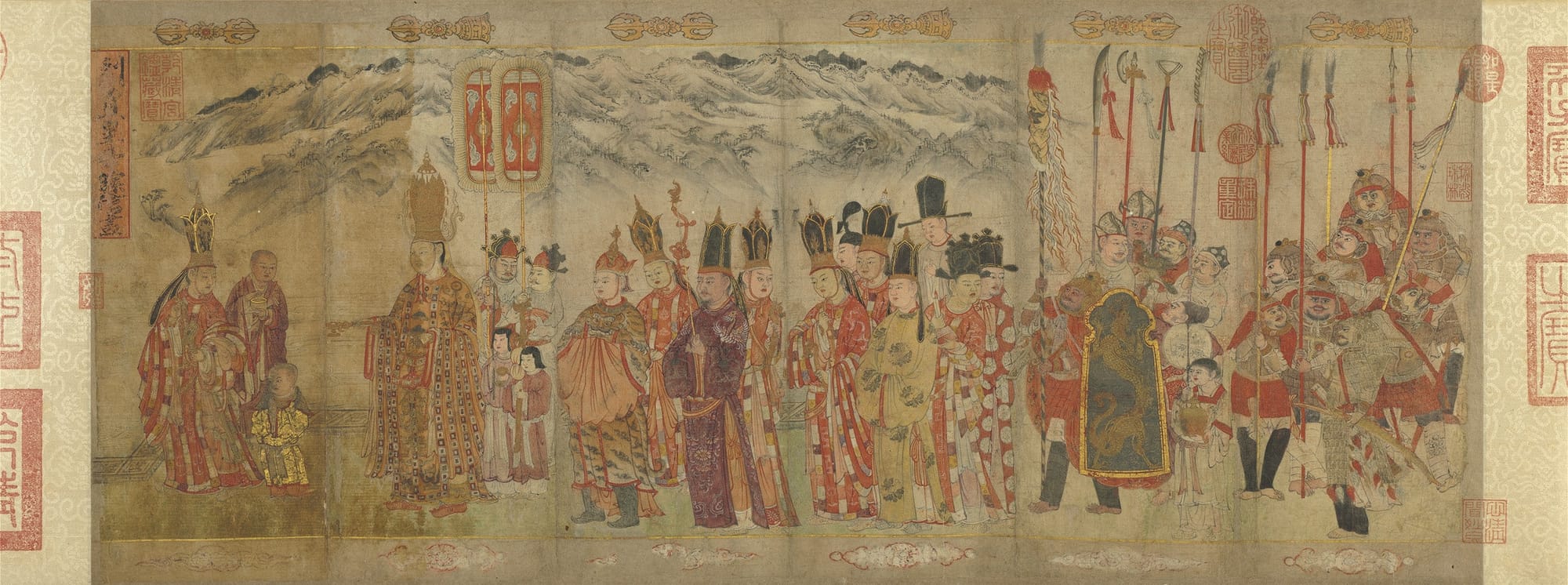
A Kingdom Between Worlds
Dali sits at the juncture of Tibet and mainland Southeast Asia. Trade routes carried horses northward and textiles southward. Religious ideas moved just as fluidly. The Bai people, indigenous to this valley, absorbed these currents and fashioned something distinct: a culture that was neither wholly Chinese nor fully Southeast Asian, but unmistakably its own.
Chongsheng Temple, of which the pagodas formed a part, was the spiritual nucleus of this world. The Buddhism that took root here—often called Azhali Buddhism—carried influences from Tibet and India while retaining deeply local rituals. It reflected Dali itself: connected to the wider world, but never fully absorbed by any single one.
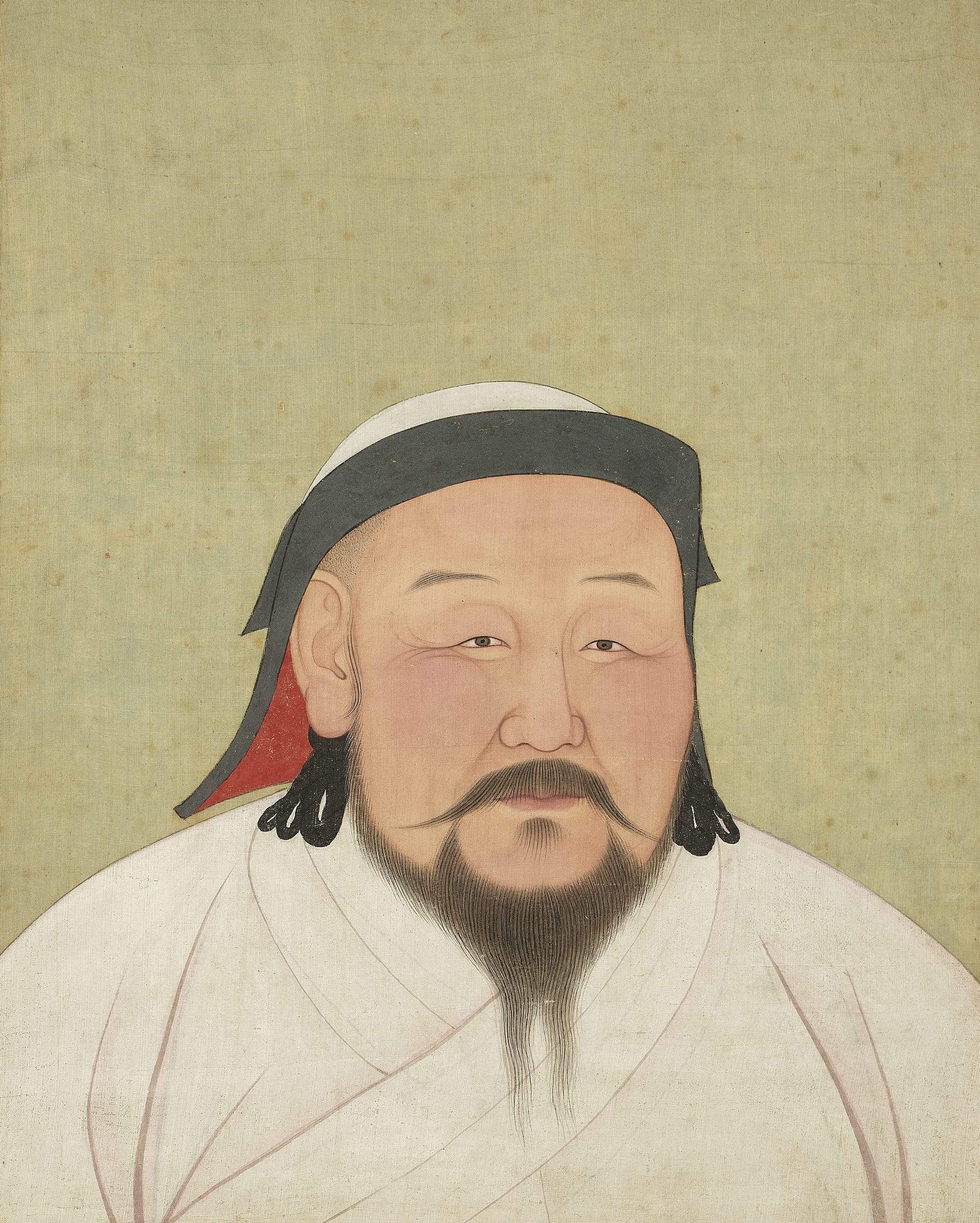
Then, in 1253, Kublai Khan’s forces—the grandson of Genghis Khan—absorbed the kingdom into a larger imperial order. Political autonomy ended.
Cultural memories lived on.
A Kingdom Where Rulers Walked Away
Of Dali’s 22 rulers, nine eventually abdicated the throne and entered monastic life at Chongsheng Temple. Here, power was not always understood as something to accumulate indefinitely. It could be surrendered in pursuit of another kind of authority.
In 1978, restoration work revealed a hidden archive inside the tallest pagoda: gold and silver statues, manuscripts and ritual objects sealed away for nearly a thousand years. The cache was a time capsule from a kingdom that had disappeared.
Where to see the collection today
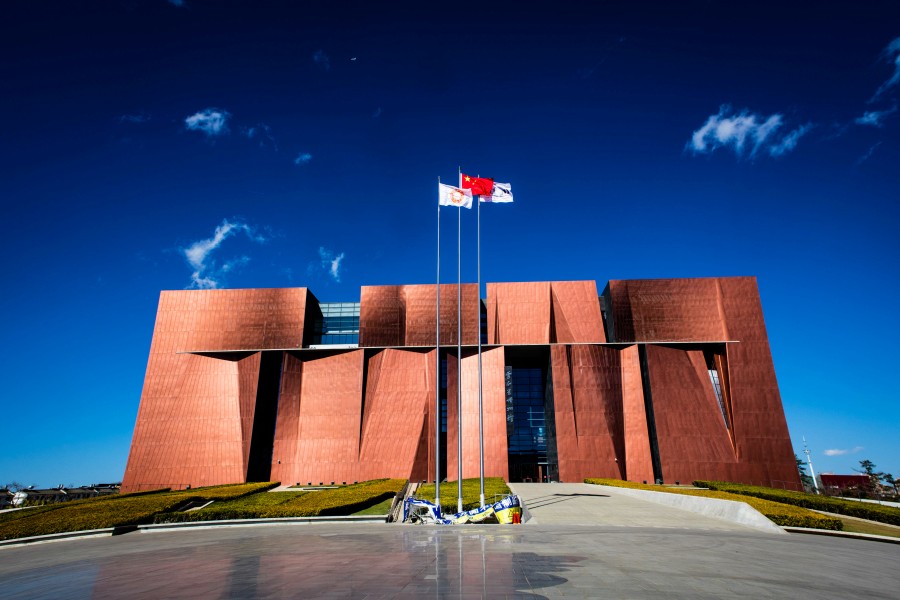
Visit the museum inside the Three Pagodas tourist area for immediate cultural context.
Head to the Dali Bai Autonomous Prefecture Museum—a world-class, free regional institution.

The Final Shot
The pagodas remain where they always have been for over 1,000 years: steady, in situ, against the mountain.
For the traveller with curiosity to spare, they offer something beyond a well-composed photograph. They are architectural witnesses to a kingdom that sat at the crossroads of Asia and forged a culture distinctly its own.
The next time you raise your camera, look beyond the monument. What appears to be a landmark is also a record of the worlds that came before it.
— Mandarin Unpeeled

![[Quiz] Find the China City for How You Actually Want to Travel Right Now.](https://storage.ghost.io/c/73/63/7363a138-5ebf-4ec5-bfdf-0956583c3258/content/images/size/w600/2026/09/Image-Sep-2--2026-at-03_59_42-PM.png)