This City Is The Antidote To The Global Sleep Crisis
Why Equinox’s $2000 sleep lab has nothing on Chengdu.

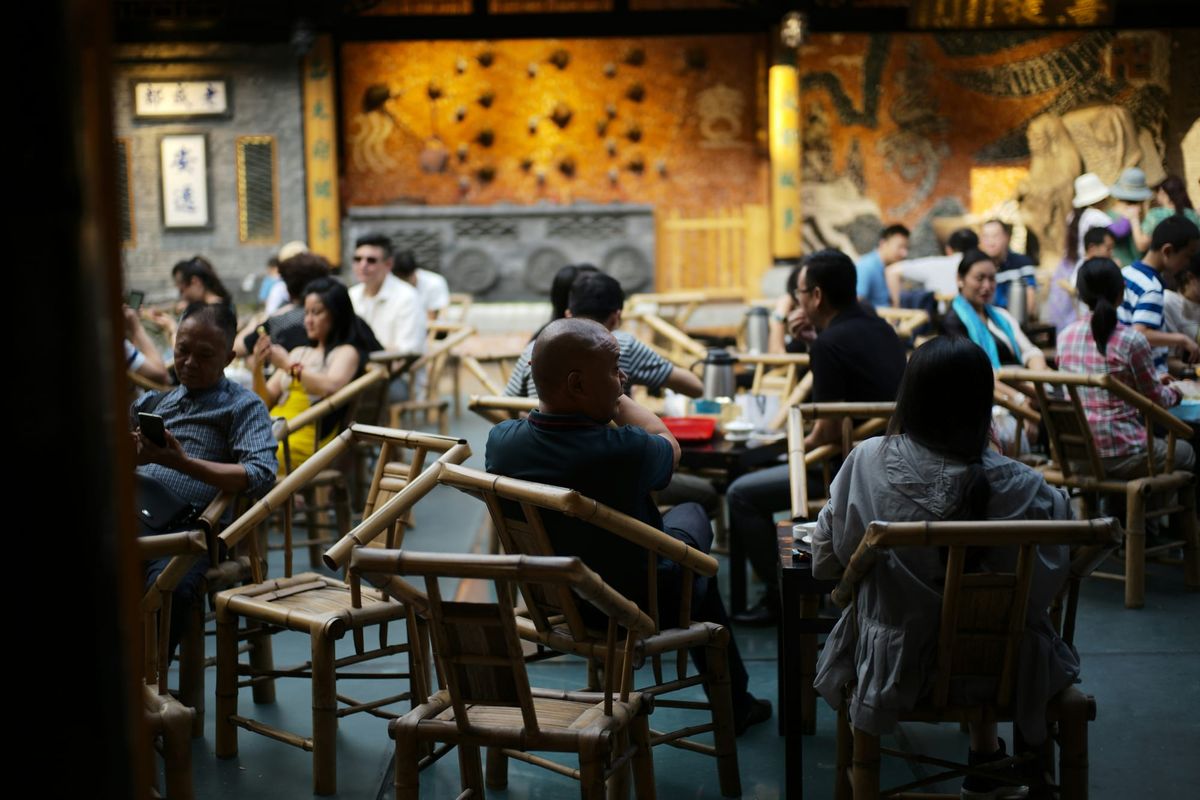
Now in New York, for roughly two thousand dollars a night, you can finally get some good sleep.
The Equinox Hotel's sleep lab comes with a resident sleep expert, a temperature-controlled mattress engineered to your body's precise requirements, CBD massage, and — should you need it — an IV drip.
The proposition is serious and the clientele more so.
Yet the end goal of this entire ritual, ultimately, is not even resting. According to the Sleep Experience’s website, it is so that you can wake up refreshed, recharged, and ready to perform.
It would be easy to see the irony and laugh, except that the people checking in are probably right. The modern relationship with sleep is like a forbidden affair: stolen, savoured, and never quite guilt-free.
For most of us living at the productive edge of modern economies, genuine rest has become genuinely difficult. We have not misplaced it- just reclassified it. Sleep now sits somewhere between inefficiency and concession — something the body insists on despite the calendar's better judgement. The logical endpoint of that belief system is that rest becomes a problem requiring a commercial solution. Outsource, optimize it, and check out by eleven.
The trouble is that the reason for the unrest-fulness follows you home.
No mattress fixes a worldview.
Chengdu is interesting for reasons that have little to do with pandas.
The animal may define its global image, but domestically the city represents something else: China’s capital of slow. Not slow in the sense of underdevelopment — Chengdu is a megalopolis of twenty-one million, a tech and finance hub, the centre of gravity of China's western interior.
Its slowness is something different: a cultural rhythm that survived industrialisation, and one that much of the modern world is now spending billions trying to recover.
This did not happen by accident or disposition. It happened by geography and social engineering.
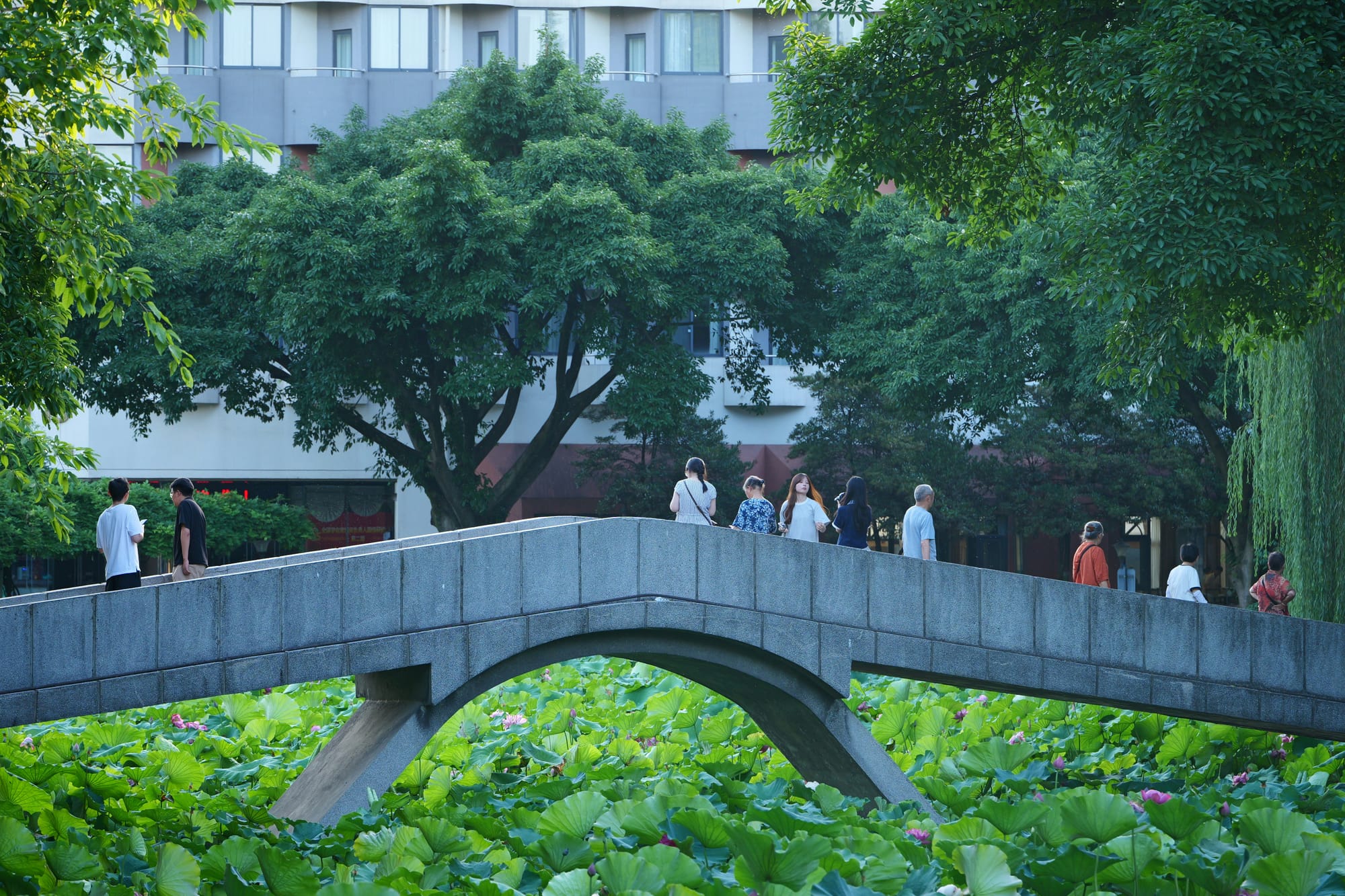
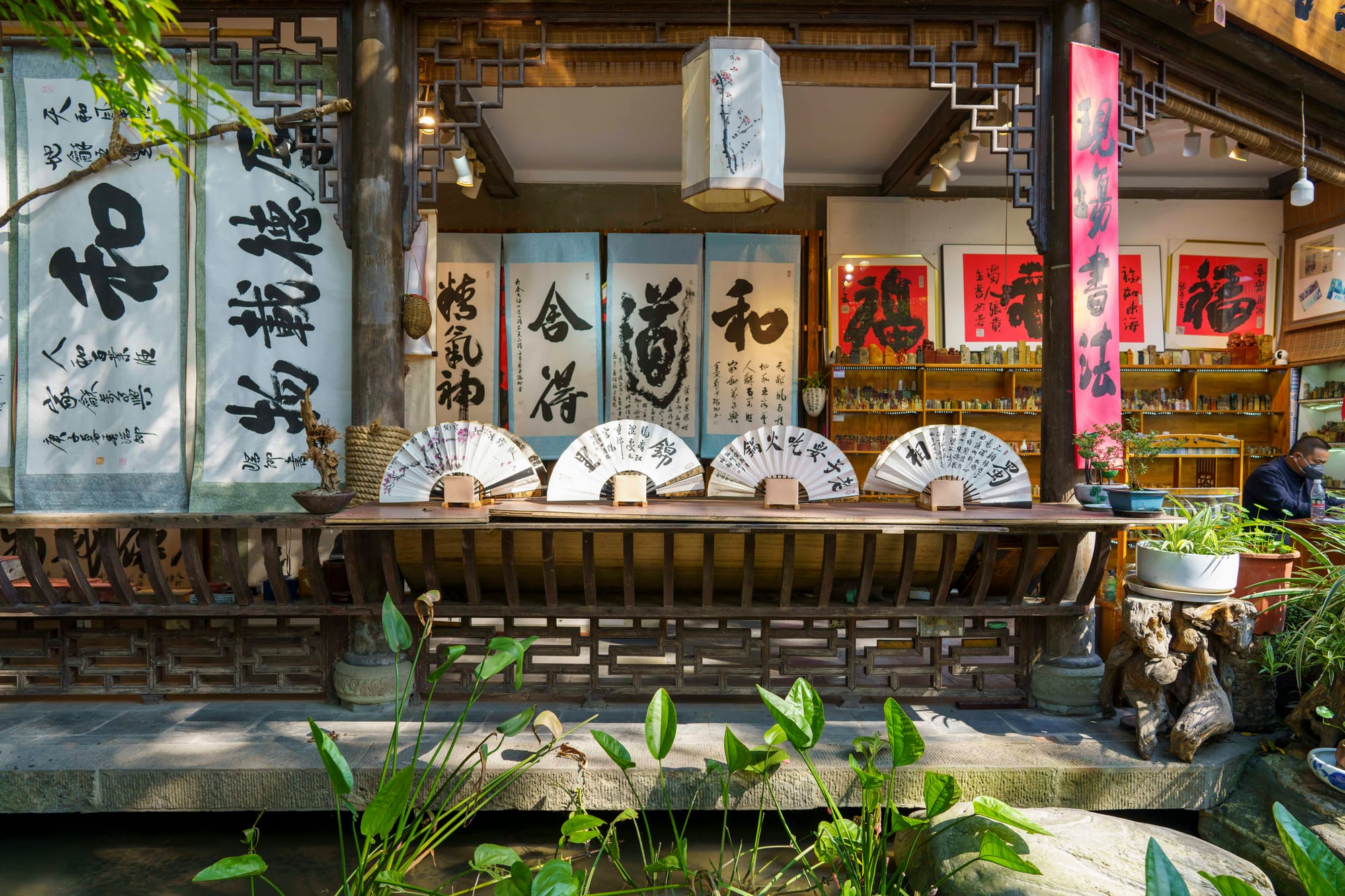
Chengdu sits squarely in the Sichuan Basin- ringed by mountains that kept it insulated from the wars and upheavals that often reset societies elsewhere in the country.
Then in 256 BCE, the governor Li Bing completed the Dujiangyan irrigation system — an engineering masterpiece still functioning today — which ended famine across the region by taming the Min River.
Translation: survival stopped being the primary organizing principle of daily life.
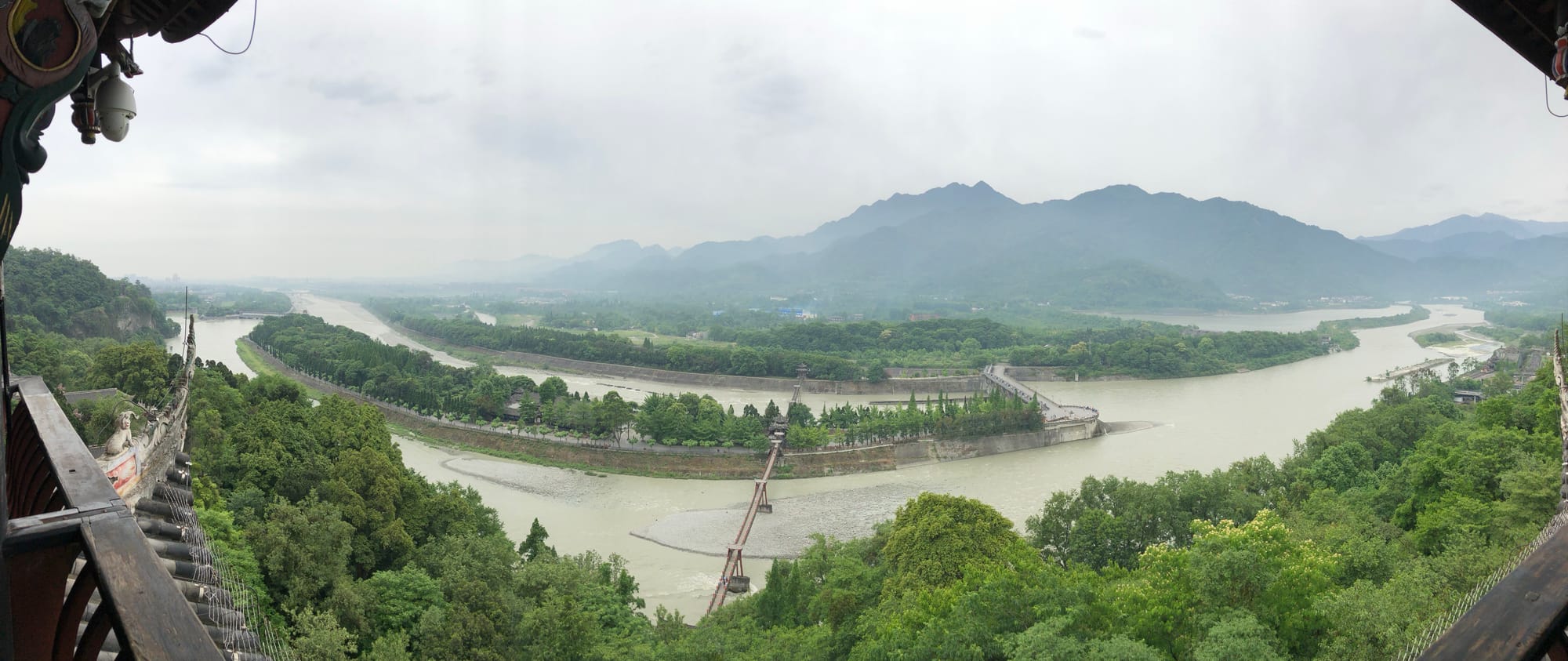
That safety net earned its residents the right to rest.
By the Tang and Song dynasties, Chengdu's calendar was thick with festivals, and its governors — not just its poets and merchants — were expected to participate. Public enjoyment was civic duty.
Wasting time well was considered a skill.
What that history produced is a city with leisure baked into its operating system. Exhaustion? Not a status symbol here. You see it in the morning rituals: the hour spent over white tea at a riverside teahouse. You see it in the midday nap, observed across income brackets with minimal apology. You hear it in the clack of mahjong tiles from park pavilions on a Tuesday afternoon — not retired elders killing time, but shopkeepers and taxi drivers on a proper break.
Chengdu is not about wellness or optimised recovery. It is about using time well without having to justify it.
This is a city that whipers, just by existing, you've already earned the right to rest.
How to Be in Chengdu
Our edited brief on sanctuaries that respect both historic architecture and acoustic quiet, balanced by an appreciation for the city's defining daily ritual: the teahouse.
Here is exactly where to unpack your bags and where to pull up a bamboo chair.

![[Quiz] Find the China City for How You Actually Want to Travel Right Now.](https://storage.ghost.io/c/73/63/7363a138-5ebf-4ec5-bfdf-0956583c3258/content/images/size/w600/2026/09/Image-Sep-2--2026-at-03_59_42-PM.png)