To Find Real Chinese Food, Forget Everything You Know
Beyond takeout staples and popular dim sum, explore the different types of Chinese cuisine through six authentic Chinese food specialties that challenge even the well-versed palate.

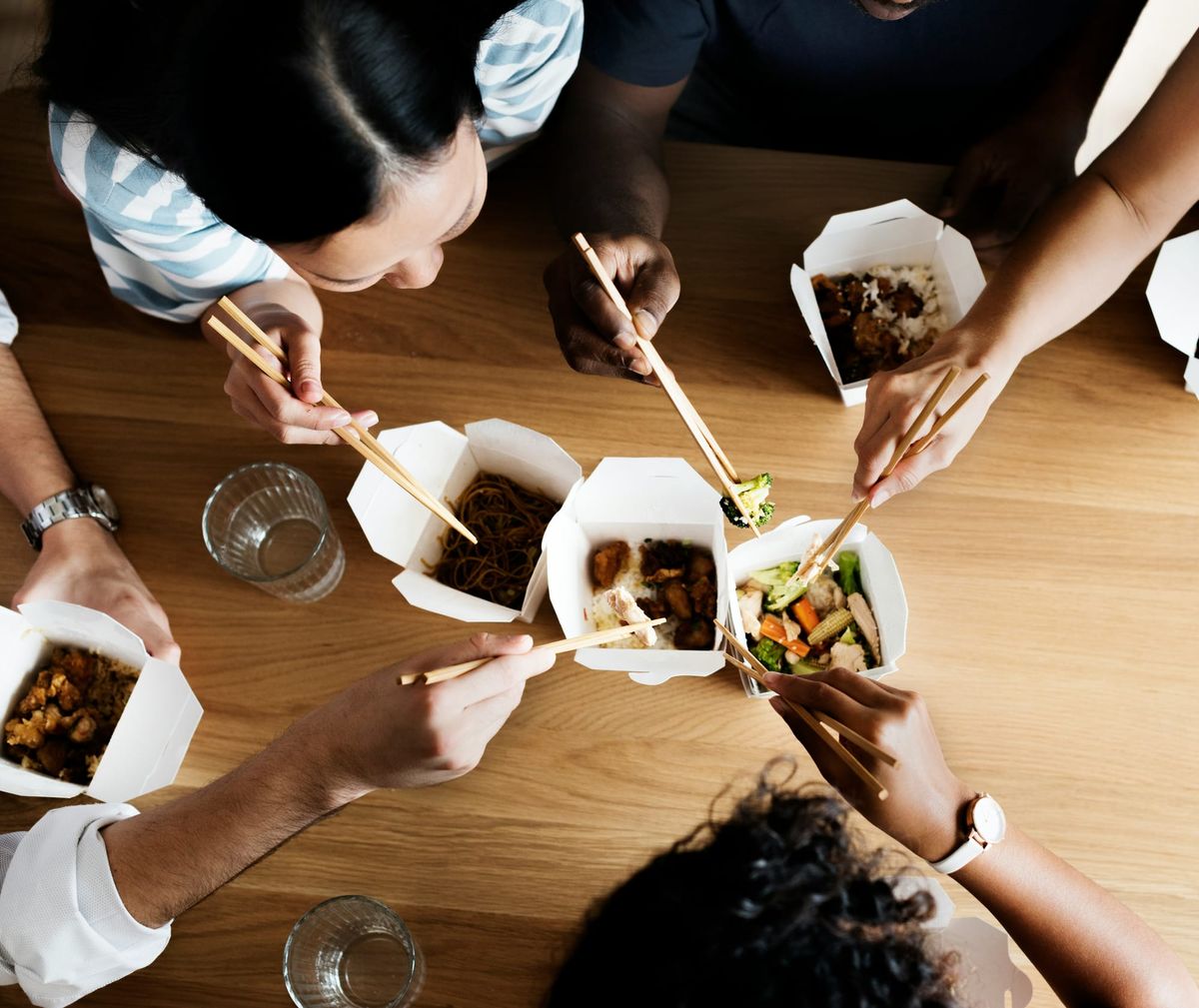
To mention "Chinese food" in most Western cities is to invoke a very specific, highly comforting lexicon: crisp spring rolls, glossy orange glazes, and takeout boxes eaten straight from the fridge. It is a cuisine that was lovingly translated, softened, and standardized over a century of migration.
Step inside China itself, however, and that familiar playbook instantly dissolves.
Across a landmass larger than the contiguous United States, there is no single "Chinese cuisine"—only a mosaic of fiercely distinct regional foodways shaped by climate, trade routes, and centuries of hyper-local tradition.
Even if you consider yourself well-versed in authentic regional dining—comfortable navigating Sichuan peppercorns, Dim Sum trolleys, or hand-pulled noodles—much of the country’s culinary map remains virtually untranslated. Here are six iconic regional dishes that sit far off the well-trodden path, challenging everything you thought you knew about what belongs on the table.
1.Guangdong Cuisine: The Ancient Tradition of Teochew Raw Fish
When Western diners think of Guangdong cuisine—traditionally known as Cantonese cooking—they usually picture delicate dim sum baskets, glossy roast duck, or gentle, clear-steamed fish. Yet tucked away in the coastal region of Chaoshan lies a raw, electric culinary tradition that challenges everything you expect from southern Chinese food: Teochew raw fish (Yusheng).
To explain it to uninitiated diners, Chinese-style sashimi is often the irresistible hook phrase. Long before modern Japanese sushi culture swept across the globe, cooks in Chaoshan were perfecting the art of slicing hyper-fresh, translucent fillets of grass carp or sea bass with paper-thin precision.
The experience, however, is unmistakably distinct from its Japanese cousin. Where sashimi relies on fatty cuts dipped lightly in soy sauce and wasabi, Teochew raw fish is an explosion of texture and herbal complexity. The paper-thin ribbons of raw fish are dressed at the table with a vibrant array of toppings: crushed peanuts, paper-thin galangal slices, sesame seeds, pickled radish, fresh coriander, and a drizzle of local sour plum oil. The result isn't a soft, melt-in-your-mouth bite—it is crisp, bracing, wildly aromatic, and a stunning testament to the sheer depth of Guangdong cuisine.