The Beijing Flagship Stores Worth the Detour
Not chasing the future. Resurfacing the past.

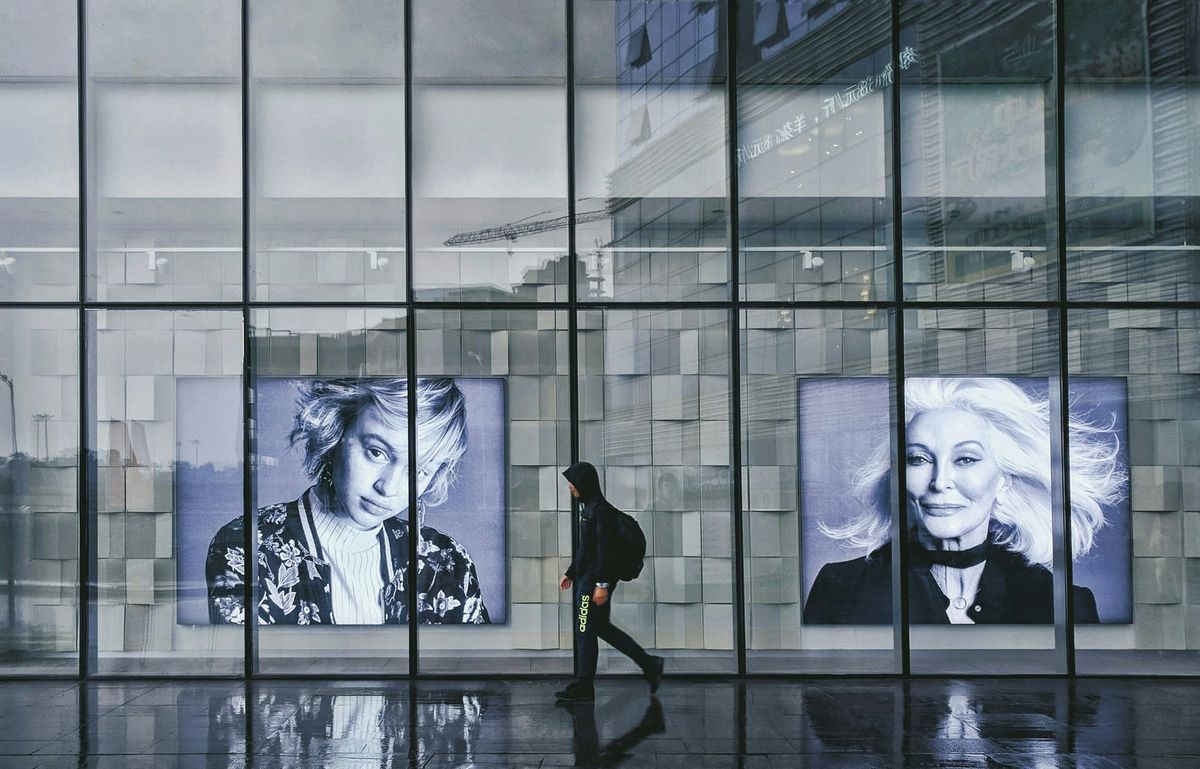
Increasingly, I am discovering Chinese brands through global audiences rather than my own networks on the ground.
To Summer, the Chinese fragrance house, first came to my attention through a Swedish friend with a taste for considered design and quiet scent. She had encountered the brand while working in skincare.
Songmont appeared via a US-based YouTuber known for cutting open luxury bags to test their construction. He ranked it above several established luxury names.
Chinese brands are now circulating through unexpected channels, often entering view through audiences with no particular stake in China at all.
The old shorthand of “Made in China” no longer carries a fixed meaning. Or rather, it begins to recover an older one.
"Chinese design culture was never absent. It simply existed outside the dominant global vocabulary for a period, as modern luxury codes were written elsewhere and adopted at scale."
What is emerging now is less reinvention than return. Long-standing aesthetic systems finding contemporary form through the language of brands.
It is a quiet shift. There is no single moment of arrival, no coordinated cultural export. No choreography to the attention. Instead, there is accumulation.
A new generation of founders is building from within cultural reference points rather than external signals.
To Summer builds its fragrances around notes such as tea and osmanthus, a flower associated with reunion, nostalgia and seasonal transition in Chinese cultural life.
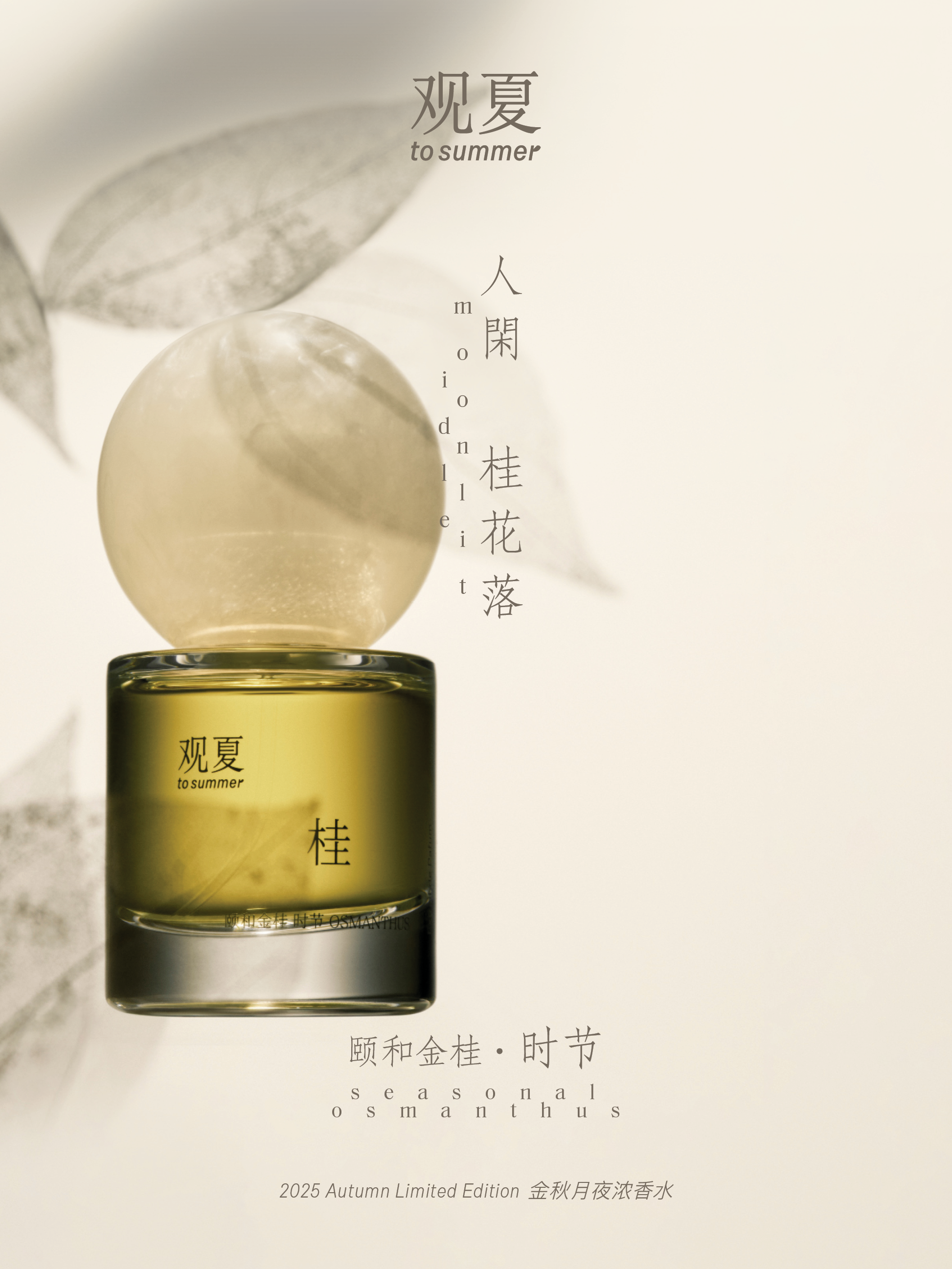
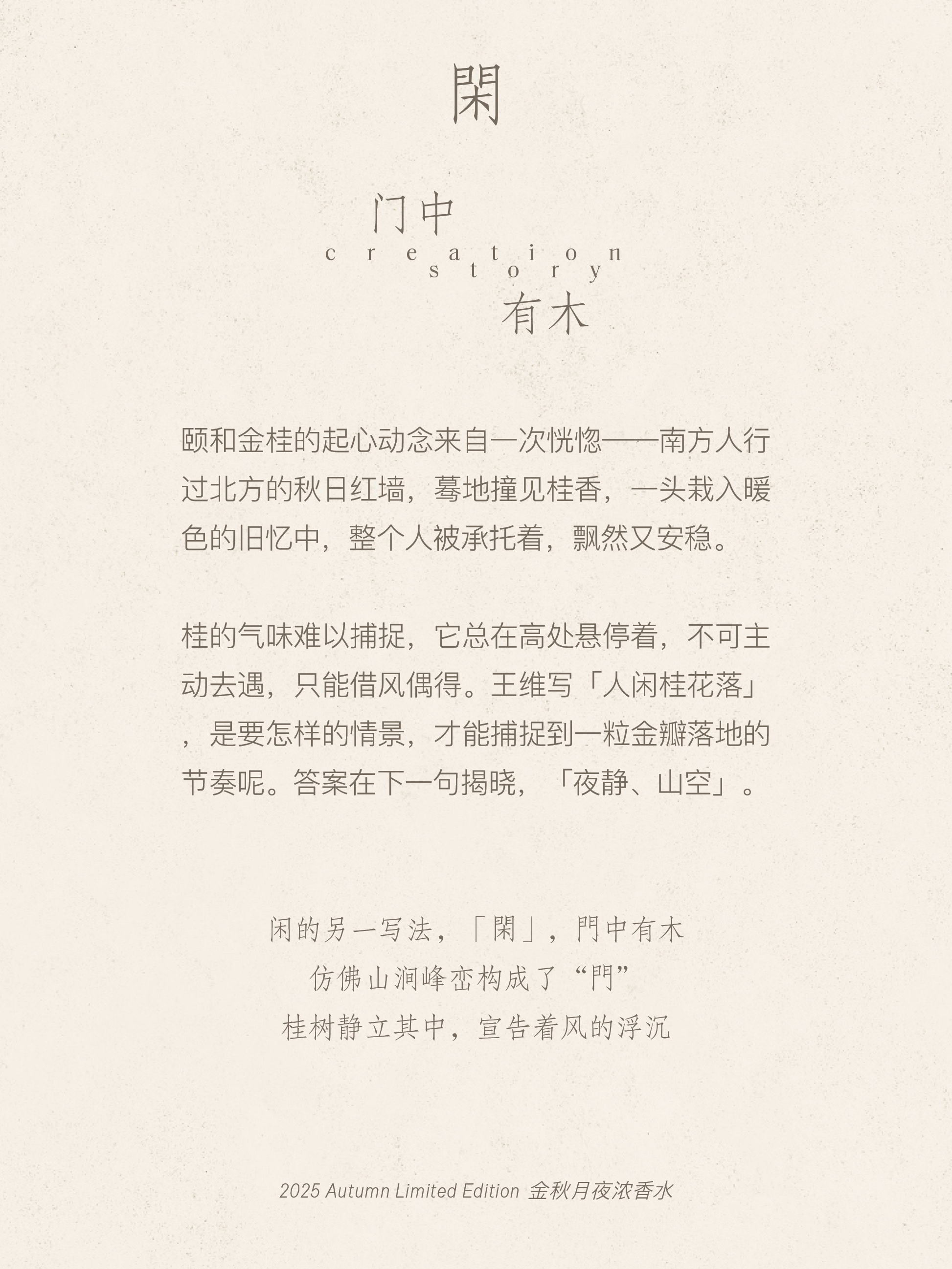
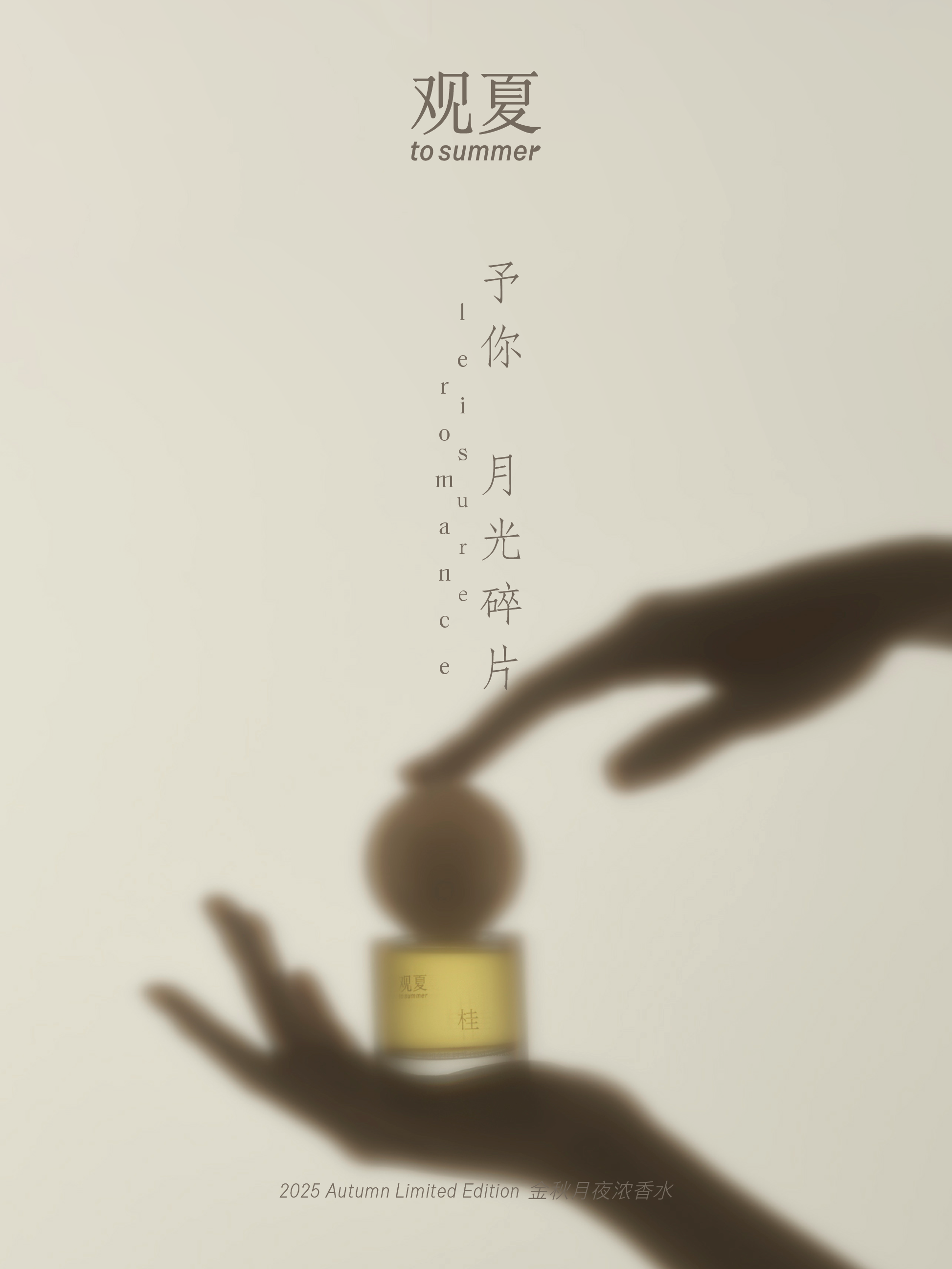
To Summer pairs nostalgic Chinese symbols with poetic text in brand communications. (Image courtesy of To Summer official)
Songmont’s designs draw on a similar visual language. Paper kites, roof eaves, the geometry of the lunar calendar, the silhouette of Silk Road camel saddles. Familiar forms, carried forward in modern reinterpretations.
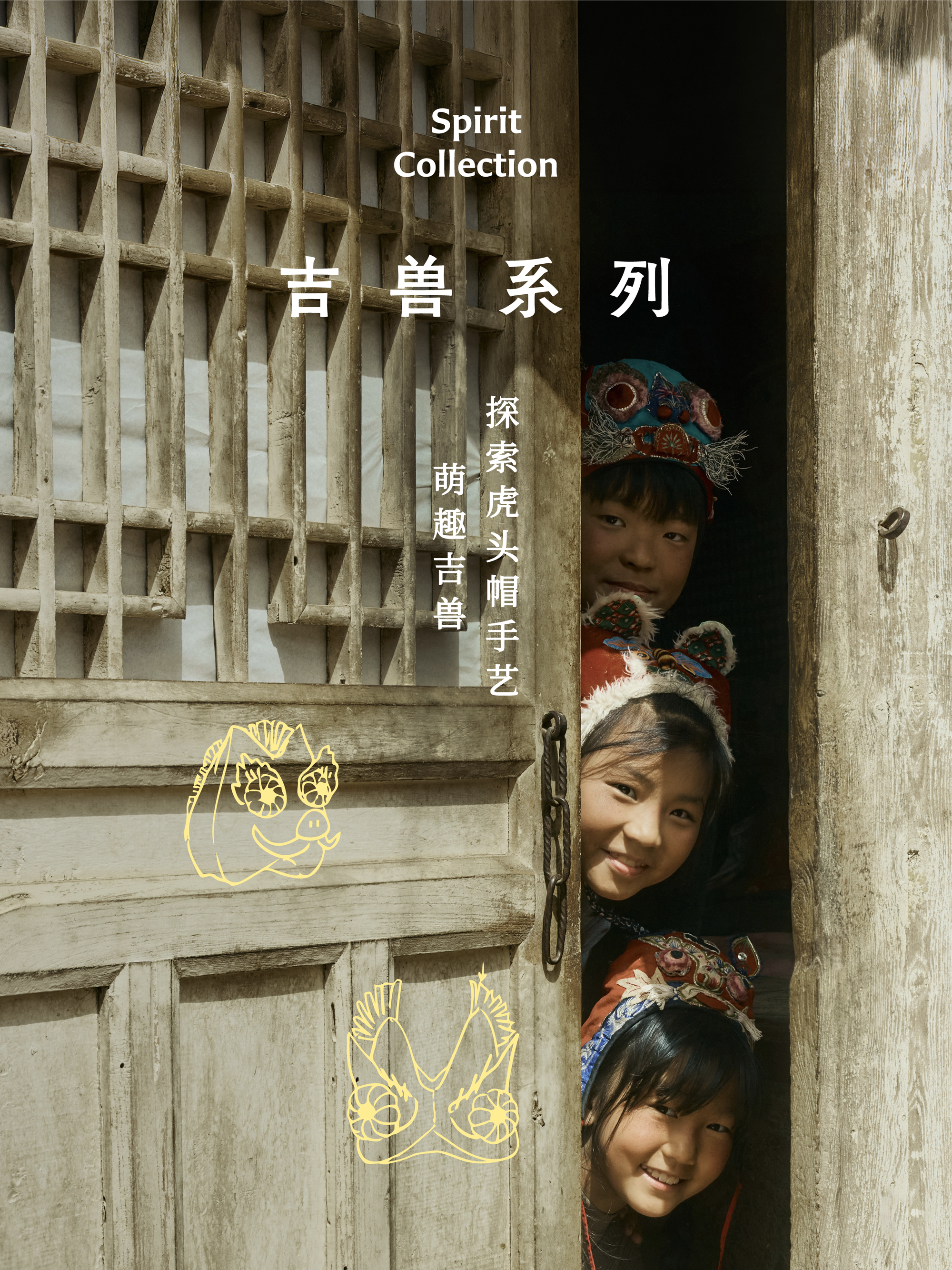
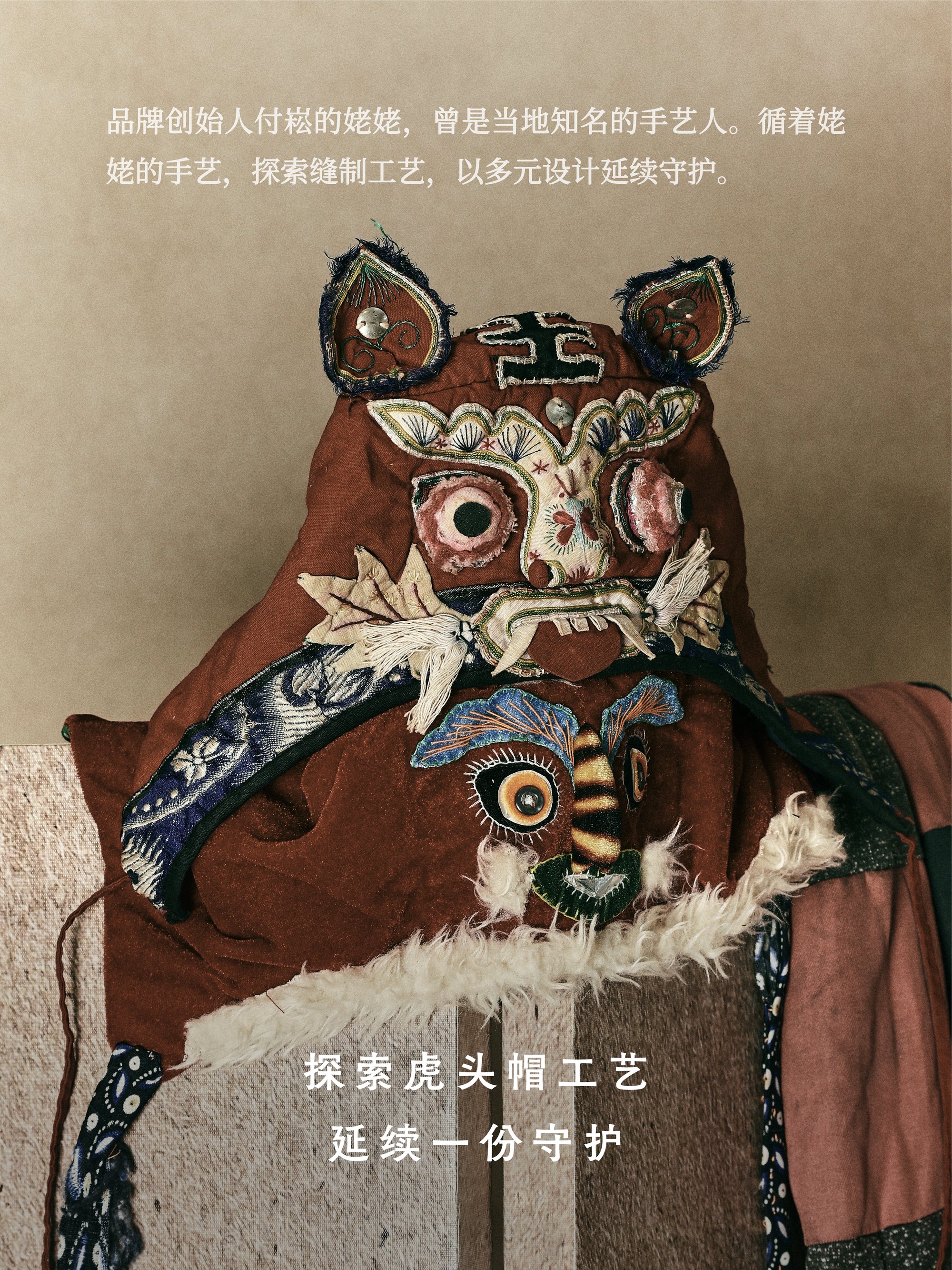
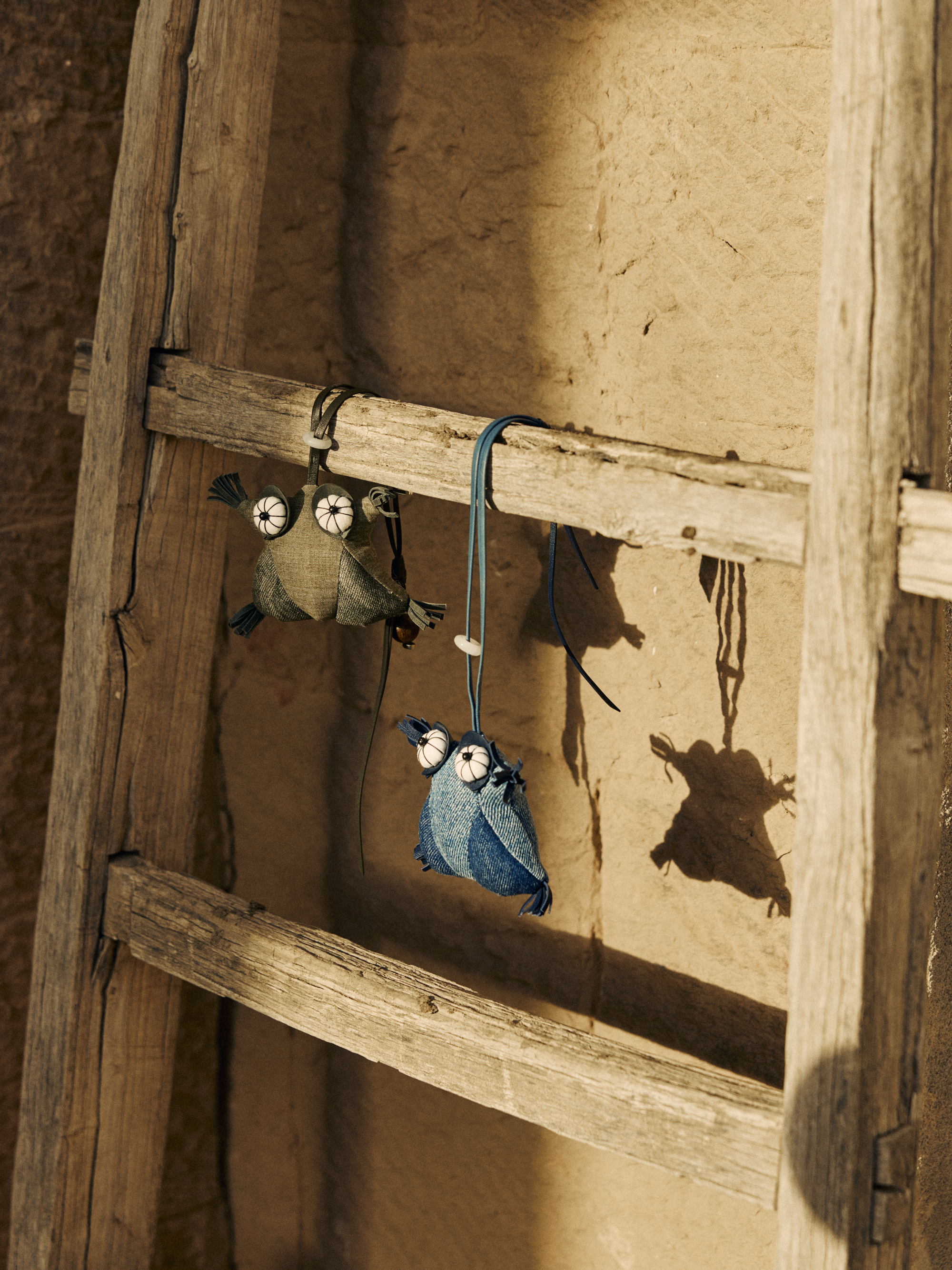
A Songmont bag accessory reinterpreting the traditional tiger head motif — ancient craft vocabulary, contemporary object. (Image courtesy of Songmont)
The term Guochao, or China Chic, is often used to describe this movement. It is usually framed through nationalism or cultural confidence. That reading is not incorrect, but it is incomplete.
What is more precise is that these brands operate within a cultural system that never fully disappeared. One where craft, symbolism and everyday aesthetics remained embedded, even when global luxury codes became dominant.
The result is not rejection of those codes, but layering. Western luxury provided the architecture: scale, distribution, branding. Chinese brands are now filling it with a different internal logic.
In a market where luxury has become increasingly uniform, cultural specificity has become the rarest luxury.
In a sea of homogeneity, there is texture again.
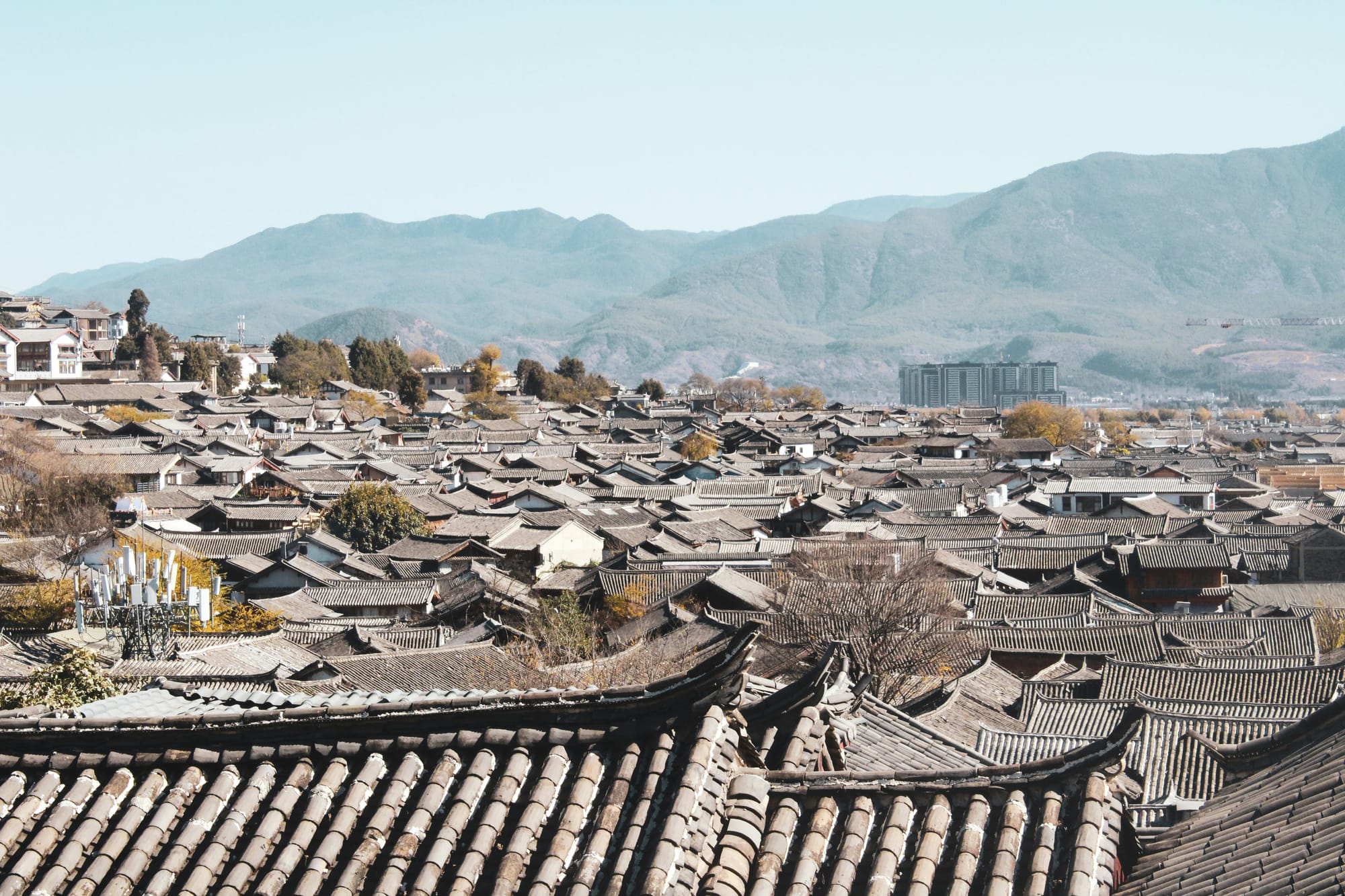
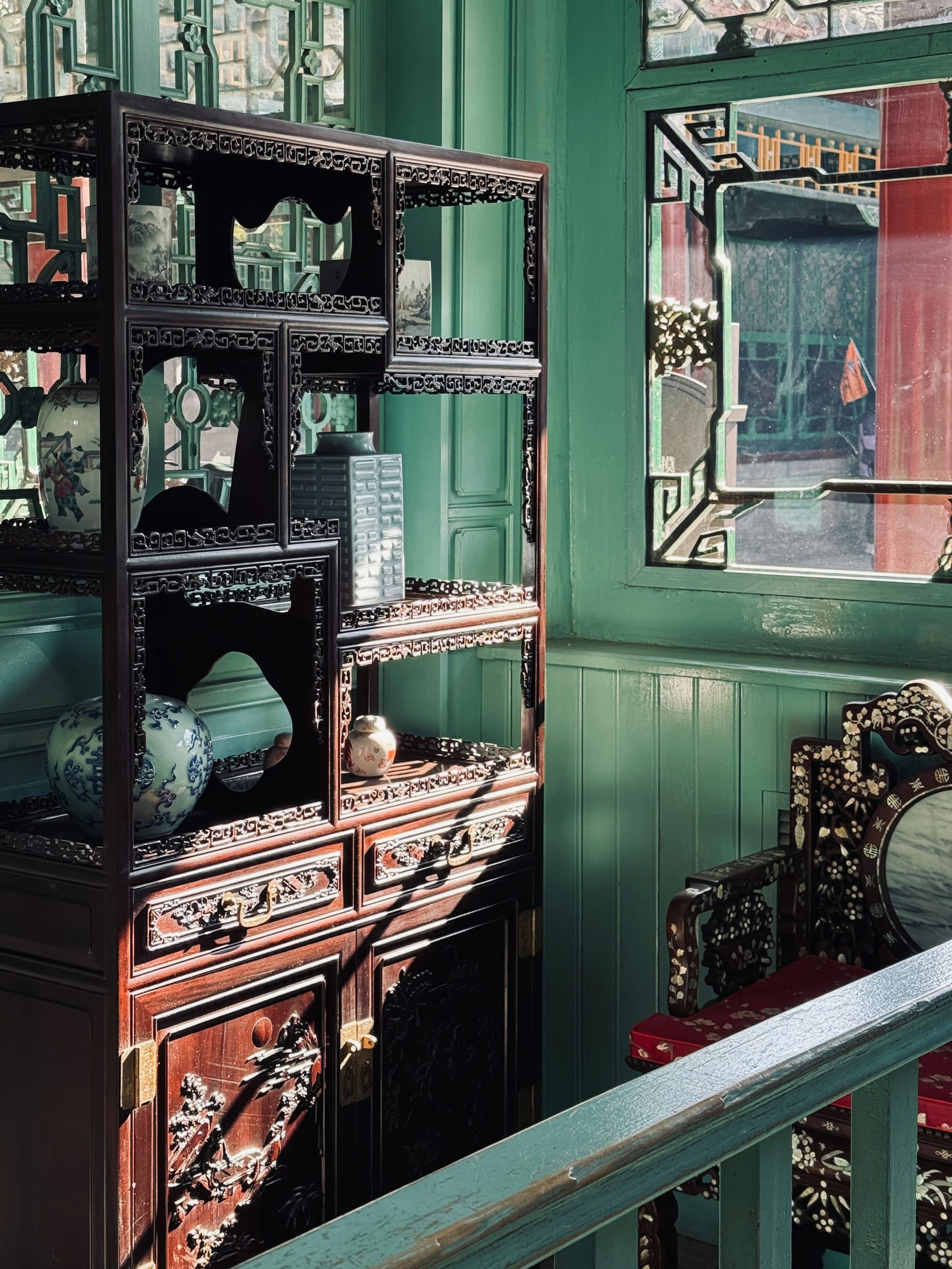
Choosing Songmont over Coach is not necessarily an ideological act. More often, it is a response to something simpler: a sense of meaning embedded in the object itself.
A Western consumer encountering osmanthus for the first time does not need its symbolism explained to register its depth. It is carried in form and material.
"The most interesting shift is not that Chinese brands are becoming global. It is that they are becoming increasingly readable without translation, on a global scale."
In Beijing, a new generation of flagship stores now functions as a kind of cultural interface. Spaces where product, material and inherited aesthetics sit in close alignment.
Go beyond the Forbidden City and the Great Wall. The most interesting cultural storytelling in this city is happening at street level — in restored courtyard houses, underground concept stores, and Hutong flagships that don't announce themselves from the outside.
Where to find them:
- Songmont 山下有松 — leather goods that carry centuries of Chinese visual grammar
Address: WF Central flagship store B1-131a, WF Central, 269 Wangfujing Street, Dongcheng District, Beijing (北京市东城区王府井大街269号院1号楼王府中环B1-131a)
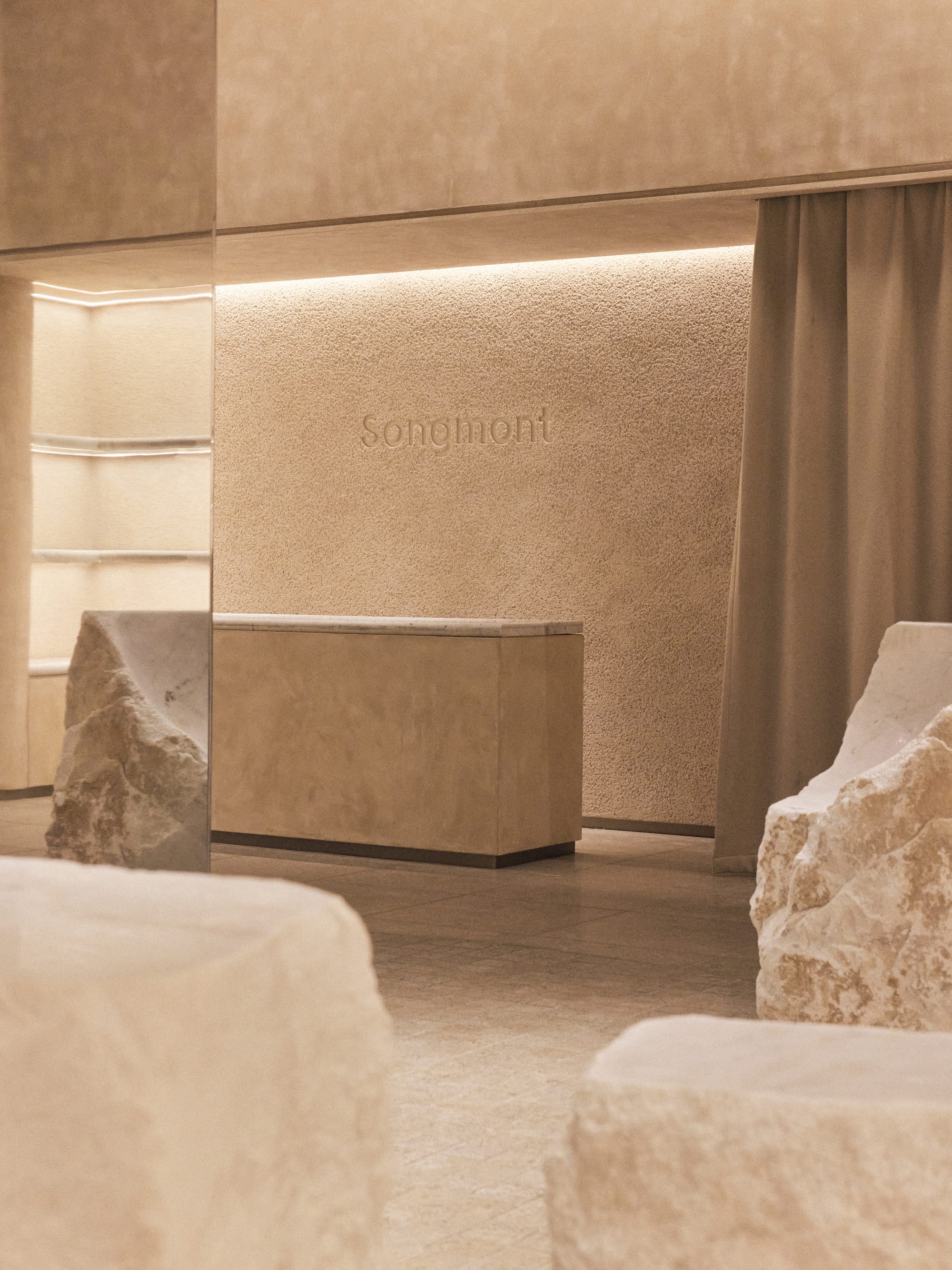
The Beijing concept store — Inner Sky Gazing (内观天象)— is built around an ancient Chinese cosmological principle. The floor plan is square — Earth, in classical Chinese cosmology. The ceiling curves into an inverted dome — Heaven.
Light moves across it slowly, tracing the arc of celestial observation. The materials are travertine and rough limestone, surfaces that suggest time accumulated rather than surfaces fabricated. The bags are not immediately visible. You must walk deeper into the space — past the architecture, past the philosophy — before the products reveal themselves.
Steps from the old Imperial City. Worth the detour.
For a list of Songmont's other locations, click here.
- To Summer 观夏 — perfumery rooted in Chinese botanical memory
Address:
- Guozijian Flagship 23 Guozijian Street, Dongcheng District, Beijing (北京市东城区国子监街23号)
- Guozijian Incense Space: 42 Guozijian Street, Dongcheng District, Beijing (北京市东城区国子监街42号)
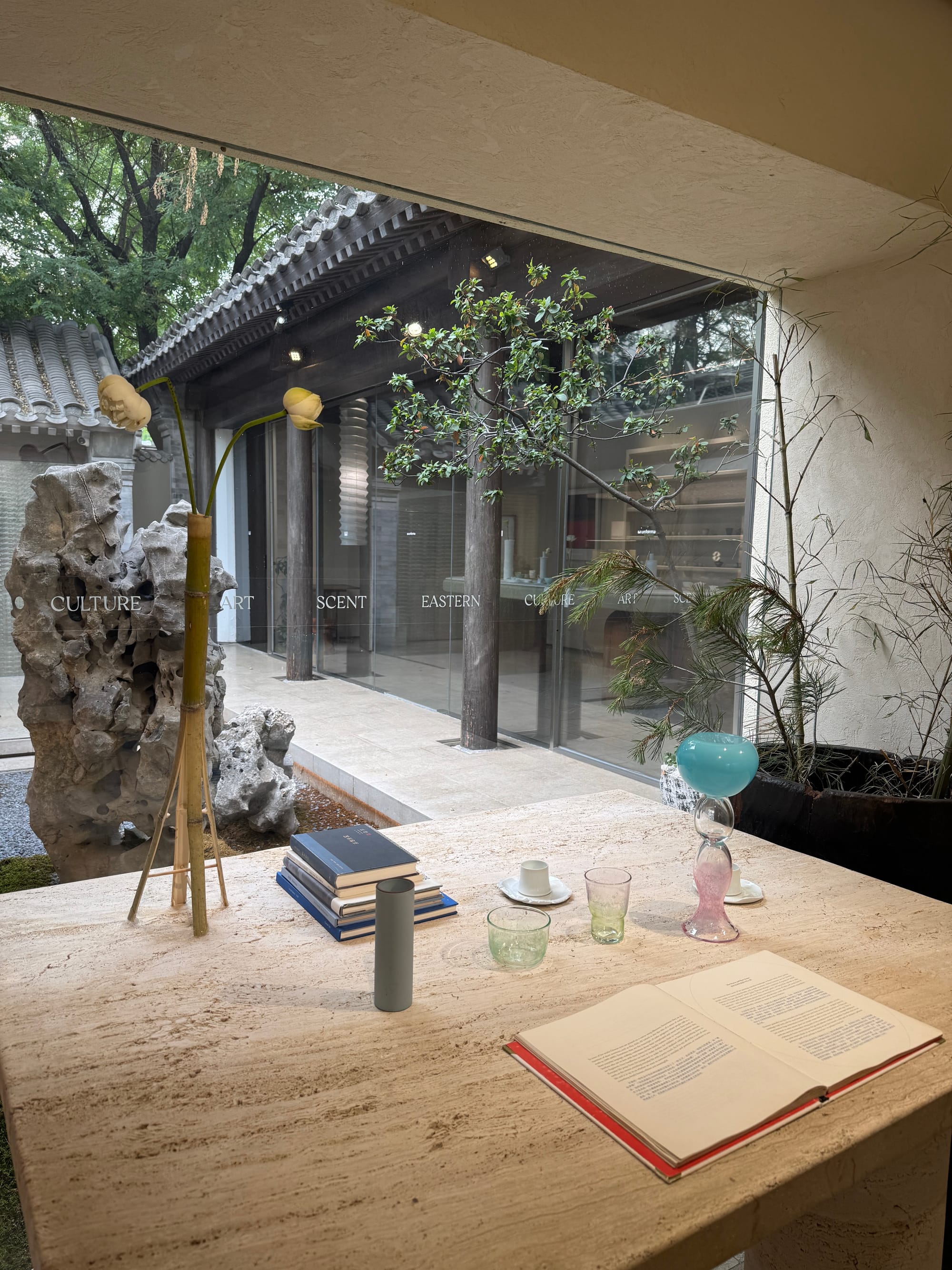
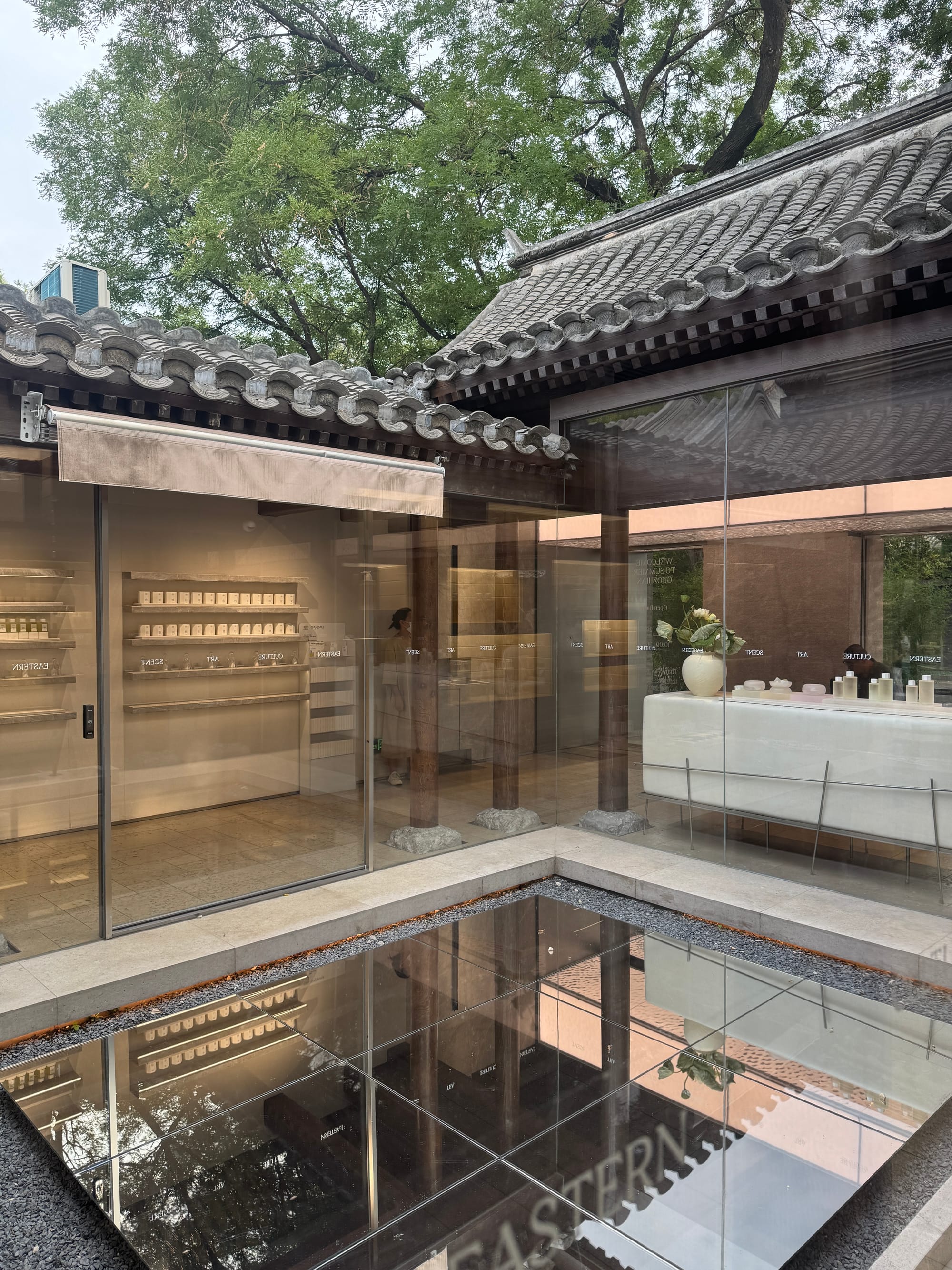
Inside To Summer's Guozijian flagship. (Image courtesy of 圈圈本圈)
A 280-year-old Qing dynasty courtyard house, quietly restored over the course of a year. No mall. No atrium. No signage visible from the street. You find it by looking for an unassuming door on one of Beijing's oldest academic thoroughfares (国子监Guozijian)— the street that once led to the imperial examination halls, where dynasties selected their best minds.
Inside, original timber pillars stand exposed — structure as aesthetic, not concealed behind finish. Where walls once separated courtyard from interior, glass now holds the boundary without closing it. The design follows an old Chinese principle: that a building should mediate between what is outside and what is within, between what is ancient and what is present, without forcing a resolution between the two. Light does the rest — moving across off-white surfaces through the day, marking time without announcing it.
Try scents built from Chinese cultural traditions rather than the aspirational vocabulary of French and European perfumery.
*The brand opened an intimate incense specialty store at 42 Guozijian Street in early 2026, applying the same core brand logic but shifts the design aesthetic—trading architectural grandeur for a highly focused, almost monastic ritual environment. Also worth checking out.
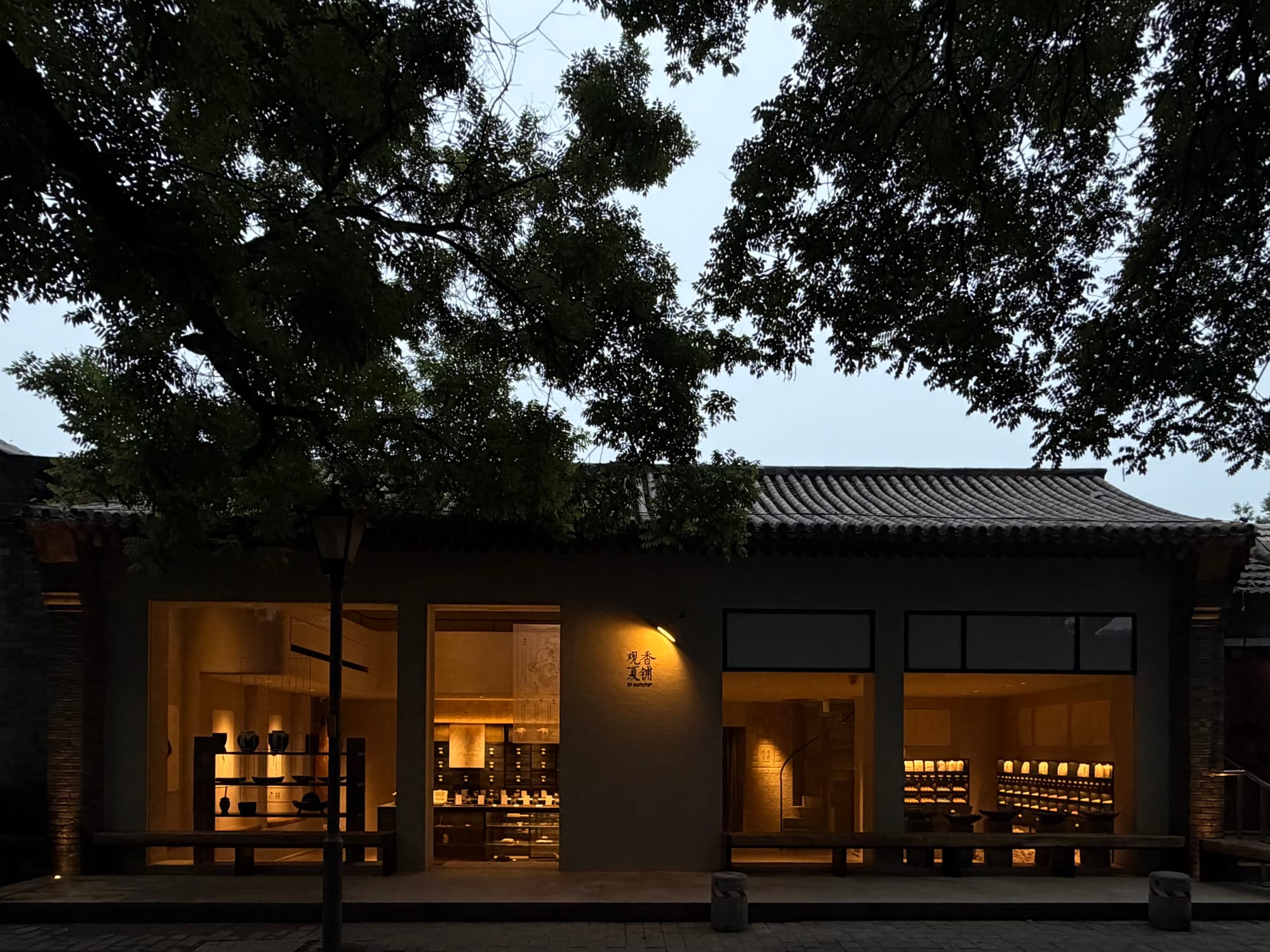
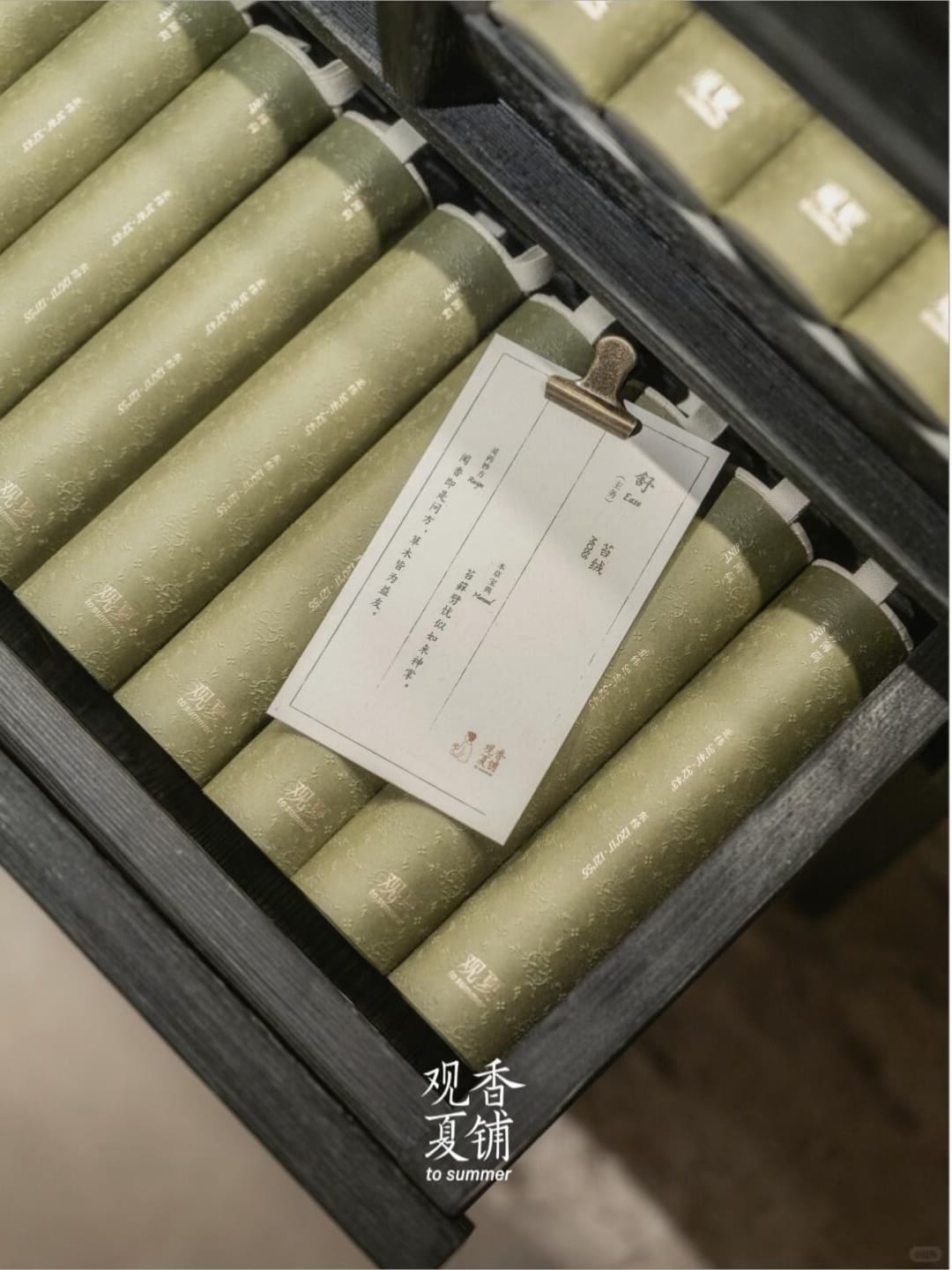
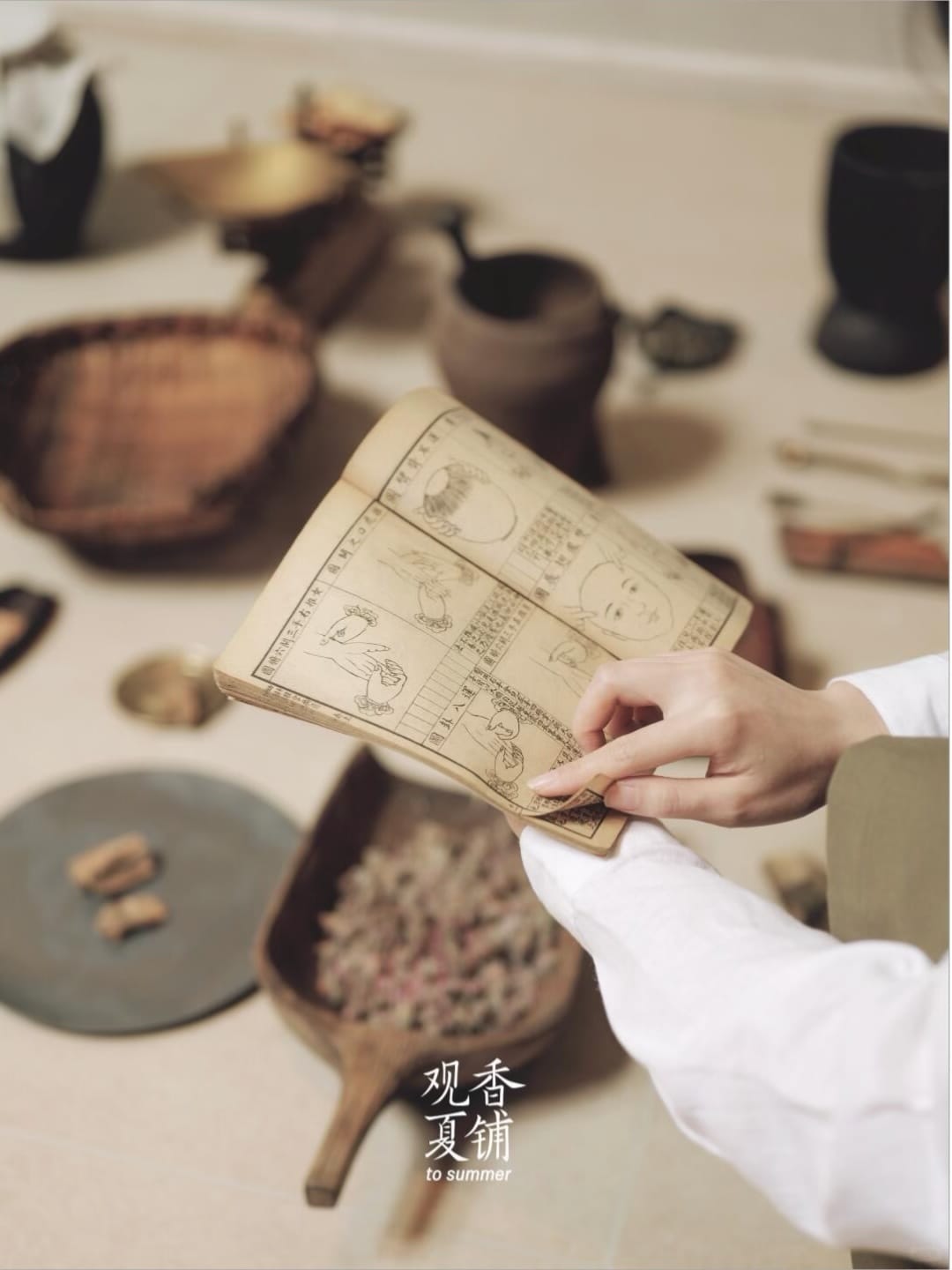
To Summer's new incense speciality store. (Image courtesy of Cha_Vita, To Summer official)
- Fnji 梵几 — Where Buddhist philosophy meets the dining table
Address: Units LG-07 & 08, Lower Ground Floor, North Zone, Taikoo Li, Sanlitun, Beijing (北京市三里屯太古里北区NLG-07 & 08)
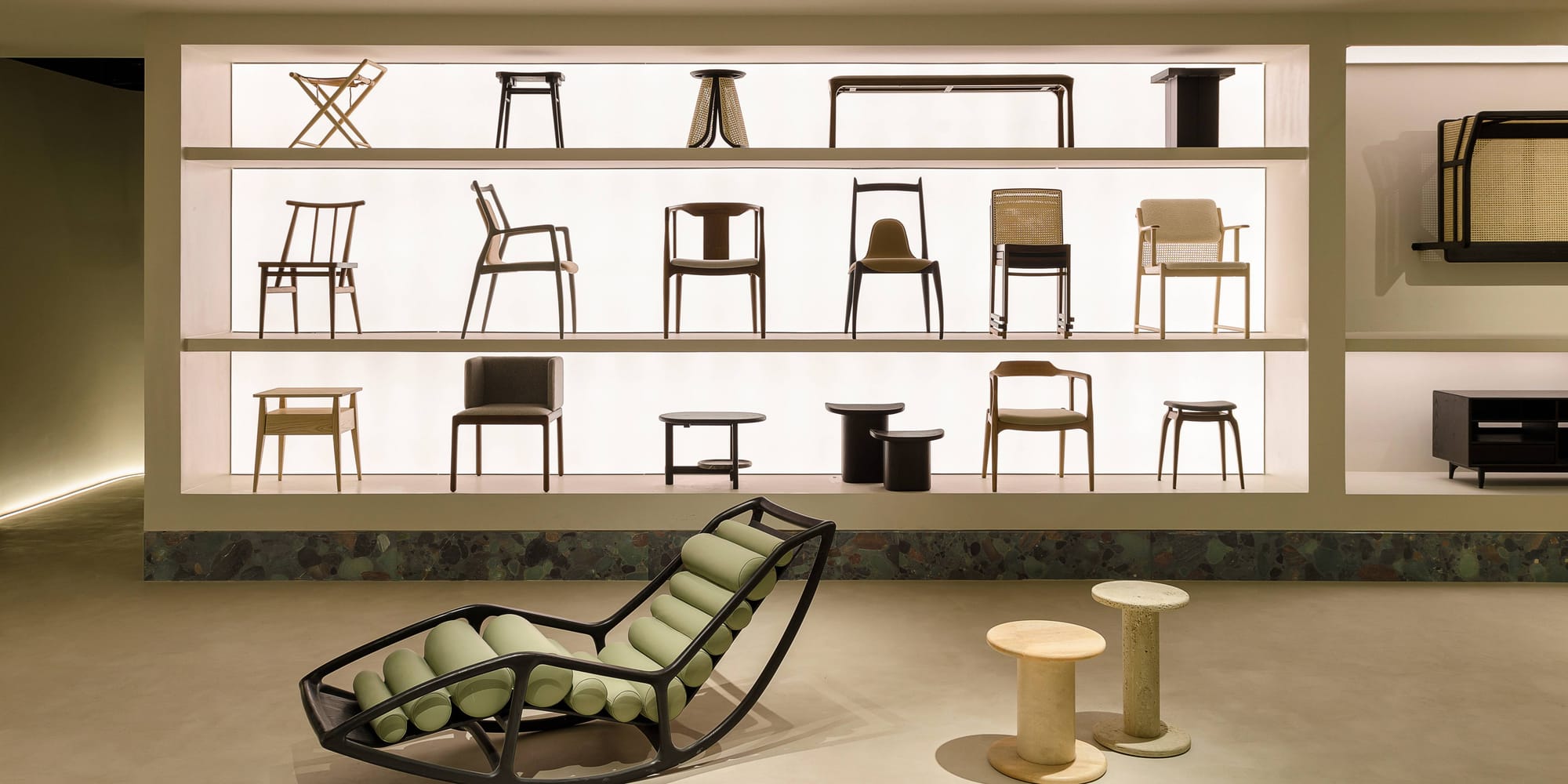
Founded in Beijing in 2010 by designer Gu Qigao, FNJI (pronounced fan-jee) makes furniture that looks minimal and thinks ancient. The name joins the Buddhist concept of tranquility (fan) with the Chinese word for a low table (ji) — Eastern philosophy compressed into a brand identity. What reads as contemporary minimalism is, in practice, the return of a design language that was never really lost.
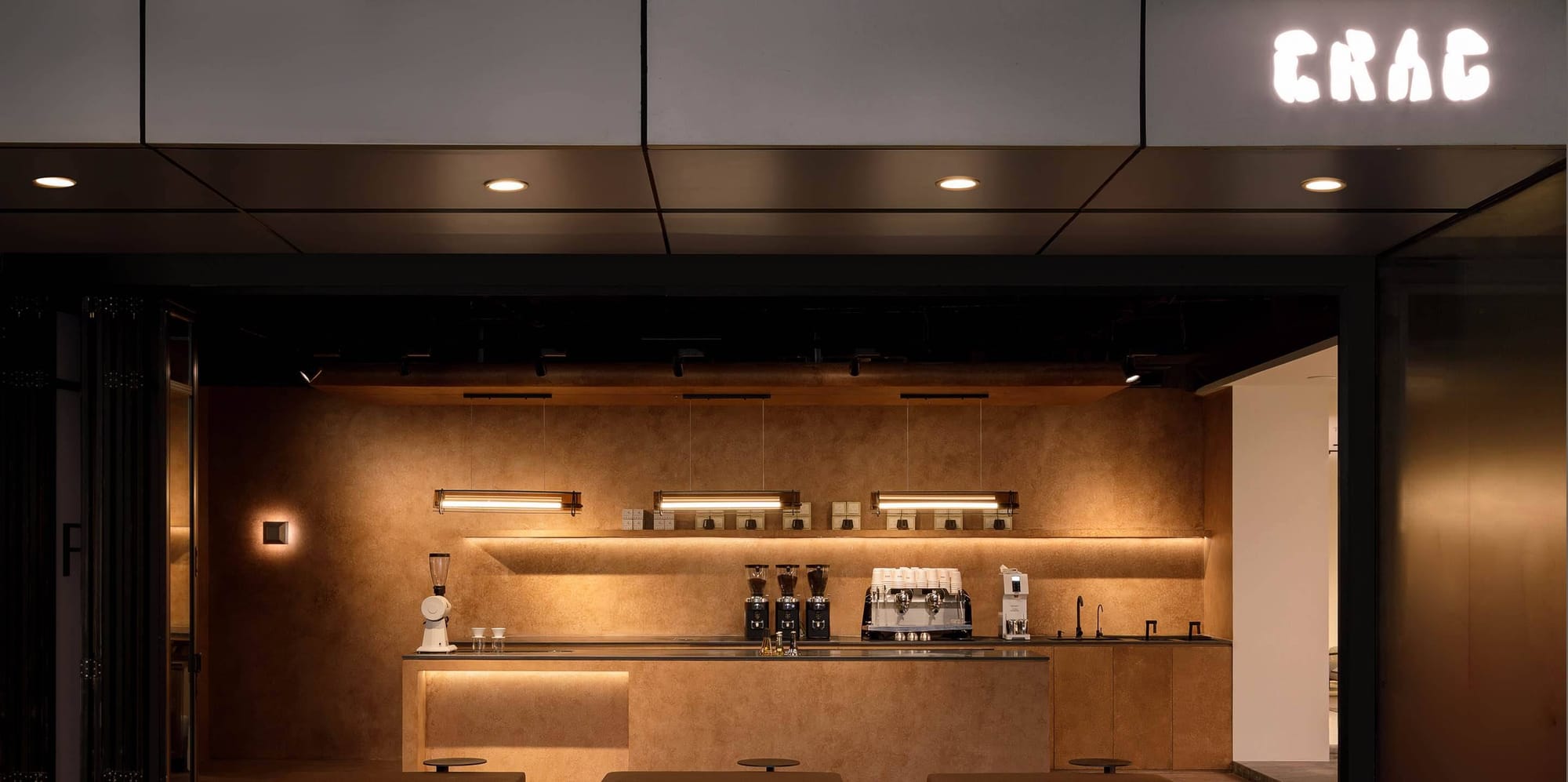
FNJI’s traditional flagship—dubbed the 'FNJI Living Room'—is an expansive, timber-framed showroom carved into a heritage courtyard on Guozijian Street. Though that space has been closed for renovation since 2021, the brand’s contemporary visual philosophy remains fully accessible. A short trip to their Taikoo Li Sanlitun boutique reveals their current retail direction: a sleek, modern gallery anchored by an intimate, in-house branded café 'Crag' out front.
-Mandarin Unpeeled


![[Quiz] Find the China City for How You Actually Want to Travel Right Now.](https://storage.ghost.io/c/73/63/7363a138-5ebf-4ec5-bfdf-0956583c3258/content/images/size/w600/2026/09/Image-Sep-2--2026-at-03_59_42-PM.png)