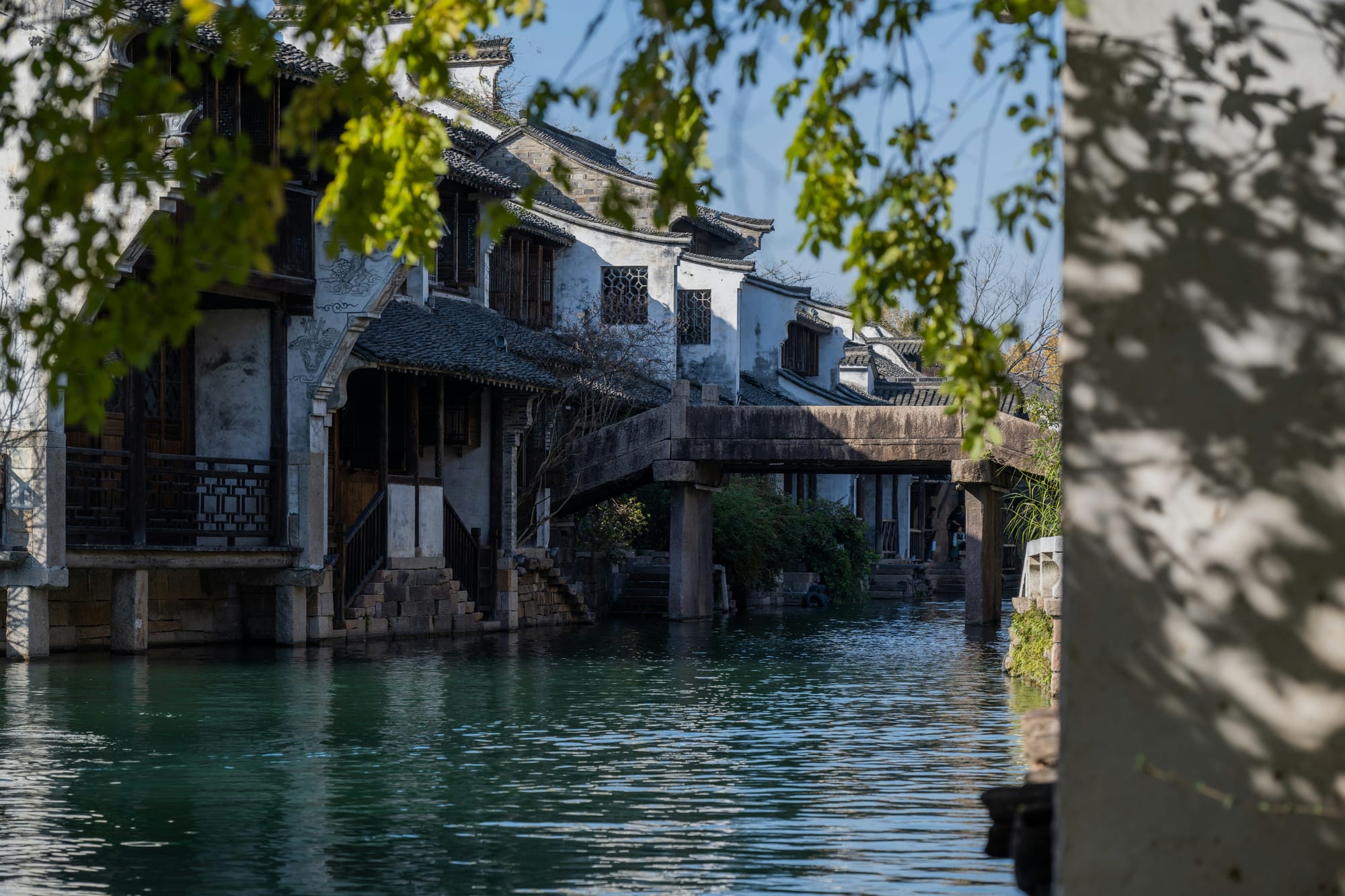
Hefang Street 河坊历史街区
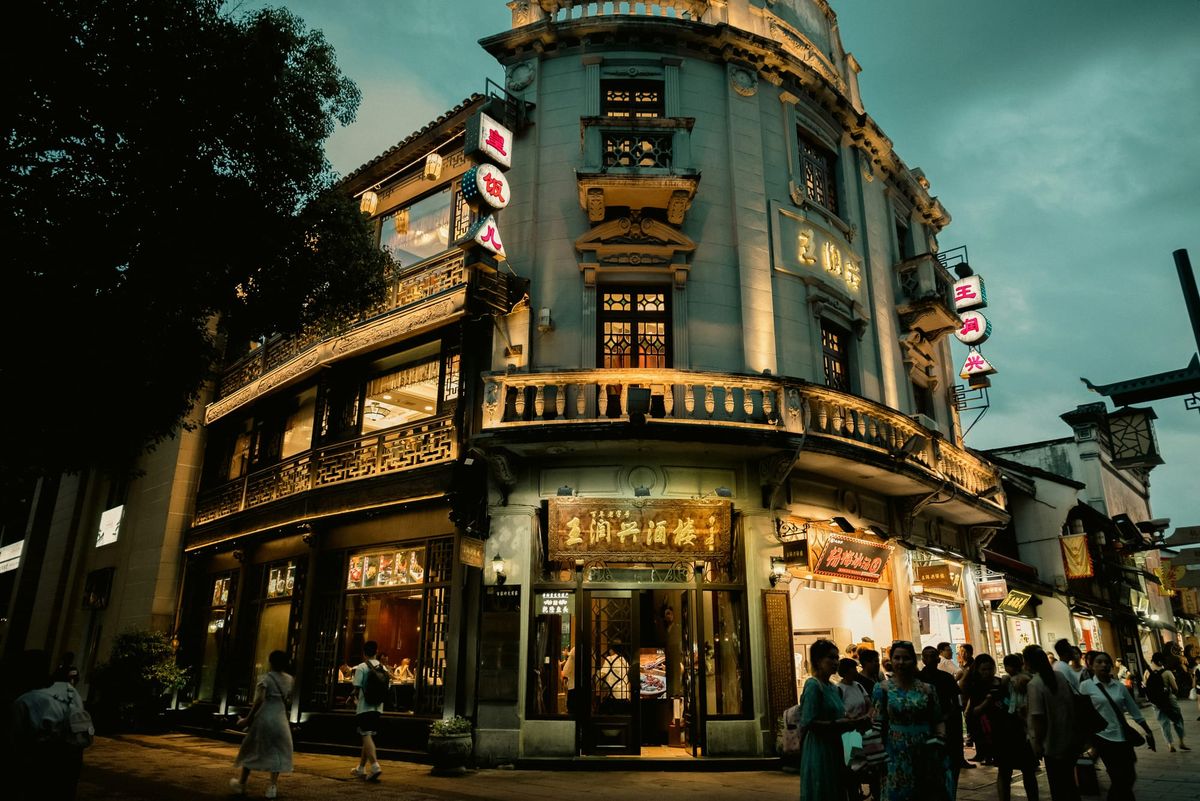
Where An Empire Came To Trade
Hefang Street is Hangzhou’s most famous surviving historic pedestrian avenue, preserving the architectural language and bustling commercial energy of imperial Hangzhou, once the capital of the Southern Song dynasty (1127–1279 CE).
While the surrounding area has evolved into a sleek tech metropolis, this 460-meter flagstone artery remains anchored in the past.
Historically, this street was a premier trade hub of old Hangzhou, crowded with silk merchants, imperial teahouses, and traditional apothecaries. Today, as you walk the flagstones, you may catch the scent of roasting tea leaves drifting from a shop, the earthy bitterness of medicinal herbs, or a hint of sweet osmanthus— punctuated by the percussive sound of copper-beating artisans echoing from the alleyways, a constant historical soundtrack.
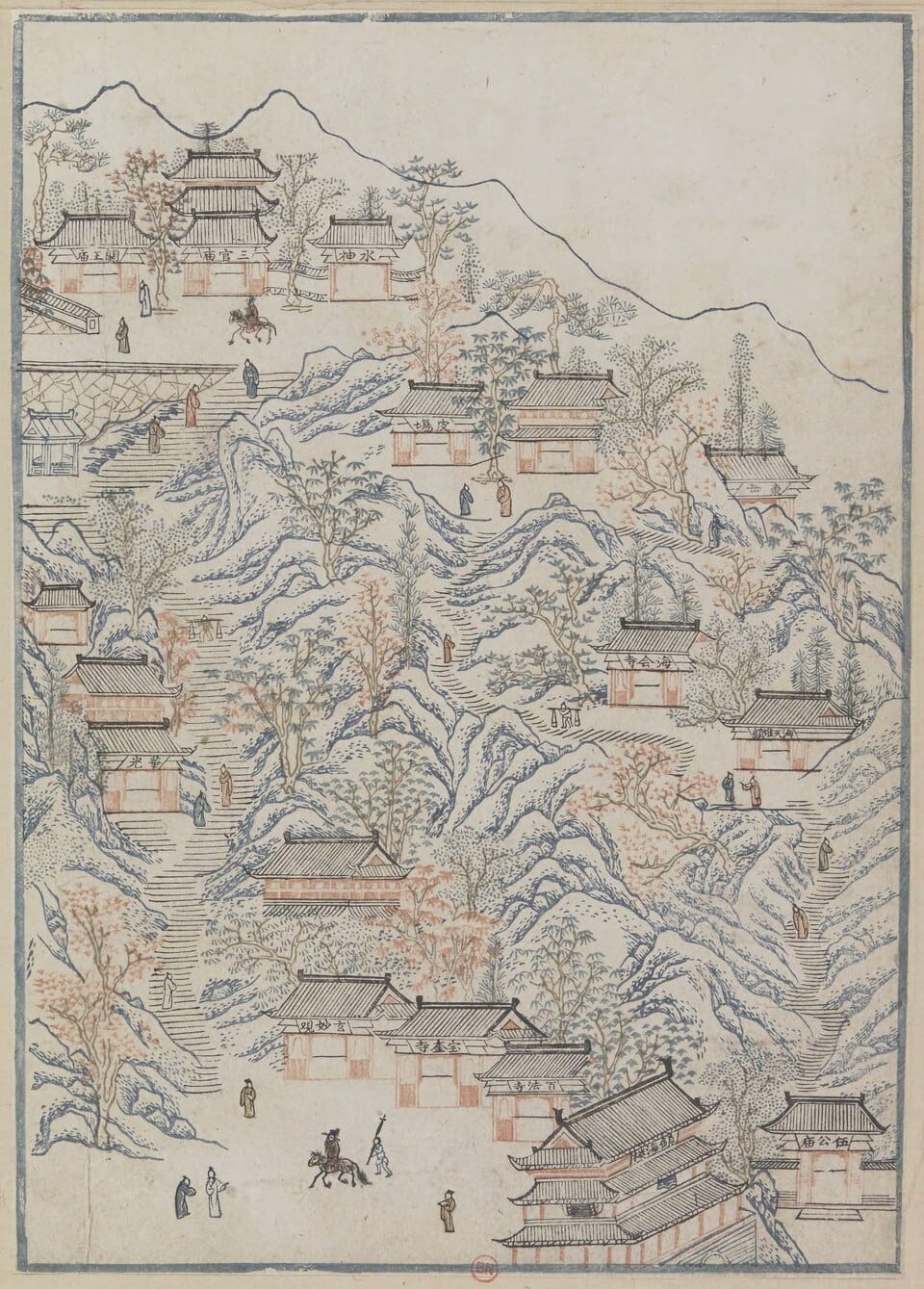
A Note on the Present— Much of what you see today is a reconstruction, and some visitors — locals included — find the result too polished, a tourist corridor rather than a living street. The criticism is fair. But the street remains one of the more accessible places to absorb the textures of old Hangzhou: the architecture follows traditional forms, the scale is walkable, and the commercial heritage it represents is real, even if the patina is not.
For a first visit, that is enough.
Logistics & Booking Guide
How to Find It
Visual Cue
Look for a massive grey stone paifang (traditional archway) spanning the entrance near Wushan Square, with the characters “清河坊” carved prominently across the top. The avenue is strictly closed to vehicles and begins right where the modern asphalt switches to broad, uneven grey flagstones, lined with hanging red silk lanterns.
By Metro: Take Line 7 directly to Wushan Square Station (吴山广场站),which puts you within walking distance of the historical street. Alternatively, take Line 1 to Ding'an Road Station (定安路站) and walk about 700 meters.
Tickets: Free. The street is an open, public historical pedestrian district. No booking required. *(Note: A small fee applies to enter the inside galleries of the historic Hu Qing Yu Tang Museum, payable at its front desk).*
Hours: The street itself is open 24/7. Shops, restaurants, and food stalls generally operate from 09:00 to 22:00.
📍 Taxi Destination: 河坊街历史文化街区 (Hefang Street Historical and Cultural District)
Food & Drink Recommendations
Hefang Street is the culinary epicenter of traditional Hangzhou street snacks and historical dining, offering a sensory journey through the sweet and savory flavors of old Jiangnan.
1. The Savory Mainstay: Traditional Wonton (小馄饨 — Xiǎo Húntun)
While wandering Hefang Street, keep an eye out for the small, open-fronted eateries.
Here, you can try a classic snack pairing: small wontons with paper-thin wrappers served in a light broth, alongside a freshly steamed Dingsheng Cake (定胜糕).
Useful Phrase
“老板,要一碗小馄饨,在这里吃。”
(Lǎobǎn, yào yī wǎn xiǎo húntun, zài zhèlǐ chī. — "Owner, I’d like a bowl of small wontons, to eat here.")
2. The Beverage Break: Sour Plum Juice & Herbal Tea Infusions (酸梅汤 / 养生茶)
With Hefang Street's deep roots in traditional Chinese medicine, the beverage options here are profoundly functional, designed to refresh the body and cool the system after a long day of walking.
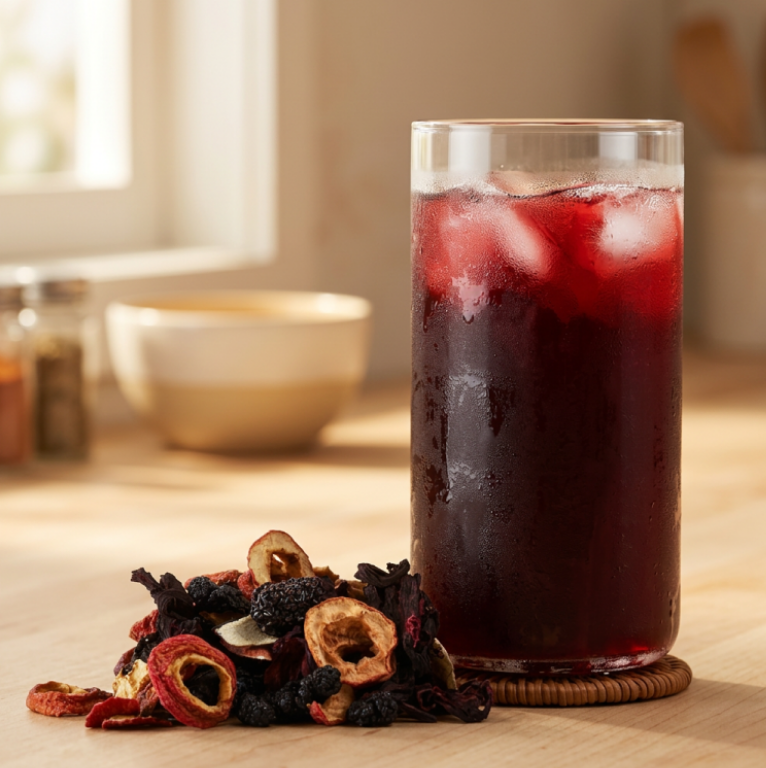
For a drink, skip the sodas and try a cup of iced sour plum drink (Suanmeitang). It is a traditional beverage brewed from smoked plums and hawthorn, making it complex with a sharp, sweet-and-sour taste. You will often see it dispensed from large, traditional copper urns outside the storefronts.
Alternatively, step into the tea halls of the street's historic pharmacies, like Fang Huichun Tang or Hu Qing Yu Tang, to sample their herbal tea infusions (Yangsheng Cha)—mild, seasonal wellness blends designed to help restore internal balance based on traditional principles.
Shops & Sights Recommendations
Hefang street is anchored by a series of Lǎozìhào (老字号 — Time-Honored Brands) that have traded continuously for generations.
Step off the main pedestrian thoroughfare and look inside its historic shopfronts.
1. ‘Hu Qing Yu Tang’ Traditional Chinese Medicine Museum (胡庆余堂)
The Experience: Founded in 1874 by the legendary "Red-Top Merchant" Hu Xueyan, this monumental, fortress-like complex is both a fully working pharmacy and a national heritage museum. Step inside to breathe in the heavy, earthy aroma of drying roots, barks, and ginseng. Look up at the main hall to spot the giant carved wooden plaque reading “戒欺” (Jiè qī — "Do Not Cheat") facing the pharmacists—a rare, ironclad moral code that has defined this institution as "Southern China’s Medicine King" for over 150 years.
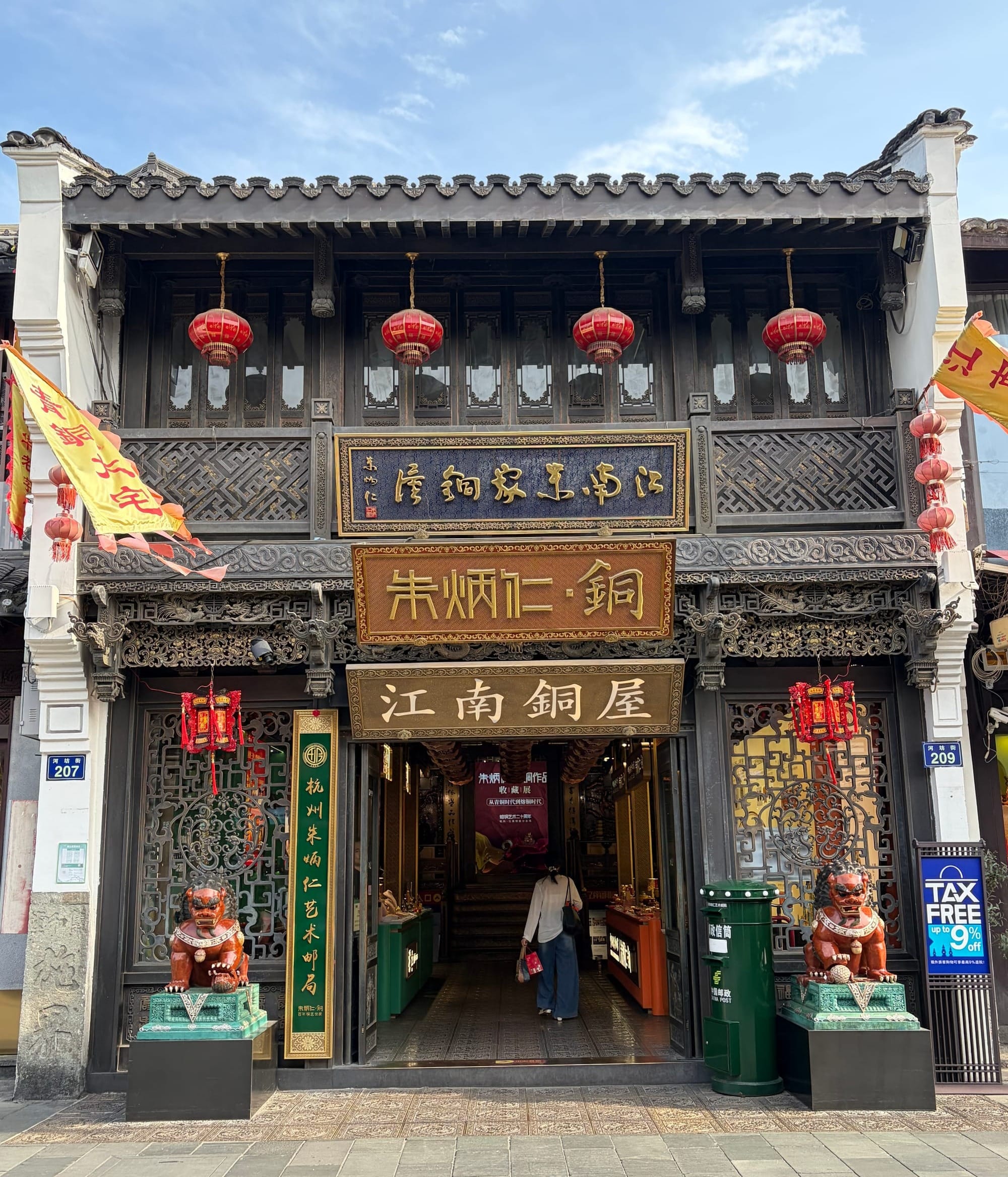
2. Zhu Bingren Bronze House / Jiangnan Copper House (江南铜屋)
The Experience: Residential-style museum showcasing China’s copper craftsmanship, masterminded by Zhu Bingren, a fourth-generation national inheritor of copper-smithing arts. You will wander through 3,000 square meters of gleaming, palatial architecture where everything—from the intricate courtyard pillars and furniture down to the roof tiles—is crafted from bronze and copper.
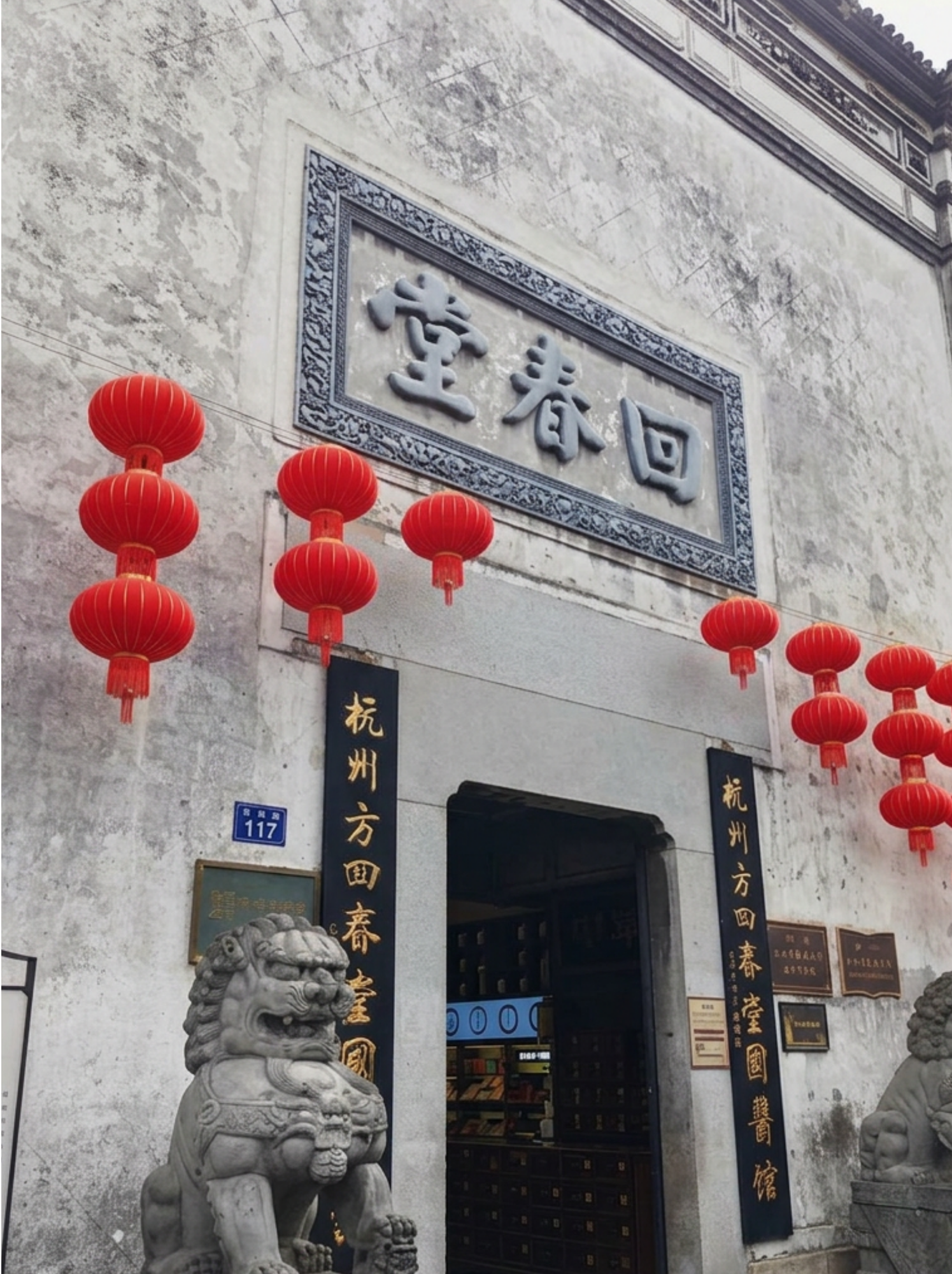
3. Fang Huichun Tang Apothecary (方回春堂)
The Experience: Dating back to 1649, this historic pharmacy blends ancient wellness rituals with modern culinary trends. While the back halls still dispense traditional pulse readings and custom-boiled medicinal plasters, the front counter features a contemporary wellness bar. It is the perfect spot to try a warm cup of Goji-infused milk tea or seasonal herbal iced teas designed to soothe the throat and cool the system.
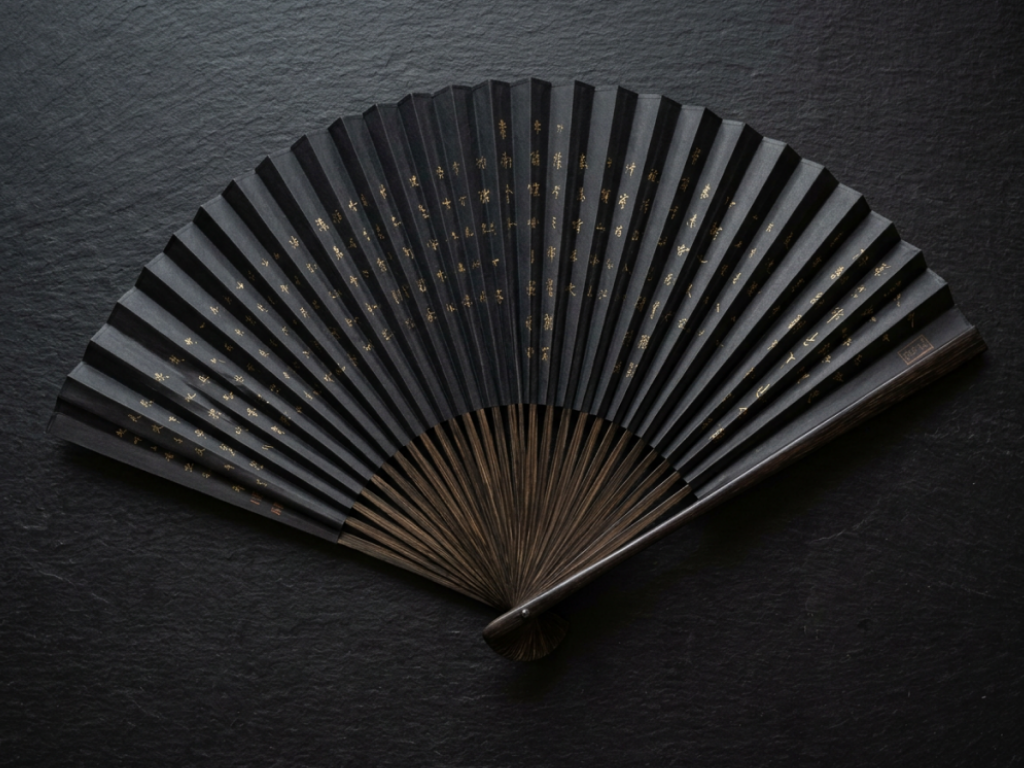
4. Wang Xing Ji Fans (王星记)
The Experience: A legendary shop house operating since 1875, famous for producing elite "Hangzhou Fans" that were once prized as imperial gifts. Their crowning achievement is the Black Paper Fan (黑纸扇). Handcrafted through 86 distinct steps, it uses local wild mulberry bark paper treated with a specialized natural persimmon varnish. This traditional treatment renders the fan completely waterproof, heat-resistant, and durable enough to earn the reputation of "half an umbrella."
Prices range from affordable everyday fans to collector-grade pieces.
Hidden Alleys & Historic Crossroads
1. The “Four Corners” (四拐角)
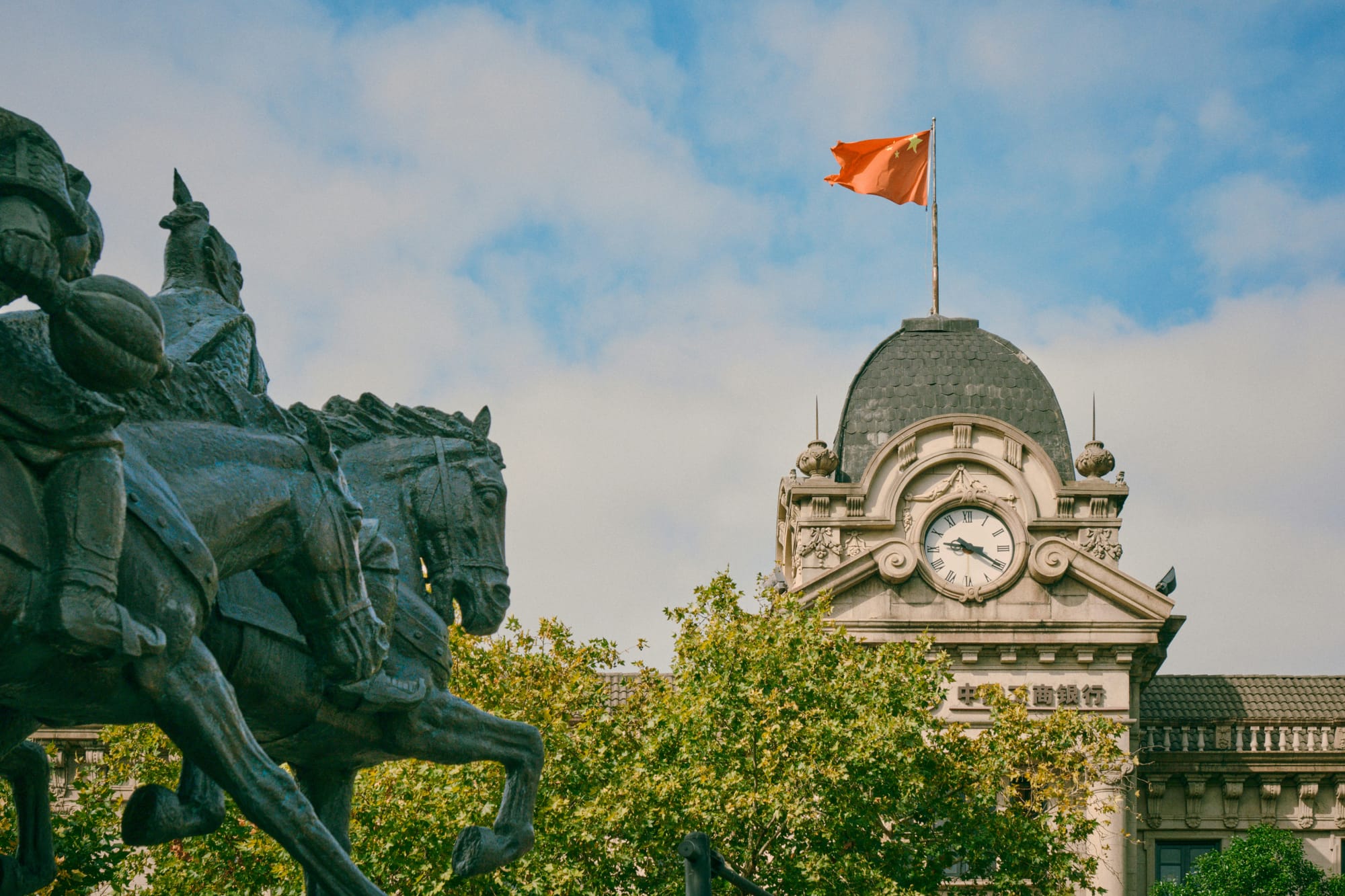
The Sight: This historic crossroads features four imposing, Western-style grey brick buildings from the 1920s.
Each corner was once occupied by a legendary commercial titan: Kong Fengchun (cosmetics), Wanlong (cured ham), Mi Dachang (tobacco), and Zhang Yunsheng (apparel and hats)—with the latter sharing its building with Yixiangzhai (pastries and dry goods).
Today, this site forms the only completely intact early-twentieth-century commercial crossroads remaining in Hangzhou, where historic storefronts like Wanlong still preserve a century-old trade alongside modern eateries and cafes.
The other corners have taken on new lives — the Zhang Yunsheng site now houses a Starbucks Heritage concept store, while the original Kong Fengchun site has become Wangrunxing Restaurant.
Remember to look up to admire the beautifully preserved ornate balconies, baroque columns, and arched stone windows that blend European architecture with late-Qing dynasty design.
2. Copper-Beating (Datong) Lane (打铜巷 — Dǎtóng Xiàng)
The Sight: Historically, this lane was the industrial beating heart of Hangzhou's elite metal smiths.
While the heavy, loud industrial forging has moved inside designated workshops like the nearby Zhu Bingren Bronze House, this cobblestone lane remains a charming, tranquil escape from the pedestrian crowds.
Take a slow stroll down Datong Lane to admire the traditional courtyard entryways and discover preserved architectural gates tucked away branching directly off the main stretch of Hefang Street.
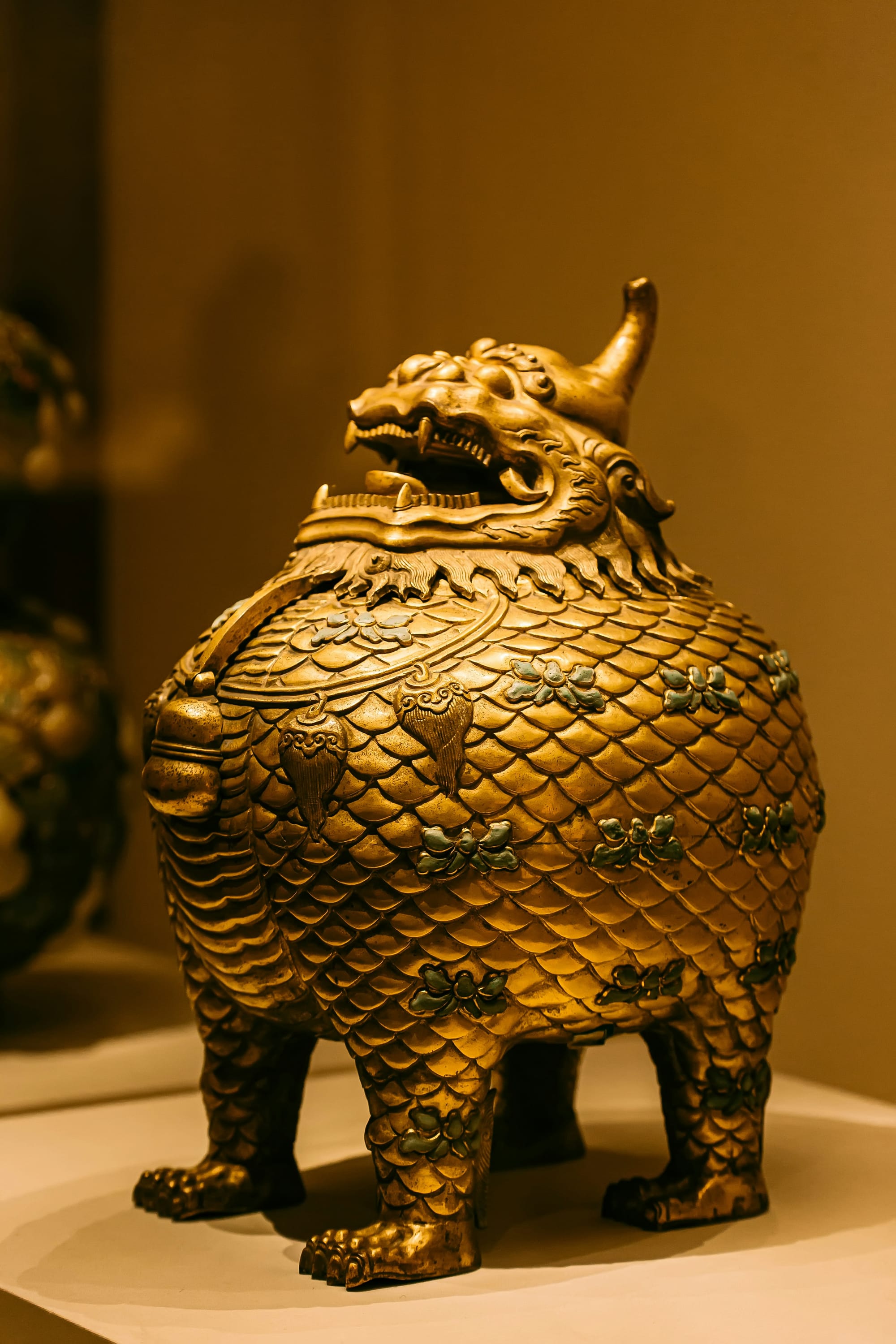
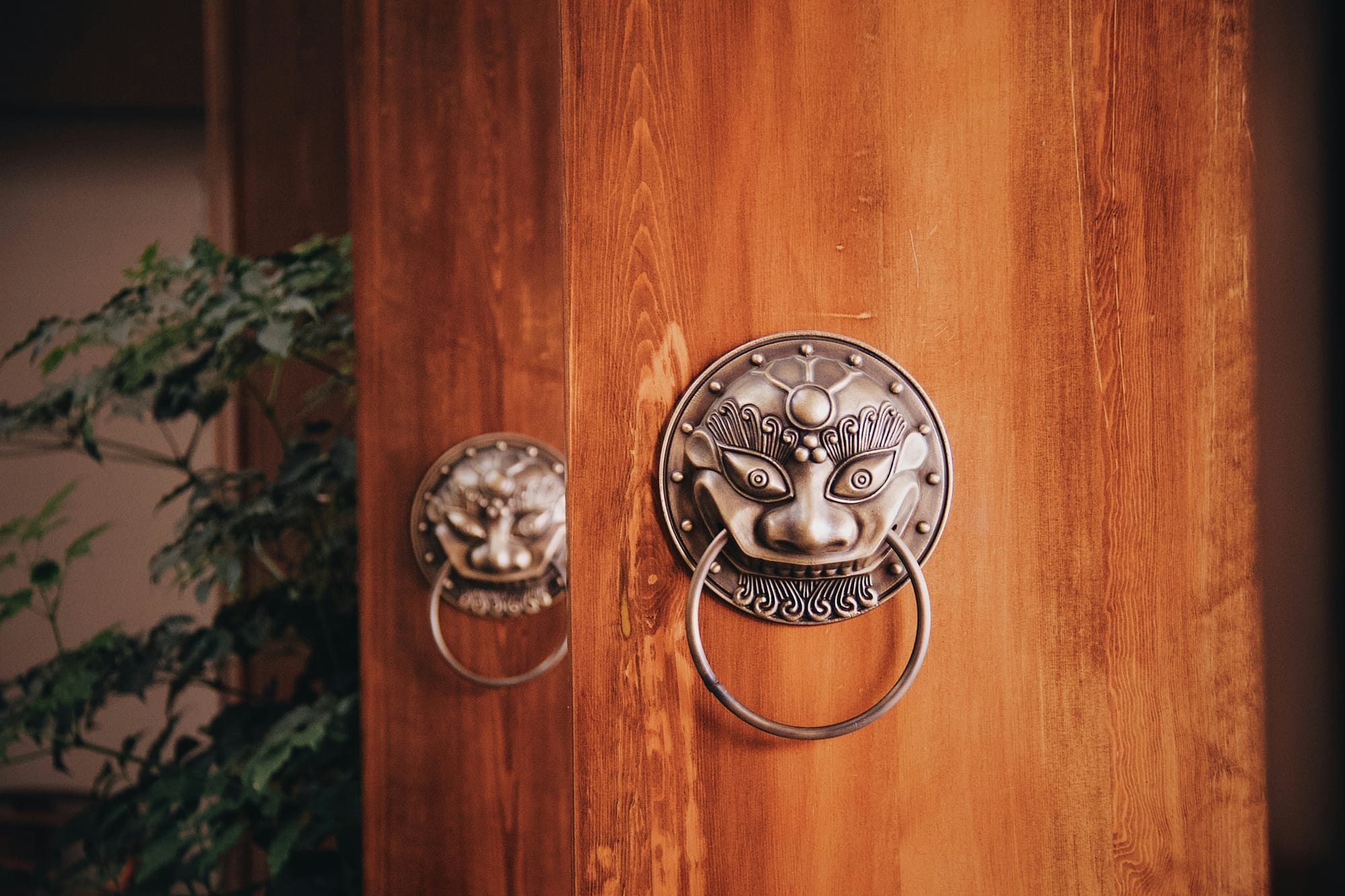
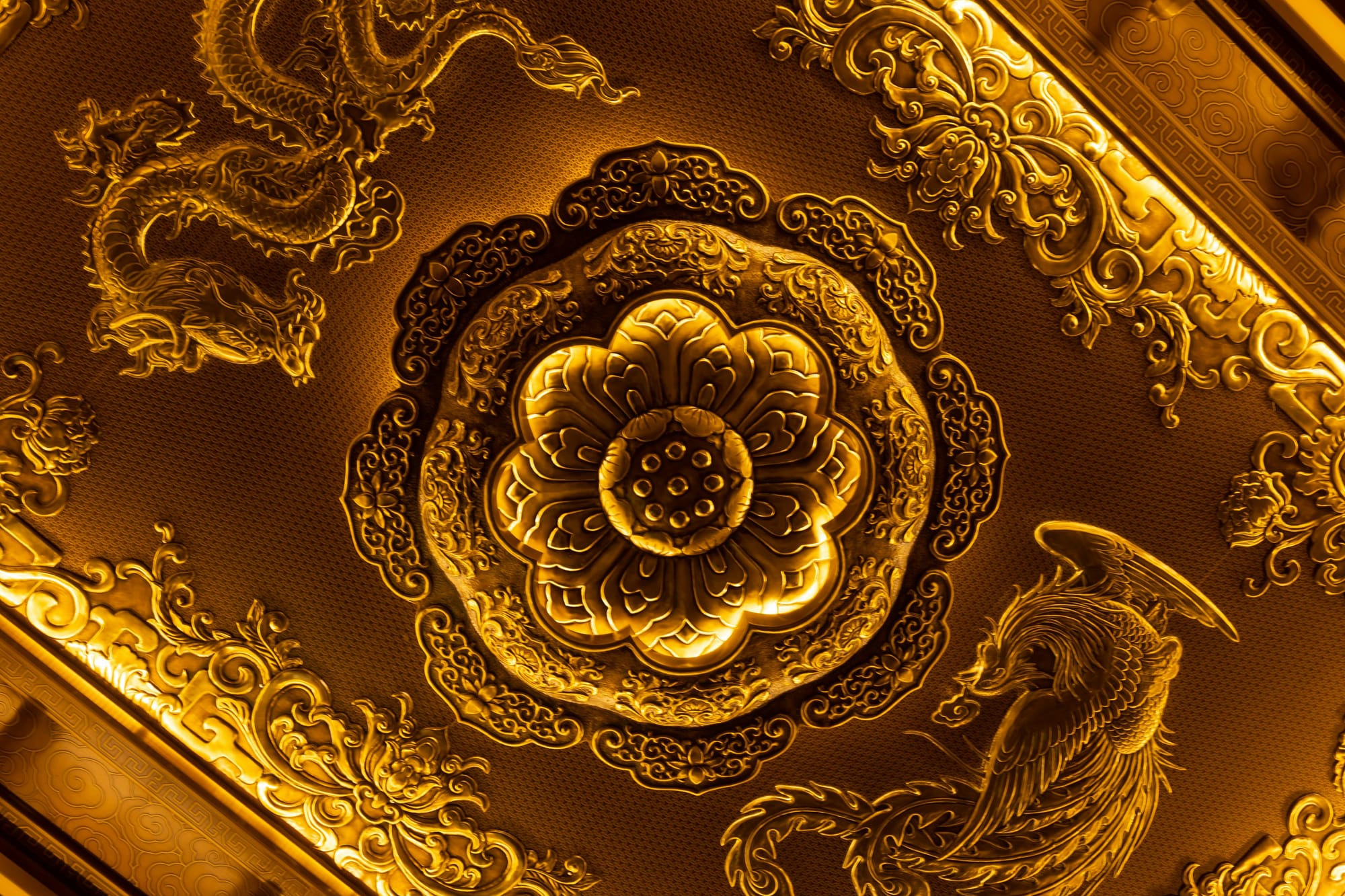
Copper craftsmanship has occupied a prominent place in Chinese material culture for more than three millennia, from ritual bronzes and imperial vessels to the artisanal traditions.
Linguistic and Cultural Guide