Grand Canal districts 京杭大运河杭州景区
Qiaoxi 桥西, Xiao He Zhi Street 小河直街 & Fuyicang 富义仓
A UNESCO Waterway's Second Act.
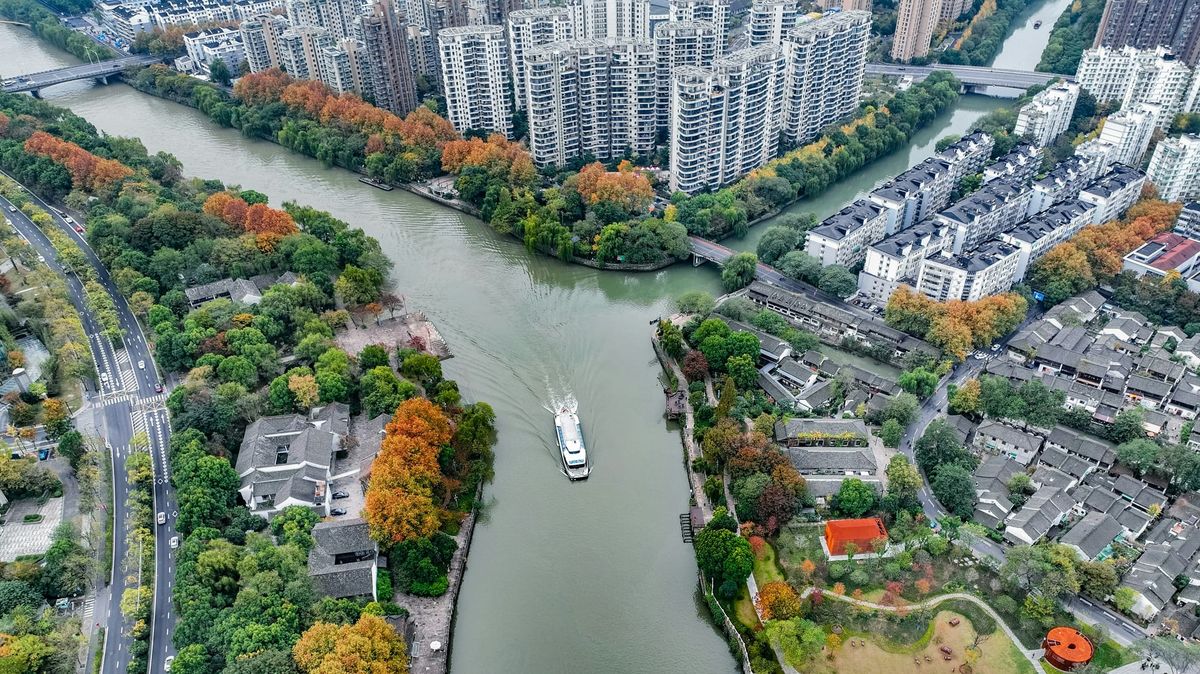
While West Lake captures the poetic, imperial romance of Hangzhou, the Beijing-Hangzhou Grand Canal (京杭大运河), the world's longest and one of its oldest artificial waterways, is the city's working-class soul.
As the southern terminus of this UNESCO World Heritage hydraulic engineering marvel, Hangzhou's northern districts were shaped less by scholar-poets than by boatmen, silk weavers, grain merchants, and the constant movement of goods that connected northern and southern China.
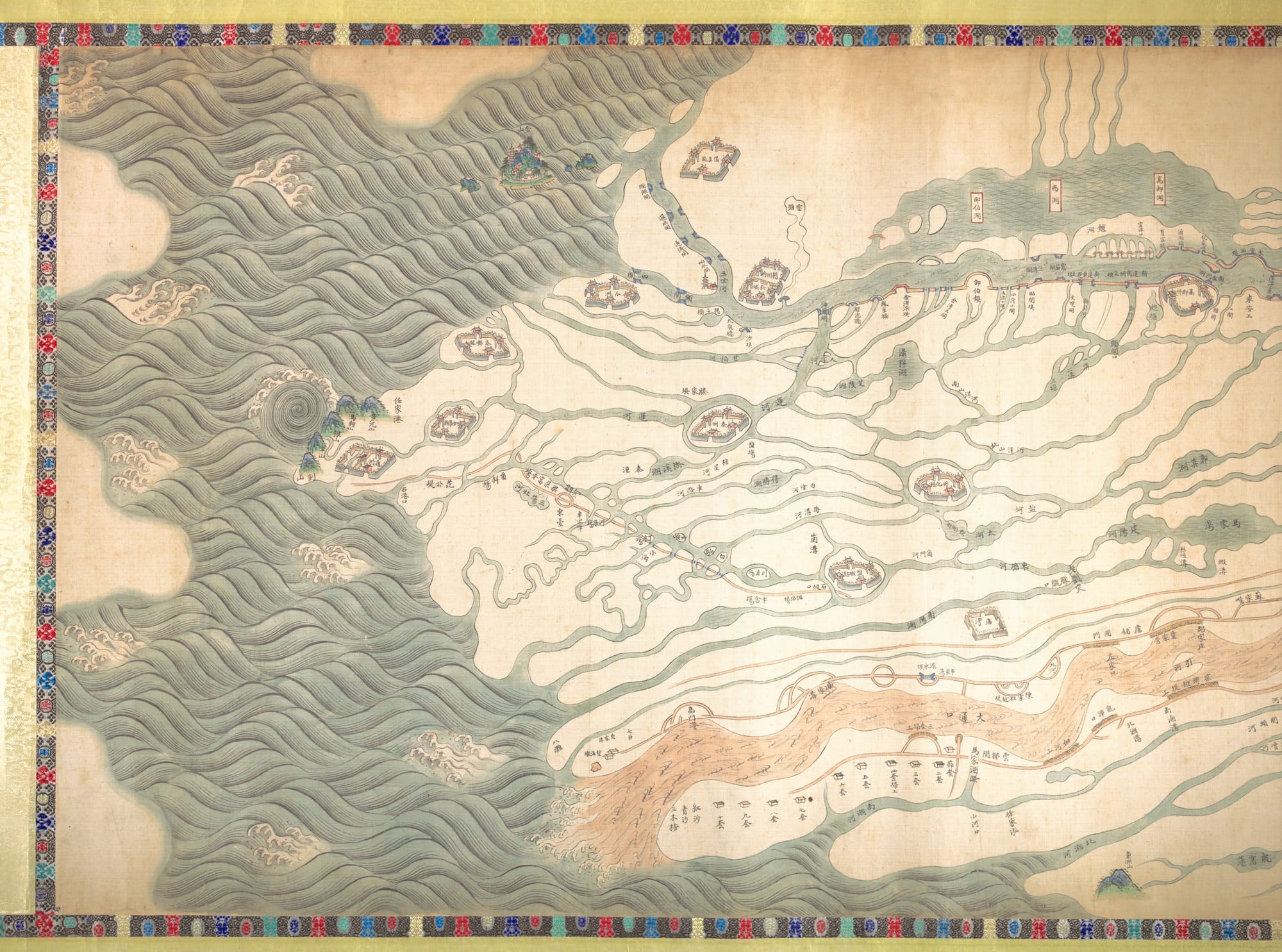
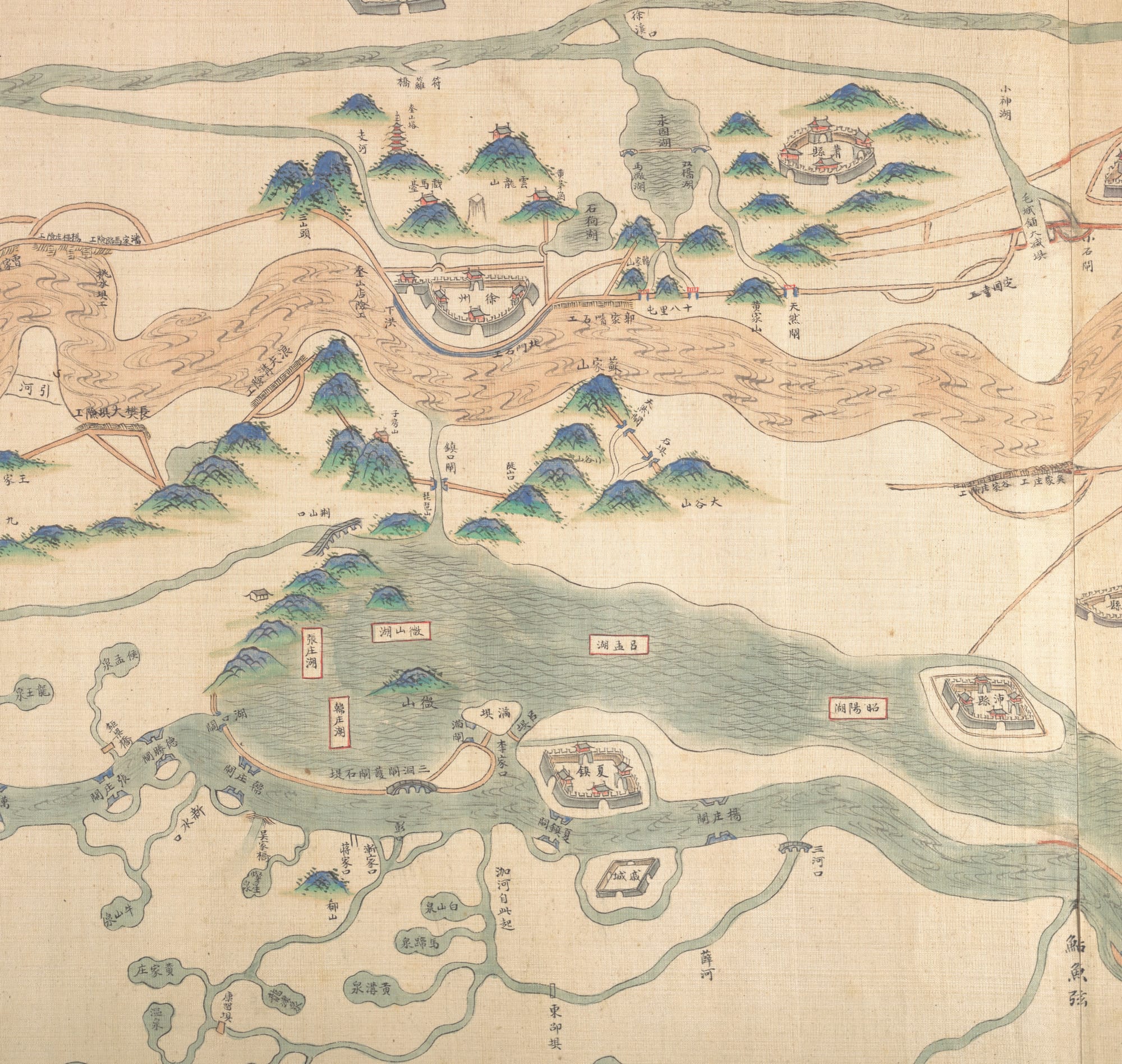
Map of the Grand Canal, Qing dynasty (late 18th–early 19th century). Image: The Metropolitan Museum of Art, New York, Purchase, Friends of Asian Art Gifts, 2003 / Public domain.
Instead of centring on a single landmark, the Grand Canal reveals itself across three historic waterfront precincts a few kilometres north of West Lake. Together, they offer a different reading of Hangzhou: less imperial spectacle, more everyday enterprise.
These neighborhoods showcase the brilliant adaptive reuse of old China: early twentieth-century factories, late-Qing dockside shanties, and imperial grain silos have been meticulously converted into state-of-the-art craft museums, design studios, and hidden, slow-paced riverside teahouses.
The Three Canal Identities: Which One to Visit?
1. Qiaoxi Historic District (桥西历史街区)
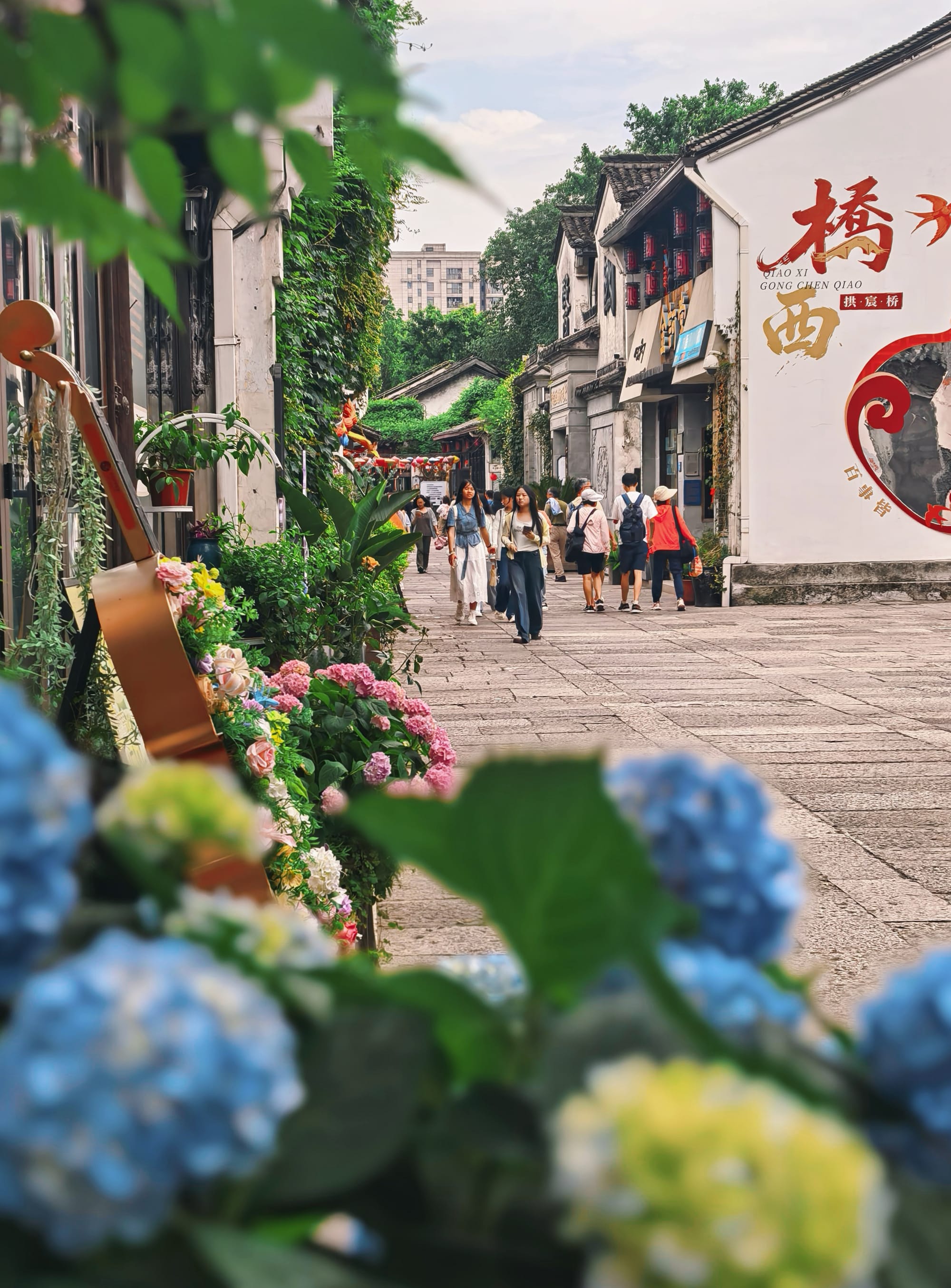
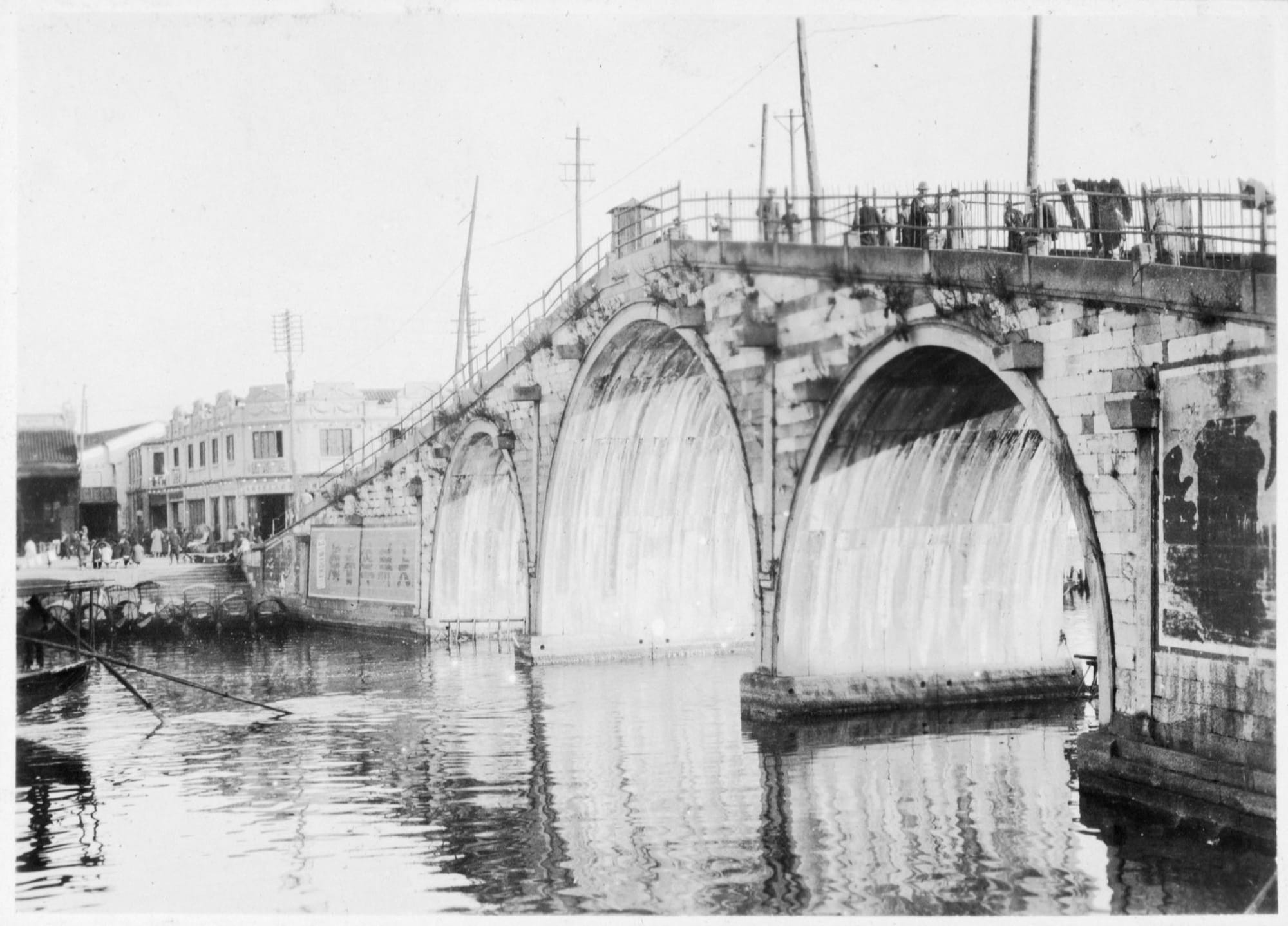
What it is: The monumental and industrial core. Named for its location directly on the west bank of Gongchen Bridge—the grand stone gateway marking the official end of the 1,800-kilometer canal journey—Qiaoxi was once a dense, gritty web of silk mills, shipping docks, and dockworker "tube buildings" (tǒnglóu).
The Experience: Massive state-run factories have been transformed into a sprawling industrial artisan museum cluster (Umbrella, Fan, and Grand Canal museums). The neighborhood features weathered brick facades, high timber rafters, and wide stone-paved alleys framing the active main shipping channel.
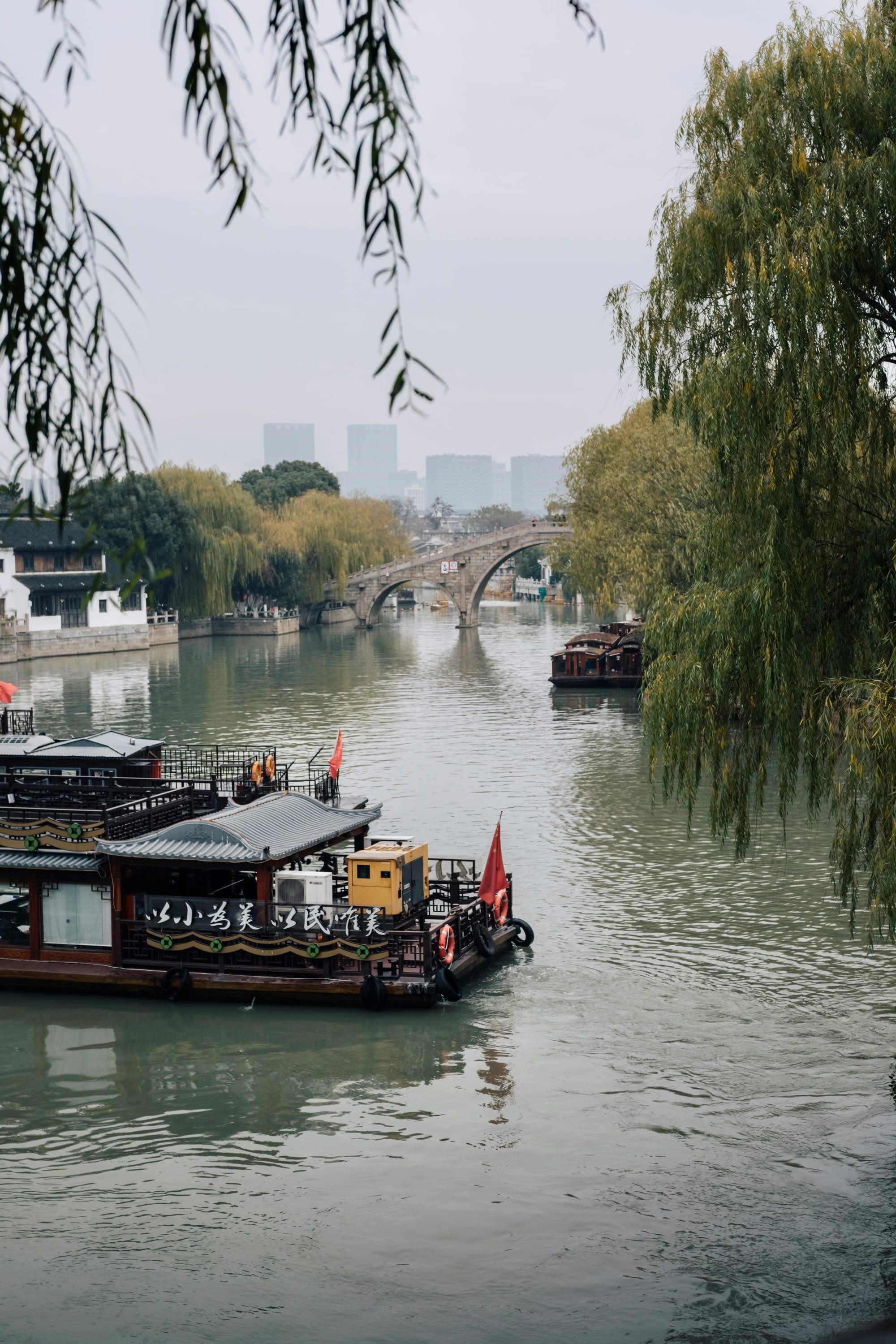
Gongchen Bridge (拱宸桥): Built in 1631 using massive stone blocks, this massive 92-meter-long stone arch structure is the undisputed architectural crown jewel of the Grand Canal. "Gong" means to welcome, and "Chen" represents the Emperor—the high arch was designed to welcome imperial inspection tours arriving from Beijing.
2. Xiaohe Zhijie (小河直街 — "Xiaohe Straight Street")
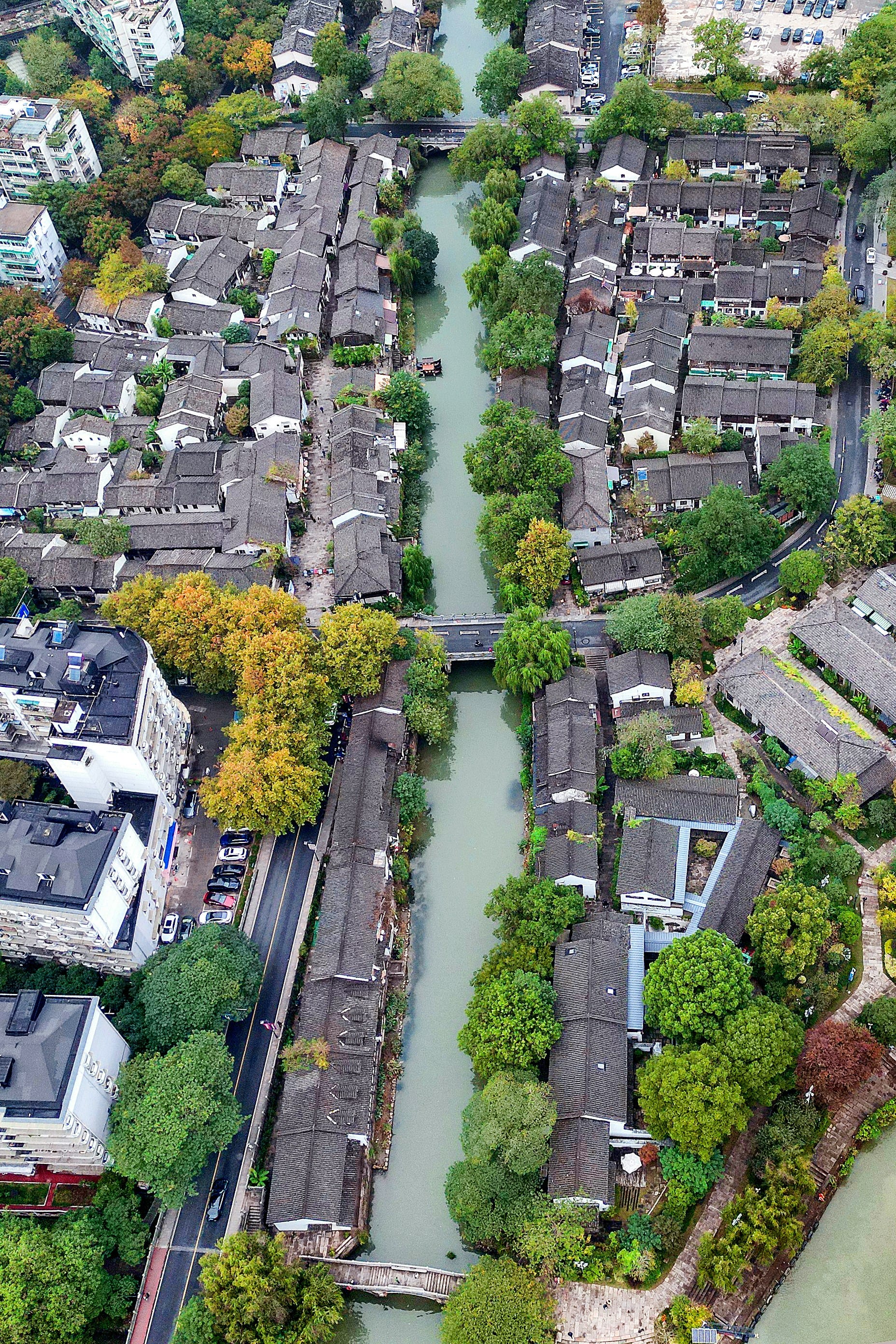
What it is: The residential, artistic ink-wash painting. Positioned just south of Qiaoxi, this narrow, 1-kilometer-long neighborhood sits at the meeting point of the Grand Canal and the Xiaohe River, with the wider Yuhangtang waterway network nearby.
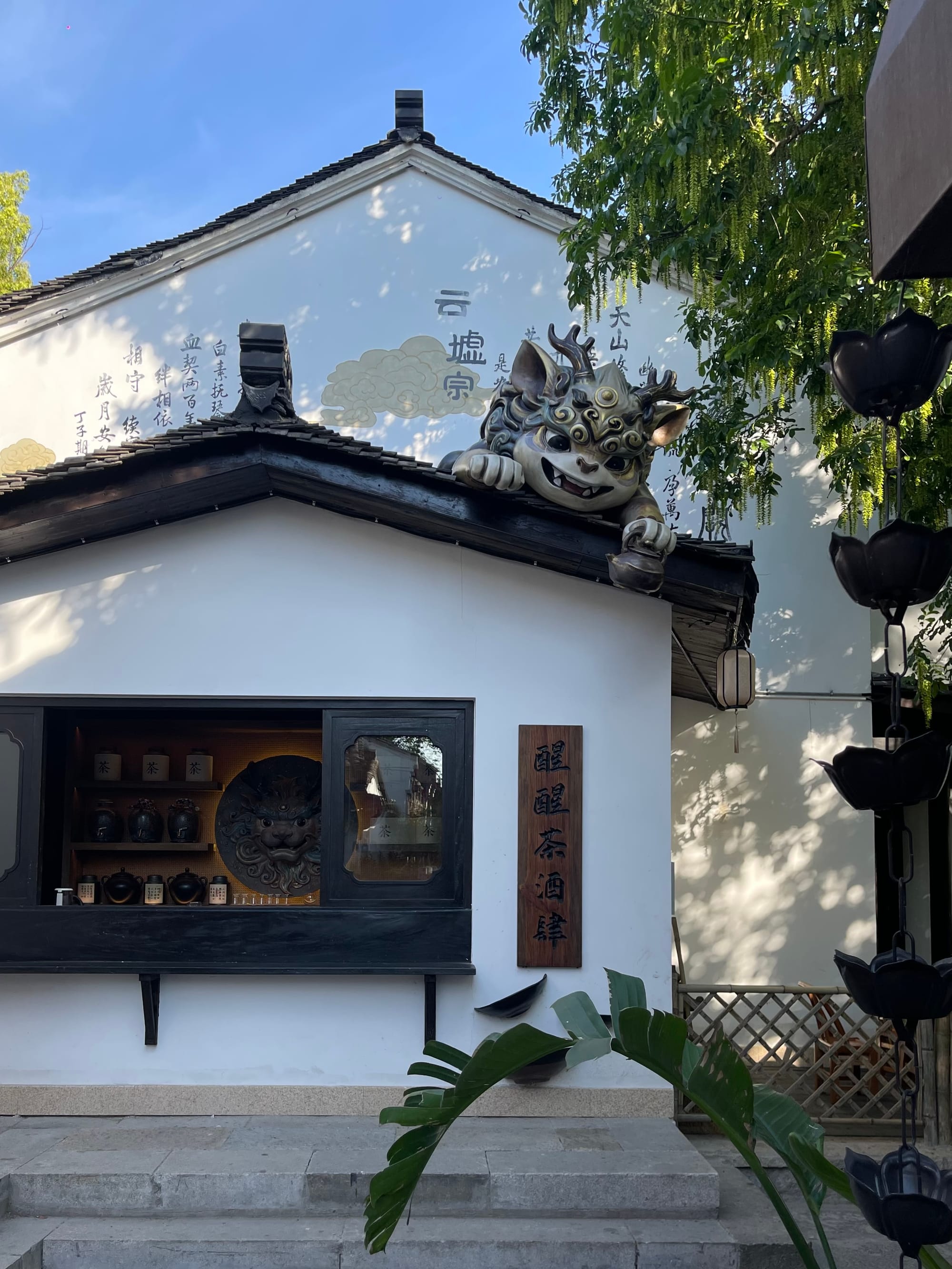
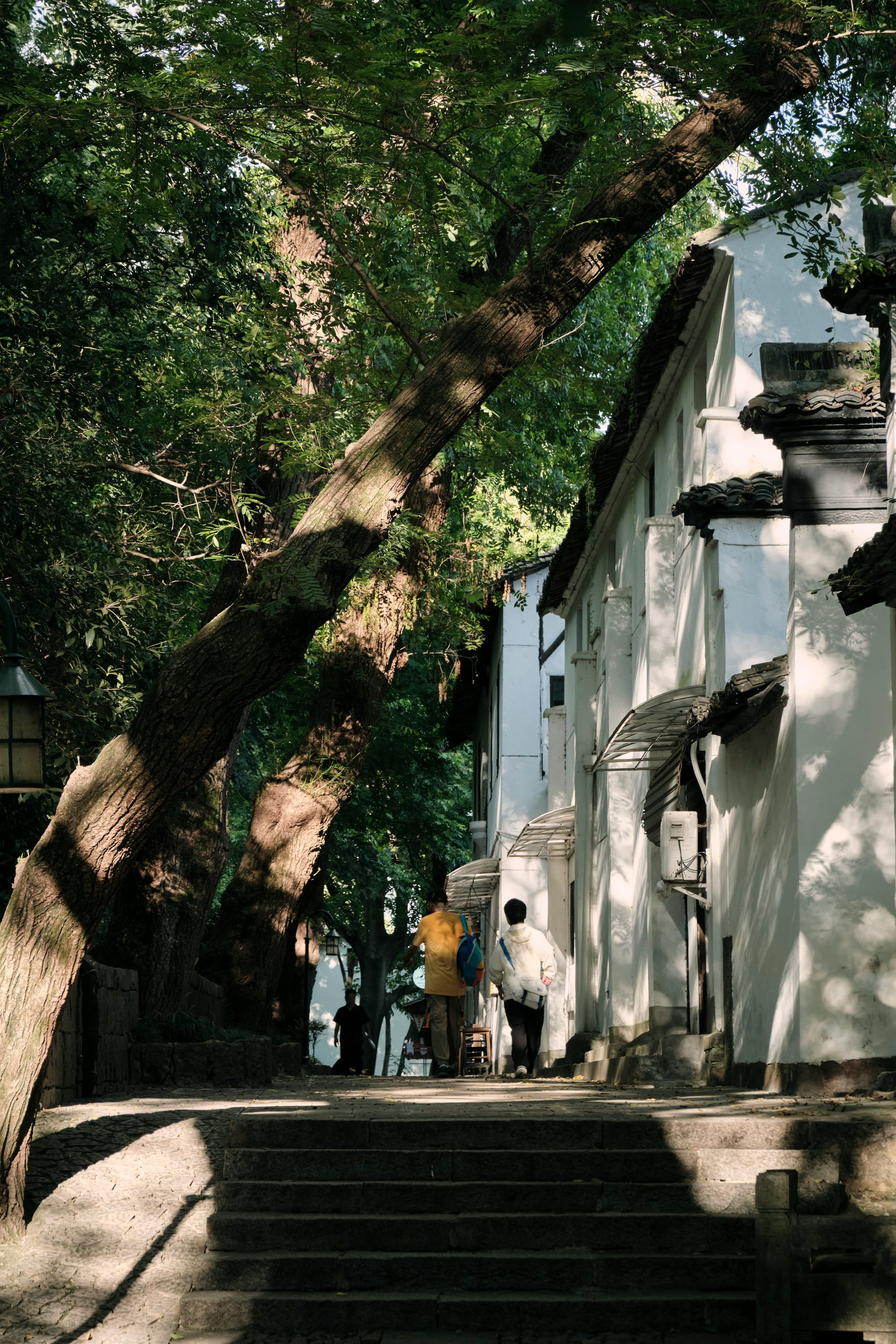
The Experience: This is the most authentic slice of late-Qing and early-Republican Jiangnan daily life. Its signature "shop downstairs, home upstairs" (下店上宅) timber houses feature white plaster walls and black-shingled eaves overhanging a maze of incredibly narrow flagstone alleys. Today, the neighborhood mixes local residents with indie creatives, ceramic artisans, small cafés, and cats sleeping on stone doorsteps.
An upcycled Enclave: Xiaohe Park (小河公园)
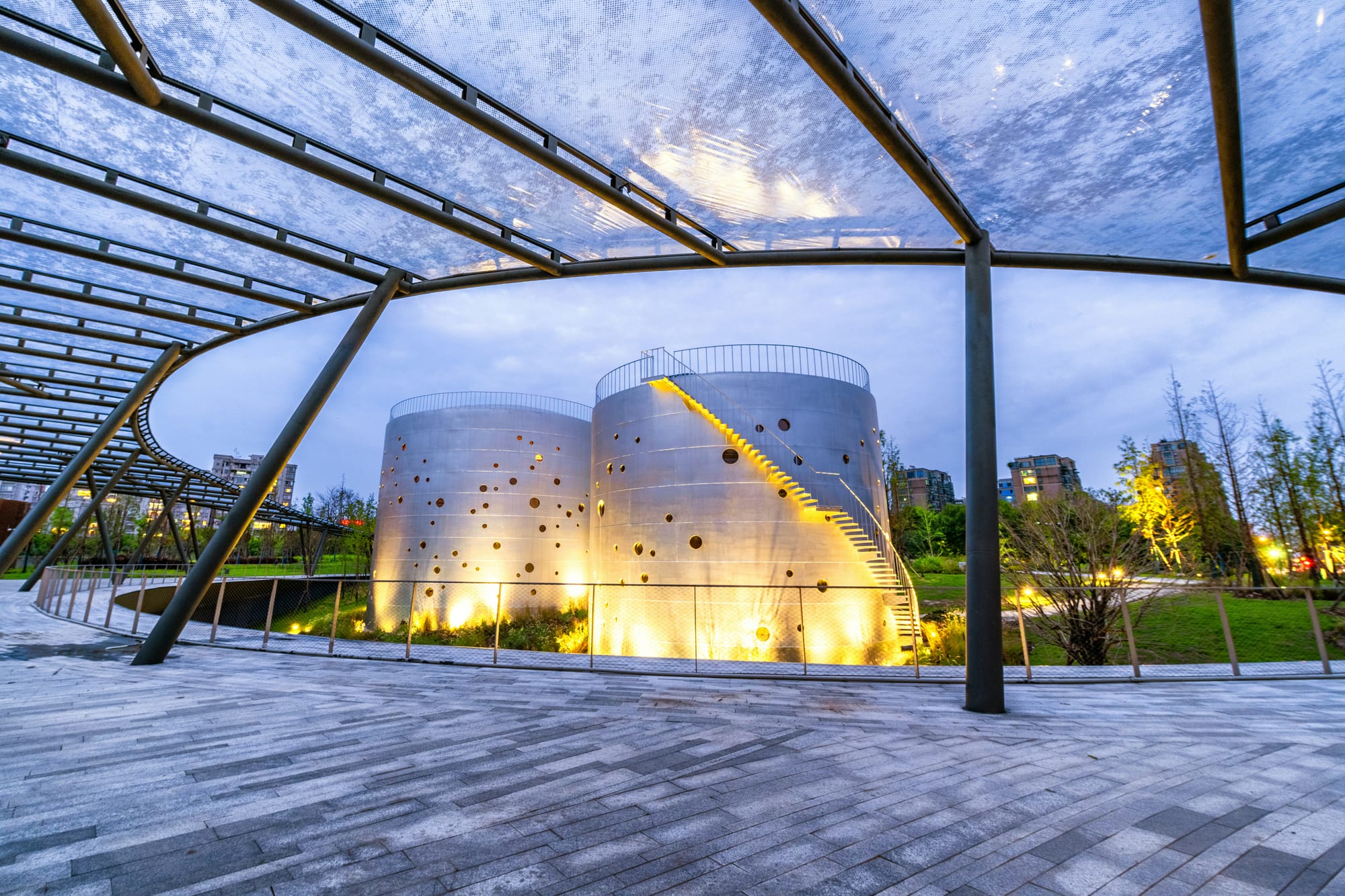
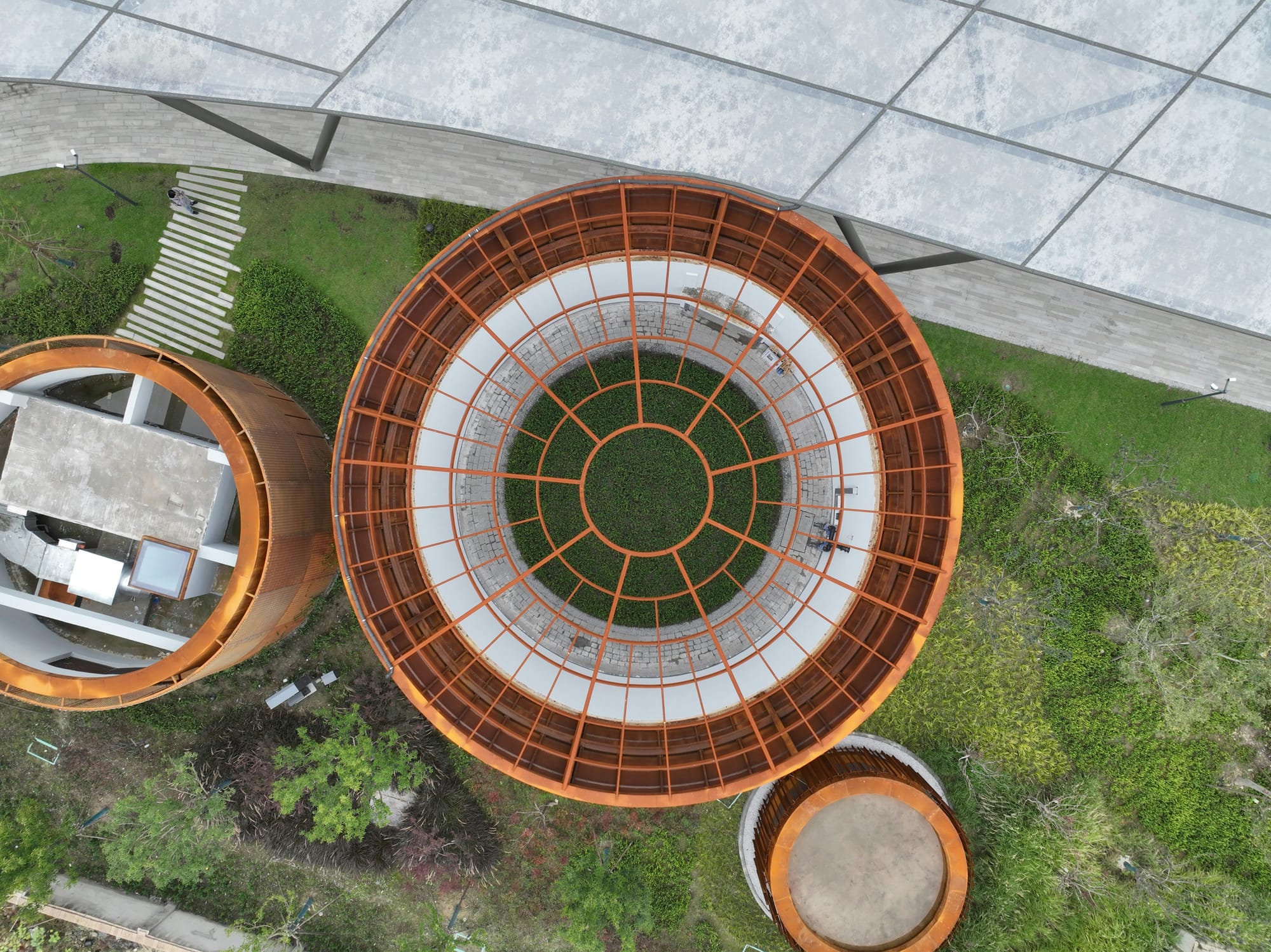
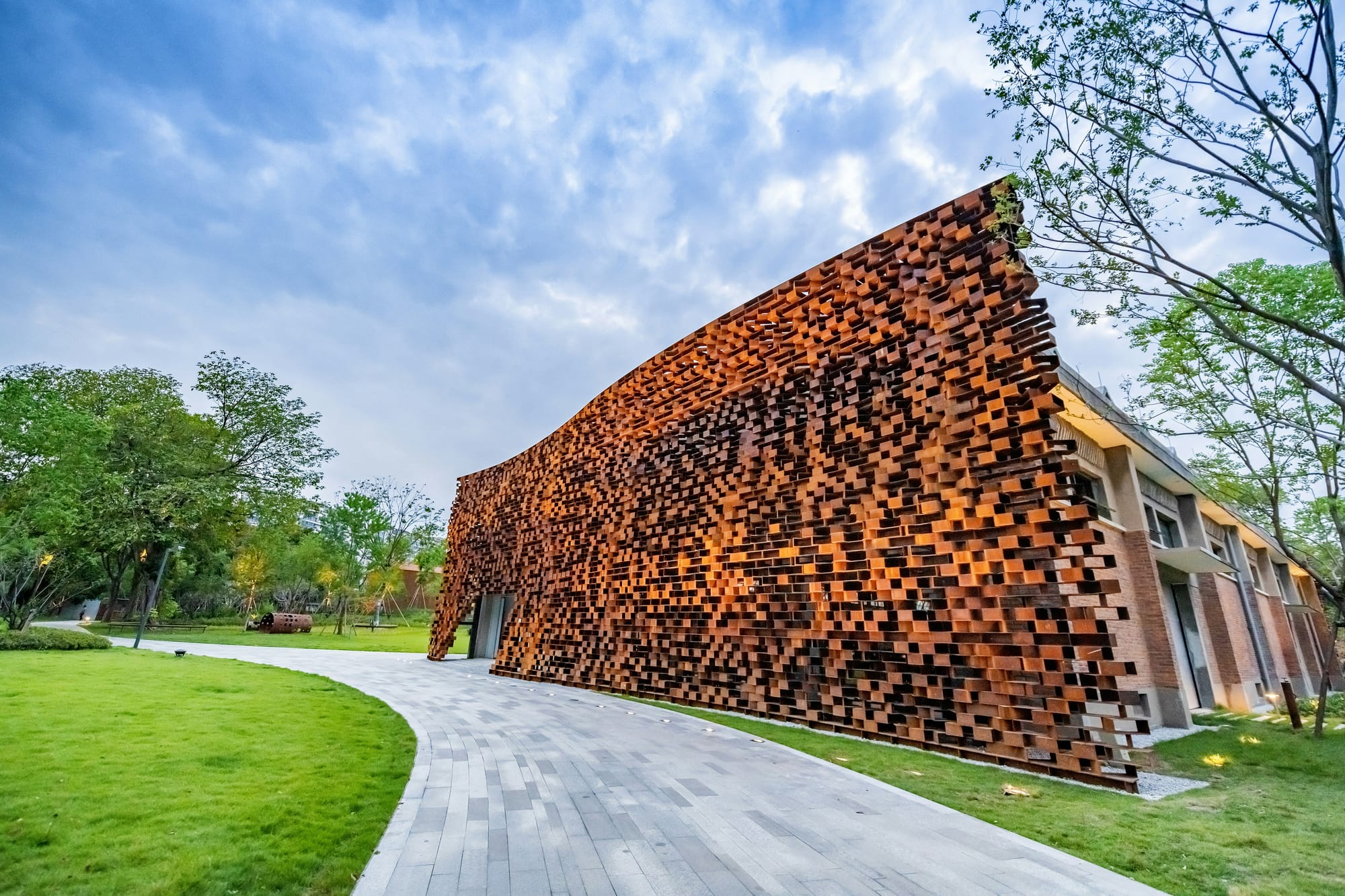
Just south of Xiaohe Zhijie sits Xiaohe Park, an industrial oil depot masterfully upcycled into a public sanctuary by architect Kengo Kuma. Rather than demolishing the gritty mid-century industrial facility, the project preserved several brick warehouses and massive fuel tanks, wrapping them in Corten steel and a lightweight, leaf-patterned mesh canopy.
This is not a polished tourist attraction, but a quiet civic space entirely reclaimed by locals for tai chi, skateboarding, and riverfront strolls. For design enthusiasts, it offers a brilliant look at contemporary adaptive architecture.
3. Fuyicang Relics Park (富义仓 — "The Wealth & Righteousness Granary")
What it is: Sitting furthest south, near the Xiangji Temple docks, Fuyicang was built in 1880 as one of China's premier imperial strategic grain reserves, storing thousands of tons of rice to prevent famine across the empire. Known as one of the "Granaries Under Heaven" alongside Beijing's Nanxincang
The Experience: The complex is a fine example of historical preservation. Its thirteen surviving brick-and-timber granary buildings showcase traditional Chinese warehouse architecture. After recent renovations, the site now features a museum that delves into the history of granaries and canal transport, alongside cultural and creative spaces, transforming this former "material granary" into a "spiritual granary"
How to Find Them & Move Between Them
The ultimate way to explore these districts is to treat them as a single, flowing journey along the water, using Hangzhou’s legendary Water Bus (水上巴士) rather than standard road transport.
1. Getting to the Starting Point (Qiaoxi)
Take Subway Line 5 to Grand Canal Station (大运河站). Walk 10 minutes northwest to the base of Gongchen Bridge and the entrance of the Qiaoxi District.
2. Moving from Qiaoxi to Xiaohe Zhijie
[🚶♂️ Walk] You can walk about 1 km (0.62 mi) south along the continuous, shaded riverside pedestrian boardwalk.
[🛳️ Water Bus] Catch Water Bus Line 1 from the Gongchen Bridge Dock and disembark one stop later at Xinyifang Dock (信义坊码头).
3. Moving from Xiaohe Zhijie to Fuyicang
[🚶♂️ Walk] Walk south along Lishui Road — about 2 km, roughly 31 minutes. This scenic route passes near Xiangji Temple along the canal.
[🚌 Bus] Walk to the Qinjian Bridge North (勤俭桥北) bus stop. Take Bus 570 for 7 stops (approx. 15 mins) and get off at Fuyicang Station (富义仓站), which drops you right at the entrance.
[🚖 Taxi] A taxi or ride-hailing service (e.g., Didi) takes about 10 minutes for the roughly 2–3 km journey along the canal roads.
Taxi Cards (Copy for Didi/Drivers)
📍 Qiaoxi: 杭州市拱墅区桥西直街1号
(No. 1 Qiaoxi Straight Street, Gongshu District)
📍 Xiaohe Zhijie: 杭州市拱墅区小河直街历史文化街区
(Xiaohezhijie Historic District, Gongshu District)
📍 Fuyicang: 杭州市拱墅区霞湾巷22号
(No. 22 Xiawan Lane, Gongshu District)
Admission & Booking
Tickets: Free. All three historic districts, boardwalks, and courtyards are open public spaces. The industrial museums inside Qiaoxi are also free to the public.
Booking: No advanced app booking, smartphone reservations, or passport pre-verifications are required to enter the districts.
Hours: The streets are accessible 24/7. The Qiaoxi Museum Cluster operates from Tuesday to Sunday, 09:00–17:00 (Closed Mondays).
Timing Strategy
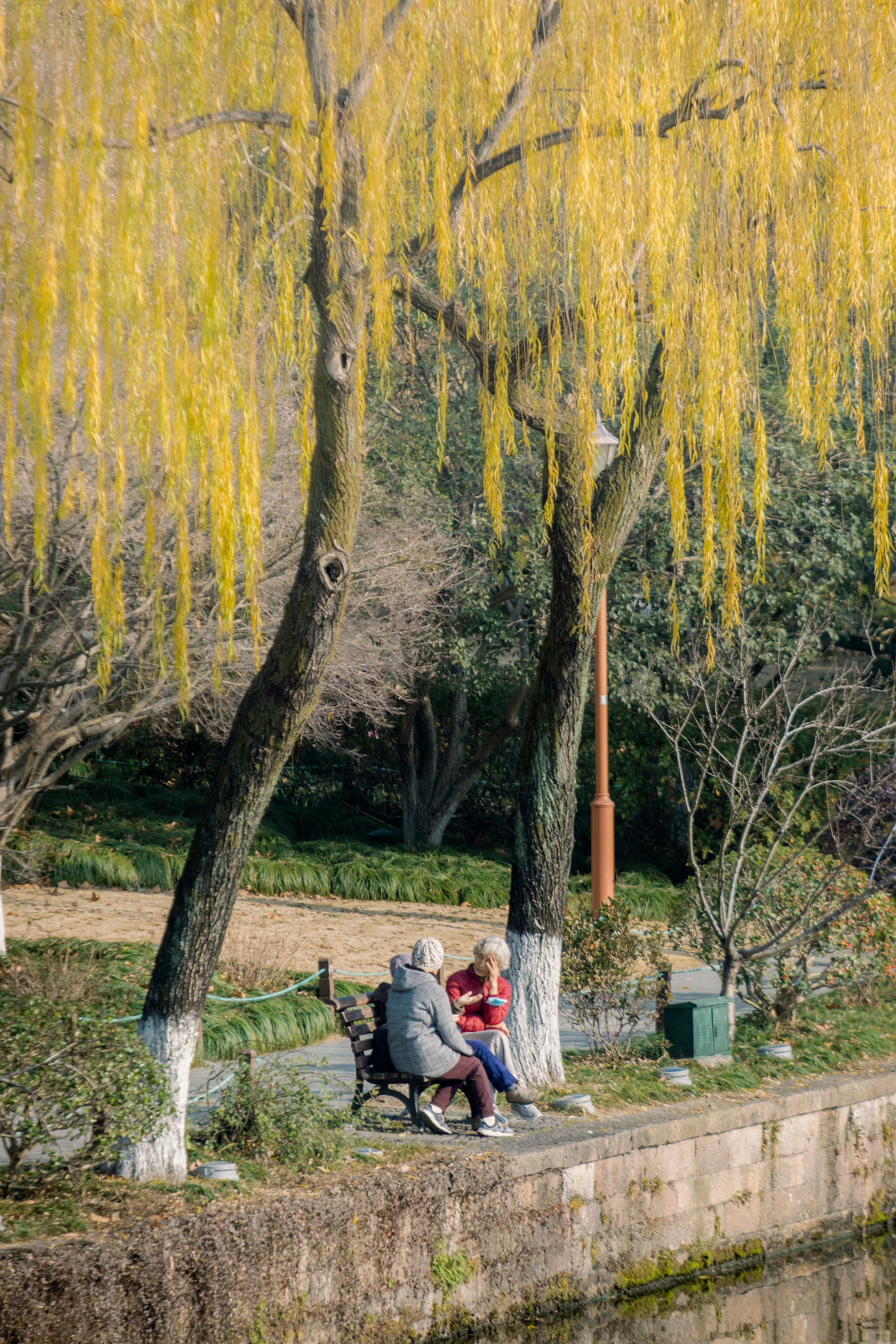
Visit Qiaoxi in the midday heat to explore the air-conditioned indoor museums. Move to Xiaohe Zhijie around 17:00 to 19:30 to watch the warm, amber lanterns glow beneath the black eaves as dusk falls over the river.
Food & Drink Recommendations
The culinary identity along the Grand Canal bridges the hearty, comforting food of the historic boatmen with contemporary, design-forward tea culture.
1. Lunch: The Canal-Side Kitchen in Qiaoxi
Tucked into the brick alleyways of Qiaoxi are small, unhurried restaurants serving the kind of Hangzhou canal-side cooking that rarely makes it onto tourist itineraries — river fish ordered fresh from the morning catch, slow-braised pork belly, and seasonal marsh vegetables cooked simply and without ceremony.
The neighborhood offers three standout options depending on your preferred dining style:
• Tongyuanli · Yuanzi Restaurant (同源里·院子餐厅) — The Historic Courtyard
Occupying a 2,000-square-metre, century-old courtyard mansion, the menu is built around "wall-gate cuisine" (墙门菜) — the kind of hearty, home-style Hangzhou cooking that locals grew up with. Their braised pork belly with eggs (土鸡蛋烧肉), slow-cooked fish head with rice cakes (家烧鱼头), and house special eggplant (院子私房茄子) keep regulars coming back.
• Qiaopan Restaurant (桥畔酒家) — The Waterfront View
Sits right near the water and serves classic canal-side Zhejiang fusion. The rice-aroma red-braised pork (稻香红烧肉) and fish head in rich broth (桥畔鱼头皇) are executed with the confidence of decades of practice, while the traditional stir-fried three delicacies (老底子炒三鲜) offers old Hangzhou in a single bowl.
• Lu Ya Er (卤鸭儿) — The Local Legend
A rowdy, no-frills spot where the signature braised duck (招牌卤鸭儿) is strictly limited and sells out fast — go early or risk disappointment. The bustling neighborhood atmosphere is as much a part of the meal as the food itself.
Addresses & Directions
Tongyuanli · Yuanzi Restaurant: No. 64–73 Qiaoxi Straight Street (桥西直街64-73号). Located within the historical residential core.
Qiaopan Restaurant: No. 388-8 Xiaohe Road, Gongshu District (拱墅区小河路388-8号).
Lu Ya Er: Xiaohe Road No. 403(小河路403号). Located slightly south along the main road.
2. The Atmospheric Tea Break: Second-Floor River Views in Xiaohe Zhijie
Xiaohe Zhijie is lined with traditional two-storey merchant houses — shops below, living quarters above — a layout unchanged since the late Qing dynasty.
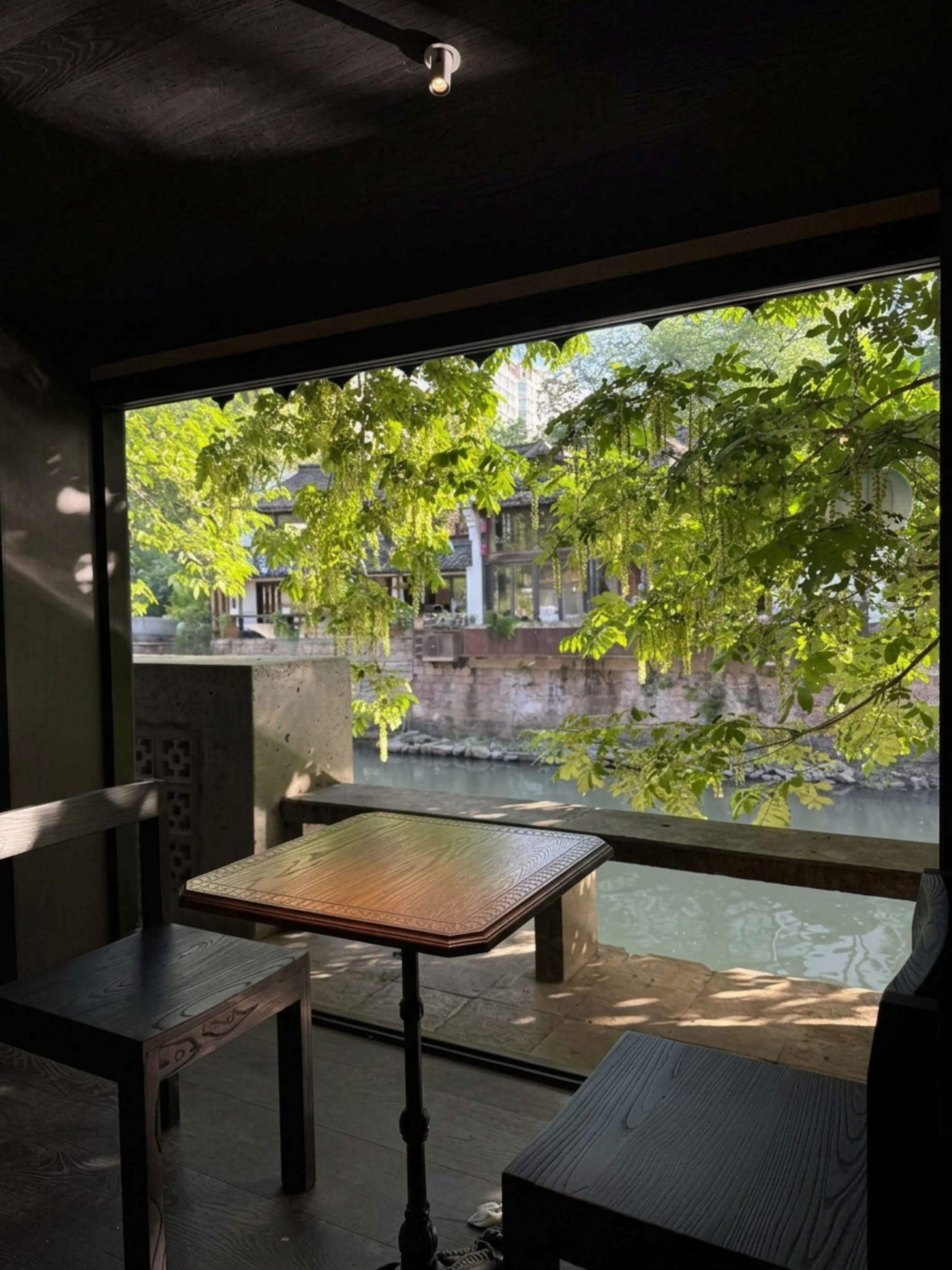
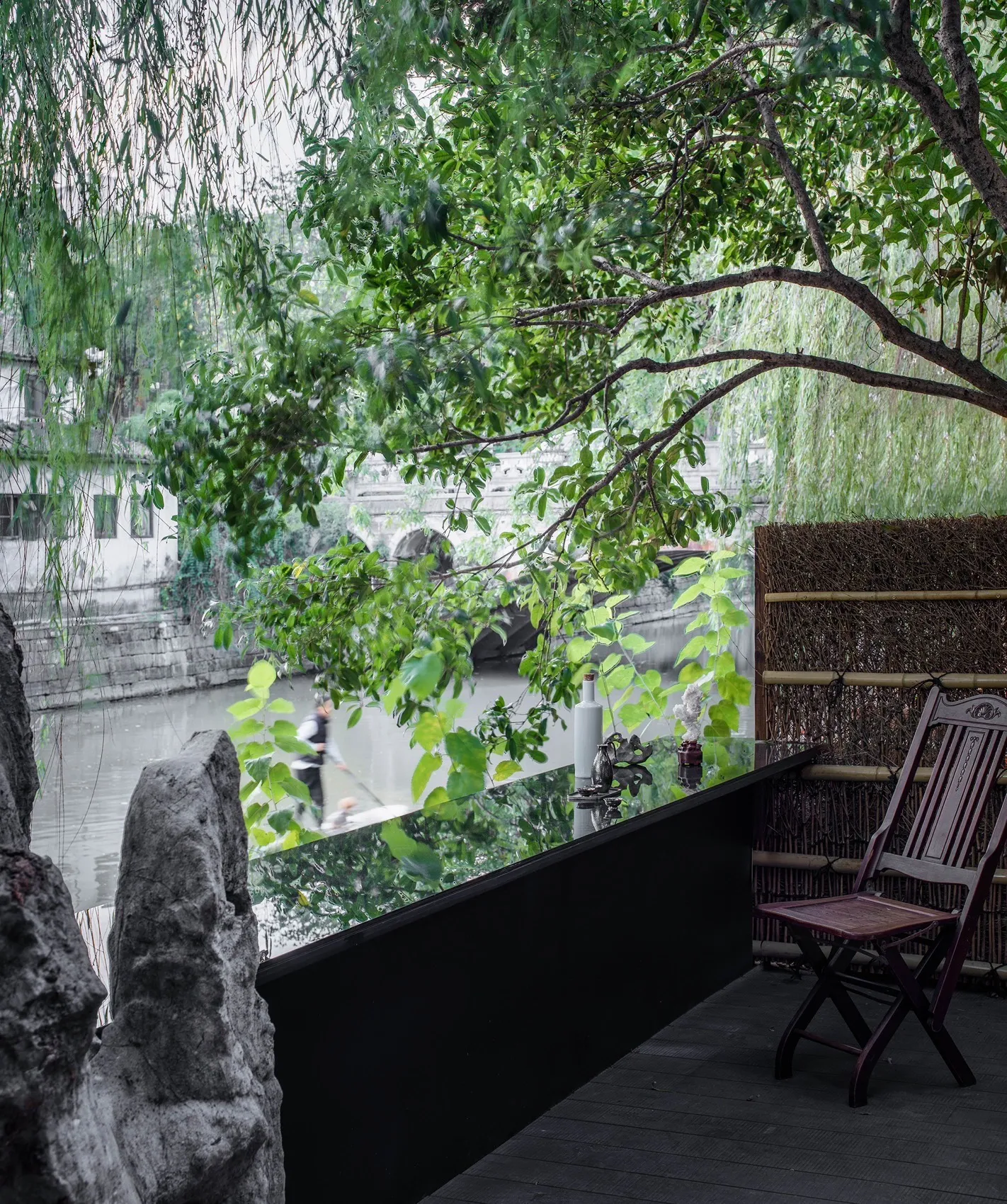
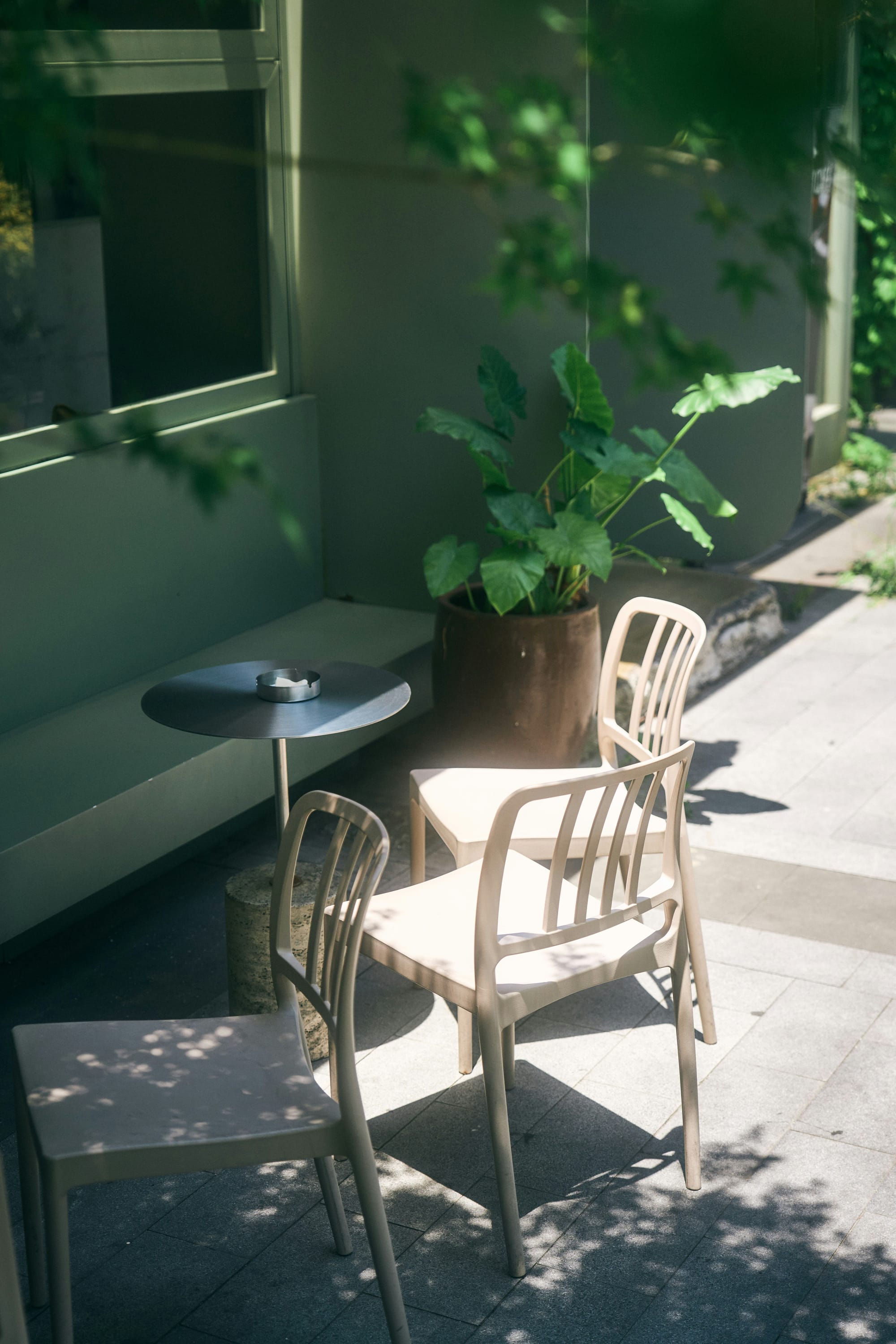
Many of these ground-floor shopfronts have quietly become teahouses and specialty cafés, some with narrow wooden balconies on the second floor overlooking the small river that borders the street.
The Ritual: Walk past the busy streetfronts and find a teahouse with an upper-floor window seat facing the water.
Order a pot of West Lake Longjing (西湖龙井 — Xīhú lóngjǐng) or, if the season is right, a cup of Jiuqu Hongmei (九曲红梅 — Jiǔqū hóngméi). This fully oxidised red tea — what Western drinkers would call black tea — is grown in the hills just west of the city and is rarely found outside Hangzhou.
Sit on the weathered wooden bench, open the lattice windows, and spend an hour watching the small wooden punts glide along the narrow river below, while pedestrians drift along the street-side bank just beneath your window.
Useful Phrase
“请问二楼靠窗还有位置吗?”
(Qǐngwèn èrlóu kàochuāng hái yǒu wèizhì ma? — "Excuse me, is there still seating available by the window on the second floor?")