Beijing
Where empire, power and everyday life share the same frame
Beijing's pull isn't any single sight. It's the layering: nearly five centuries of imperial order still built into the street plan, the machinery of modern power running on top of it, and a tough northern city carrying on with ordinary life in between.
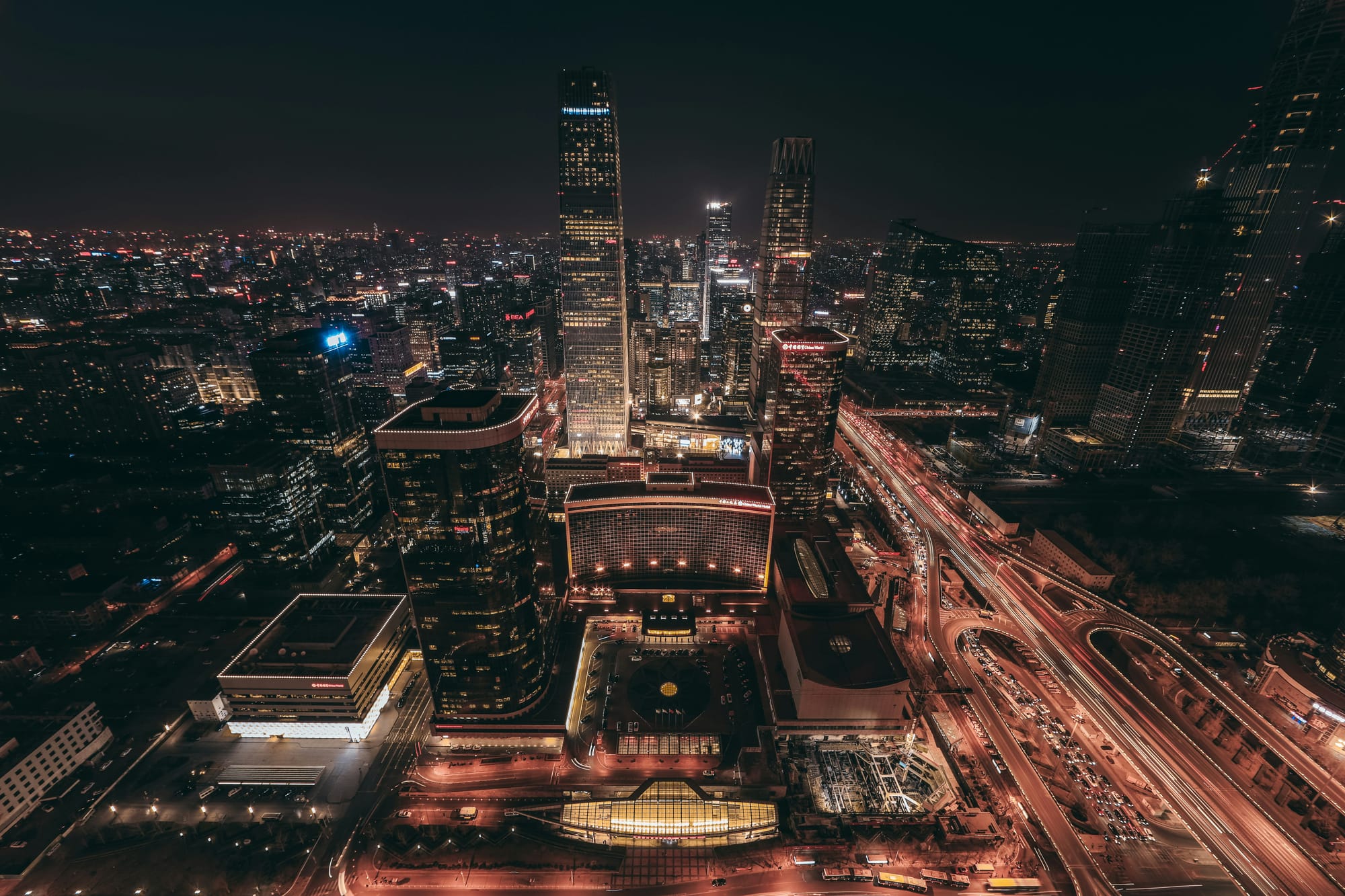
It's also where China and the world meet at the top. Embassies, international organisations, state-enterprise headquarters and the China offices of foreign companies all sit here, which makes Beijing something like the country's barometer. A lot of its policy, business and cultural weather starts in this city.
- THE EXPERIENCE
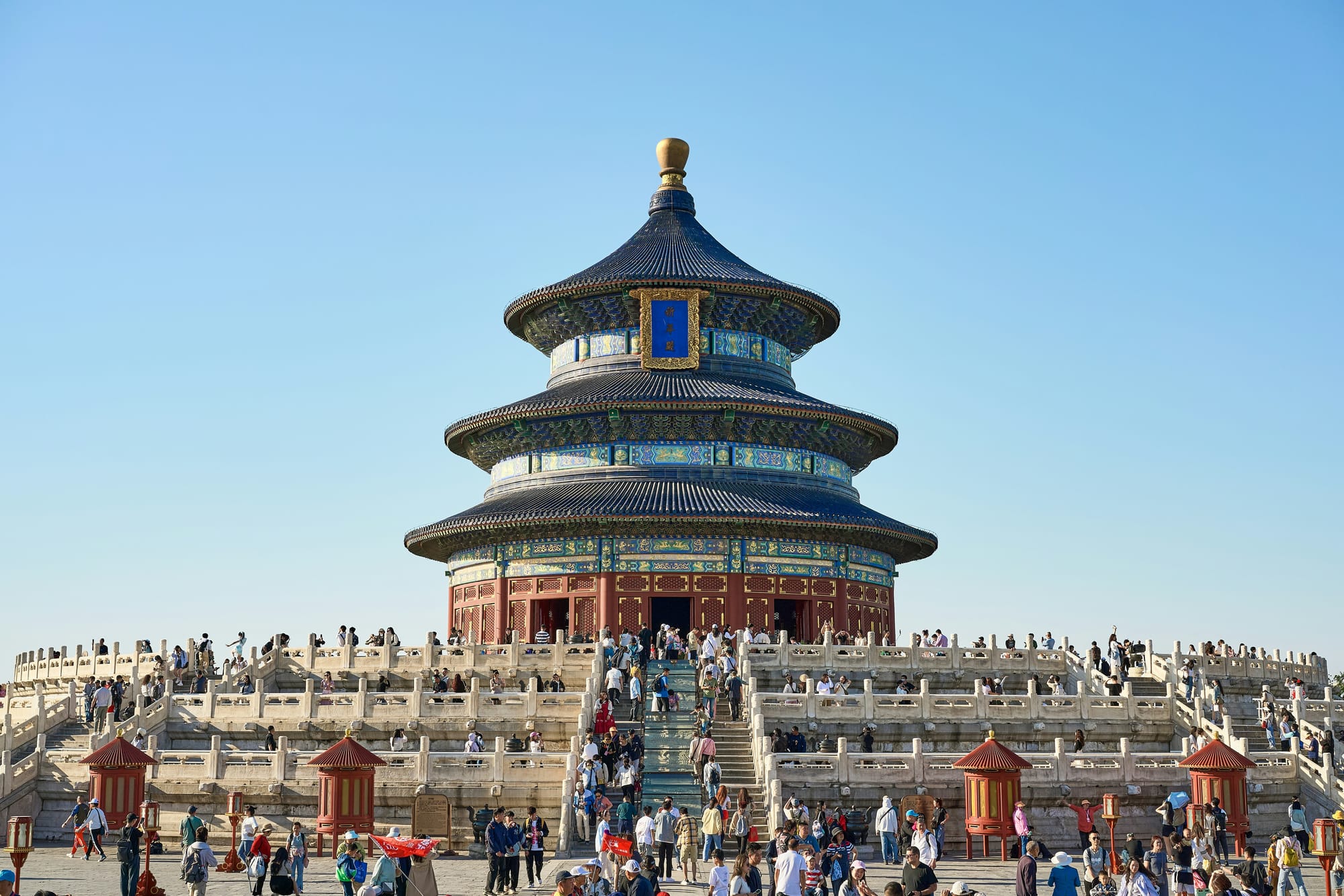
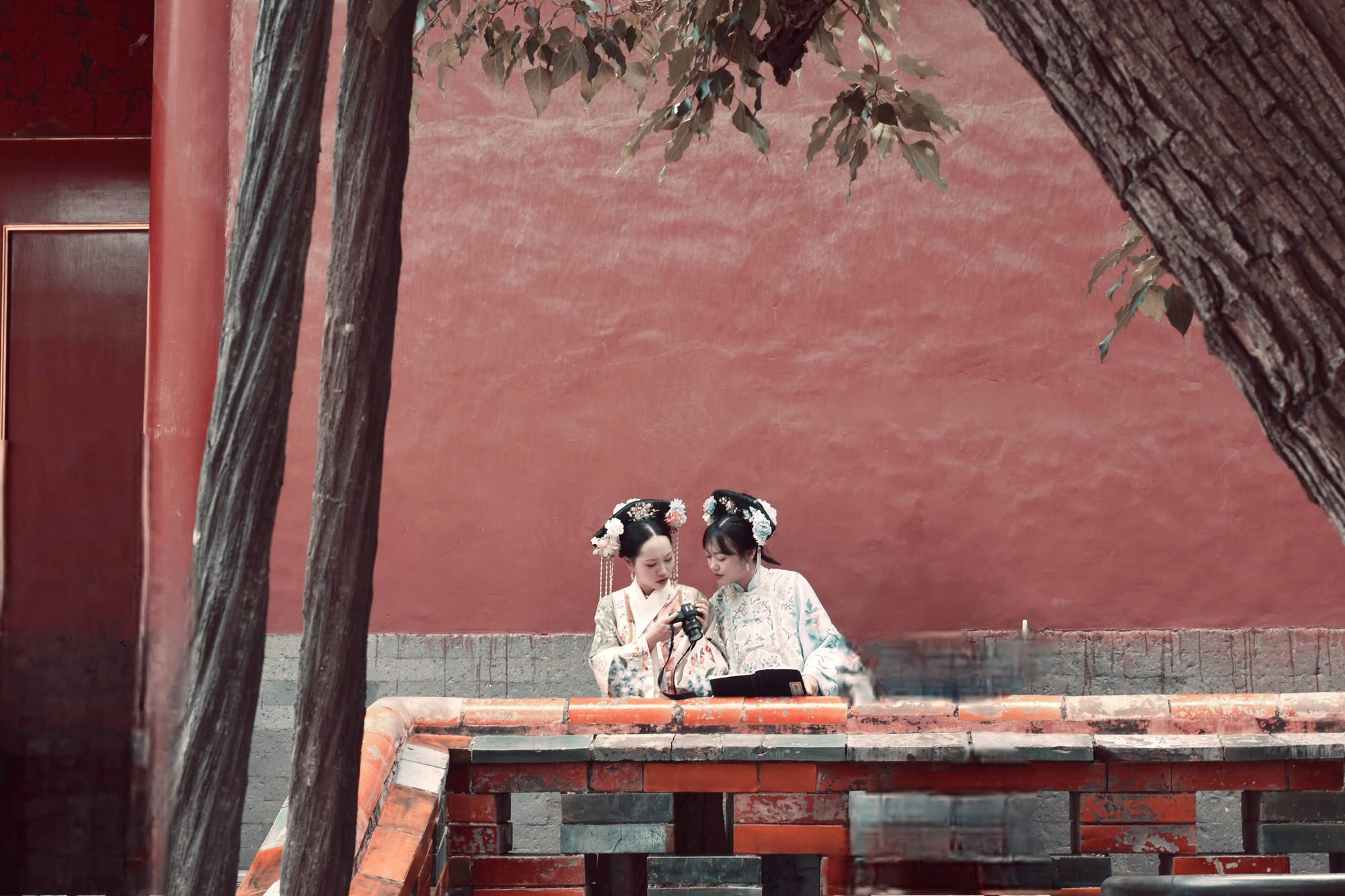
The central axis, the Forbidden City, the Temple of Heaven, Jingshan Park and the Bell and Drum Towers are one imperial order left in the city, and walking through it, you can feel how power was once turned into space.
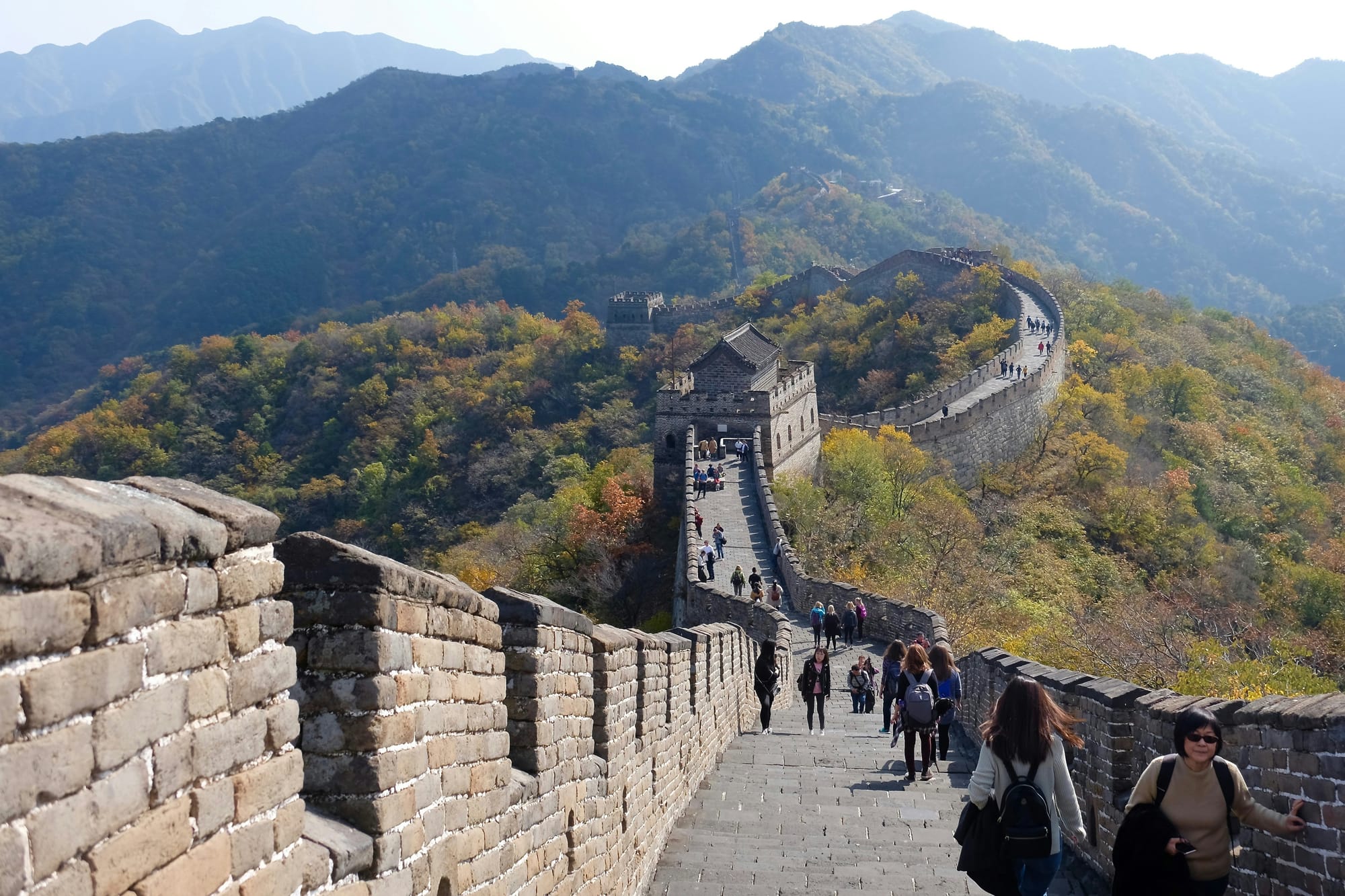
The Great Wall is a day trip away, at Mutianyu.
The present sits on the same ground. Tiananmen Square, the Great Hall of the People and the embassy district are the seat of today's power, a few kilometres from the emperors' halls.
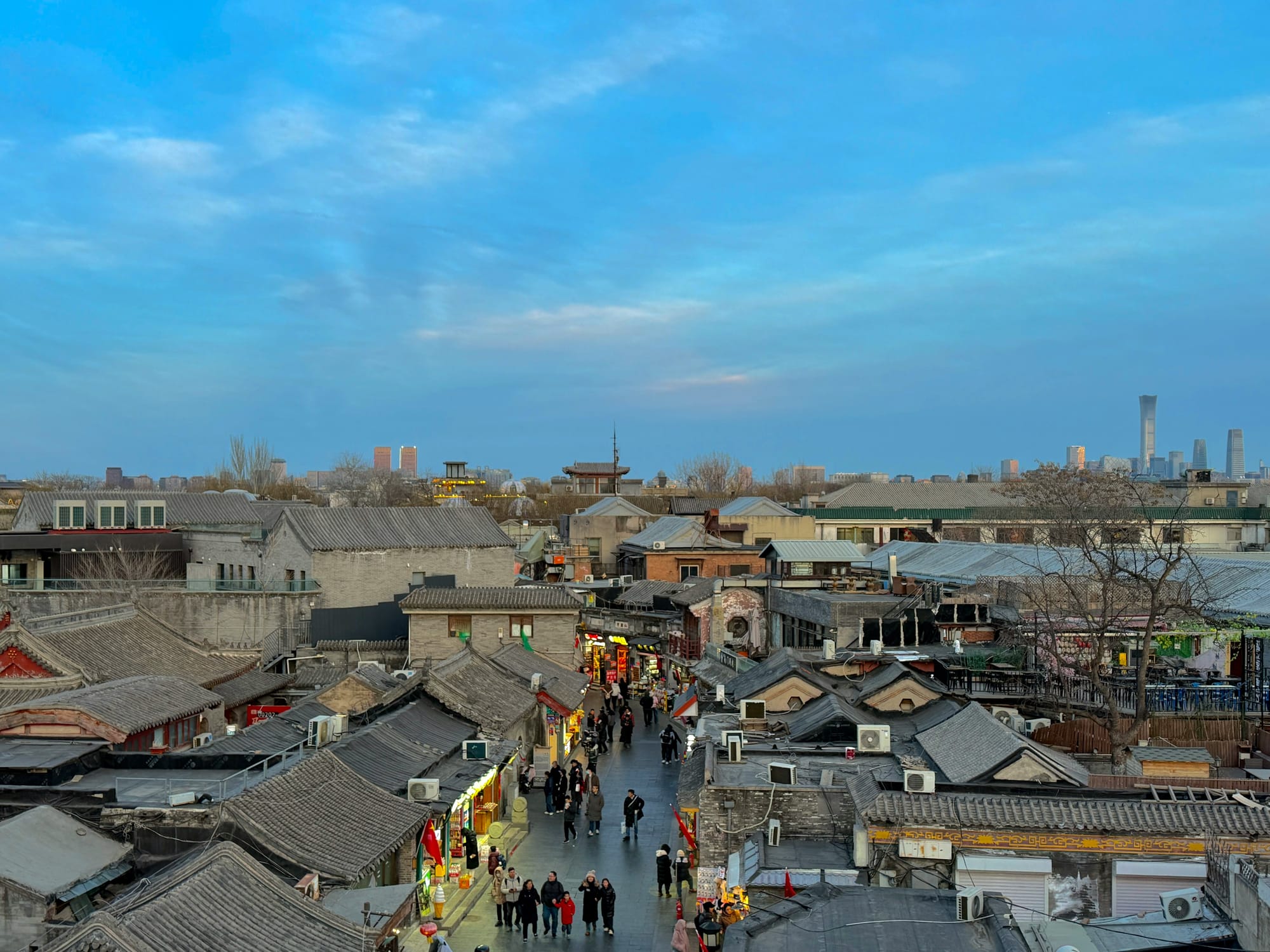
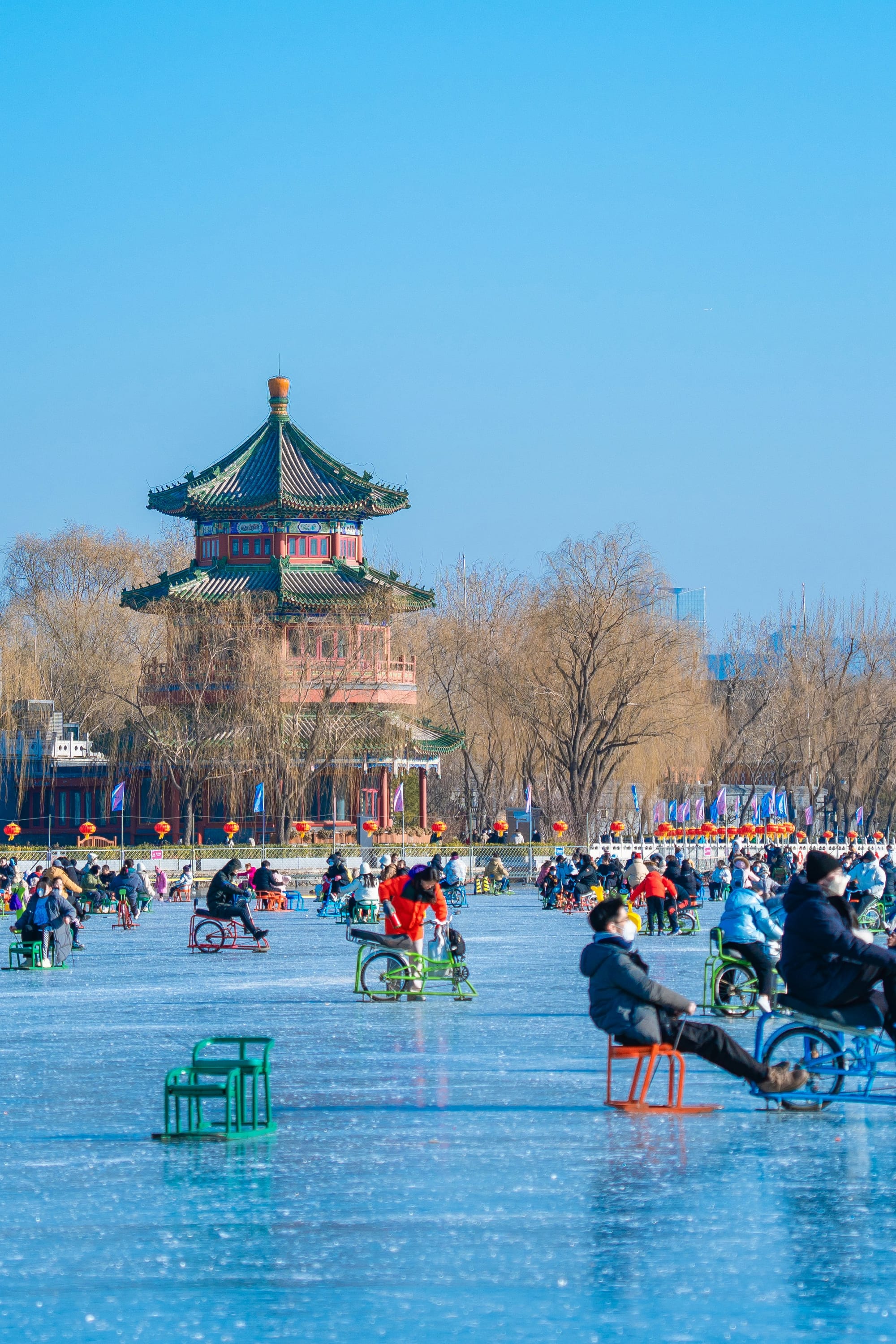
Then there's everyday Beijing: hutongs (the old alleyway neighbourhoods), courtyard houses, art studios, small restaurants, and neighbourhood parks where the morning brings group exercise and old men playing chess.
 Kelly
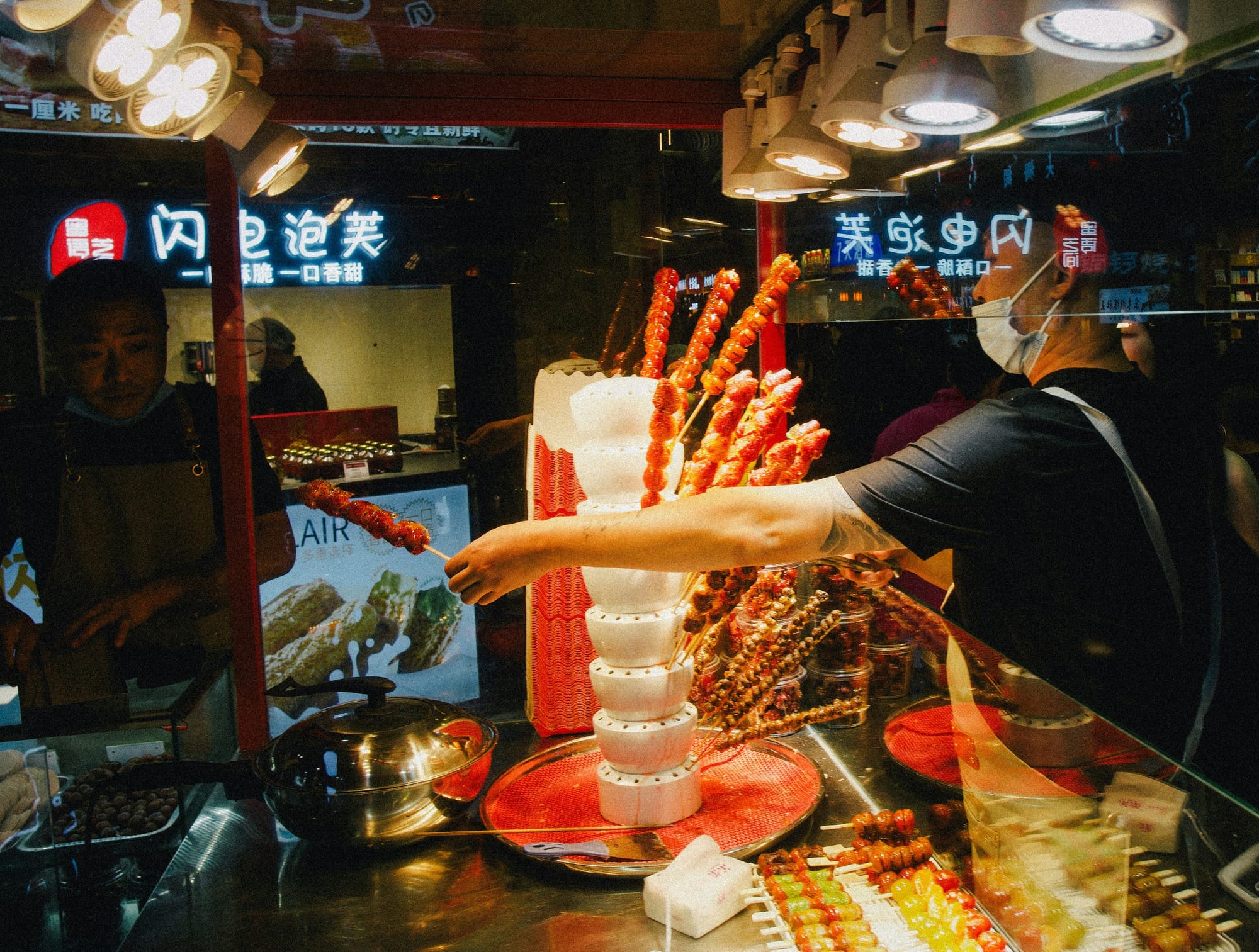
Hotpot, roast duck and zhajiangmian (noodles in fermented soybean paste) are the food of a city with a rougher, more direct northern character than Shanghai, Guangzhou or Chengdu.
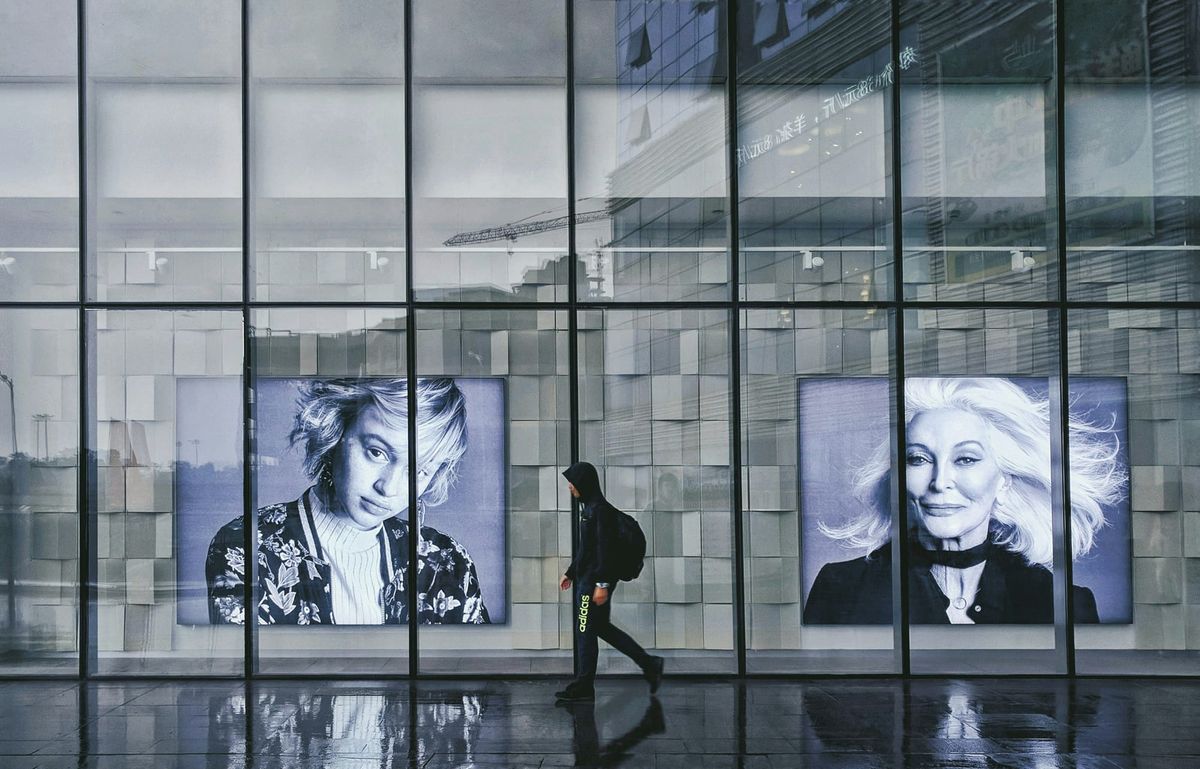
And the avant-garde runs alongside all of it, from former factory complex turned art districts, to independent music, cafés and a large international community.
- BEST FOR
First visit: the essentials, meaning the Forbidden City, the Great Wall and the Temple of Heaven. Return visit: Beijing itself, meaning the hutongs, galleries, small restaurants and cafés. Anyone who prefers weight and complexity to polish.
- MAY NOT BE FOR YOU IF
You want a refined, easy city. Beijing is dense, demanding and unhurried about it. You want gentle weather: winters are bitter and summers hot. You'd rather not plan ahead, because the headline sights run on advance booking and passport checks.
- HOW LONG?
3–4 days for a first visit just for the essentials; 5 or more if you want the hutongs and galleries as well as the icons.
- GETTING THERE
Beijing has eight train stations and two airports, Capital and Daxing. From Shanghai, the fastest trains take 4 hours 18 minutes. The Great Wall at Mutianyu has no direct train, so plan on a car.
- PAIRS WELL WITH
Tianjin, 30 minutes by high-speed train, for colonial architecture, crosstalk teahouses, and famous street food · Xi'an, about 4 hours, for an earlier imperial capital · Shanghai, about 4.5 hours, for the modern counterpoint.
Forbidden City tickets are online only, real-name, and released seven days ahead. You'll need your passport to book and the physical passport at the Meridian Gate. It's closed on Mondays except public holidays.
Book Mutianyu transport in advance.
Read up on the hutongs before you go. Knowing the history of what you're walking through turns a stroll into something richer, and much of old Beijing's soul is tucked away in those lanes.