Tianjin
Concession Architecture, Stand-up comedy Tradition, and Riverfront Spirit
Tianjin is a city where diversity is etched directly into its vibrant DNA. Positioned at the confluence of nine rivers and the Bohai Sea, it grew from a 1404 garrison town into a bustling treaty port after 1860, where European concessions transformed its urban canvas into an open-air architectural gallery.
As you step along its tree-lined avenues, your senses register a place where grand history seamlessly blends with everyday life: the irresistible aroma of freshly cooked mung-bean crepes (jianbing guozi) sizzling on flat griddles; the gentle breeze along the Haihe River carrying the echo of laughter from nearby neighbourhoods; the tactile warmth of hundred-year-old European brickwork; and the rapid-fire, melodic banter of crosstalk comedians (Xiangsheng) filling the air.
It is a living, lighthearted sanctuary where European heritage, grand waterfront views, folk craftsmanship, and authentic northern street food are enjoyed, performed, and savored on the regular.

- THE EXPERIENCE
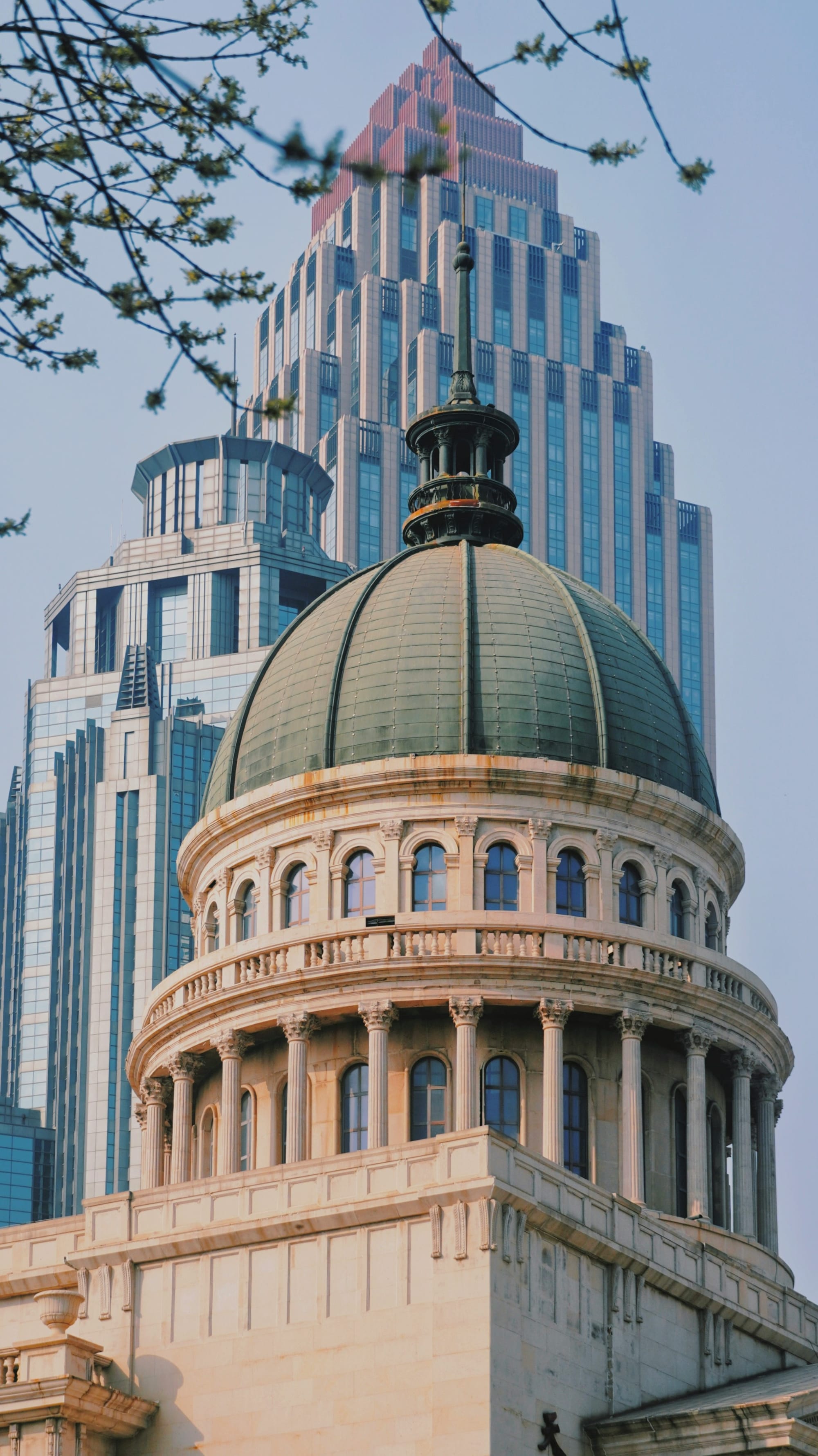
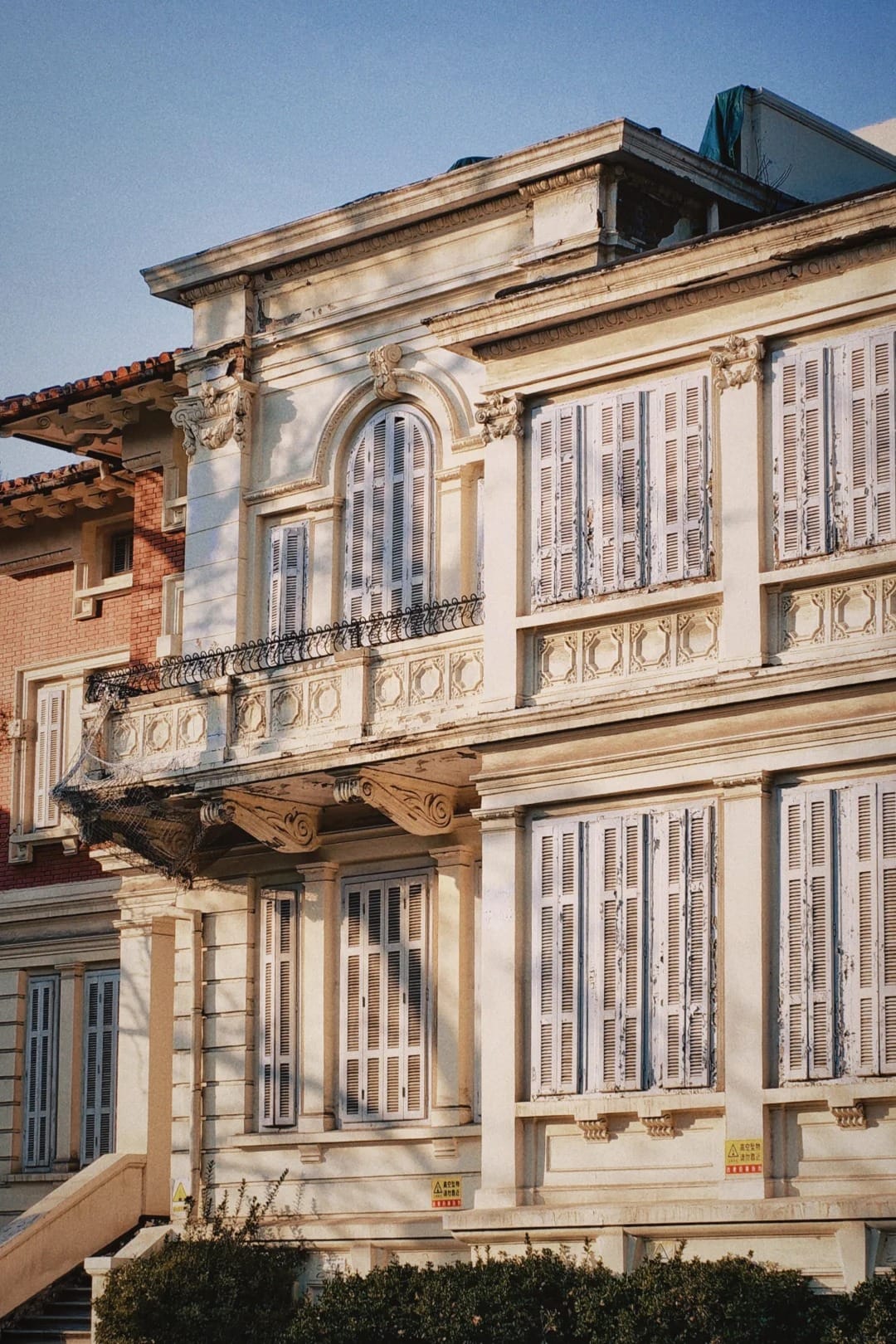
Wudadao & The Italian Style District (五大道与意式风情区) anchors the architectural journey. The Five Great Avenues (Wudadao) form a leafy enclave containing over 2,000 historic villas reflecting British, French, Italian, and Spanish styles—best explored by shared bicycle along Machang and Munan Roads.
Nearby, the Italian Style District stands as Asia’s most complete collection of Italian architecture; centered around Piazza Marco Polo, its restored streets glow warmly under street lamps at dusk, housing historic residences like that of reformist scholar Liang Qichao (1873- 1929).
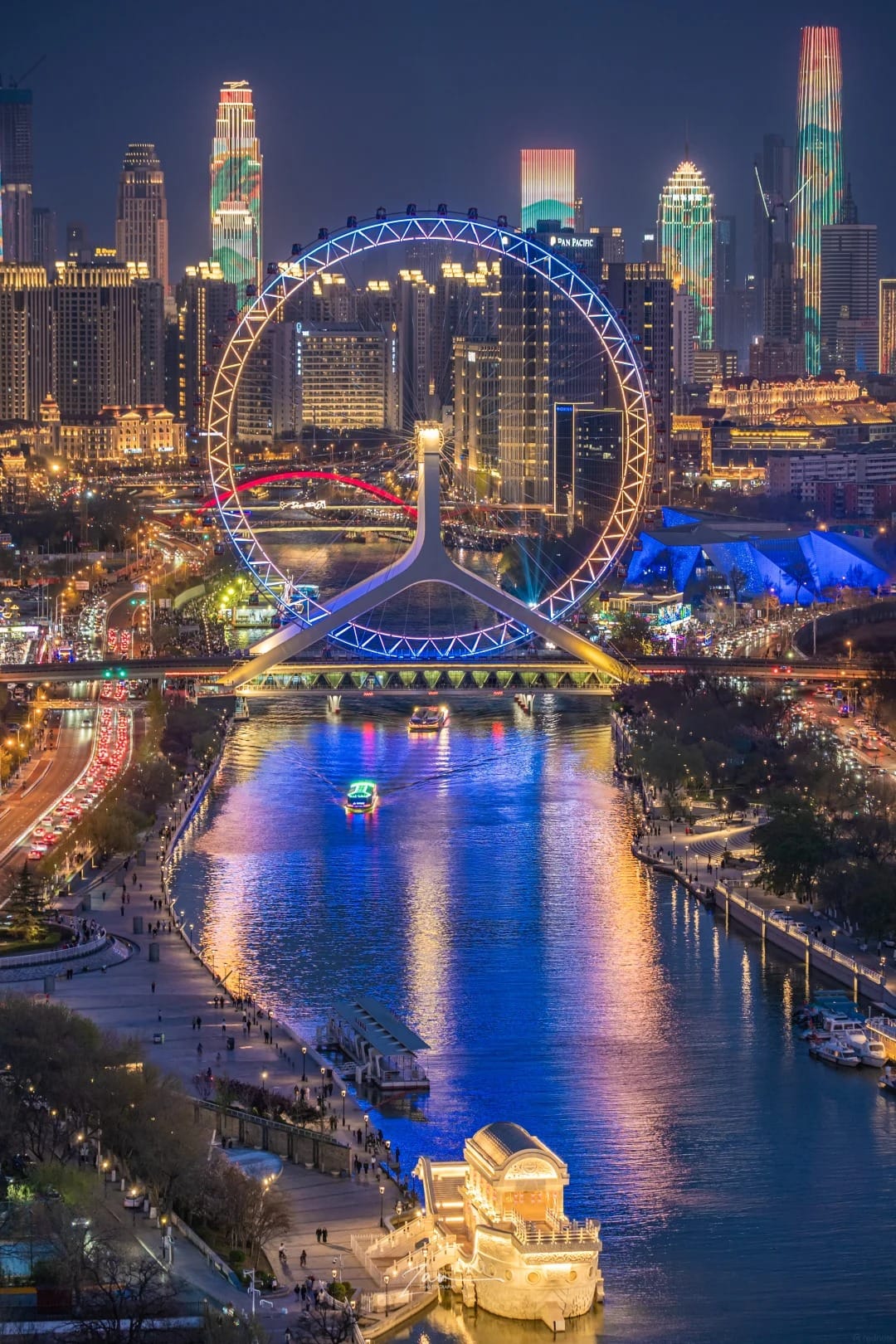
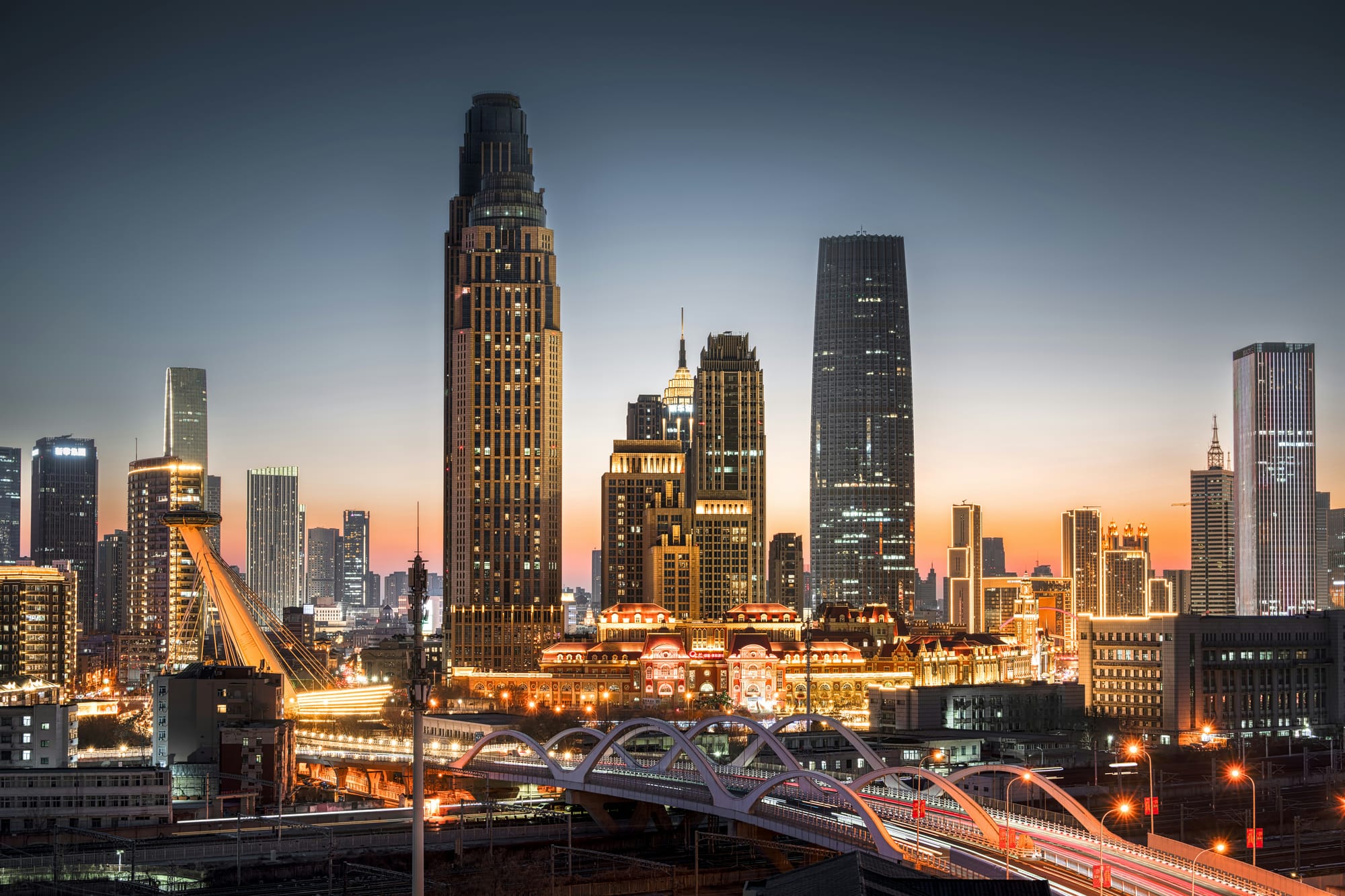
The Haihe Waterfront, Bridges & Tianjin Eye (海河夜航与天津之眼) forms the beating heart of the city's evening charm. Take a water bus or an evening river cruise to drift past grand illuminated bridges, the Century Clock, and European-style waterfront facades. End your night near the Tianjin Eye—a massive 110-meter ferris wheel built directly over Yongle Bridge—or catch the panoramic reflection of the illuminated wheel from Jin Gang Bridge.
Xibeijiao Morning Market & Classic Culinary Rites (西北角早市与津门美食) defines Tianjin's unhurried morning rhythm. Join local neighborhood queues at Xibeijiao to start your day with authentic Jianbing Guozi—mung bean crepes folded over crisp Guobier wafers with sweet bean sauce and fermented tofu—paired with piping hot Guobacai (savory crepe strips in sesame gravy). For dinner, feast on hearty local classics like Laobaosan (savory sautéed offal), Eight-Treasure Tofu, and crisp sweet-and-sour carp.
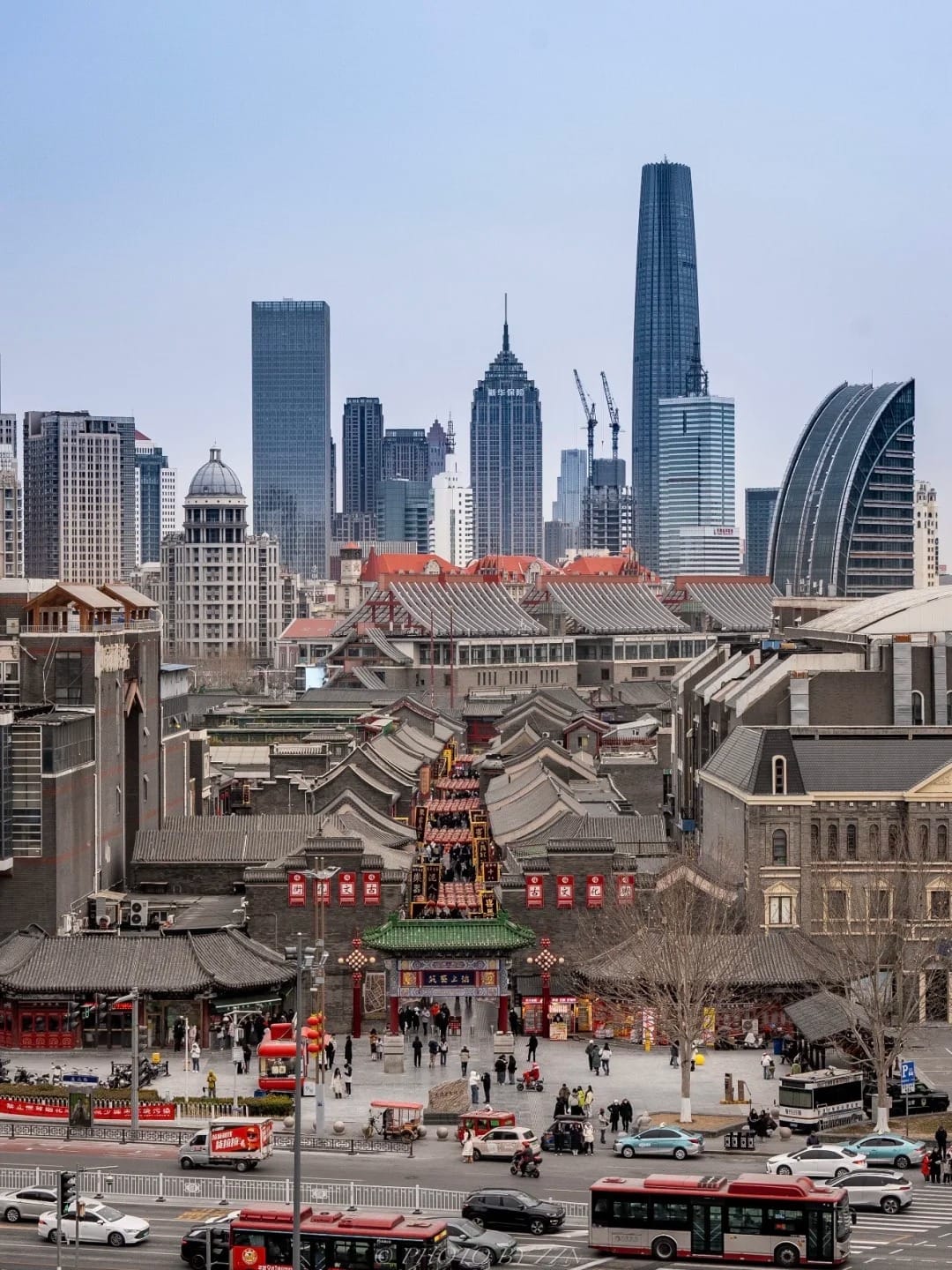
Crosstalk Teahouses & Ancient Culture Street (相声茶馆与古文化街) showcases Tianjin’s title as "Gen'er Du" (The Capital of Humor). Watch master performers engage audiences with rapid-fire comedic banter over cups of jasmine tea at historic venues like Mingliu or Qianxiangyi Teahouses. A short walk takes you to Ancient Culture Street (Guwenhua Jie), where century-old craft traditions come alive—from hand-sculpted figures at the Clay Figure Zhang workshop to intricate woodblock prints crafted at Yangliuqing printmaking studios.
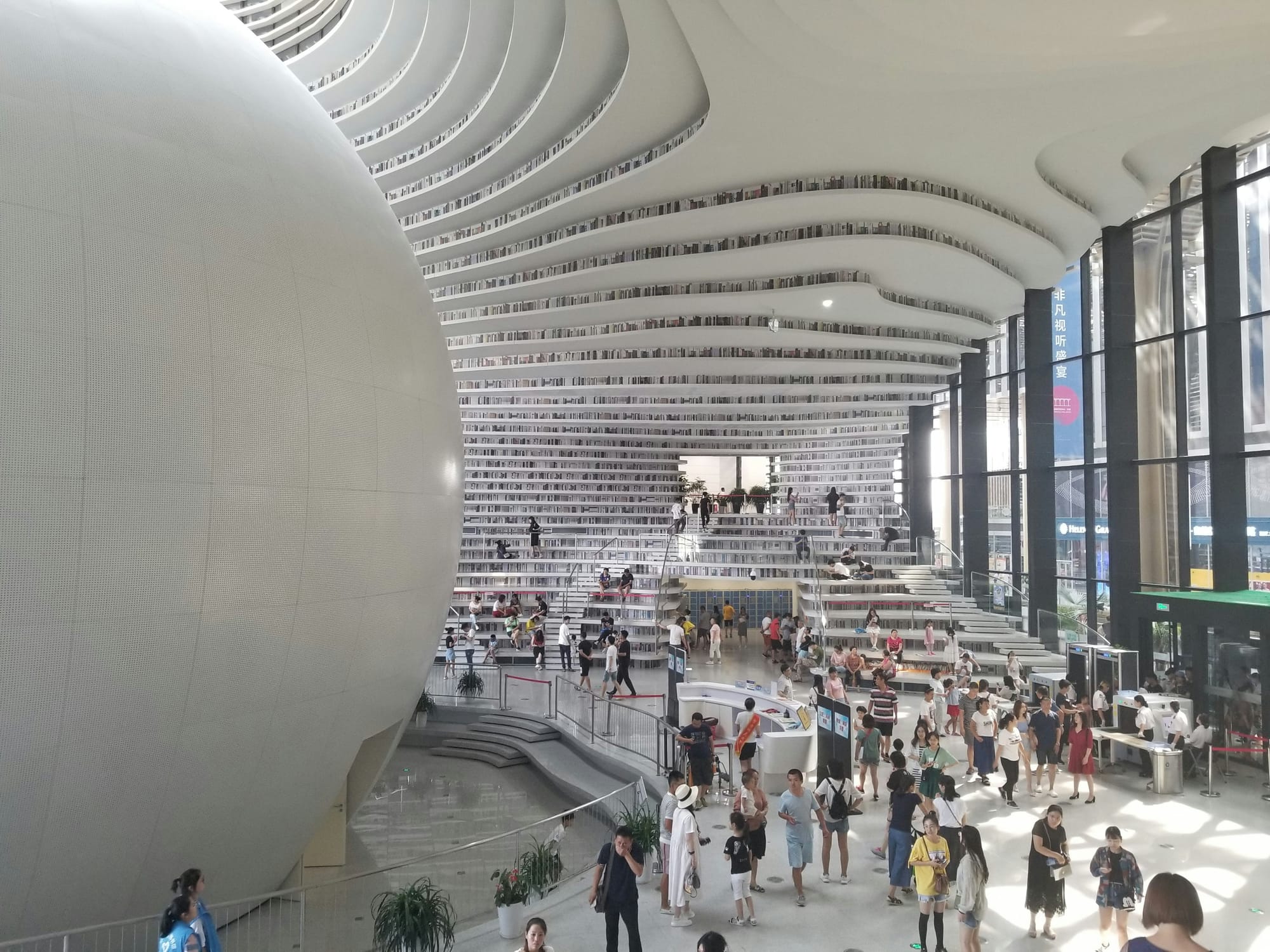
Modern Binhai & Futuristic Landmarks (滨海新区与现代港口) takes you thirty minutes east to the vibrant coast along the Bohai Sea. Explore the National Maritime Museum, a striking white coastal structure styled like swimming fish, and visit the iconic Binhai Library with its futuristic spherical "Eye" and cascading, floor-to-ceiling tiered bookshelves.
- BEST FOR
Travelers exploring Fujian or Guangdong who crave a deeply authentic cultural and culinary deep dive beyond coastal megacities.
History buffs, lovers of religious and architectural heritage, serious food pilgrims seeking legendary Southern Min street eats, and anyone interested in living cultural legacies like puppetry, ancient music, and traditional coastal folk attire.
- MAY NOT BE FOR YOU IF
You are looking for high-octane, mega-club night scene — Tianjin's rhythm is famously easygoing, unhurried, and grounded in neighborhood street life rather than sleek tourist resorts.
You want to rush between major headline sights — the city's true charm lies in lingering over a long breakfast, cycling aimlessly through historic concessions, and taking slow evening walks along the riverfront.
- HOW LONG?
2–3 days: Spend 1.5 days exploring the central historic districts. Dedicate a half day to Binhai New Area to visit the Binhai Library and National Maritime Museum, leaving time for traditional street food snacking along Ancient Culture Street.
- GETTING THERE
By Air: Tianjin Binhai International Airport (TSN) offers extensive domestic routes and direct regional international flights, connected directly to the city center via Metro Line 2.
Alternatively, fly into Beijing Capital (PEK) or Daxing (PKX) and take a high-speed train to Tianjin.
By High-Speed Rail: Tianjin Station and Tianjin West Station sit on the major Beijing-Shanghai high speed train corridor. Intercity trains run constantly from Beijing South Station, taking just 30 minutes.
- PAIRS WELL WITH
Beijing, 30 minutes north by high-speed rail, for imperial palaces, ancient hutongs, and capital history · Chengde (承德), 2 hours north, for the Imperial Summer Resort and mountain temples · Qingdao (青岛), 3.5 hours southeast by high speed train, for coastal German concession architecture and craft beer culture.
If visiting during autumn (September through November), you will experience Tianjin's most comfortable, dry, and pleasant weather—ideal for cycling through concession streets and watching riverfront musical performances.
Tickets for the Tianjin Eye and Binhai Library must be reserved in advance via their official WeChat miniprograms, walk-in tickets are rarely available.
Crosstalk teahouse shows and local market stalls operate almost entirely in rapid local dialect and Mandarin. Translation apps may be required.