Taiyuan
The 2,500-Year Ancient Capital: Song-Dynasty Timber Architecture, Vinegar-Forward Gastronomy, and the Heart of Northern Noodle Craft
Taiyuan is an ancient capital boasting over 2,500 years of recorded history. Known historically as Jinyang, it served as the capital or co-capital for nine independent dynasties.
The city offers a unique duality: it is a gateway to China's oldest surviving timber architecture, as well as a lively northern metropolis defined by rich vinegar aromas, artisanal noodle craft, and vibrant night markets. Positioned at the geographical heart of Shanxi, it serves as the ultimate high-speed rail hub, connecting travelers to Pingyao Ancient Town, Mount Wutai, and the Yungang Grottoes within 1 to 2 hours.
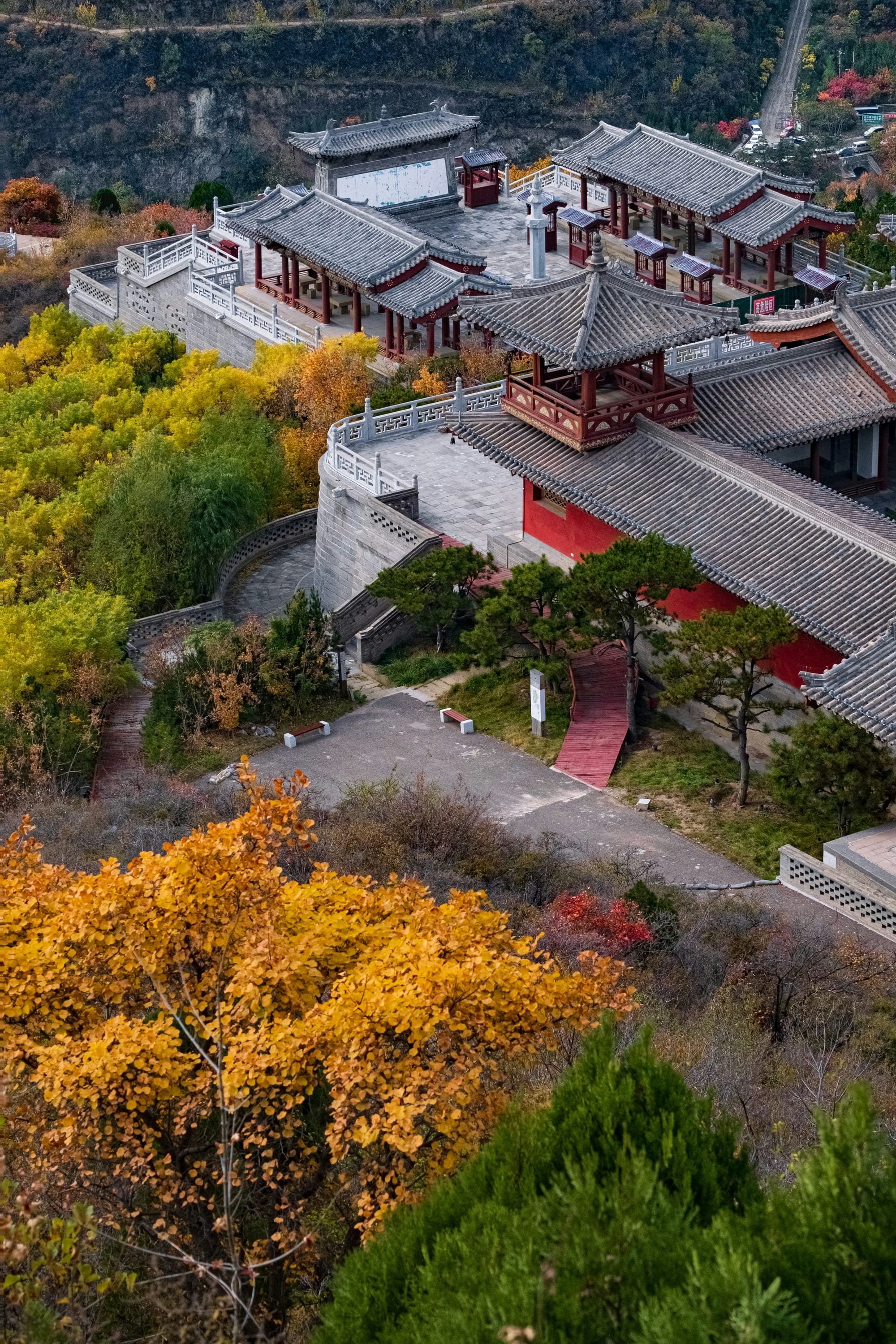
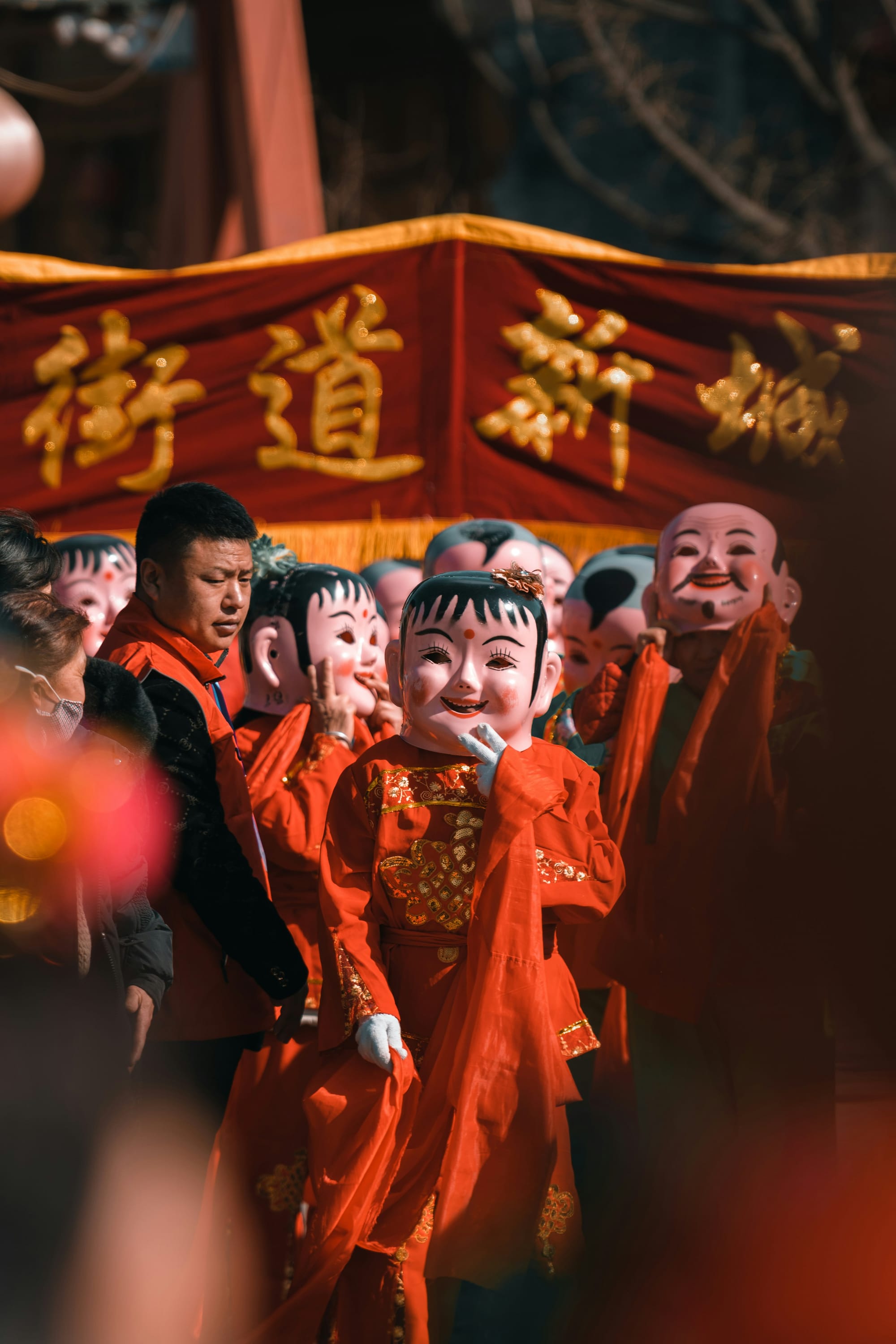
- THE EXPERIENCE
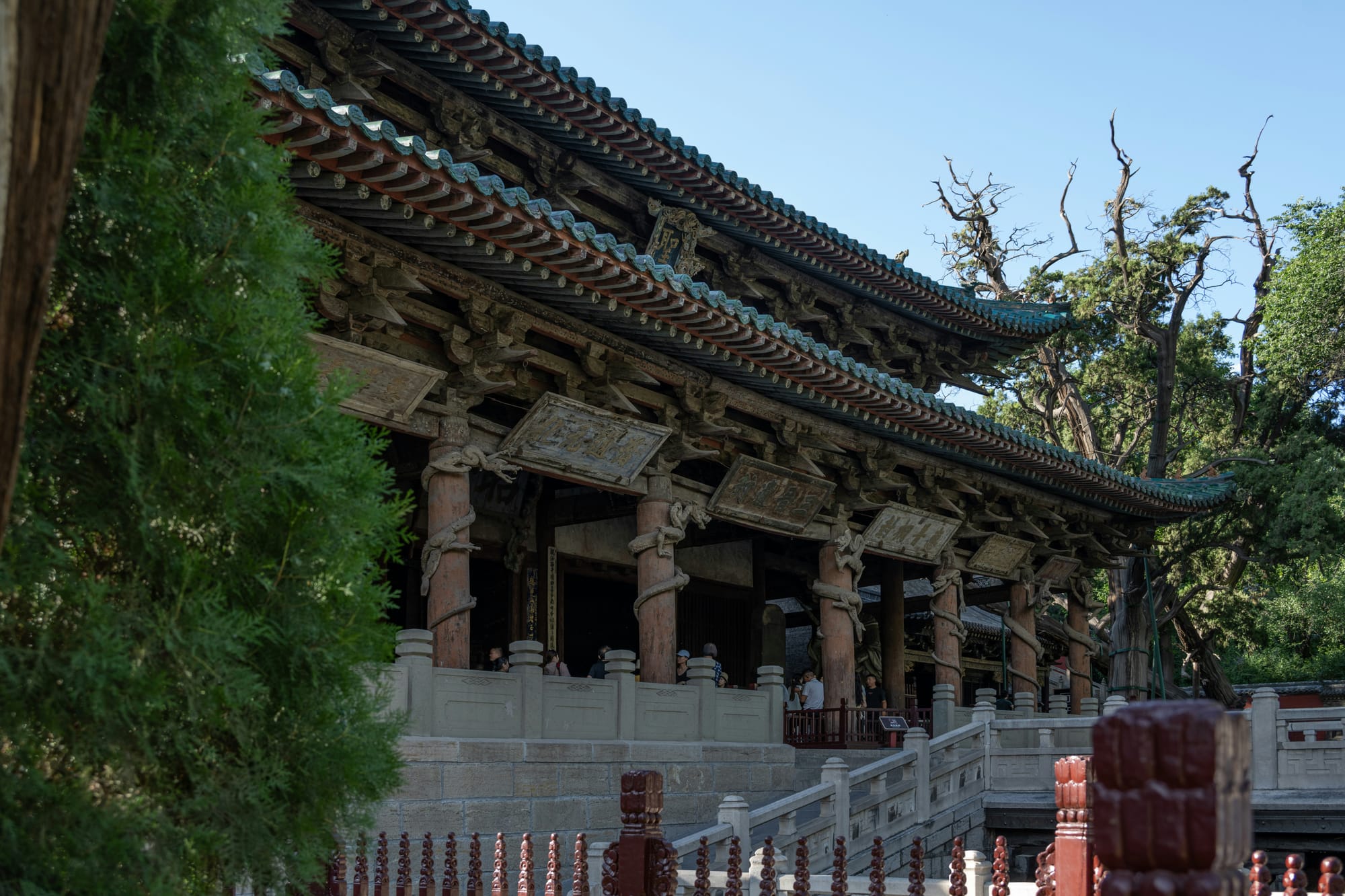
Jinci Temple (Jin Ancestral Temple): The spiritual core of Taiyuan and China’s earliest surviving royal sacrificial garden. Originally built to honor Prince Tang Shuyu, it integrates architecture from the Song, Yuan, Ming, and Qing dynasties with mountain springs. Its Three Wonders include ancient Zhou-dynasty cypresses, the 'eternal Nanlao' Spring, and 43 life-sized Song-dynasty terracotta court ladies. The Hall of the Holy Mother features eight intricately carved wooden dragon pillars wrapped around its outer porch—a rare surviving masterpiece of ancient timber design.
Shanxi Museum: The definitive starting point for understanding regional civilization. Housing nearly 300,000 artifacts, its thematic exhibits trace Shanxi’s evolution from prehistoric origins through the Bronze Age Jin State to its Ming-Qing merchant dynasties. The crown jewel is the Bird-Shaped Zun, a masterwork of Western Zhou bronze craft.
Tianlongshan Grottoes: Carved into mountain cliffs starting in the Northern Wei and East Wei dynasties through the Tang dynasty, Tianlongshan features exquisite Buddhist stone sculptures. In recent years, it gained international attention as looted statues were repatriated from abroad. Winding mountain roads lead up to these cliffside sanctuaries.
See also: Longmen Grottoes (for imperial grandeur), Yungang Grottoes (Silk Road roots), Mogao Grottoes (Desert Frescoes & millennia of mural art)
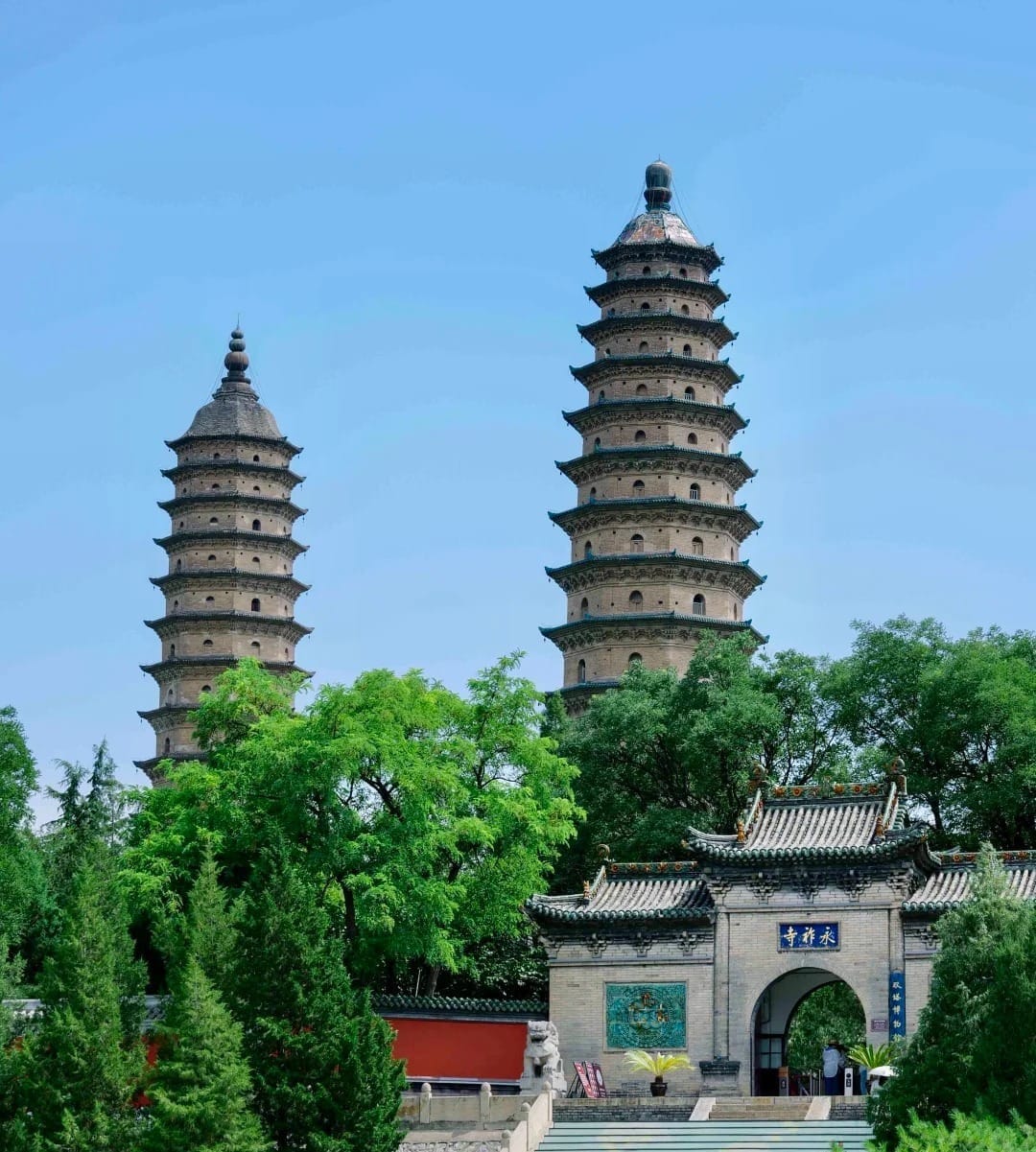
Yongzuo Temple (Twin Pagoda Temple) & Mengshan Giant Buddha: Yongzuo Temple stands as Taiyuan’s urban landmark, featuring twin brick-and-timber pagodas piercing the skyline—the nation's only temple built entirely of brick imitation-wood masonry. Meanwhile, the Mengshan Giant Buddha (carved in 551 AD) is one of the world's earliest dated giant cliffside stone Buddhas, standing 63 meters tall.
Donghu Vinegar Park: Shanxi Aged Vinegar is one of China's top four traditional vinegar styles. Donghu Vinegar Park offers an immersive walk through traditional fermentation cellars, where the sharp, aromatic sour air delivers an unforgettable sensory experience.
For the curious palate, seek out a scoop of vinegar-infused icecream in Taiyuan — aged sorghum vinegar cutting through sweet cream, sour and smoky rather than sweet.
Local Gastronomy & Noodle Craft: Taiyuan is a paradise for carb lovers. Daoxuomian (Knife-Cut Noodles) features chefs shaving dynamic ribbon-like noodle strips off dough blocks directly into boiling broth. Guoyourou (Pass-Over-Oil Pork) is the city's culinary soul—tender sliced pork loin flash-fried and stir-fried with wood ear mushrooms and garlic chives. For breakfast, try Tounao (Eight-Treasure Soup), a historic medicinal soup created in the 17th century.
- BEST FOR
You love architecture and history you can stand right beside: timber halls raised under the Tang (618-907 CE), Song (960-1279 CE) and Jin (1115-1234 CE) dynasties, and stone grottoes carved into hillsides.
Unique noodle craft, slow-aged vinegar and food traditions with medicinal roots are reason enough to make the trip. And you like exploring independently, with a well-connected base from which to reach the province's other World Heritage sites.
- MAY NOT BE FOR YOU IF
You are looking for tropical, warm-weather resort landscapes; winters are cold and dry, though ideal for warming local soups.
You prefer small, quiet destinations; Taiyuan is a sprawling provincial capital, though its heritage parks and temples offer quiet respite.
- HOW LONG?
2 to 3 Days: Spend Day 1 visiting Jinci Temple, Shanxi Museum, and dining along Zhonglou Street. Spend Day 2 exploring Tianlongshan Grottoes or the Mengshan Giant Buddha, Donghu Vinegar Park, and the Twin Pagodas. Use Day 3 as a staging ground for a day trip to Pingyao Ancient Town (~40 mins by high-speed train).
- GETTING THERE
By Rail: Taiyuan South Railway Station is a major high-speed rail hub. Direct trains run frequently from Beijing (~3 hours) and Pingyao Ancient Town (~40 mins). By Air: Taiyuan Wusuxing International Airport (TYN) is located ~15 km from downtown and connects directly to Metro Line 1 for easy urban transit.
- PAIRS WELL WITH
Pingyao Ancient Town: Located ~40 minutes south by high-speed train, a UNESCO-listed walled bank town from the Ming-Qing era. Datong (Yungang Grottoes & Hanging Temple): Located ~2 hours north by high-speed rail, famous for cliffside temples and massive Northern Wei Buddhist cave art. Mount Wutai: Located ~2 hours northeast, one of China's Four Sacred Buddhist Mountains.
Best Seasons: April–May and September–October offer cool, clear weather ideal for exploring ancient architecture.