Suzhou
A garden city wrapped in silk, water, and Kunqu Opera
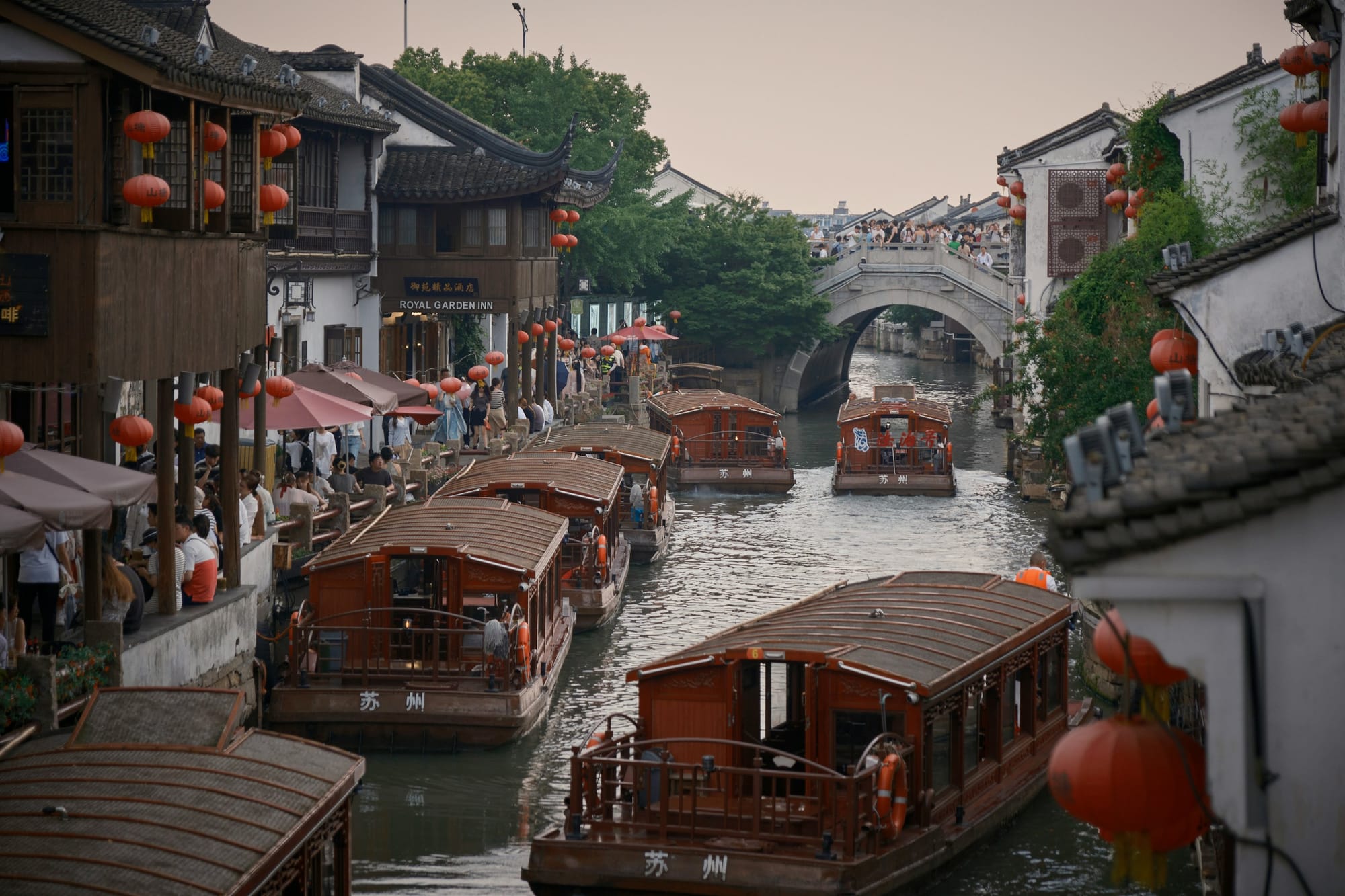
Suzhou is the only Chinese city that wrote water directly into its genetic code — canal lanes often compared to Venice, old streets that run alongside the water rather than replacing it, a canal ring that has circled the city for 2,500 years without changing shape. In the old town, water still runs beneath the stone-paved lanes.
- THE EXPERIENCE
Humble Administrator's Garden (拙政园) the largest and most celebrated of Suzhou's nine UNESCO-listed gardens.
Lingering Garden (留园), its long covered corridor built to frame the sound of rain, turns weather into part of the design rather than something to escape.
Lion Grove Garden (狮子林), its rockery arranged into a climbable stone maze, rewards getting lost in it.
Master of the Nets Garden (网师园) has run its "night garden" for over 30 years — lantern light, water reflections, and Kunqu opera drifting out from different pavilions after dark, with the performance happening around you.
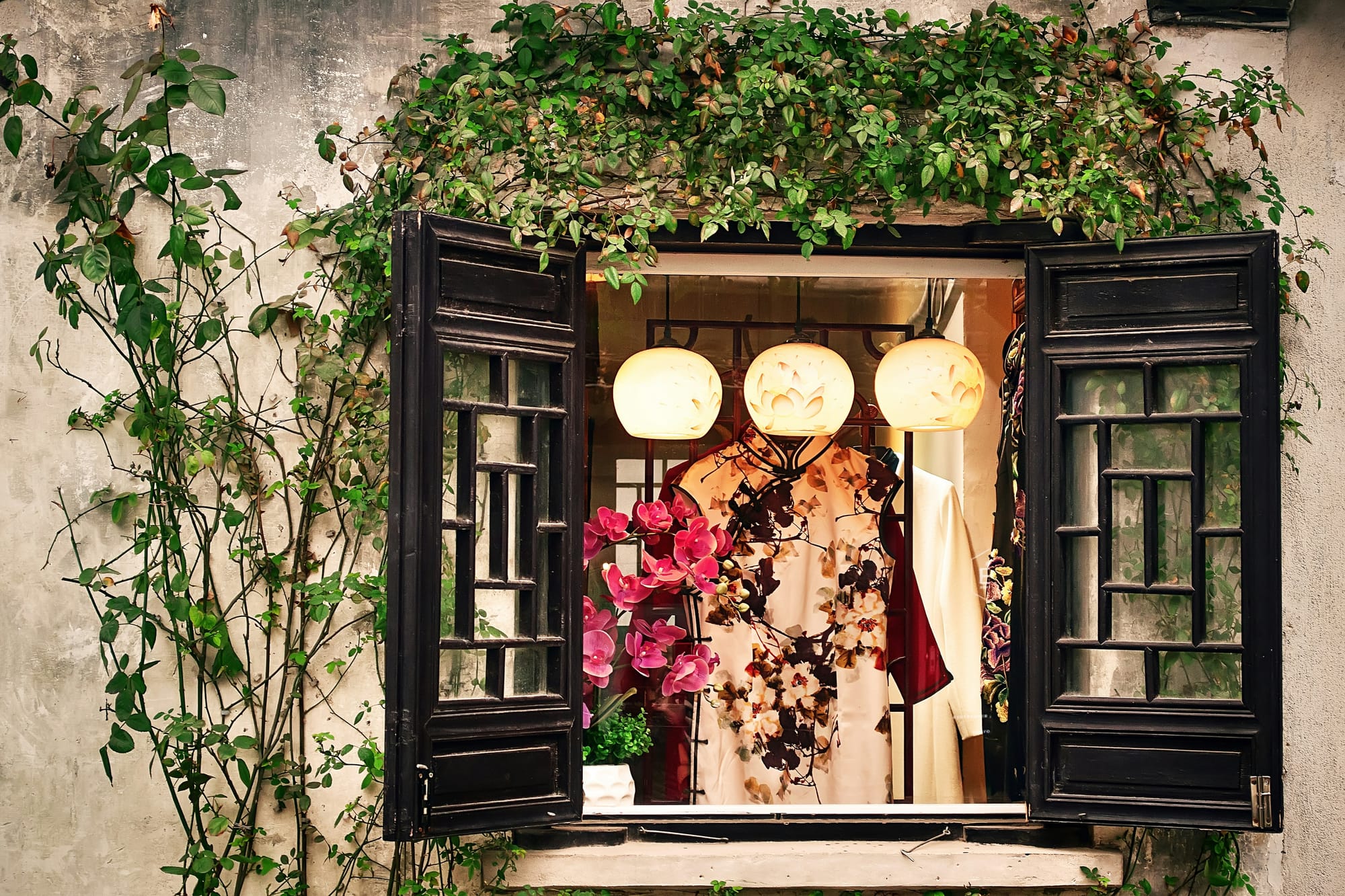
Pingjiang Road (平江路), the old town's best-preserved stretch, is where water still runs beneath the stone-paved lanes, and home to the new-Chinese-style shops turning Song brocade into wearable clothing.
Suzhou Silk Museum (苏州丝绸博物馆) traces the full lineage of Song brocade and kesi — both UNESCO Intangible Cultural Heritage crafts — from ancient looms to the outfits worn by APEC leaders.
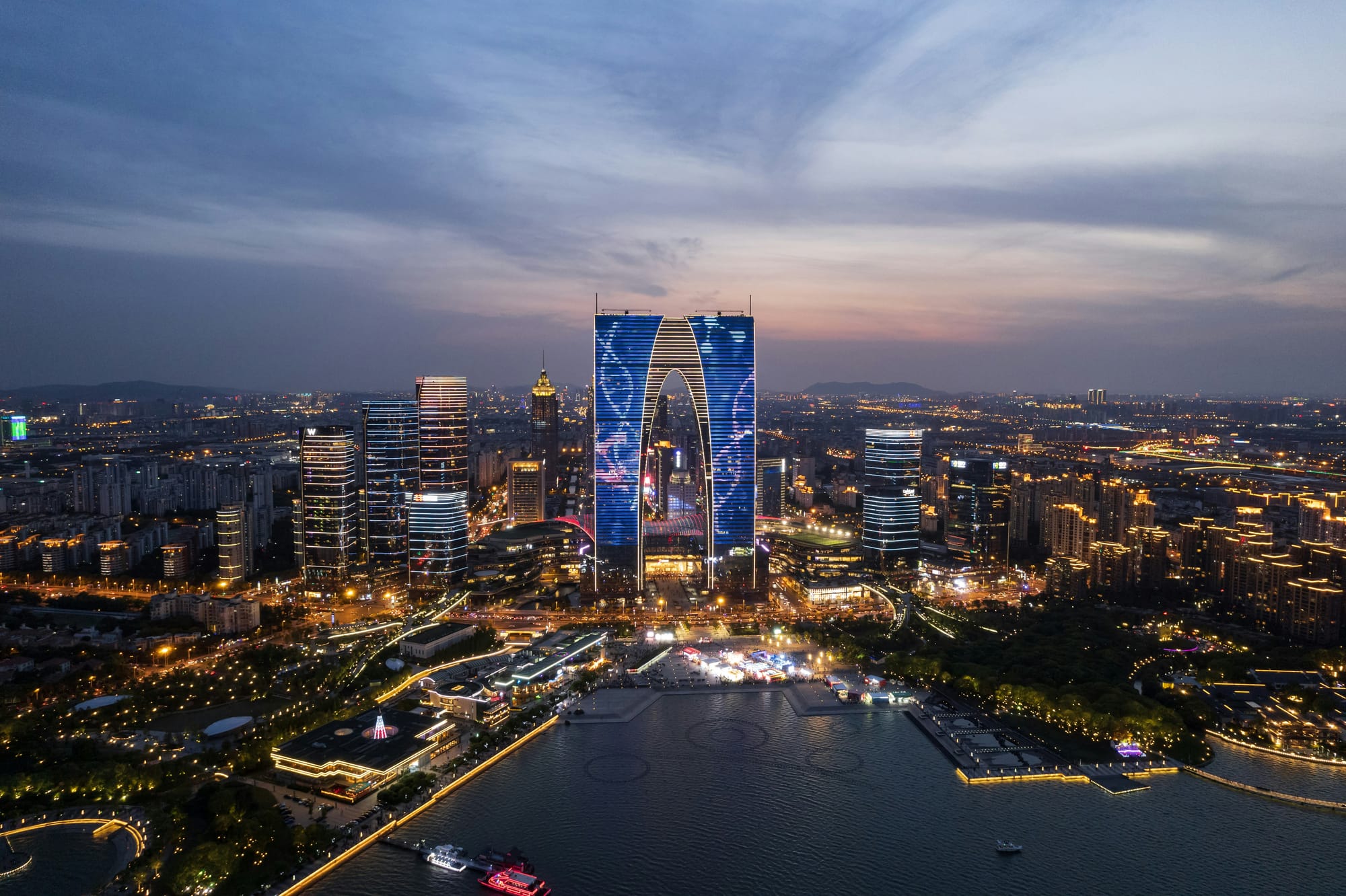
Jinji Lake (金鸡湖), the centre of Suzhou Industrial Park's Singapore-built new district, is where mainland China's first Eslite Bookstore, gallery, café and lake view into one space — best seen as the lights come up at dusk.
- BEST FOR
Garden design, classical architecture, and silk craft pull you in — and you're happy to slow down and actually look, not just pass by.
Kunqu opera and traditional performance feel like something worth seeking out, not a box to tick.
And you're drawn to a city holding genuinely different eras close together — a Song-dynasty garden, a Ming-dynasty temple, a 21st-century lakefront, all within walking distance of each other.
- MAY NOT BE FOR YOU IF
Racing through everything in a day is your style — the gardens ask you to sit still, not check boxes.
Garden design and classical architecture aren't really your thing — without that curiosity, a few of them can start to blur together. You're hoping for one seamless "old town" feeling throughout — Suzhou's old city and its Singapore-built new district sit side by side rather than woven together.
- HOW LONG?
2–3 days: one for two gardens and Pingjiang Road, with an evening at Master of the Nets Garden's night performance; one for Shantang Street, the Silk Museum, and Suzhou cuisine; an optional third for Jinji Lake, Suzhou Museum of Contemporary Art, and the Industrial Park.
- GETTING THERE
From Shanghai Hongqiao, high-speed trains to Suzhou or Suzhou North take about 25 minutes, around ¥39.5. Bring your physical passport — major sites like Tiger Hill and Humble Administrator's Garden won't accept a photo of it.
- PAIRS WELL WITH
Shanghai, 25 minutes by high-speed rail, for the modern counterpoint · Hangzhou, about an hour, for more classical garden and lake culture · Wuxi, around 20 minutes, for Lake Tai and more Jiangnan water towns
Book garden tickets online in advance — especially April to October, when popular gardens can sell out 3–5 days ahead.
WeChat's search won't reliably find "Suzhou Gardens" from an English search, so copy this directly into the search bar instead: 苏州园林. Once you're in, tap the three dots in the top-right corner and select "Translate" to switch the whole interface to English.
If you're staying longer or visiting often, a ¥120 annual pass pays for itself after two visits against the ¥70–80 per-garden ticket price.