Nanjing
The ten- time capital that saw China's whole arc
If you want a shortcut to understanding Chinese history — from early empire all the way to today — come to Nanjing.
The clue is in the name: Nanjing means "Southern Capital" to Beijing's northern twin. While it may not rival Beijing’s centuries at the center of the empire, its résumé is formidable—having served as the seat of power ten separate times.
The evidence is visible in every corner of the city. The Ming City Wall, built by the dynasty's founder, is the longest brick fortification ever constructed anywhere, and still the longest surviving ancient city wall on Earth.
Nanjing Confucius Temple has anchored classical learning here since the Eastern Jin dynasty (317 to 420 CE). Niushou Mountain, just outside the city, is the birthplace of an entire school of Chan Buddhism — and now holds a relic its temple claims is unique in the world.
Nanjing's other chapter is more recent. This is where Sun Yat-sen was sworn in as the Republic of China's first president, the moment that ended two thousand years of dynastic rule. And bound up in that same period is the Nanjing Massacre — one of the 20th century's worst atrocities, still under-discussed outside China relative to its scale. Nanjing hasn't let the world forget it, and the city's memorial stands as the clearest evidence of that.
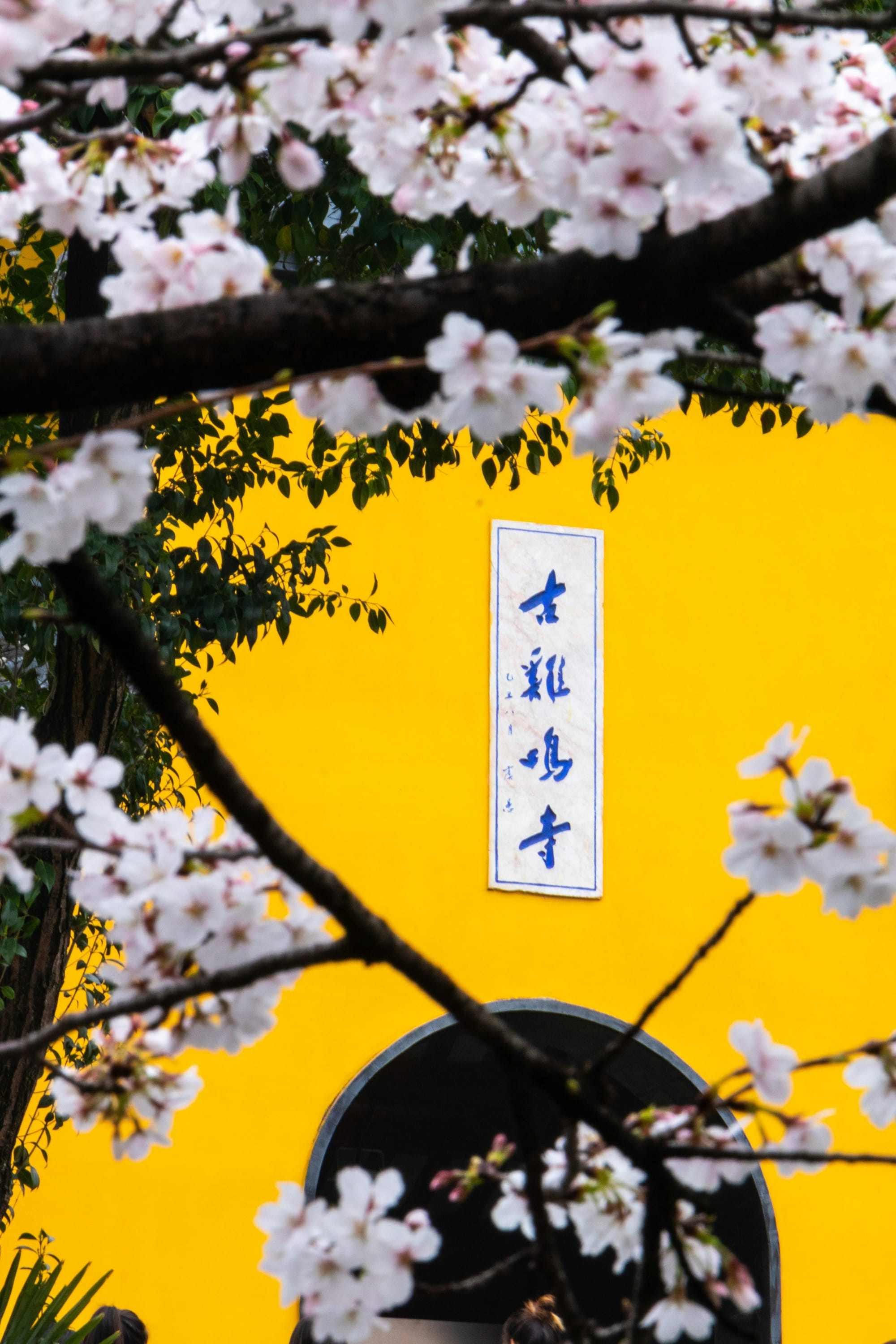
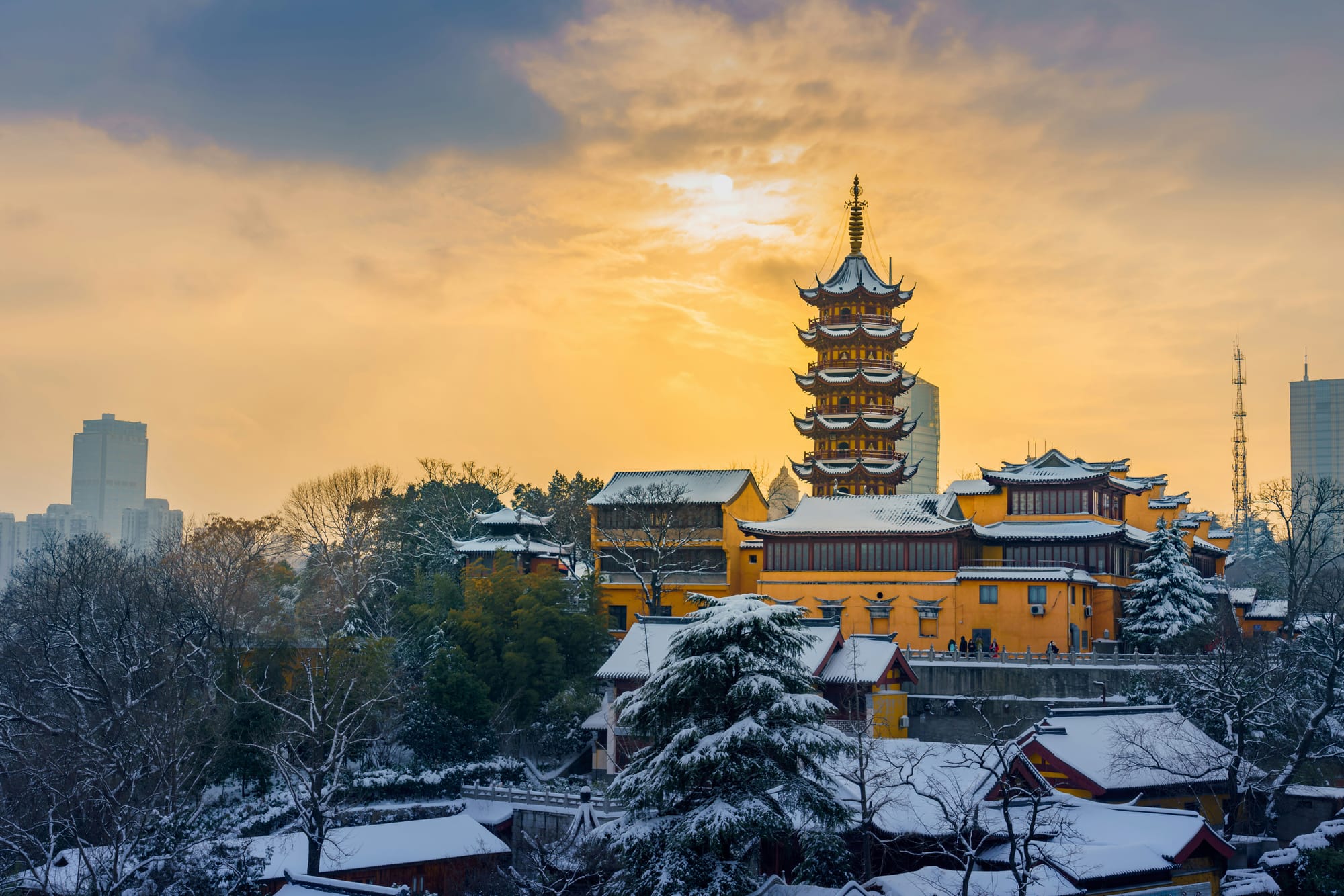
- THE EXPERIENCE
Ming City Wall: walk the Taicheng stretch, from Jiefang Gate to Xuanwu Gate — the most open, sweeping section. Individual bricks still bear the carved names of the kiln workers who made them.
Confucius Temple and the Qinhuai River are the best place to feel Nanjing's old capital atmosphere. By day, the Chinese Imperial Examination Museum walks you through the civil service exam system that shaped a thousand years of Chinese bureaucracy. By night, a boat ride down the river under lantern-lit banks.
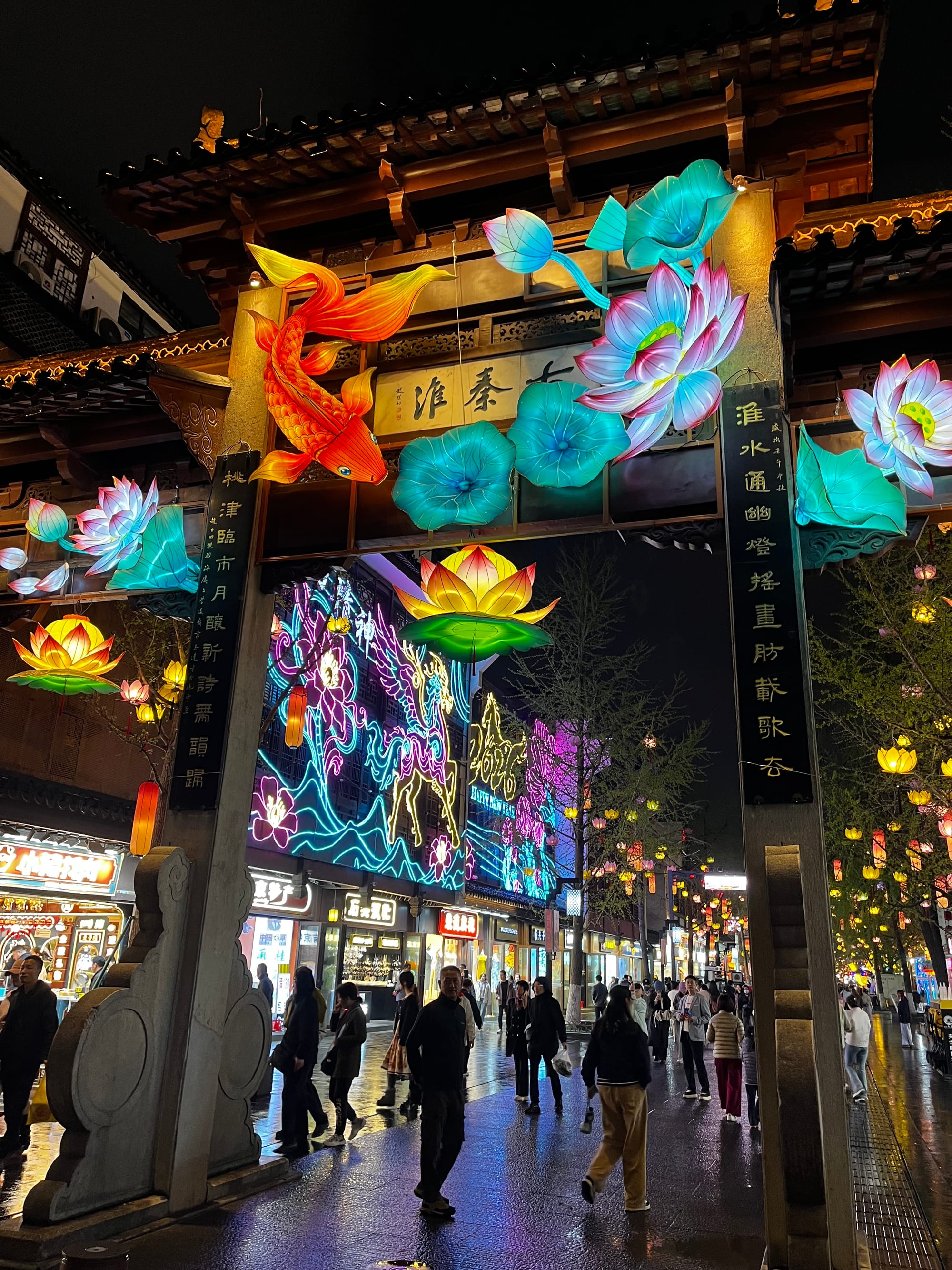
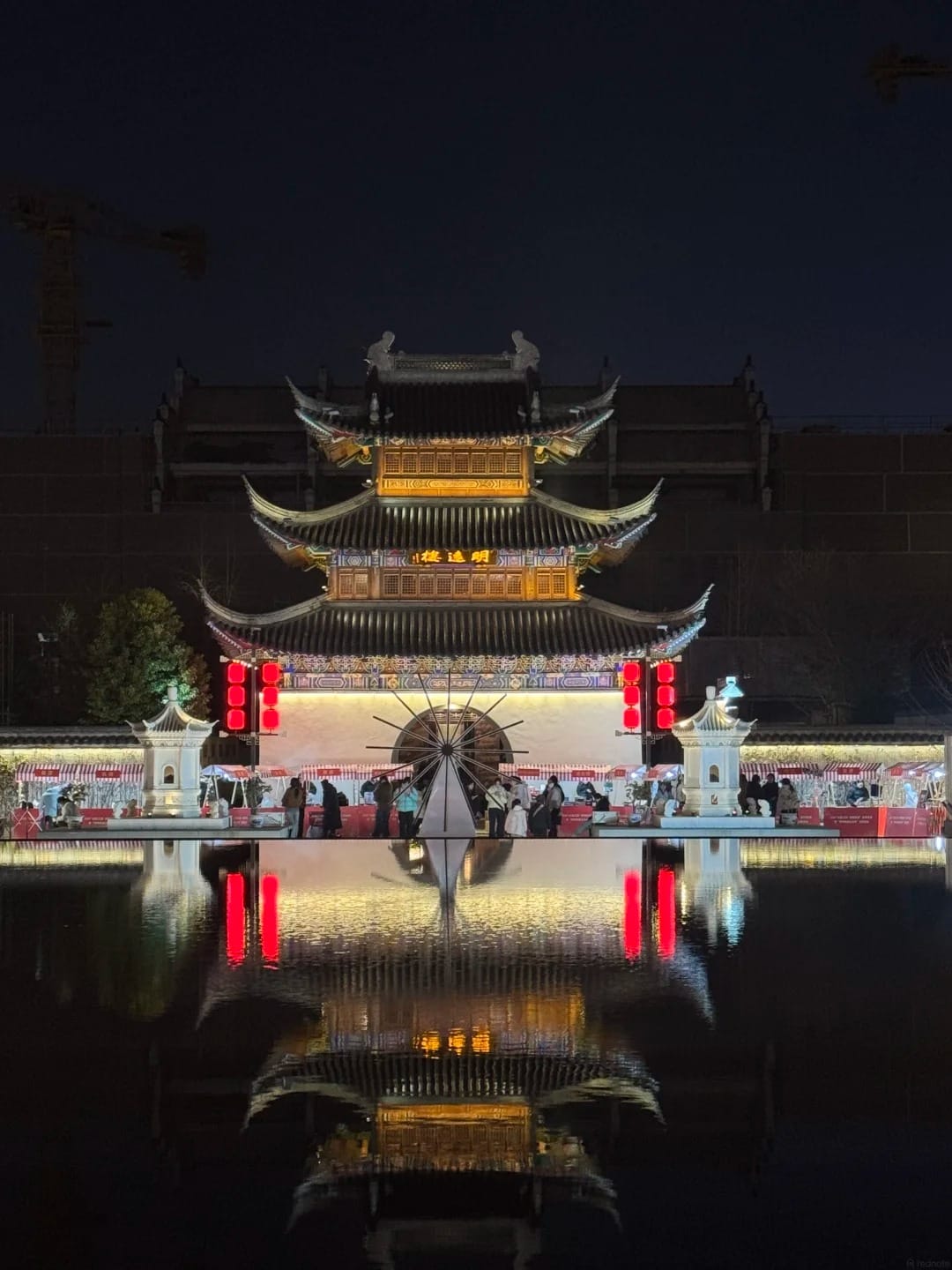
Purple Mountain Scenic Area clusters several major sites together, including two UNESCO-adjacent landmarks: the Ming Xiaoling Mausoleum and the Sun Yat-sen Mausoleum. At Sun Yat-sen's tomb, 392 stone steps climb roughly 400m and 73m in elevation straight up to the memorial hall — a genuinely imposing approach, though the actual burial chamber has been closed to visitors since the 1980s for preservation.
The Presidential Palace is a direct witness to modern Chinese history — seat of the Republican government (1912- 1949), its buildings blending Chinese and Western architectural styles. Yihe Road Mansion District, sometimes called a "living museum of Republican-era architecture," clusters over 200 former mansions and villas.
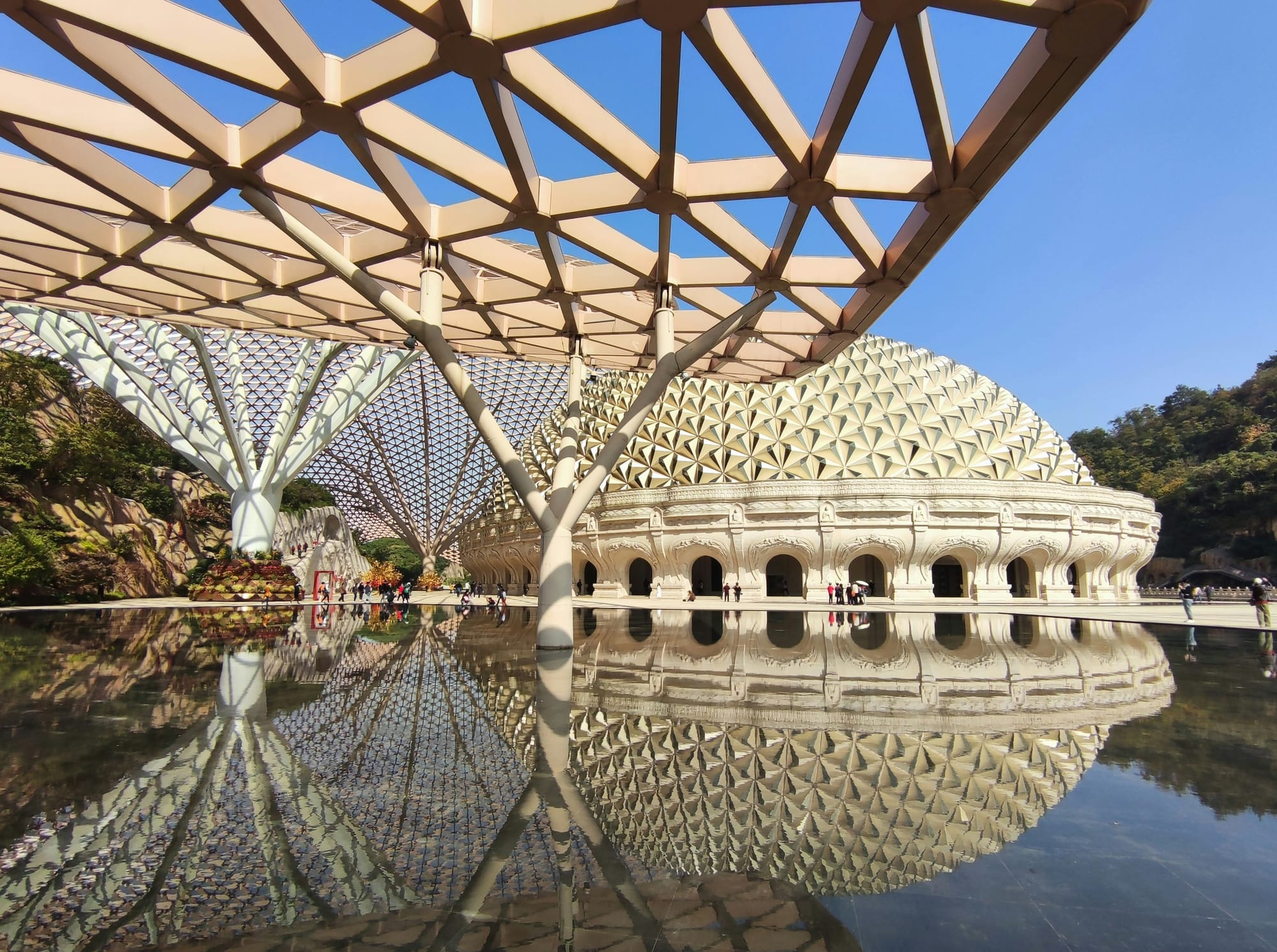
Niushou Mountain Nanjing's newest major landmark: the Buddha's Summit Palace, a spectacular underground Buddhist hall that's become one of the city's most talked-about recent additions — striking architecture and ornamentation on an impressive scale.
- BEST FOR
Layered history that spans dynasties and eras in walking distance of each other. Duck-centric food as a local obsession. Literature and the arts — Nanjing's UNESCO City of Literature status is more than just a title, it shows up in a real festival and events calendar.
- MAY NOT BE FOR YOU IF
You're after dramatic natural scenery — this is a history-and-culture city first.
- HOW LONG?
3 days: one for the Ming City Wall's Taicheng stretch and Xuanwu Lake, one for Confucius Temple, the Qinhuai River and Purple Mountain, and a third for the Presidential Palace and Yihe Road's Republican-era district.
- GETTING THERE
Nanjing Lukou International Airport connects to over 130 routes, including 20 international destinations, about 40km from the city center with a direct metro link. By rail, Nanjing sits on one of China's busiest high-speed corridors — Shanghai is under 1.5 hours away, Beijing about 3.5.
- PAIRS WELL WITH
Shanghai, about 1.5 hours by high-speed rail· Suzhou, under 1.5 hours, for classical gardens · Yangzhou, under an hour, for more Jiangnan history and cuisine
Stay near Xinjiekou for central convenience, or Confucius Temple/Laomendong for old-capital atmosphere and easy access to the river at night.
Spring (March–May) and autumn (September–November) are the most comfortable seasons, with blossoms in spring and golden plane-tree foliage in autumn.
If your trip falls in late May to mid-June 2026, the Nanjing Arts Festival runs over a hundred performances, exhibitions and digital art events across the city.