Hangzhou
Where water, imperial history and tech innovation converge
Among China's historic cities, Hangzhou is the only one where managing, using and finding beauty in water became its underlying logic.
Hangzhou's three UNESCO World Heritage sites — the Liangzhu ancient city ruins, the Grand Canal's Hangzhou section, and the West Lake cultural landscape forms one continuous story of a civilization co-existing with water.
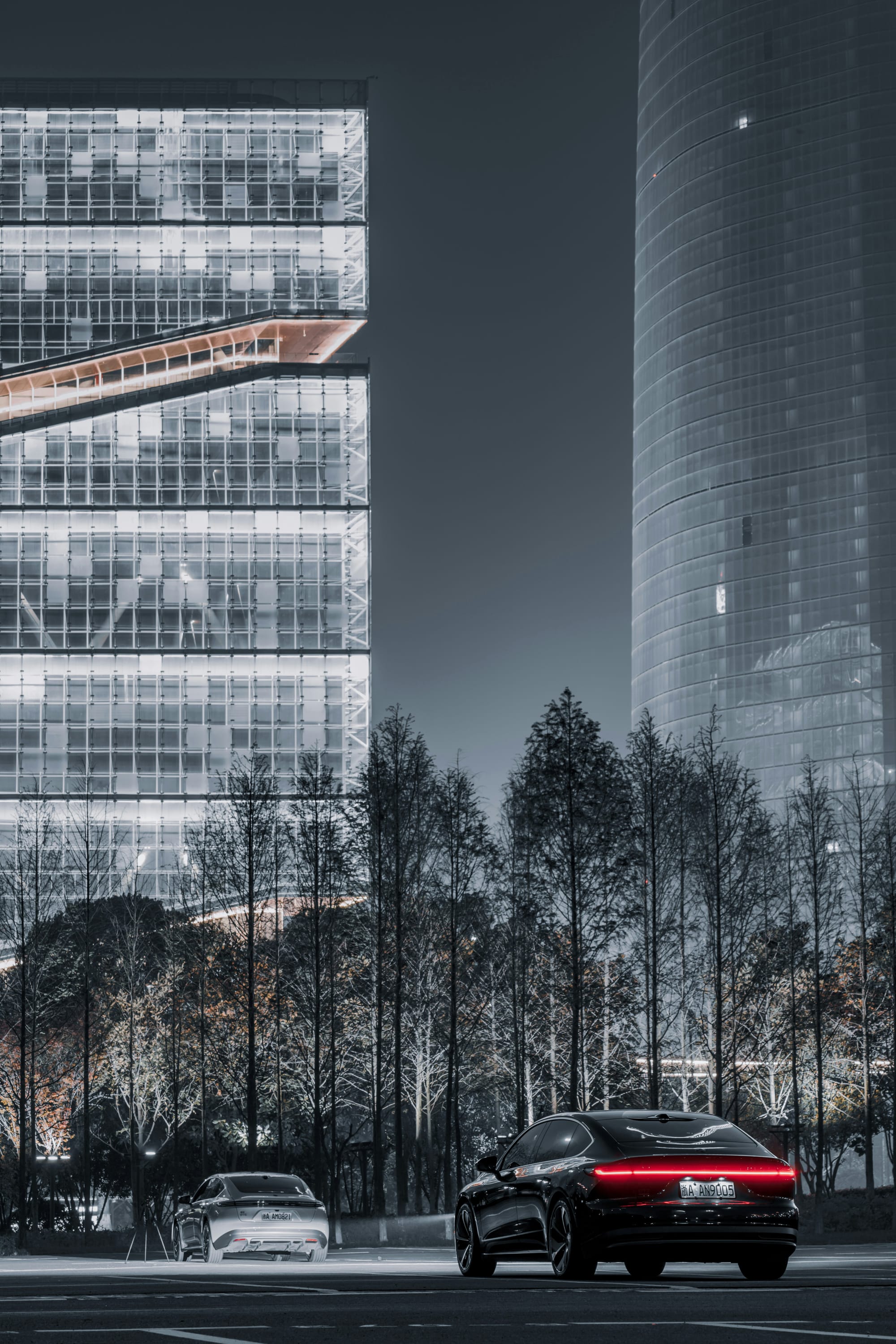
The city is also one of China's tech capitals, home to Alibaba and a dense cluster of smart-city infrastructure that's live, not experimental.
It also has a real contemporary art and design scene: a Renzo Piano-designed museum complex, a set of old oil tanks turned into galleries, a creative park built from a former ceramics factory, and a free art museum facing West Lake itself.
- THE EXPERIENCE
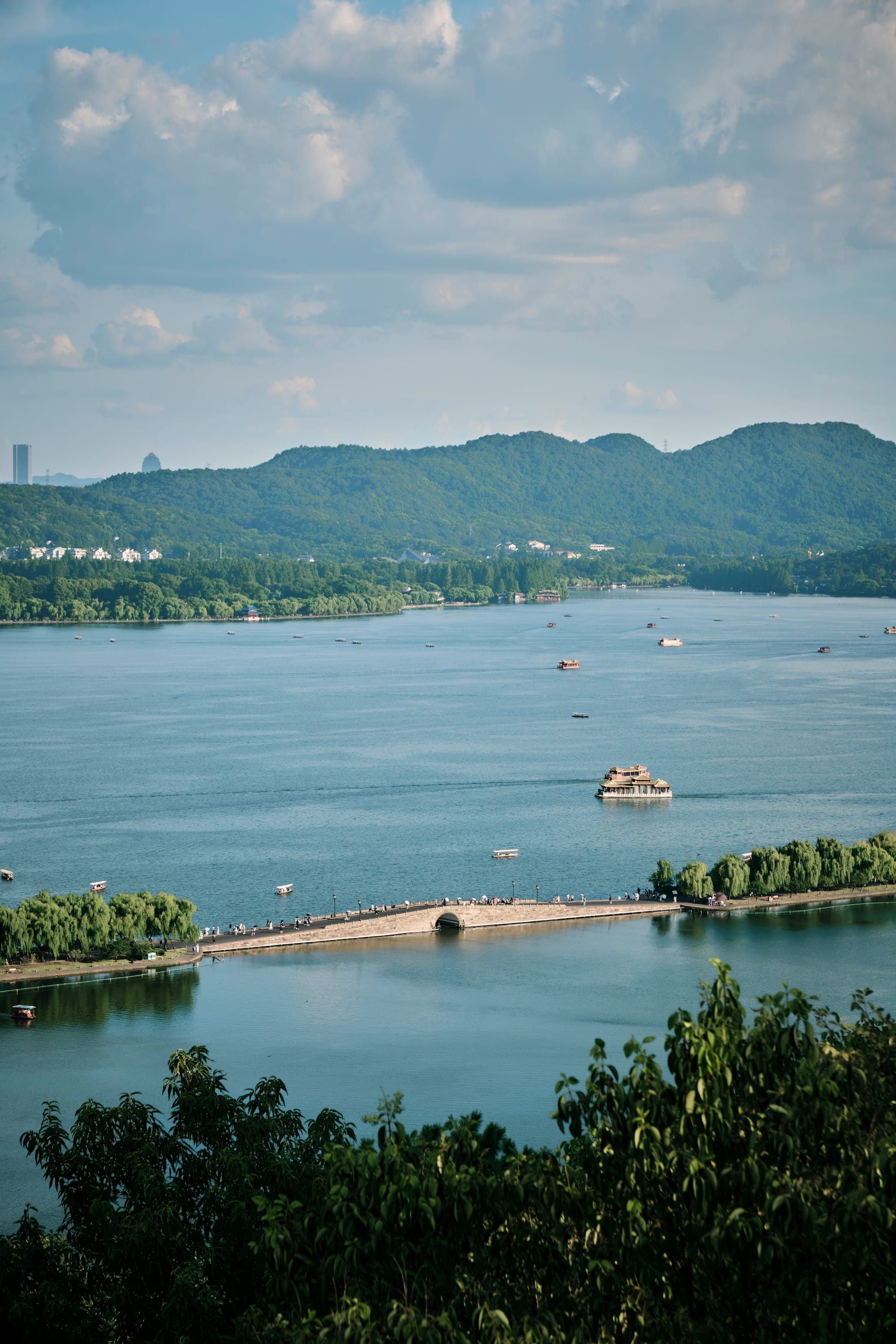
West Lake (西湖), inscribed by UNESCO as a cultural landscape, is China's only lake-based World Heritage Site — chosen for over a thousand years of continuous human shaping, from Bai Juyi's Tang-dynasty causeway to Su Shi's Song-dynasty one. Mountains ring three sides; the city presses against the fourth.
Liangzhu Ancient City Ruins (良渚古城遗址), about an hour from central Hangzhou in Yuhang District, is the site that led archaeologists to place Liangzhu’s origins alongside Egypt and Mesopotamia.
Deshou Palace (德寿宫), once the mansion of disgraced chancellor Qin Hui before the crown seized and renamed it in 1162, is the most concentrated surviving trace of the Southern Song imperial court, now a site museum near the Drum Tower.
Longjing tea (龙井茶), one of the top-ranked of China's ten famous teas. The pre-Qingming picking window in early April is the one worth timing a trip around.
Zhejiang Art Museum (浙江美术馆), free and open Tuesday–Sunday, faces West Lake directly — a strong collection spanning calligraphy to landscape painting, and a quiet break from the lake's crowds.

- BEST FOR
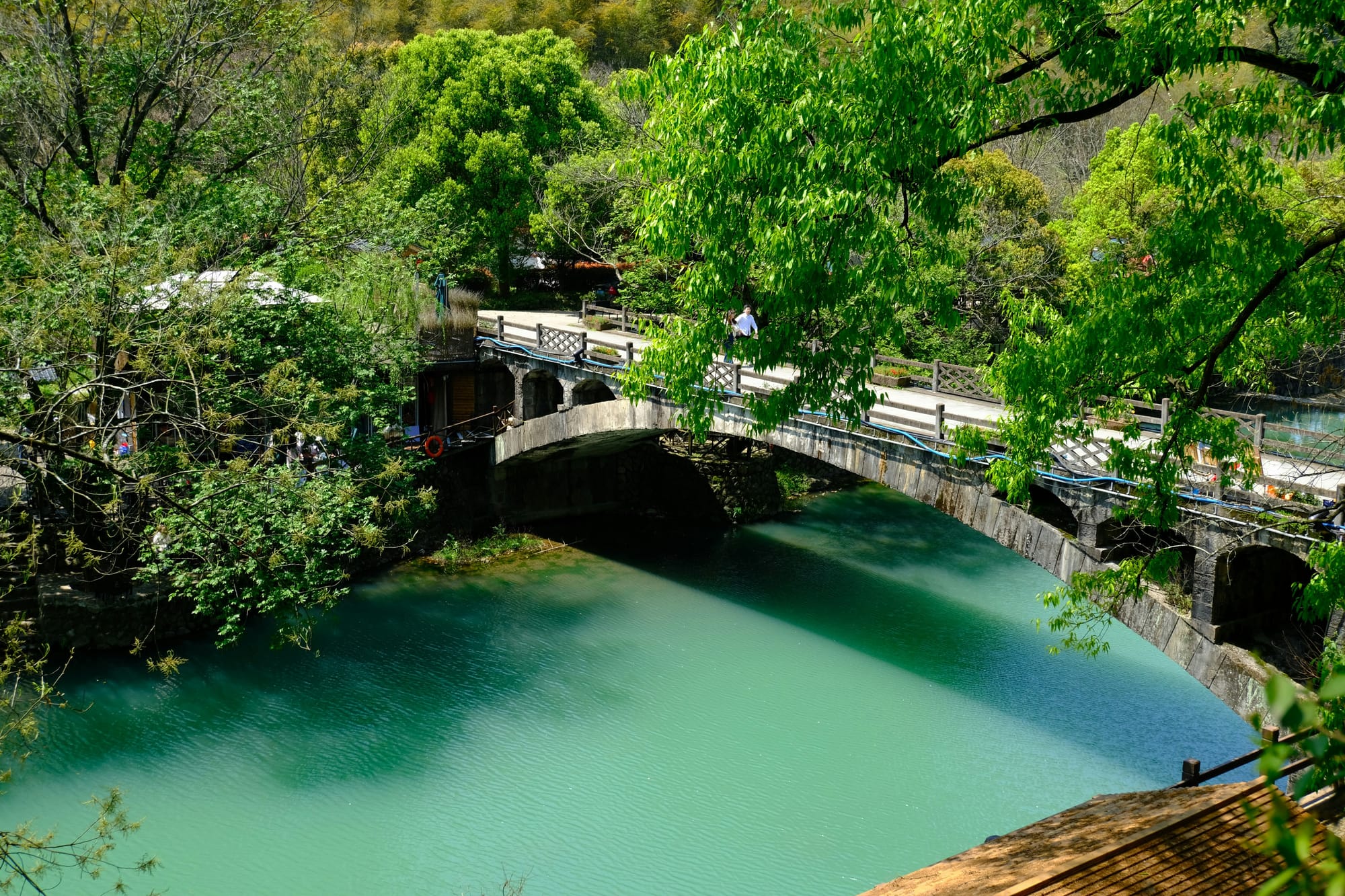
Exploring a city of layered water — West Lake, the Grand Canal, the Qiantang River, Xixi wetlands, Nine Creeks — best experienced on foot, by bike, and by boat.
Curiosity about how one of the first human civilizations took shape. Southern Song residue in ordinary life: imperial streets, temples, teahouses, markets.
Tea culture, tied to misty tea hills, springs, and osmanthus.
Light, fresh, slightly sweet food, but also seasonal, briny, fermented, and pork-rich. And a contemporary Hangzhou of tech, migration, and young China folded into the old.
- MAY NOT BE FOR YOU IF
You want the sheer physical scale of Xi'an's walls, Luoyang's grottoes or Datong's cliffside temple — Hangzhou doesn't hit you over the head the same way.
West Lake's beauty needs time and the right season to land; rush through it and it can read as "just a lake."
You have limited time or only want photo-stop sightseeing — much of what's genuinely good here only reveals itself once you slow down.
- HOW LONG?
3 days: give the first to West Lake and explore all the classic sites around the lake.
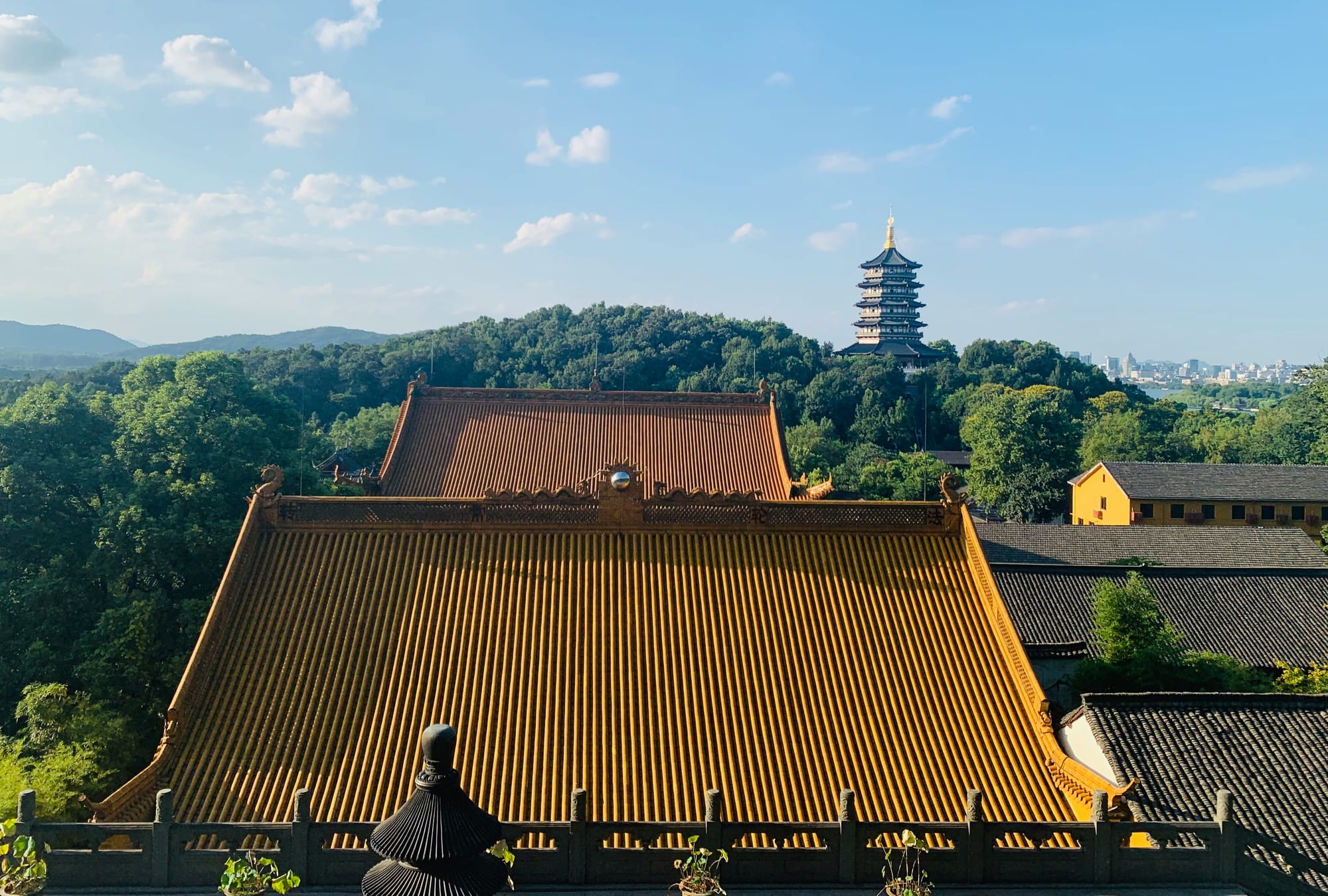
Spend the second day at Lingyin Temple and Feilai Peak — Hangzhou's earliest major temple (founded 326 CE) and the region's only grotto carvings.
On the third, spend the morning at Liangzhu Ancient City Archaeological Site Park (about an hour from the city centre — give it half a day), then return for the old Southern Song imperial street and Deshou Palace, ending with an evening walk along the canal in the Qiaoxi historic district.
- GETTING THERE
Hangzhou Xiaoshan International Airport is one of East China's major air hubs, with flights to most major domestic cities and some international routes.
Hangzhou East is the main high-speed rail hub — about 45 minutes from Shanghai Hongqiao, and roughly 4.5 hours from Beijing South.
Hangzhou also marks the southern terminus of the Beijing-Hangzhou Grand Canal and the starting point of the Zhedong Canal, connecting north to Beijing and east out to the sea at Ningbo.
- PAIRS WELL WITH
Shanghai, 45 minutes by high-speed rail, for the modern counterpoint · Suzhou, about an hour, for classical gardens · Huangshan, about 2.5 hours, for mountain scenery
If your trip lands in spring, add Longjing Village or Meijiawu to the itinerary — a cup of pre-Qingming Longjing tea in the hills is an experience no other season can reproduce.
If you're here in autumn, Manjuelong's osmanthus blossoms are Hangzhou at its most local: walk the hillside paths and the scent drifts out of the trees on both sides until the entire road smells sweet.