Tianmu Li (OōEli) 天目里
A New Blueprint For The Workplace.
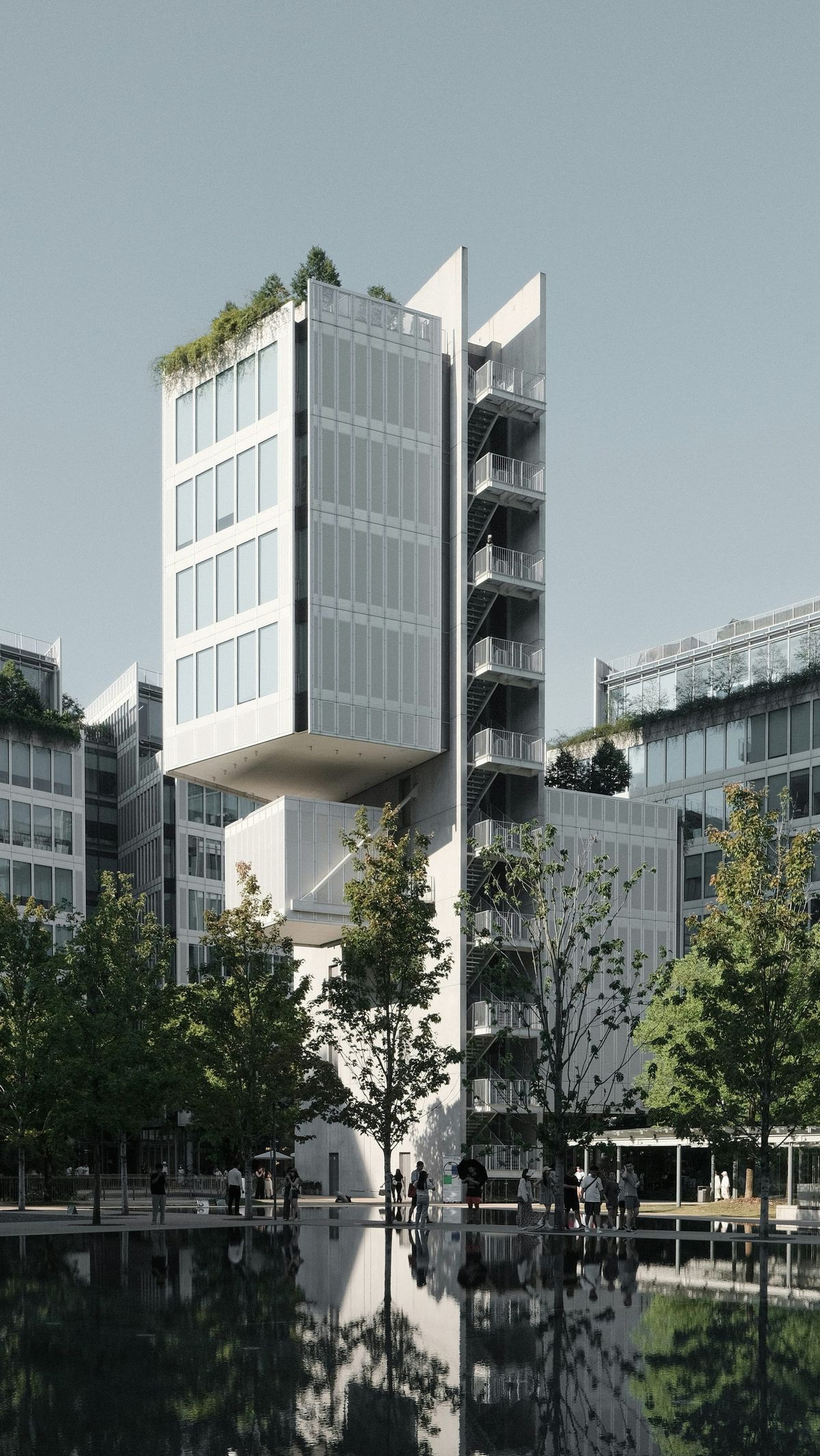
Sitting roughly two kilometres west of the lake loop, OōEli — 天目里 (Tiānmùlǐ) — is the sprawling creative campus of Hangzhou-born fashion label JNBY: part headquarters, part cultural neighbourhood.
Pritzker Prize-winning architect Renzo Piano's first completed project in China.
Eight years in the making, Piano envisioned the complex like a structural apple: a hard, protective outer shell holding a surprisingly lush, organic soft core.
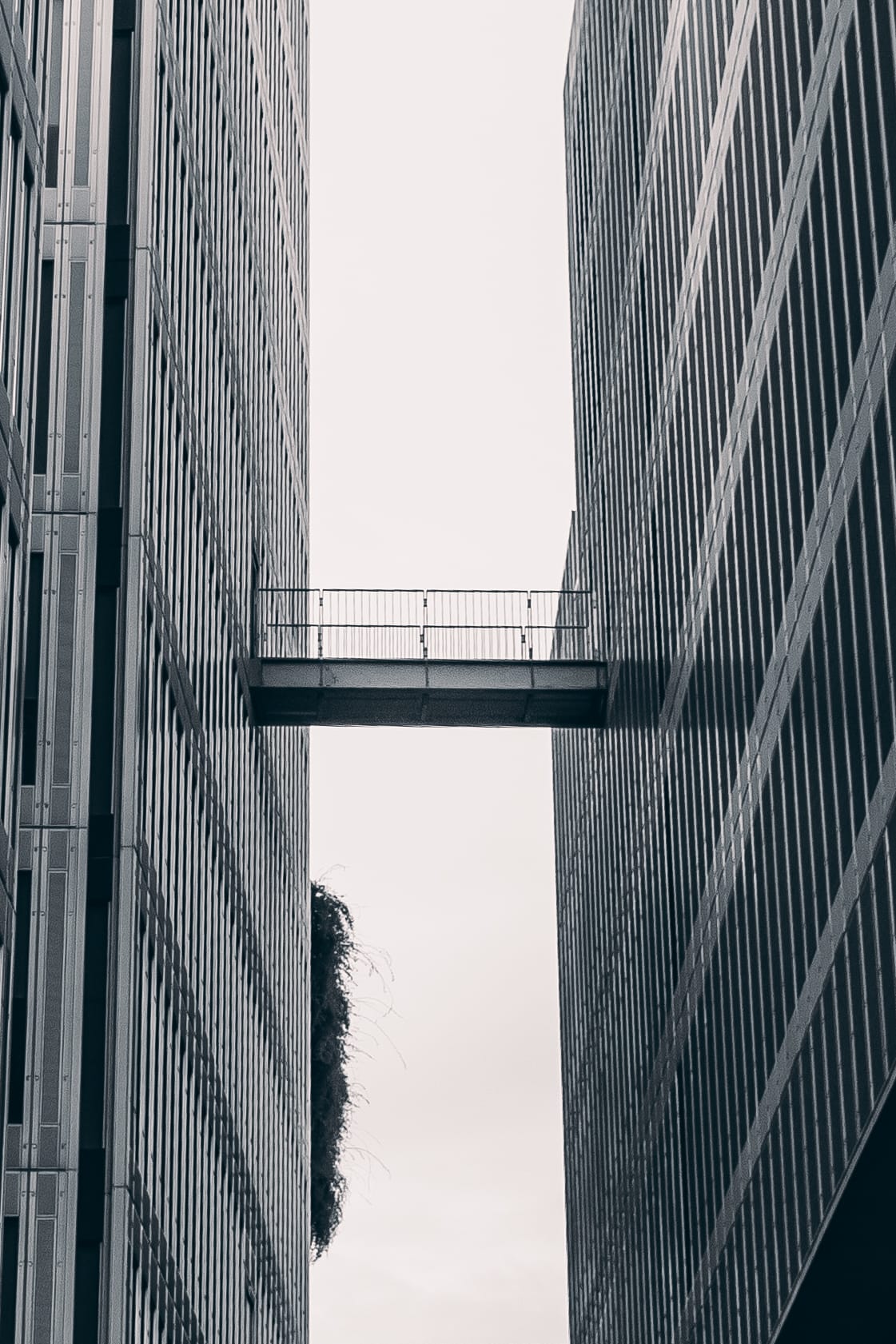
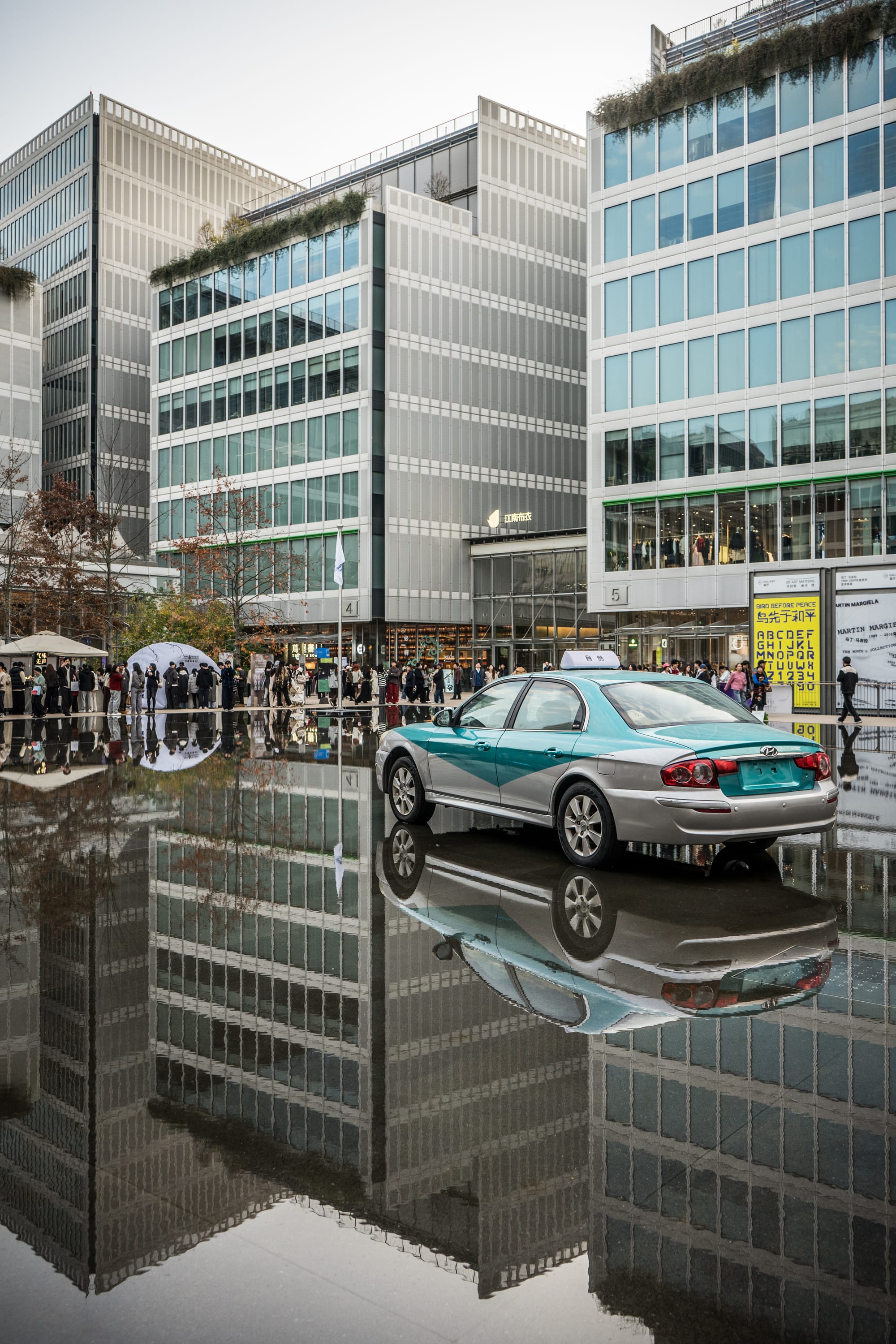
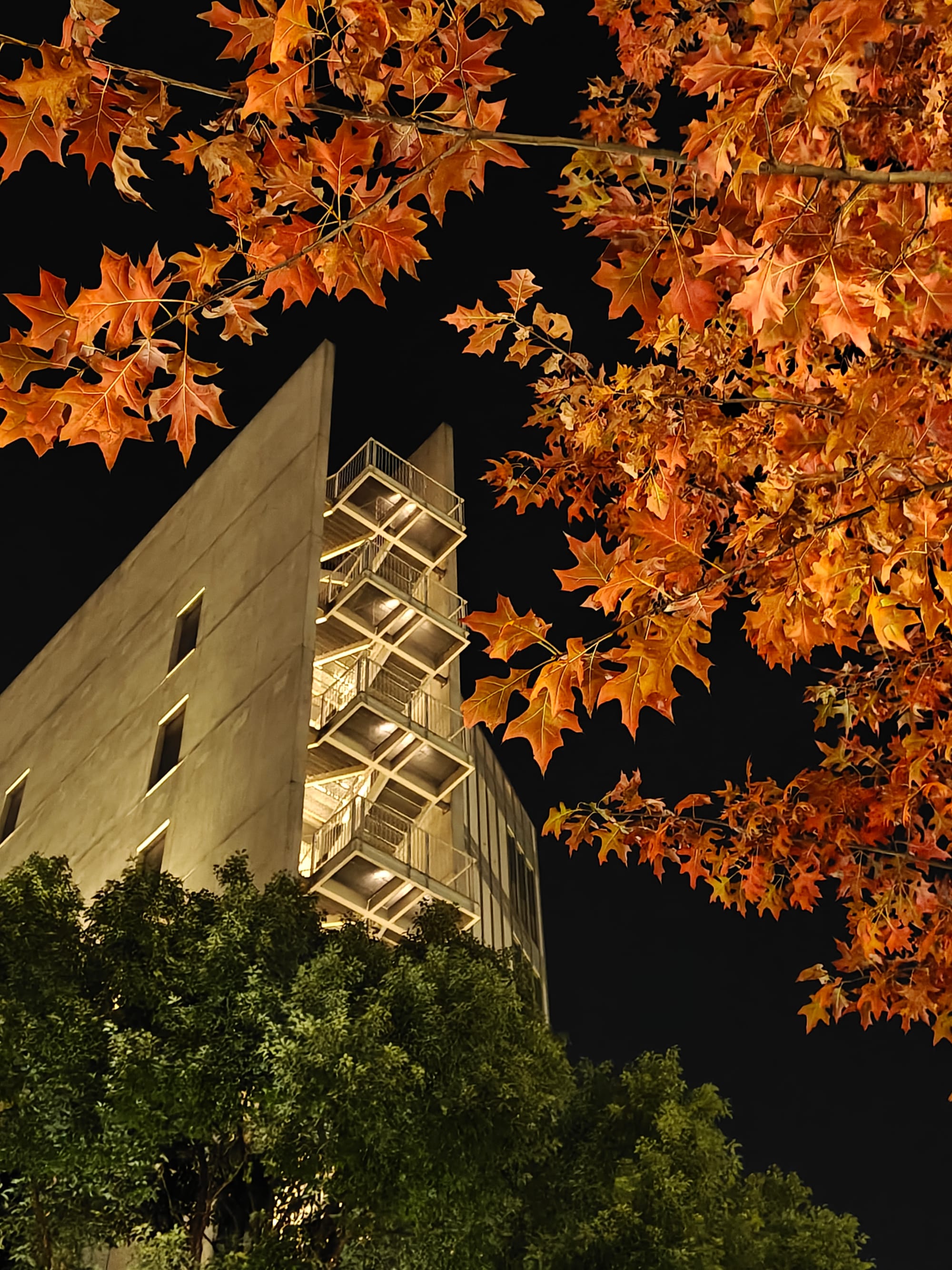
From the bustling multi-lane perimeter of Tianmushan Road, the site presents a minimalist fortress of 17 modular, nine-story buildings clad in corrugated, raw-anodized aluminum panels.
Step inside and the concrete yields entirely.
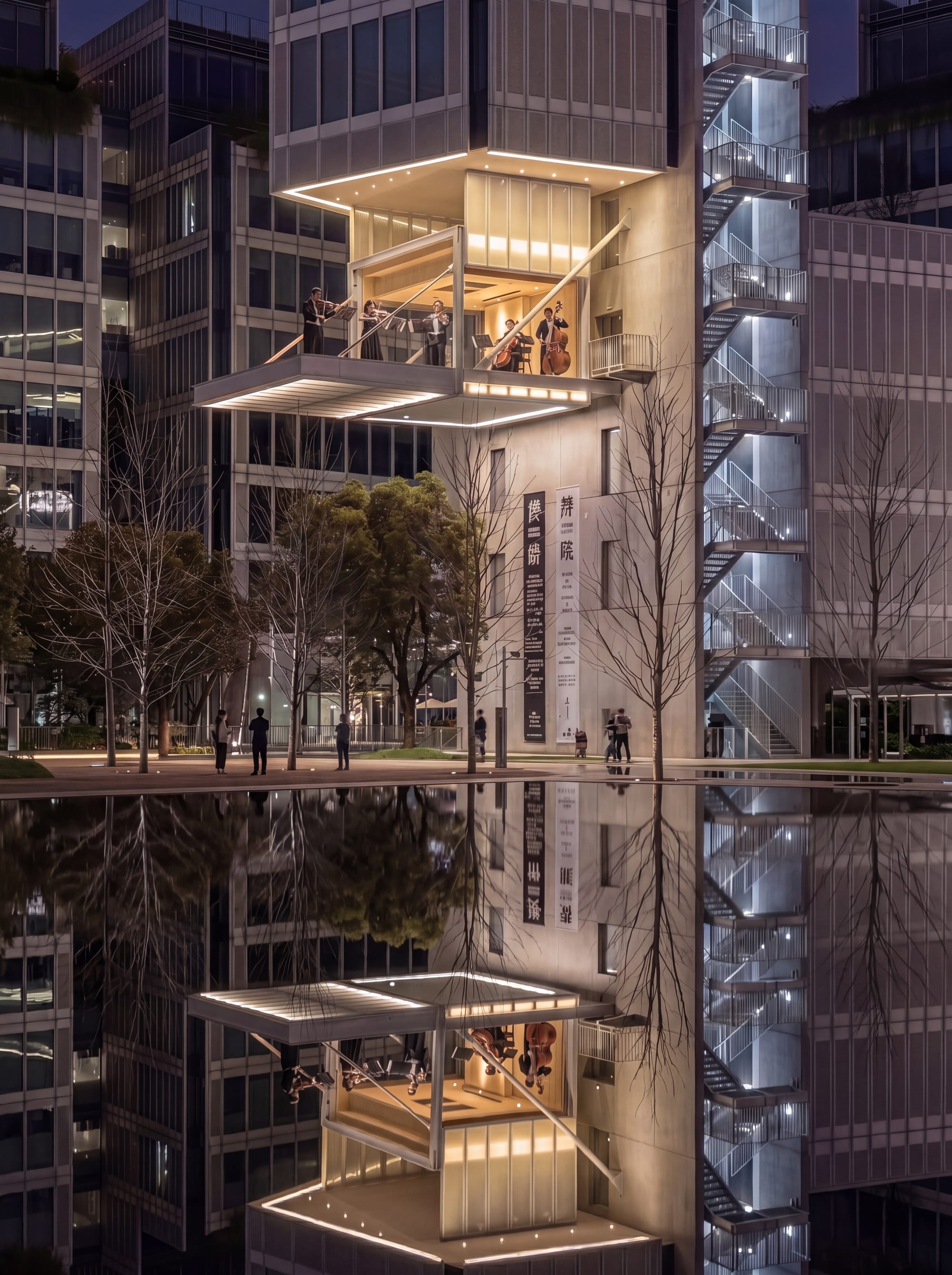
The core is a courtyard dominated by a Water Mirror (水镜) — a two-centimetre sheet of water that can be drained to reveal a stone piazza doubling as an open-air theatre or runway.
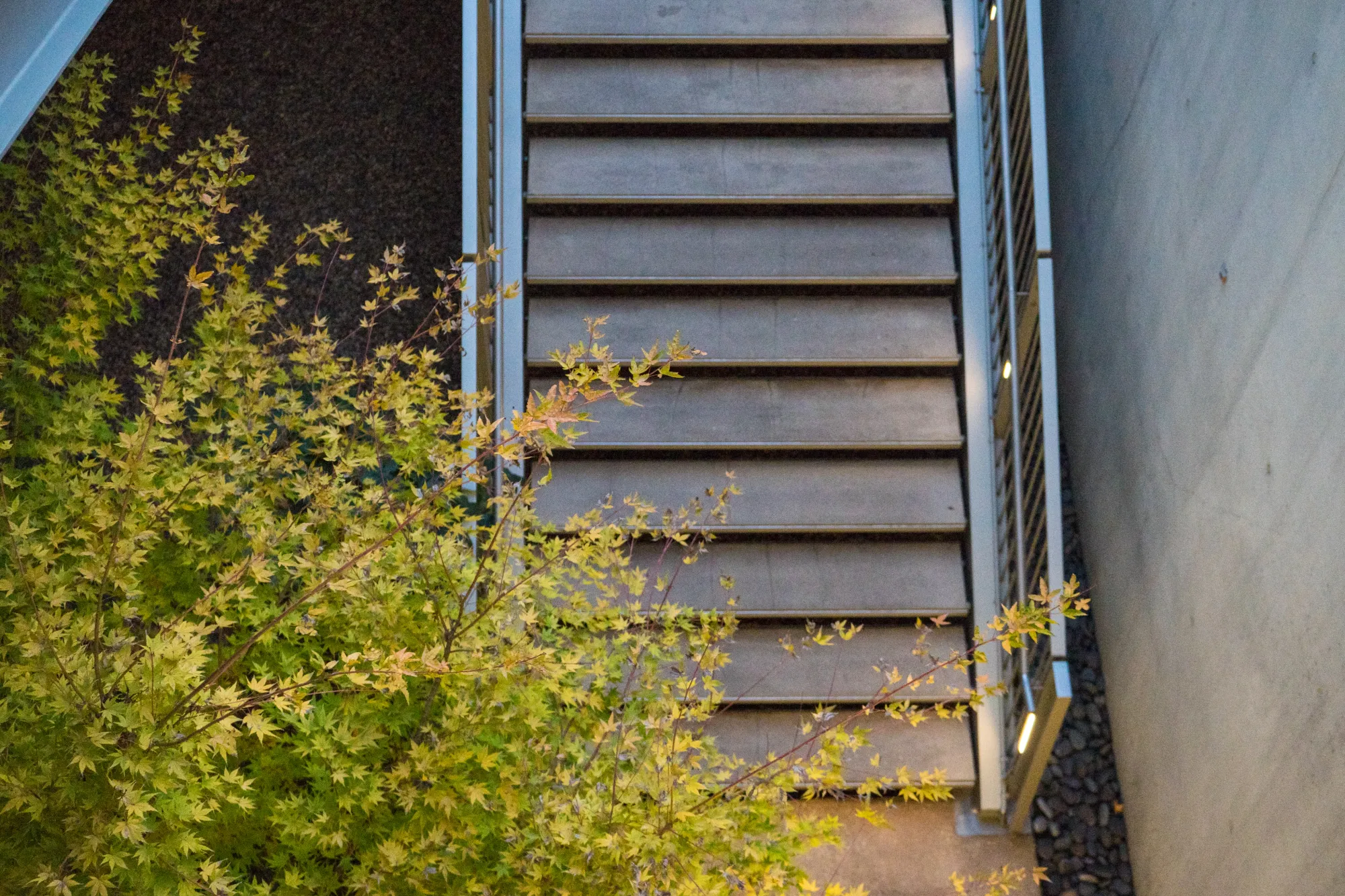
Above, American ecologist Paul Kephart has planted 1.6 acres of working Longjing tea across the rooftops. Below, Japanese dry-landscape master Shunmyō Masuno has hidden three minimalist Zen rock gardens in the lower voids.
Hangzhou's most considered statement about what a workplace could be.
Logistics & Booking Guide
How to Find It
Metro: Take Line 3 to Gudun Road Station (古墩路站). From Exit B, it's a flat, 3-minute walk (230 metres) west to the entrance. An underground pedestrian tunnel from Exit C, opened in 2024 to ease surface congestion, offers an alternative route if the street crossing is busy.
Visual Cue: Look for the fair-faced concrete and glass volumes — silk-textured, pale grey, unmistakable against the surrounding street. The entrance shifts from tarmac sidewalk to a wide pedestrian piazza paved in charcoal-grey granite flagstones.
Taxi Address: 杭州市西湖区天目山路398号天目里 (Tianmuli, No. 398 Tianmushan Road, Xihu District, Hangzhou).
Admission and Booking
Tickets: Free to enter the park, plazas, and public roof terraces. Individual galleries or experiential concept stores within the complex may charge separate, on-site admissions for temporary exhibitions.
Booking: No booking required.
Hours: The public block never closes; most stores operate 10:00–22:00.
Insider Tips
For Solitude: Visit on a weekday morning around 10:30 if you want to browse the bookstores and boutiques in quiet isolation.
Happenings: Check the latest exhibitions, markets, and talks at www.ooeli.com.
Shops & Sights Recommendations
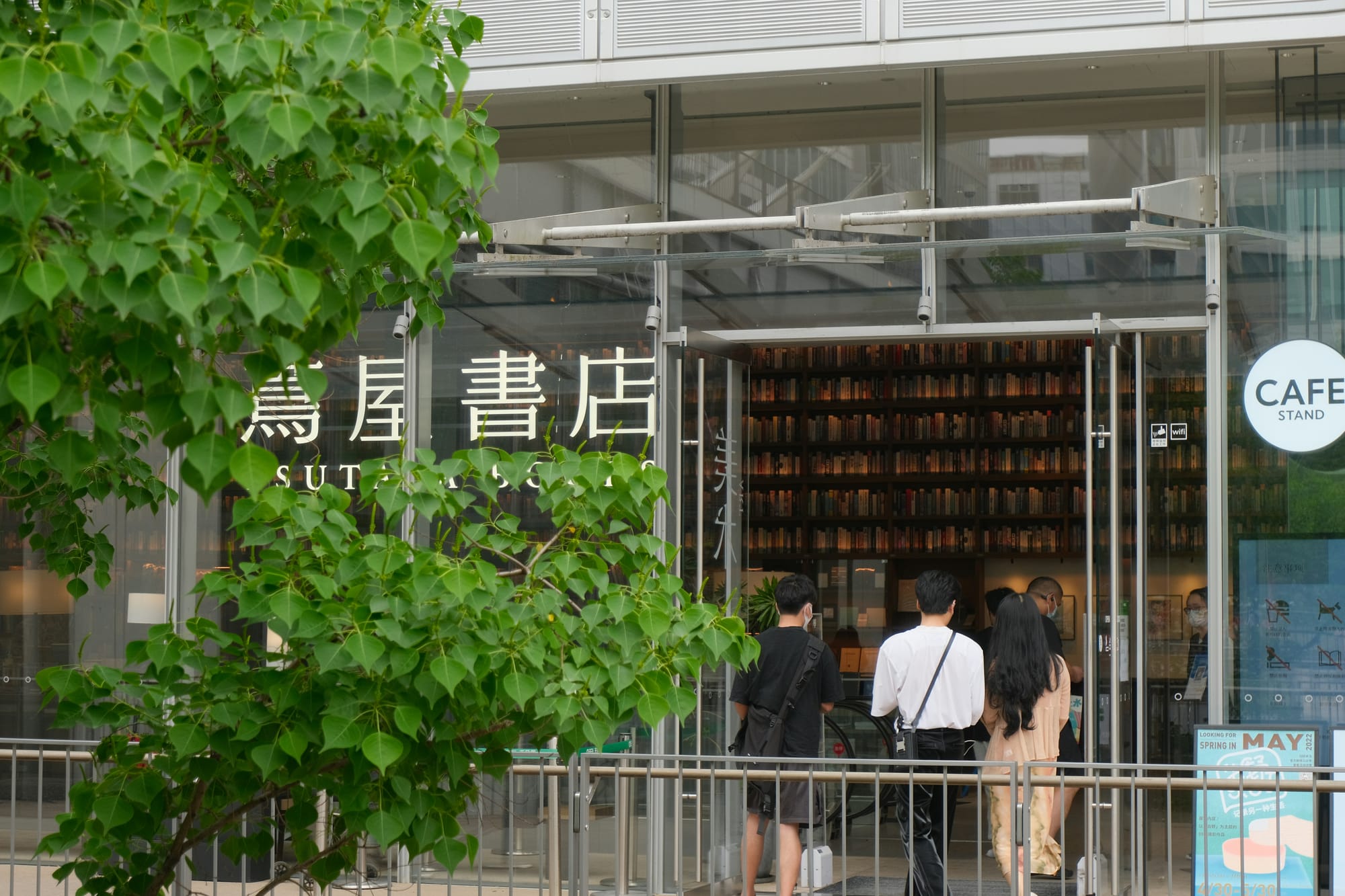
1. Tsutaya Books (茑屋书店)
Location: Buildings 2–4 (Ground Floor and Basement)
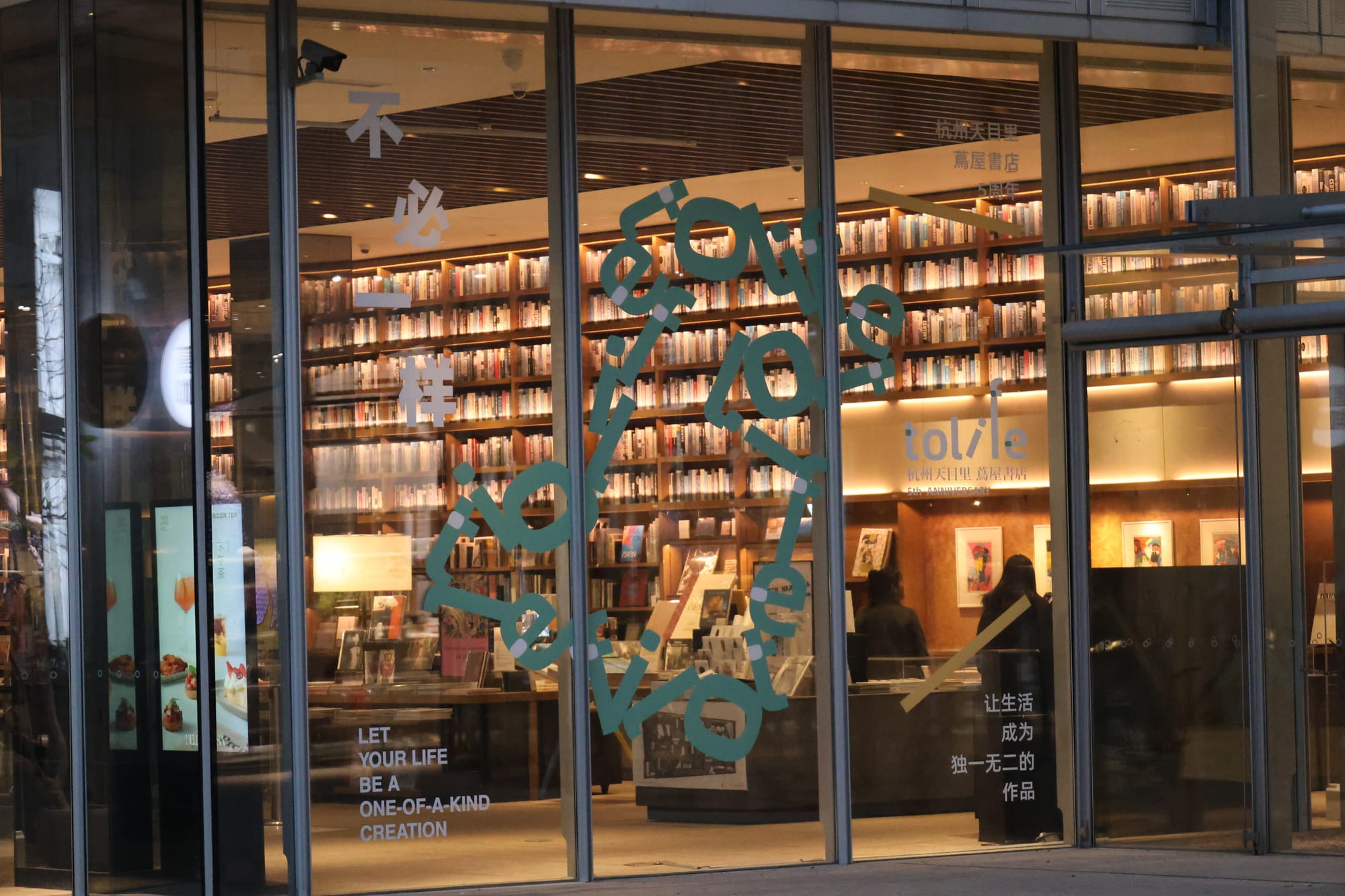
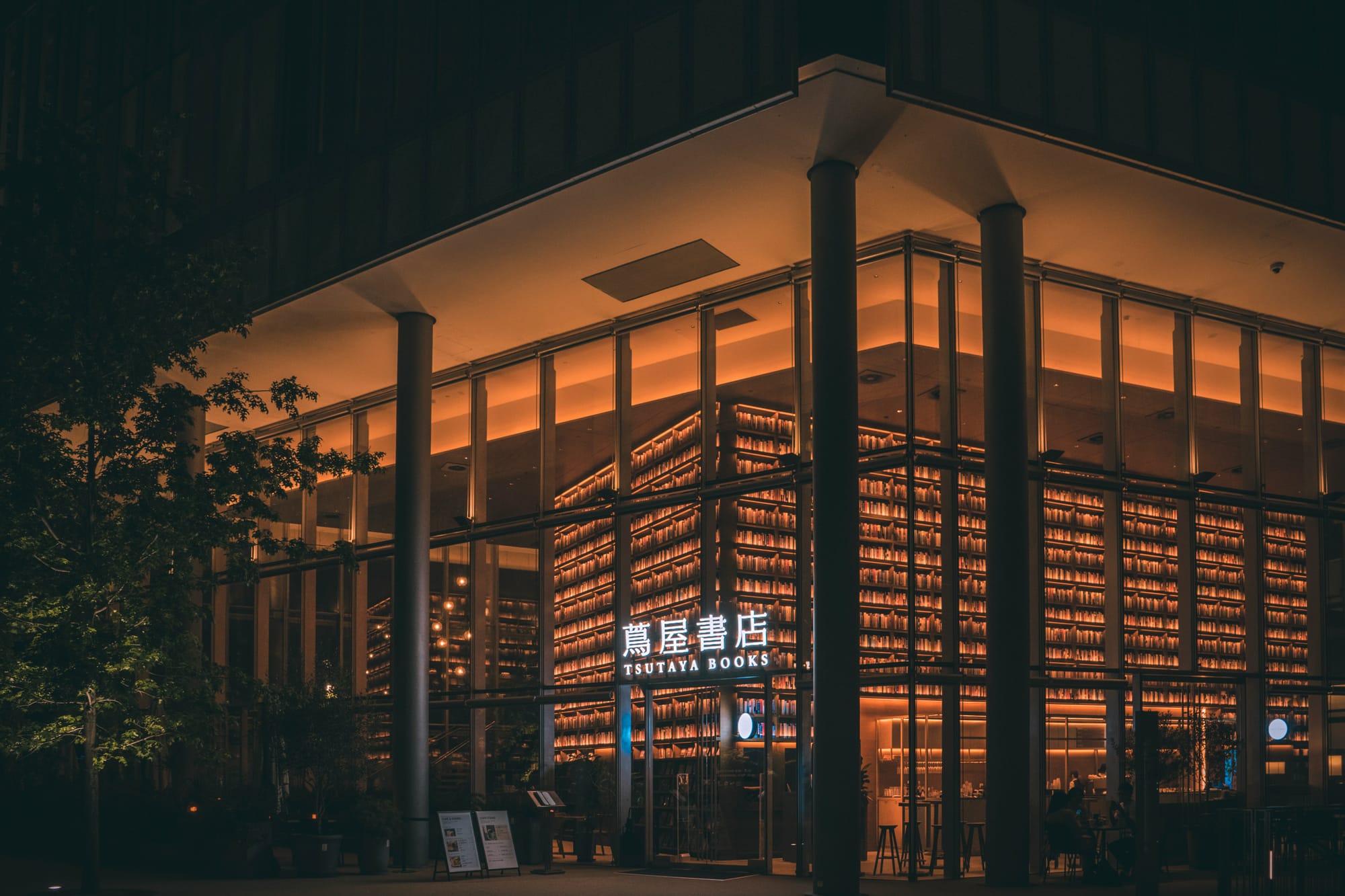
The Experience: This is Japan's iconic cult lifestyle bookstore's very first flagship outpost in mainland China. The two-storey glass-and-wood volume is an absolute masterpiece of sensory retail design, with floor-to-ceiling windows looking straight into the courtyard's bamboo groves.
Inside, the space holds a considered collection of international art publications, rare photography books, and independent design magazines.
The ground floor centres on Japanese crafts and ceramics; downstairs, a quieter reading room holds design, architecture, and travel titles, with a small coffee bar built into the corner — worth a slow hour, book in hand.
2. To Summer (观夏)
Location: Building 16 (Ground Floor)
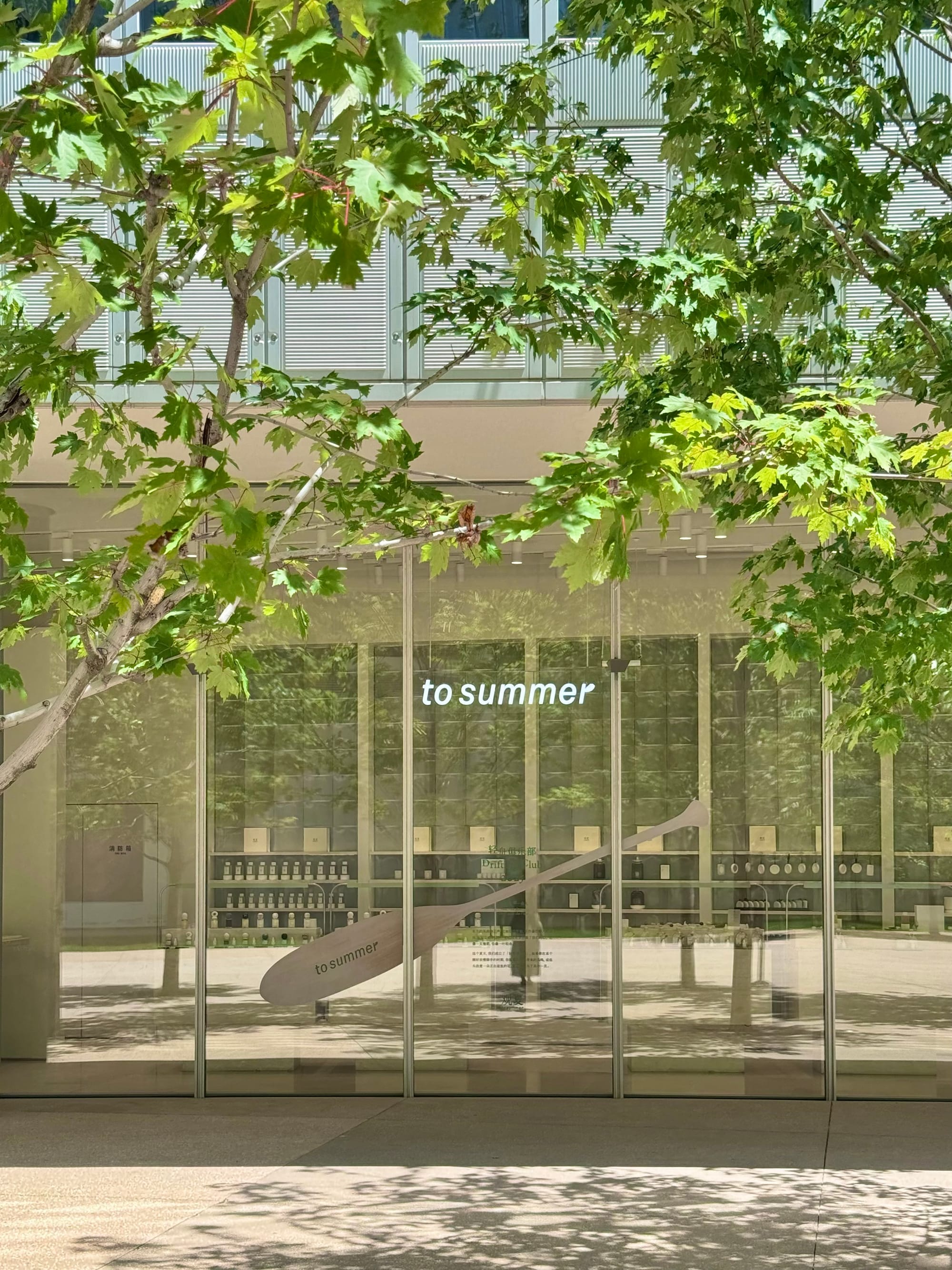
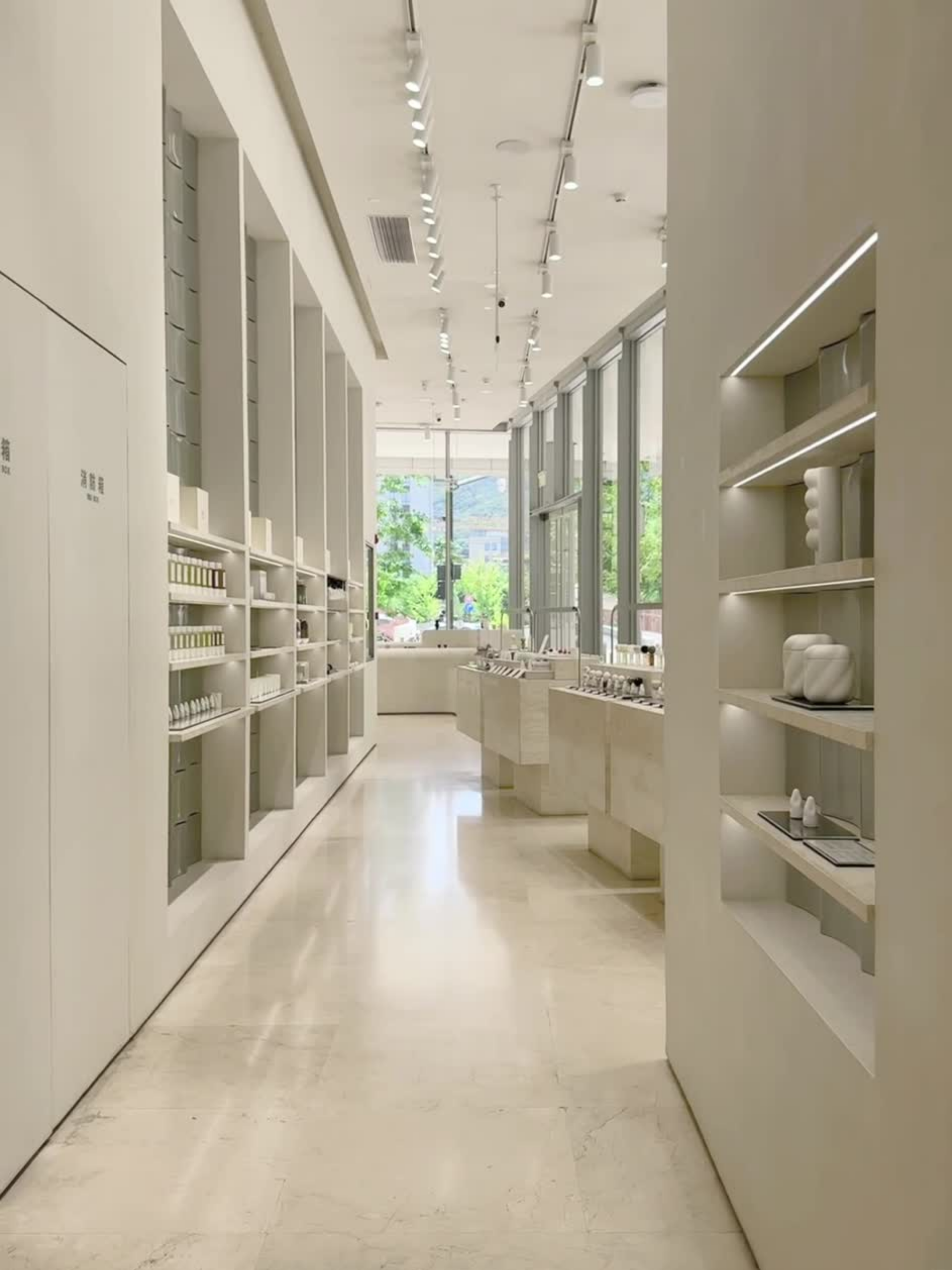
The Experience: China's most closely-watched niche fragrance house calls its Tianmuli store "西溪客厅" — Xixi Living Room — a nod to the wetland just beyond the complex. True to the brand's one-store-one-design philosophy, the space pairs Renzo Piano's raw fair-faced concrete with softer, hand-worked materials — resin details polished to read like natural marble, an interior built more like a quiet room than a shop. Their scent named for the neighbourhood, 西溪桃花 (Xixi Peach Blossom), is worth seeking out here specifically. Candles, diffusers, and the full home fragrance line round out the collection.
 Kelly
Kelly
To Summer: other related stories
3. B1OCK Concept Store
Location: Building 11 (Multilevel)
The Experience: Spanning several floors of fair-faced concrete across roughly 6,000㎡, B1OCK is a high-fashion, multi-brand buyer's shop curated more like a contemporary art museum than a store. Garments — ranging from emerging Chinese independent labels to global runway pieces — are displayed alongside sculptural installations, raw steel fixtures, and oversized mirrors rather than standard racks.
4. BY ART MATTERS / Zhi Art Museum (之馆)
Location: Block 1
The Experience: The contemporary art core of the development. Zhi Guan (之馆) is one part of a three-part structure — alongside 之驻 (an artist residency) and 之市 (a market) — and rotates exhibitions built around Chinese and international contemporary artists, with a track record leaning toward serious, research-driven programming over spectacle. The attached market on the ground floor deals in considered home goods and limited-edition artist objects.
Food & Drink Recommendations
1. The Coffee & Pastry Ritual
Give yourself an hour here with no fixed plan. Start at Cycle & Cycle Artisan, the brand's flagship concept store on the ground floor of Building 13 — a long bread counter with a handful of seats, worth a slow browse rather than a quick grab.
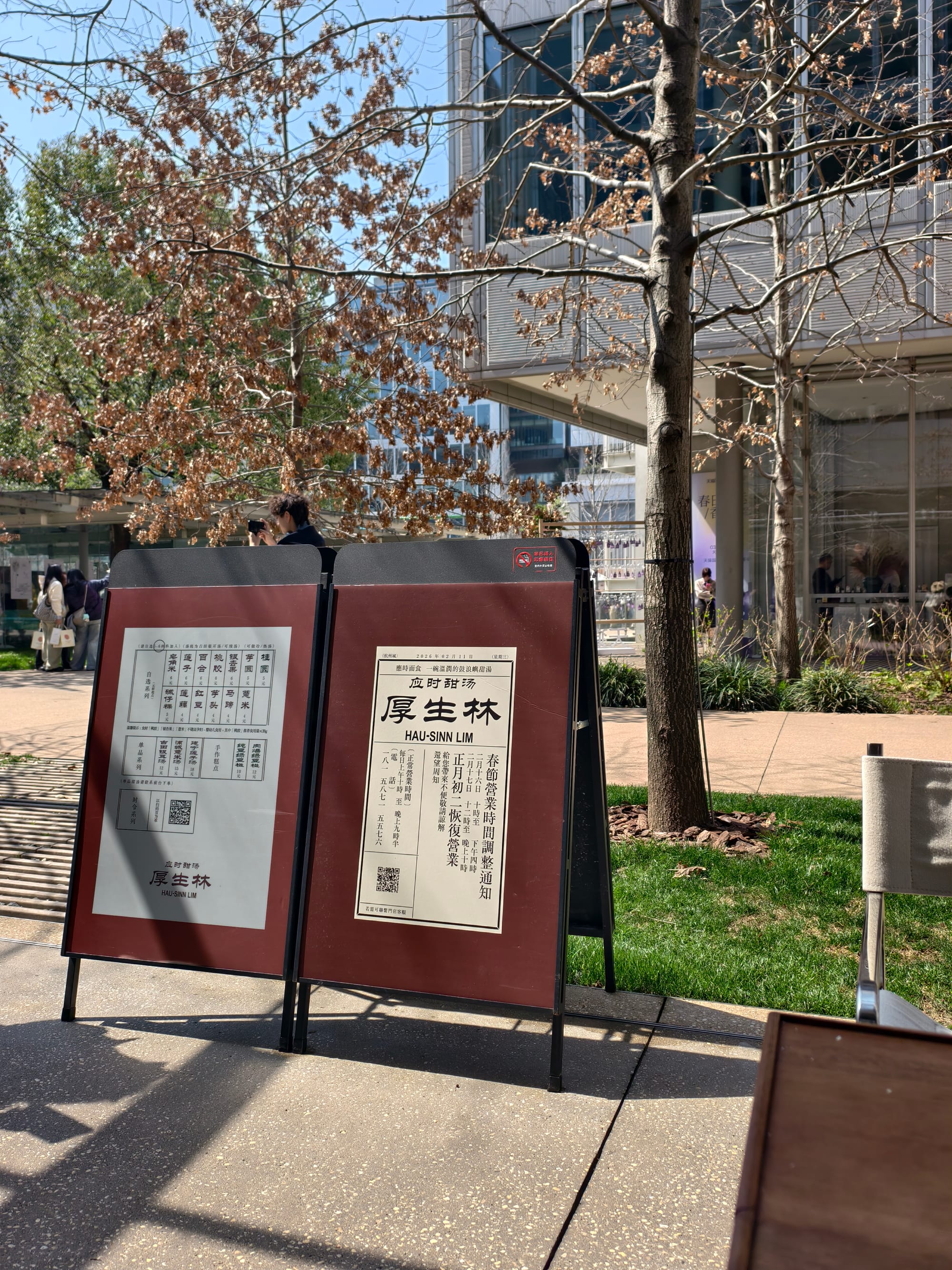
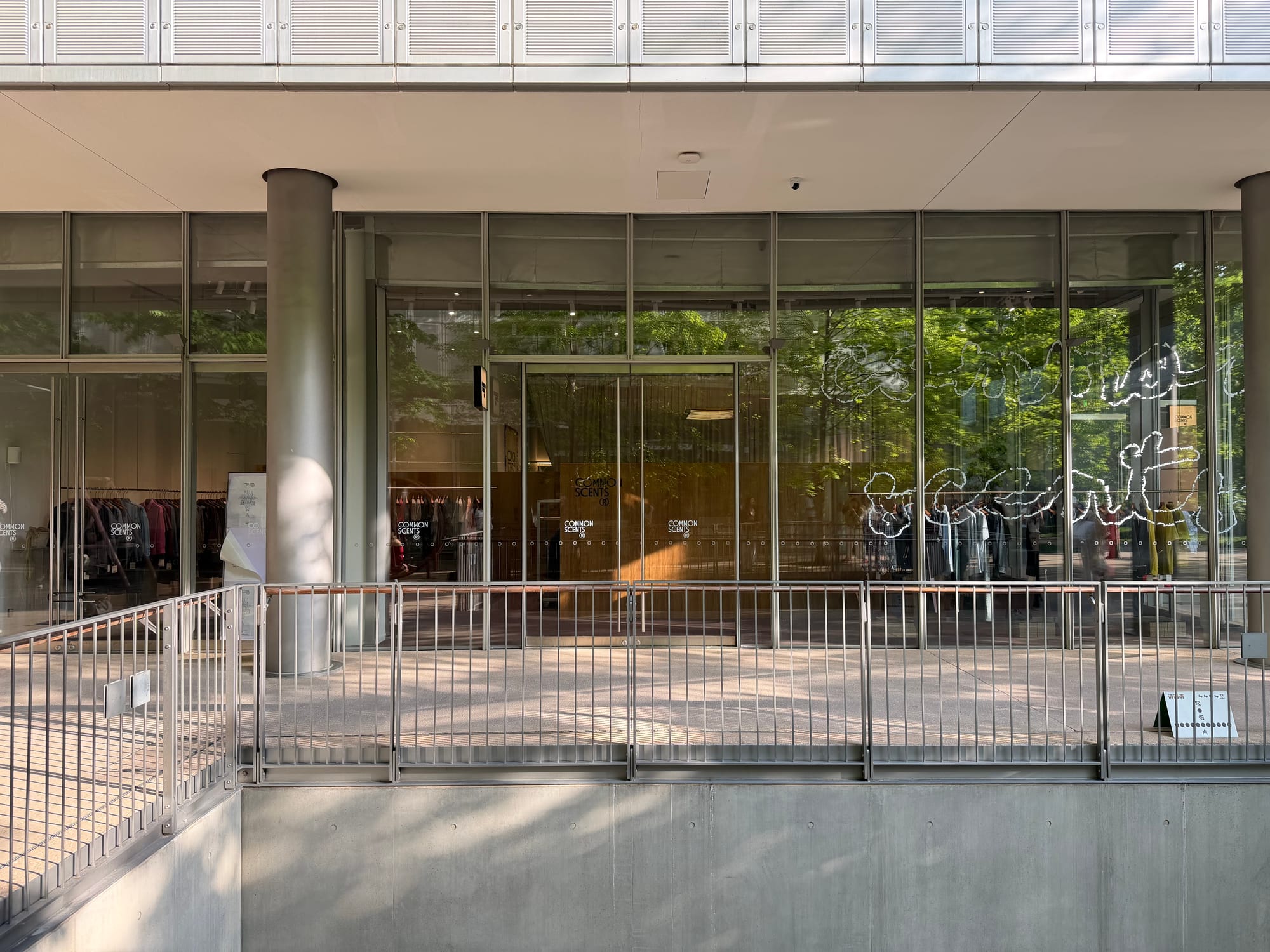
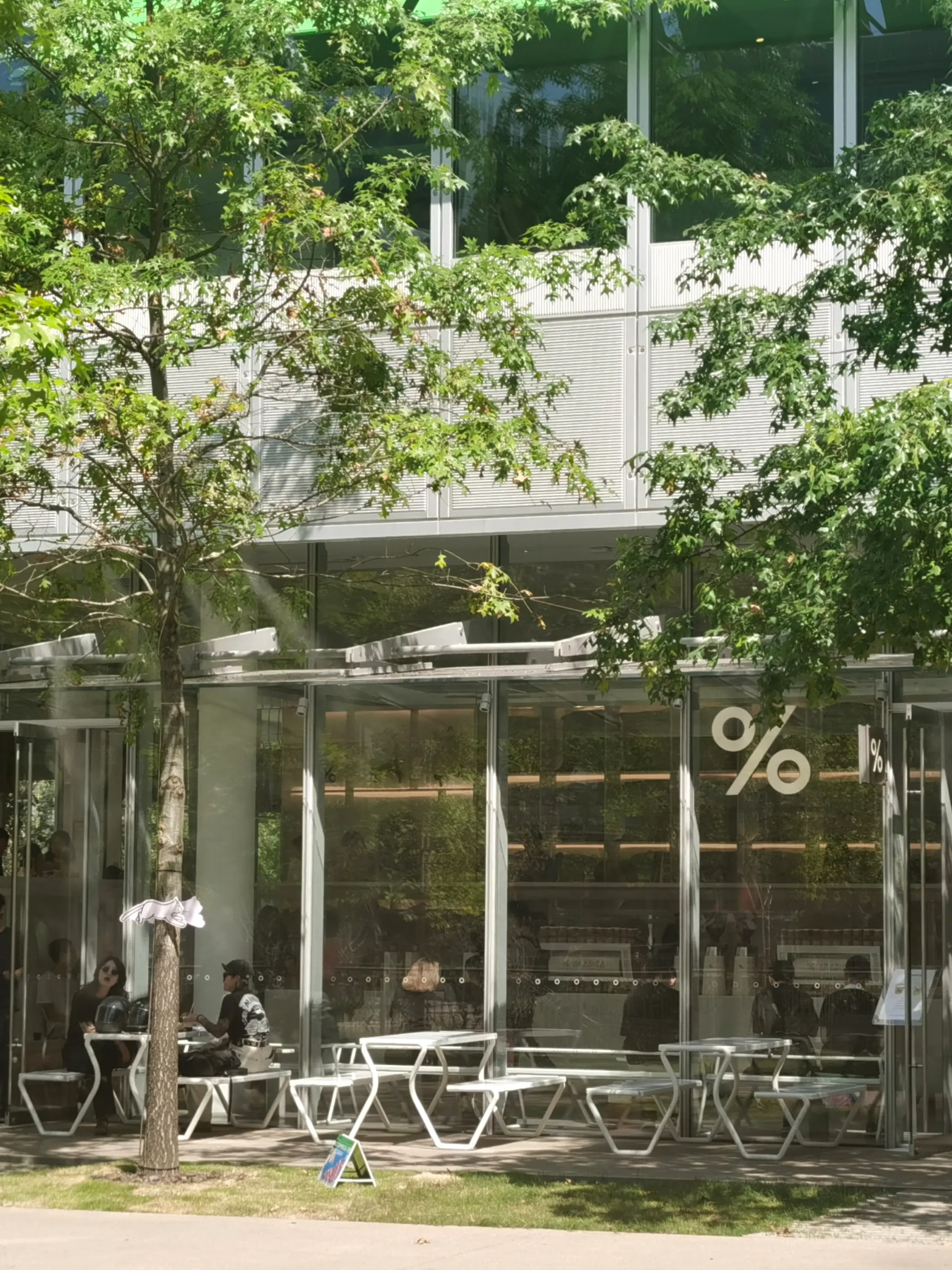
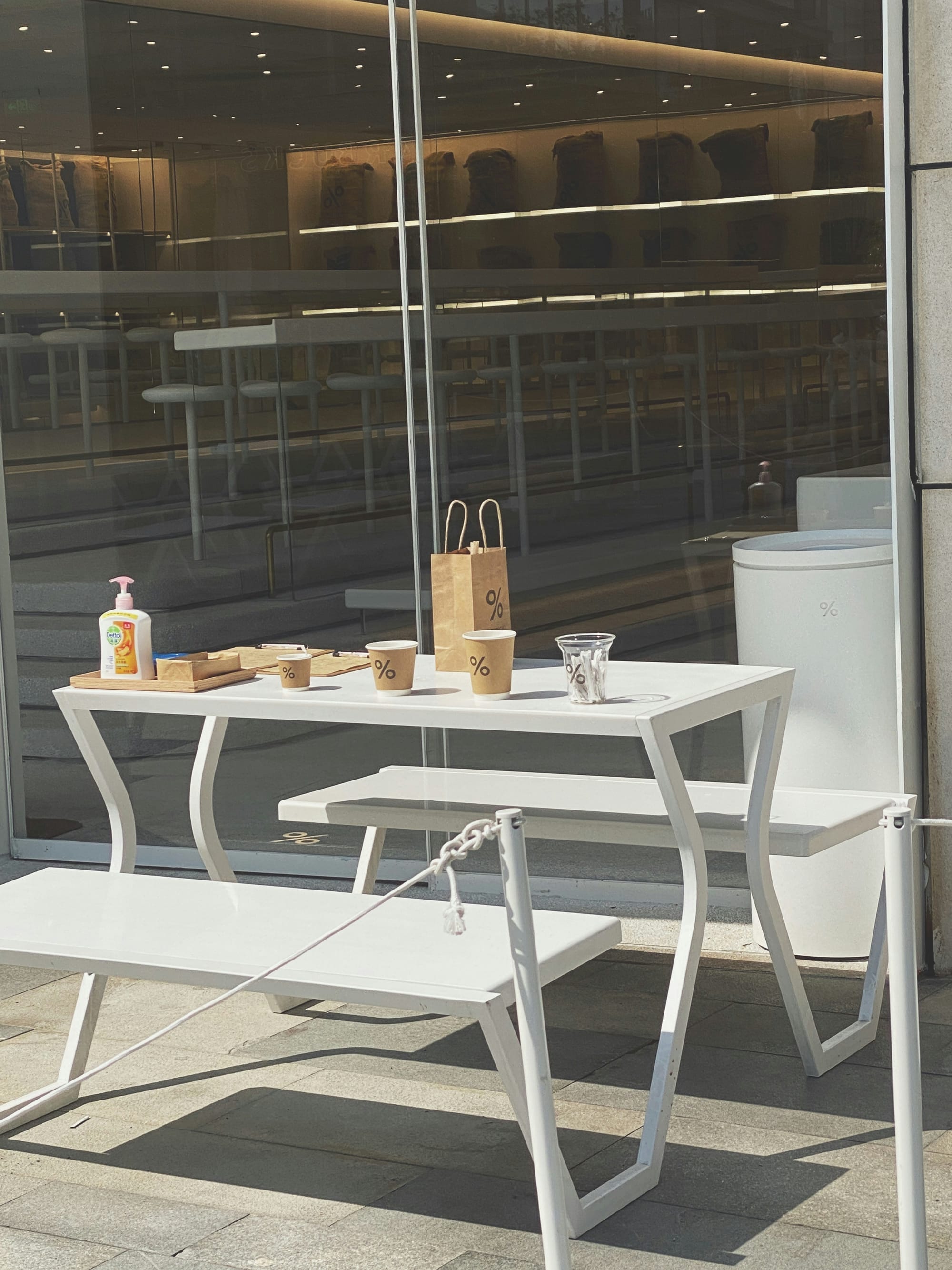
From there, wander toward Saanci (山池咖啡), a mountain-camping-themed café with grey-green industrial interiors and camp chairs scattered outside, or the original %Arabica kiosk on the piazza — the Kyoto-founded minimalist chain that's been part of OōEli's lineup since it opened in 2020.
If you'd rather sit with tea than coffee, ODIDARA is JNBY's own tea bar concept, tucked inside one of its retail spaces — a quiet, considered stop for single-origin and blended teas designed in-house, and one of only two ODIDARA locations in the country.
Order This
At Cycle & Cycle
At Saanci
At ODIDARA
2. Dinner
Tianmuli's dinner options span from casual to occasion-worthy. A few starting points, roughly low to high:
18号酒馆 (No. 18 Tavern) is the easy, mid-range pick — an industrial-steel space built around an open kitchen shaped like a stainless-steel bus, with charcoal-grilled short ribs in black truffle butter as the dish everyone orders, and both indoor and outdoor seating on the piazza.
For something warmer and more restorative, 海伶山珍 (Hǎilíng Shānzhēn) is a mushroom hot pot specialist — an eight-hour broth built from wild fungi, with a mushroom platter (竹荪, 羊肚菌, 绣球菌) to cook through it.
For an occasion, CHIC1699 远洋私厨 is a Michelin Guide-listed private-kitchen concept doing Fujianese cooking with a seafood focus — oysters and truffle-prawn dishes are the standouts, though the fresh yellow croaker is the one dish reviewers consistently say isn't worth the surcharge.