China's secret century-old cheese country
Here is a fact that will rearrange something in your brain: in 2003, scientists unearthed the world's oldest cheese, not in France or Switzerland, but in China.
Buried with mummies in the Tarim Basin of western China, a 3,600-year-old kefir-style fermented dairy product was pulled from a desert tomb and confirmed by DNA sequencing. The people who made it were pastoralists carrying dairy culture along the corridors of central Asia.
Travel roughly 2,000 kms south from that tomb, deeper into the mountains where the Tibetan plateau dissolves into the warm valleys of Yunnan, and you find something equally improbable: a living dairy tradition that has never stopped.
While the rest of China spent most of its imperial history treating milk as the food of nomads and outsiders — something the civilized Han majority simply didn't do — the Bai people of Dali quietly kept making cheese. For a thousand years.
What drove this divide? Geography explains a lot of this.
Treat your ears. Listen to the audio companion of this article.
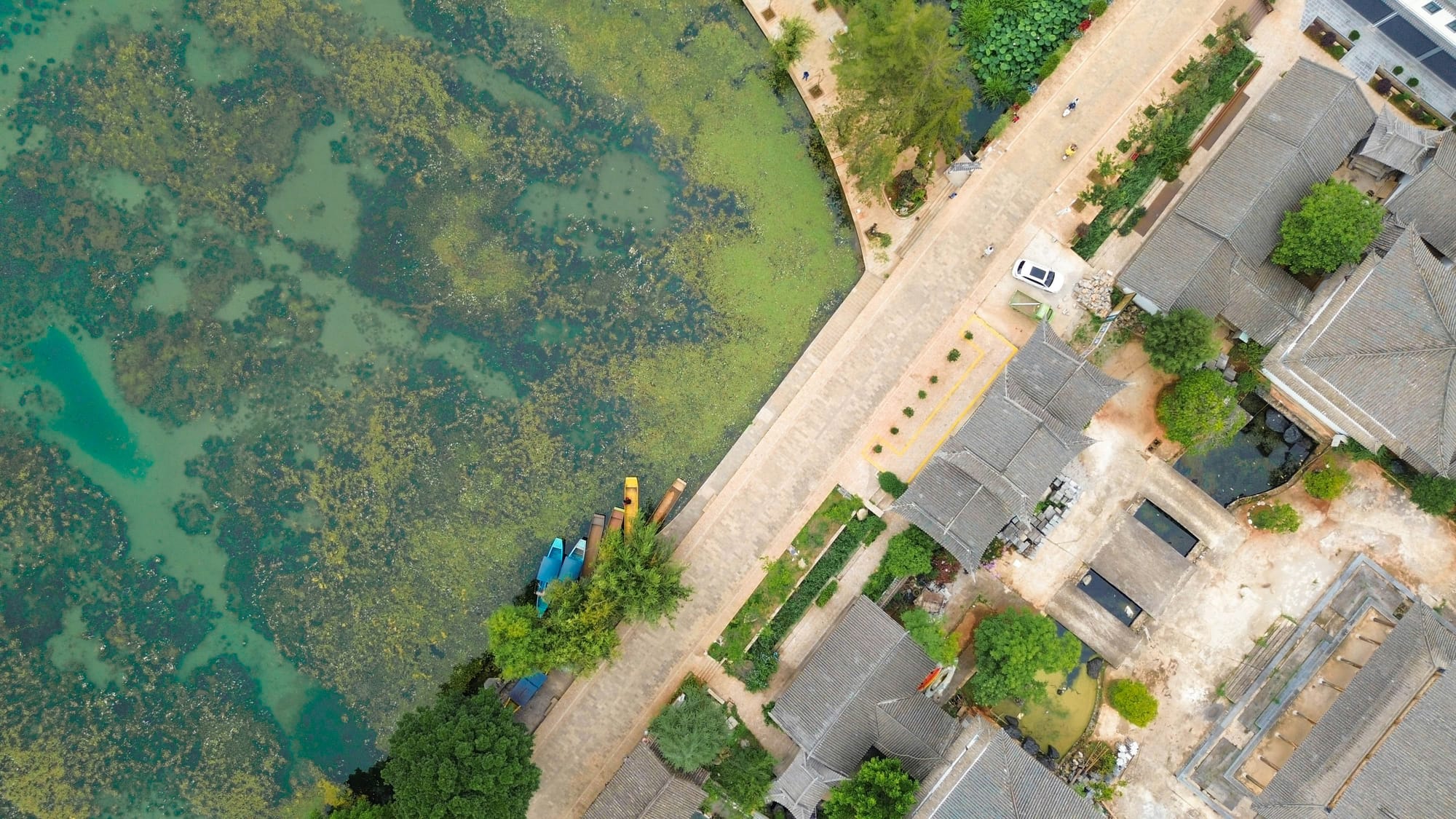
Dali sits at nearly 2,000 meters, ringed by mountains, with pastures rich enough to support cattle and goats year-round. The Bai people, whose name literally means "White," were also positioned directly on the Ancient Tea Horse Road — the Chamadao (茶马道) — the great mountain trade route connecting Yunnan's tea gardens to Tibet and beyond.
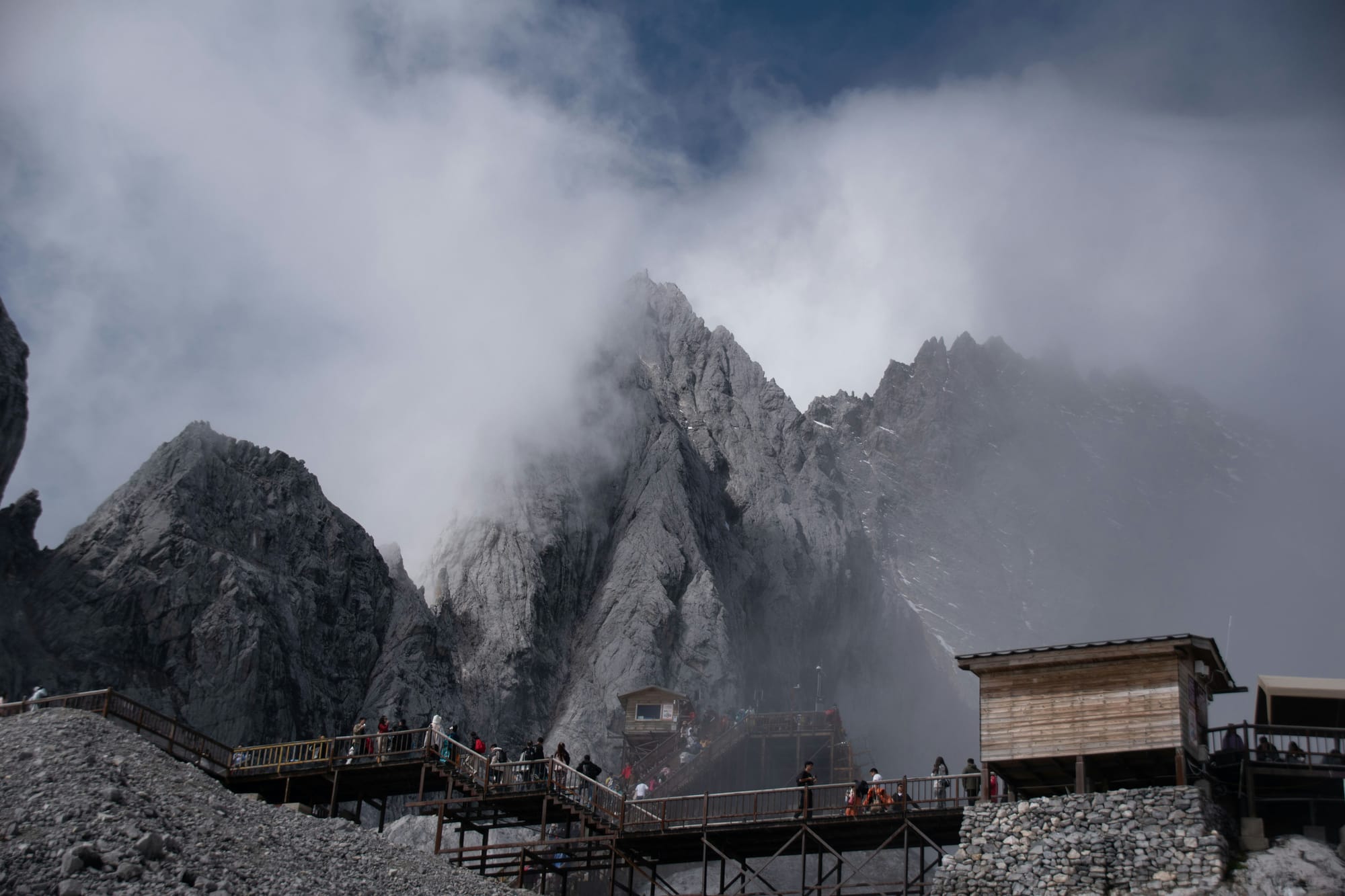

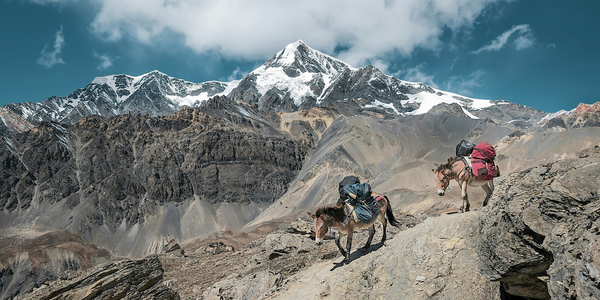
Caravans wound through passes above 4,000 metres for months at a time. The muleteers needed food that was calorie-dense, compact, and durable. The Bai had exactly that.
A dried sheet of their Milk Fan cheese could survive weeks in a saddlebag, and at altitude, paired with Tibetan butter tea, it was the closest thing the medieval world had to an energy bar.
An 18th-century Qing Dynasty gazetteer records matter-of-factly that merchants "carry it far." Cheese was not a curiosity in Dali. It was the local economy.
Come to Yunnan today, and you can still taste that history neatly packaged as...
- Rubing — made from goat's milk, firm and non-melting, closest to paneer or halloumi — is the workhorse: pan-fry it, grill it with chili and Yunnan ham, and it holds its shape while the outside goes golden.
- Rushan, made from the milk of local Dengchuan cattle, is the show-off: fresh curds stretched, wound around chopsticks, fanned out on bamboo racks to dry into translucent ivory sheets.
In Dali's old city, street vendors fry them over charcoal and roll them with rose jam 🌹. Floral, fatty, smoky, slightly sour. There is nothing else quite like it.
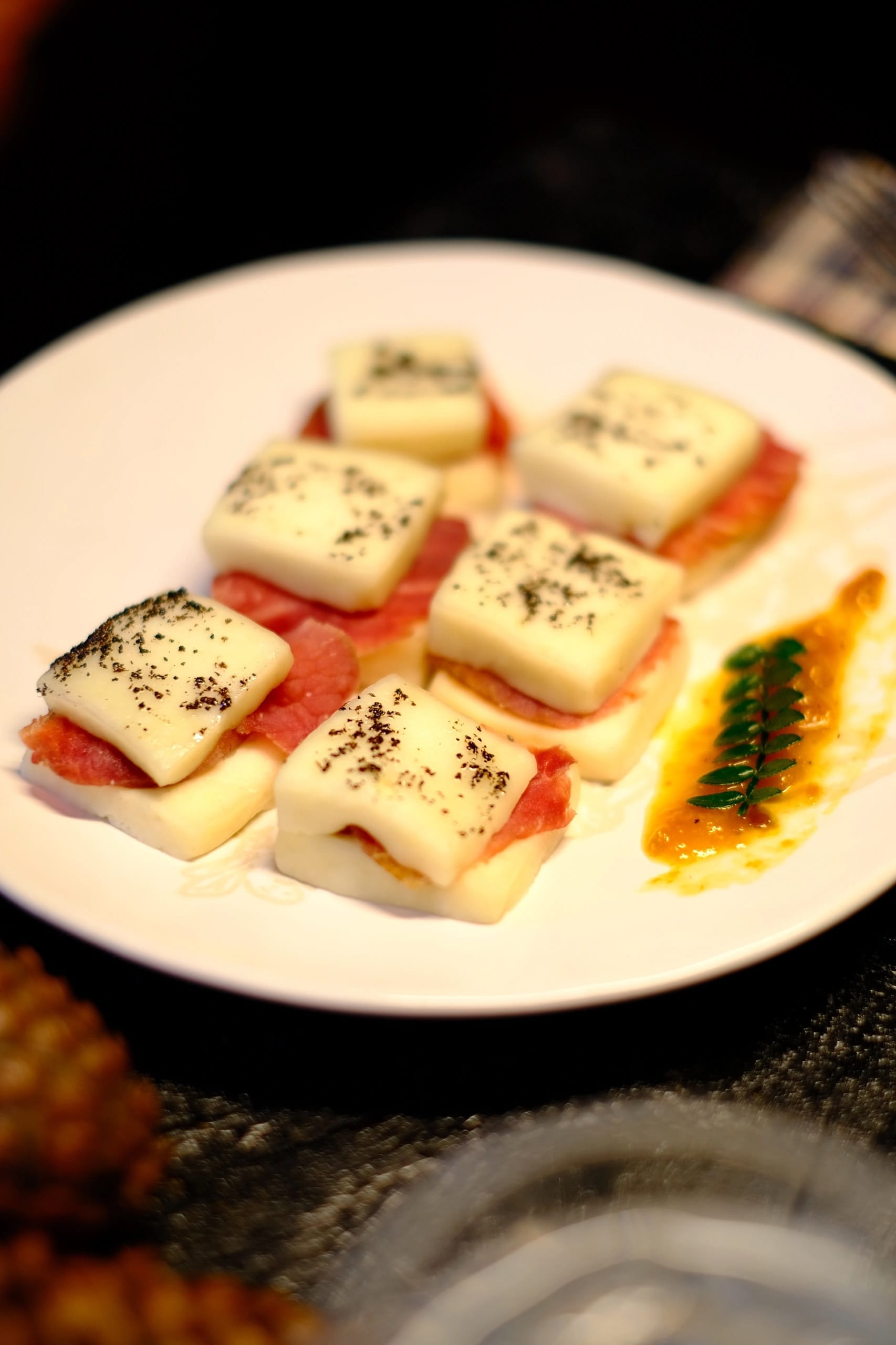
What the cheese 🫕 : A West-East Flavor Translation
| The Local Delicacy | Best Western Comparison | Texture & Vibe |
|---|---|---|
| Rubing (Goat Milk) | Halloumi / Paneer | Firm, non-melting, and golden-crusted. |
| Rushan (Cow Milk) | Dehydrated Mozzarella | Leathery, crispy when fried, "Milk Fans". |
🥛 The great irony is that China has now become one of the world's fastest-growing dairy markets. The Han majority that spent centuries indifferent to milk now queues for cheese-topped bubble tea and imported brie at boutique supermarkets.
Meanwhile in Yunnan, tradition lives on. Here, cheese isn't a trendy import. It's a thousand-year-old local secret that the rest of the country is only now catching up to.
Your turn to taste it...
There's more to this story — and it gets stranger and better.
On the podcast, we go deep: the cattle breed that nearly went extinct because of the cheese it made possible, the ceremony where you don't eat the cheese but drink it, and the provocative theory that Bai dairy-making may have given China one of its most iconic foods.
We invite you to have a listen on the Mandarin Unpeeled podcast, and even better, go to Yunnan to try this delicacy.
— Mandarin Unpeeled 🍊