Mules: Yunnan's Original Algorithms
Pu'er, Dianhong, Green... Yunnan is tea country.
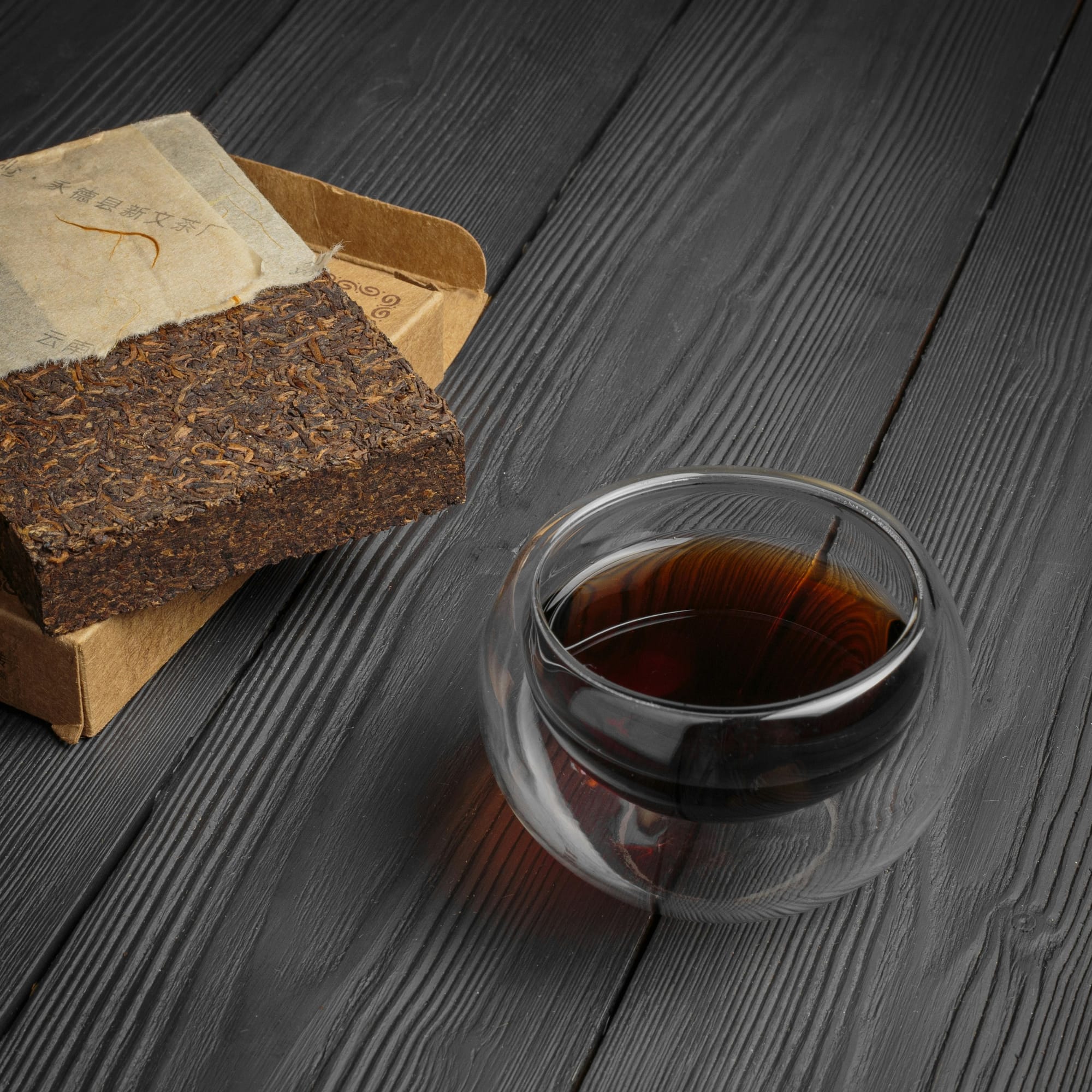
The dark, earthy brick that sits quietly in specialty shops in London and Melbourne began life here, in the folds of southwest China — where the air itself feels faintly medicinal, and where the ground beneath your feet has been shaped by centuries of commerce, strategy, and war.
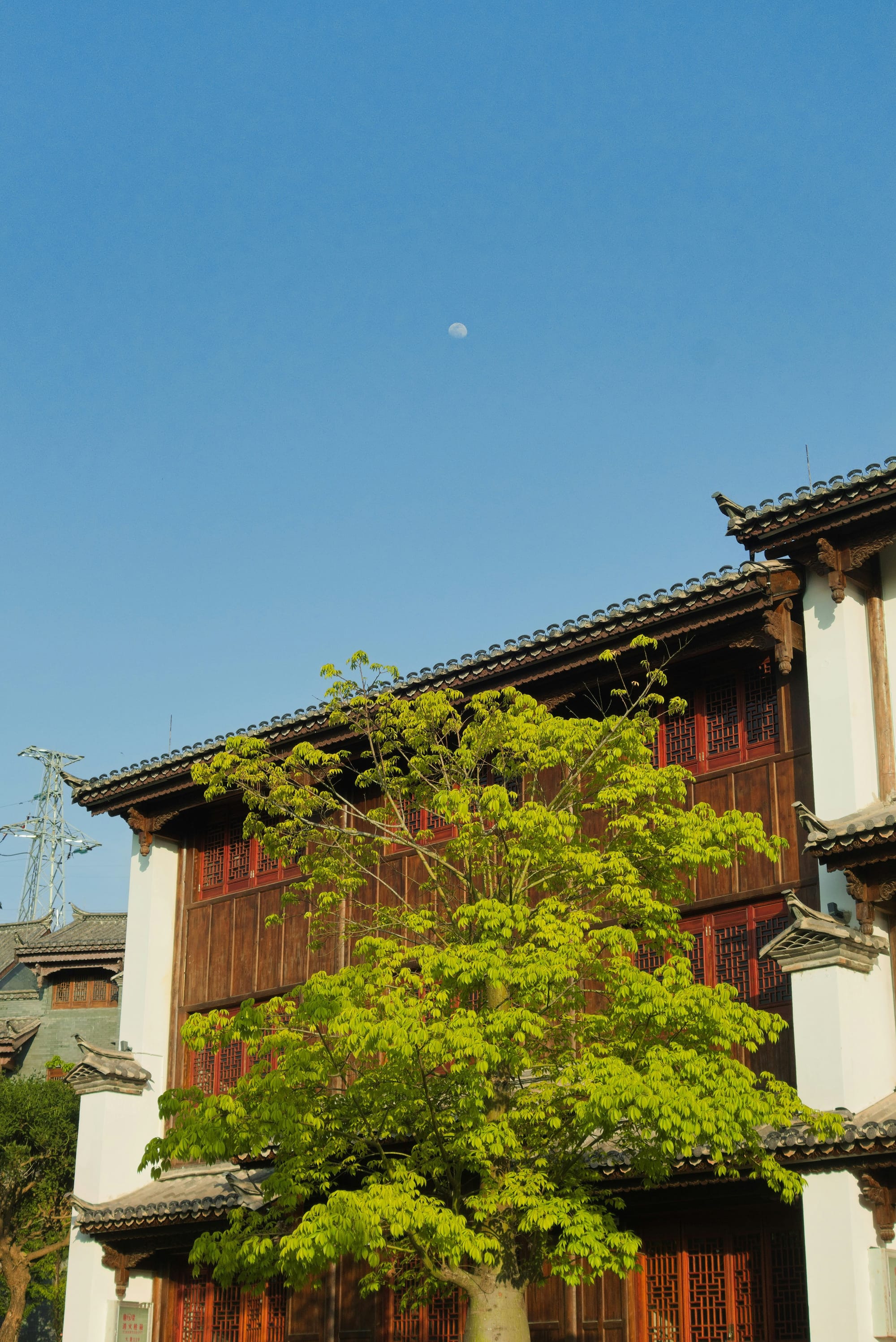
But to understand Yunnan's tea, you first have to meet the mules.
A System Before Systems
For over a thousand years, these mountains formed the backbone of one of history's most sophisticated trade networks: the Tea-Horse Road.
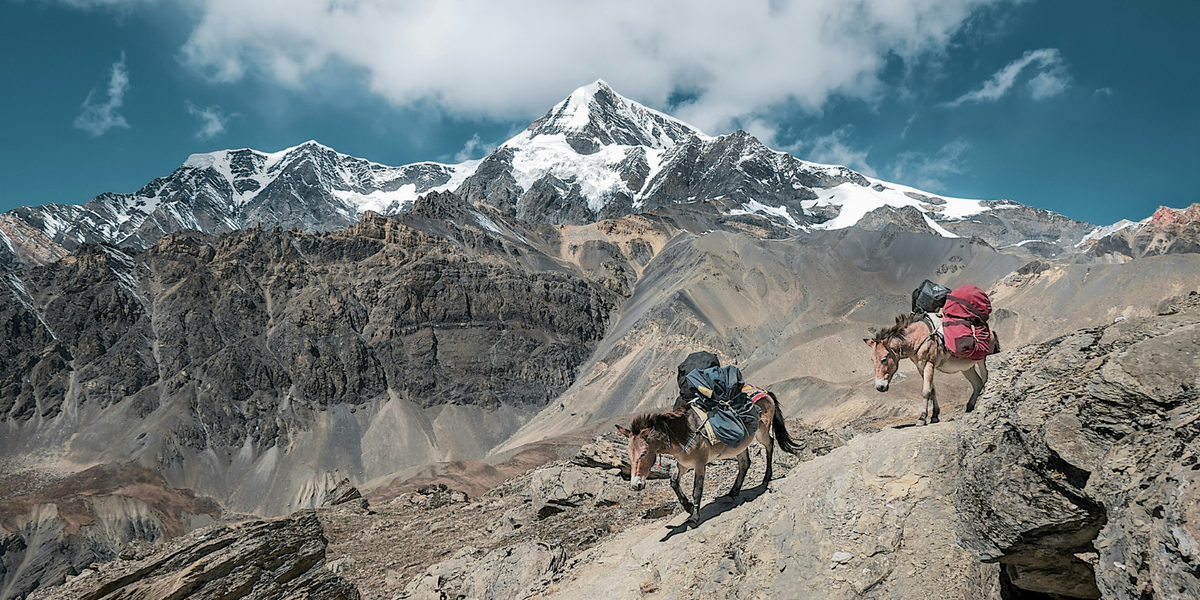
Narrow stone paths etched into cliff sides. Mule caravans moving with stubborn, rhythmic precision. A supply chain operating at altitude, across some of the most unforgiving terrain on earth — without maps, without logistics software, without a central authority coordinating any of it.
From Yunnan and Sichuan, caravans carried tea, sugar and salt up into the Tibetan highlands.
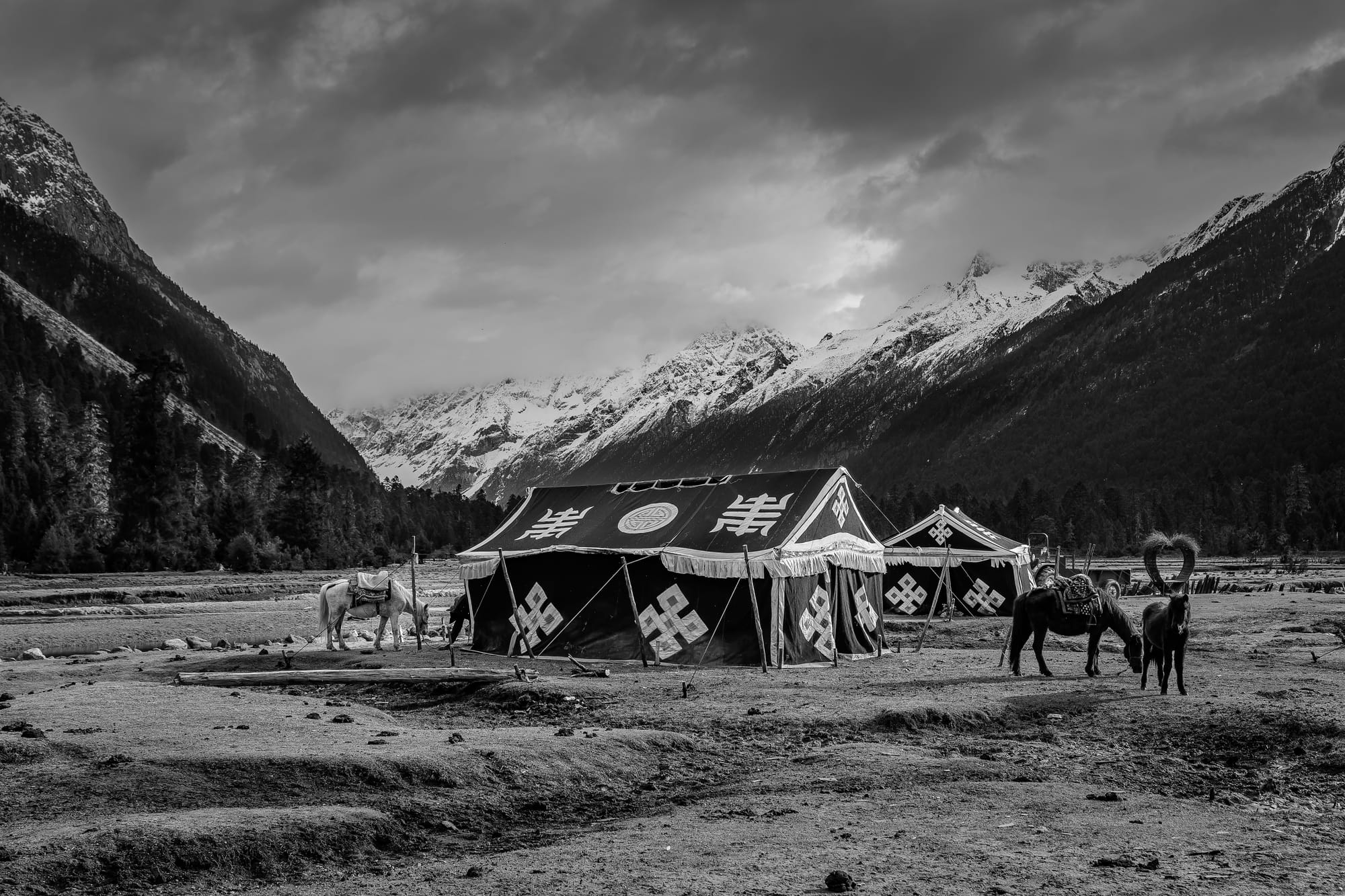
Tea wasn't a luxury there — it was physiological necessity, essential for digesting butter and barley at altitude.
In return came Tibetan warhorses: sure-footed, high-endurance, militarily invaluable. For Chinese emperors facing threats from the north, Tibetan horses were crucial ammunition.
Further south, the routes branched into Southeast Asia. Yunnanese tea moved outward; medicinal herbs, ivory, and other goods came back.
The mountains became a switching station for entire civilizations. And the mules — unbothered by politics, indifferent to empire — were the optimization engines keeping the whole system alive. They calculated routes with their hooves. They distributed weight with instinct. They learned which cliff edges to trust and rarely erred.
History You Can Still Taste
The traders who worked these routes developed a brew to match their conditions: dark Pu'er bricks boiled in salted water with butter — dense, smoky, sustaining. Known as horse caravan tea, it was functional nutrition.
You can still drink it today, in the old towns along the route, brewed in clay pots over open flames. Steam rises the same way it did a thousand years ago.
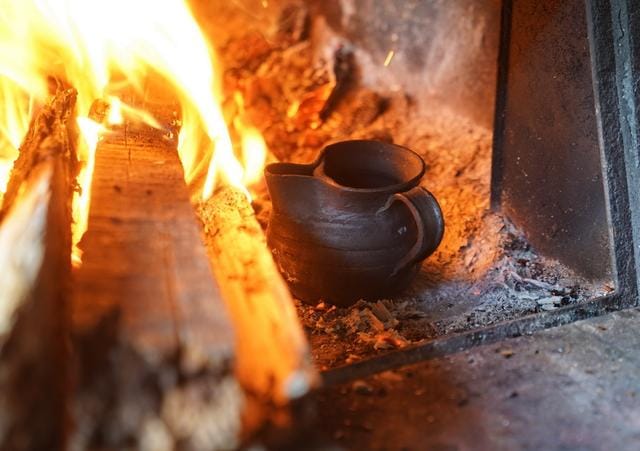
Forget everything you know about tea ceremony. Here, they roast the leaves until they smoke, boil them with salt, and hand you a bowl of liquid fire. One sip, and you'll understand how the muleteers — and their mules — kept going for a thousand years.
> Image via Sohu / Archival records of the Yunnan Tea-Horse Road trade routes.
When Ancient Logic Became Military Strategy
Another of the Tea-Horse Road's revealing chapter came in 1942.
When Japan blockaded China's coast and severed its modern supply lines, military planners turned to the same mountain logic that had guided mule caravans for centuries.
The Burma Road followed routes the caravans had already stress-tested. When roads proved insufficient, aircraft took over — the notorious "Hump" airlift over the Himalayas traced the same brutal geography.
The American volunteer group known as the Flying Tigers operated from this very region. Caravan staging towns such as Yunnan-yi were converted into Allied air hubs. Mountain passes that had carried tea for a millennium now launched fighter missions.
An ancient commercial artery became one of the only supply lines sustaining China at war. The infrastructure changed. The underlying logic didn't.
What Yunnan Teaches About China
This is what makes Yunnan worth studying rather than simply visiting.
It is a place where layers of history are written over each other without fully erasing what came before — where a UNESCO-listed tea mountain and a WWII aircraft bunker can occupy the same hillside, and where the same geographic logic that shaped medieval trade routes shaped Allied military strategy a thousand years later.
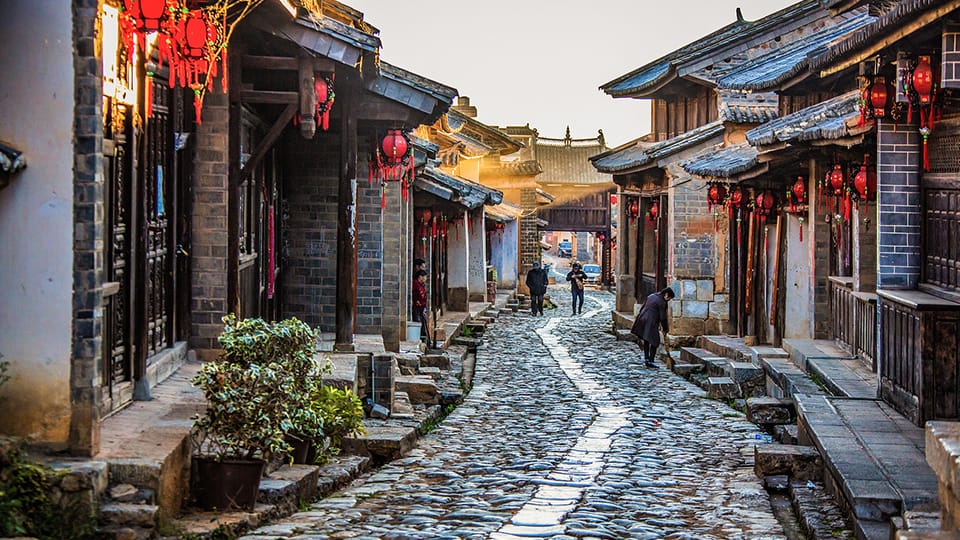
China's relationship with its own interior — the way it has historically mobilized remote regions for strategic ends, integrated minority cultures into broader economic systems, and built resilience through geographic depth — is legible here, in the stone paths and the tea bricks and the mule bells, if you know what you're reading.
And the mules? Still some of the most elegant optimization systems the route ever produced.
Your turn to walk it...
The history is one thing. Standing inside a Yunnan tea house, watching leaves steep in water drawn from a mountain spring, is another.
In the companion podcast episode, we go on the ground — into the tea houses, the morning markets, and the old caravan towns where horse caravan tea is still brewed over open flame. How to read a menu you can't translate. What to order and where to find the tea experiences that don't make it onto any list.
Listen here. Then go.
— Mandarin Unpeeled 🍊