Lijiang
Snow-capped peaks, emerald lakes, and an 800-year-old town where ancient music still plays and an older script still survives
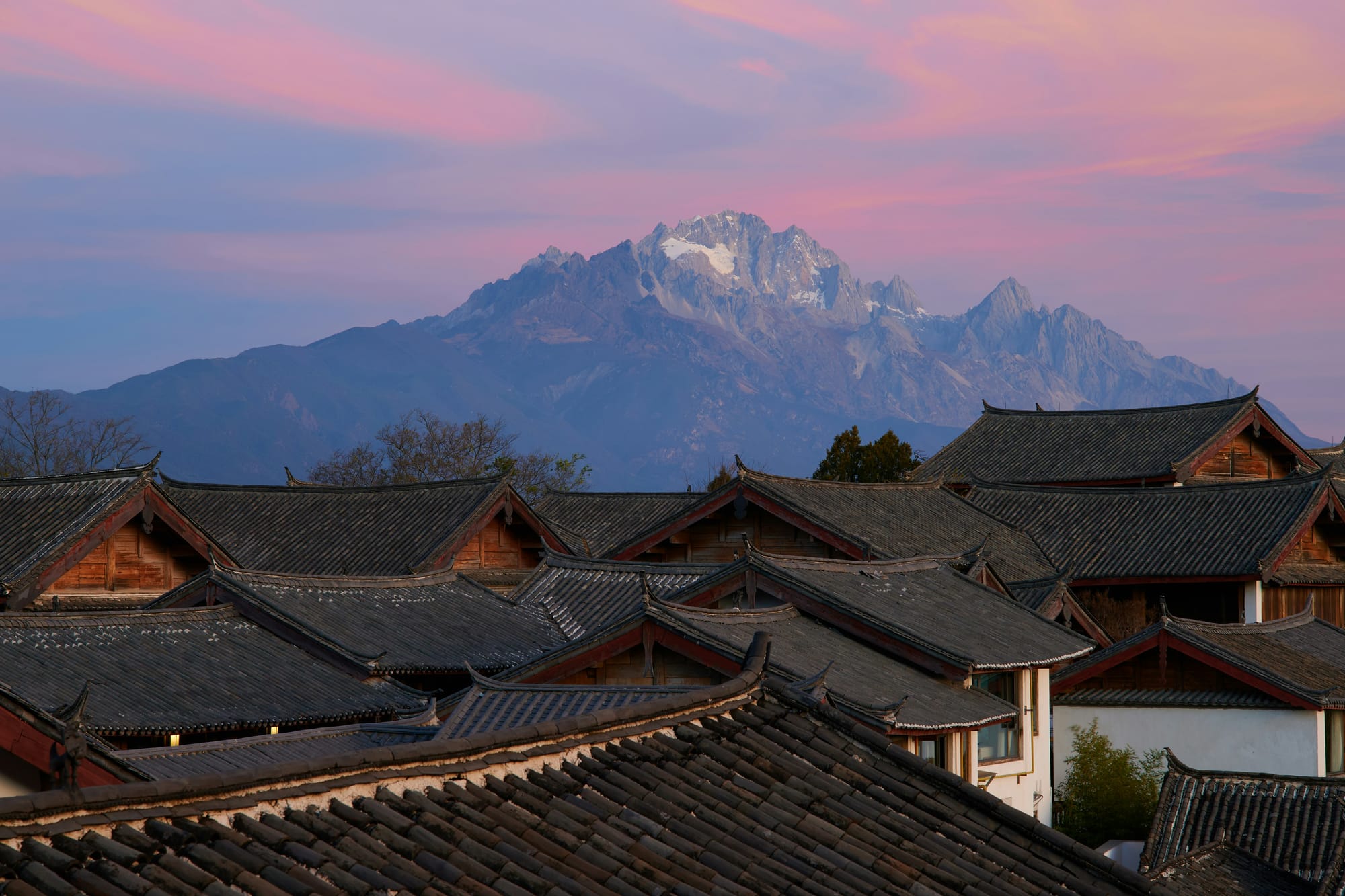
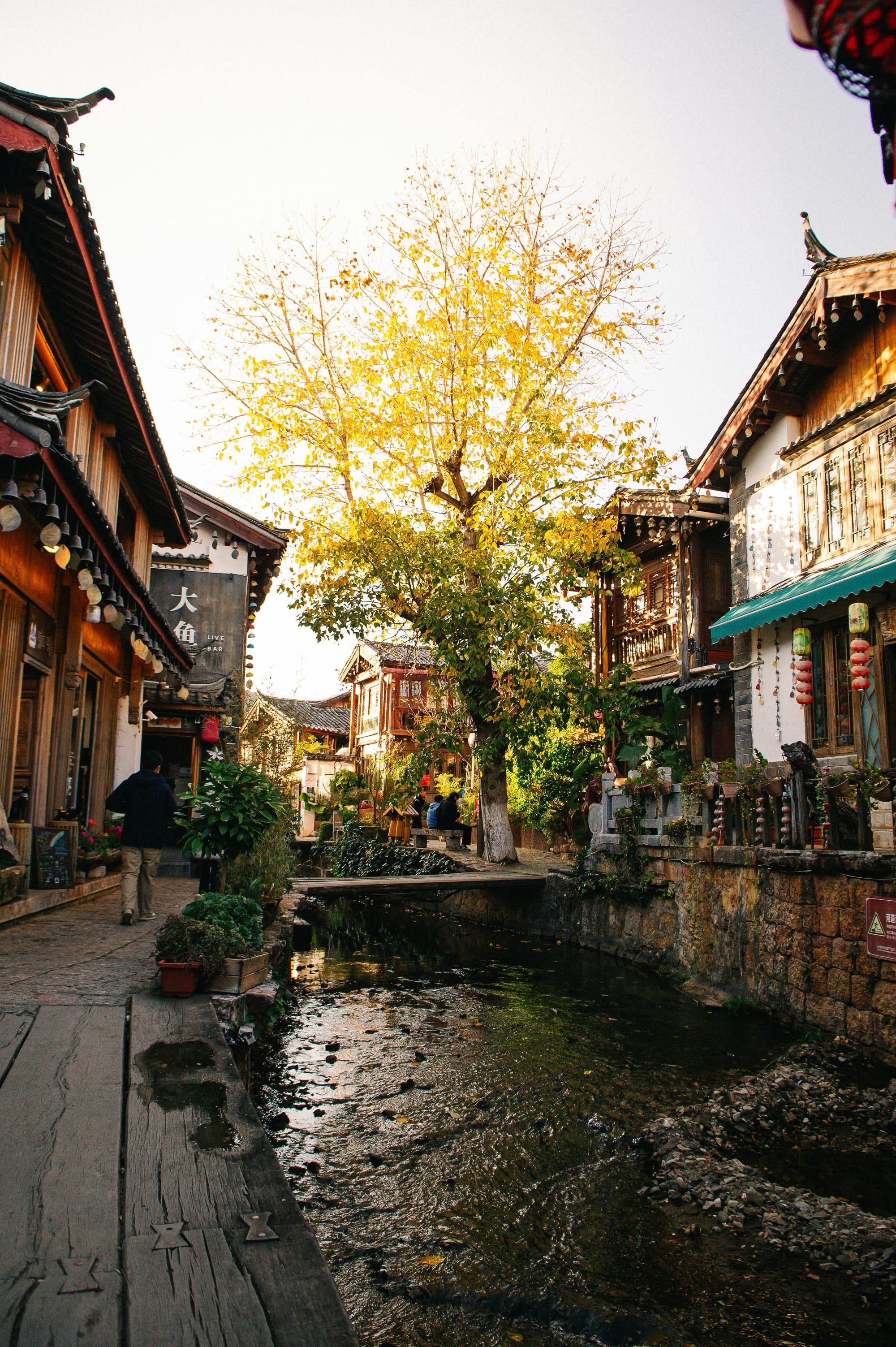
Lijiang puts a snow mountain and an ancient city in the same frame — on a plateau roughly 2,400m up, meltwater from Jade Dragon Snow Mountain threads through the lanes of an 800-year-old walled-less town below. The Naxi people call this place Gubo, "a place where goods gather" — the starting point for Tea Horse Road caravans that once carried tea into Tibet and brought stories back in return.
3 UNESCO designations
Lijiang Old Town, the Three Parallel Rivers natural site, and the Naxi Dongba manuscripts — making Lijiang the only prefecture-level city in China to hold all three
- THE EXPERIENCE
Dayan Old Town, the liveliest of Lijiang's three heritage districts, is free to enter — reserve via WeChat and scan in with your ID. The Big Waterwheel lines up with Jade Dragon Snow Mountain behind it before 8am, and Sifang Street hosts free Naxi bonfire dancing every night at 7:30pm, open to anyone who wants to join.
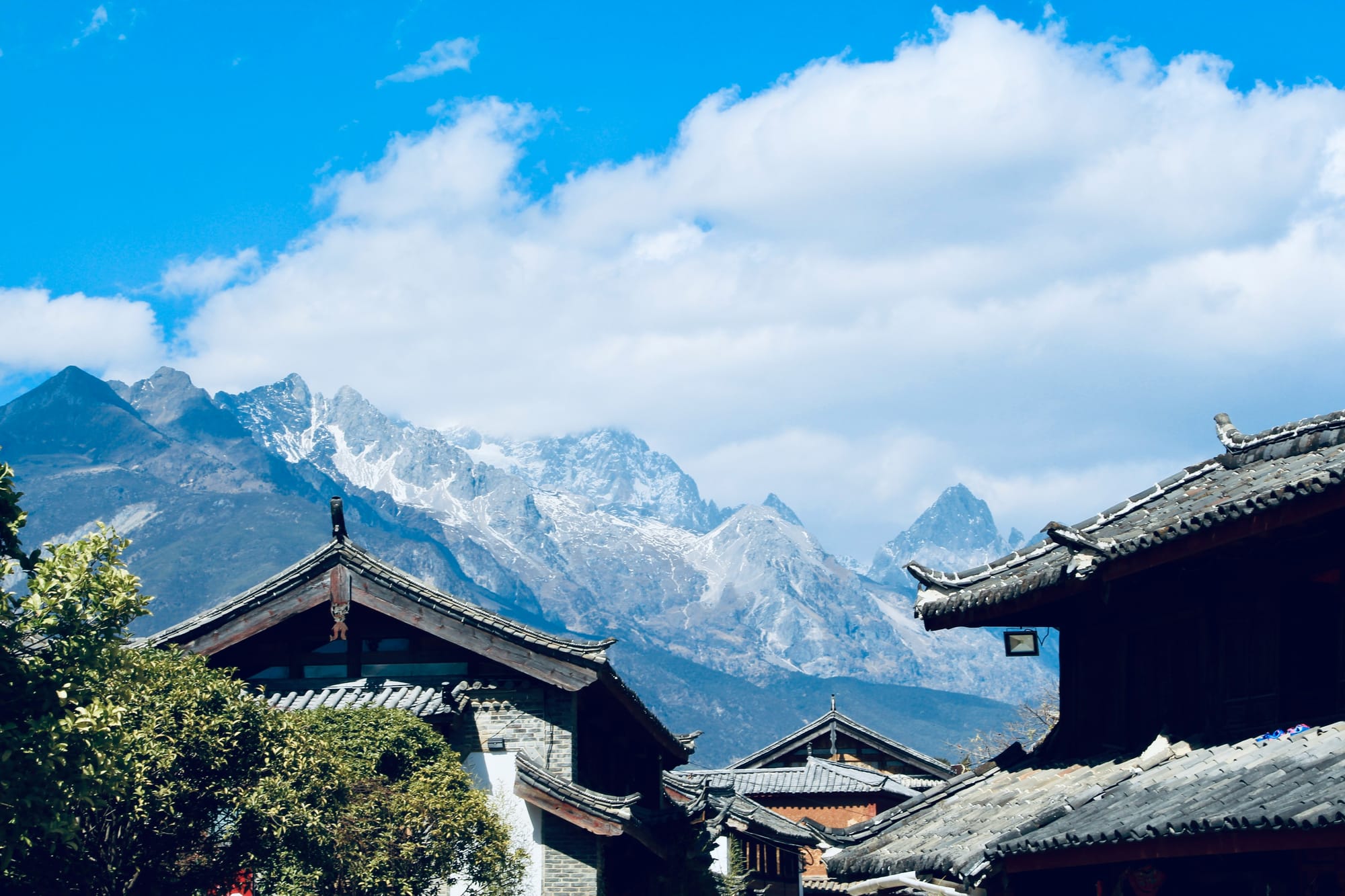
Jade Dragon Snow Mountain, the closest modern glacier to the equator anywhere in the Northern Hemisphere, is Lijiang's sacred peak — thirteen summits running like a dragon in flight, its main peak never verifiably climbed. The cable car reaches 4,506m, with a boardwalk continuing toward the summit itself; tickets sell out fast and need booking days ahead through WeChat.
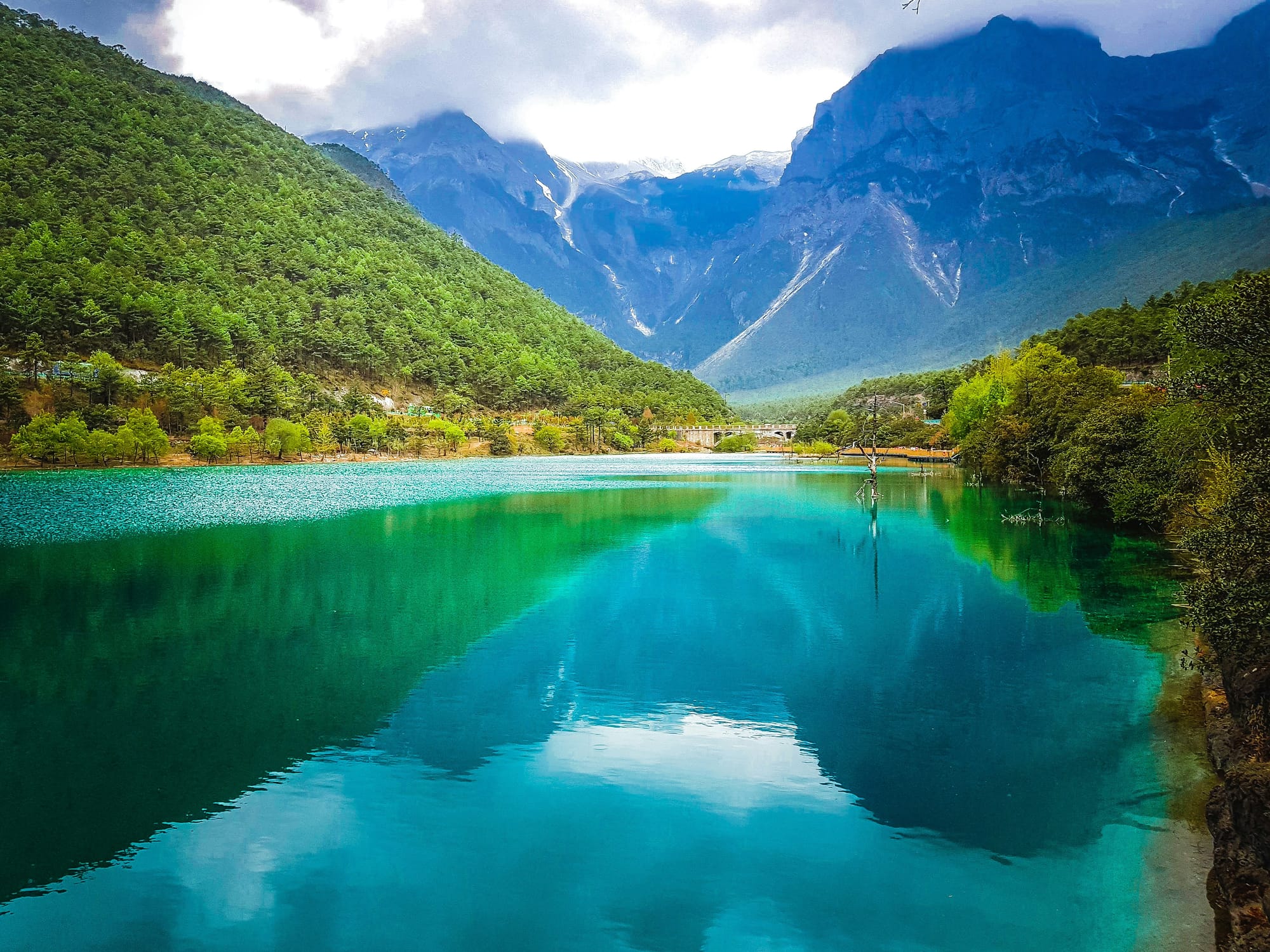
Blue Moon Valley, at the mountain's base, layers Tiffany blue into emerald green — glacial meltwater colored by calcium minerals, bluest between in the morning.
Naxi ancient music, performed nightly by musicians averaging 60 years old, preserves fragments of Tang and Song-dynasty (618–907, 960–1279 CE) court music— one of the last living threads back to an imperial soundscape otherwise lost.
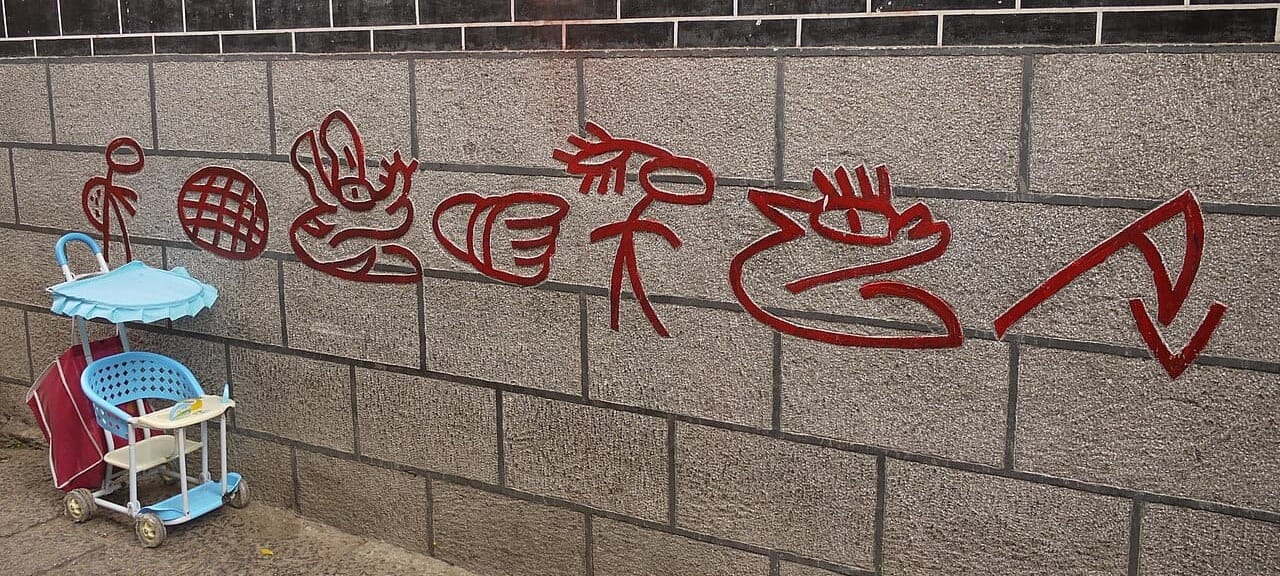
Dongba script, the world's only pictographic writing system still in active use, can be learned a few characters at a time — or try your hand at Dongba paper-making, a mulberry-bark craft said to last a thousand years.
- BEST FOR
Spectacular snow mountain scenery and an 800-year-old town, experienced in the same day. Living heritage — Naxi music, Dongba script, paper-making — genuinely intrigues you.
- MAY NOT BE FOR YOU IF
You want to skip advance planning — the cable car especially demands booking ahead, often days out in peak season. You're sensitive to altitude or sun — 2,400m in the old town, higher still on the mountain, with intense UV exposure throughout.
You want a destination close to China's heartland — Lijiang sits deep in the southwest, close to 4 hours by direct flight from both Beijing and Shanghai.
- HOW LONG?
3–4 days: one for Dayan old town, one for Jade Dragon Snow Mountain and Blue Moon Valley, one for Shuhe or Baisha depending on your pace, and an evening set aside for Naxi ancient music.
- GETTING THERE
Lijiang Sanyi Airport sits about 28km from the old town — an airport shuttle runs direct to the south gate for ¥20, or a taxi for ¥80–100.
High-speed rail is the better option for most routes: about 1.7 hours from Dali , about 2.5 hours from Kunming.
- PAIRS WELL WITH
Dali, about 1.7 hours by high-speed rail, for the lake and the old kingdom · Kunming, about 2.5 hours, as Yunnan's gateway city · Shangri-La, further north, for higher-altitude Tibetan culture
Where you stay shapes the whole trip: Dayan puts you right in the action, but cobblestones are hard on luggage wheels and the bar street stays loud until 11pm; Shuhe and Baisha are quieter, with bigger courtyards and better value, book a boutique guesthouse with a terrace; mountain-view resorts near Jade Dragon Snow Mountain run ¥1,000–3,000 a night.
At this altitude, skip strenuous activity and alcohol, eat plenty of fruit and vegetables, and pack sun protection — the UV here is intense year-round.