Essential Briefing: Before You Go
Hard-won local wisdom to help you navigate the city like a pro.
When to Go: Seasonality & What to Wear
Hangzhou has a humid subtropical climate with distinct seasons. Choosing the right time to visit makes all the difference.
| Season | Weather & Vibe | What to Pack |
|---|---|---|
| Spring (Mar–May) | The Most Popular Time. Mild and comfortable (avg. 14-22°C). It's a season of blooming flowers and occasional rain, making the scenery incredibly romantic. | Pack layers: thin jackets, long-sleeved shirts, and comfortable shoes for unpredictable weather. |
| Summer (Jun–Aug) | Hot, Humid, & Crowded. Temperatures average 26-32°C, with high humidity and heavy rainfall (especially in June). This is when the famous lotus flowers bloom. | Bring lightweight, breathable clothing, a sun hat, and sunscreen. A raincoat or umbrella is essential. |
| Autumn (Sep–Nov) | The Golden Season. Comfortable, cooler, and dry (avg. 20-27°C). The city is filled with the scent of osmanthus flowers, making it arguably the best time to visit. | Long-sleeved shirts and a light jacket are perfect for the pleasant weather. |
| Winter (Dec–Feb) | Cold & Chilly. Average temperatures drop to 7°C. While it's cold and damp, a rare snowfall reveals a quieter, more serene side of the West Lake. | Bundle up. Bring a warm coat, sweaters, scarf, gloves, and hat. A waterproof layer is also advisable. |
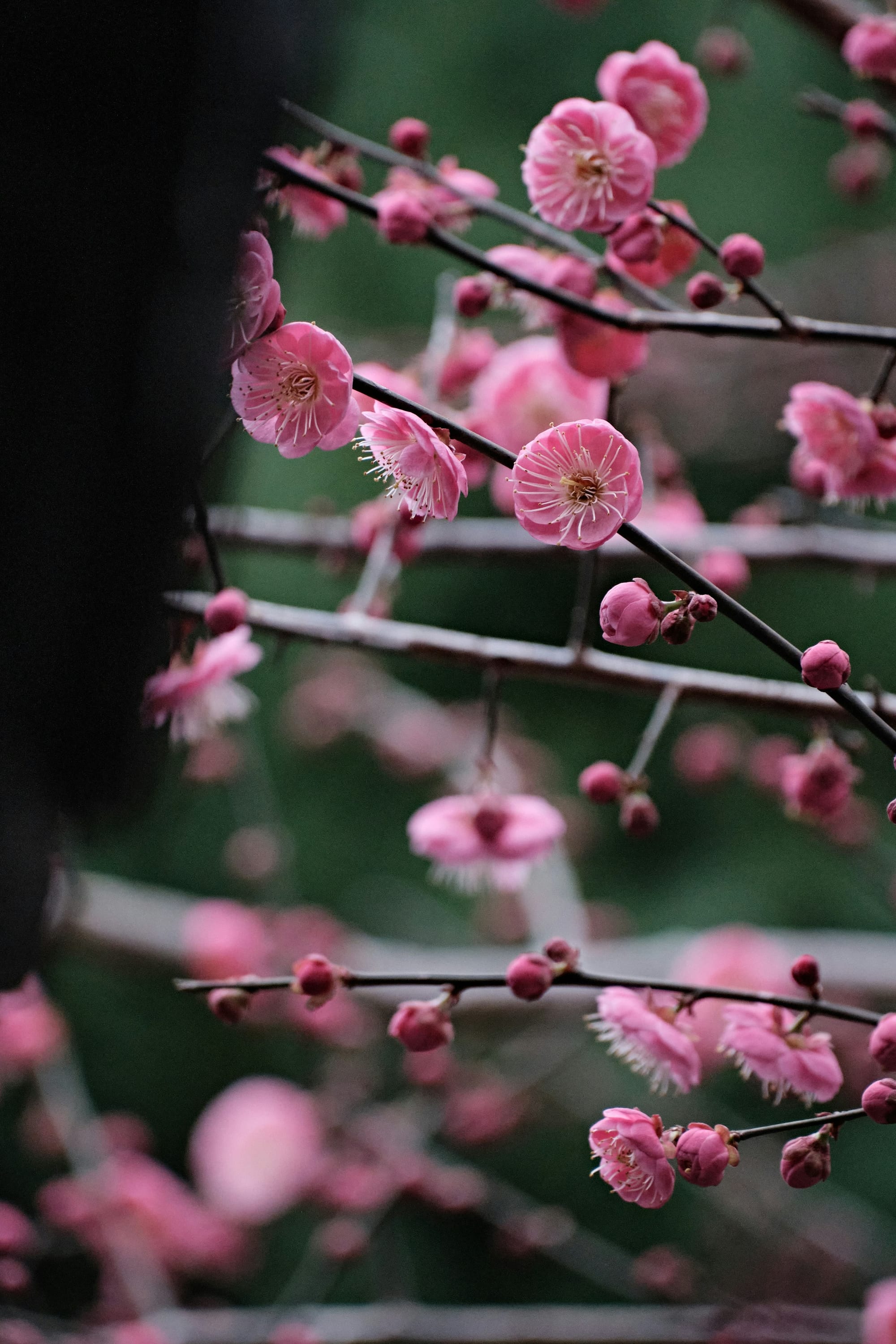
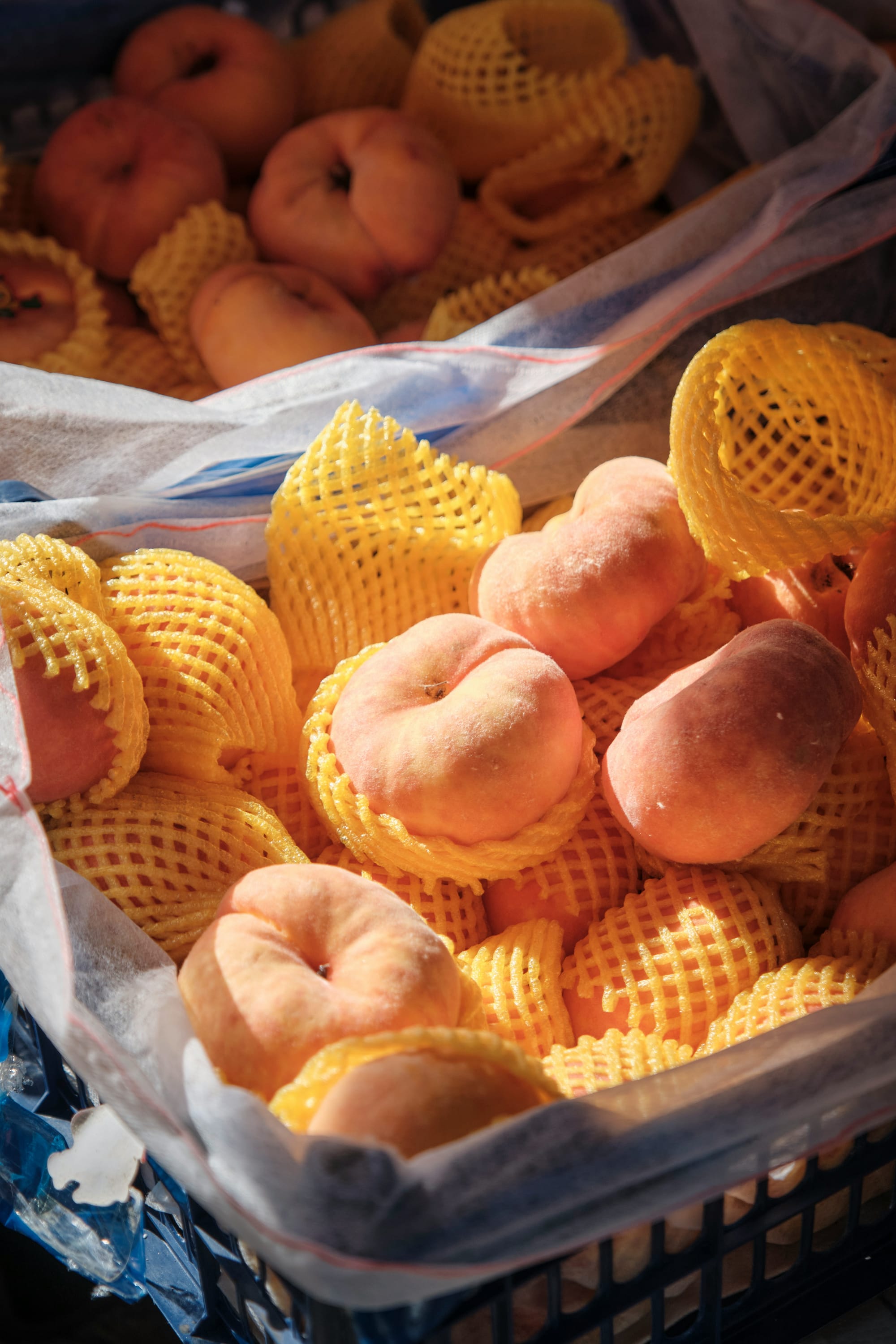

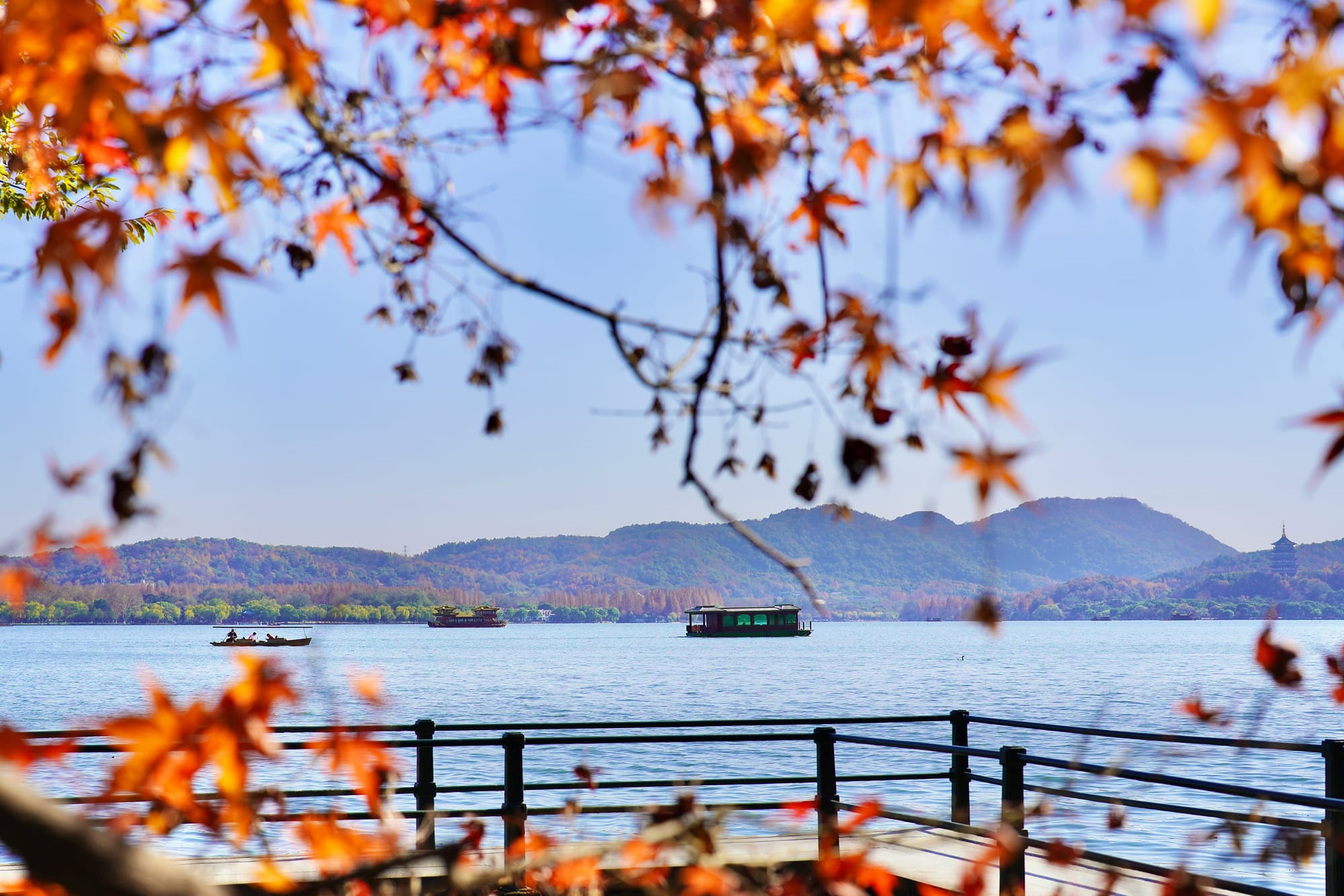
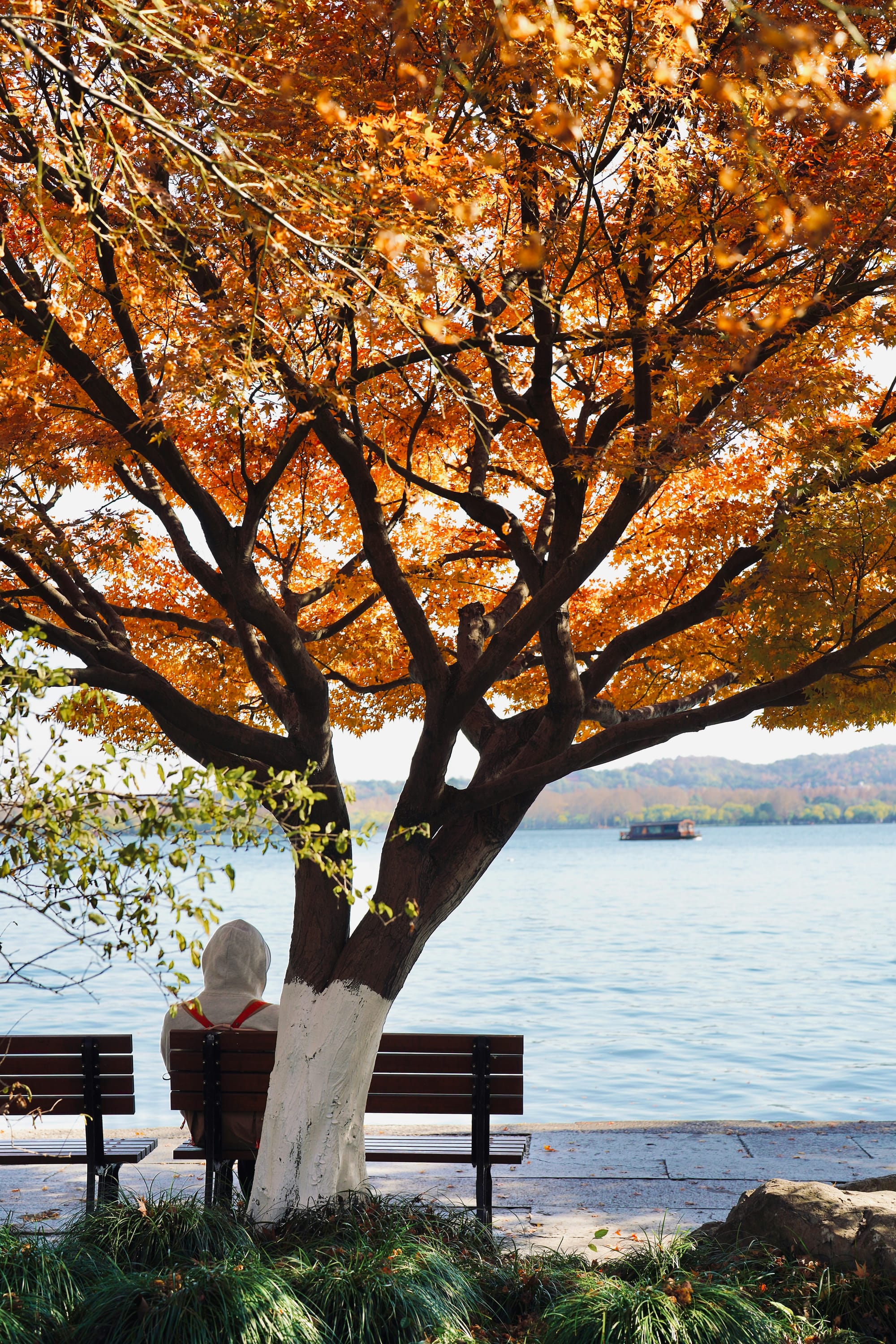
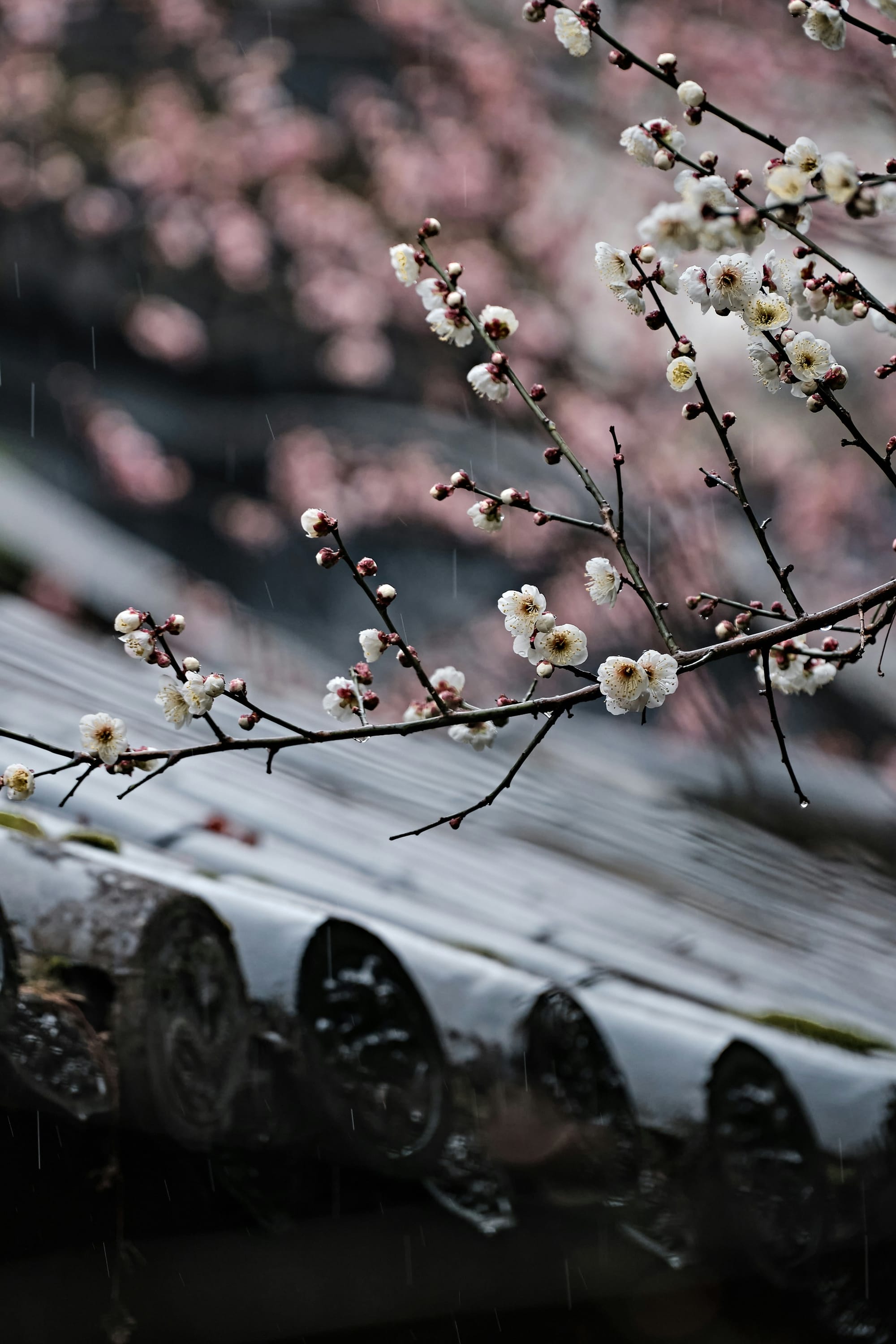
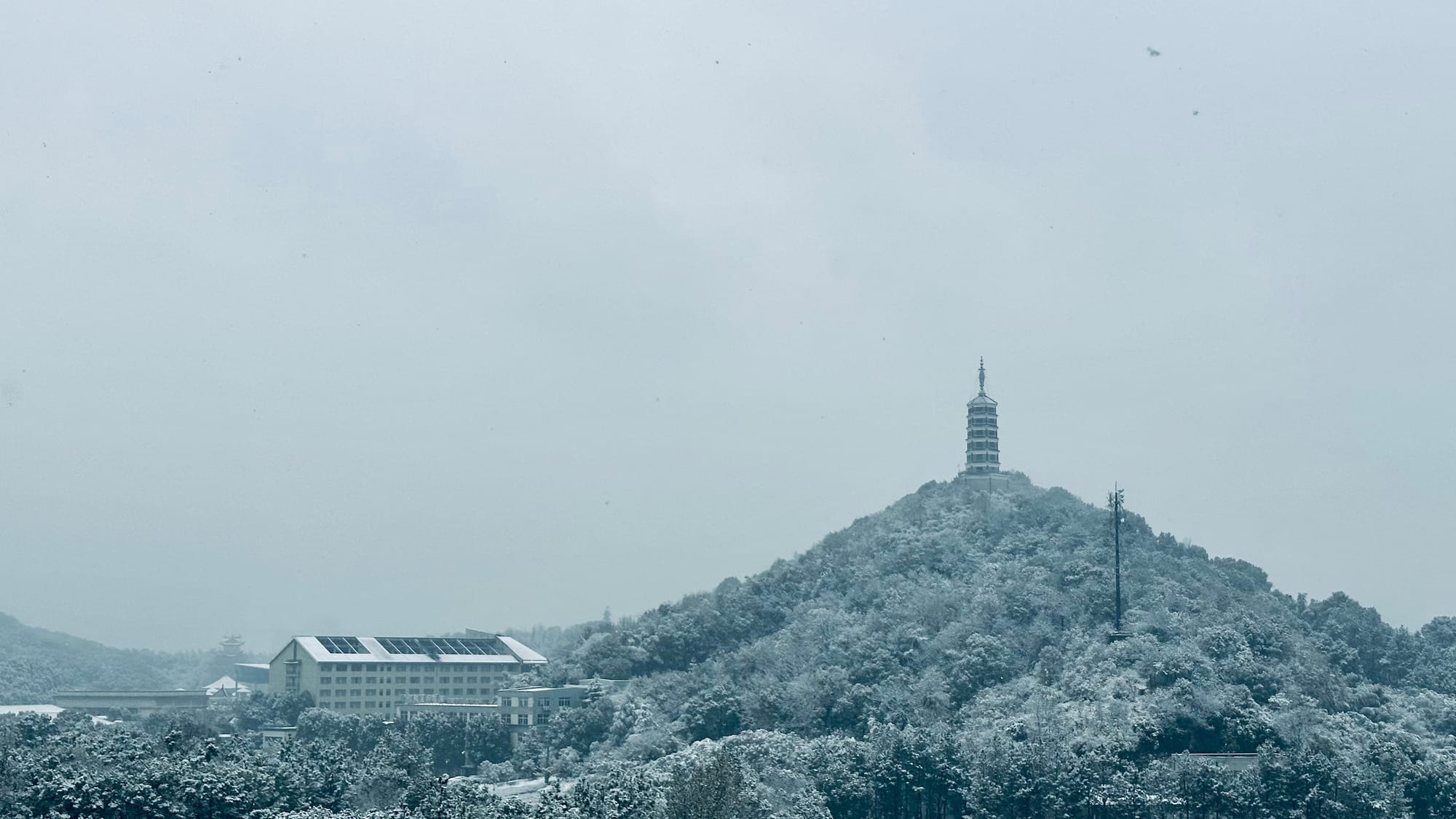
Plum blossom in spring, osmanthus by autumn. Hangzhou never wears the same face twice.
Golden Rule: Regardless of season, comfortable walking shoes are non-negotiable. You will do a lot of walking on cobblestone paths and temple steps.
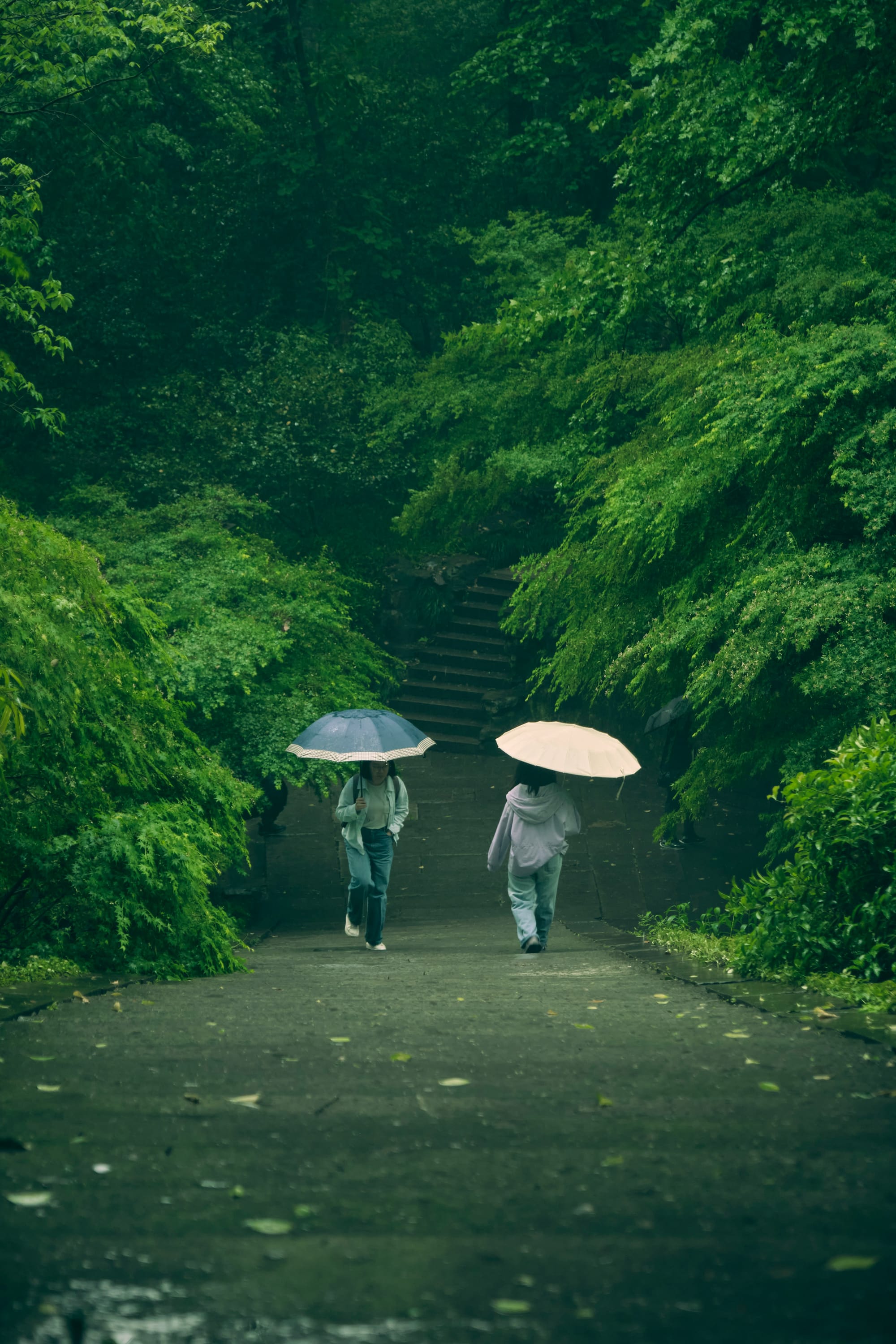
Navigating the Crowds: National Holidays & Peak Seasons
Hangzhou is a year-round destination, but its popularity means crowds are inevitable. Knowing when to go (and when to avoid) can make or break your experience.
The Golden Week (October 1st–7th)
- China's National Day "Golden Week" is the busiest travel period of the entire year. During this time Hangzhou can be overwhelmed with tourists (West Lake once hit the record of over 440,000 visitors in a single day), making getting around a logistical nightmare. If you visit during this week, be prepared for massive crowds and book everything (flights, hotels, train tickets) well in advance.
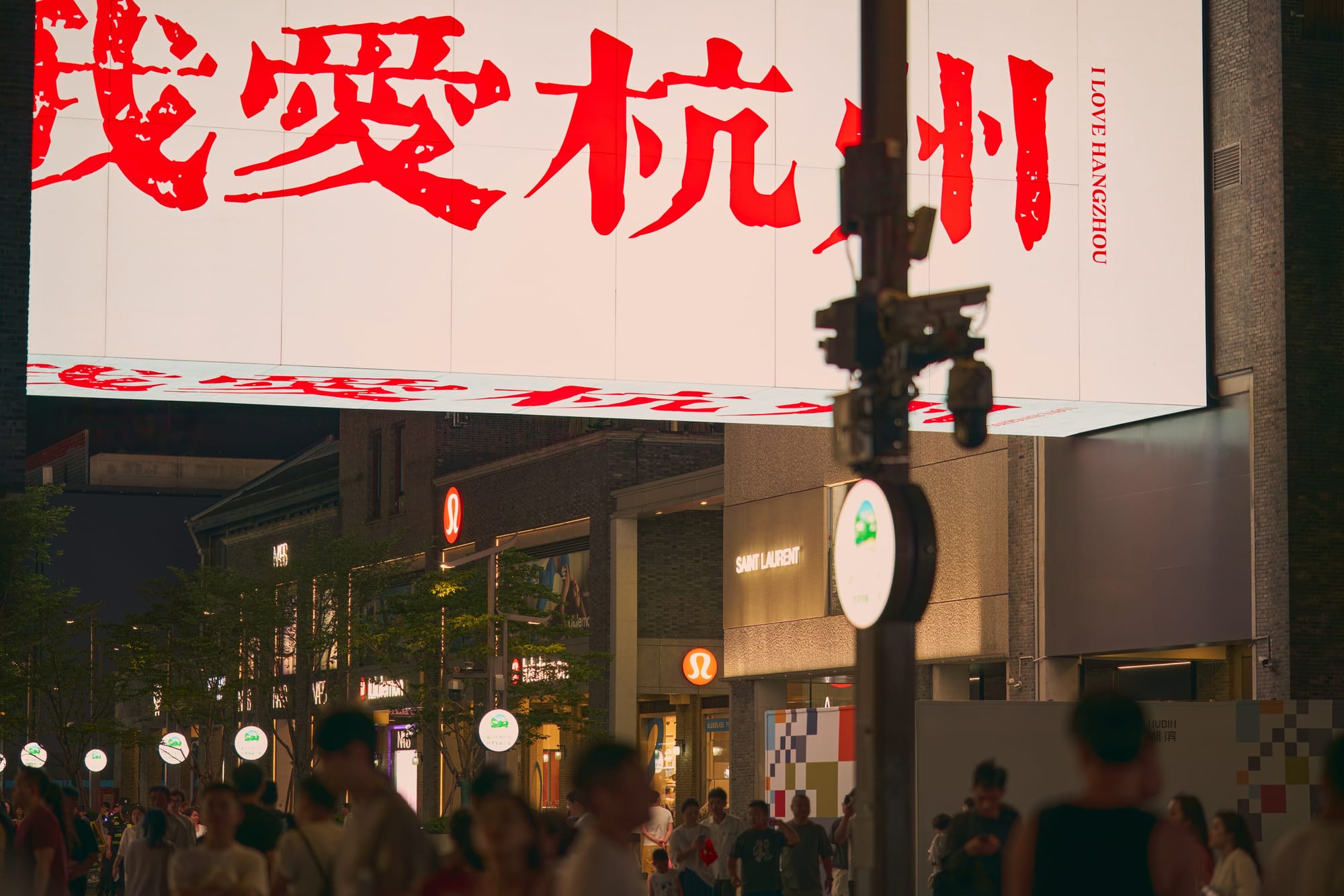
Chinese New Year / Spring Festival (Usually late January – Mid-February)
- This is another major domestic travel peak. While the festive atmosphere is magical, the crowds are just as intense — with tens of millions of people travelling during the long break. The Festive Vibe: Temples hold special New Year prayer ceremonies, West Lake is decorated with beautiful lanterns, and areas like Hefang Street host lively temple fairs with folk performances and festive foods. It's a unique cultural experience — if you can handle the crowds.
- Critical Booking Alerts:
- Lingyin Temple requires advance online booking during this time, with a daily cap of 65,000 visitors. For New Year's Eve special night openings, tickets are distributed in person and are extremely limited.
- Accommodation costs can spike significantly — a decent stay may run around ¥1,500 ($220) per night. Book at least one month in advance.
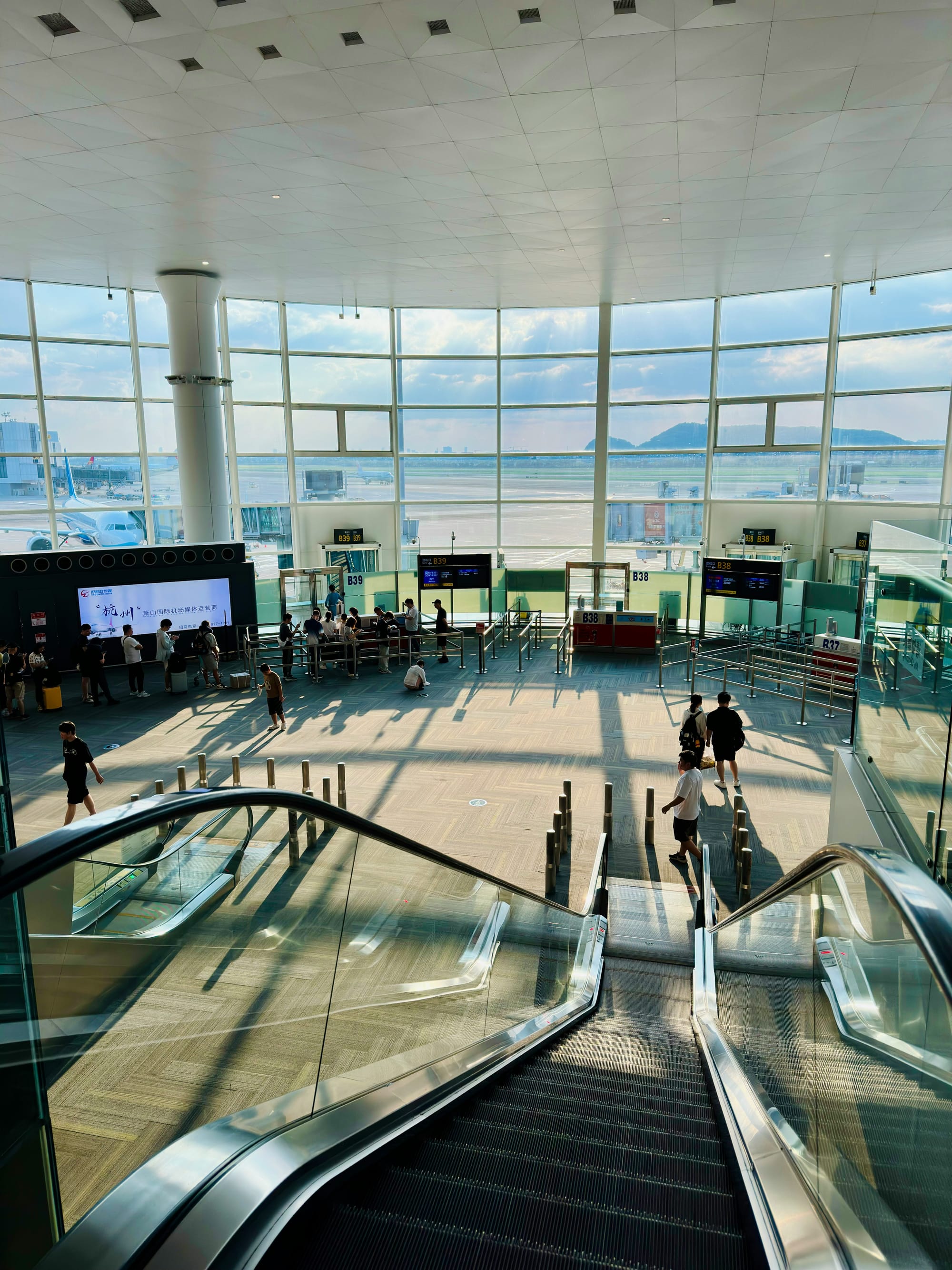
- Airport congestion can be severe at Hangzhou Xiaoshan Airport.
- Museum and gallery hours often shift — some close early on New Year's Eve, others open late or close entirely on certain days. Check venue websites before visiting.
Our Recommendation
If you are looking for a relaxed, tranquil trip, avoid both Golden Week and Chinese New Year entirely. The crowds and booking competition can easily outweigh the festive charm. If you do decide to visit during these periods, plan far in advance, book everything early, and mentally prepare for large crowds at all major sites.
Smart Sightseeing Strategies (For Any Time of Year)
- Beat the crowds at West Lake: Arrive before 8am, or return in the late afternoon (after 4pm) — Broken Bridge and the causeways swing from empty to gridlocked between those hours and midday. Sunset is the real prize for light, but for quiet come after sunset; the paths empty out quickly. If you want the lake without the crowds at all, skip the eastern circuit during peak hours and walk Yanggong Causeway on the western shore instead — locals' territory, and not too crowded even in peak season.
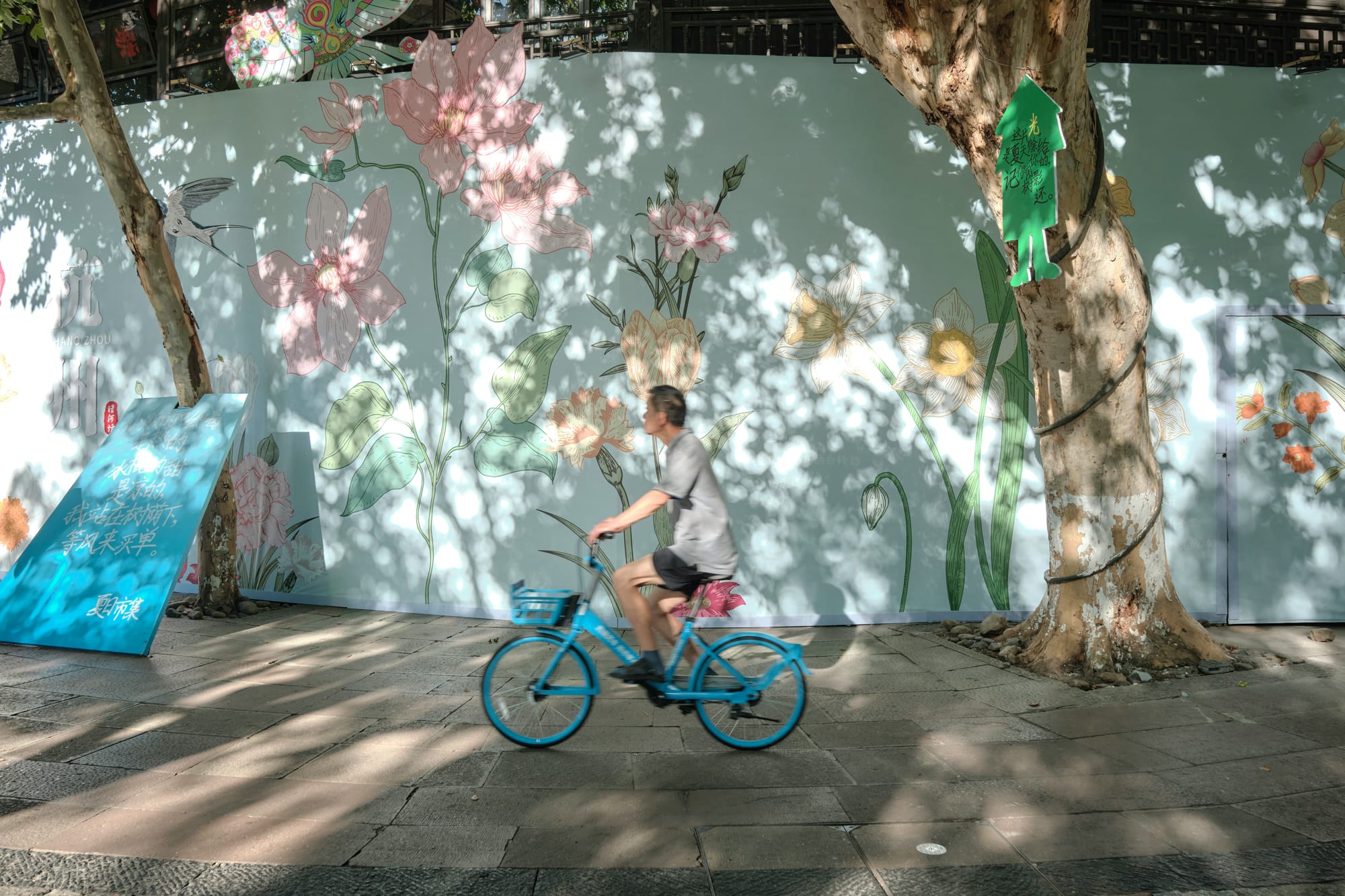
- Avoid Peak Traffic: Stay away from scenic area roads during morning and evening rush hours. Prioritize the metro or shared bikes over taxis — you'll save both time and money.
- Skip the Tourist Traps:
- Be cautious buying Longjing tea near West Lake — many shops sell old leaves or a fake "Dragon Well" blend, and organised bus tours to "tea villages" are built around a staged tasting session and a hard sell. For the real thing, buy from Longjing Village itself, or a shop with an established reputation — not a roadside stall or a tour-bus stop.
- Ignore cheap boat tours or tickets offers on the street. They can be overpriced or a scam.
- At the temple entrance, avoid vendors selling "blessed" incense — most temples offer free incense sticks to visitors.
- Staying charged: Carry a portable power bank for your phone; bike share and navigation apps drain the battery quickly. Didn't bring one? Rental power banks are available at most convenience stores and metro stations: scan to unlock with Alipay or WeChat, return anywhere, for about ¥4–6/hour.
Getting There & Around
Arriving in the City
- By Air: You'll land at Hangzhou Xiaoshan International Airport (HGH) .
- Metro: The most reliable way to reach the city center. Take Line 1 or Line 19 (Airport Express) . It takes about 50-70 minutes and costs ¥7-10.
- Taxi/Rideshare: A more comfortable but expensive and traffic-prone option. A ride to the city center takes 40-60 minutes and costs ¥100-150.
- Airport Bus: There are buses to major stops like Wulinmen (武林门), which take 60-90 minutes and cost about ¥20.
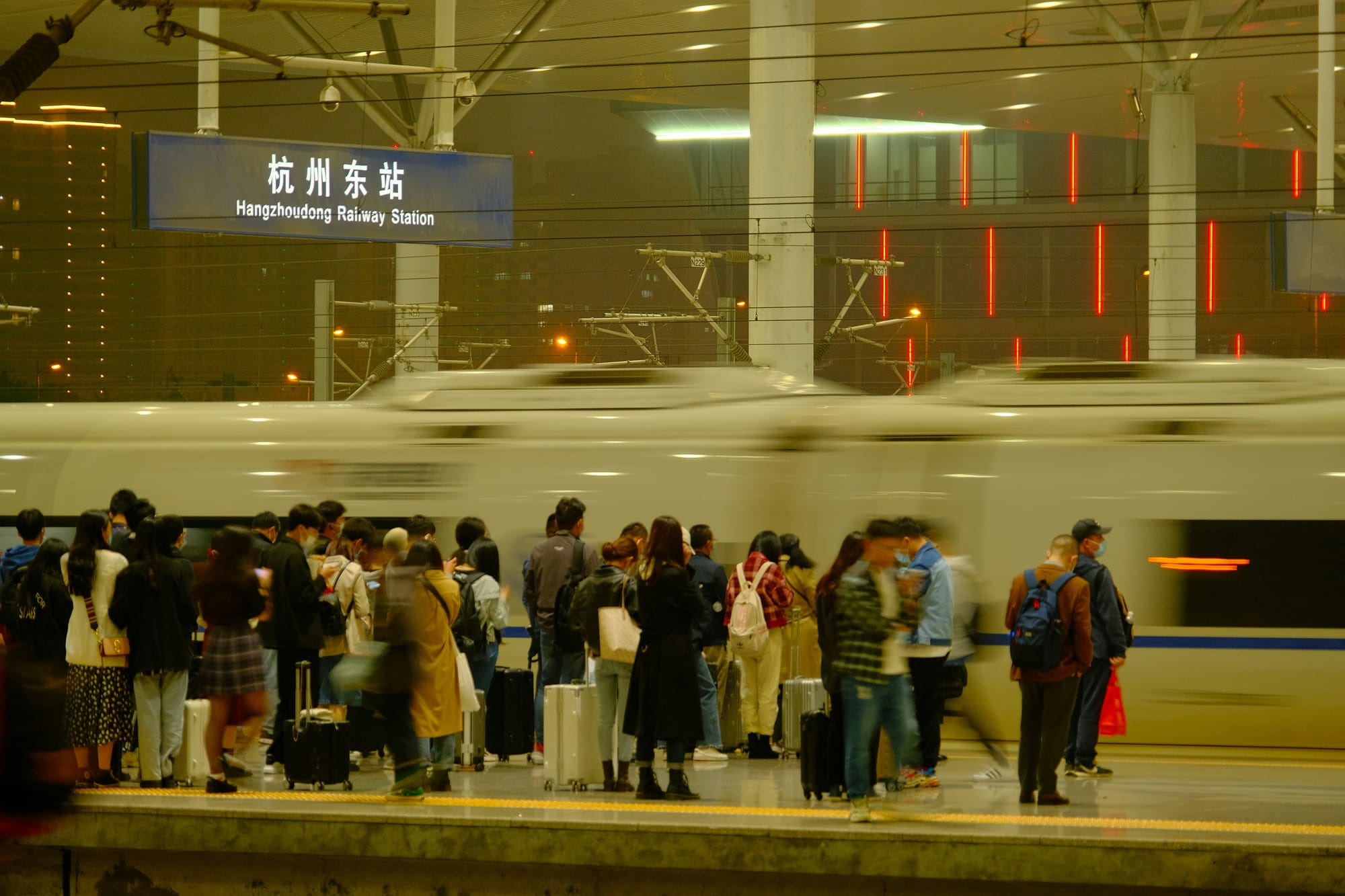
- By High-Speed Rail: The main hub is Hangzhoudong (East) Railway Station (杭州东站). It's massive, well-connected, and directly on the metro network (Lines 1, 4, 6, and 19). High-speed trains from Shanghai take about 45 minutes, making day trips very easy. The Hangzhou Railway Station (City Station) is closer to the West Lake but has fewer high-speed services.
Getting Around the City
- Metro (Subway): This is your best bet for avoiding traffic. The network covers most major sights and is fast, clean, and affordable. Use the Alipay app to get a digital metro card and scan in/out.
- Buses: An extensive network — lines like 7 and 27 run directly to Lingyin Temple and Jiuxi, while the beloved WE1314 gets its name from a bit of local romance: "1314" sounds like "forever" in Mandarin, making it Hangzhou's unofficial "love bus." You can also pay with Alipay's transit QR code.
- Bikeshare: A fantastic option for short trips around the West Lake. There are plenty of bikes available, but they can be snapped up quickly in peak season.
- E-bikes: Electric bikes are not permitted in the West Lake scenic area proper. However, they can be a good choice for exploring the outer edges.
- Taxis & Rideshare: Convenient but often caught in traffic, especially in the scenic areas during peak hours. Didi is the local taxi hailing service- access in the Alipay app (look for the "Transport" or "Taxi" section), or download separately (offers a full English interface and supports registration with foreign phone numbers and international credit card).
Connecting to Other Major Cities
Hangzhou's high-speed rail network makes it an excellent hub for exploring the region:
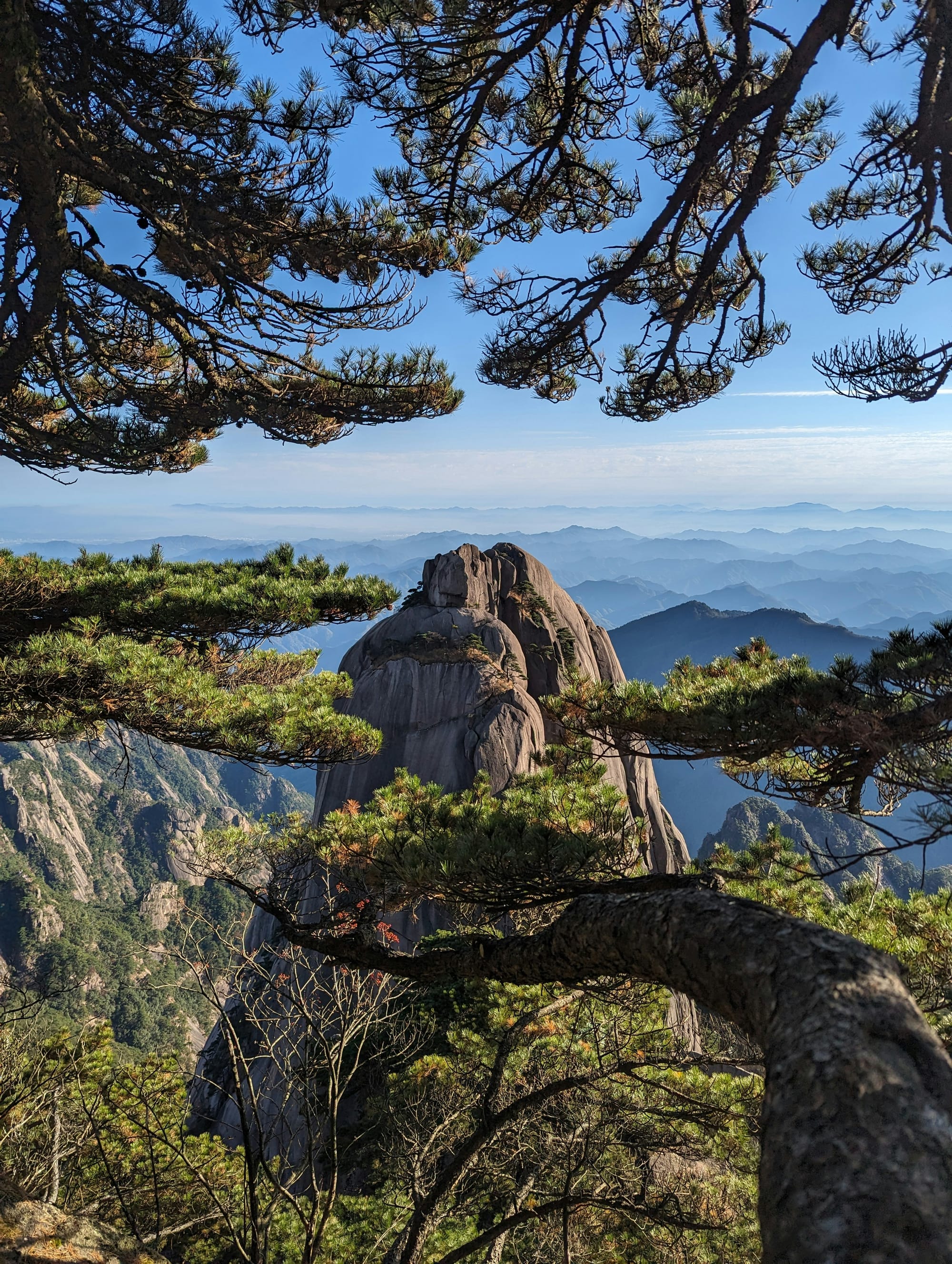
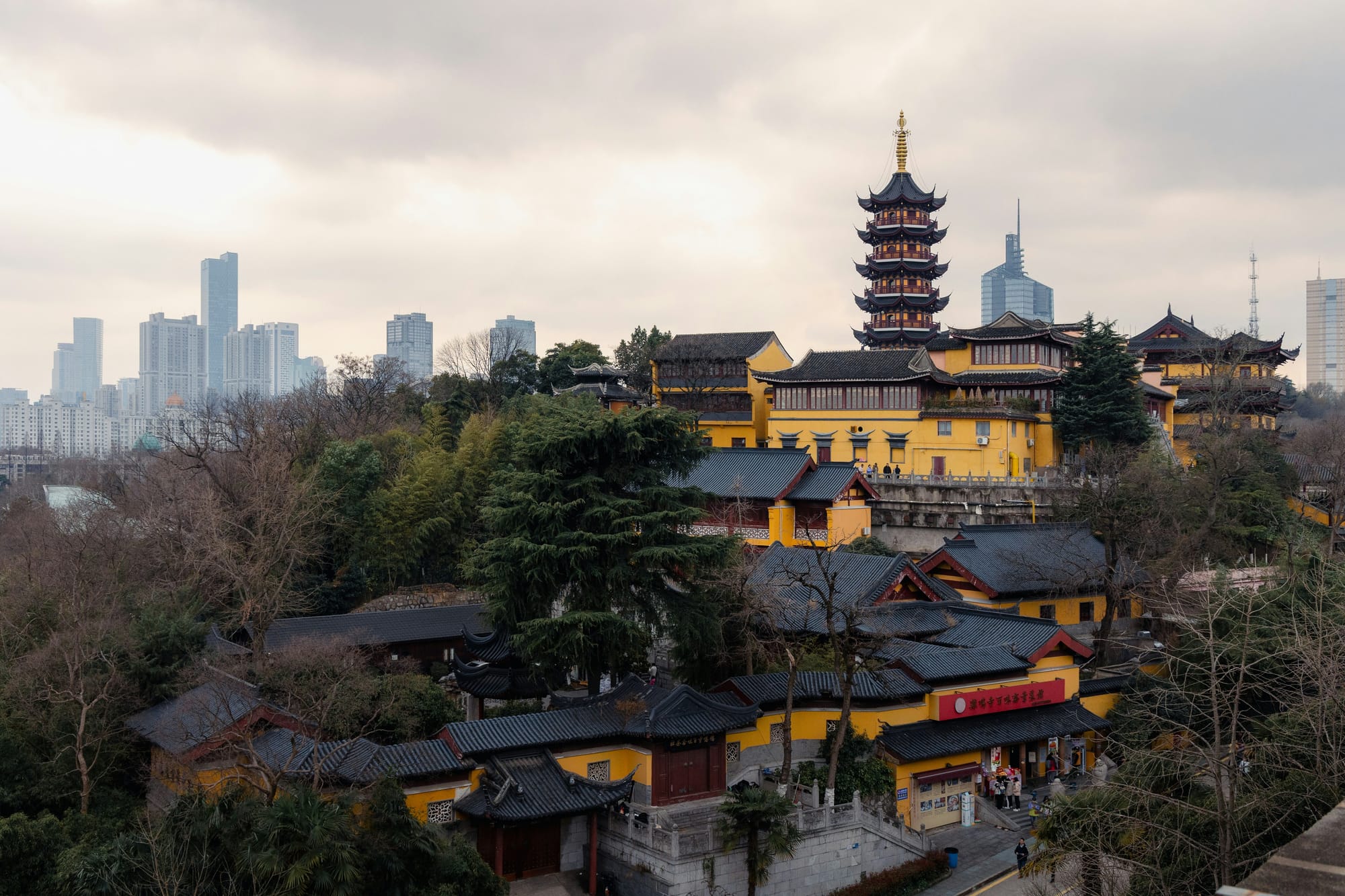
Both Huangshan (left) and Nanjing (right) are within easy reach from Hangzhou.
| Destination | Train Duration | Notes |
|---|---|---|
| Shanghai | ~45 minutes | Frequent trains; perfect for a day trip or combined itinerary |
| Beijing | ~4.5 hours | Overnight sleeper trains also available |
| Suzhou | ~1.5 hours | Famous for classical gardens and canals |
| Nanjing | ~1.5 hours | Former capital with rich history |
| Huangshan (Yellow Mountain) | ~1.5 hours | Spectacular mountain scenery |
| Wuzhen / Water Towns | ~1 hour (bus/train) | Classic Yangtze Delta water towns |
Where to Stay: Neighborhood Guide
- For First-Timers & Convenience: Stay around Hubin (湖滨), Longxiangqiao (龙翔桥) or Ding'an Road (定安路) for the easiest access to West Lake. If you prefer to stay slightly farther north, the Wulin Square (武林广场) / Wulin Road (武林路) area offers excellent shopping, restaurants and metro connections while remaining within easy reach of the lake.
- For a Quieter, Historical Vibe: Stay near Gongchen Bridge (拱宸桥) along the Grand Canal. This district offers preserved architecture, museums, independent cafés and a slower pace than West Lake. It's one of Hangzhou's most atmospheric neighbourhoods and especially rewarding for photography and evening walks.
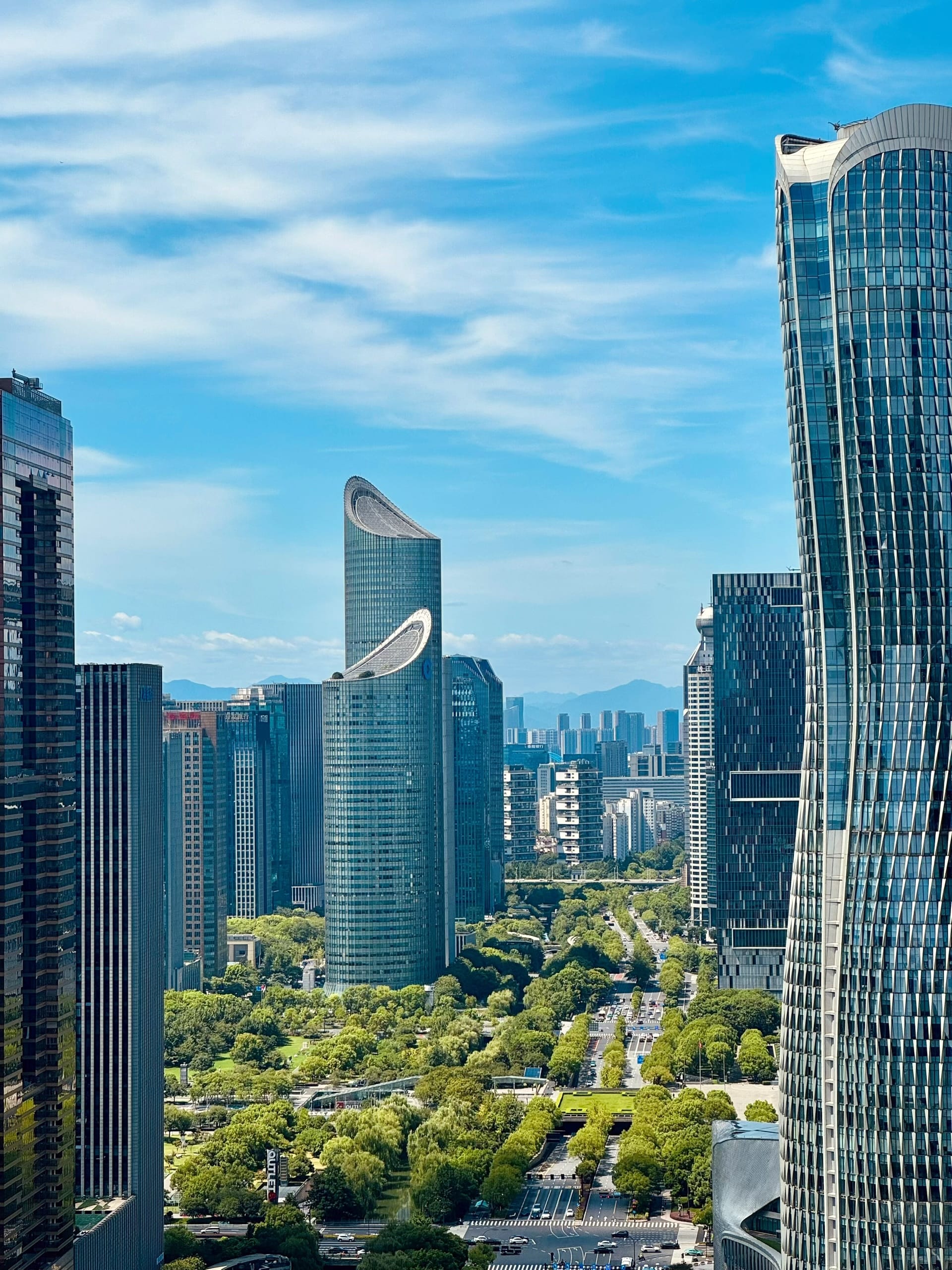
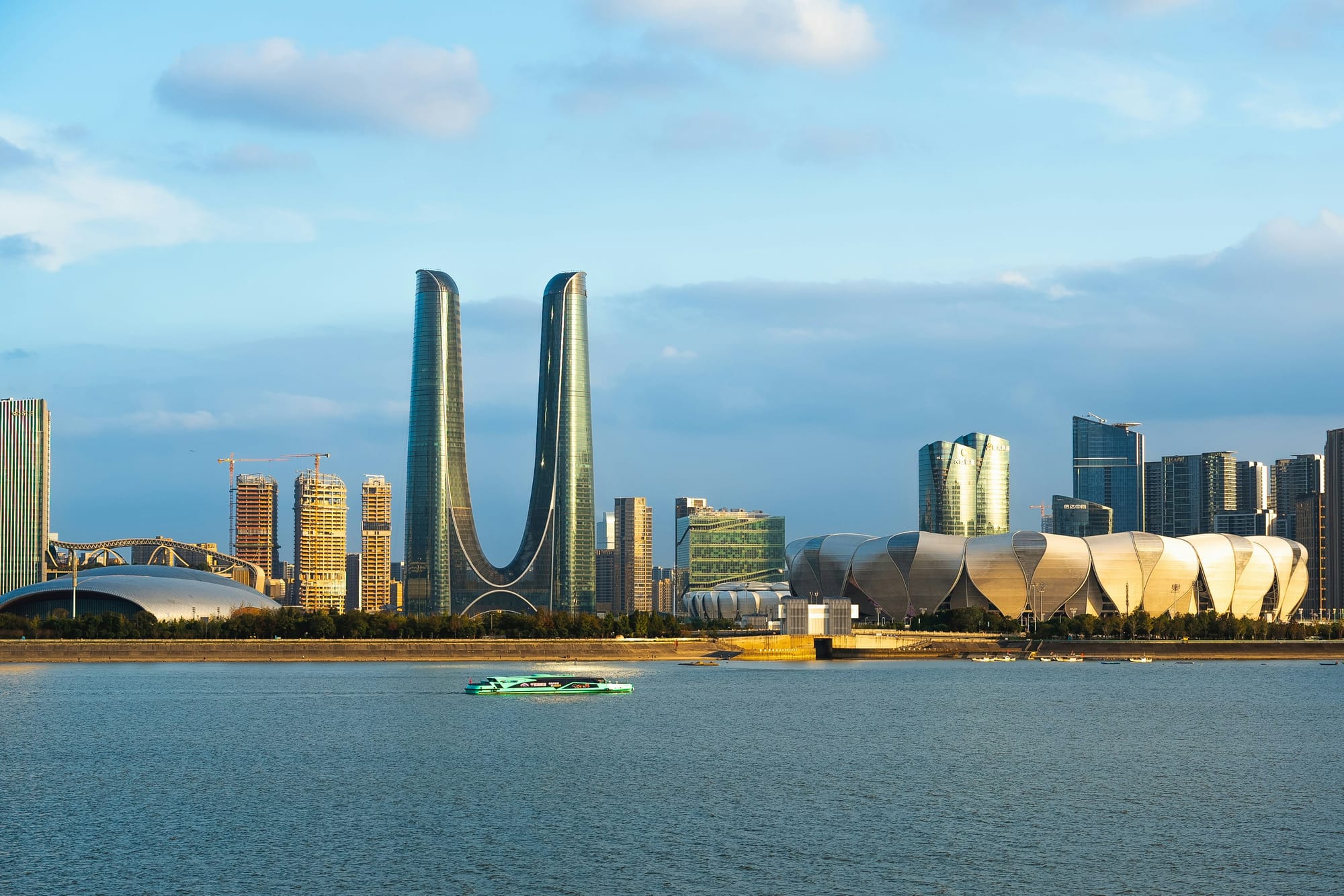
- For Modern Luxury & Business: Qianjiang New Town (钱江新城) is Hangzhou's modern CBD, known for luxury hotels, riverside promenades and impressive skyline views. It's an excellent choice for business travellers and those arriving or departing via Hangzhou East Railway Station, which is only a few metro stops away.
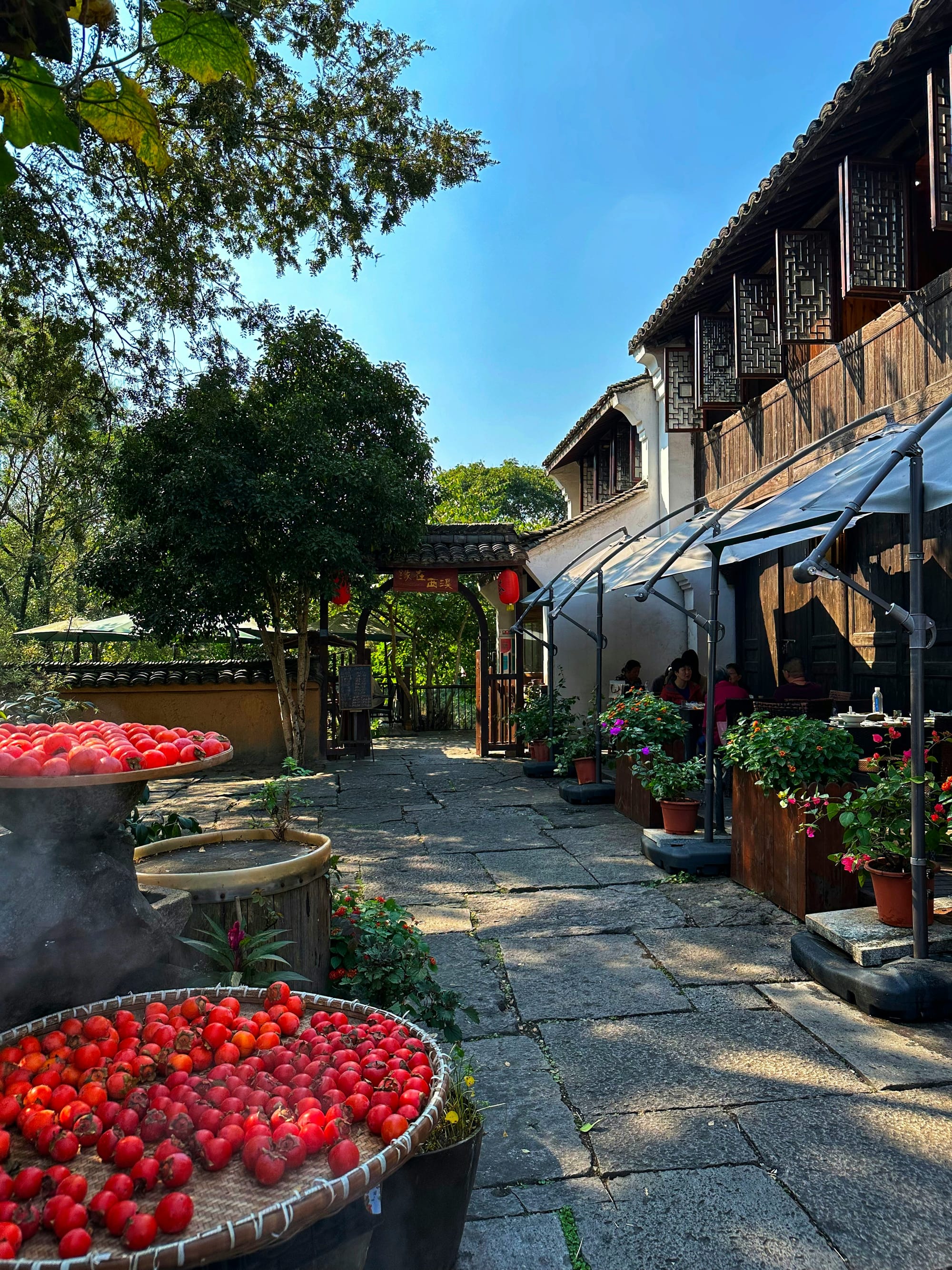
- For Nature Seekers: Xixi Wetland (西溪湿地) area is serene and beautiful, but farther away from the city center. (20-30min by Metro, 10-25 min by taxi depending on traffic conditions.)
- For Food & Local Life: The Southern Song Imperial Street (南宋御街) and Hefang Street (河坊街) area sits just south of West Lake. While Hefang Street itself is touristy, the surrounding lanes are full of local eateries, tea houses and historic streets, making it a good compromise between sightseeing and experiencing everyday Hangzhou.
For Foreign Visitors
- Visa & Entry: China has visa exemption agreements with many countries. Check if your nationality is eligible for visa-free travel before you book — the list has expanded significantly in the past year and continues to change.
- Upon Arrival: At Terminal 4's international arrivals exit, the Hangzhou Airport International Service Center (杭州机场国际服务中心) is a one-stop counter — SIM card registration, currency exchange, foreign bank card withdrawals, and mobile payment setup, all in one place, staffed daily from 9am to 10pm. If you don't already have an e-SIM, this is the easiest way to get connected.
- Mobile Payment: Alipay and WeChat Pay are essential for daily transactions in China. You can link a foreign credit card. For public transport and nearly everything else, prioritize setting up Alipay and its transit codes. While keeping some cash on hand is wise, you'll find that mobile payment is the default everywhere.
- Free WiFi: Connect to HIA-Free-WiFi and log in by photographing your passport on the authentication page — no SMS code or ticket kiosk needed. Available across Terminals 3 and 4.
- Language: English is not widely spoken outside of major hotels and tourist attractions. Download a translation app before you arrive — and if you plan to use Google Translate, download the offline Chinese-English language pack first, since the online version doesn't work in mainland China without a VPN. Having your destination written in Chinese characters to show taxi drivers is usually helpful.