Chengdu
Where wasting time well is a form of art
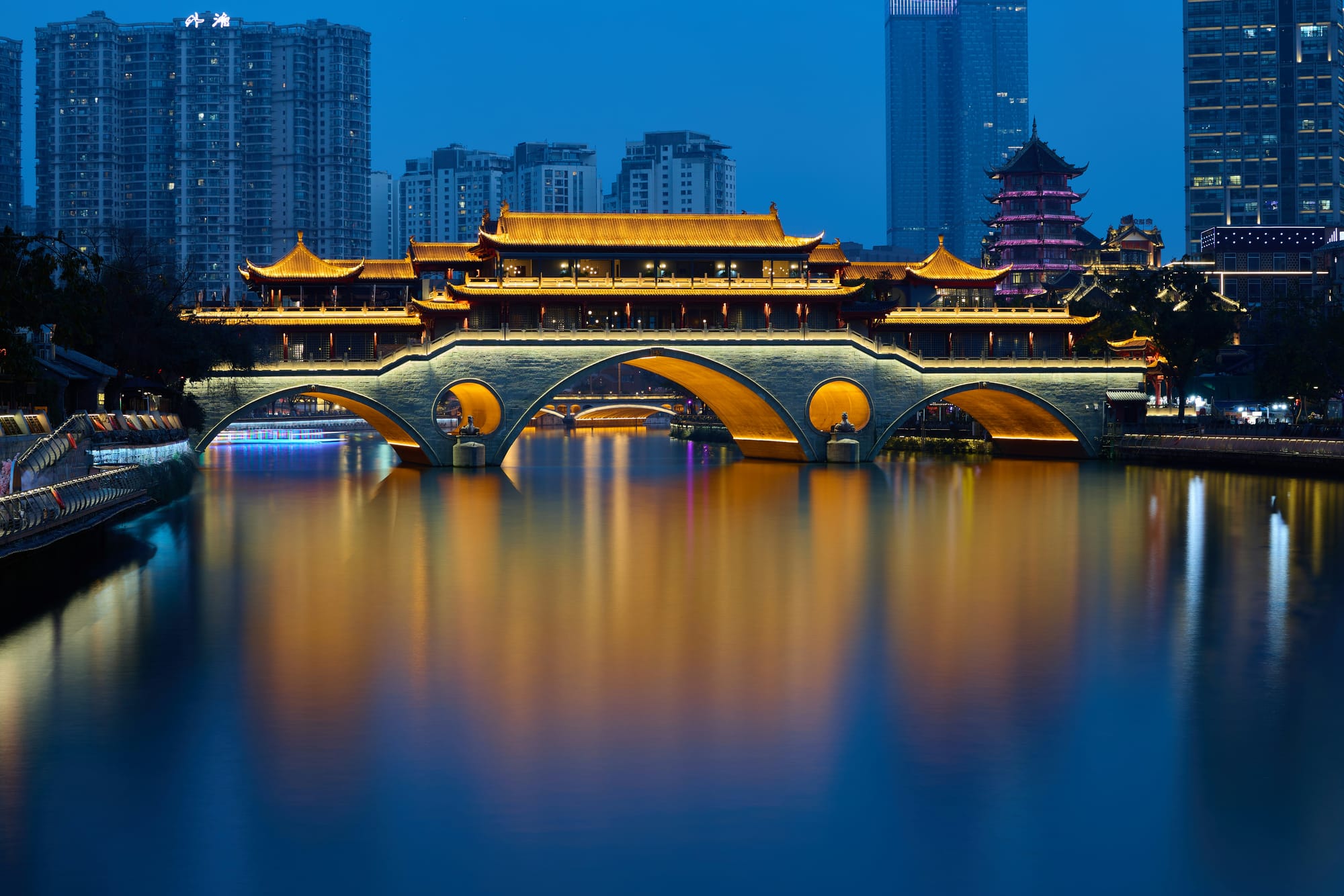
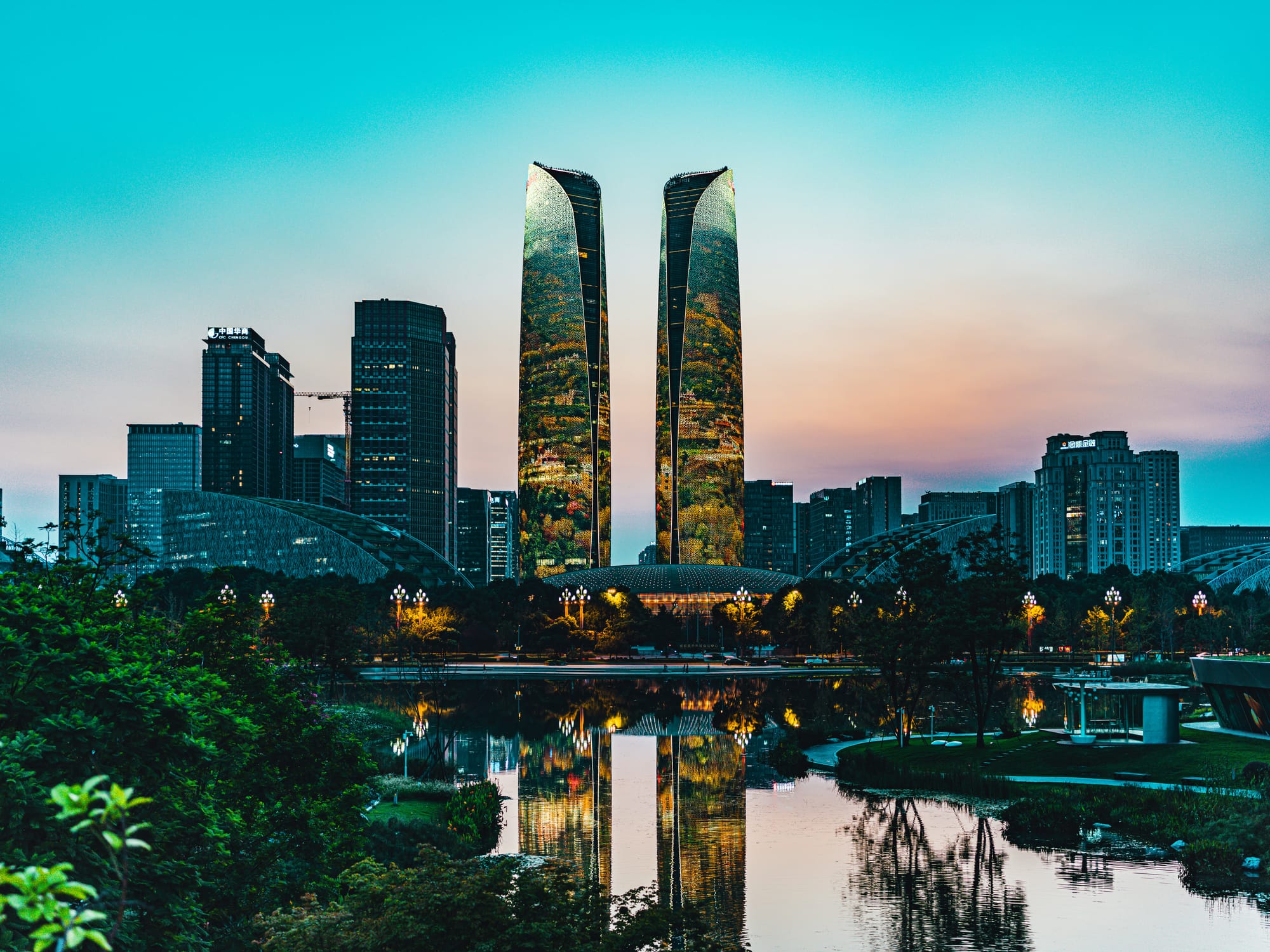
Chengdu operates on a simple premise: "wasting time" is treated not as a flaw, but as a serious cultural pursuit. It is a city defined by an unhurried, generous rhythm—where ancient teahouse ease and 2,000-year-old irrigation feats exist alongside fiery tallow hotpots, late-night rabbit heads (a local delicacy!), and cutting-edge digital art installations.
- THE EXPERIENCE
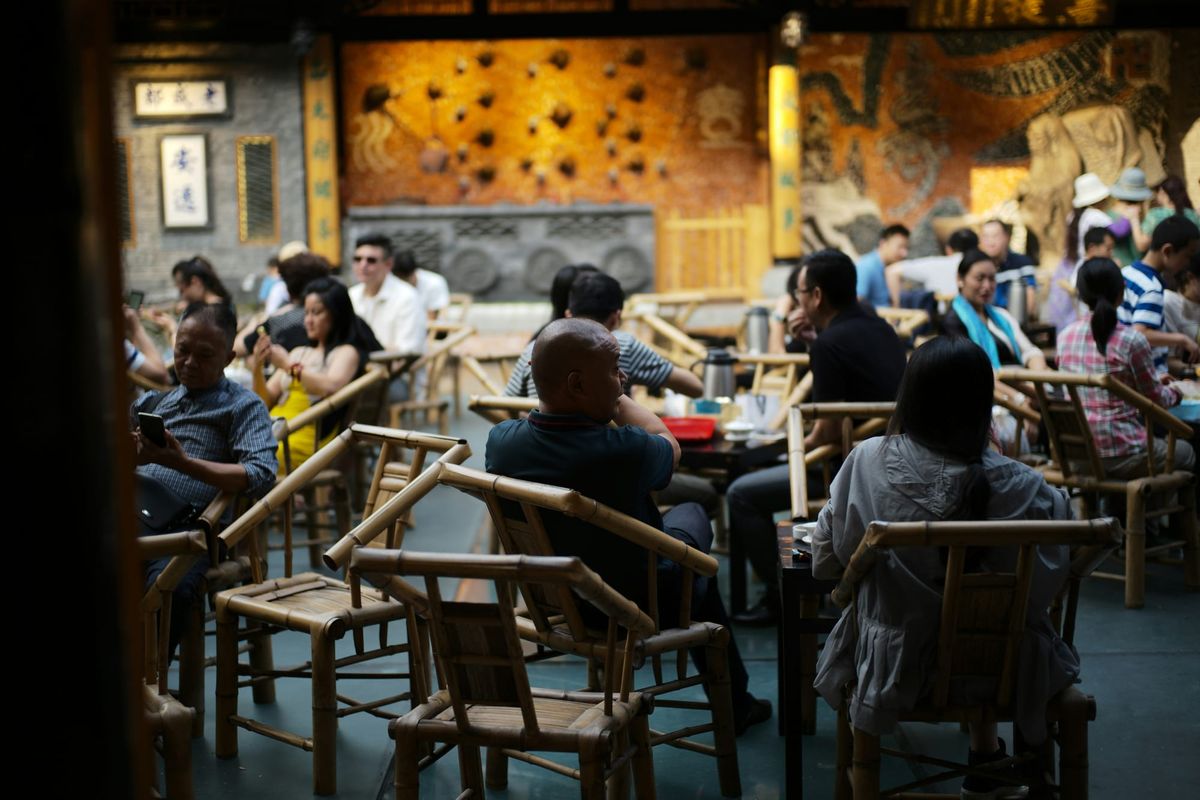
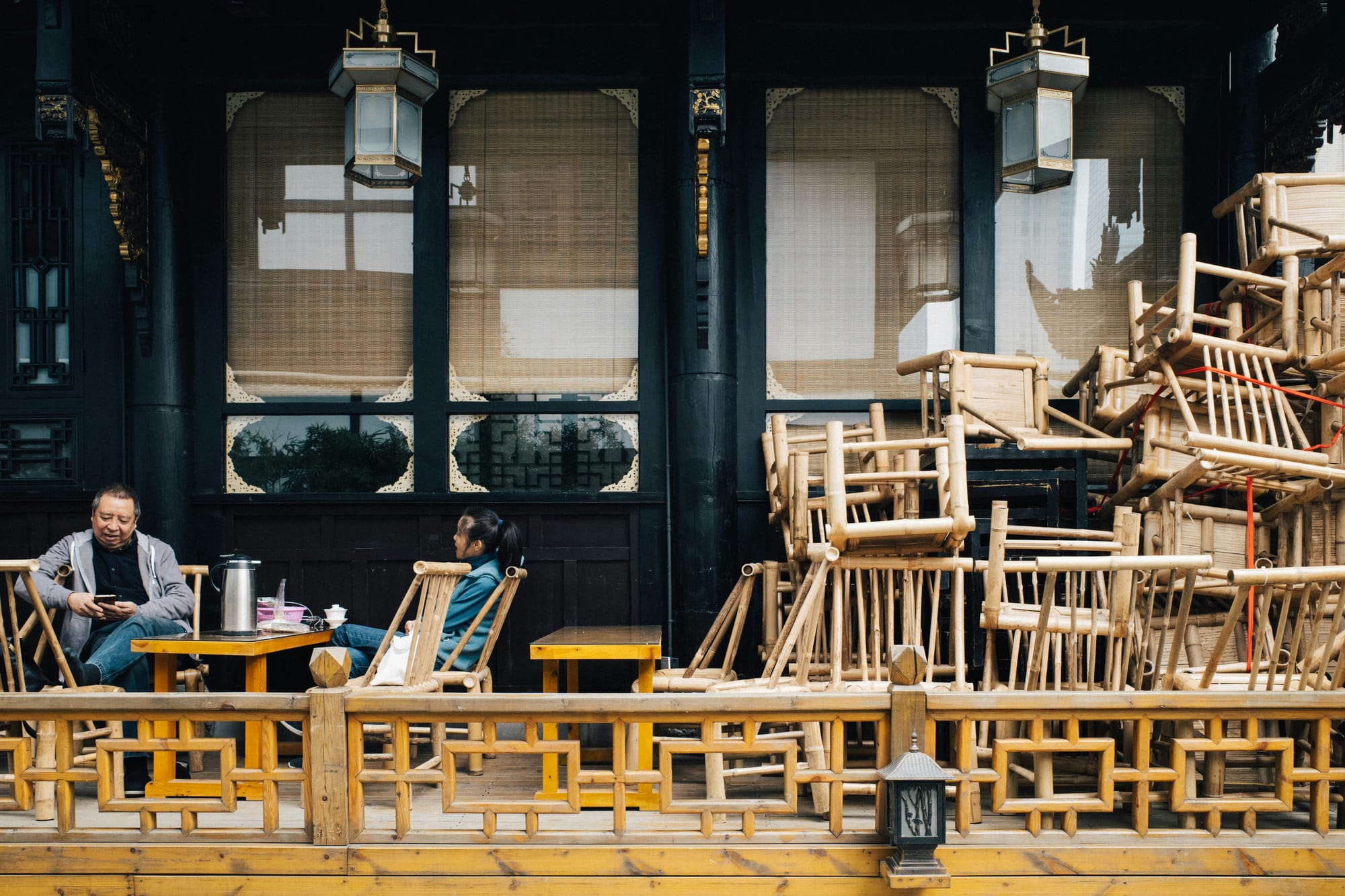
He Ming Teahouse (鹤鸣茶社) in People's Park, open for over a century with bamboo chairs, pagoda trees, and wood-fired stoves, serves continuous jasmine tea alongside traditional ear-cleaning sessions and long-spout teapot performances.
 Kelly
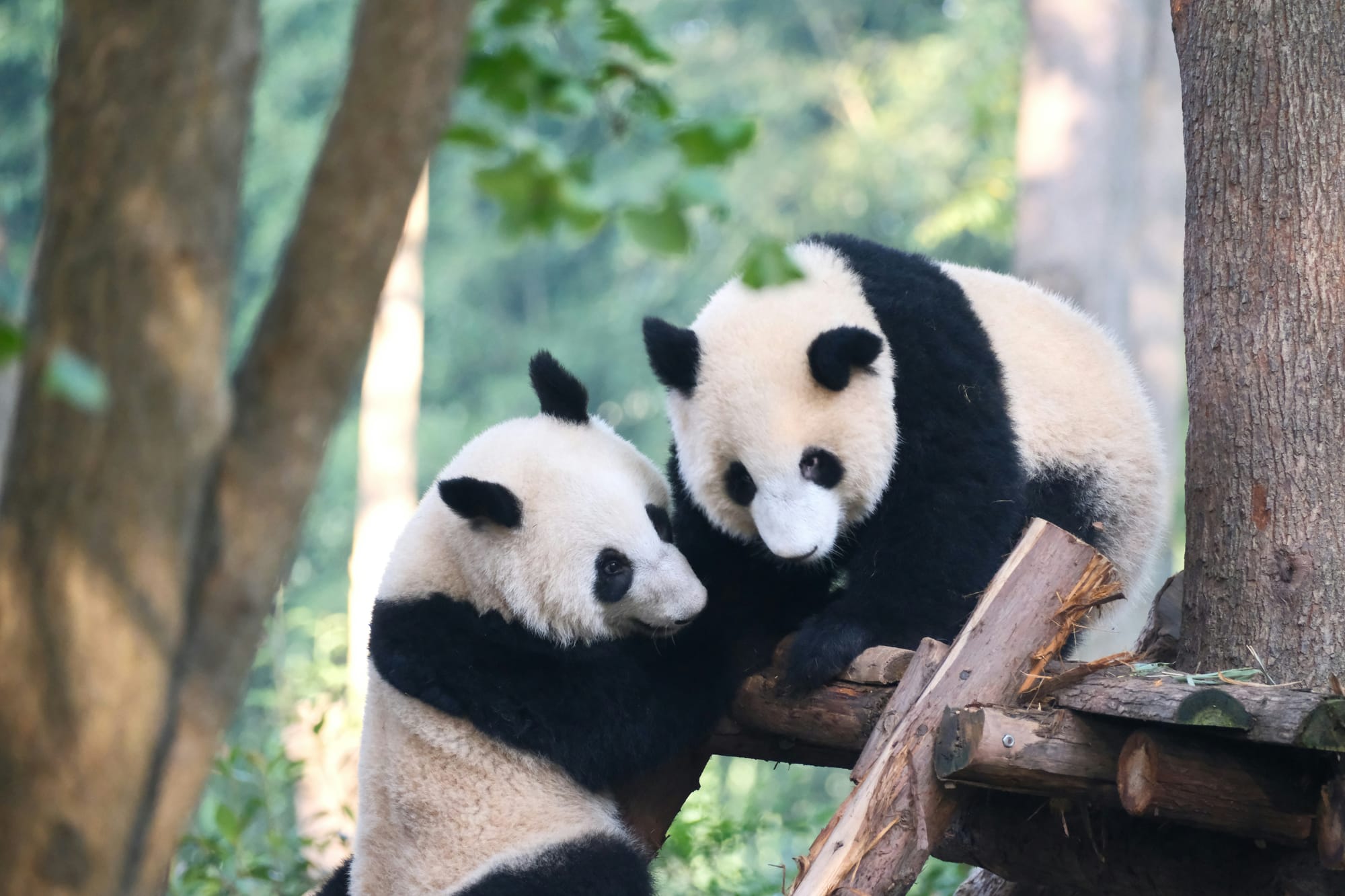
Chengdu Research Base of Giant Panda Breeding (成都大熊猫繁育研究基地) offers its best viewing from 7:30 to 10:30am when pandas are actively playing, requiring advance online booking to enter via the South Gate for famous pandas like "Huahua" or the West Gate for fewer crowds.
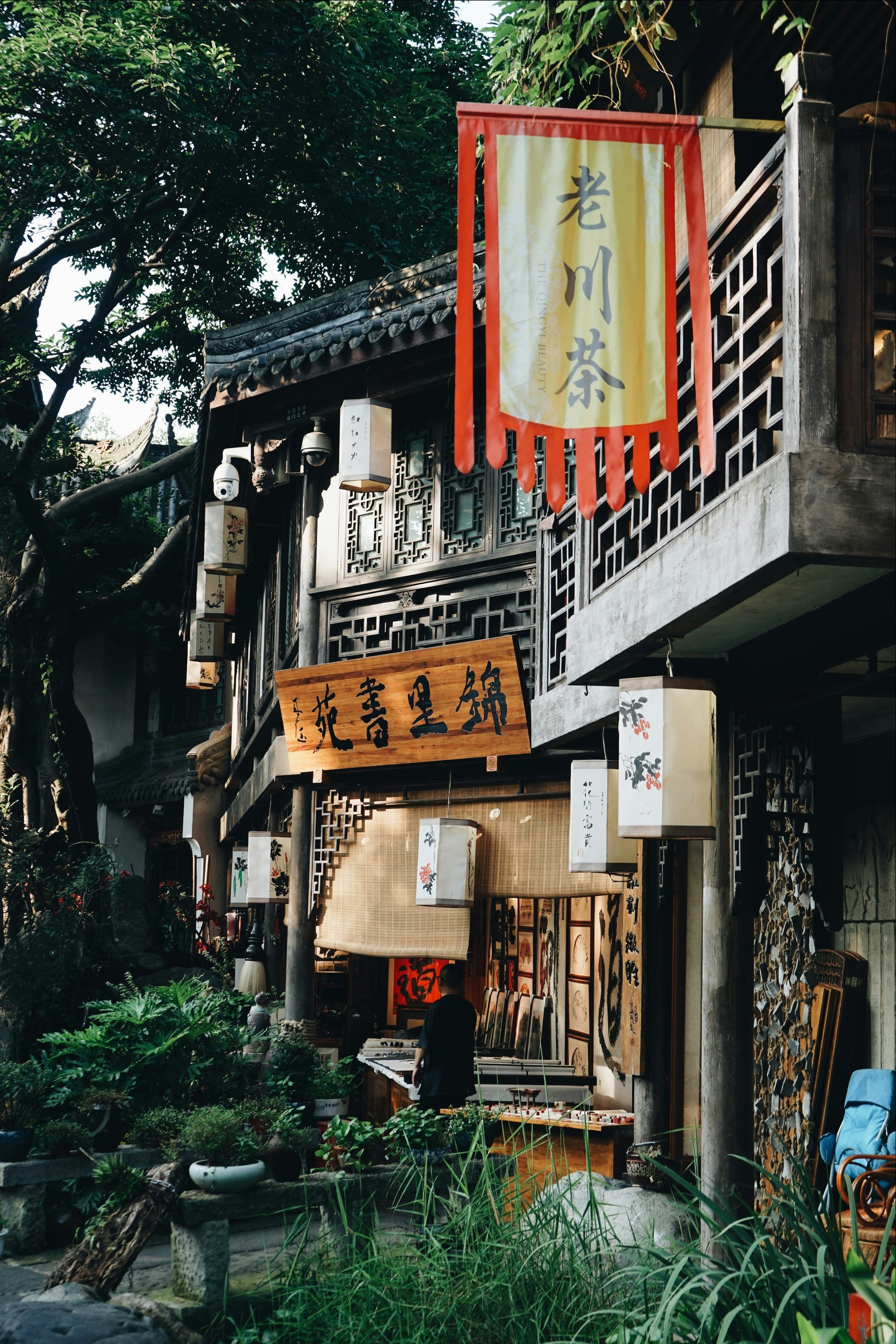
Wuhou Shrine & Jinli (武侯祠与锦里) preserves Chengdu’s legacy as the capital of the 3rd-century Shu Han kingdom—a rival state in China’s iconic, Game of Thrones-style era of war and strategy immortalized in Romance of the Three Kingdoms. The complex houses the rare joint temple and tomb of Emperor Liu Bei and his master strategist, Zhuge Liang, set among centuries-old cypresses before spilling directly into the red-lantern-lit, traditional silk-trading lanes of Jinli.
East Suburb Memory (东郊记忆) converts a former industrial complex into the city's modern creative hub, hosting digital art exhibitions, AI installations, and projection-mapped light shows across repurposed factory chimneys and tanks.
Dujiangyan & Qingcheng Mountain (都江堰与青城山) sit just 30 minutes away via the high-frequency Chengguan intercity train from Xipu station, making a 2,000-year-old UNESCO engineering miracle an effortless day trip from the city center.
- BEST FOR
Slowing down on purpose — lingering in neighborhood teahouses and taking in local Sichuan opera. Three Kingdom fans. Catching pandas at their liveliest morning hours. Treating hotpot and street food as a serious cultural pursuit. Anyone drawn to a city defined as much by its ancient, lazy rhythm as its contemporary art and modern edge.
- MAY NOT BE FOR YOU IF
You're not a spicy-food person — mala flavour runs through almost everything here. You want a tightly packed, checklist-style itinerary — Chengdu rewards sitting still more than moving fast.
- HOW LONG?
3–4 days: one for pandas and teahouses; one for Kuanzhai Alley's side streets, Jianshe Road and Kuixinglou food streets; one for East Suburb Memory's art and light installations; an optional day trip to Dujiangyan and Qingcheng Mountain via the Xipu intercity train.
- GETTING THERE
Chengdu has two airports — Shuangliu and the newer Tianfu — both connected to the metro and high-speed rail network, with smooth air-to-rail transfers to destinations like Emeishan, Jiuzhaigou, Guangyuan, Zigong and Yibin.
The Chengguan intercity train from Xipu station (Metro Line 2's terminus) reaches Dujiangyan in under 30 minutes.
- PAIRS WELL WITH
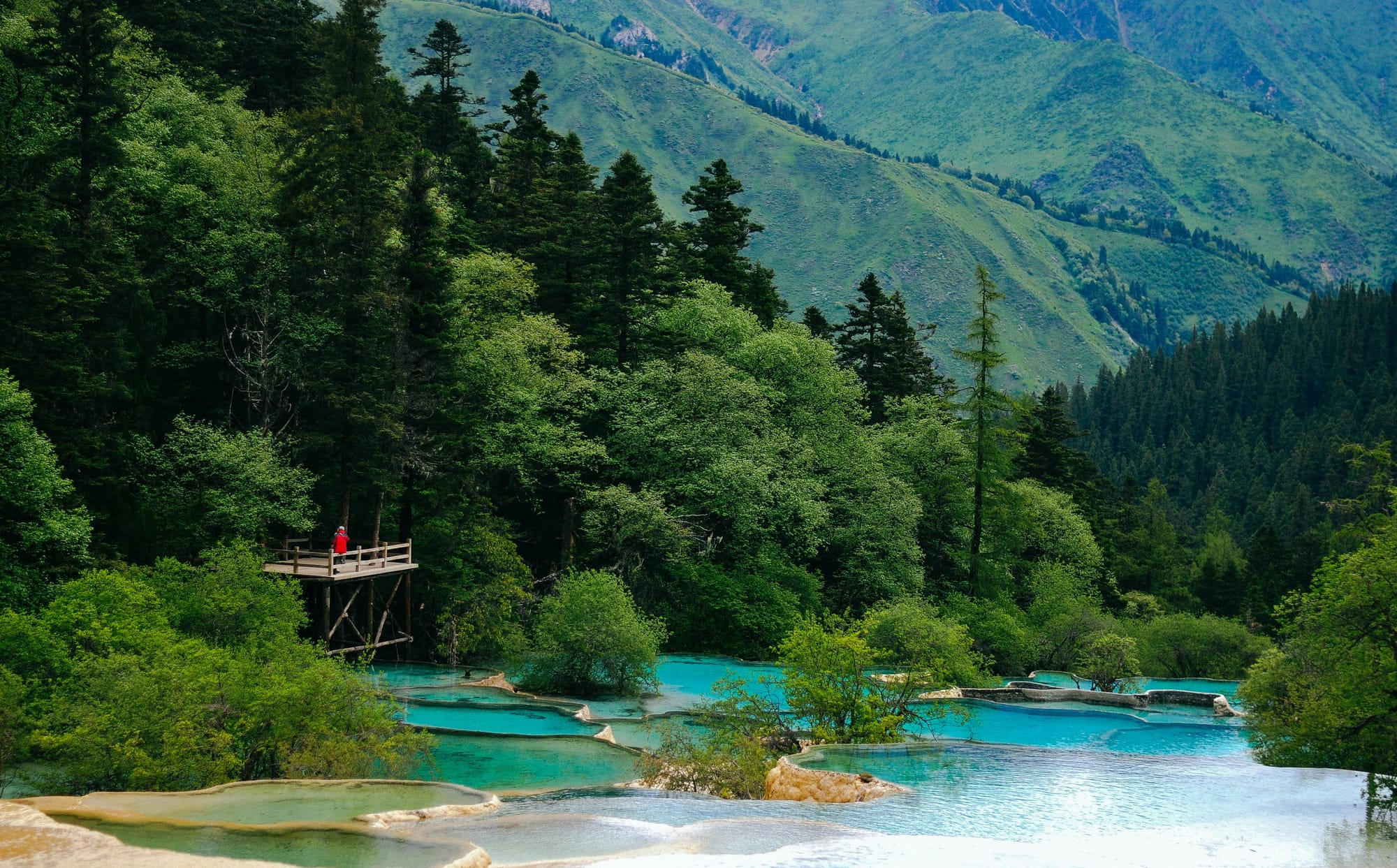
Dujiangyan and Qingcheng Mountain, 20–30 minutes by intercity train, for ancient irrigation engineering and Daoist mountain scenery · Leshan, about an hour, for the Giant Buddha · Jiuzhaigou, further out, for alpine lakes
Book Panda Base tickets online in advance through the official WeChat mini-program or an authorized platform — there's no ticket counter on-site. Go before 10:30am for active pandas; after 11am, most are sleeping. Dujiangyan's last return train to Xipu leaves at 10:30pm, and the park itself closes at 6pm, though you can usually stay later for the South Bridge night view — worth timing your visit to catch it after dark.