Changsha
From a 2,000-year-old tomb to Mao's river island, with chili all the way.
Changsha has over 3,000 years of recorded history, first as a Chu stronghold, then as a Qin (221–206 BCE) commandery. The proof sits a short metro ride from the neon: a Han dynasty (202 BCE–220 CE) tomb whose occupant was found so well preserved that the discovery is hailed as one of the 20th century's most important in archaeology.
In modern times, the city is also intricately linked to Mao Zedong (1893–1976), the founding father and first chairman of the People's Republic of China (PRC). A Hunan local, a young Mao moved to Changsha, which served as the foundational bedrock for his intellectual growth and revolutionary awakening.
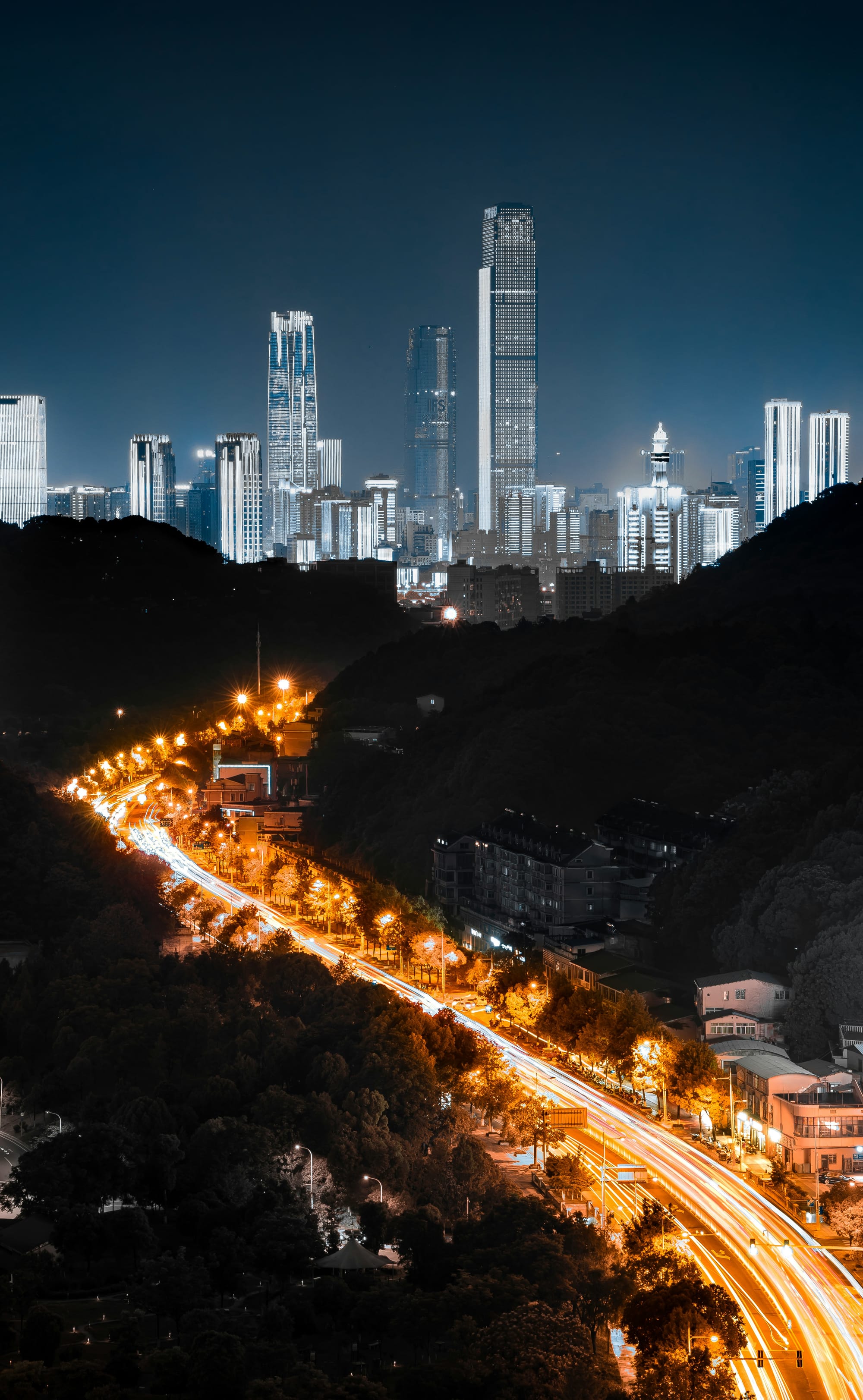
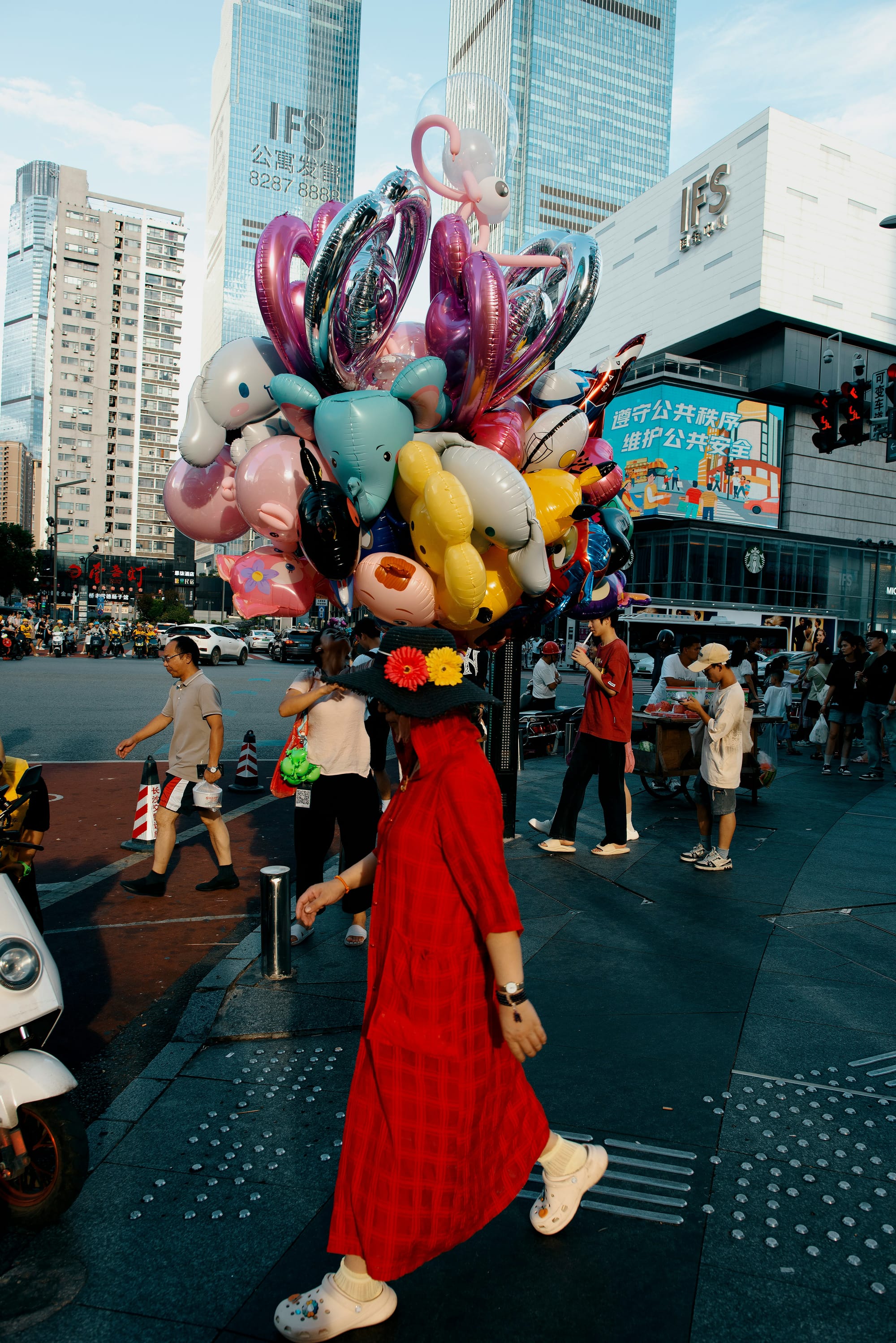
The city keeps its many layers within easy reach: an academy still teaching on a hillside after a thousand years, a river island with a monumental sculpture of the young Mao Zedong, and downtown streets that stay busy until dawn, fuelled by chili, crayfish, and some of China's most fiercely loved snacks.
- THE EXPERIENCE
Hunan Museum (湖南博物院) is home to Xin Zhui, a noblewoman buried more than 2,000 years ago and discovered at Mawangdui (马王堆) in 1972, her body still astonishingly preserved. Beside her are silks so fine that one gauze robe weighs just 49 grams. Admission is free.
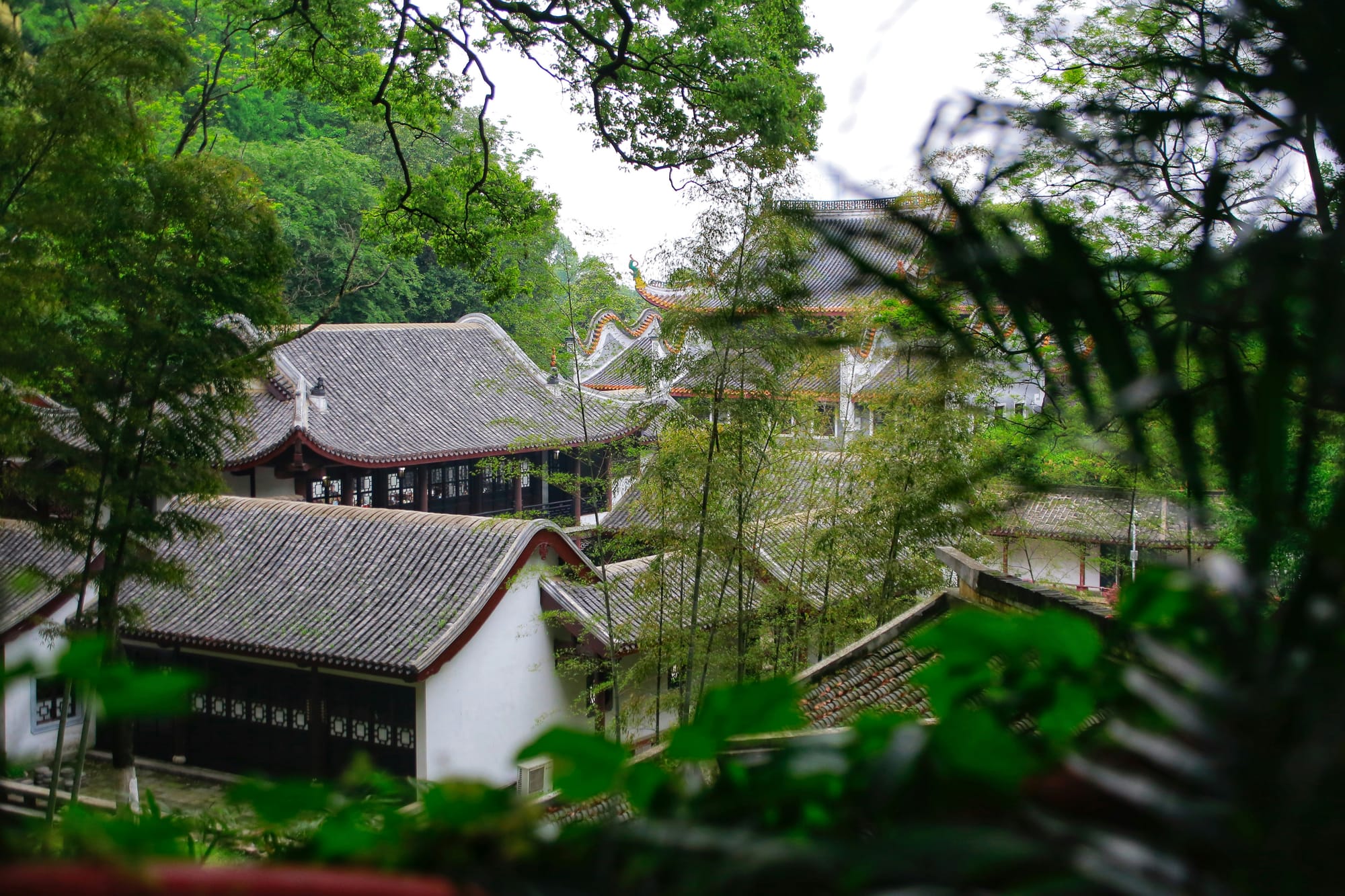
Yuelu Academy (岳麓书院), founded in 976 CE under the Northern Song (960–1127 CE) and still part of Hunan University, is counted among the four great academies of ancient China. Walk under its gate couplet, "Only Chu has talent, and here it flourishes," to the lecture hall where two of China's most influential Confucian thinkers, Zhu Xi and Zhang Shi, debated for two months in 1167 CE.
Orange Isle (橘子洲), a long island in the Xiang River, is crowned at its southern tip by a 32-metre granite sculpture of the young Mao Zedong, who wrote a famous poem about Changsha here in 1925. It's free to enter, with open river views back toward the city.
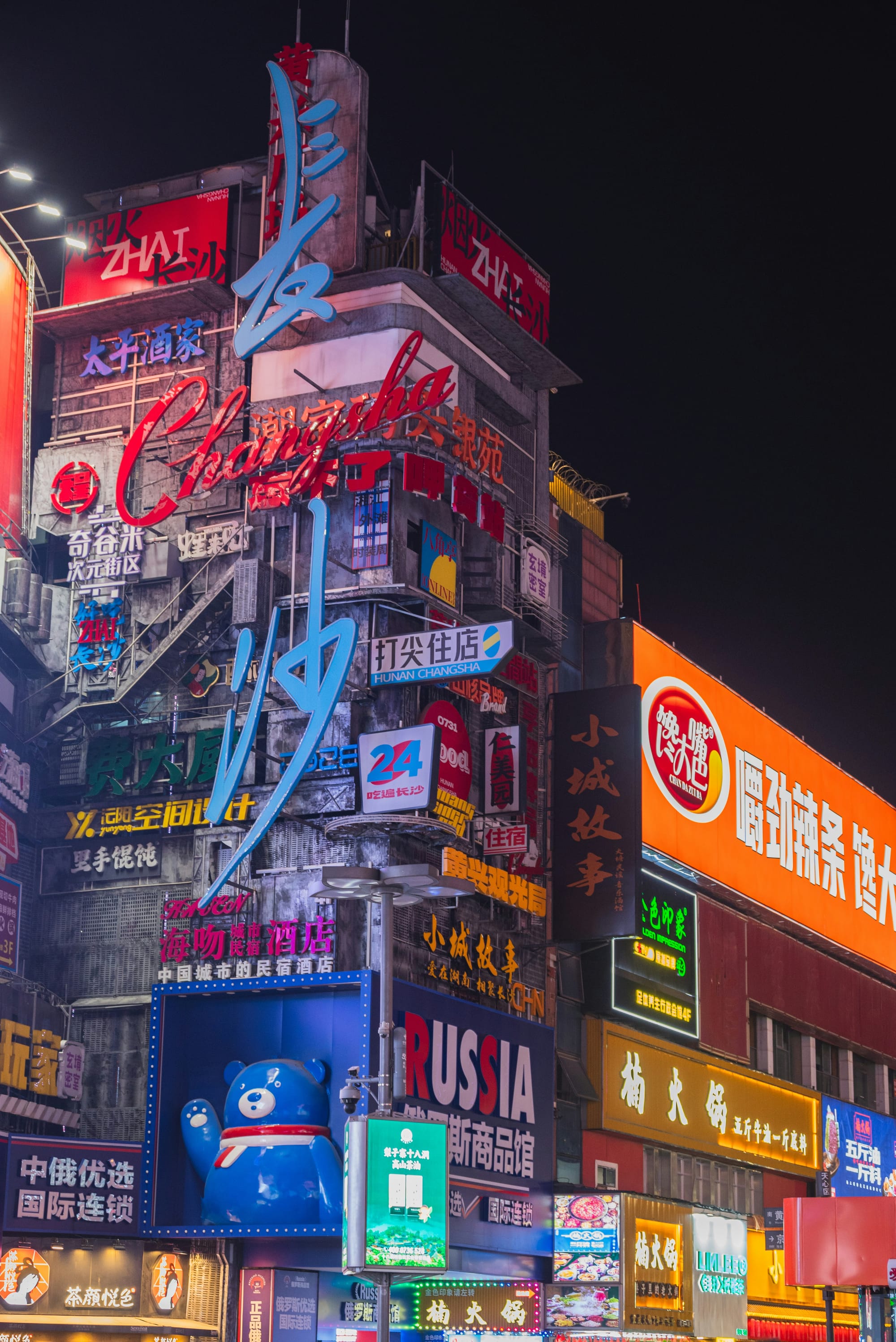
Jiefangxi Road (解放西路) is where Changsha's nights happen: at three in the morning, the street can be as crowded as a weekday rush hour, and the evening traditionally ends with steaming rice noodles in a back alley. Try stinky tofu (臭豆腐) fried crisp and filled with chili sauce; spicy crayfish; Chayan Yuese (茶颜悦色), the local milk-tea chain with its own cult queues.
- BEST FOR
You like your history in layers, with a 2,000-year-old tomb, a thousand-year-old academy and a city still wide awake at 3am all within a short metro ride of each other. Museums and bookish places pull you in, and so does eating your way through a spicy, street-level food scene.
- MAY NOT BE FOR YOU IF
You like your evenings quiet. Changsha wakes up after dark and stays awake. Chili isn't your friend, because Hunan cooking leans on fresh chili in almost everything. You're hoping for dramatic natural scenery, since this is a city of museums, a river and neon, with the mountains a few hours away.
- HOW LONG?
2–3 days: one for the Hunan Museum and the old snack streets, one for Yuelu Academy, Yuelu Mountain and Orange Isle, with your evenings saved for Jiefangxi Road.
- GETTING THERE
Changsha Huanghua International Airport has direct flights from across China, with a maglev link to Changsha South, the high-speed rail hub. From there, Guangzhou is just under 2 hours, Wuhan under 2, and Beijing about 5.
- PAIRS WELL WITH
Guangzhou, just under 2 hours, for Cantonese cooking · Zhangjiajie, a few hours away, for towering sandstone pillars
The Hunan Museum, Yuelu Mountain and Orange Isle all work on advance reservation through WeChat, so book a few days ahead in holiday periods.
Copy the Chinese names straight into WeChat's search bar (湖南博物院 for the museum, 岳麓山橘子洲旅游区 for Yuelu Mountain and Orange Isle), then tap the three dots in the top-right corner and choose "Translate" to read it in English.
Yuelu Academy sits at the eastern foot of Yuelu Mountain, a short walk from the metro.