Pu'er
Home of Pu’er tea and the Ancient Tea Horse Road, where Indigenous traditions meet a rising highland coffee scene
Pu'er is a city with "tea" etched directly into its name—the origin of Pu'er tea and one of the starting points of the Ancient Tea Horse Road. Straddling the Tropic of Cancer and bordering Laos and Myanmar, it boasts over 70% forest coverage, making it the largest ecological oasis along the line. For international travelers, Pu'er offers a unique juxtaposition: it is both an ancient source of Chinese tea culture and unexpectedly China's largest Arabica coffee-producing region.
"Holding a cup of coffee in one hand and tea in the other is simply the daily way of life here."

- THE EXPERIENCE
Jingmai Mountain Ancient Tea Plantations: Recognized as a UNESCO World Heritage Site in 2023—the world’s first cultural landscape centered on tea—this area showcases a thousand-year-old "forest-tea co-existence" ecosystem. Ancient tea trees thrive inside natural forests alongside Indigenous villages.
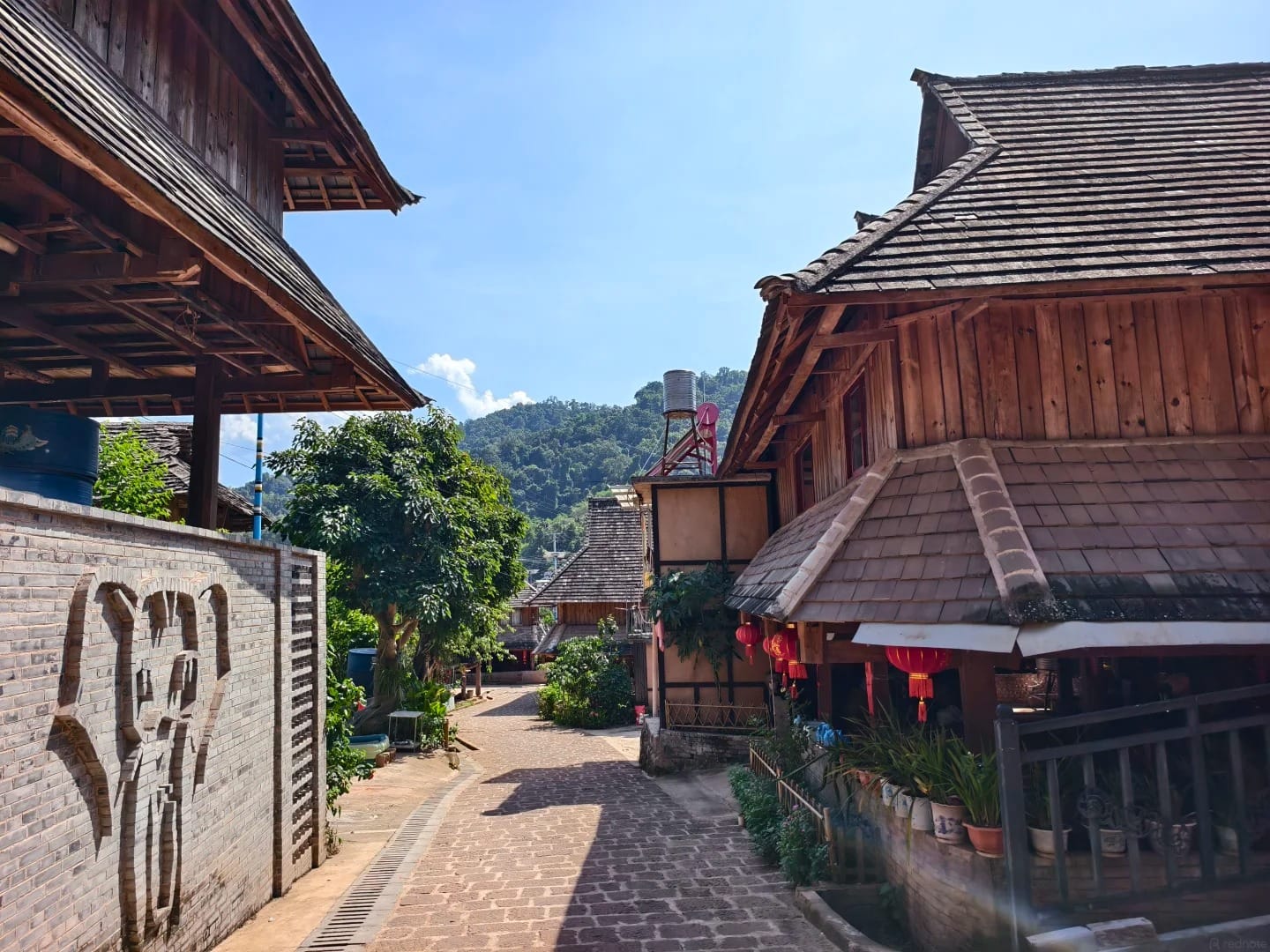
The Ancient Tea Horse Road: Centuries ago, tea caravans departed from Pu'er along five major routes — to Beijing, China's other inland provinces, Tibet, and neighboring countries in Southeast Asia. At Nakeli Tea Horse Relay Station (那柯里茶马驿站), original cobblestone paths still bear faint hoofprints from centuries of trade, preserved alongside historic bridges and caravan relics.
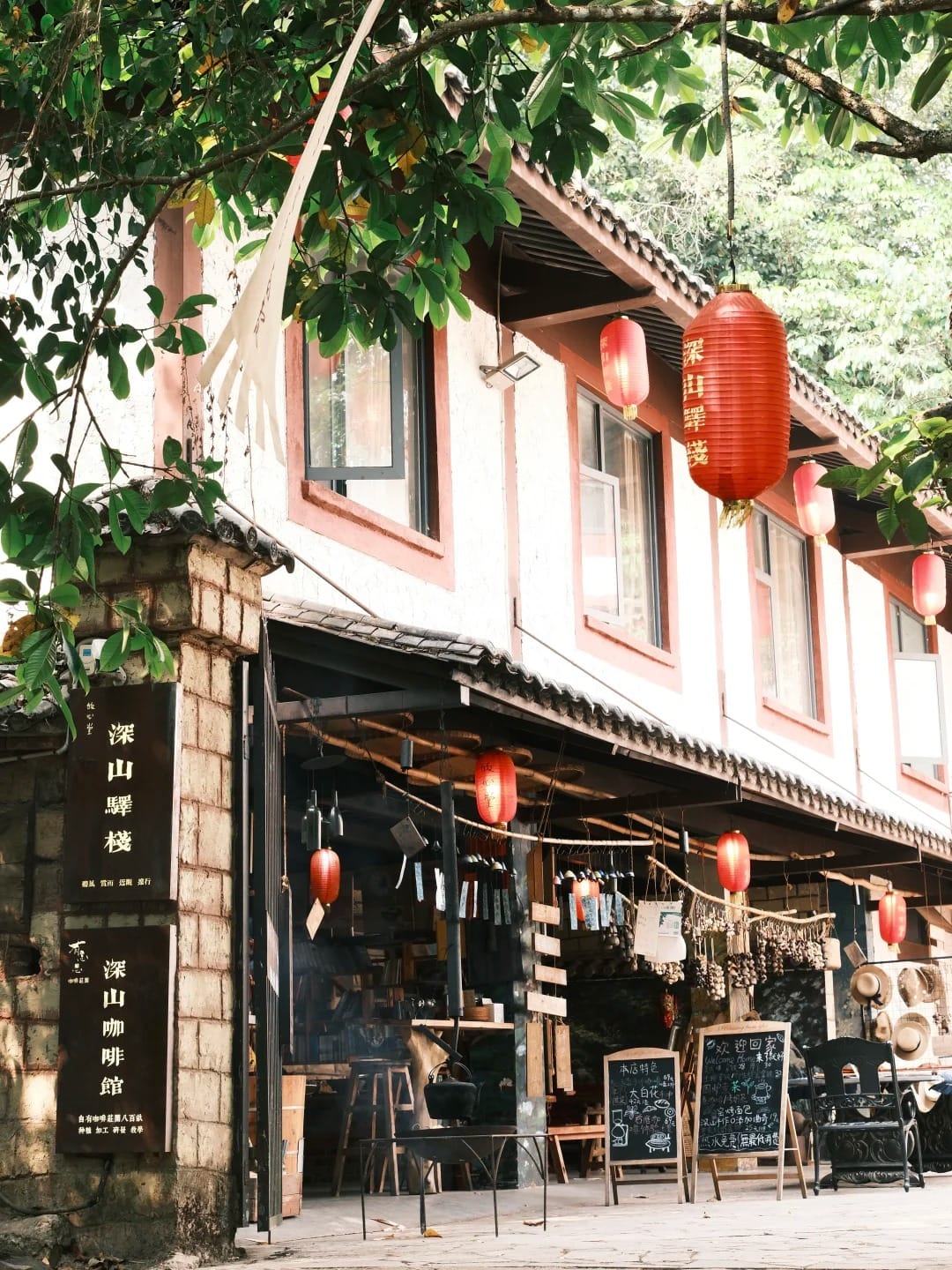
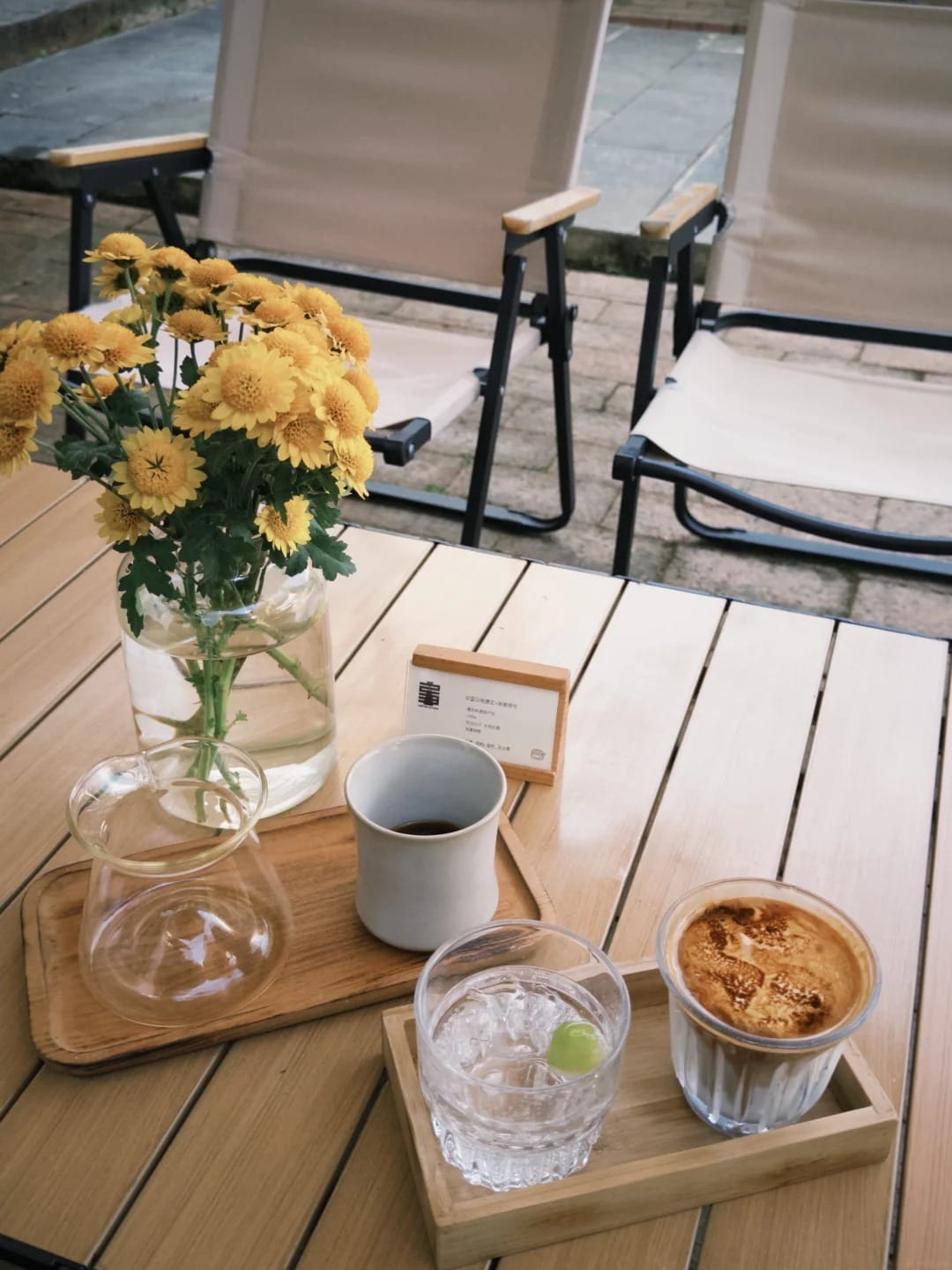
Arabica Coffee Estates: Mirroring the latitude of Colombia, Pu'er is dubbed China's "Arabica Paradise," supplying beans globally to major brands like Starbucks. Over 30 boutique coffee estates offer seed-to-cup tours where travelers can pick ripe coffee cherries, learn drying and washing techniques, and practice cupping.
Sun River National Forest Park (Rhinoceros Plateau): Nestled within a rainforest along the Tropic of Cancer, this park offers up-close wildlife encounters—most famously with red pandas and white rhinos. Visiting between 9:00 AM and 11:00 AM allows for interactive feedings during the animals' most active hours.
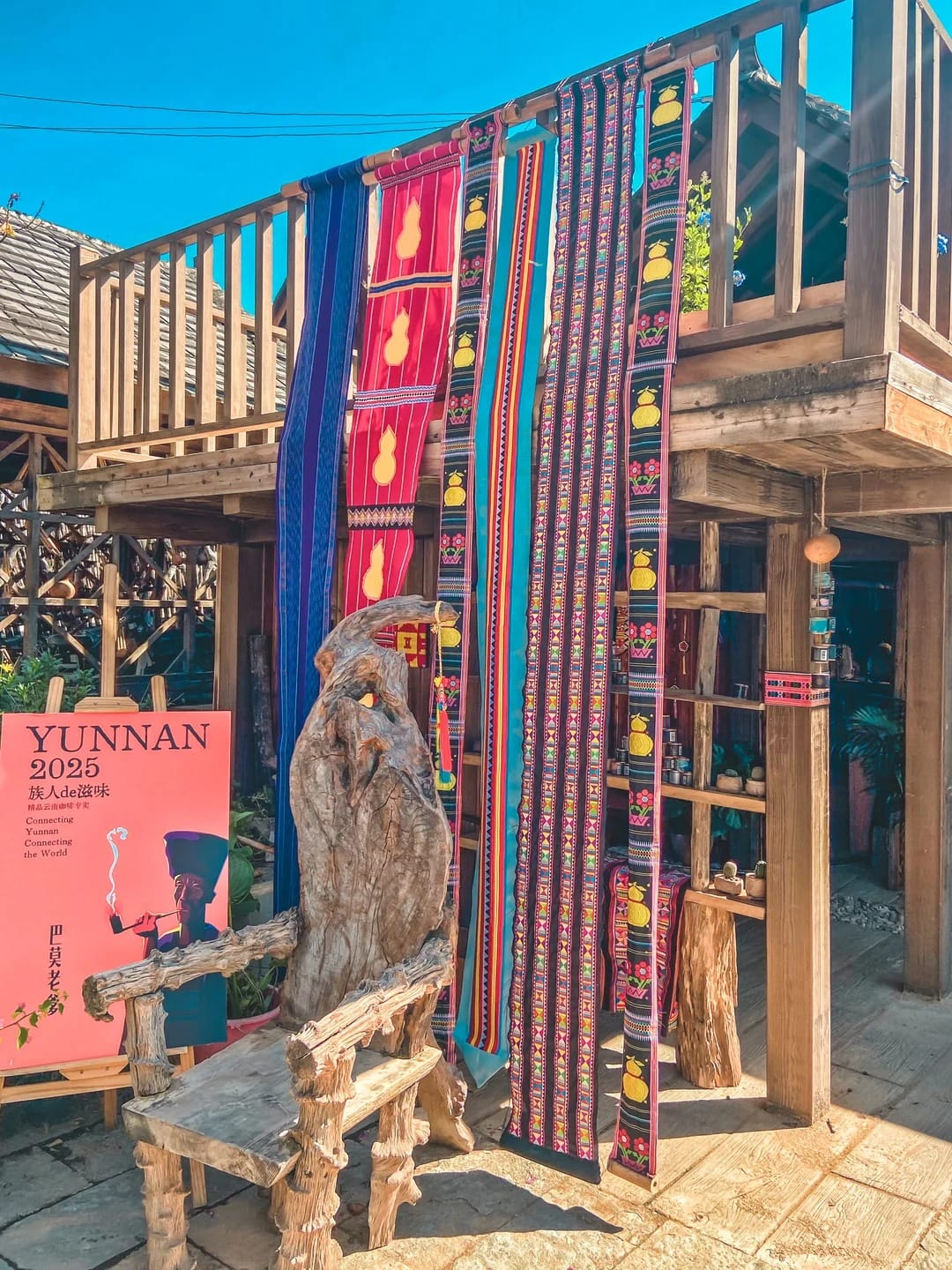
Ethnic Heritage & Musical Villages: Pu'er is home to 14 indigenous ethnic groups (including Hani, Yi, Dai, Lahu, and Wa). Lahu Village of Lao Dabao (老达保拉祜族村寨) is renowned for its musical culture. Further west in Ximeng Wa Autonomous County (西盟佤族自治县), travelers can explore traditional Wa wood-drum culture, hearthfire rituals, and signature dishes like Wa chicken rice porridge.
- BEST FOR
Tea and coffee connoisseurs keen to trace their favourite drinks to their origins; ecotourists and nature lovers drawn to pristine rainforests, rich biodiversity and expansive mountain sunrises; and cultural explorers seeking living Indigenous traditions and historic trade routes.
Ideal for travellers who prefer a slower, more peaceful rhythm of exploration.
- MAY NOT BE FOR YOU IF
You rely on high-speed trains or short transit times to reach every site — exploring the region requires long, winding mountain drives.
You prefer luxury five-star resorts over rustic, family-run village guesthouses.
You thrive on high-energy urban skylines and fast-paced city nightlife.
- HOW LONG?
3 to 4 Days: Spend 1 to 2 days exploring Jingmai Mountain and Nakeli Relay Station, 1 day touring coffee estates and Sun River Forest Park, and an optional extra day venturing into ethnic villages like Lao Dabao or Ximeng.
- GETTING THERE
By Train: High-speed trains run directly from Kunming to Pu'er Station (approx. 2.5 hours) and from Xishuangbanna via the China–Laos Railway (approx. 40 minutes).
By Air: Simao Airport (SYM) sits 15 minutes from the city center.
- PAIRS WELL WITH
Xishuangbanna: Just 40 minutes south by high-speed rail, ideal for tropical rainforests, Dai night markets, and Southeast Asian border culture. Kunming: A 2.5-hour high-speed rail ride north, serving as the main international gateway with links to major flight routes.
Best Seasons: October to December offers crisp autumn air and spectacular seas of clouds, while March to May marks the spring tea-harvesting season. With an average annual temperature of 19.5°C, Pu'er remains pleasant year-round.
Local Transit: Because major attractions are spread out across the prefecture, hiring a private vehicle or booking local day trips is highly recommended for rural routes.