Guangzhou
China's ancient trading capital & the spiritual home of Cantonese cuisine
Guangzhou is a city with global trade written into its DNA—a metropolis that has served as a primary starting point on the Maritime Silk Road since the Qin and Han dynasties. Unlike many ancient capitals that shifted over time, Guangzhou's urban core and overseas trade connections have remained unbroken for more than two millennia.
Guangzhou is a city where living history and modern life melt together seamlessly. You can step onto layered ancient road ruins on one block, settle under traditional arcade houses for morning tea on the next, and trace a commercial pulse that evolved from Tang Dynasty foreign quarters into today's world-famous Canton Fair.
Guangzhou also offers a seamless connection across Southern China—with high-speed trains reaching Hong Kong West Kowloon in under an hour and Shenzhen in just 30 minutes.
- THE EXPERIENCE
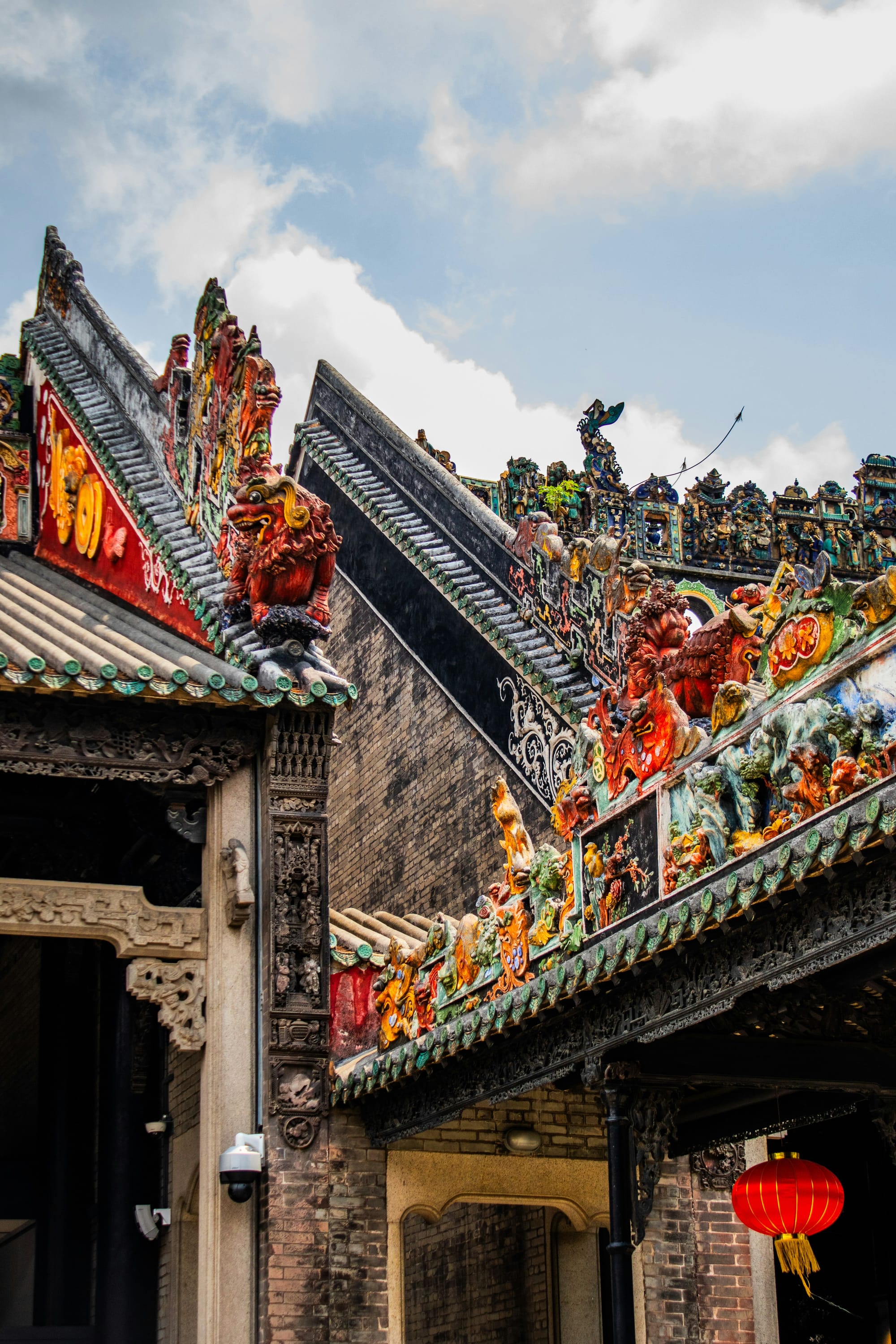
Chen Clan Ancestral Hall (陈家祠), built in 1893 CE under the Qing dynasty, is Guangdong’s grandest preserved clan sanctuary. Famous for its intricate ceramic roof ridges, woodcarvings, and stone reliefs, its courtyard galleries house thousands of traditional Lingnan (literally "South of the Mountains"and refers to a region in Southern China—specifically Guangdong, Guangxi, Hainan, Hong Kong, and Macau) folk art masterpieces.
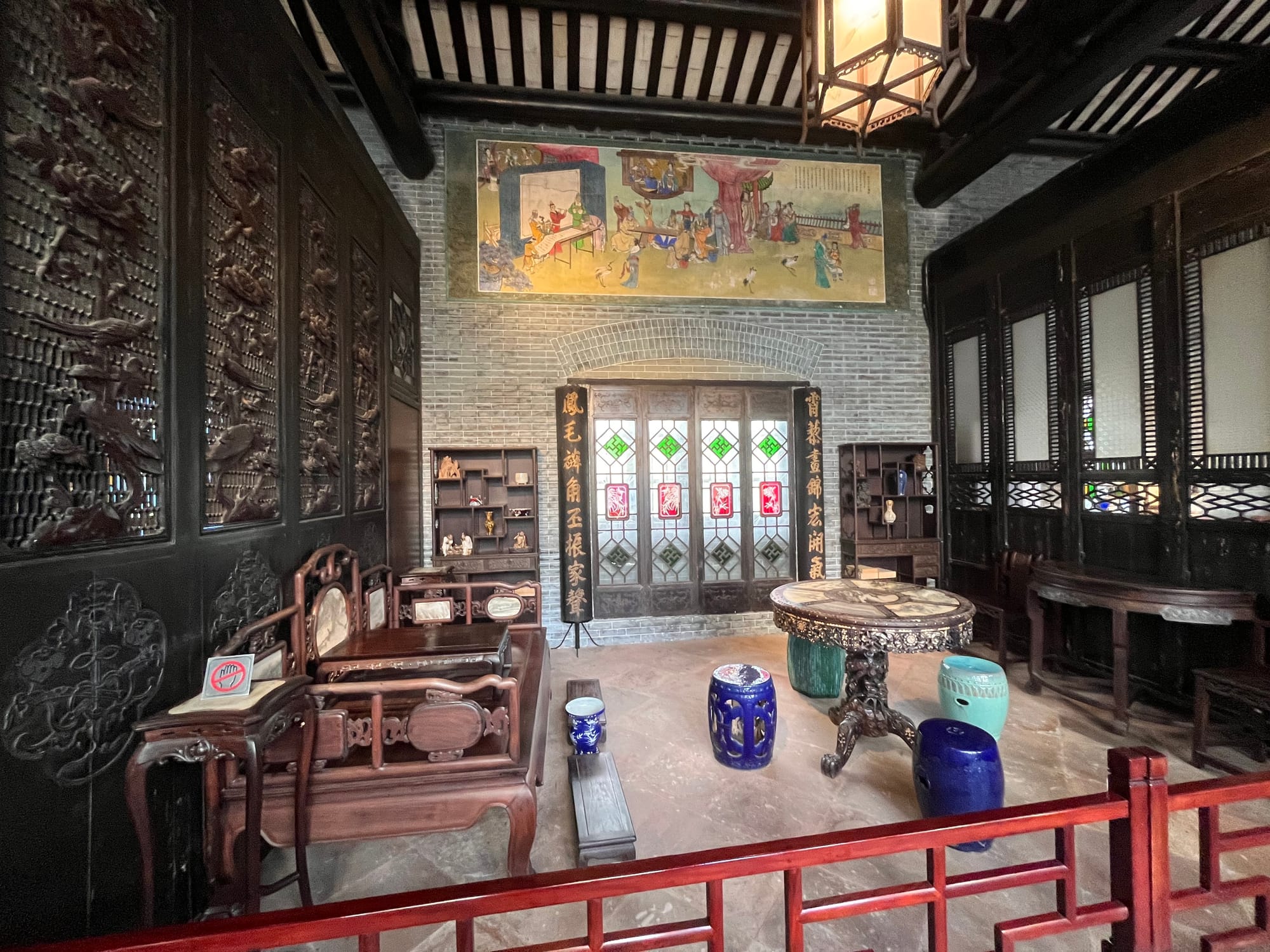
Yongqing Fang (永庆坊) in the historic Xiguan district is a revitalised quarter of traditional brick arcade houses along the Litchi Bay canal. It houses the Cantonese Opera Art Museum (粤剧艺术博物馆), where live classical opera performances take place over a waterfront stage surrounded by traditional gardens.
Shamian Island (沙面岛) is a quiet pedestrian sanctuary of 169 preserved 19th-century European concession buildings. Shaded by century-old banyan trees, its leafy avenues showcase Neo-Baroque and Victorian architecture alongside elegant riverfront promenades.
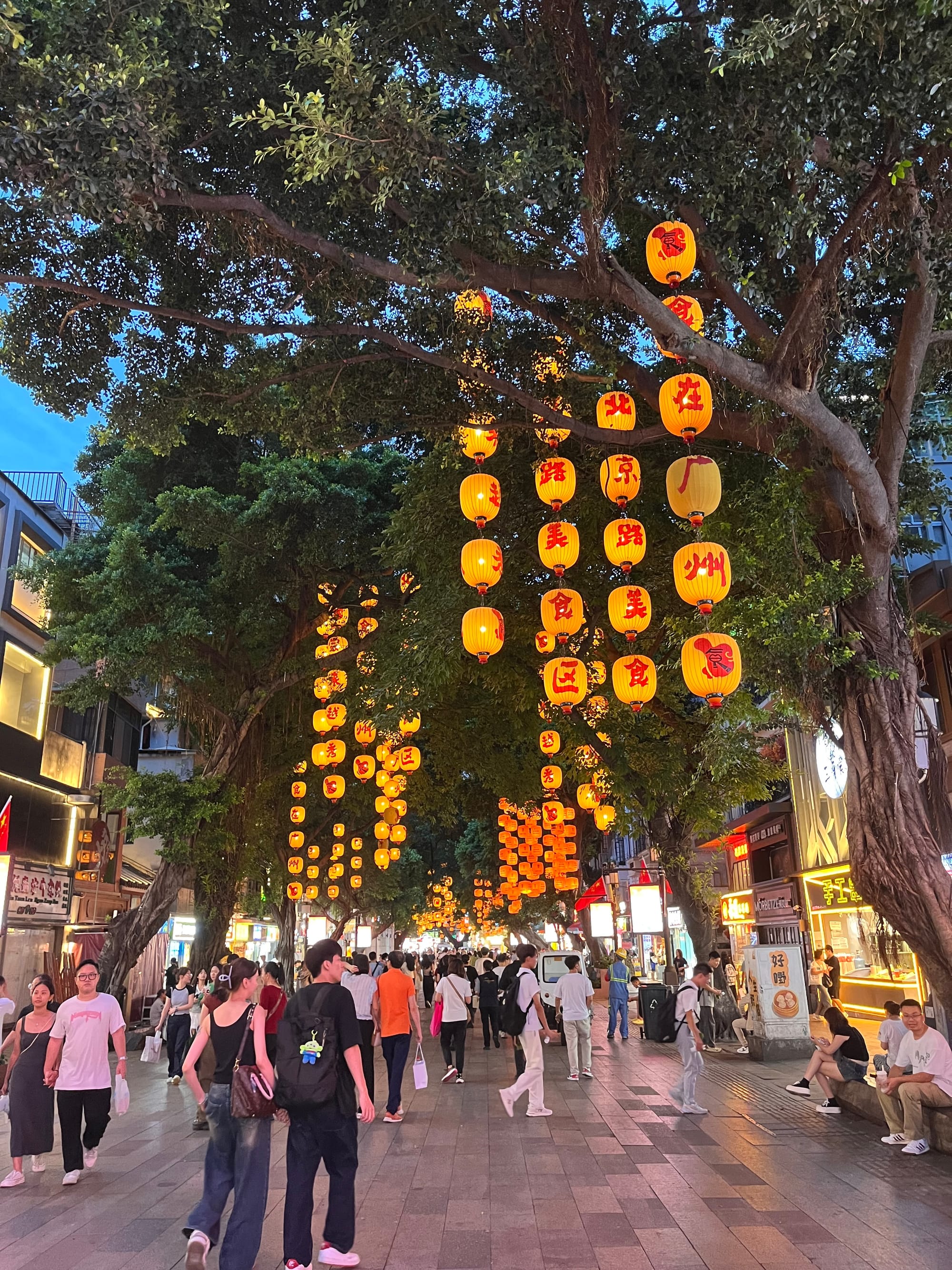
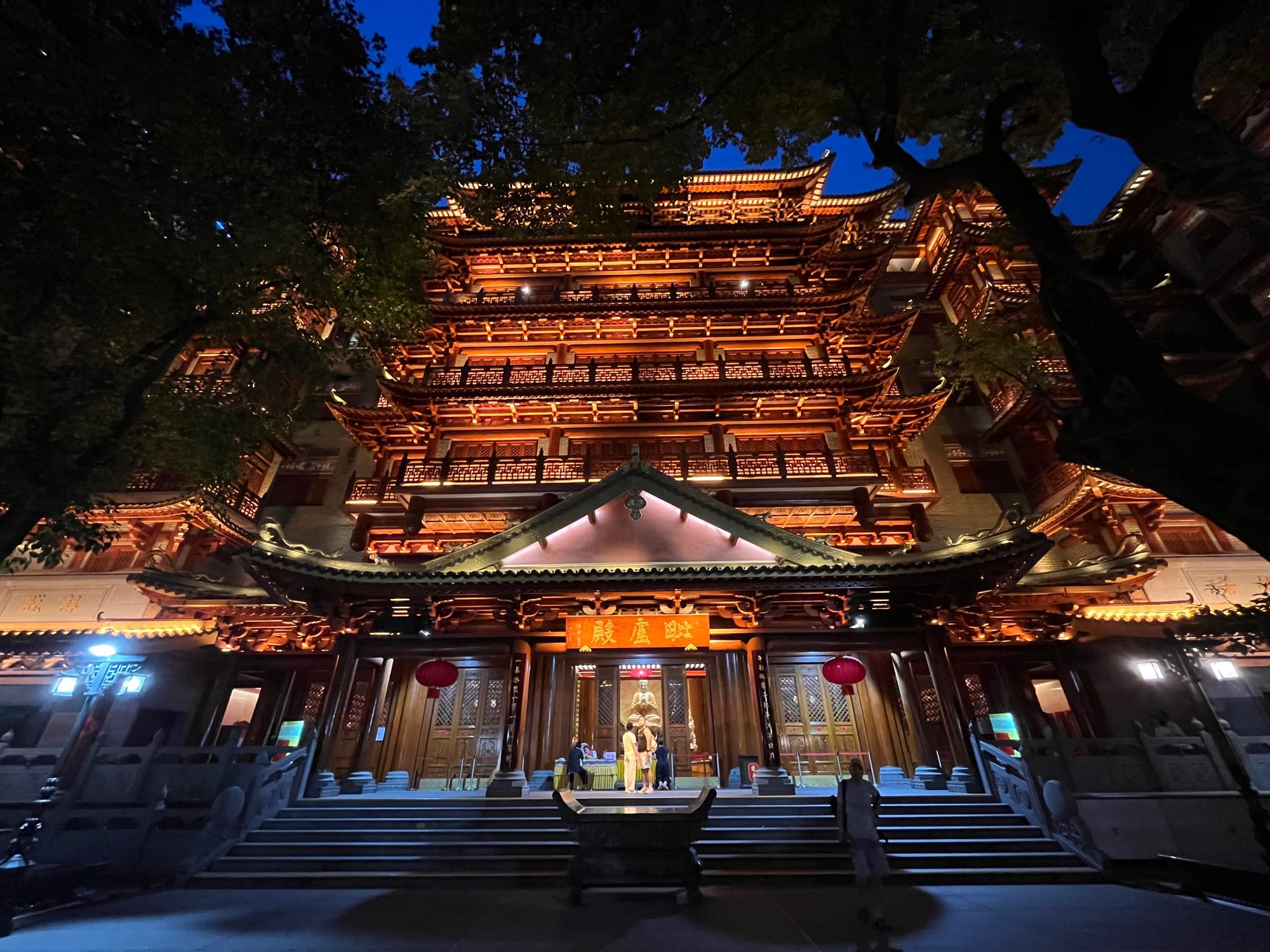
Beijing Road Pedestrian Street (北京路步行街) reveals the city's ancient core: glass walkways built directly into the pavement expose the physical, layered ruins of eleven historical road surfaces dating back to the Tang and Song dynasties, right beneath bustling modern shopping arcades. Not to miss: Dafo Temple (大佛寺), a thousand-year-old site known for its six-meter bronze Buddhas and striking nighttime illumination (free).
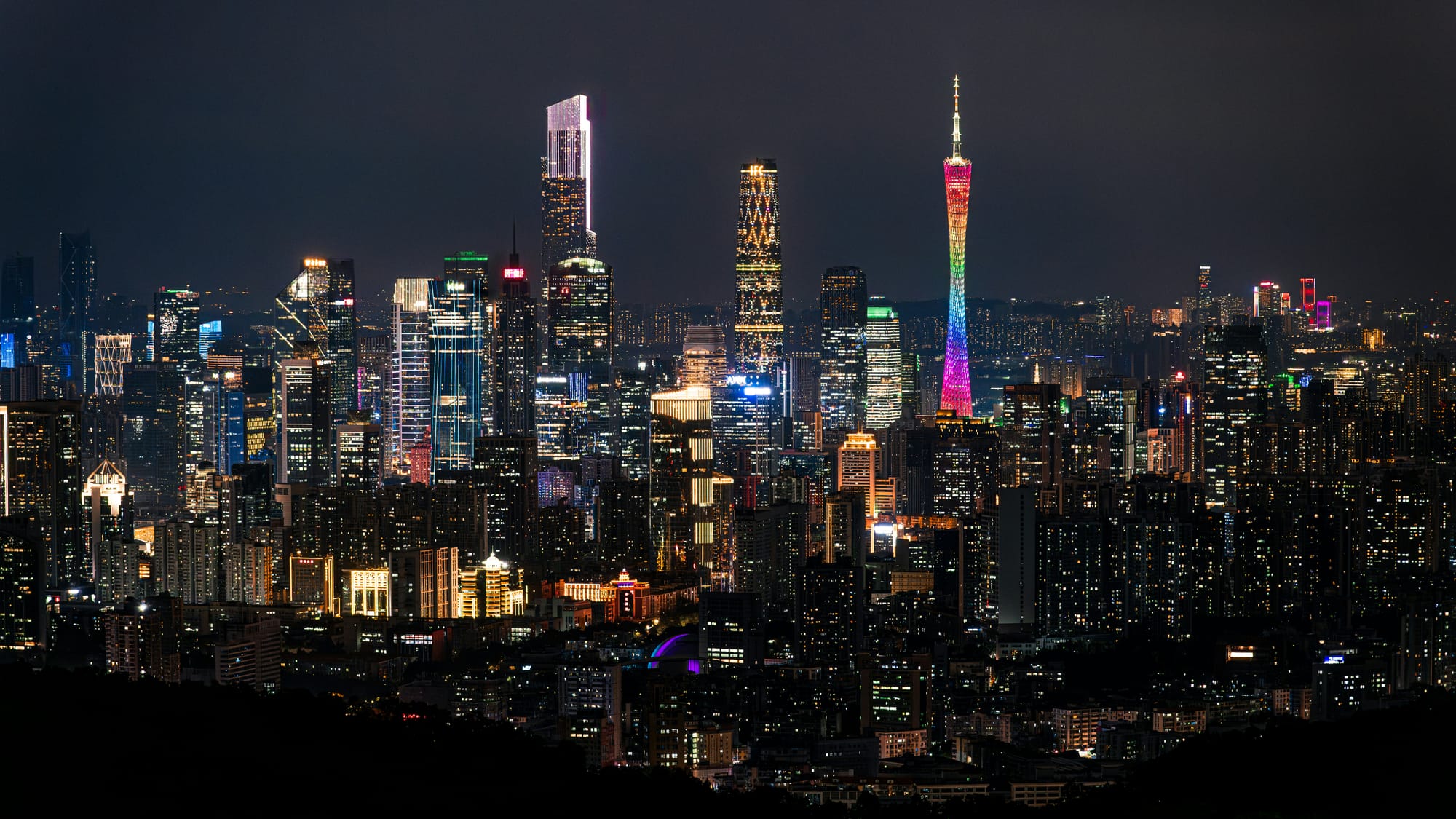
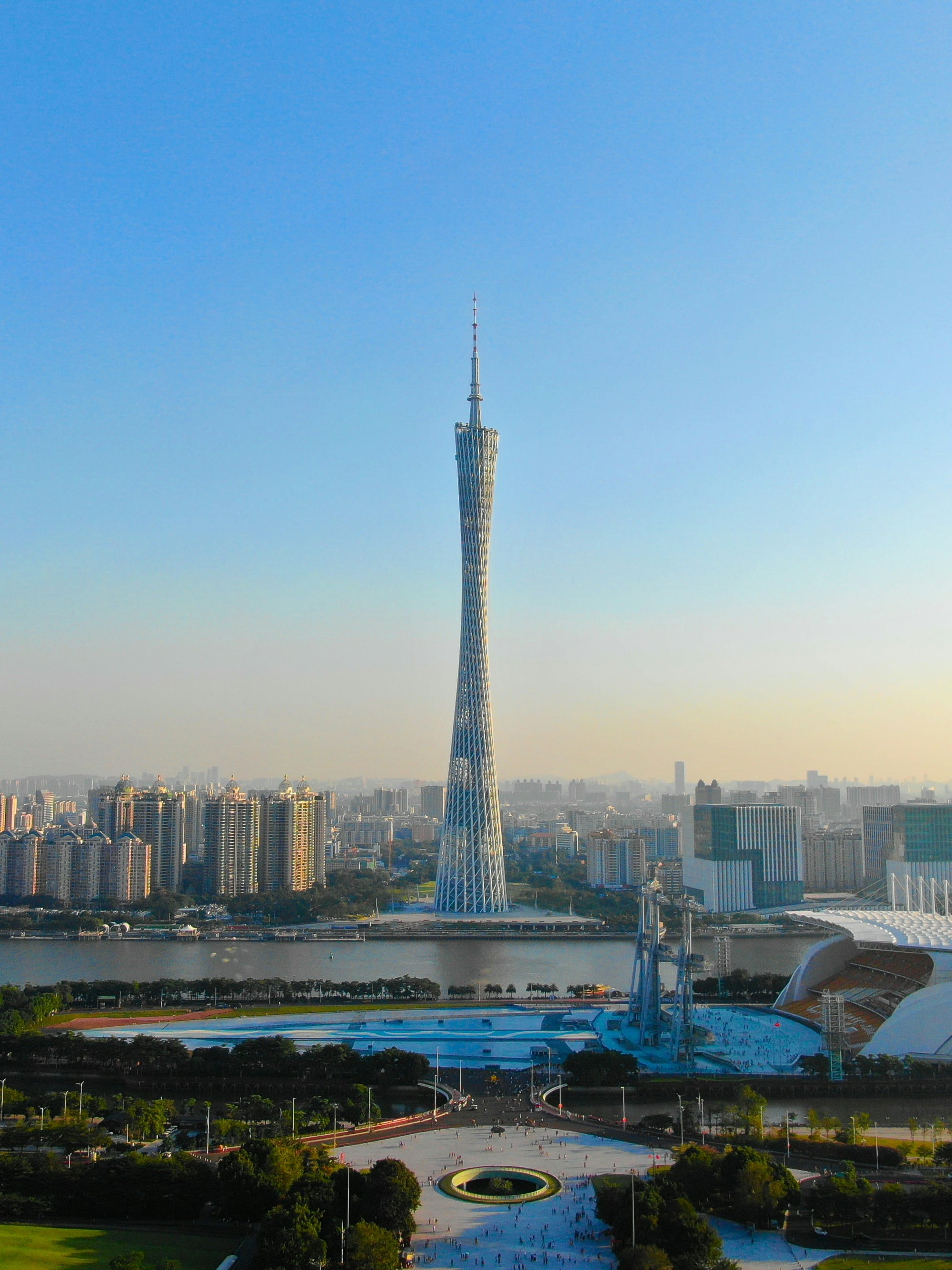
Canton Tower (广州塔), standing 600 metres tall, dominates the modern skyline along the Pearl River. The observation decks give panoramic views over the metropolis, while evening Pearl River cruises glide past illuminated bridges and modern financial districts below.
Food to seek out: As the spiritual home of Cantonese cuisine, dining in Guangzhou is an essential daily ritual. Morning dim sum (yum cha), where delicate bamboo steamers of har gow (crystal shrimp dumplings), siu mai, and steamed rice rolls (cheung fun) are paired with hot tea; sweet glazed Cantonese roast meats (char siu and crisp roast goose) hanging in glass shop windows; and slow-simmered herbal broths served in neighborhood eateries along historic dining streets.
- BEST FOR
You want to submerge yourself in classical Cantonese culture, old-world trade history, and one of Asia's undisputed culinary capitals.
You prefer a travel style centered around unhurried morning tea rituals, shaded colonial-era architecture, and historic ancestral halls set against a modern riverfront skyline.
- MAY NOT BE FOR YOU IF
You are looking for crisp, dry mountain air—summers are hot and humid, and spring brings damp rainy days.
You prefer fast-paced destinations focused solely on futuristic tech, as Guangzhou's charm relies heavily on lingering over slow meals and historic neighborhood walks.
- HOW LONG?
2–3 days on its own, though most visitors pair it with Hong Kong or Shenzhen: one day for Xiguan, Chen Clan Ancestral Hall, and Shamian Island; one day for Beijing Road, Canton Tower, and an evening Pearl River cruise.
- GETTING THERE
Guangzhou Baiyun International Airport is a major global hub with direct flights worldwide. High-speed rail from Hong Kong West Kowloon reaches Guangzhou South in about 50 minutes, while frequent trains connect to Shenzhen in 30 minutes.
- PAIRS WELL WITH
Shenzhen, about 30 minutes by high-speed rail, for futuristic tech and modern skylines · Hong Kong, under an hour by high-speed rail, for a taste of the region’s colonial history and distinctive urban culture.
Stay near Xinjiekou for central convenience, or Confucius Temple/Laomendong for old-capital atmosphere and easy access to the river at night.
Spring (March–May) and autumn (September–November) are the most comfortable seasons, with blossoms in spring and golden plane-tree foliage in autumn.
Summer is pleasant (around 20°C, ideal for escaping the heat) but misses the city's signature season almost entirely.