Zhong Wei, Ningxia
Where desert, river, mountain and empire meet
Zhongwei sits on the edge of the Tengger — Mongolian for "as vast as the sky" — China's fourth-largest desert, spanning roughly 36,700 square kilometres across Inner Mongolia, Gansu, and Ningxia.
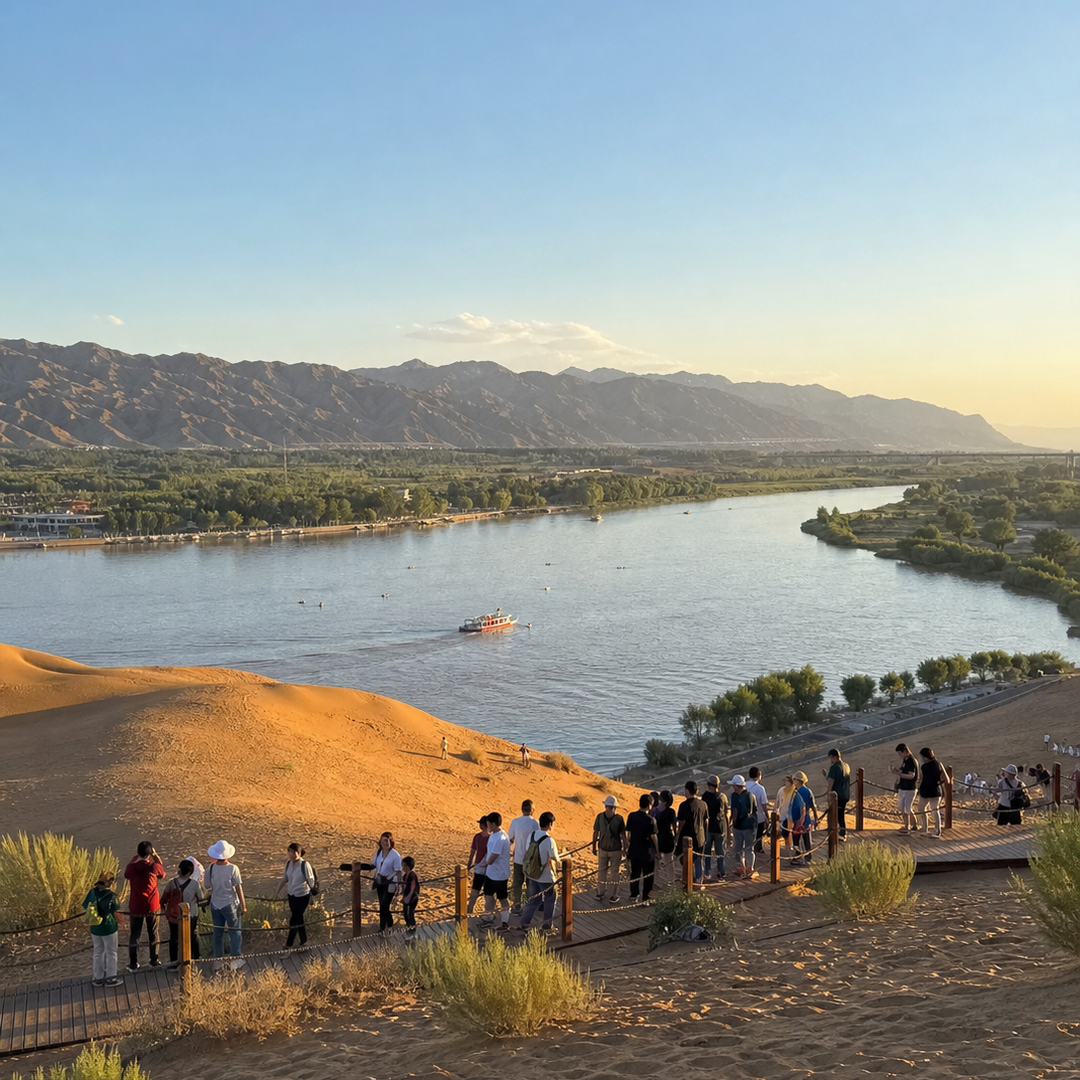
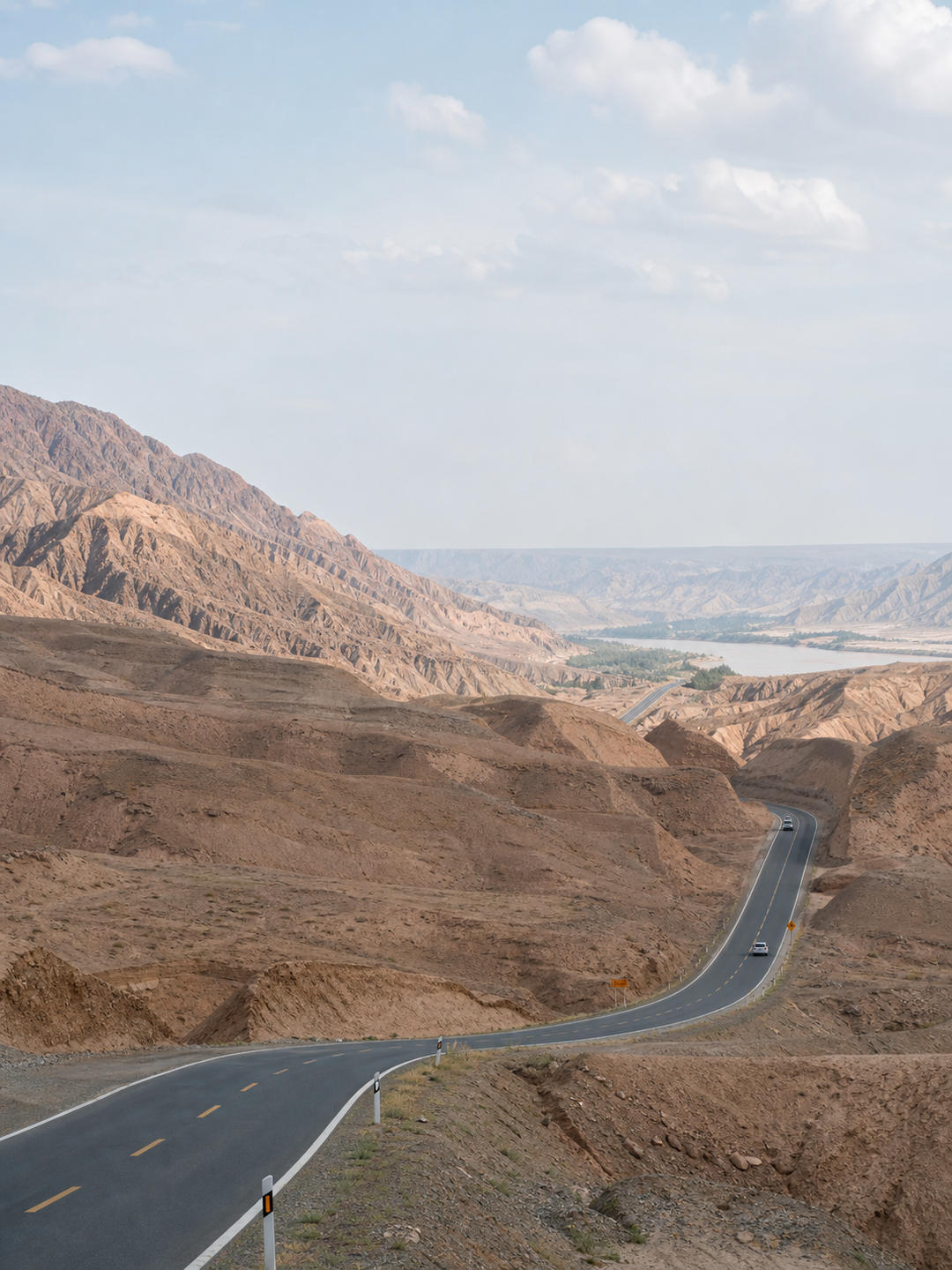
What sets it apart from other desert trips is what interrupts the sand: the Yellow River cuts a rare green corridor straight through it, bringing river, mountain, and oasis into a single frame most deserts never offer. Zhongwei's identity is built on that landscape, and on what's layered beneath it — Silk Road history, the Western Xia, a Tangut empire conquered by Genghis Khan's forces in 1227, and a tradition of sheepskin-raft crossings that predates any of the tourism infrastructure now built around it.
- THE EXPERIENCE
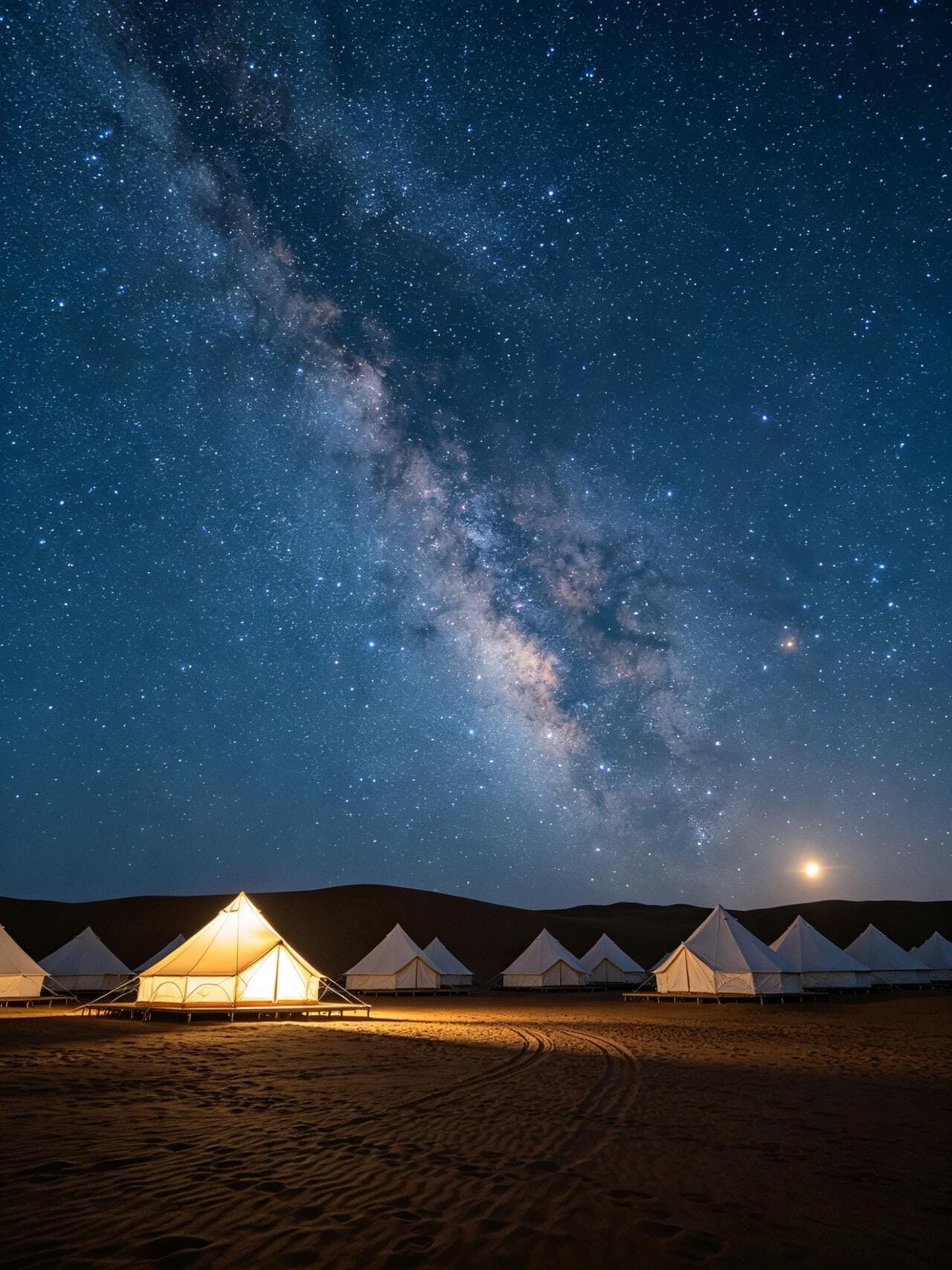
Shapotou (沙坡头) is the anchor: the point where desert, river, and mountain meet within view of each other, and where most of the region's desert resorts cluster — some sitting deep in the dunes, so you don't just visit the desert, you sleep surrounded by it.
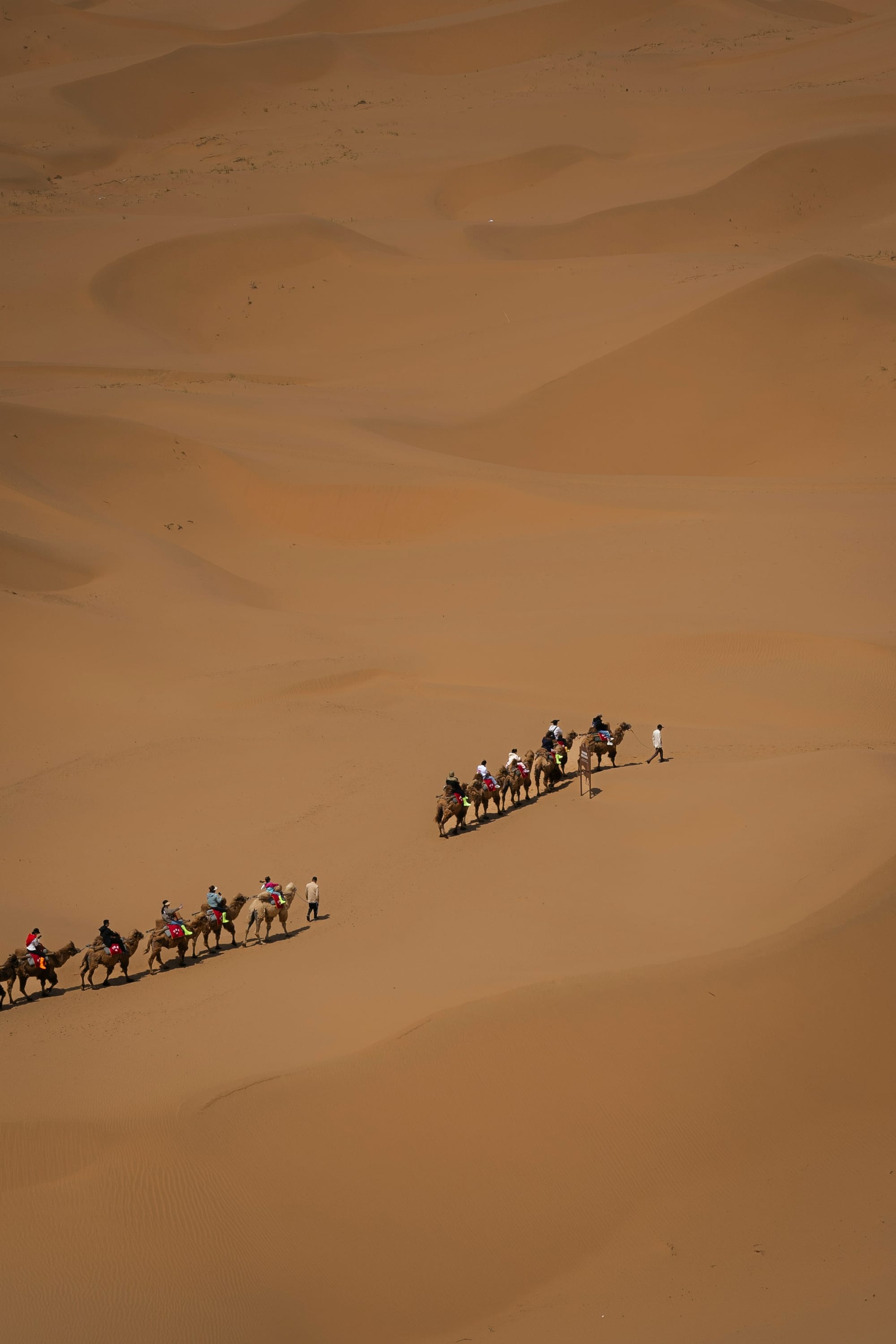
By day, camel treks head out into the Tengger's dunes, alongside sandboarding and rafting on the Yellow River as it curls past the sand.
By night, the same low-light-pollution skies that gave Zhongwei its "hometown of the stars" identity turn the resorts into observatories — some even run their own guided stargazing sessions as a standard part of the stay.
- BEST FOR
Desert landscapes and dark, genuinely star-filled skies. Camel treks, sandboarding, and river-desert scenery in one place. A different rhythm from temple-and-old-town China — this is outdoor and after-dark.
- MAY NOT BE FOR YOU IF
You need reliable English. You want lush scenery or major historical monuments. And while the desert resorts and stargazing run year-round — winter’s clear skies are arguably even better for the Milky Way — some outdoor activities like rafting or dune sports may be suspended outside the peak season (July, August, and the May Day / October National Day holidays), and opening hours are shorter. Double check before heading out.
- HOW LONG?
2–3 days.
- GETTING THERE
Fly into Yinchuan, then connect by high-speed rail.
- PAIRS WELL WITH
Yinchuan, 1.5 hours by high-speed rail. The old capital of the Western Xia, where the Helan Mountain foothills now grow some of China's best wine. Home to the Western Xia Imperial Tombs, China's 60th UNESCO World Heritage Site.
Lanzhou, 2 hours by high-speed rail. The only provincial capital the Yellow River runs through. Home to the famous Lanzhou Beef noodles.
English is limited at most desert resorts; upscale properties have English-speaking staff. Go in summer — that's when the resorts, guided stargazing, and desert activities are all running.