Lingyin Temple & Feilai Feng 灵隐寺&飞来峰
The Temple That Shaped A City
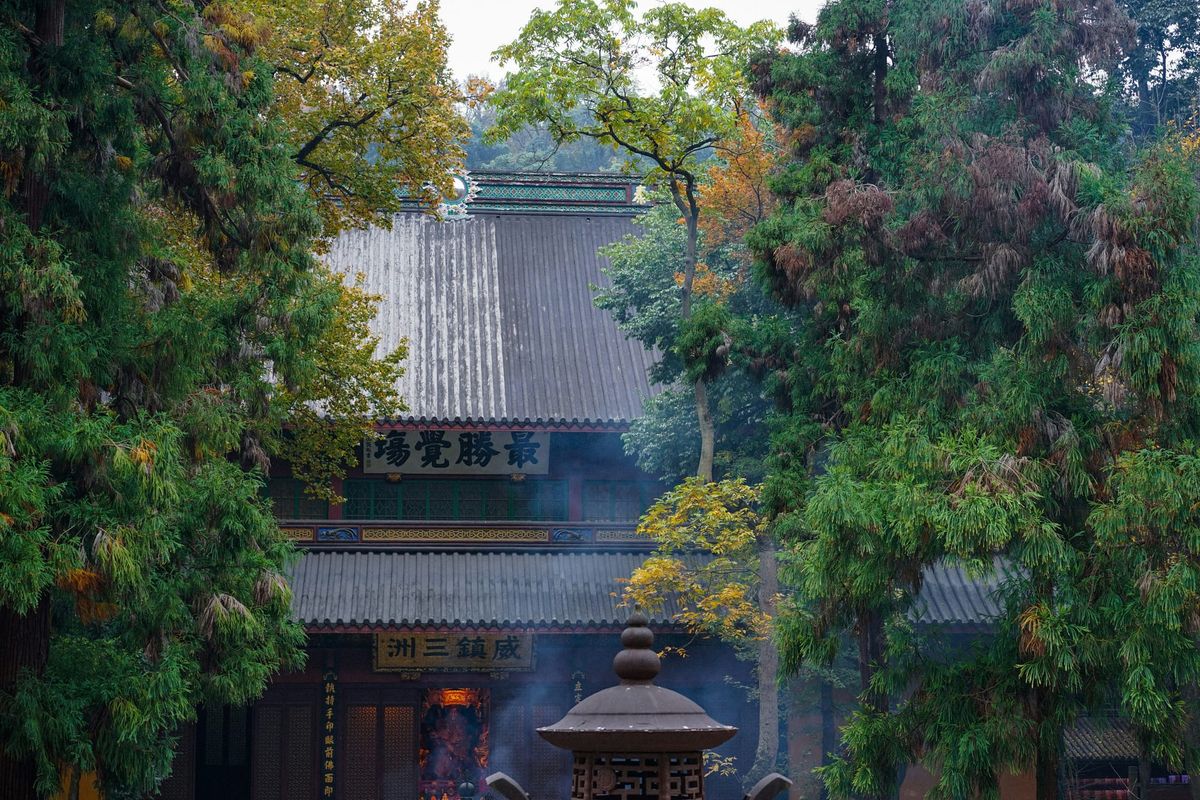
Dating back to 326 CE during the Eastern Jin dynasty (317–420 CE), Lingyin Temple ("Temple of the Soul's Retreat") is one of China’s oldest, largest, and most influential Buddhist sanctuaries.
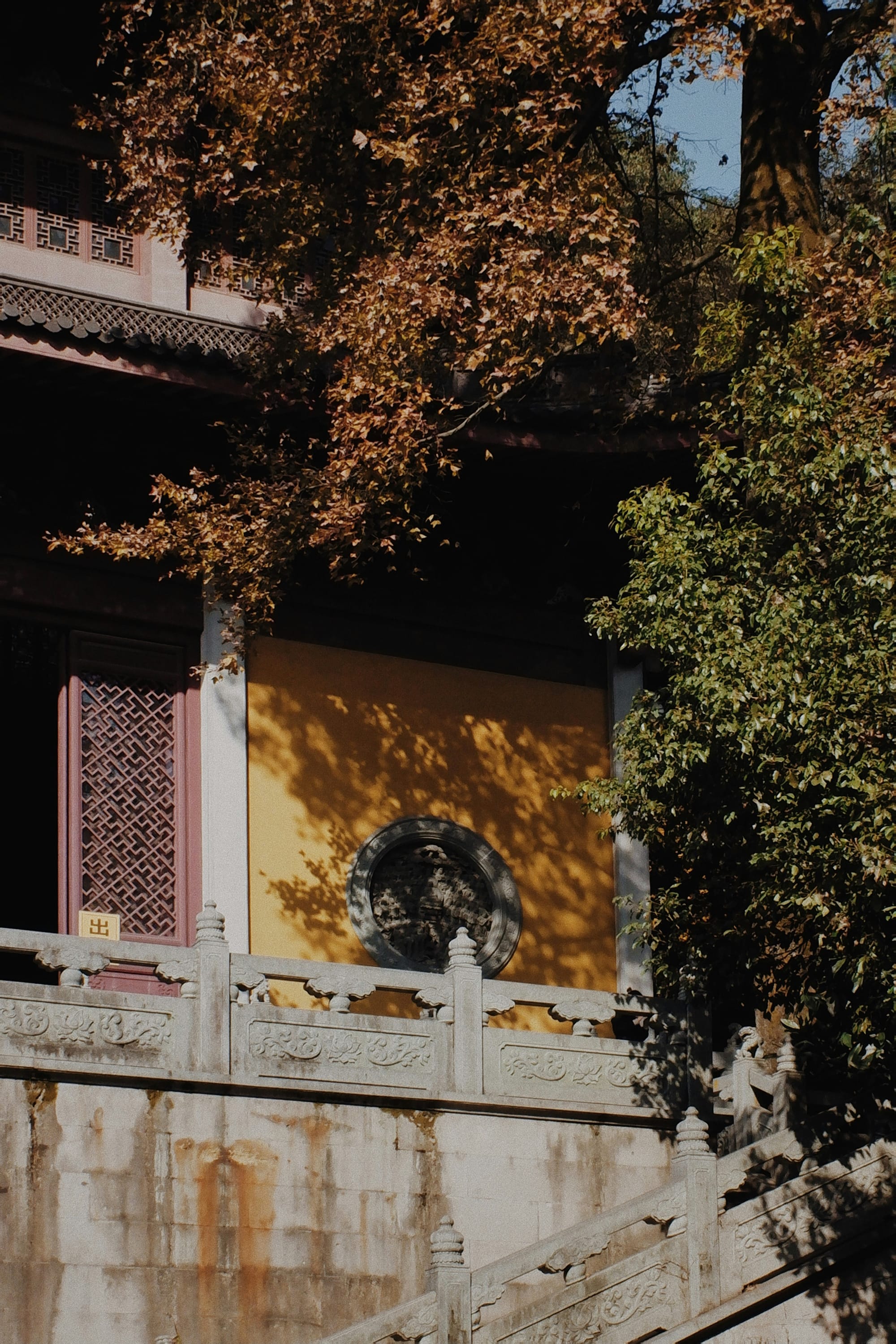
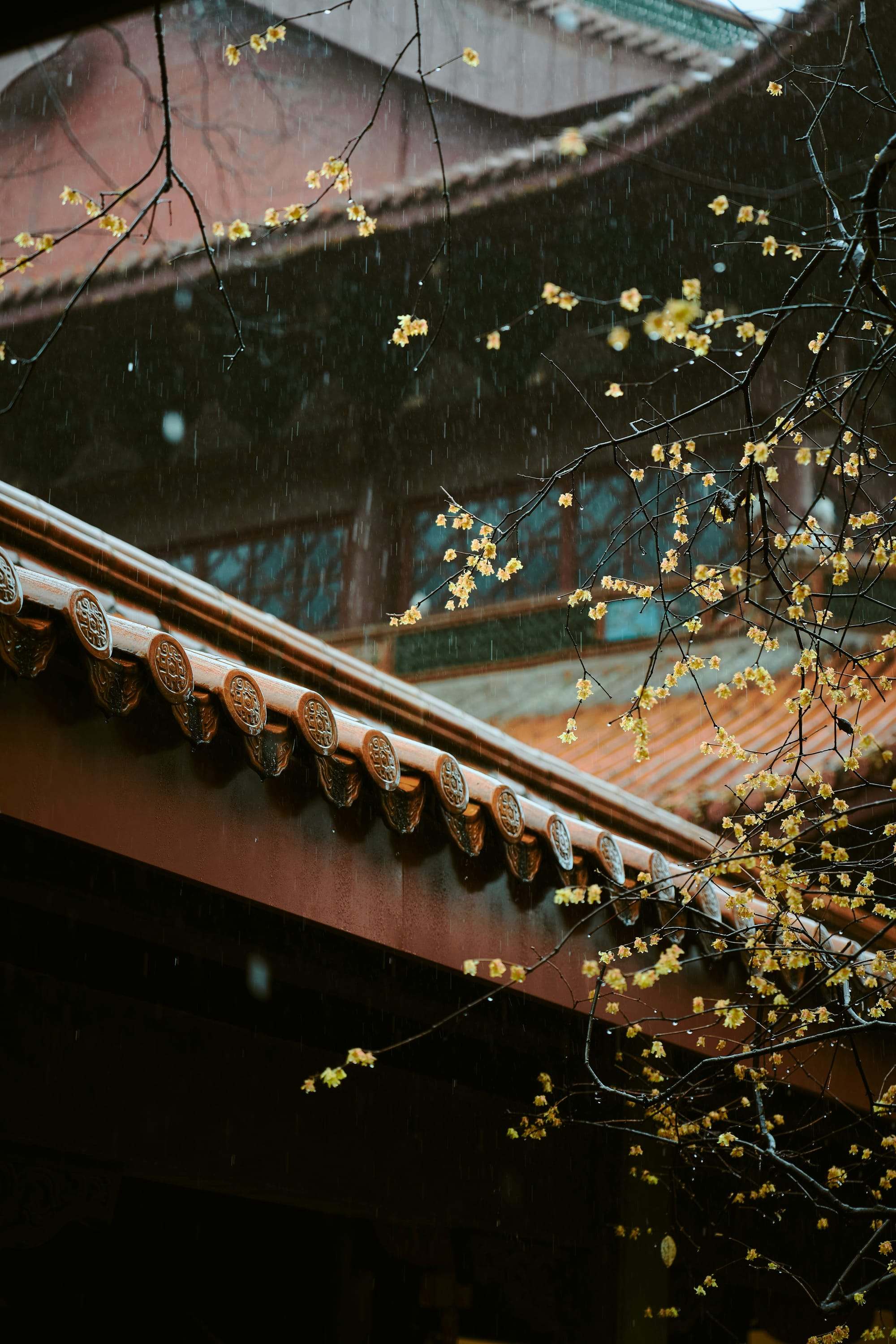
The sacred site was initiated by Huili, an itinerant monk from India, who wandered into this valley and declared that the mist-shrouded peaks were so spiritually potent, they must have flown over from India.
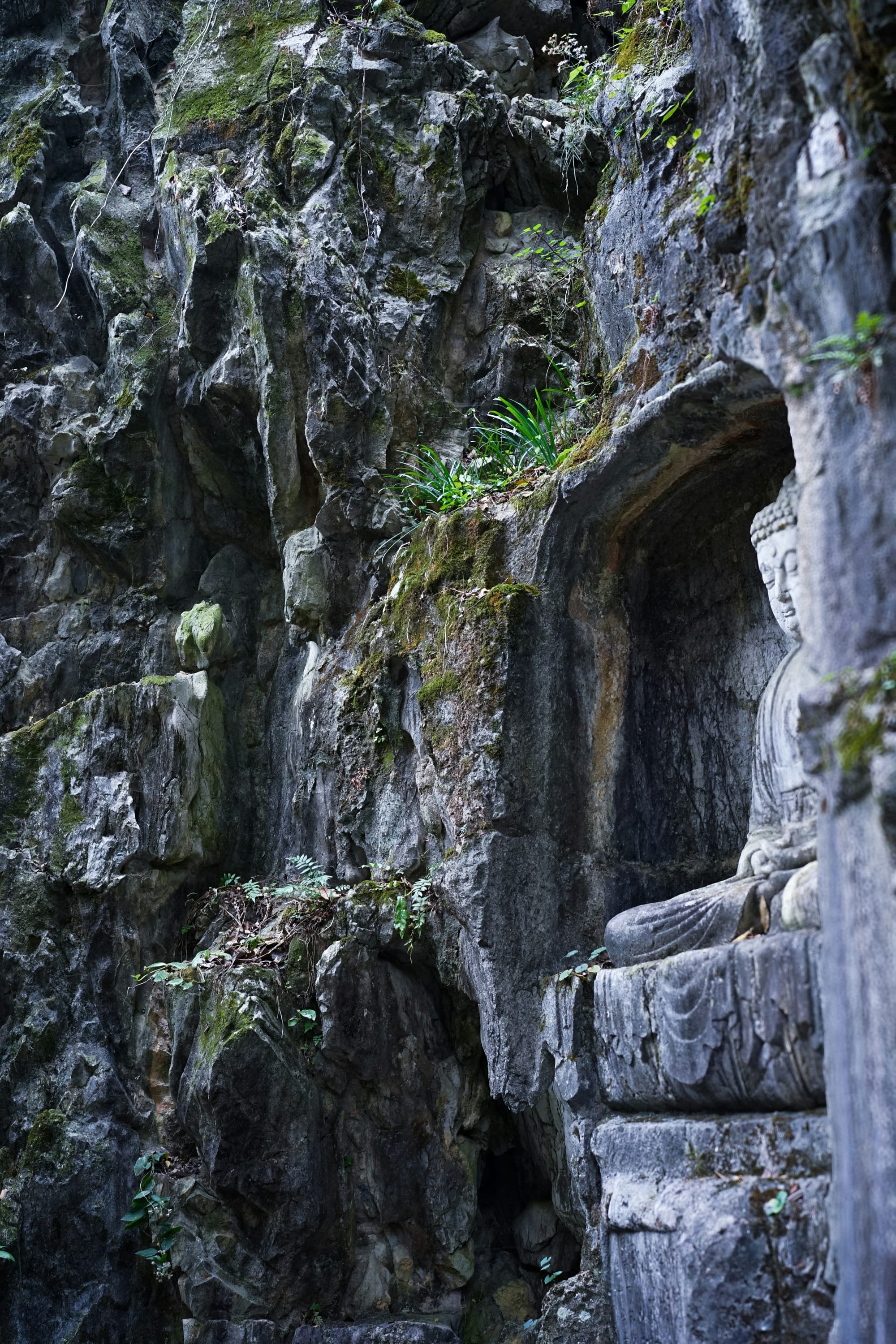
Nestled deep in the forested Wulin Mountains, the massive monastery complex is preceded by Feilai Feng, a sheer limestone crag completely distinct from the surrounding geography.
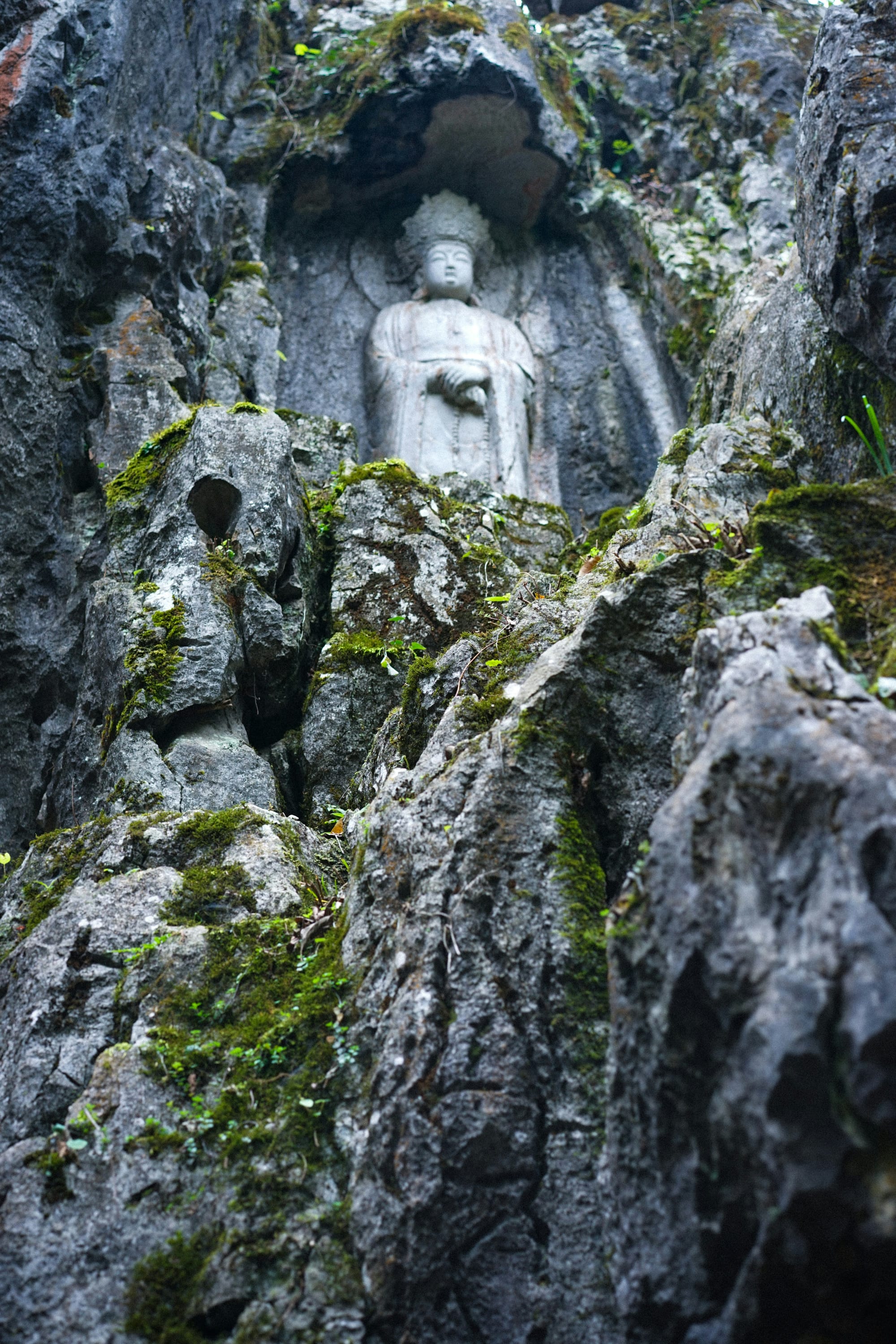
The site functions as a monumental open-air gallery, containing over 380 exceptionally preserved stone Buddhist grotto carvings spanning the Five Dynasties (907–960 CE) to the Yuan dynasty (1271–1368 CE).
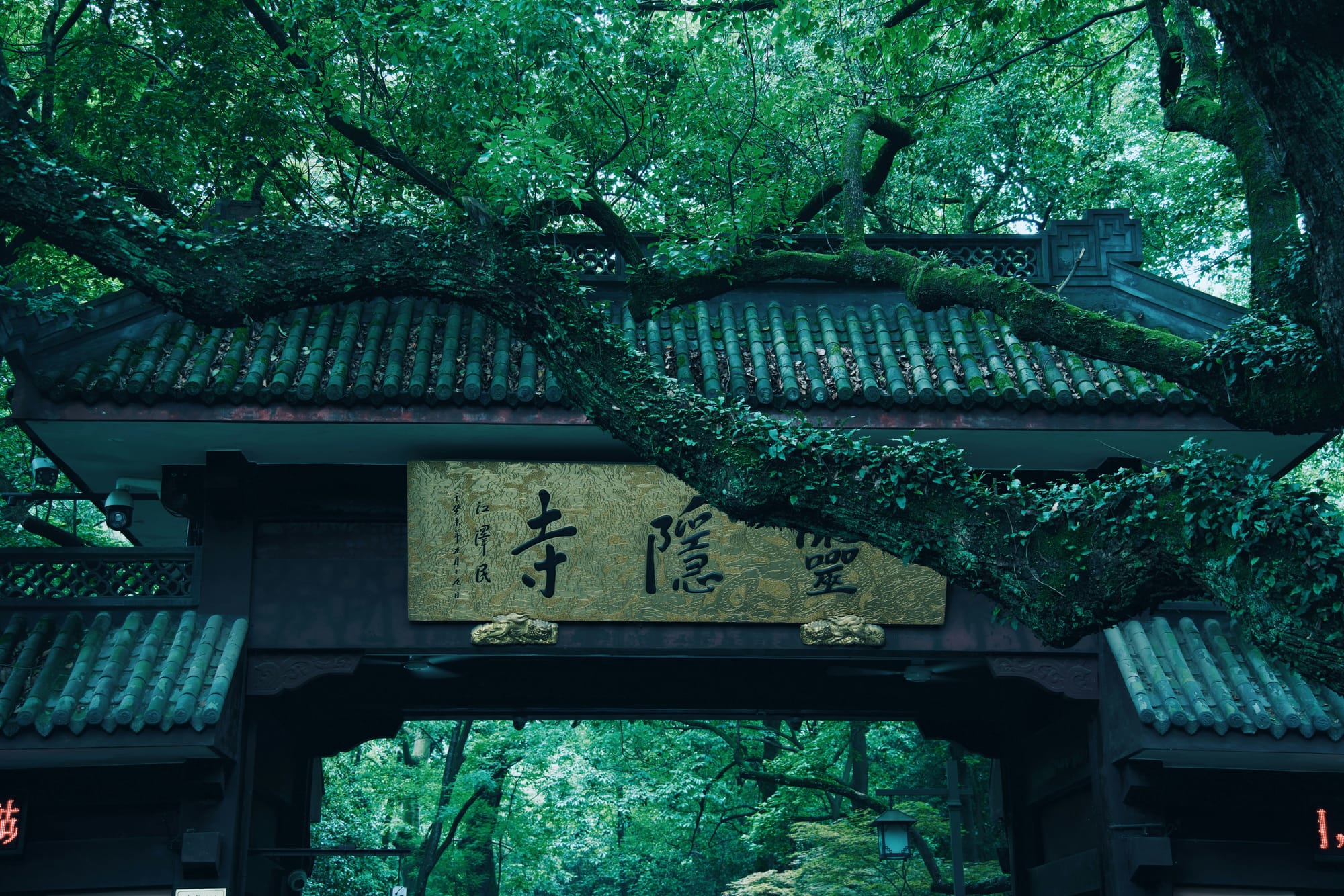
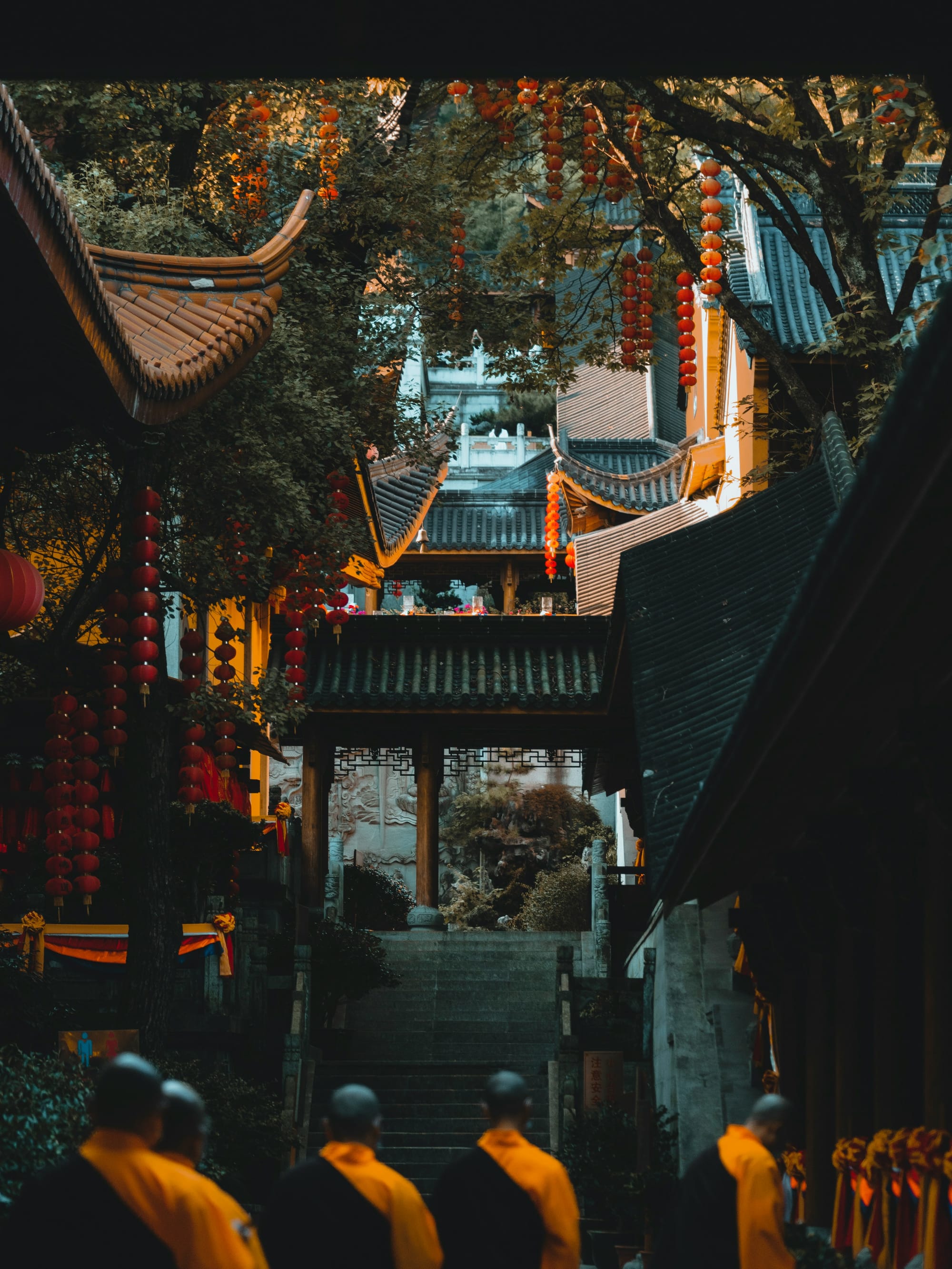
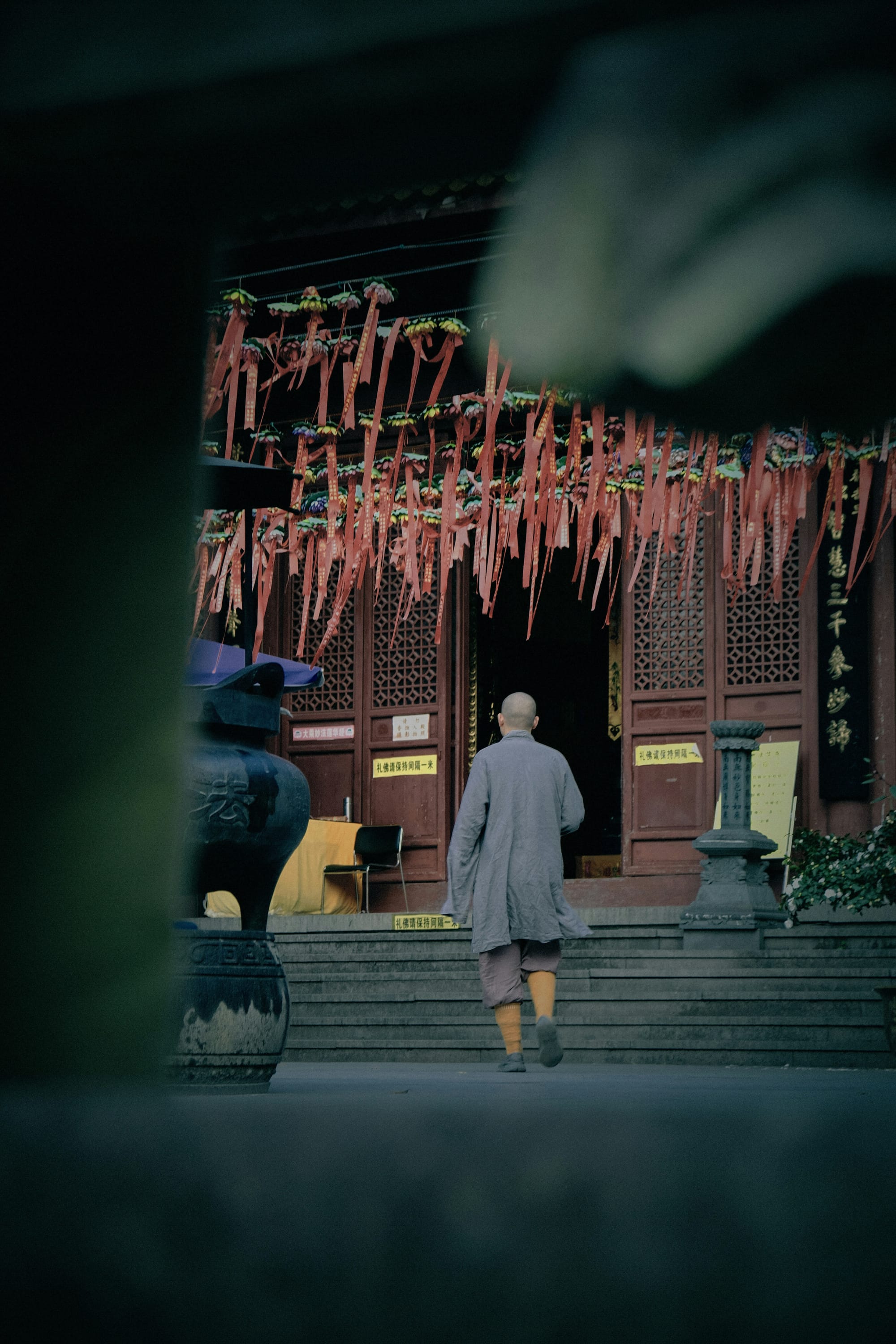
Lingyin Temple remains an active, deeply reverential spiritual powerhouse where the smell of burning incense sticks blends with the sound of chanting monks and mountain springs.
Logistics & Booking Guide
How to Find It
Bus: Take the Lingyin Scenic Area Dedicated Line (灵隐专线) or public routes 7, 278, or 324 directly to the Lingyin (灵隐) bus terminal hub.
Metro: There is no metro station at the temple itself. Take Line 3 or Line 10 to Huanglong Sports Center Station (黄龙体育中心站) and transfer to the dedicated Lingyin shuttle bus. Alternatively, take Line 1 to Longxiangqiao Station (龙翔桥站) and continue by Bus 7 or shuttle service.
Taxi Address: 杭州市西湖区法云弄1号灵隐飞来峰景区 (Lingyin-Feilai Peak Scenic Area, No. 1 Fayun Lane, Xihu District, Hangzhou).
Visual Cue: Follow the pedestrian flow from the bus terminal along the shaded mountain stream. You have arrived when you see the limestone cliffs of Feilai Feng flanking the path, carved with dozens of historic stone Buddhas. The entrance pavilion handles entry for both the peak grounds and the temple path.
Admission and Booking
Accessing Lingyin Temple requires entering the Feilai Peak Scenic Area first. Both the scenic area and the temple are now free of charge but operate on a strict reservation system. You must secure a complimentary entry slot for the scenic area, which grants access to the temple as well.
How to Book: Reservations must be made at least one day in advance via the official "杭州灵隐飞来峰" (Hangzhou Lingyin-Feilai Peak) mini-program on WeChat or Alipay. Same-day or on-site bookings are not accepted. Choose a timed entry window: morning (07:30–12:00, latest entry 13:00) or afternoon (12:00–17:00, earliest entry 11:00). If your preferred time is full, a waitlist function is available in the mini-program.
Entry: International travelers must present their physical passport matching the reservation at the entry gates.
Hours: The scenic area is open daily, 07:30–17:30 (last entry at 17:00).
Cancel If Plans Change: You must cancel your reservation by 5:00 PM one day before your visit. If you don't show up and fail to cancel, it counts as a "no-show." A first no-show suspends your booking privileges for 30 days; further no-shows extend this period.
Audio Guide
Smart electronic audio guides are available for rent at the visitor center near the main entrance.
Insider Tip
Arrive before 08:30 to experience the morning mist and escape the heavy crowds.
Food & Drink Recommendations
The area's culinary identity is built around Buddhist vegetarian cooking — from simple temple noodle counters to some of the country's most talked-about fine-dining vegetarian spots. A few worth planning a day around:
Inside the temple itself:
Shifangyuan Vegetarian (十方苑素斋馆). This is the temple’s official noodle house that serves its famous Longevity Noodles and Vegetarian Roast Goose. It is where visiting pilgrims, locals and monks eat.
Closed for renovation since August 2025. Check for updates before going.
Other outstanding options nearby:
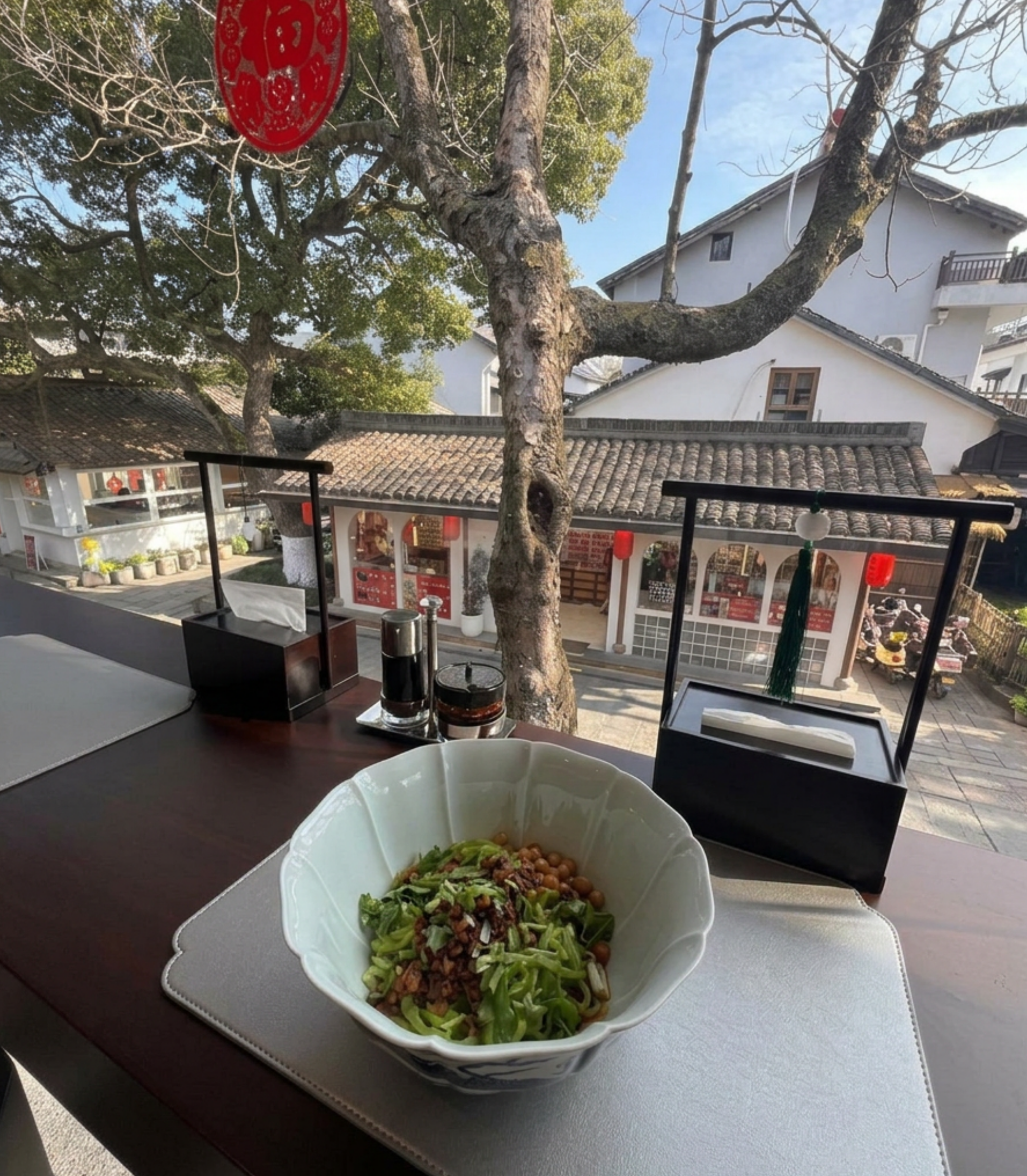
1. 海会阁 (Hǎi Huì Gé)
The Experience: A relaxed, light-filled room with floor-to-ceiling windows framing the Tianzu Road treeline — the kind of place you find yourself staying longer than planned. The kitchen works with mushrooms and hand-rolled noodles as its anchors: the porcini and tofu pot arrives deeply savoury, the broth almost meaty in its richness.
The brown rice milk is thick, faintly sweet, and nothing like what you'd expect. A genuinely lovely stop.
2. 知竹 (Zhī Zhú — Michelin Bib Gourmand)
The Experience: Small, serene, a rustic farmhouse conversion — the menu is handwritten on bamboo slats, the kitchen is open, and almost everything arrives with the quiet confidence of something made carefully by hand. The spinach noodles swim in a clear, daily-brewed wild mushroom broth that is cleaner and more complex than it has any right to be.
The pan-fried dumplings develop a shatteringly crisp lace crust on the base. The peanut-dressed noodles with mushroom sauce are the dish regulars order without looking at the menu.
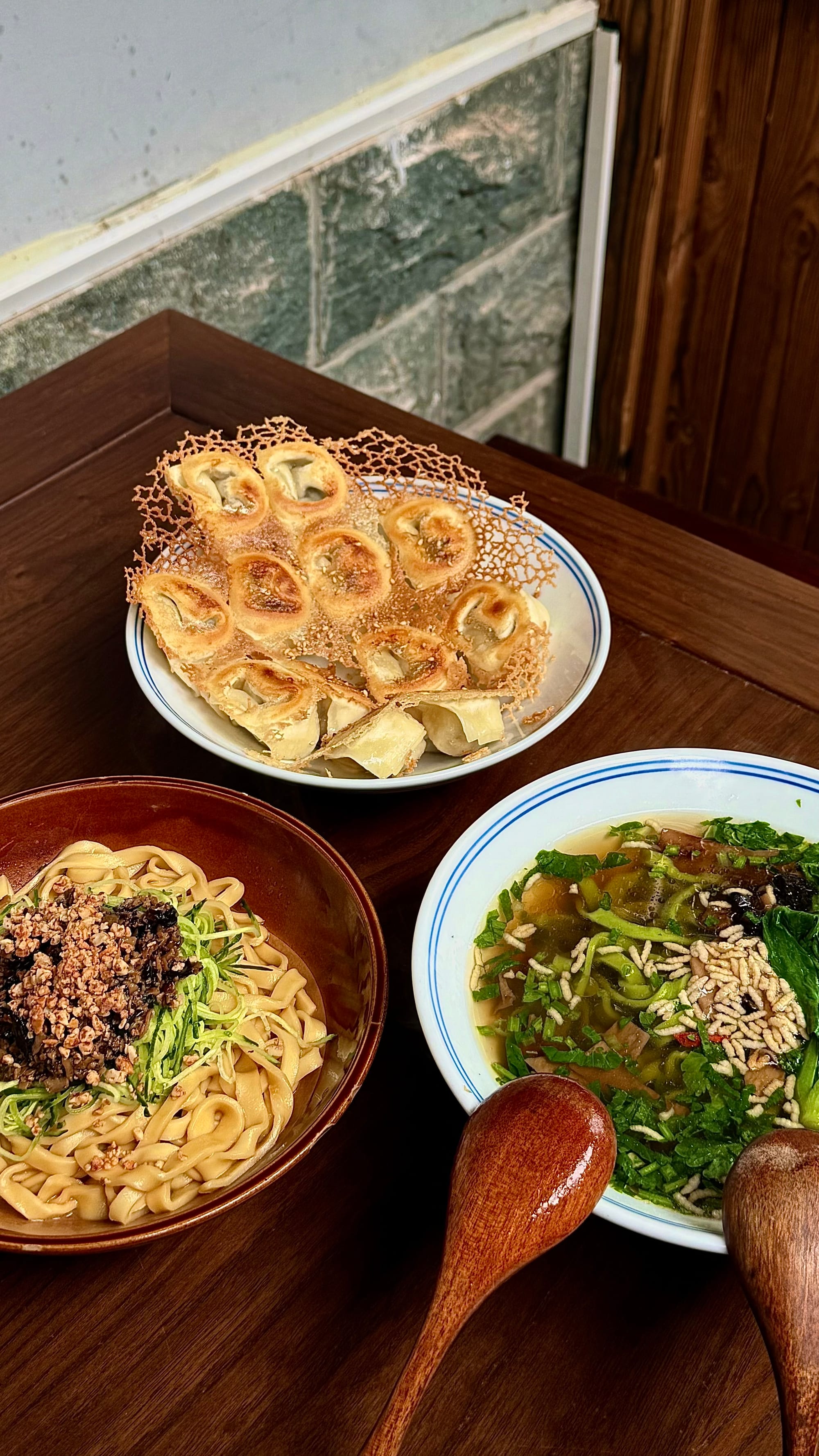
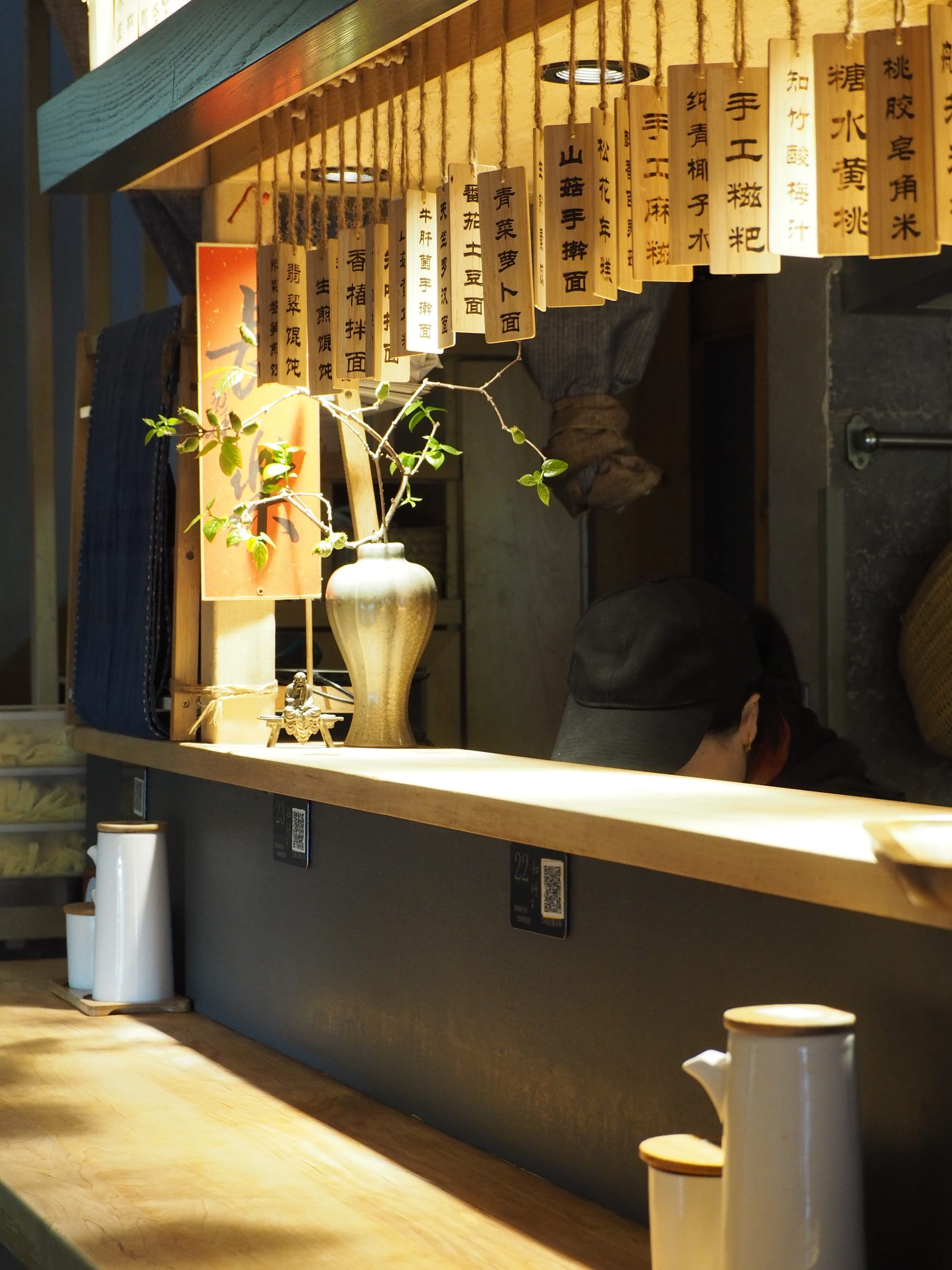
Image: 福儿, vegetarian.myhk
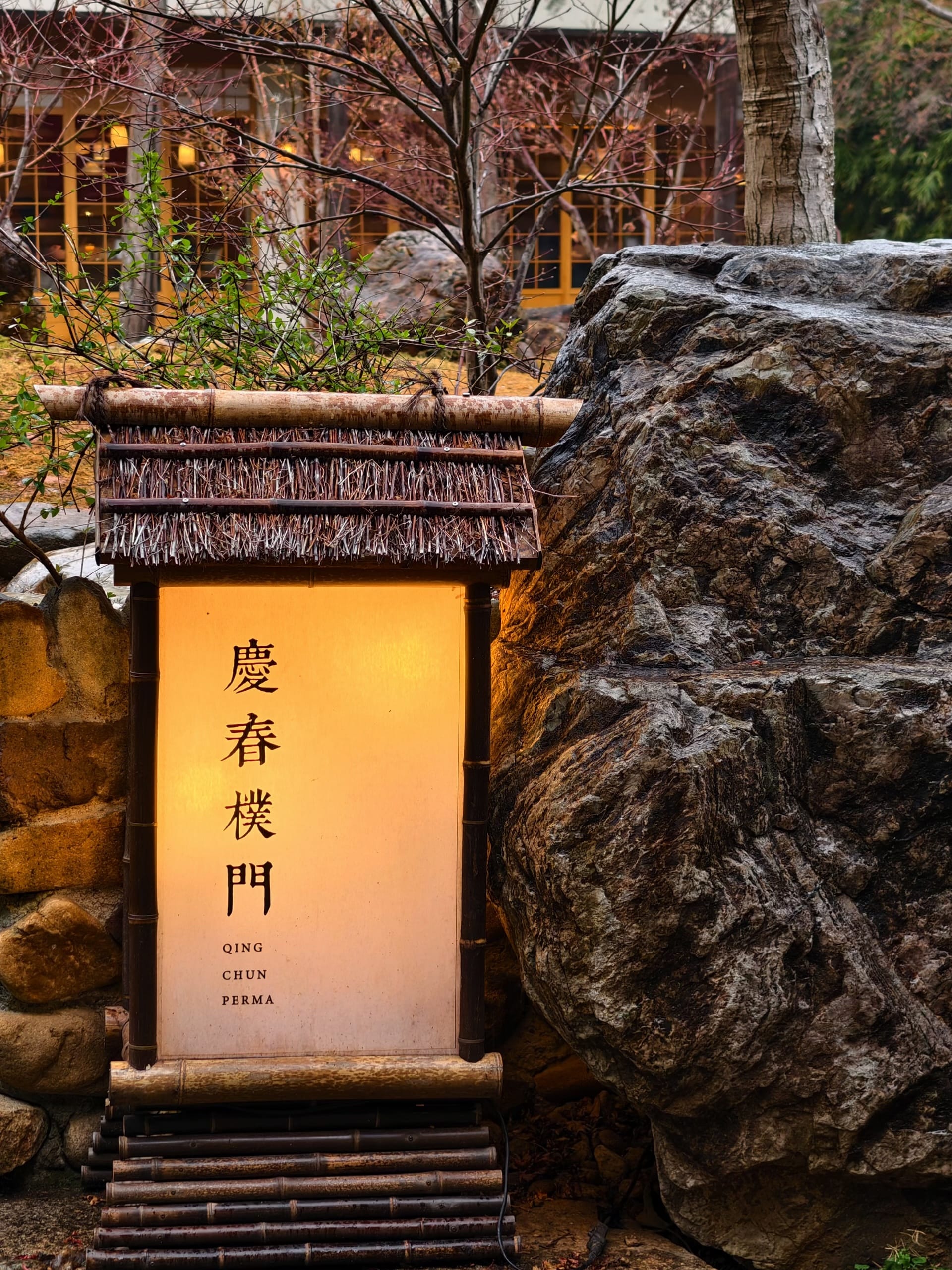
3. 庆春朴门 (Qing Chun Perma — Michelin Bib Gourmand)
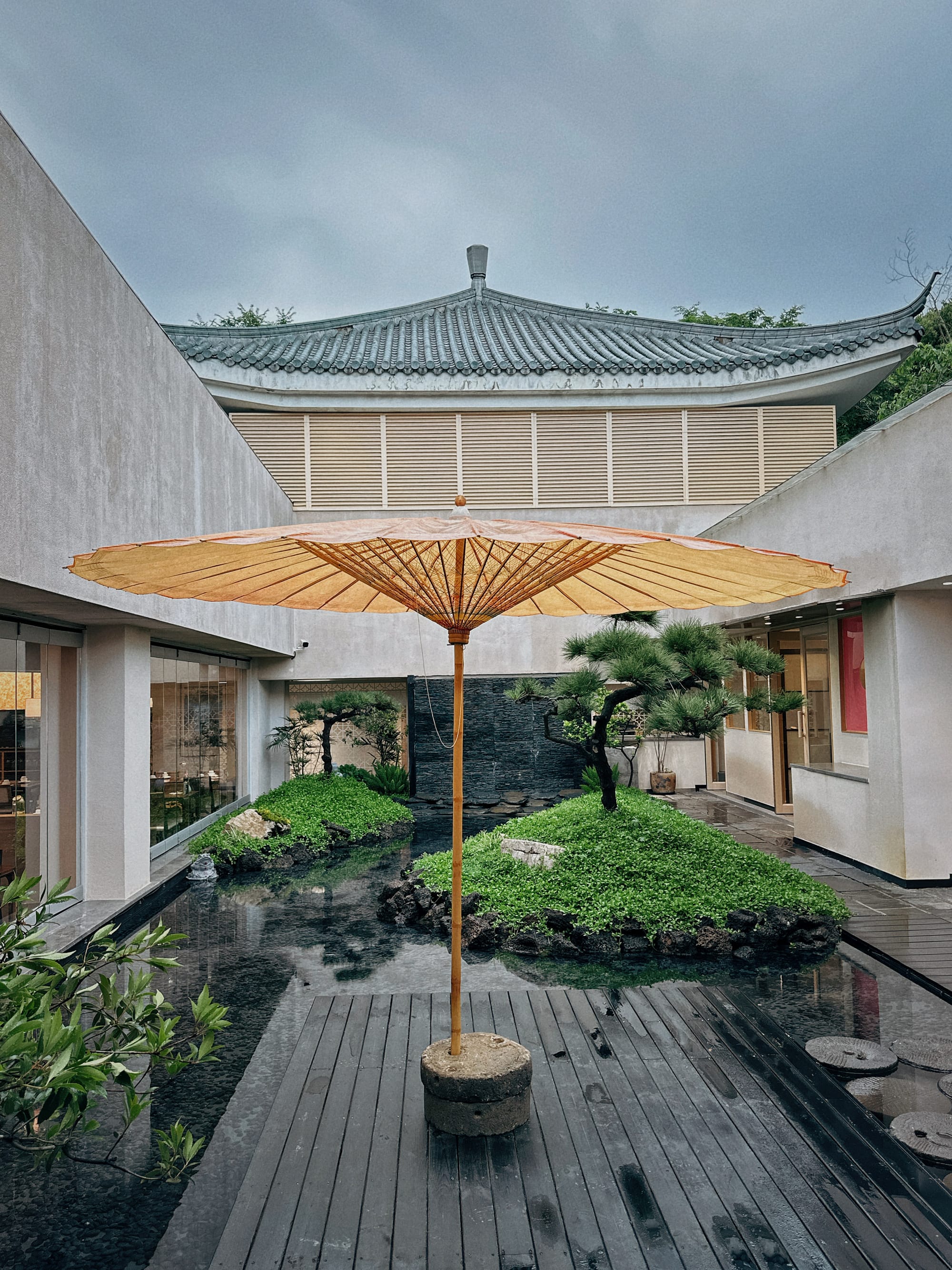
The Experience: Set in a three-storey timber building with a Japanese-style dry garden at the entrance, and produce from partner farms displayed openly in the kitchen — this is vegetarian cooking with nothing to hide. Nothing here pretends to be meat; mushrooms, grains, and seasonal vegetables are treated as the main event and cooked accordingly.
Order from the charcoal broth counter — the morel and maitake version, slow-cooked in a clay pot for hours, arrives clear as consommé and tastes like the forest floor in the best possible way. The black truffle fried rice is fragrant and deeply satisfying; the osmanthus-glazed taro, served cold, is the dessert you'll still be thinking about. Exceptional value at around ¥100 per head.
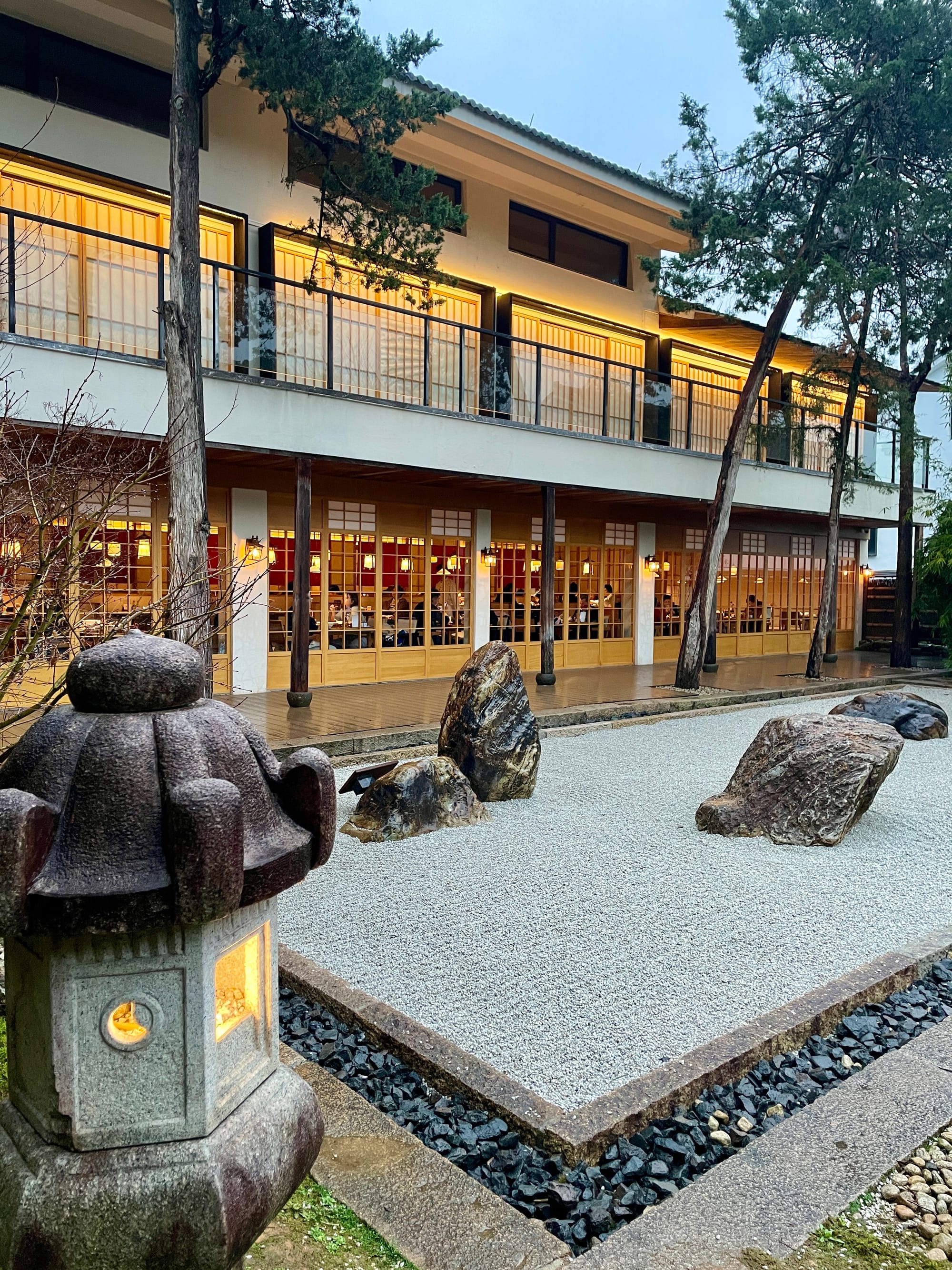
4. 素问 (Sù Wèn)
The Experience: Natural wood, cotton linen, trailing greenery — the room alone is reason enough to visit. The cooking shares Qing Chun Perma's philosophy (no imitation meat, light touch, produce as protagonist) but feels slightly quieter in ambition and all the more restful for it.
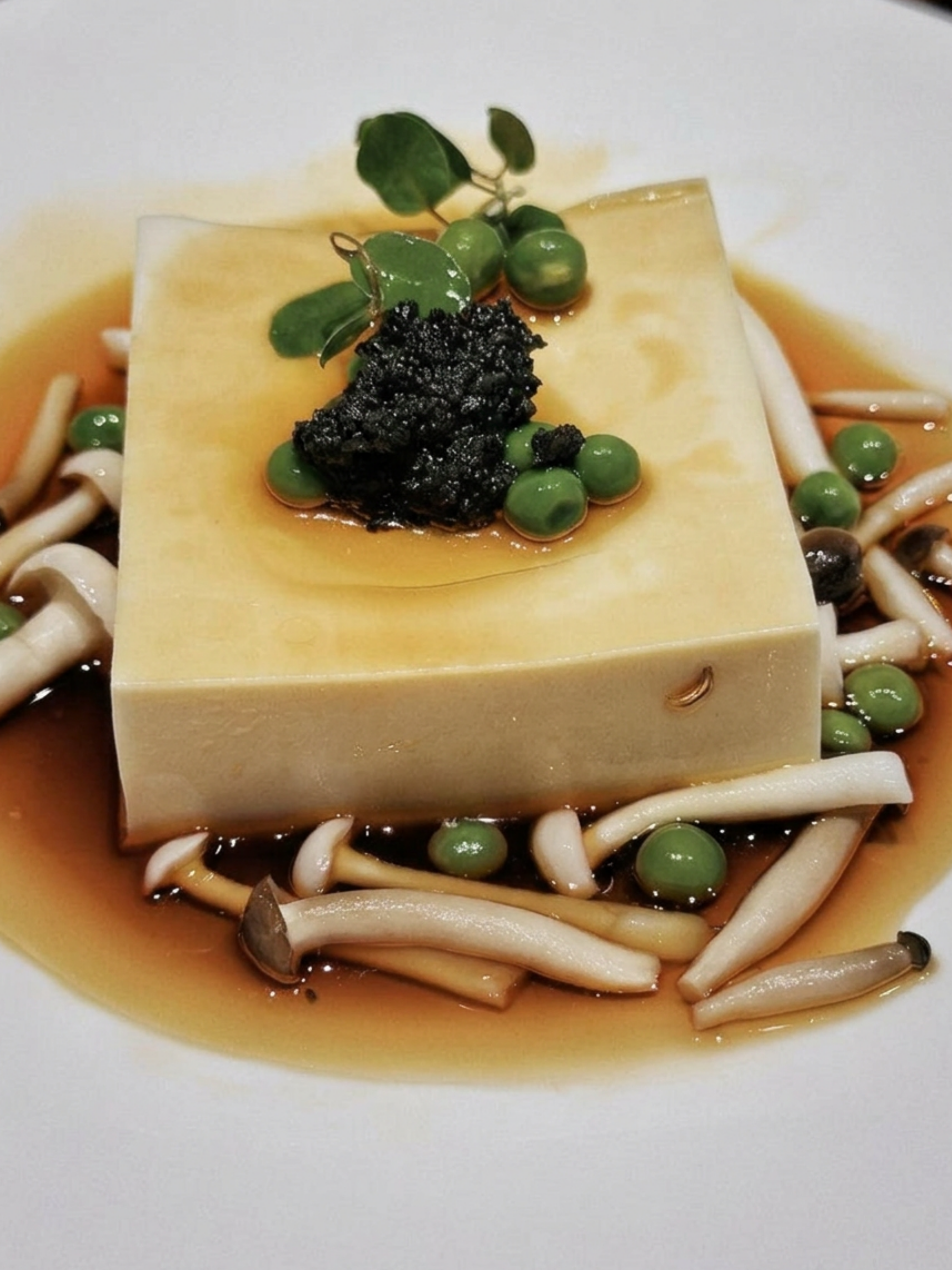
Start with the stone-ground brown rice milk — dense, nutty, warming — then move to the silken tofu with Sichuan pepper sauce, which manages to be both delicate and arresting at once. A very good place to end a long day at Lingyin.