Kashgar
The last Chinese city before Central Asia — where Silk Road commerce is still lived, not just remembered
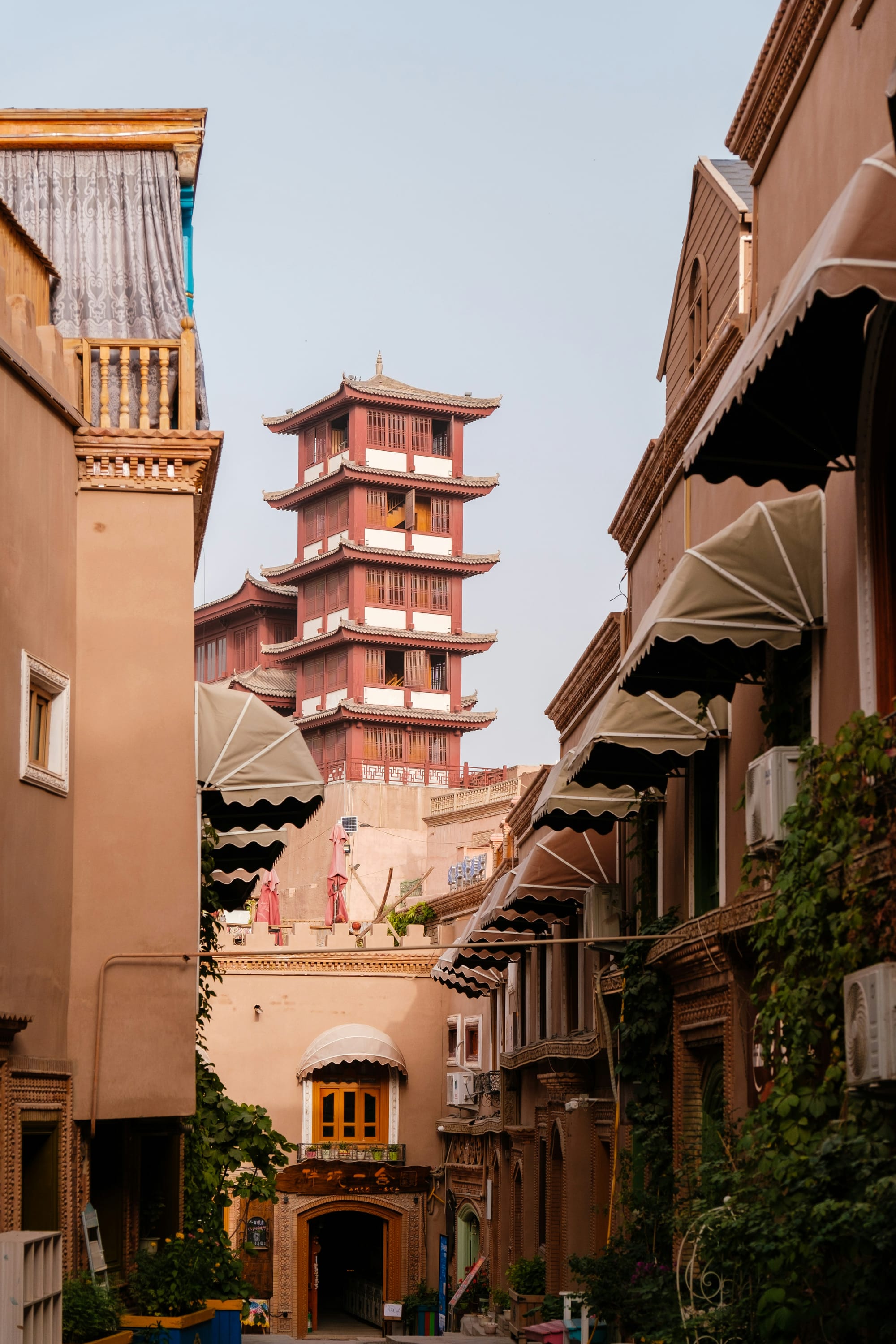
Step into Kashgar, you will find yourself inside a living old city- still inhabited, still working, just like how it's handed down generations ago. Its full name, Kashgar (Kashi), once meant "the place where jade gathers". With a written history running back more than two thousand years, it was the meeting point of the Silk Road's northern and southern routes.
Today, Kashgar is China's Westernmost city — the Pamir Plateau and Central Asia begin just beyond it. But what actually makes Kashgar unforgettable isn't the Silk Road label. It's that so much of what's here is still in daily use.
- THE EXPERIENCE
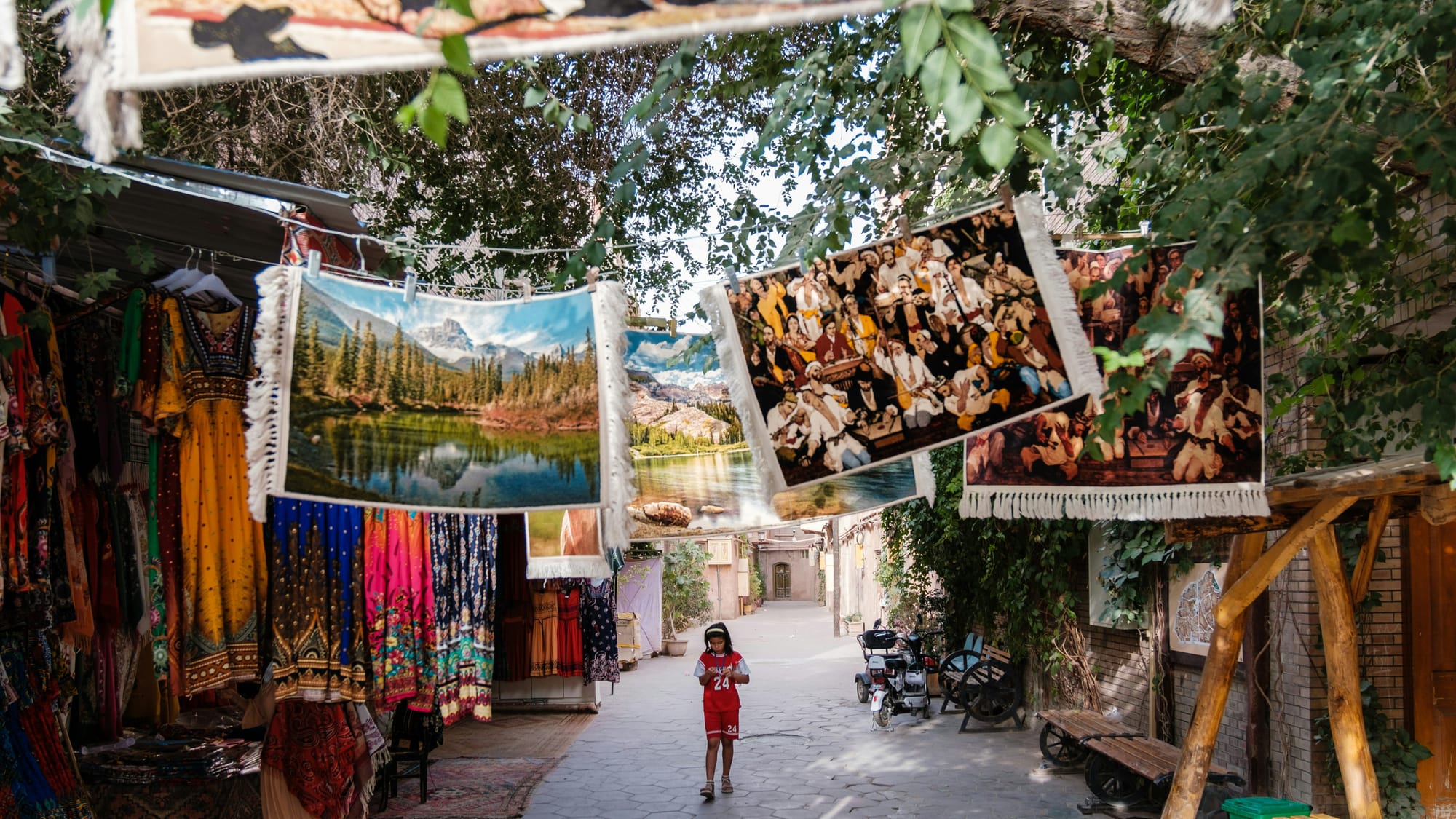
The Old City (喀什古城) is free and open all day, its lanes winding in a maze that looks confusing until a local lets you in on the trick: hexagonal paving stones mark through-routes, rectangular ones mark dead ends. Follow the hexagons and you can't get lost. Every morning at 10:30am except Mondays, the East Gate hosts a free opening ceremony with music and dance — worth timing your arrival around.
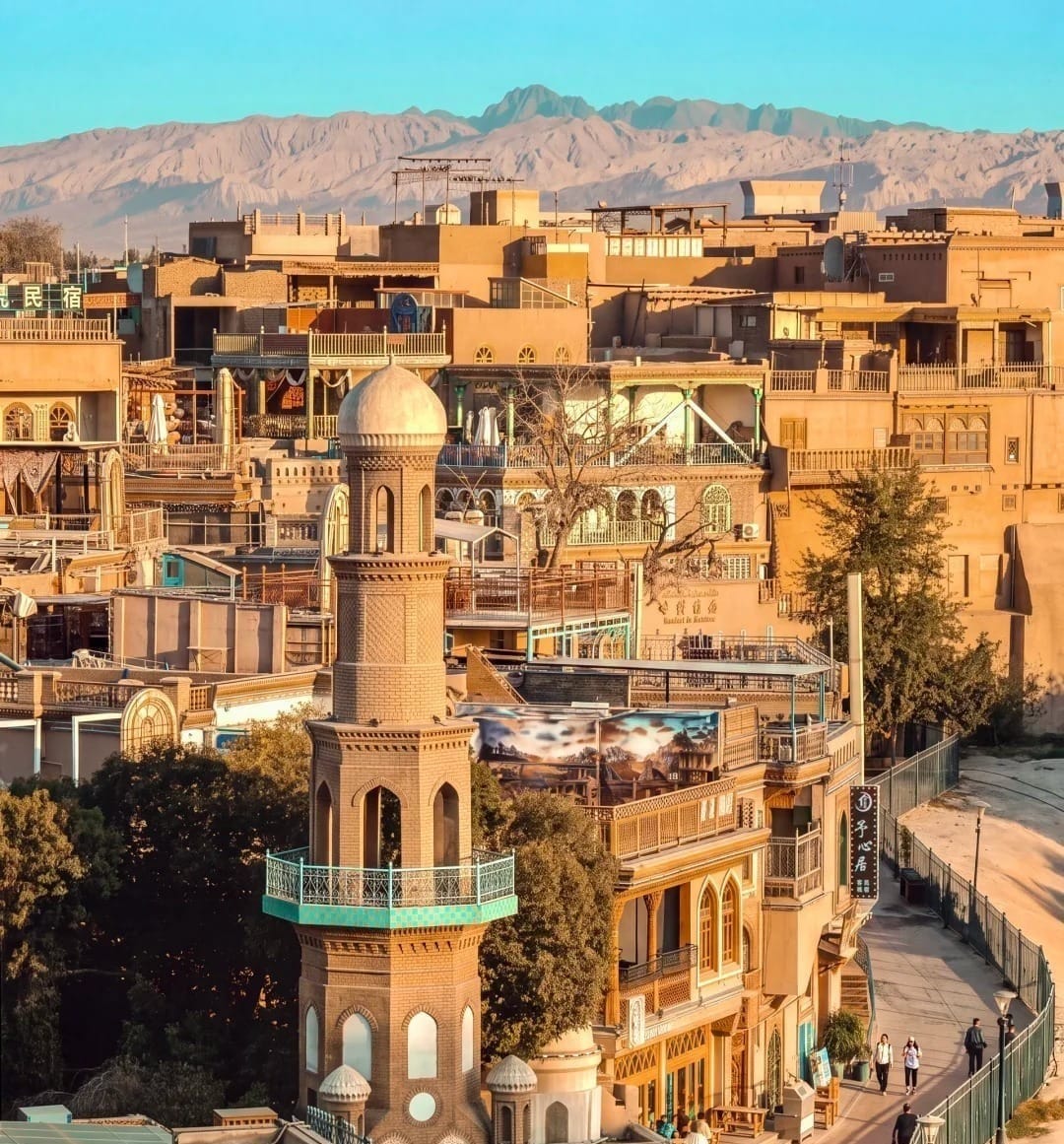
The pottery and metalwork workshops turn heritage craft into something you can watch, touch, and sometimes try yourself. In the Gaotai earthen houses, seventh-generation potter Tursun Rustam has been throwing clay since he was a teenager, over half a century now. His daughter now runs a hands-on workshop where visitors can sit at the wheel themselves. Kashgar’s coppersmiths work the same way — sixth-generation brothers who need no blueprint, just a photo a customer sends them, to hammer out an exact match.
Local delicacies include Guanzi Rou (缸子肉), clear-stewed lamb and carrot served in an enamel mug with flatbread for dipping, samsa (烤包子, Uyghur-style baked lamb and onion pastries, pulled straight from a tandoor-style oven) and hand-pulled pilaf (手抓饭). At night, the Hanbazha Night Market overflows with yogurt-filled rice dumplings, red-willow-skewered lamb kebabs, and fresh-pressed pomegranate juice.
The Sunday Livestock Market, in Hantland Township on the city's northwest edge, is Xinjiang's — arguably all of Asia's — largest live-animal trading market, running every Sunday.
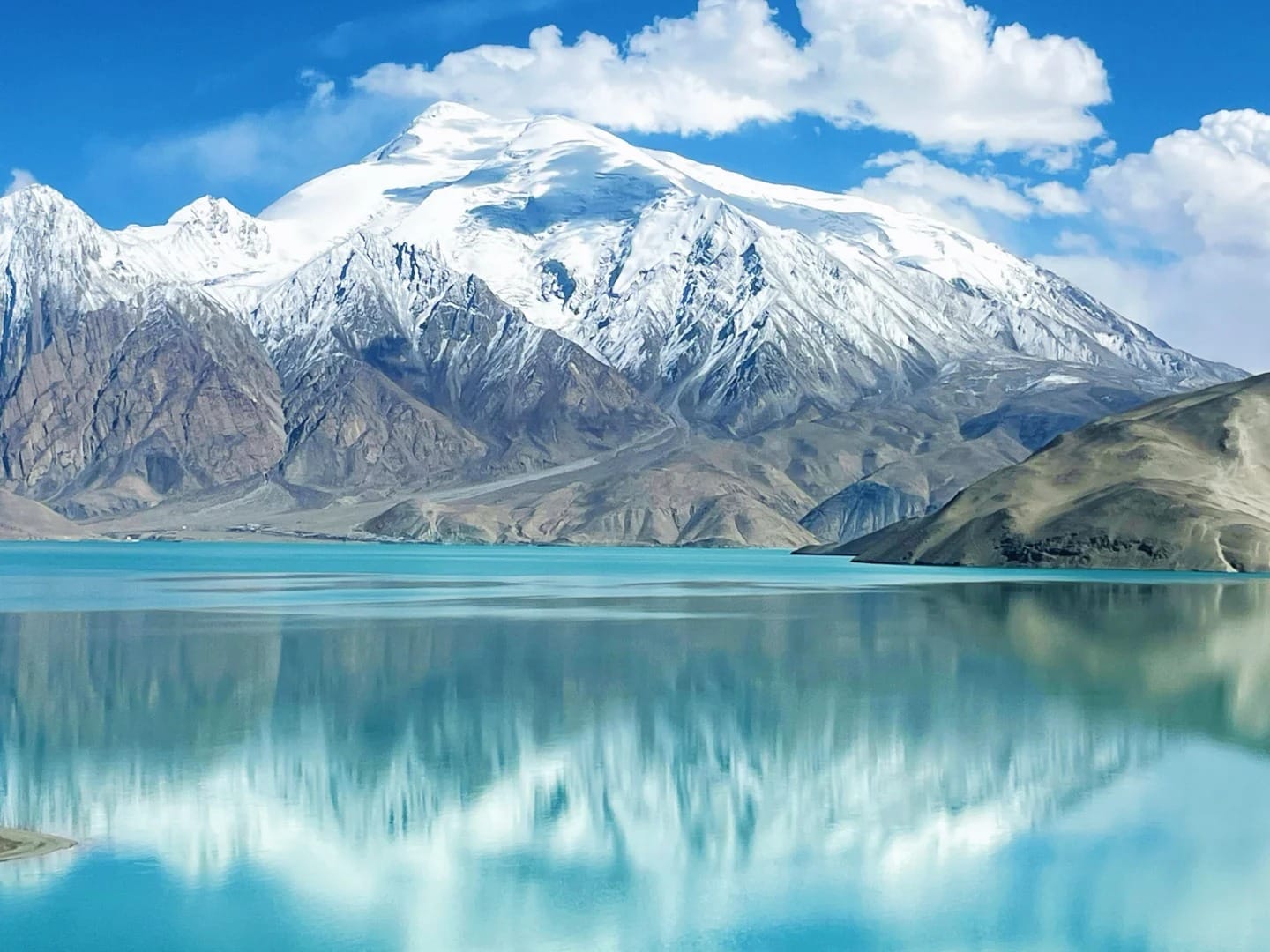
The Pamir Plateau About three and a half hours by car from Kashgar along the China-Pakistan Friendship Highway (G314) is Karakul Lake, sitting at roughly 3,600m and ringed by three 7,000m-plus peaks. The lake changes color with the weather. The drive itself passes White Sand Lake and the Muztagata glacier, making the road one of southern Xinjiang's most spectacular in its own right. Foreign travelers must apply for a border permit before heading out — this is the single most important logistics step for the Pamir.
- BEST FOR
Anyone drawn to history you can hear and touch — an old city that still hums with daily life, not just souvenir stalls.
If you want the Silk Road to feel real, raw, and ongoing, this is where China gently yields to Central Asia.
Perfect if you crave grand, high-alpine open space and don't mind navigating a few checkpoint forms to get to those legendary Pamir views.
- MAY NOT BE FOR YOU IF
You want to stay constantly connected — local internet infrastructure here is heavily throttled, therefore connection speeds here can drop significantly or stall, and downloading apps on the ground is nearly impossible—making pre-downloaded offline maps essential.
Additionally, Kashgar maintains a far higher security presence, with regular passport scans and occasional device checks at road checkpoints.
- HOW LONG?
3–4 days: 1–2 for the old city, workshops and markets, a full day for Karakul Lake and the Pamir highway, and, if your trip lands on a Sunday, build the livestock market in as its own morning.
- GETTING THERE
Kashgar Laining International Airport has a direct weekly flight to Osh, Kyrgyzstan (about 1 hour), plus connections to Islamabad and Tashkent — making Kashgar a genuinely convenient gateway from China straight into Central Asia. Direct flights to Beijing, Shanghai, Guangzhou, Shenzhen, Chengdu, Hangzhou, Qingdao, and more, with the Kashgar–Urumqi route running up to 17 flights a day.
- PAIRS WELL WITH
Tashkurgan, further along the Pamir highway, for the only ethnically Tajik county in China · Osh, Kyrgyzstan, a short flight away, for continuing overland into Central Asia · Urumqi, for the rest of Xinjiang's Silk Road cities
Kashgar runs on unofficial "Xinjiang time," two hours behind Beijing time in practice — shops open around 10am, the night market peaks near 10pm, and sunset lands around 10pm too. Don't schedule your day by a Beijing-time clock.
September and October are the best months to visit: fruit harvest, clear skies, and the poplar trees turning gold.