Foshan
Where Martial Power Meets Southern Grace, and Ancient Kilns Fire a Modern Empire
Foshan is a city where iron-hard martial discipline and delicate Cantonese lyricism grew from the very same soil.
As you step into its historic quarters, your senses take in a place that lives its culture out loud: the sharp crack of a brass gong and the thunderous beat of lion-dance drums reverberating off Wanfu Theater’s gilt-carved beams; the soothing, velvety warmth of fresh buffalo milk twice-steamed into double-skin pudding; the heat of 500-year-old Dragon Kiln embers radiating against your skin; and the pungent, fresh aroma of lemon leaf and roasted peanuts tossed over paper-thin river fish.
It is an ancient trade hub where Cantonese heritage is practiced on martial arts mats, sculpted in clay, simmered in clay pots, and forged in multi-trillion-yuan automated factories every single day.
- THE EXPERIENCE
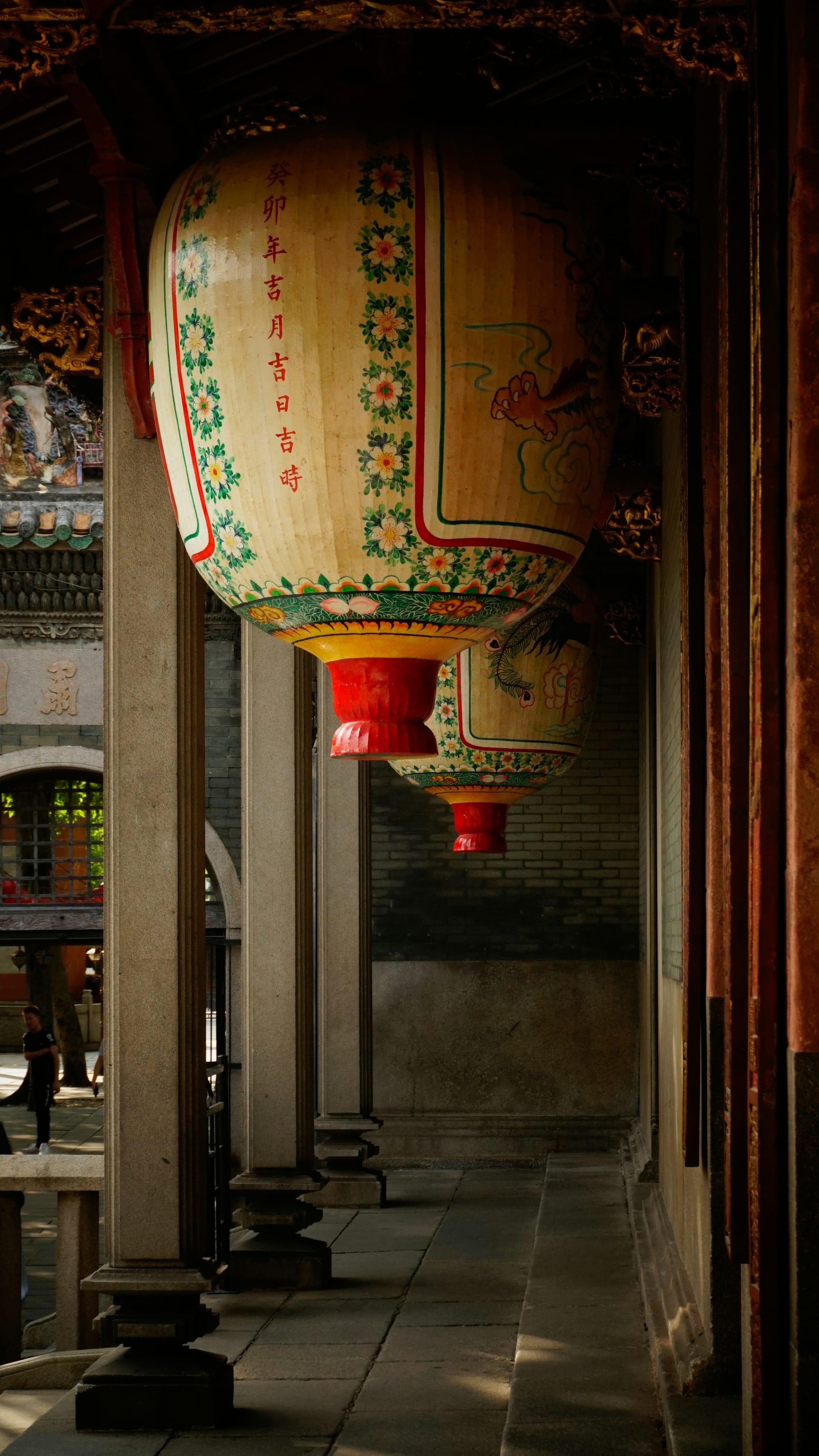
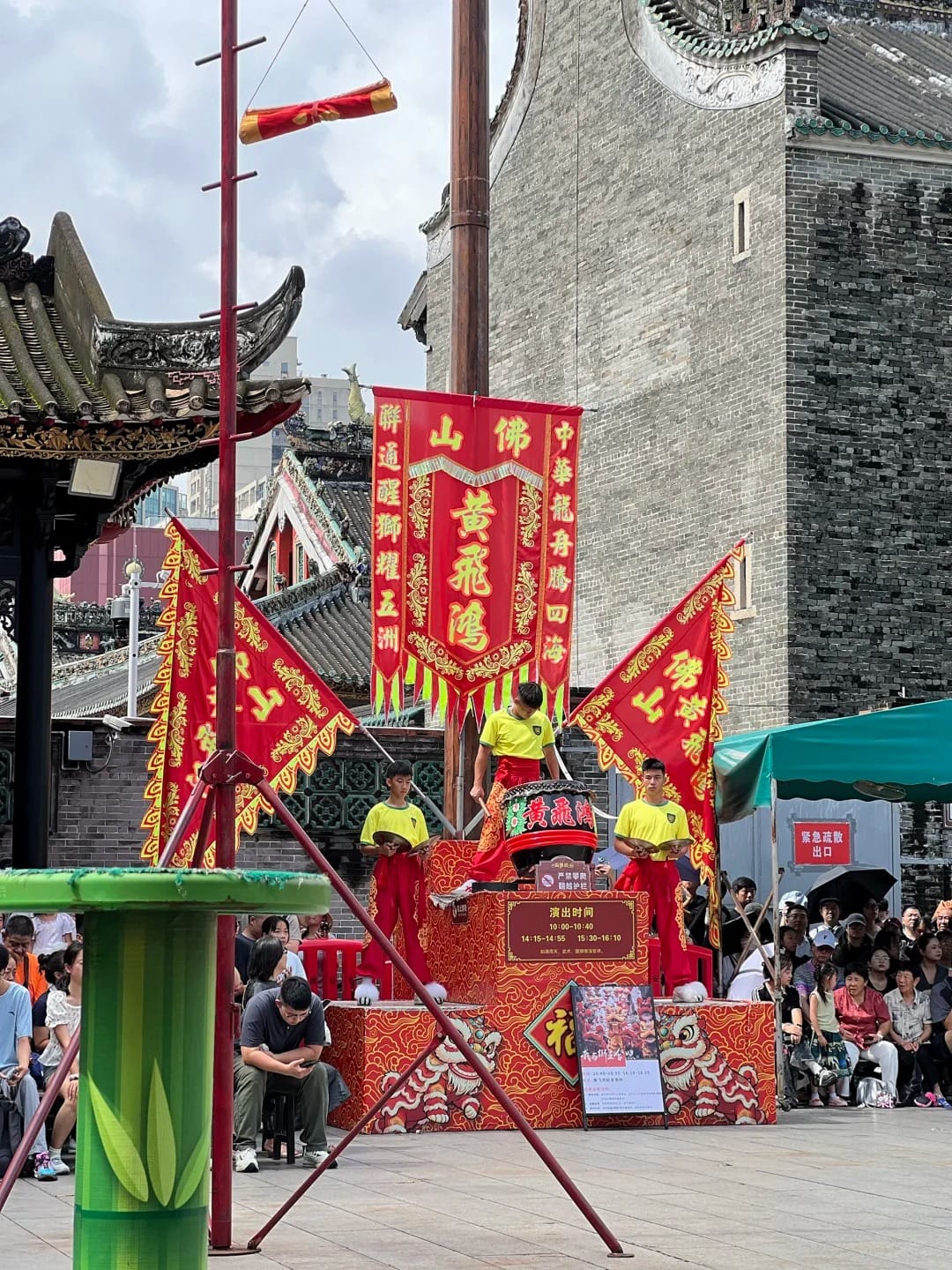
Ancestral Temple & Wong Fei-hung Memorial Hall (祖庙与黄飞鸿纪念馆) stands as the spiritual heart of Foshan—an "oriental palace of folk art" housing ornate brick carvings, wood sculptures, and the historic Wanfu Theater (万福台), the oldest surviving Cantonese opera stage in Guangdong. Catch the raw energy of live southern martial arts demonstrations and high-pole Southern Lion Dances (醒狮) performed to roaring drums in the central courtyard.
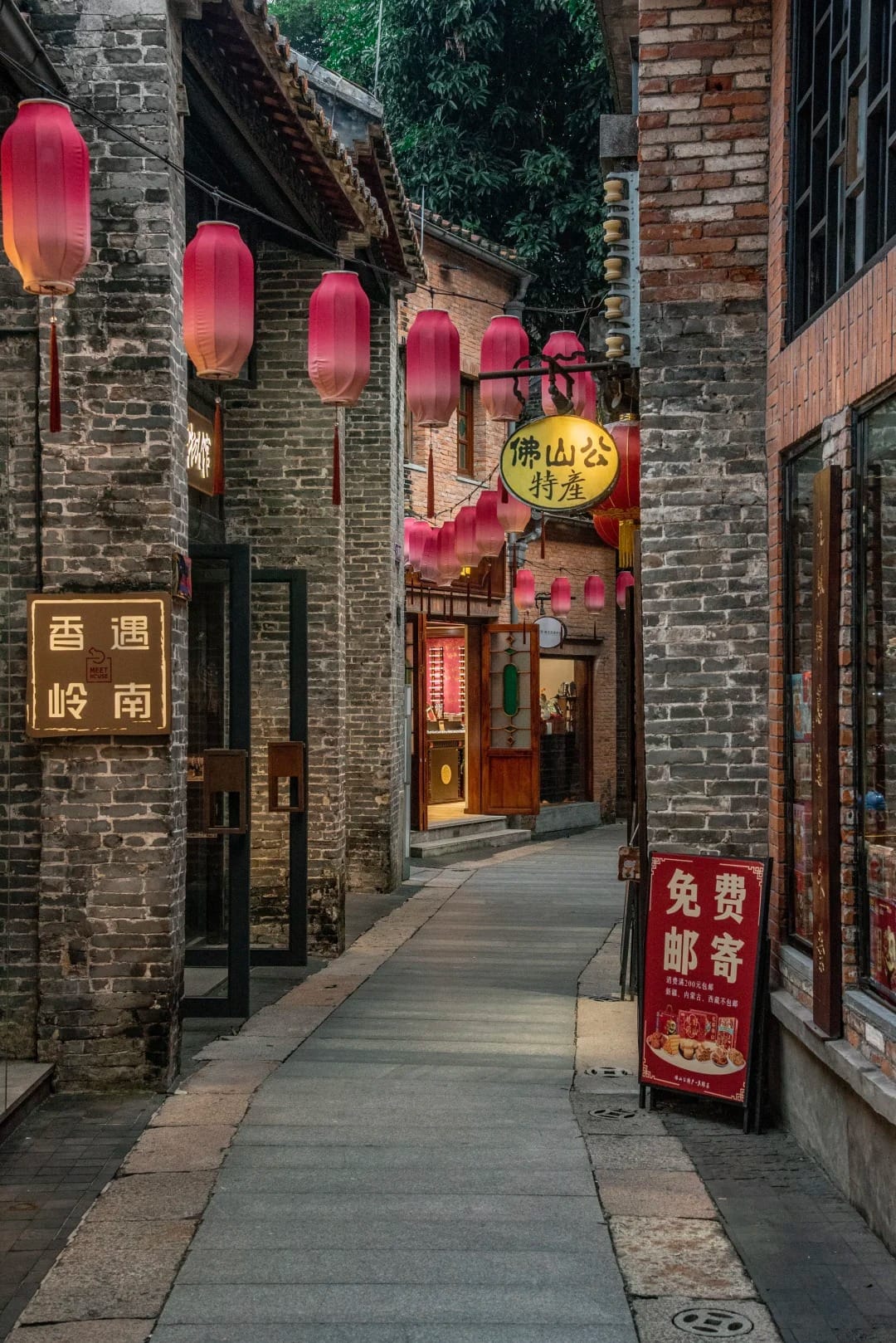
Lingnan Tiandi (岭南天地) seamlessly repurposes the 900-year-old Donghuali historic district into a vibrant, pedestrian-friendly quarter where third-wave espresso bars and craft shops sit framed by sweeping wok-ear walls (curved gable end that rises above the roofline on traditional Lingnan houses), shaded arcade lanes, and historic Qing-dynasty courtyards.
Nanfeng Ancient Kiln (南风古灶) offers a living look at Southern China's ceramic heritage. Built during the Ming Dynasty (1506–1521), this continuous "Dragon Kiln" built along a hillside has kept its fires burning for over 500 years—allowing visitors to watch master potters shape Shiwan (rustic, expressive ceramic figures from Foshan) figurines and throw clay on traditional wheels.
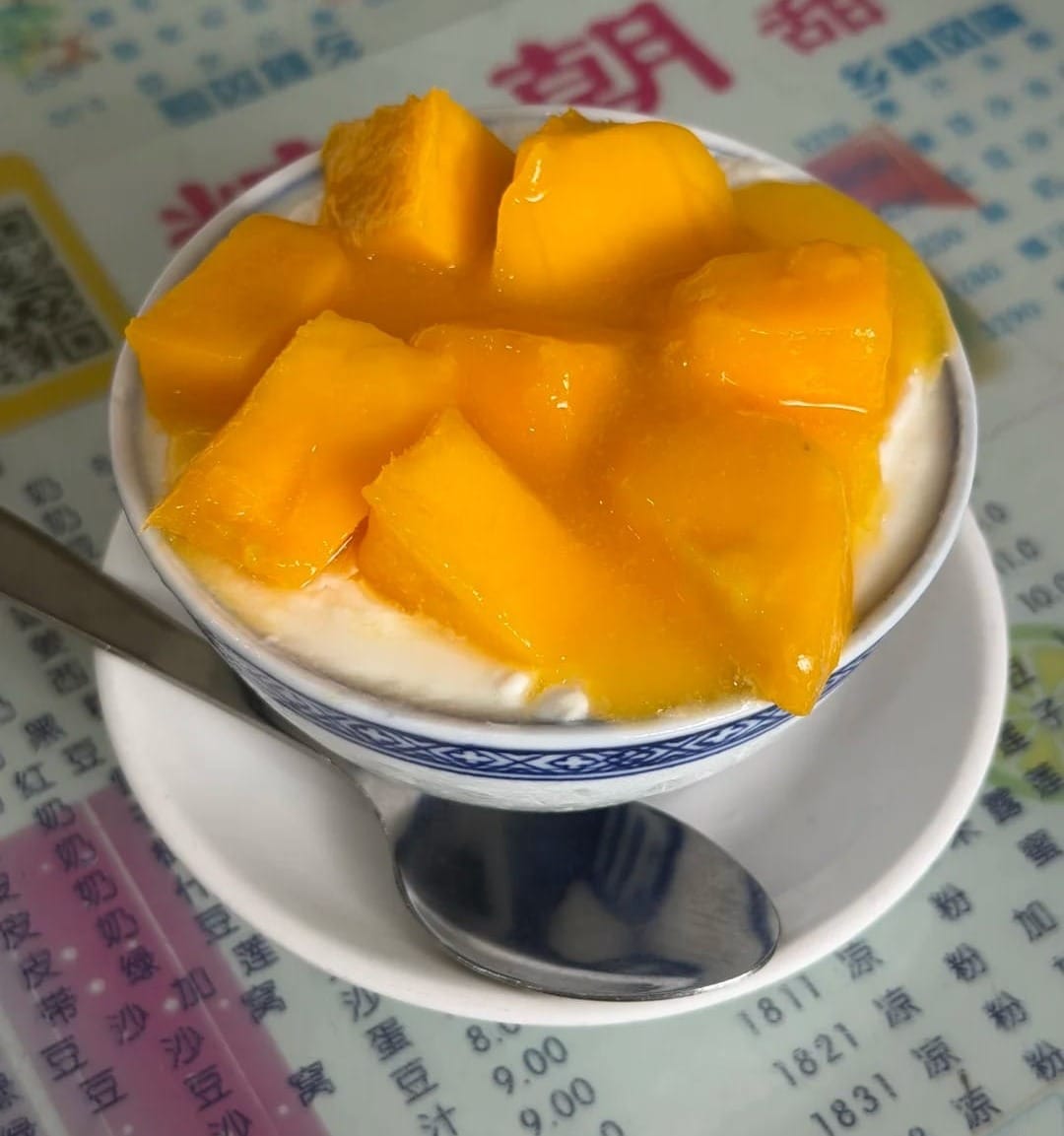
Double-Skin Milk & Shunde Raw Fish (双皮奶与顺德鱼生) represent Foshan's culinary duality. Taste authentic Double-Skin Milk at historic spots like Minxin (民信), where rich buffalo milk is twice-steamed to create a velvety dessert, or experience Shunde Sashimi (顺德鱼生)—paper-thin river fish tossed table-side with a dozen aromatic garnishes, from lemon leaves to toasted peanuts.
- BEST FOR
Travelers exploring Guangdong who want an authentic Cantonese cultural and culinary immersion beyond Guangzhou's megacity hustle. I
It is tailor-made for martial arts enthusiasts, foodies seeking legendary regional street eats, craft lovers, and curious travelers looking to see how deep tradition and cutting-edge industrial modernity live side by side.
- MAY NOT BE FOR YOU IF
You want a quiet, sleepy heritage town — Foshan is a bustling manufacturing giant of nearly 10 million people, so historic neighborhoods sit right alongside modern, high-density urban development.
You require an English-centric environment — while transit and major attractions have clear English signage, English is far less widely spoken here than in neighboring Guangzhou or Hong Kong, making translation apps essential for local dining and taxis.
You are averse to sub-tropical heat and humidity — summers (June through August) are intensely hot, humid, and prone to heavy downpours, making air-conditioned indoor stops a necessity during peak afternoon hours.
- HOW LONG?
2–3 days: Spend 1 full day absorbing central Foshan—watching lion dances at the Ancestral Temple, sipping coffee among Lingnan Tiandi’s historic wok-ear walls, and touching 500-year-old bricks at Nanfeng Ancient Kiln.
Dedicate a second full day to Shunde’s culinary trail, wandering Qinghui Garden and tasting double-skin milk, rice-water hotpot, and raw fish. Add an optional third day to explore martial arts roots.
- GETTING THERE
By Air: Foshan Shadi Airport (FUO) handles limited domestic routes. Most travelers fly into Guangzhou Baiyun International Airport (CAN) and take a 1-hour taxi or subway ride into central Foshan.
By Metro & Train: The Guangzhou-Foshan (Guangfo) Metro line connects central Foshan directly to Guangzhou’s subway network. High-speed trains from Hong Kong West Kowloon reach Foshan West Station in approximately 80 to 90 minutes.
- PAIRS WELL WITH
Guangzhou, 30–45 minutes away by metro, for Shamian Island’s concession architecture, classic Cantonese dim sum, and modern urban skylines · Kaiping (开平), about 1.5 hours southwest by road, for UNESCO-listed Dialou watchtowers set among lush rice fields.
If visiting around the Lantern Festival (15th day of the 1st lunar month), join the massive Xingtongji (行通济) bridge-crossing ritual where hundreds of thousands walk holding wind spinners and lettuce for good fortune.
Autumn travelers shouldn't miss the 600-year-old Foshan Autumn Colors Parade (佛山秋色) in November.