Dehong
China’s Exotic Tropical Frontier: Vibrant Ethnic Culture, Southeast Asian Flavors, Golden Stupas, and a Thriving Specialty Coffee Scene
Dehong is a tropical borderland where Southeast Asian rhythms meet Southwest China—a hybrid cultural landscape where Dai golden pagodas, Burmese night markets, and Yunnan’s specialty coffee scene exist in a space that is distinctly, fascinatingly its own.
Bordering Myanmar on three sides along a 503-kilometer boundary, this lush tropical enclave has served as a critical hub on the Ancient Southern Silk Road for over two millennia.
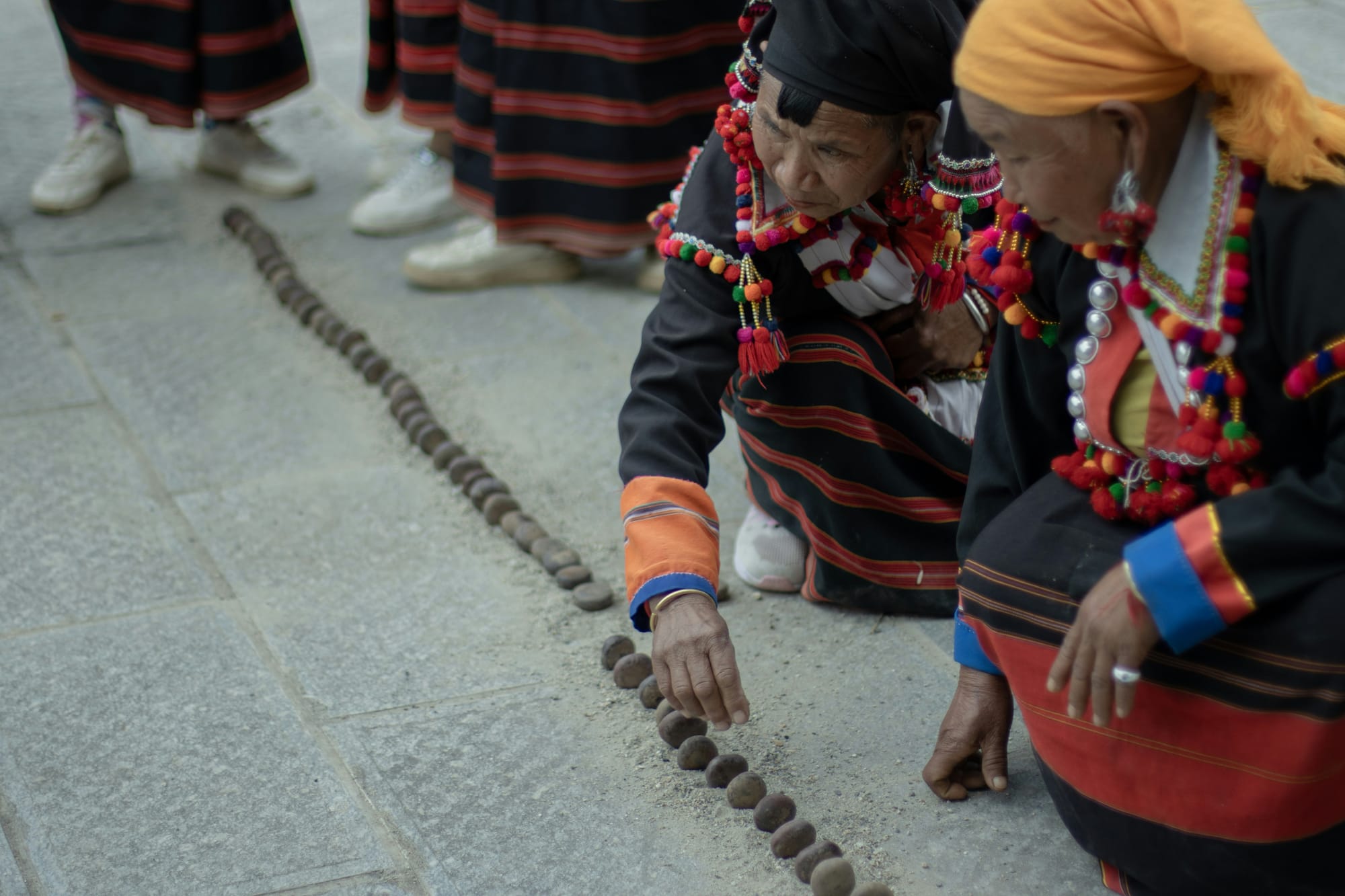
Five indigenous ethnic groups—including the Dai, Jingpo, Achang, De'ang, and Lisu—coexist here, interweaving the soft, water-centric culture of the Dai with the rhythmic, spirited traditions of the Jingpo.
Dehong’s magic lies in its effortless synthesis: you can explore golden stupas, wander tropical rainforests, savor vibrant borderland cuisine, and browse bustling international markets, all within a welcoming and easily accessible corner of Yunnan.
- THE EXPERIENCE
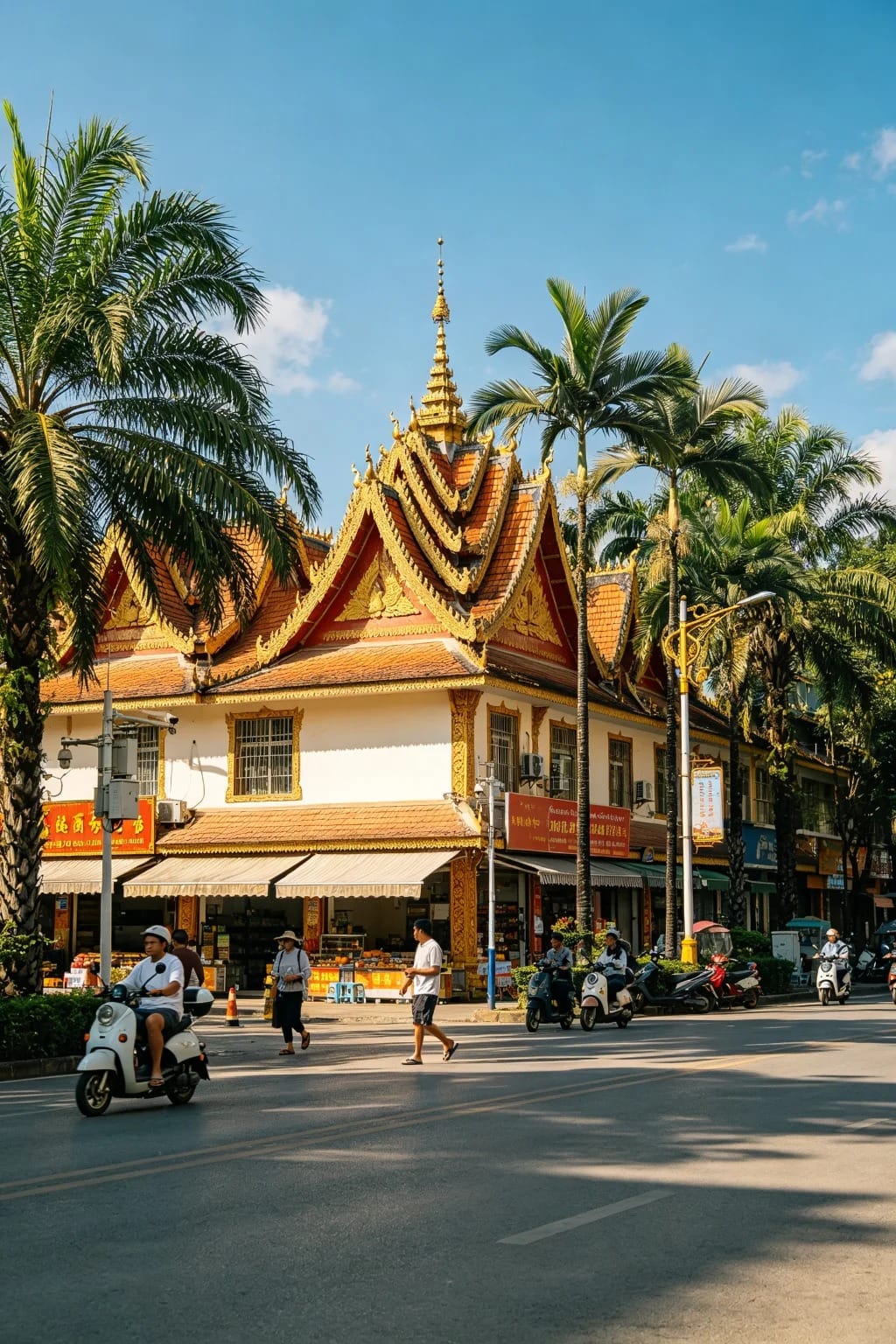
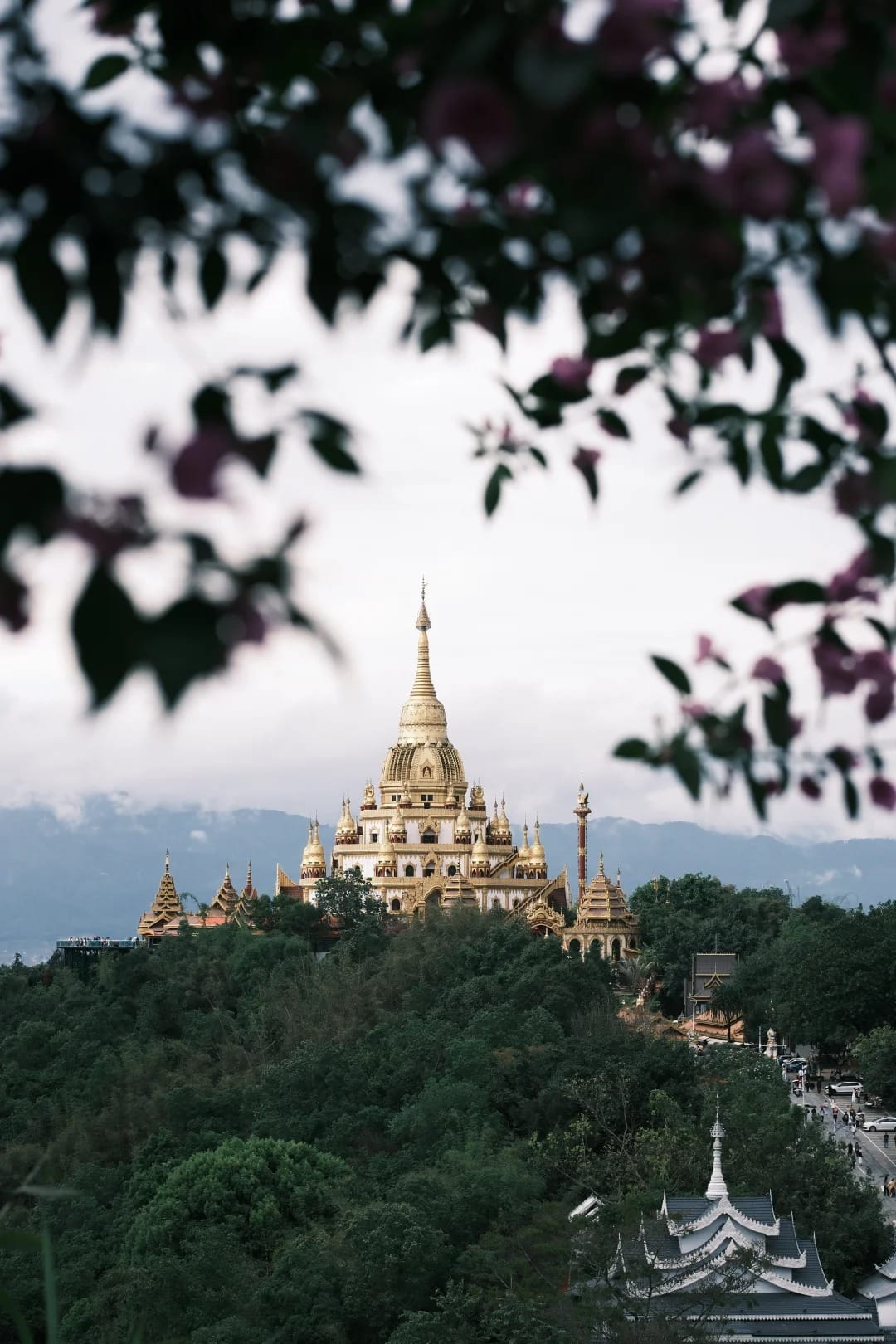
Mangshi (City of Dawn): As the relaxed capital of Dehong, Mangshi sets a delightfully unhurried pace. Perched atop Leiyarang Mountain, the Menghuan Grand Golden Stupa is the city’s crown jewel—a gleaming South Asian-style pagoda that glows brilliantly at sunset and overlooks the entire valley. Just beside it sits the minimalist, snow-white Menghuan Silver Stupa, where mirror-like reflection pools create a striking backdrop for photos. In the heart of town, the Tree-Wrapped Stupa offers a quiet marvel where the massive roots of a century-old banyan tree closely encircle an ancient shrine. As night falls, the Dai Ancient Town comes alive with night markets, traditional dance performances, and street food stalls.
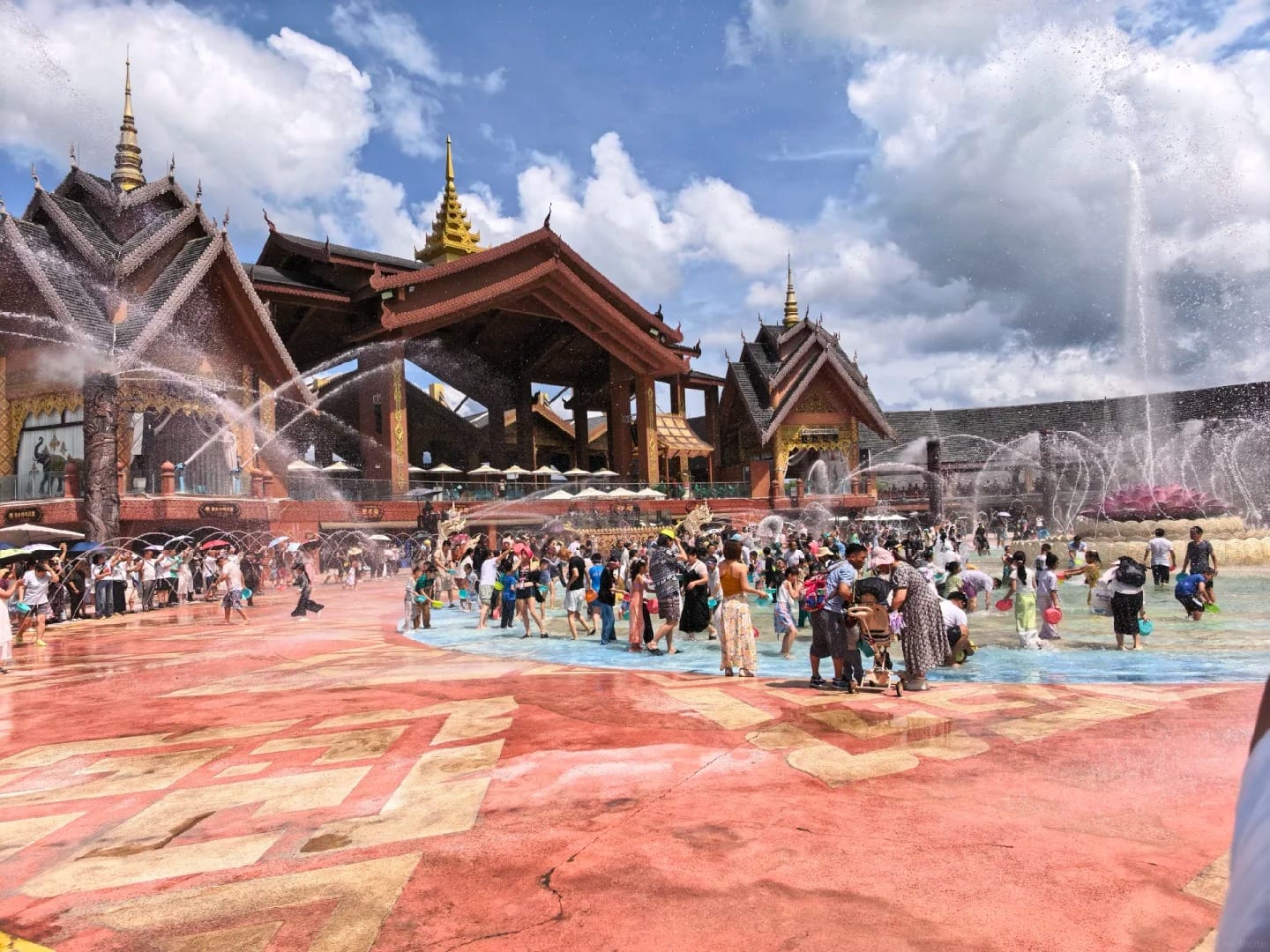
Immersive Cultural Festivals: Festivals in Dehong are living community traditions. During the Water Splashing Festival (Dai New Year, held in mid-April), cities across the prefecture transform into joyful celebrations of music, drumming, and good wishes. Early in the lunar year, the Jingpo celebrate Munao Zongge, where thousands of villagers dressed in elaborate traditional attire join hand-in-hand in a synchronized, rhythmic group dance.
Flavor-Driven Cuisine & Indigenous Coffee: Dehong’s food culture is celebrated for its bold, fresh, and zesty flavor profiles. The region's signature dish is Sapie, delicate rice noodles served with sliced beef, fresh herbs, and a complex dipping sauce flavored with fresh lime, local aromatics, or wild herbs. Desserts like Paoluda—crisp toasted coconut bread soaked in sweet coconut milk—offer a cooling contrast. Specialty dishes like Guoshou Rice Noodles and Jingpo Green Leaf Feasts (aromatic dishes grilled and served on banana leaves) showcase deep culinary heritage.
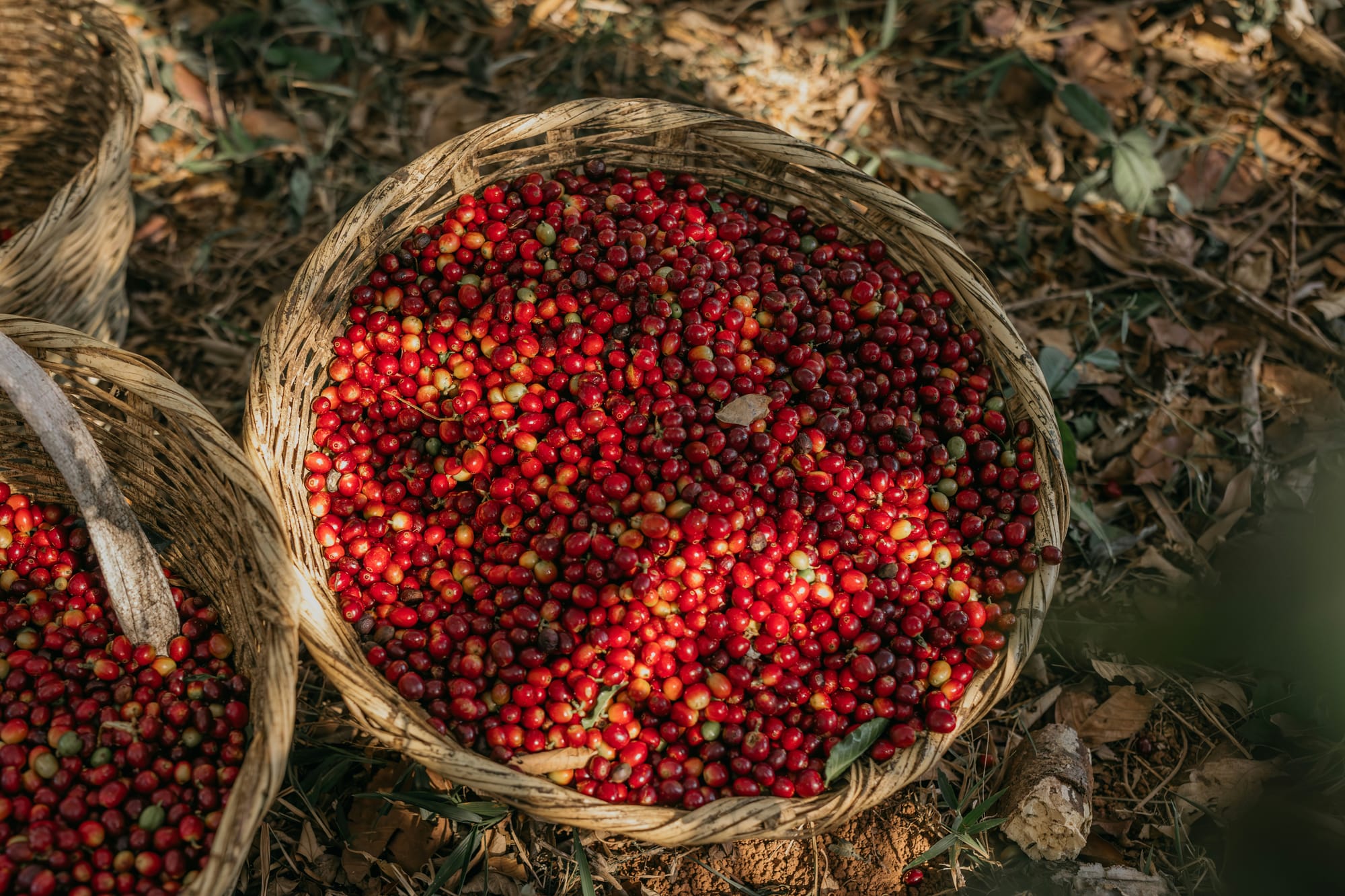
Dehong is also acclaimed as one of China's premier coffee-growing regions, producing Arabica beans known for their smooth body, low bitterness, and subtle fruity notes.
- BEST FOR
Cultural explorers drawn to Southeast Asian heritage, golden stupas, and vibrant borderland markets without leaving China.
Foodies and flavor seekers who love bold, zesty regional cooking, tropical street food, and specialty indigenous coffee.
Festival lovers and music enthusiasts wanting to experience authentic, living ethnic traditions like the Water Splashing Festival and Jingpo dances.
Travelers looking for a relaxed, warm tropical getaway with a slow, easygoing pace.
- MAY NOT BE FOR YOU IF
You require bullet-train access directly to every stop — getting around Dehong relies on local highways coaches, private rental cars or scooters.
You want to avoid routine security checks — being a lively international border region, carrying your passport for identity checks at border sites is mandatory.
You prefer crisp, cool mountain air or high-rise urban centers over warm, humid tropical weather and low-slung border towns.
- HOW LONG?
3 to 4 Days: Spend 1 to 2 days soaking in the slow pace and golden stupas of Mangshi, 1 to 2 days exploring the border landmarks, rainforests, and jade markets of Ruili, and an extra day discovering local coffee farms or ethnic villages in Longchuan or Yingjiang.
- GETTING THERE
By Air: Dehong Mangshi Airport (LUM) is situated just 5 kilometers from downtown Mangshi, roughly a 15-minute taxi ride or a direct airport shuttle bus route. The airport has direct flights to major Chinese cities including Beijing, Shanghai, Guangzhou, Shenzhen etc.
By Rail & Bus: Dehong has no passenger rail station. The most common approach is to take a high-speed train from Kunming to Baoshan Station (about 3.5–4 hours), then transfer to a bus for the remaining 2-hour ride to Mangshi. Alternatively, you can take a train to Dali and then a long-distance bus directly to Mangshi, which takes about 4 hours.
By Bus: Direct long-distance coaches run daily from Kunming to Mangshi— high-speed coaches take about 12 hours, sleeper buses about 14 hours.
- PAIRS WELL WITH
Tengchong: Located about 2 hours northeast by road, famous for its natural hot springs, volcanic geothermal parks, Heshun Ancient Town, specialty Coffee & Tea Terroirand & preserved Ginkgo Village. Baoshan & Dali: Easily accessible via highway or regional transport, ideal for continuing a broader journey through western Yunnan's historical Silk Road trade cities.
Insider Note: Best suited for independent travelers comfortable navigating regional transit and using digital translation apps, or those traveling with a local guide.
Visa & Border Regulations: While visiting border sites, always carry your physical passport for routine identity verification. Border land-port passes issued on-site are strictly restricted to designated border zones and may not be able to travel into the rest of China.
Best Seasons: May offers delightful weather with comfortable temperatures ranging between 22°C and 28°C.
Mid-April brings the energetic Water Splashing Festival (be sure to book lodging well in advance), while the cooler months from October to December provide crisp, pleasant conditions for outdoor trekking and border exploration.